Loading subject page…

- Anatomy and Physiology
- Cells and Their Components
- The Endoplasmic Reticulum
Micro-course: Cells and their Components
74,359 views
Learn key concepts and earn your certificate.



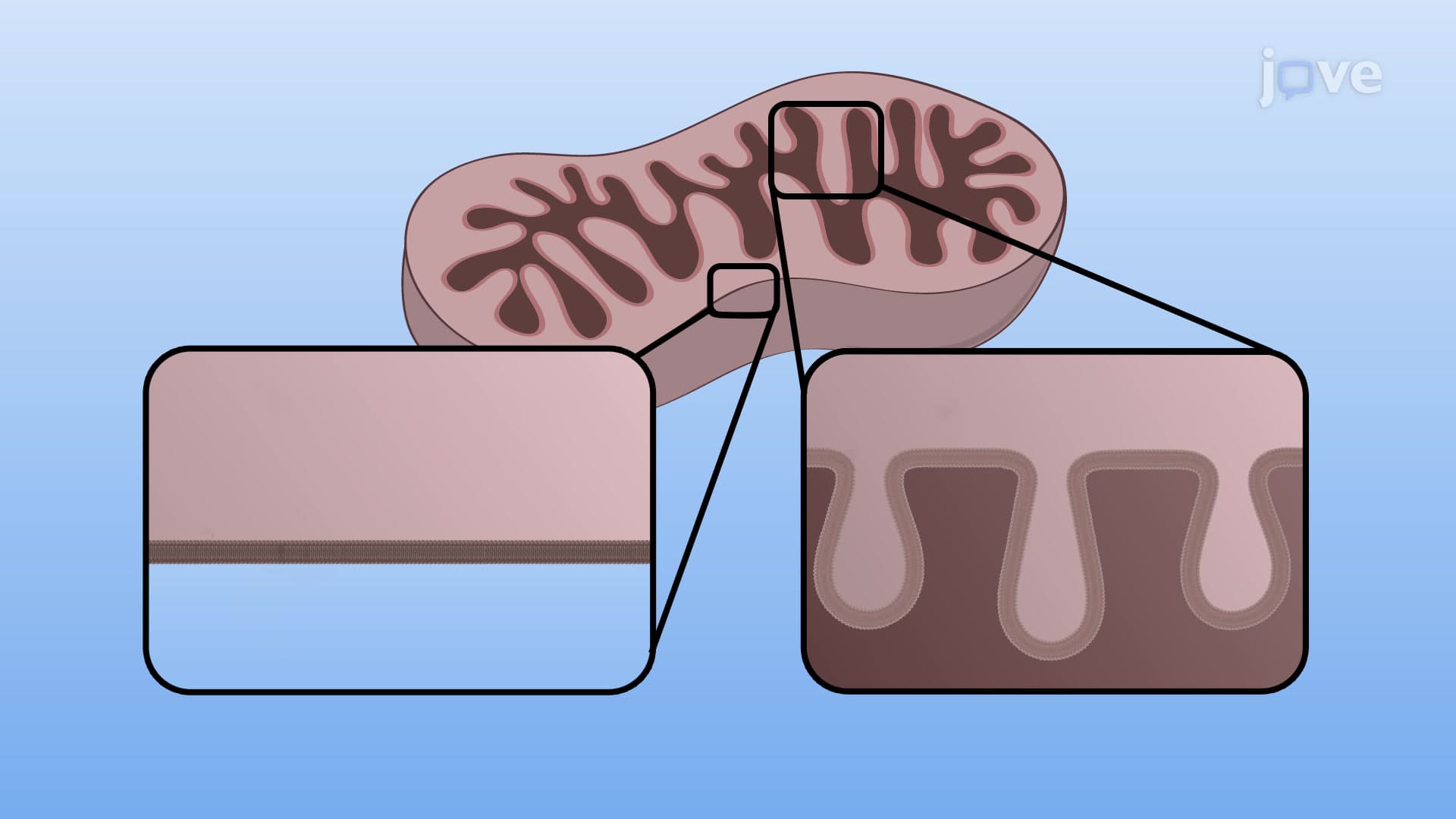
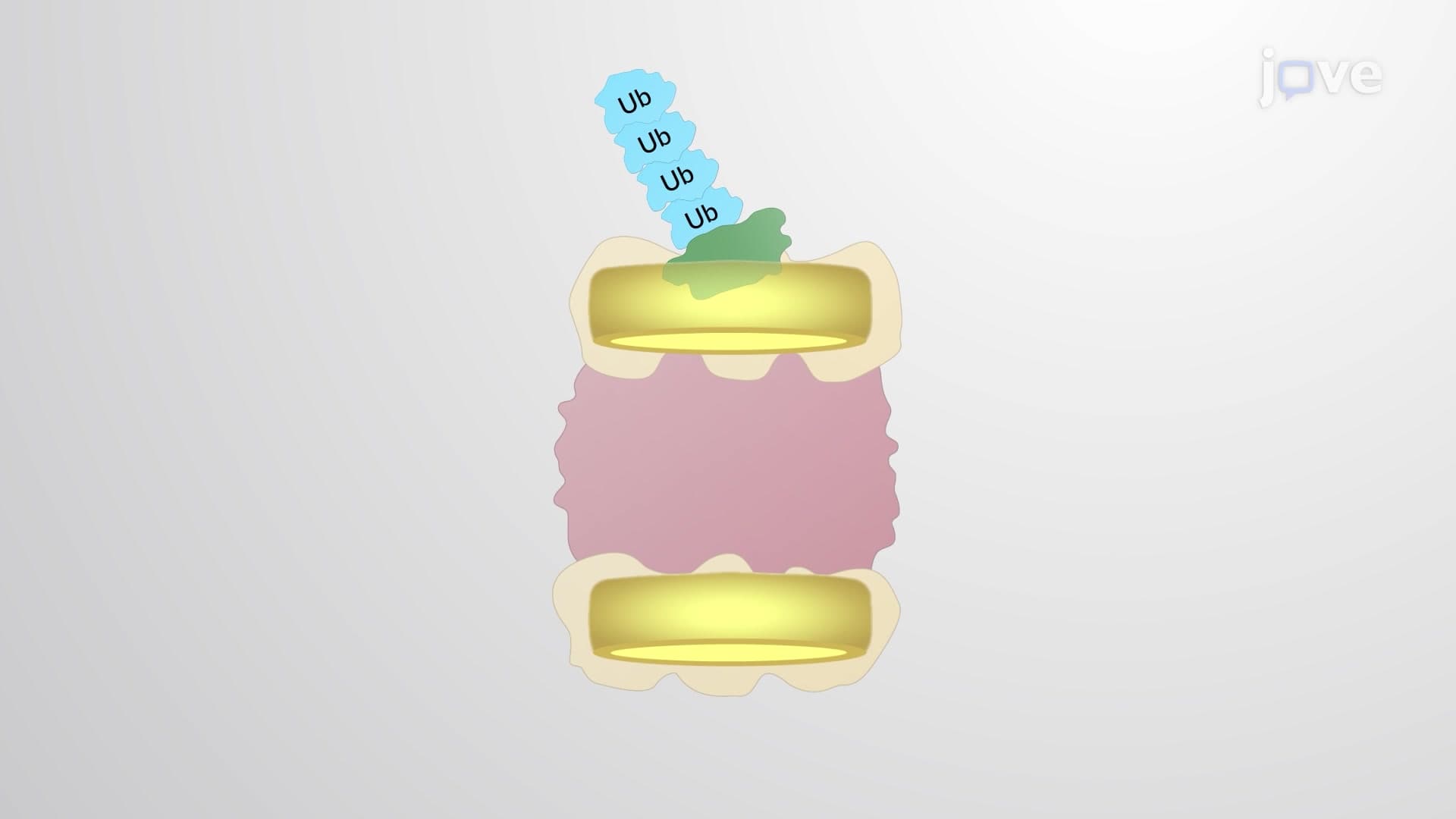
The Endoplasmic Reticulum

00:00
01:43
Video Summary: What Is the Endoplasmic Reticulum
Ever wondered how liver cells can detoxify alcohol while simultaneously producing cholesterol? The endoplasmic reticulum explained reveals this cellular powerhouse as a vast network of membranes orchestrating protein and lipid synthesis throughout eukaryotic cells. In hepatocytes of patients with liver disease treated at Johns Hopkins Hospital, damaged ER networks demonstrate how critical this organelle is for cellular survival. What is The Endoplasmic Reticulum becomes clear when examining its dual nature: rough ER studded with ribosomes for protein production, and smooth ER handling lipids and detoxification. Watch the full video on JoVE Coach to master this concept with expert-led visuals and step-by-step explanations.
- Understand What is The Endoplasmic Reticulum and distinguish between its rough and smooth membrane domains within eukaryotic cells
- Identify the structural differences between rough ER (ribosome-studded) and smooth ER (ribosome-free) and their specialized cellular locations
- Analyze how ER function in cell biology encompasses protein synthesis, lipid metabolism, calcium storage, and cellular detoxification processes
- Compare the roles of rough ER in secretory protein production versus smooth ER in steroid hormone synthesis and drug metabolism
- Evaluate the consequences of ER stress and the unfolded protein response (UPR) in disease states like diabetes and neurodegeneration
- Apply knowledge of ER-associated degradation (ERAD) to understand quality control mechanisms in protein processing
- Recognize how ER dysfunction contributes to genetic disorders such as cystic fibrosis through improper protein folding
- Explore the therapeutic potential of targeting ER pathways in biotechnology and pharmaceutical interventions
What is The Endoplasmic Reticulum: Cellular Architecture and Organization
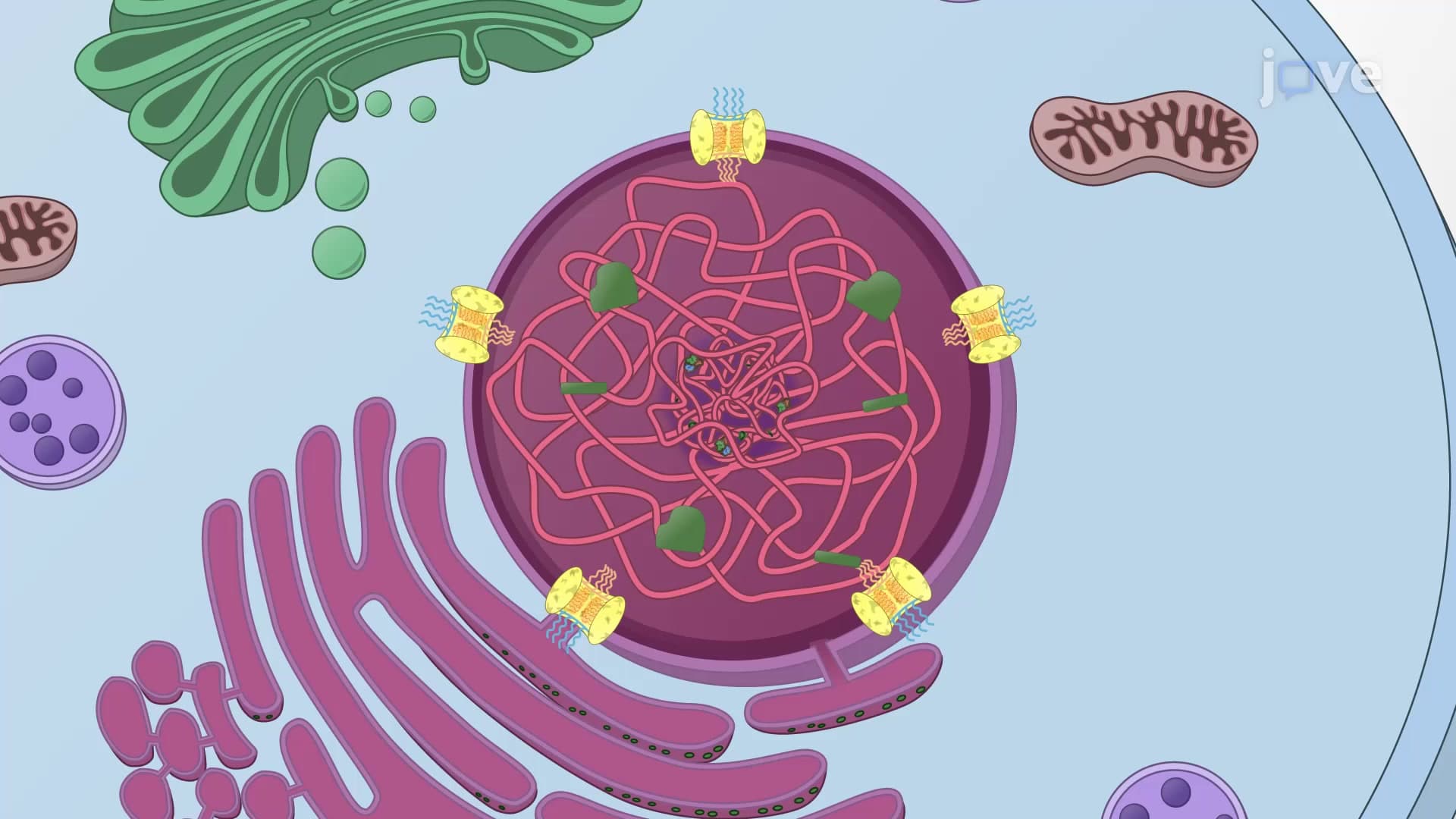
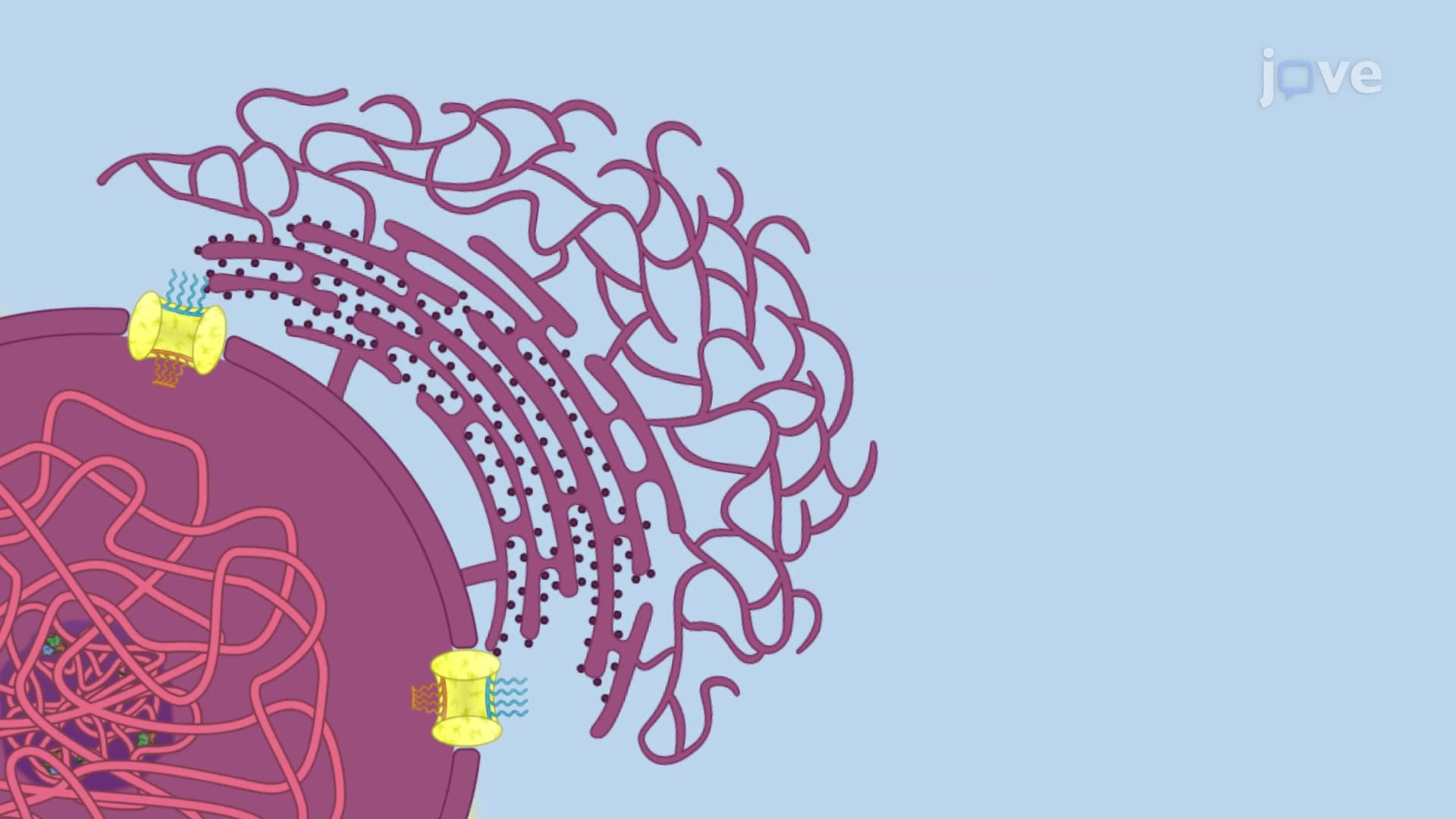
The endoplasmic reticulum represents one of the most extensive organelle systems in eukaryotic cells, forming an intricate network of interconnected membranes that can occupy up to 10% of cellular volume. This ER membrane network extends from the nuclear envelope throughout the cytoplasm, creating specialized compartments for distinct biochemical processes. Students preparing for AP Biology or college cell biology courses should recognize that the ER's structural complexity directly correlates with its functional diversity, making it essential for cellular homeostasis.
Rough ER Function: Protein Synthesis and Processing Hub
Protein synthesis rough ER occurs when ribosomes attach to ER membranes, creating the characteristic "rough" appearance under electron microscopy. This specialized region handles the production of secretory proteins, membrane proteins, and proteins destined for organelles like lysosomes. During translation, nascent proteins enter the ER lumen through translocons, where they undergo critical modifications including signal peptide cleavage and N-linked glycosylation. Students studying for the MCAT should understand that diseases like osteogenesis imperfecta result from defective collagen processing in the rough ER, demonstrating clinical relevance.
Smooth ER Function: Lipid Metabolism and Cellular Detoxification
Lipid synthesis smooth ER operates without ribosomes, specializing in lipid metabolism, steroid hormone production, and detoxification processes. In liver hepatocytes, smooth ER proliferates dramatically in response to drug exposure, increasing cytochrome P450 enzyme production for medication metabolism. This adaptation explains why chronic alcohol consumption leads to enhanced alcohol tolerance through expanded smooth ER networks. Steroidogenic cells in the adrenal cortex contain abundant smooth ER for cortisol and aldosterone synthesis, illustrating tissue-specific ER specialization.
ER Stress Response and Clinical Applications
When protein folding capacity becomes overwhelmed, cells activate the unfolded protein response (UPR), a sophisticated quality control mechanism. ER-associated degradation (ERAD) removes misfolded proteins, but persistent ER stress contributes to diseases including Alzheimer's disease, Parkinson's disease, and type 2 diabetes. Pharmaceutical companies now develop ER stress modulators as therapeutic interventions, with compounds like tauroursodeoxycholic acid showing promise in clinical trials at institutions like the Mayo Clinic and Cleveland Clinic.
Frequently Asked Questions
The endoplasmic reticulum is a vast network of interconnected membranes forming the cell's primary protein and lipid synthesis factory. Unlike mitochondria or lysosomes, the ER connects directly to the nuclear envelope and extends throughout the cytoplasm as continuous membrane sheets and tubules. This unique architecture allows it to serve as both a manufacturing center and transportation highway for cellular products.
ER function appears extensively on AP Biology exams, particularly in cell structure questions and protein synthesis essays. Students must understand rough ER's role in secretory protein production, smooth ER's involvement in lipid synthesis, and how ER dysfunction relates to genetic disorders. The College Board frequently tests ER's connection to the endomembrane system and protein trafficking pathways.
MCAT questions emphasize ER's role in protein folding diseases, signal recognition particles (SRP), and co-translational translocation. Focus on understanding how misfolded proteins cause diseases like cystic fibrosis, the unfolded protein response mechanism, and ER-associated degradation pathways. Questions often connect ER dysfunction to pharmaceutical interventions and drug metabolism.
ER stress contributes to numerous diseases treated at major medical centers like Johns Hopkins and Cleveland Clinic. Diabetes involves ER stress in pancreatic beta cells, leading to insulin production defects. Alzheimer's disease shows ER dysfunction in brain neurons, while liver diseases often involve smooth ER damage affecting detoxification capacity.
Absolutely not! High school students can master ER concepts by focusing on the basic structure-function relationships: rough ER makes proteins, smooth ER makes lipids. Building from these fundamentals, students can gradually explore more complex topics like protein folding and cellular stress responses at their own pace.
Create visual associations: imagine rough ER as a "protein factory" with ribosomes as "workers," and smooth ER as a "chemical plant" for lipids and detoxification. Use the acronym "RPLD" (Ribosomes-Proteins, Lipids-Detox) to remember that rough ER handles ribosomes and proteins, while smooth ER manages lipids and detoxification.
Progress to the broader endomembrane system, including Golgi apparatus protein modification and vesicular transport mechanisms. Understanding ER provides the foundation for studying protein trafficking, signal transduction pathways, and how cells maintain quality control over their protein production systems.
Related Micro-courses

15 Concepts
16 Concepts
26 Concepts