Loading subject page…

- Anatomy and Physiology
- Cells and Their Components
- The Nucleosome
Micro-course: Cells and their Components
74,359 views
Learn key concepts and earn your certificate.



The Nucleosome

00:00
01:19
Video Summary: What Is the Nucleosome
Ever wonder how six feet of DNA fits inside a cell nucleus smaller than a pinhead? The answer lies in the nucleosome explained biology - tiny protein spools that package our genetic material like thread on a bobbin. Similar to how medical laboratories at Johns Hopkins use DNA compression techniques for genetic analysis, nucleosomes compact DNA by wrapping it around histone proteins, reducing its length by two-thirds. Watch the full video on JoVE Coach to master this concept with expert-led visuals and step-by-step explanations.
- Understand what is the nucleosome and its role as the fundamental unit of chromatin organization in eukaryotic cells
- Identify the components of nucleosome structure function, including the histone octamer and wrapped DNA segments
- Analyze how histone proteins interact with DNA through electrostatic forces to form stable nucleosome complexes
- Compare the roles of core histones (H2A, H2B, H3, H4) versus linker histone H1 in chromatin packaging
- Evaluate how nucleosome formation compresses DNA length and enables efficient cellular storage
- Apply knowledge of nucleosome organization to understand gene regulation and chromatin remodeling processes
- Recognize the "beads-on-a-string" model as the primary level of DNA packaging in the nucleus
- Explore how histone tail modifications affect nucleosome stability and gene expression patterns
Understanding What is The Nucleosome: The Foundation of Genetic Organization
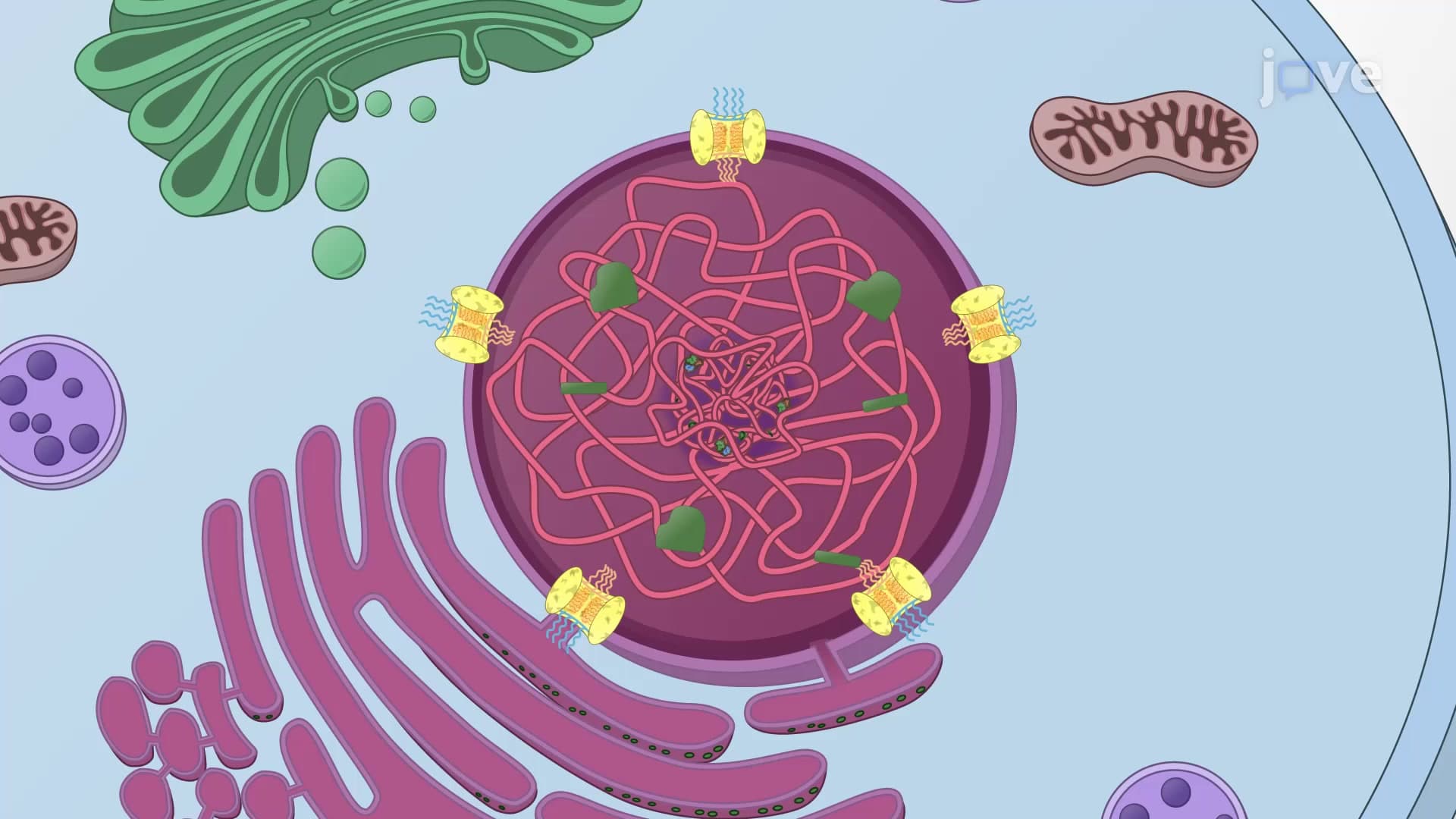
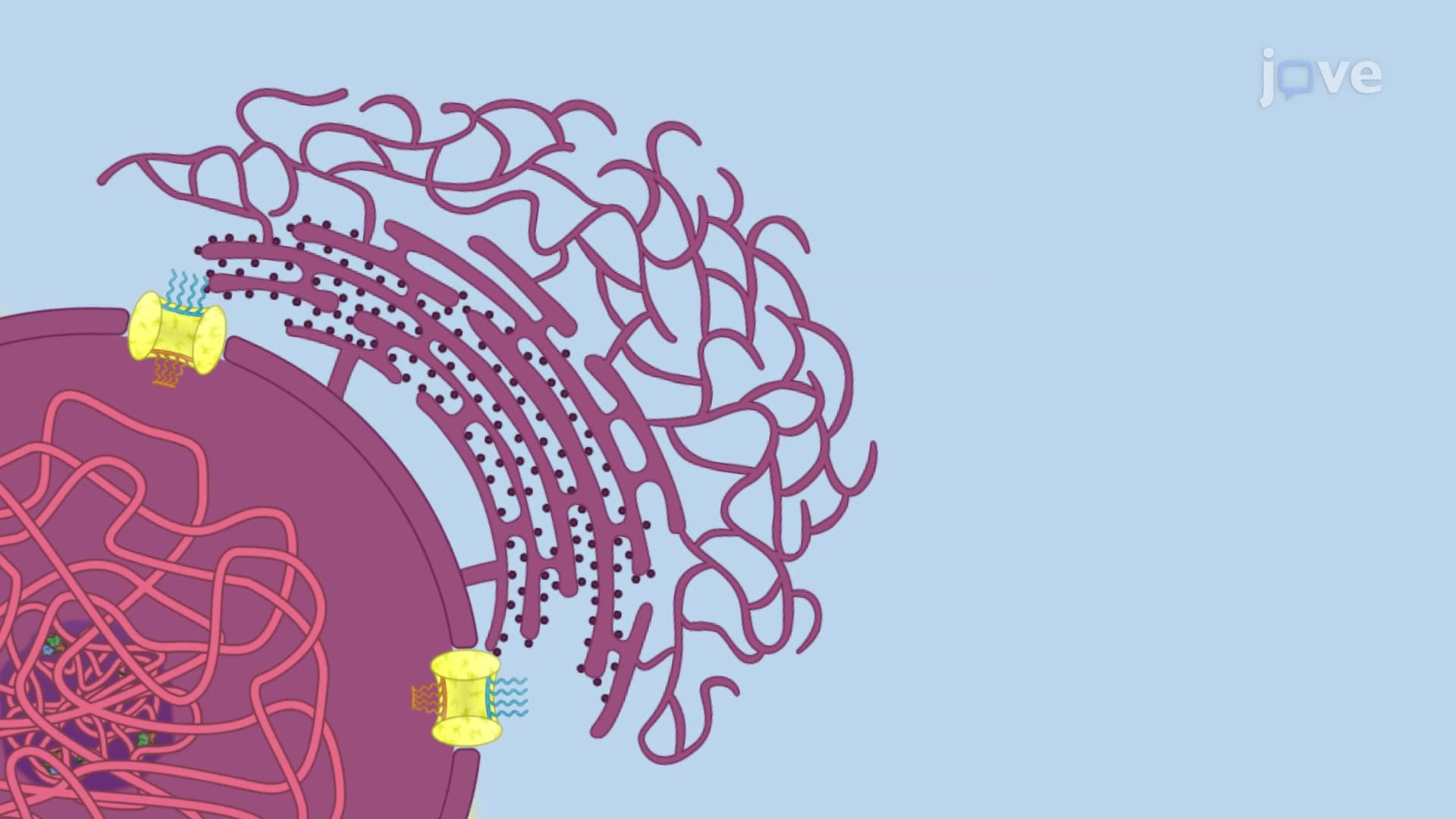
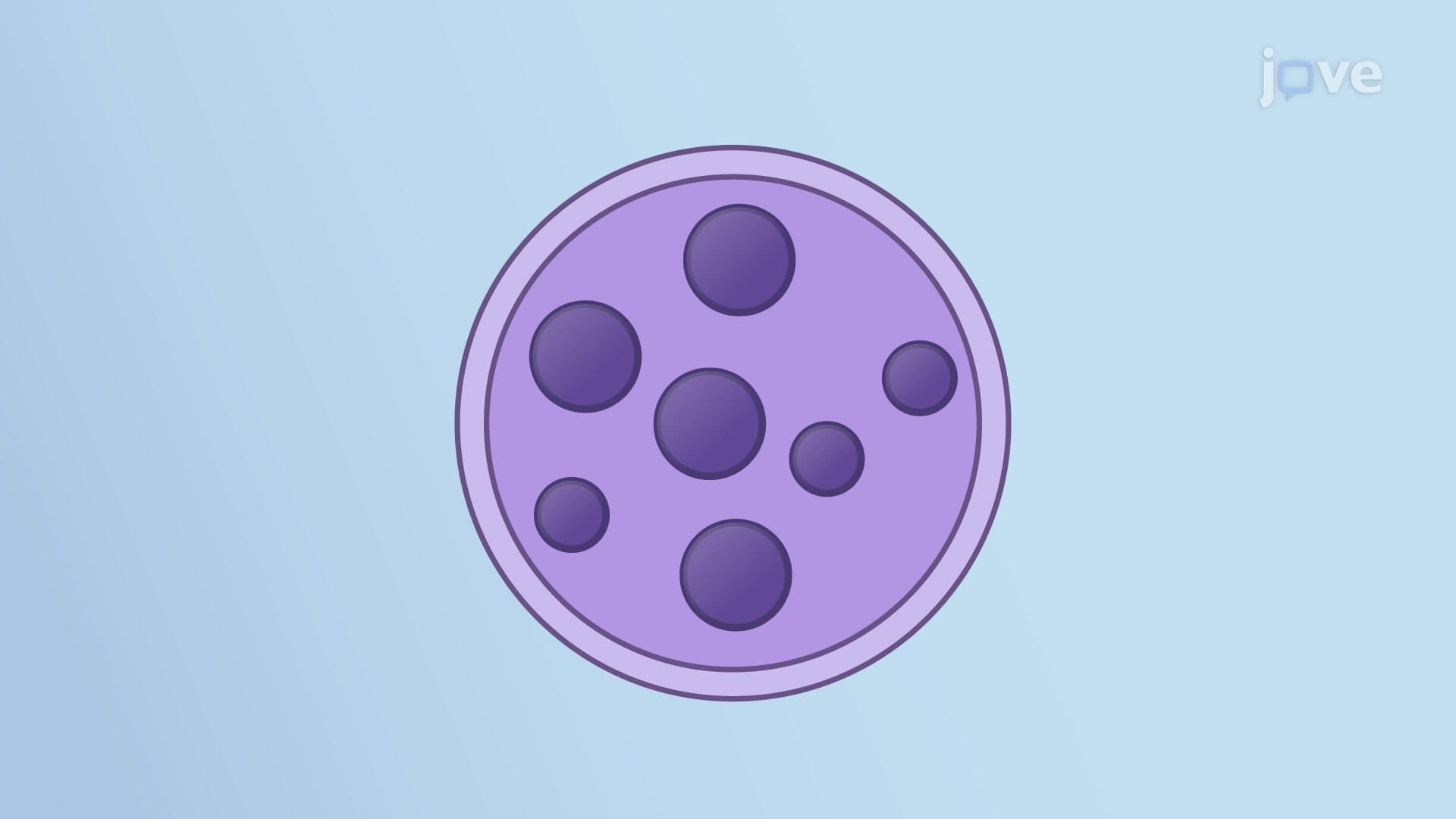
The nucleosome represents one of biology's most elegant solutions to a massive storage problem. Each human cell contains approximately 6.4 billion base pairs of DNA that, if stretched end-to-end, would measure about 6 feet long. Yet this enormous molecule must fit within a cell nucleus measuring only 10-20 micrometers in diameter. The nucleosome structure function accomplishes this feat through sophisticated protein-DNA interactions that have fascinated researchers at institutions like Harvard Medical School and the National Institutes of Health.
Histone Nucleosome Structure: The Protein Core
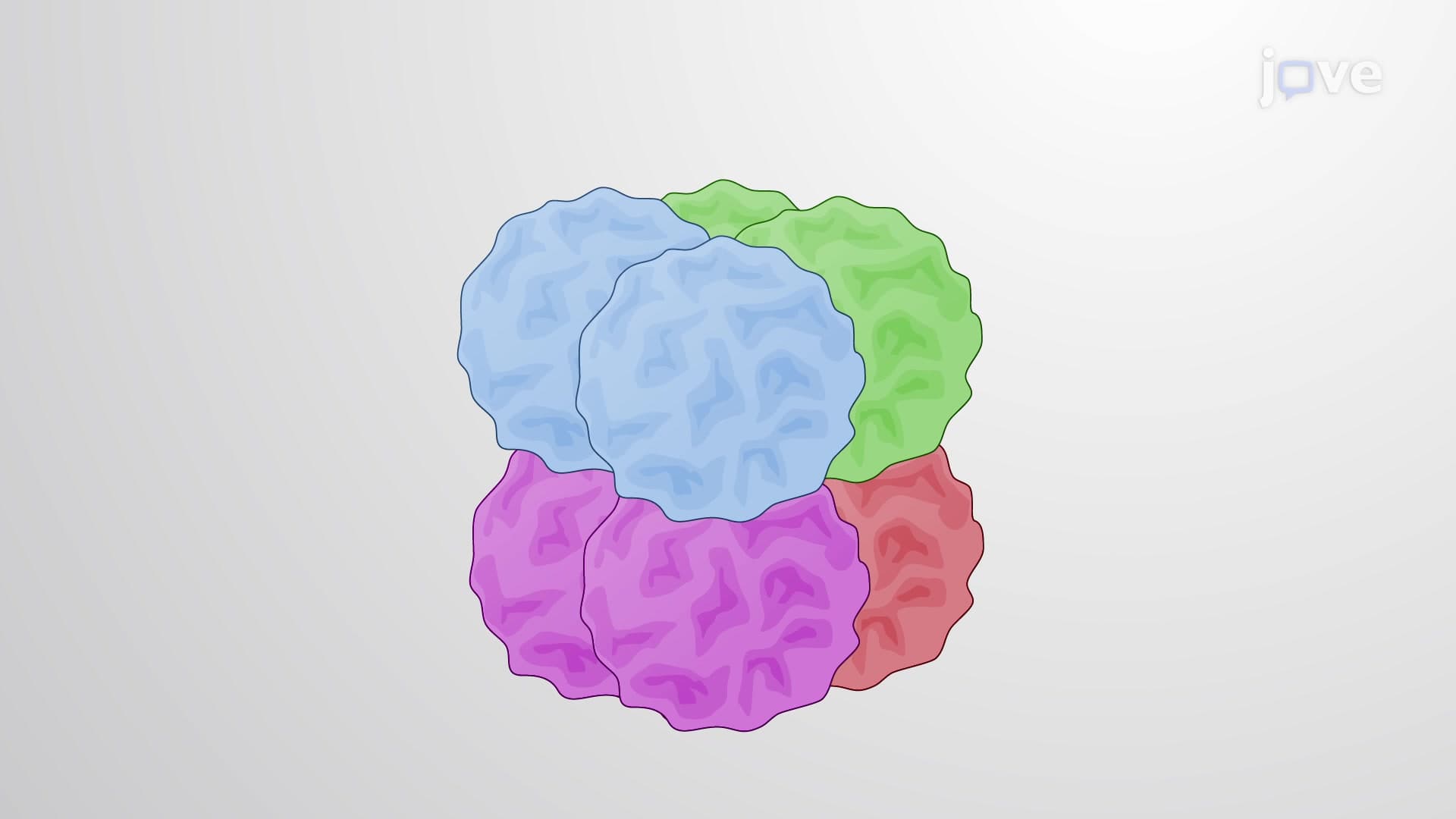
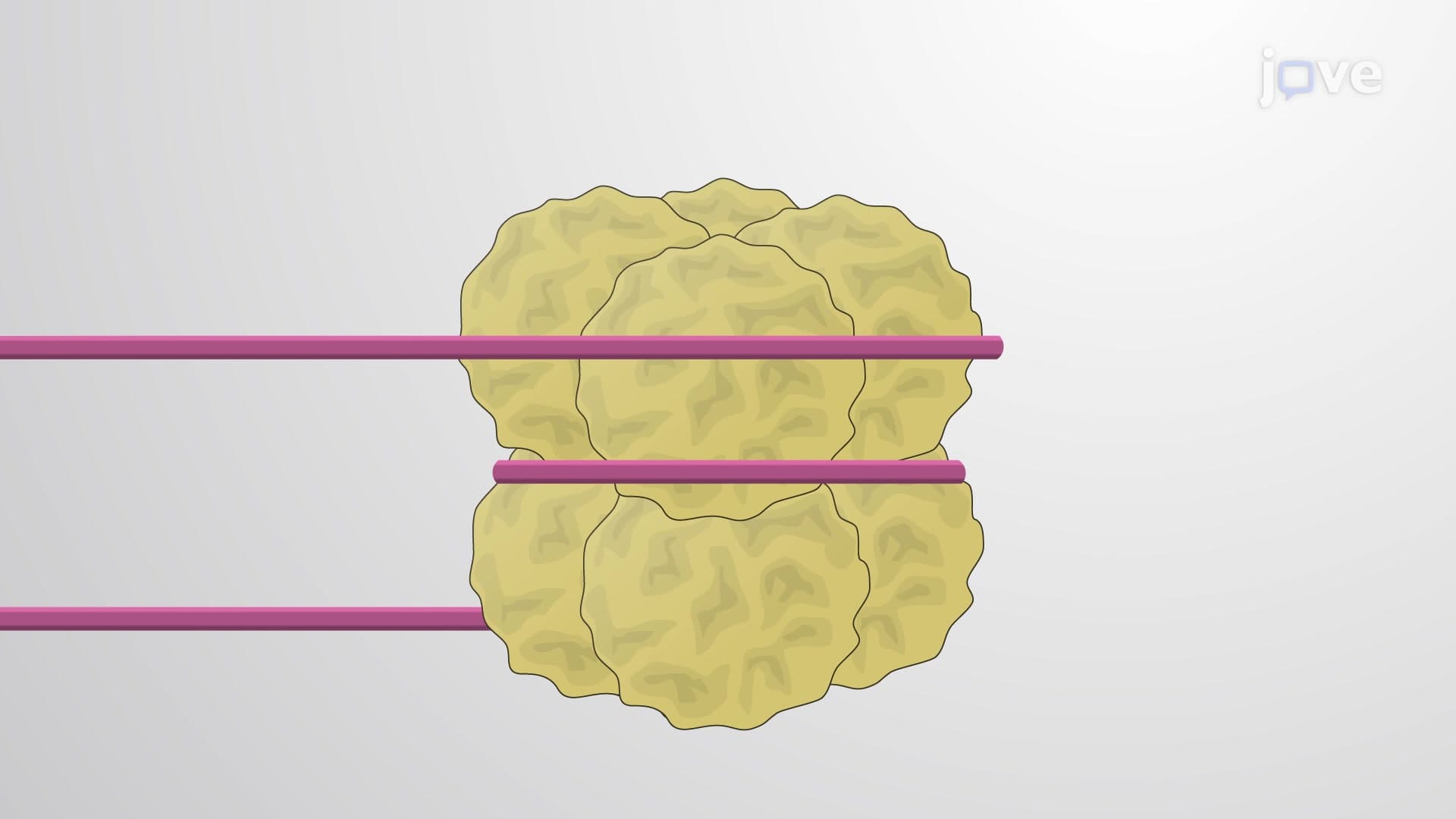
At the heart of every nucleosome lies the histone octamer - a protein complex containing two copies each of histones H2A, H2B, H3, and H4. These histones are among the most conserved proteins in biology, with human histone sequences sharing remarkable similarity with those found in yeast and plants. The positive charge of these proteins, created by abundant lysine and arginine amino acids, creates powerful electrostatic attractions with DNA's negatively charged phosphate backbone.
Each histone protein features flexible N-terminal tails extending 11-27 amino acids beyond the core structure. These tails play crucial roles in nucleosome stability and serve as platforms for chemical modifications that regulate gene expression. Research at Stanford University has shown that these histone modifications, including methylation and acetylation, create an "epigenetic code" that influences cellular function without changing DNA sequence.
DNA Wrapped Histone: The Packaging Process
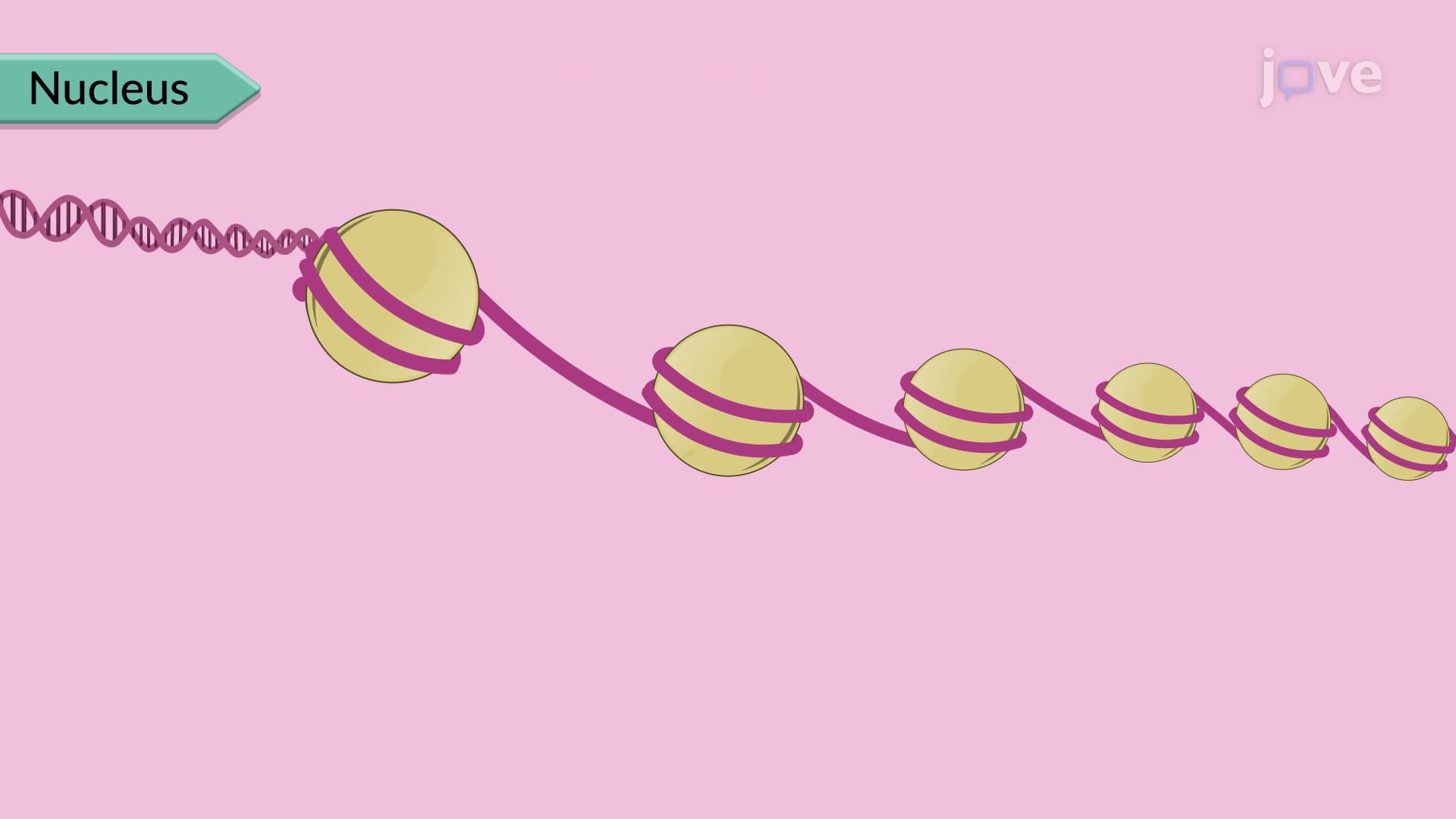
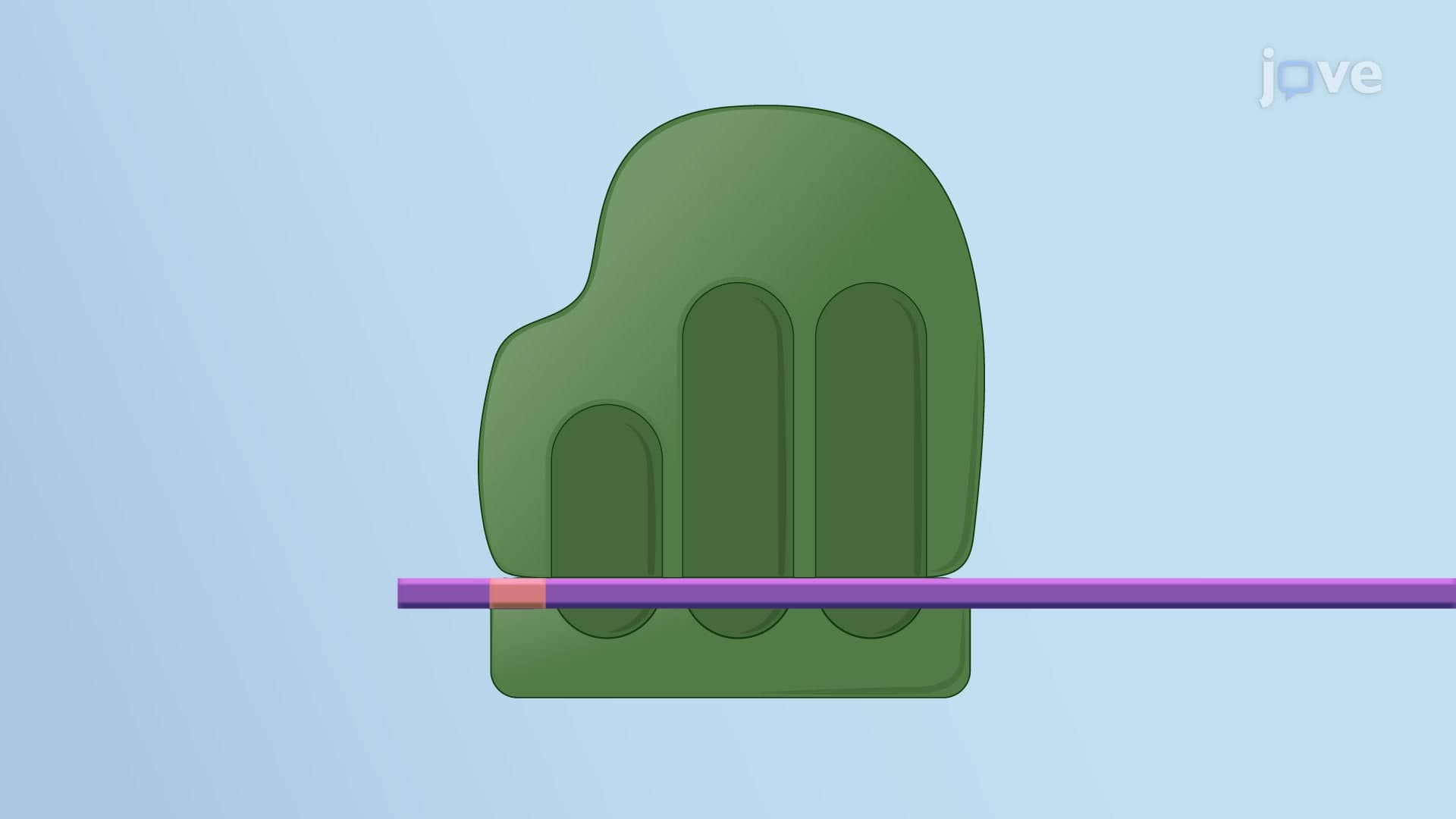
The DNA packaging nucleosome mechanism involves precise wrapping of 145-147 base pairs of DNA around each histone octamer core, completing nearly two full turns. This wrapping occurs at specific sequences and creates a compact structure that reduces DNA length by approximately 50%. Between each nucleosome core particle lies a variable stretch of linker DNA, typically 20-80 base pairs long, creating the characteristic "beads-on-a-string" appearance visible under electron microscopy.
Histone H1, often called the linker histone, binds to this linker DNA and helps organize nucleosomes into higher-order chromatin structures. Without H1, chromatin remains in the relaxed beads-on-a-string configuration, but H1 binding promotes formation of the 30-nanometer chromatin fiber, achieving additional compaction.
Nucleosome Chromatin Organization: From Structure to Function
Understanding nucleosome organization proves essential for students preparing for advanced coursework and standardized exams. The AP Biology exam frequently tests nucleosome concepts, particularly their role in gene regulation and cell division. Pre-med students encounter nucleosomes extensively on the MCAT, where questions often focus on how chromatin structure affects transcription and DNA replication.
In clinical contexts, nucleosome dysfunction contributes to various diseases. Cancer researchers at MD Anderson Cancer Center study how altered histone modifications in nucleosomes lead to abnormal gene expression patterns. Additionally, certain autoimmune diseases produce antibodies against nucleosome components, making nucleosome structure clinically relevant for medical students studying pathology.
Frequently Asked Questions
A nucleosome is the basic repeating unit of chromatin, consisting of DNA wrapped around a core of histone proteins. It's essential because it allows cells to compact enormous amounts of DNA into tiny nuclei while maintaining organized access to genetic information. This packaging system enables proper cell division, gene regulation, and DNA repair processes that are fundamental to all life.
AP Biology frequently tests nucleosome concepts in questions about chromatin organization, gene expression regulation, and cell division. Students should understand the histone octamer composition, DNA wrapping patterns, and how nucleosome modifications affect transcription. Free-response questions often ask students to explain how chromatin structure changes during different cellular processes.
The MCAT tests nucleosome structure-function relationships, histone modifications, and chromatin's role in gene regulation. Students must understand how nucleosome positioning affects transcription factor binding, DNA replication timing, and epigenetic inheritance. Questions often integrate nucleosome biology with molecular genetics and cell biology concepts.
Nucleosomes play crucial roles in cancer research and diagnosis at major US medical centers. Oncologists study how abnormal histone modifications in nucleosomes contribute to tumor development, while pathologists use nucleosome-related biomarkers for disease diagnosis. Pharmaceutical companies also develop drugs targeting nucleosome-modifying enzymes for cancer treatment.
Not at all - nucleosome concepts build naturally on basic DNA and protein knowledge taught in introductory biology courses. Students who understand protein structure and DNA properties can easily grasp nucleosome organization. The key is visualizing nucleosomes as molecular "thread spools" that organize genetic material efficiently.
Create visual diagrams showing histone octamer assembly, DNA wrapping patterns, and chromatin fiber organization. Practice drawing nucleosome components from memory and explaining their functions. Use molecular models or online simulations to visualize three-dimensional relationships between histones and DNA.
Students should investigate chromatin remodeling complexes, epigenetic modifications, and transcription regulation mechanisms. Advanced topics include nucleosome positioning during DNA replication, histone variant functions, and chromatin structure's role in development and disease.
Histone modifications within nucleosomes create "epigenetic marks" that either promote or inhibit gene transcription without changing DNA sequence. Acetylation typically activates genes by loosening DNA-histone interactions, while certain methylation patterns can silence genes. These modifications are heritable through cell divisions and contribute to cellular identity and function.
Related Micro-courses

15 Concepts
16 Concepts
26 Concepts