Loading subject page…

- Anatomy and Physiology
- Cells and Their Components
- The Proteasome
Micro-course: Cells and their Components
74,359 views
Learn key concepts and earn your certificate.



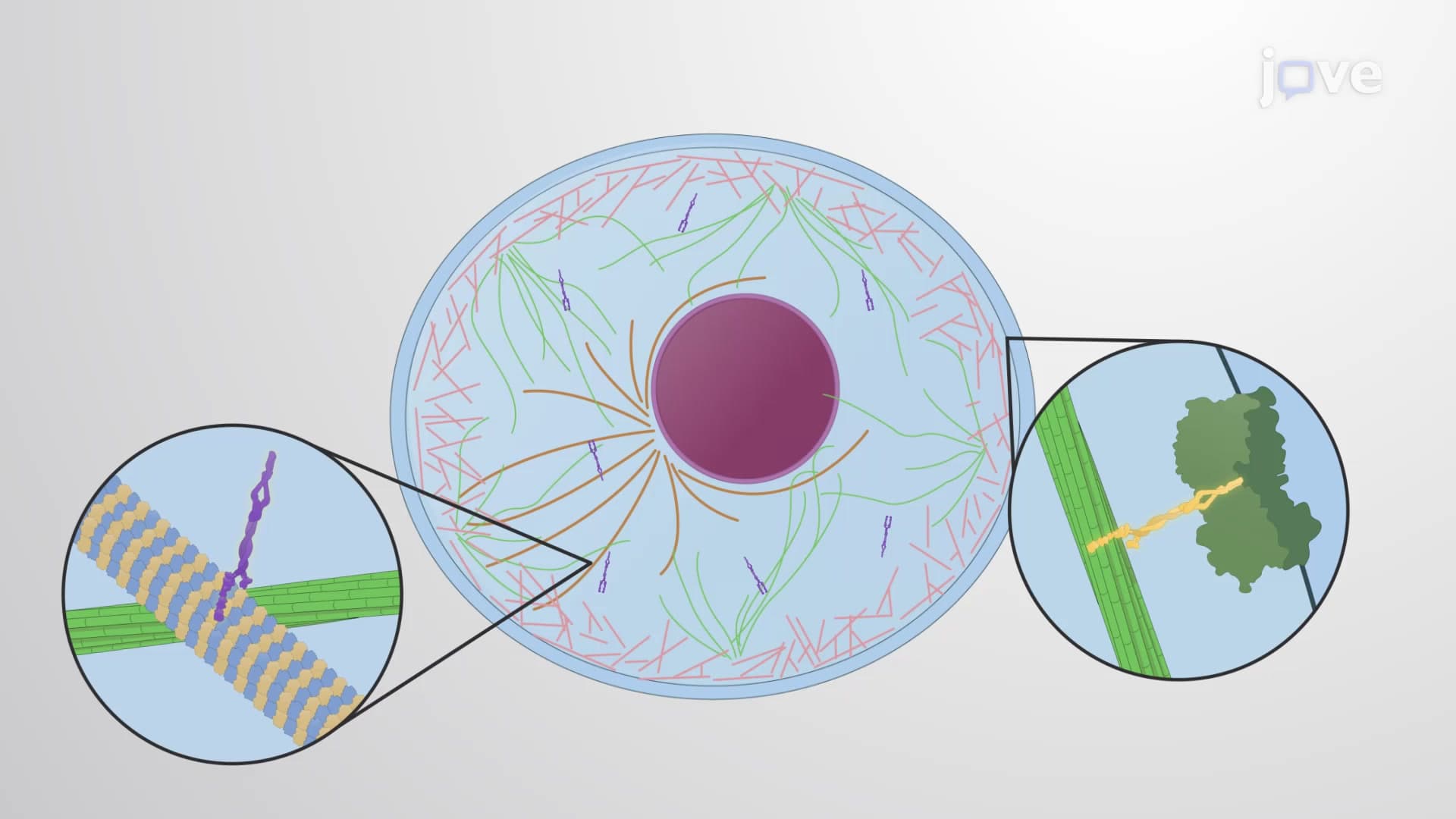
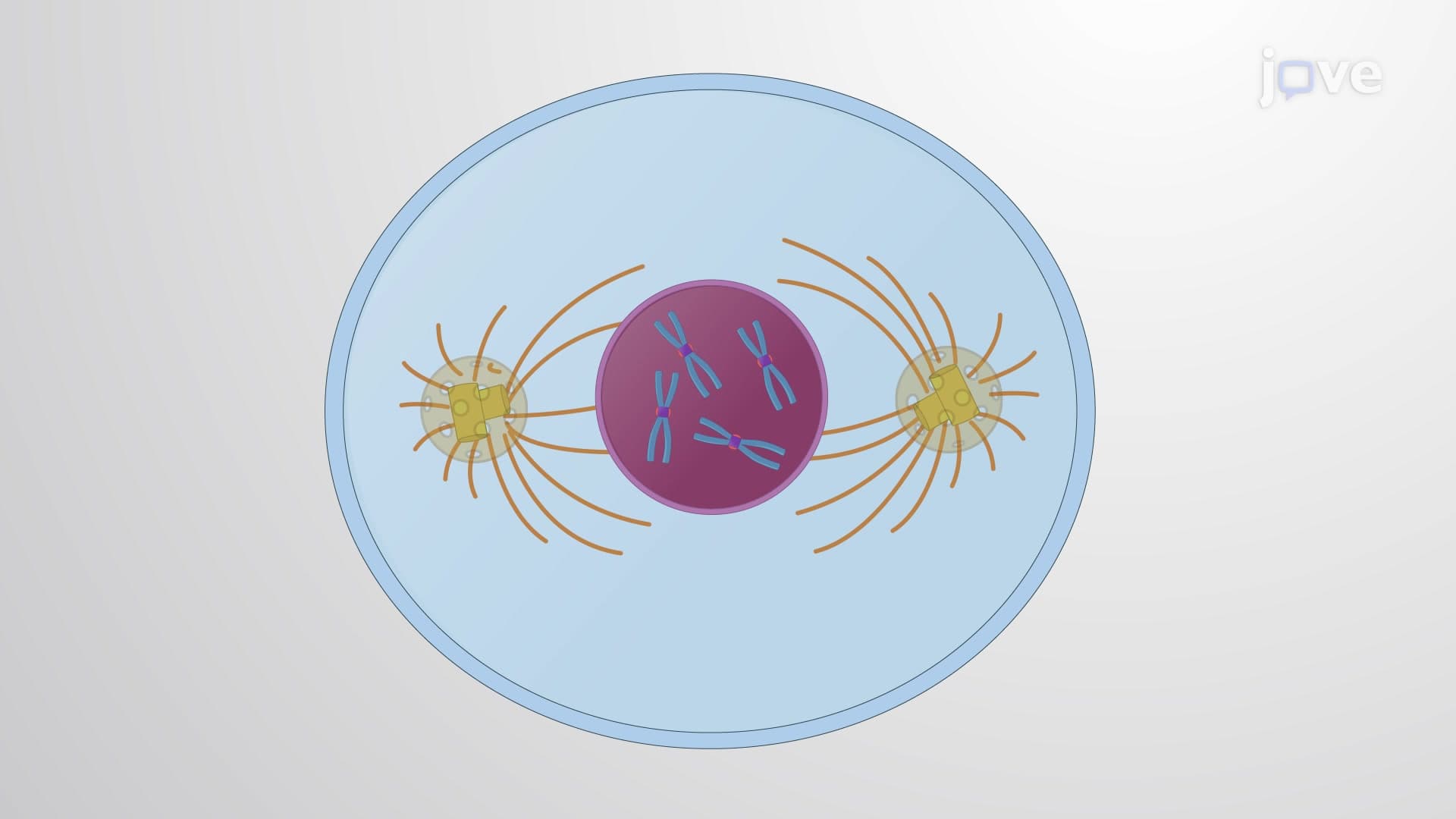
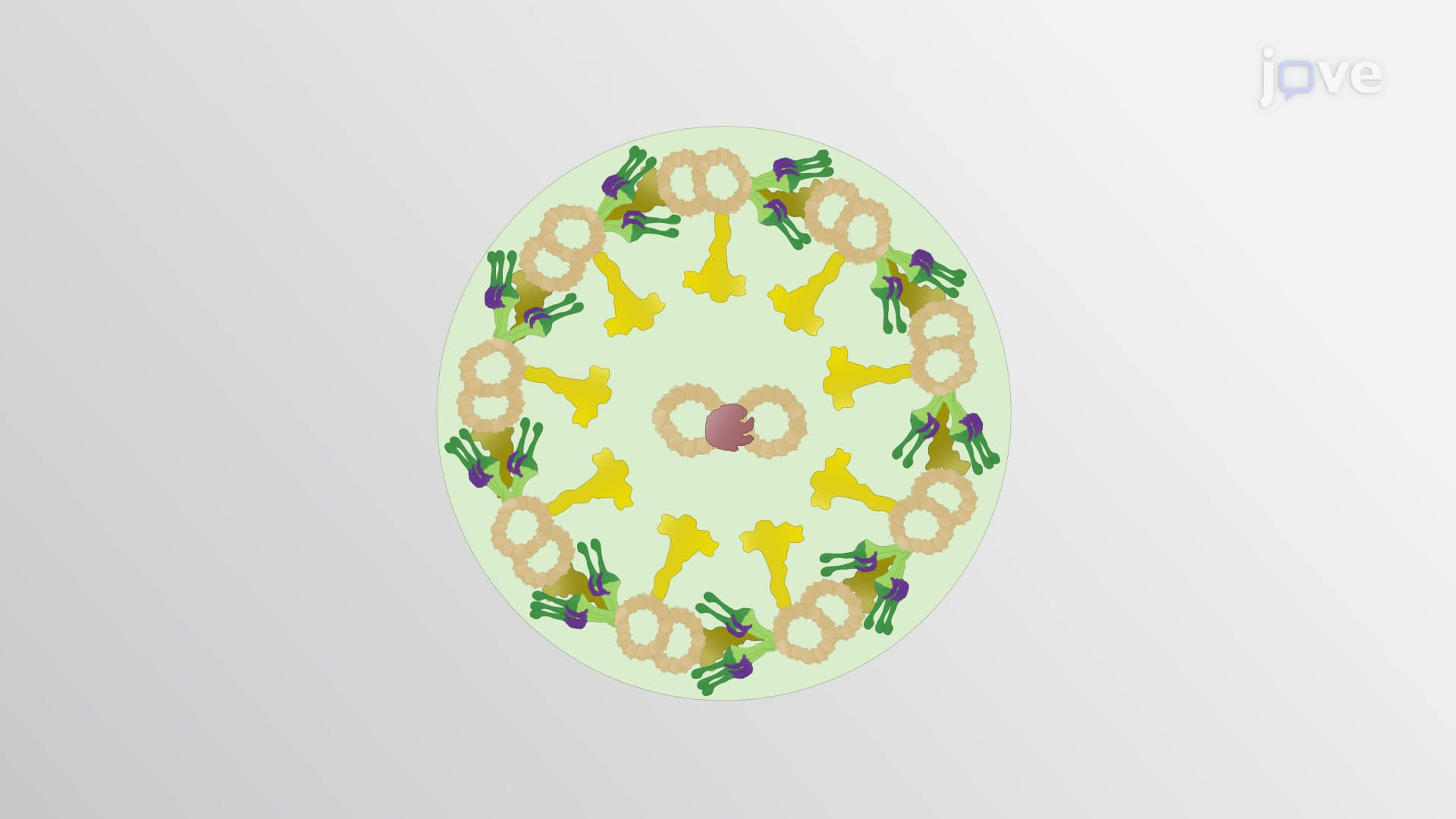

The Proteasome

00:00
01:13
Video Summary: What Is the Proteasome
Ever wonder why your cells don't become cluttered with damaged proteins like a junk-filled garage? Proteasome function explained reveals how cellular "recycling centers" prevent protein buildup that could kill cells. Similar to how waste management systems keep US cities clean, the proteasome systematically identifies and degrades faulty proteins through the ubiquitin-proteasome pathway. This quality control mechanism is essential for preventing diseases like Alzheimer's and certain cancers. Watch the full video on JoVE Coach to master this concept with expert-led visuals and step-by-step explanations.
- Understand what is the proteasome and its critical role as the cell's protein degradation machinery
- Identify the key components of the ubiquitin-proteasome pathway including ubiquitin ligases, the 26S proteasome, and deubiquitinase enzymes
- Analyze how proteasome protein degradation occurs through ATP-dependent unfolding and proteolytic digestion
- Compare the structural organization of the proteasome's catalytic core and regulatory caps
- Evaluate the energy requirements and recycling mechanisms that make proteasome function efficient
- Apply knowledge of proteasome dysfunction to understand disease mechanisms like neurodegeneration
- Recognize the relationship between protein quality control and cellular homeostasis
- Explore how proteasome activity is regulated in response to cellular stress and metabolic demands
Understanding the Proteasome: Cellular Quality Control
The proteasome functions as the cell's primary protein degradation system, maintaining cellular health by eliminating damaged, misfolded, or unnecessary proteins. This sophisticated molecular machine operates continuously in every human cell, processing thousands of proteins daily to prevent toxic accumulation that could disrupt normal cellular function.
The Ubiquitin-Proteasome Pathway Mechanism
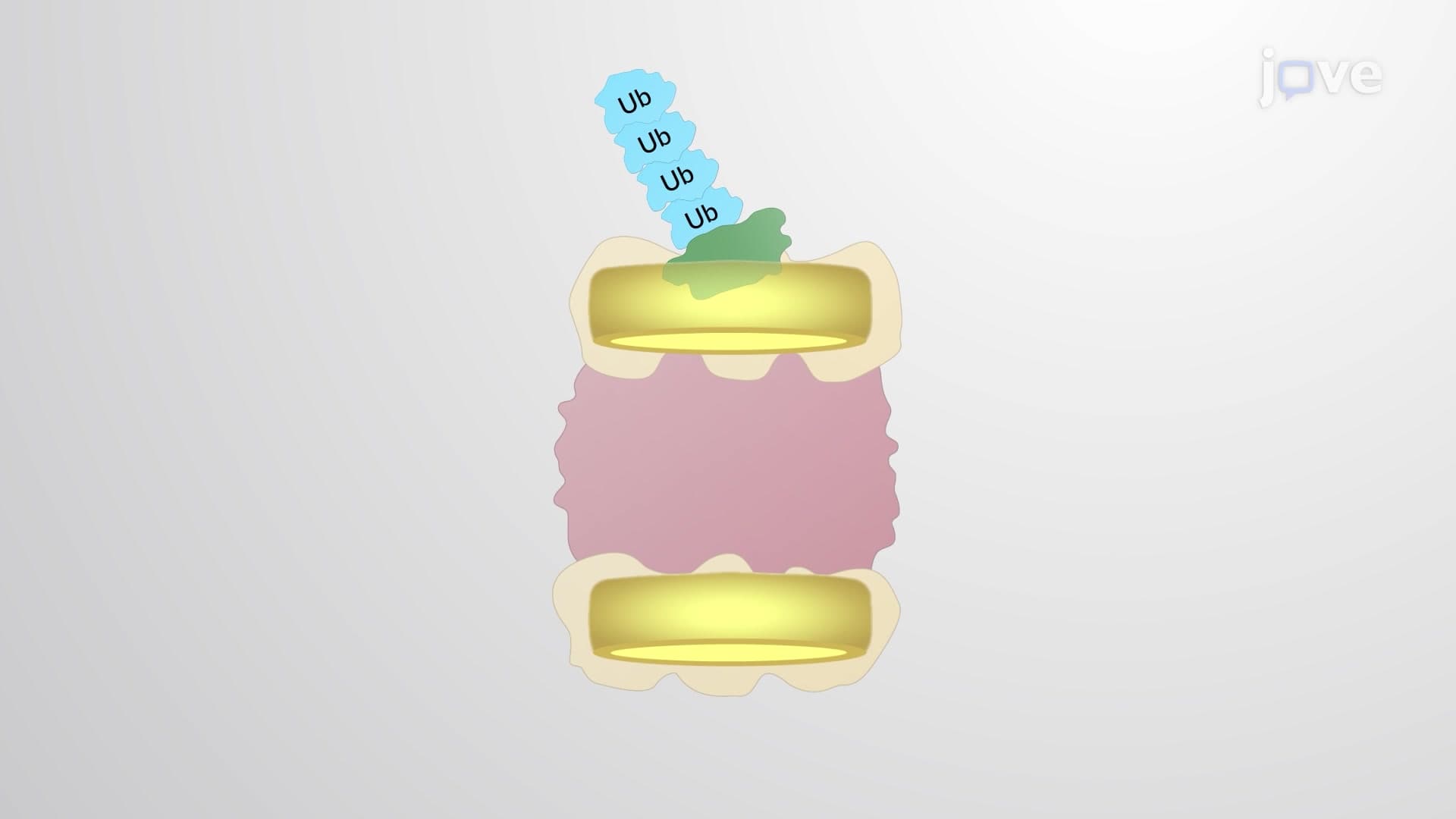
Proteasome protein degradation begins with protein tagging through the ubiquitin system. Ubiquitin ligase enzymes recognize specific degradation signals on target proteins-similar to how postal workers identify packages for different destinations. These enzymes attach multiple ubiquitin molecules, creating a polyubiquitin chain that serves as a "molecular death sentence." This tagging system ensures precision: only proteins marked for destruction enter the proteasome.
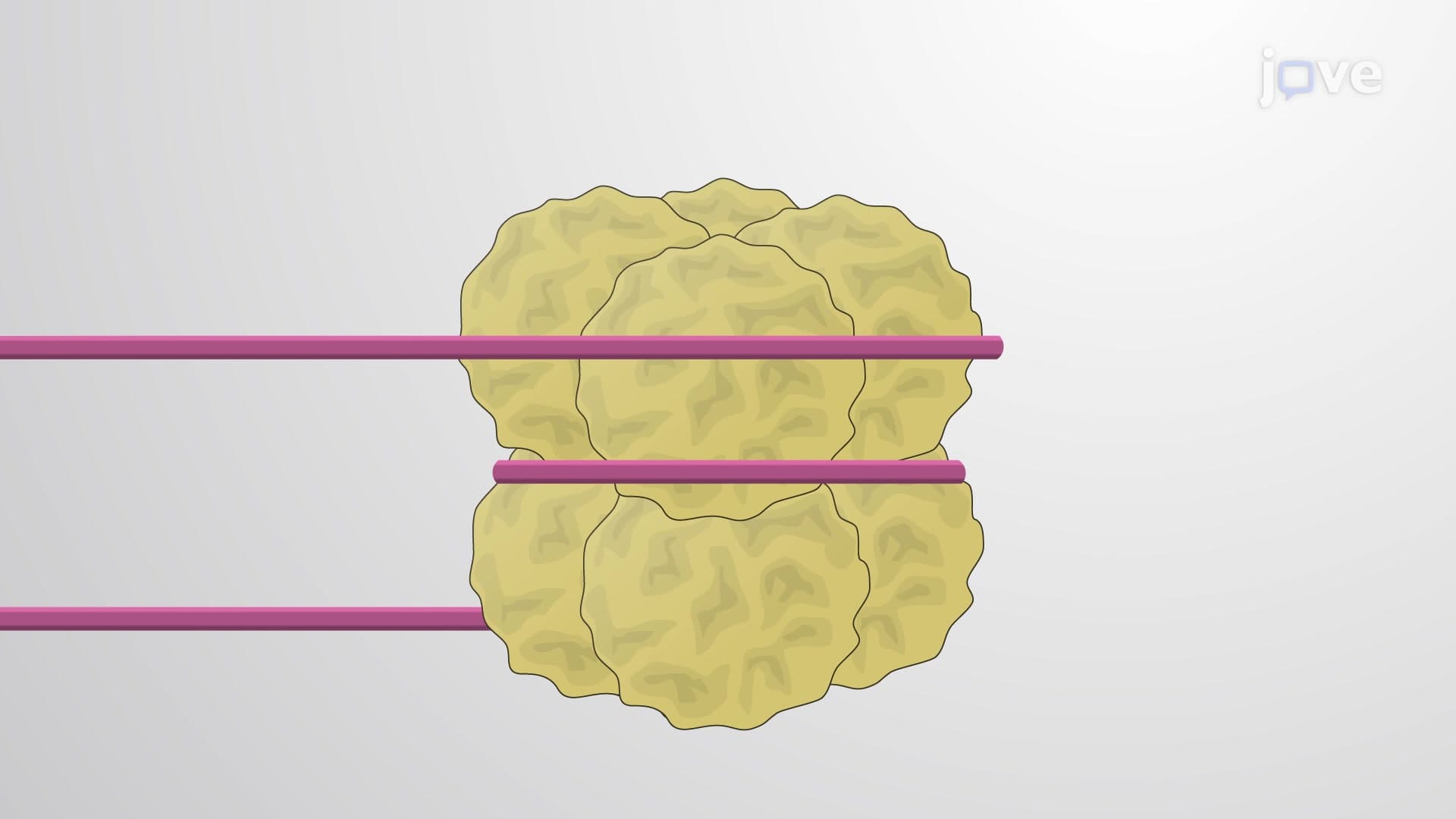
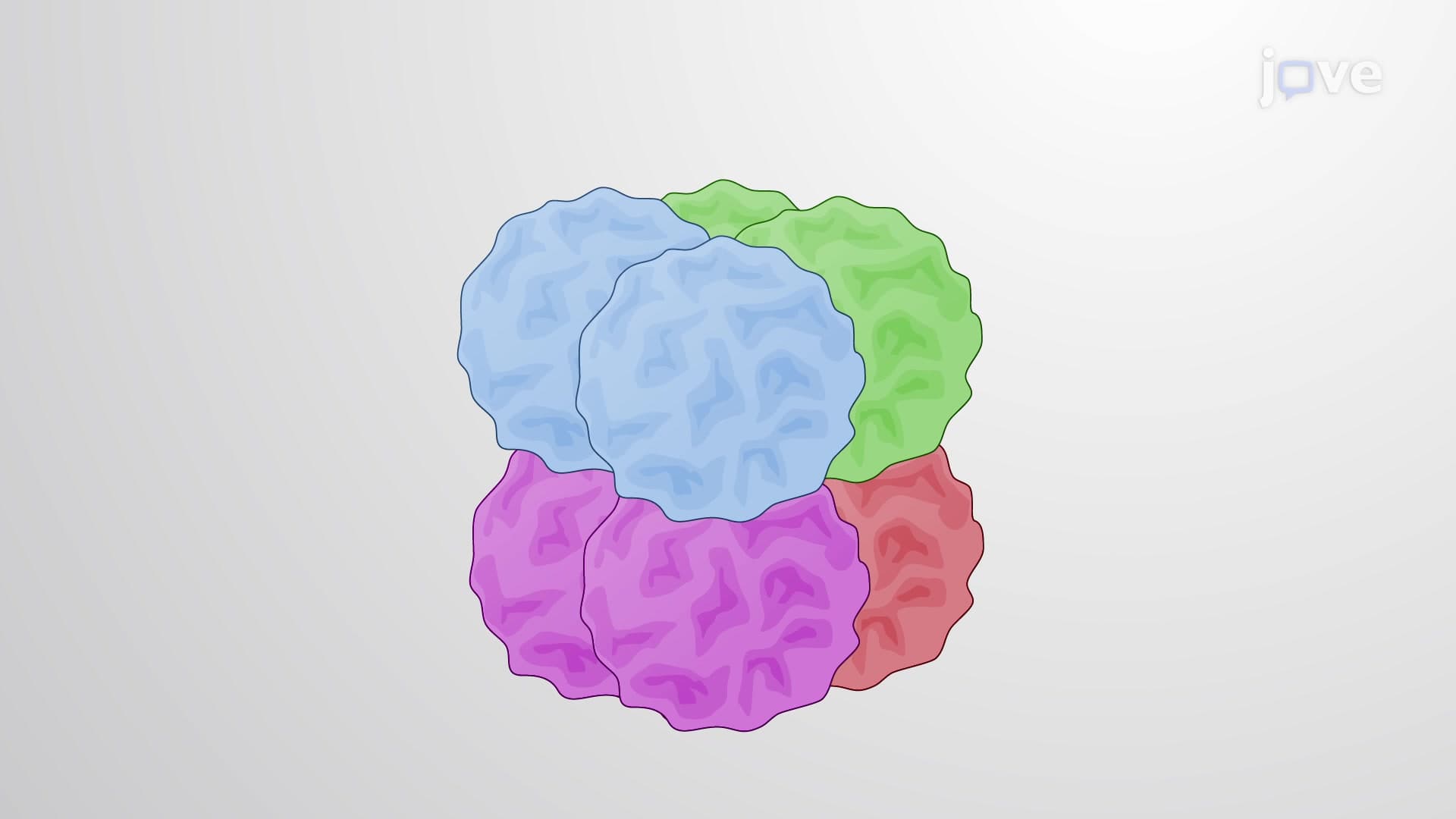
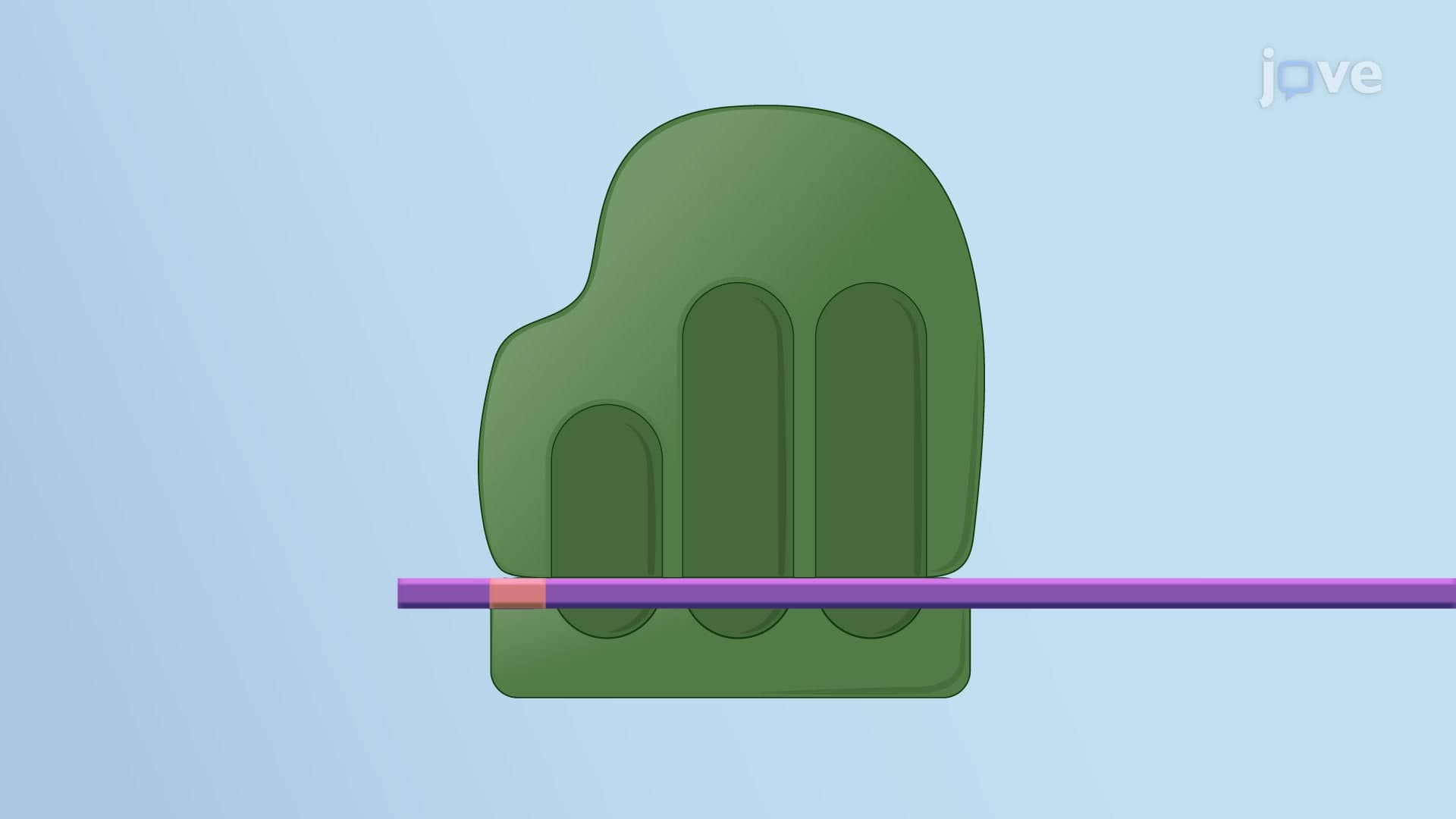
The 26S proteasome degradation complex consists of a barrel-shaped catalytic core (20S) flanked by regulatory caps (19S). The caps function like gatekeepers, using ATP energy to unfold tagged proteins and feed them into the proteolytic chamber. This energy-dependent unfolding is crucial because proteins must be linearized to pass through the proteasome's narrow channel.
Proteasome Structure and Function
Inside the catalytic core, specialized proteases cleave proteins into short peptides (typically 3-25 amino acids long). These peptides are then released into the cytosol, where additional peptidases break them down into individual amino acids for cellular reuse. The deubiquitinase enzymes in the regulatory caps simultaneously cleave and recycle ubiquitin molecules, making this system highly efficient and sustainable.
Clinical and Academic Relevance
Understanding proteasome cell function is essential for students preparing for advanced coursework and standardized exams. The MCAT frequently tests proteasome mechanisms in biochemistry and cell biology sections, while AP Biology includes protein degradation pathways in its curriculum. Medical schools emphasize proteasome dysfunction in diseases like multiple myeloma, where cancer treatments specifically target proteasome activity.
Research at institutions like Harvard Medical School and the National Institutes of Health continues advancing our understanding of proteasome regulation, particularly in neurodegenerative diseases where protein aggregation overwhelms cellular quality control systems.
Frequently Asked Questions
The proteasome is like a cellular recycling center that breaks down damaged or unwanted proteins into reusable amino acid building blocks. It prevents toxic protein accumulation that could damage or kill cells. This quality control system operates 24/7 in every human cell, maintaining cellular health and proper function.
MCAT biochemistry sections frequently test proteasome mechanisms, particularly the ubiquitin-proteasome pathway and ATP requirements. Focus on understanding the structural organization (20S core + 19S caps), the role of polyubiquitin tagging, and energy requirements. Practice connecting proteasome dysfunction to disease states like cancer and neurodegeneration for passage-based questions.
Yes, AP Biology includes protein degradation pathways under cellular processes and energy topics. Expect questions about quality control mechanisms, ATP usage, and how cells maintain homeostasis. Focus on the relationship between protein folding, degradation, and cellular health for both multiple-choice and free-response questions.
Proteasome impairment contributes to Alzheimer's disease, Parkinson's disease, and Huntington's disease through protein aggregate accumulation. Conversely, some cancers have overactive proteasomes, which is why drugs like bortezomib (Velcade) treat multiple myeloma by inhibiting proteasome activity. The FDA has approved several proteasome inhibitors for cancer treatment at major US cancer centers.
Basic high school chemistry and biology provide sufficient background for understanding proteasome concepts. Focus on protein structure, enzyme function, and ATP energy transfer rather than complex biochemical pathways. Most introductory cell biology textbooks explain proteasome mechanisms using accessible terminology and clear diagrams.
Use the "recycling center" analogy: ubiquitin ligases are "taggers," the 26S proteasome is the "shredder," and peptidases are "final processors." Create flashcards linking structure to function (20S core = proteolytic chamber, 19S caps = protein unfolding). Practice drawing the pathway from protein tagging through amino acid release.
Pharmaceutical companies like Millennium Pharmaceuticals have developed proteasome inhibitors as cancer treatments, generating billions in revenue. Understanding proteasome function opens career paths in biotechnology, pharmaceutical research, and clinical medicine. Research institutions like Johns Hopkins and Stanford continue investigating proteasome-targeted therapies for various diseases.
Explore proteasome assembly and regulation, alternative degradation pathways (autophagy), and immunoproteasomes in antigen presentation. Advanced students should investigate proteasome inhibitors as research tools and therapeutics, plus emerging connections between proteasome function and aging, metabolism, and cancer biology.
Related Micro-courses

15 Concepts
16 Concepts
26 Concepts