Loading subject page…


141,004 views

Video Summary: Accessory Glands Male Reproductive System Explained
Did you know that male reproductive accessory glands contribute over 95% of semen volume? The male reproductive accessory glands-seminal vesicles, prostate gland, and bulbourethral glands-work together like a sophisticated chemical factory to support sperm survival and transport. Medical students at Johns Hopkins University study these structures extensively since prostate disorders affect millions of American men annually. Watch the full video on JoVE Coach to master this concept with expert-led visuals and step-by-step explanations.
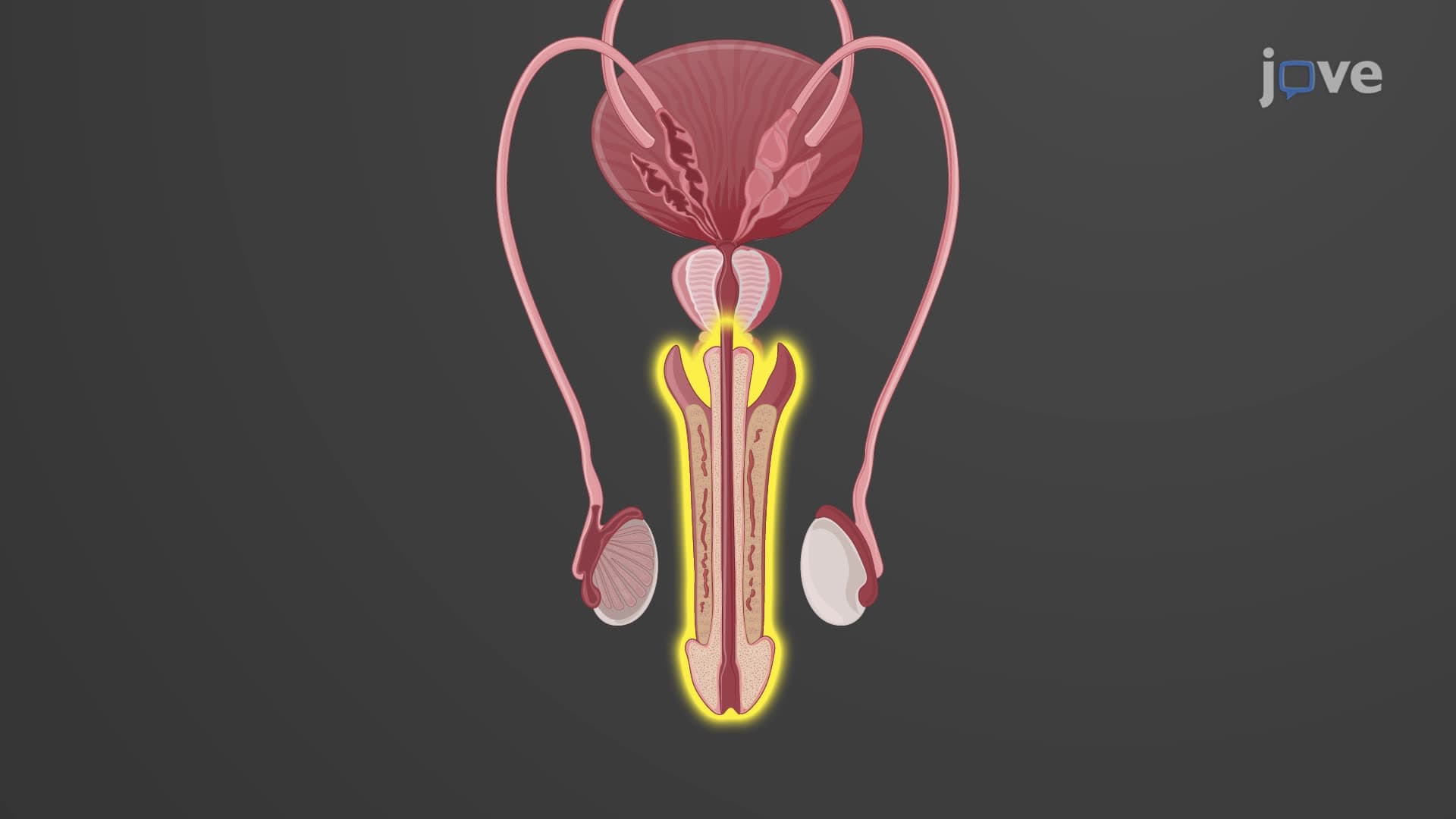
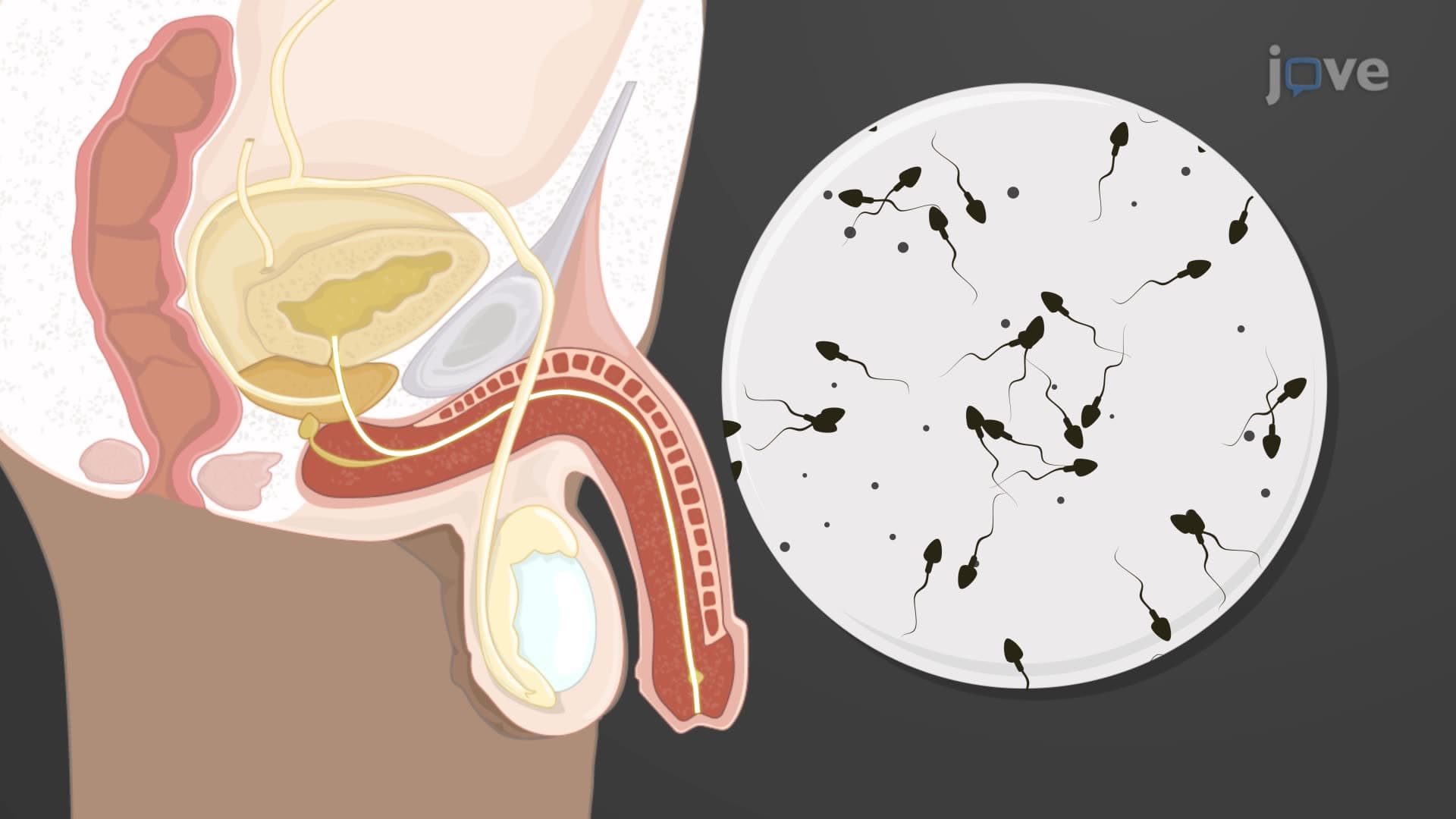
The male reproductive accessory glands function as an integrated support network for sperm cells, which comprise less than 5% of ejaculated semen. These specialized structures-seminal vesicles, prostate gland, and bulbourethral glands-each contribute distinct secretions that create the optimal chemical environment for sperm survival and fertilization success.
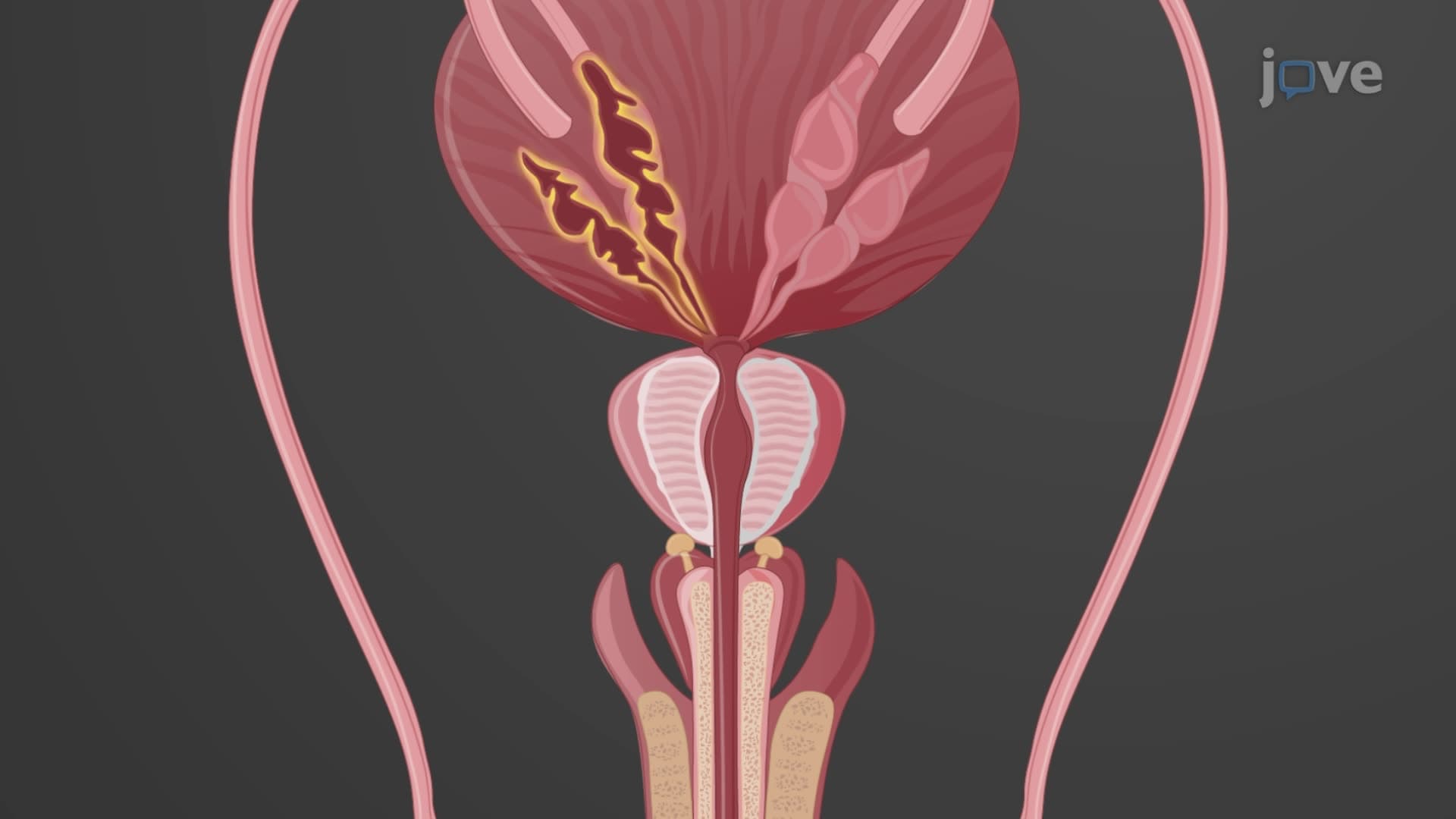
The paired seminal vesicles, measuring approximately 5 centimeters in length, attach to the posterior bladder wall like two curved pouches. Their internal honeycomb-like folded structure maximizes surface area for secretion production. These glands produce roughly 60% of semen volume, creating an alkaline fluid rich in fructose that serves as the primary energy source for sperm metabolism. The fructose concentration in healthy seminal fluid typically ranges from 120-450 mg/dL, which forensic laboratories use in sexual assault investigations across US criminal justice systems.
Prostaglandins within seminal vesicle secretions promote smooth muscle contractions in the female reproductive tract, facilitating sperm transport. Clotting proteins initially coagulate semen upon ejaculation, then dissolve within 20-30 minutes-a process crucial for successful conception.
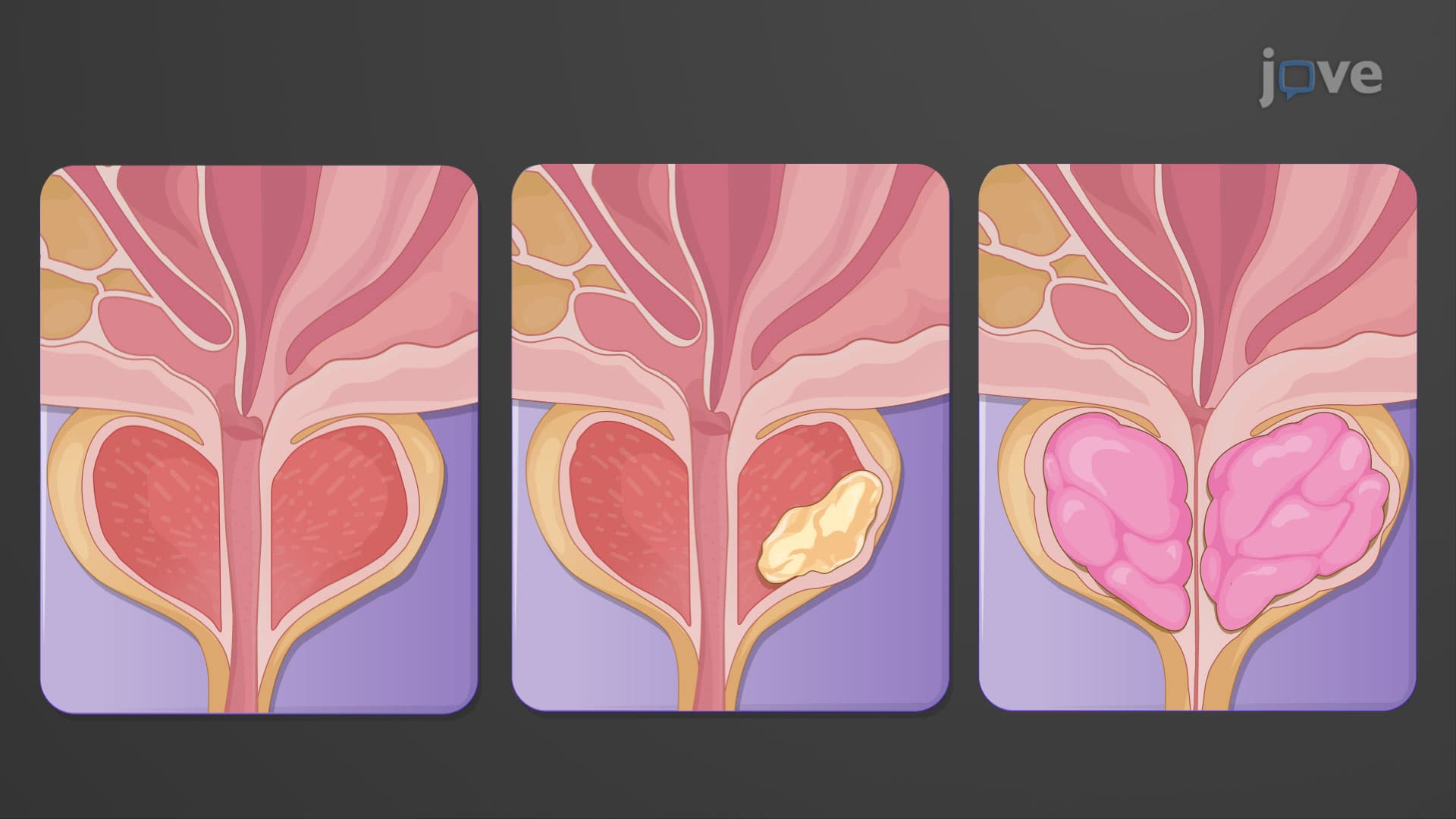
The walnut-sized prostate gland surrounds the urethra like a protective collar, containing 30-50 individual glands within smooth muscle tissue. Unlike seminal vesicle secretions, prostatic fluid maintains a slightly acidic pH (6.5) and comprises about 25% of semen volume. This acidic environment prevents premature sperm capacitation while providing essential enzymes like PSA (prostate-specific antigen) that prevent excessive semen coagulation.
Medical students studying for the MCAT often focus on prostate anatomy since benign prostatic hyperplasia affects over 50% of men over age 60 in the United States, making it a common clinical scenario on standardized exams.
The pea-sized bulbourethral glands, also called Cowper's glands, release their alkaline secretions before ejaculation occurs. This pre-ejaculatory fluid neutralizes acidic urine residue in the urethra and provides lubrication for the urethral opening. Though these glands contribute minimal volume to total semen, their timing makes them crucial for creating optimal sperm transport conditions.
AP Biology students frequently encounter questions about these glands when studying reproductive physiology, particularly regarding how their coordinated secretions demonstrate biological system integration.
Related Micro-courses