Loading subject page…

- Anatomy and Physiology
- The Reproductive System
- Male Sexual Response: Erection & Ejaculation
Micro-course: The Reproductive System
141,002 views
Learn key concepts and earn your certificate.


Male Sexual Response: Erection & Ejaculation

00:00
01:17
Video Summary: Male Sexual Response Erection Ejaculation Explained
Did you know that achieving an erection involves the same chemical pathway that helps treat heart disease? The male sexual response biology relies on nitric oxide-the same molecule used in nitroglycerin heart medications-to trigger blood vessel dilation. Understanding erection ejaculation explained physiology reveals how two distinct nervous system branches orchestrate this complex process, from initial arousal through the final expulsion of semen. Watch the full video on JoVE Coach to master this concept with expert-led visuals and step-by-step explanations.
- Understand the complete male sexual response erection ejaculation explained process, including the roles of both parasympathetic and sympathetic nervous systems
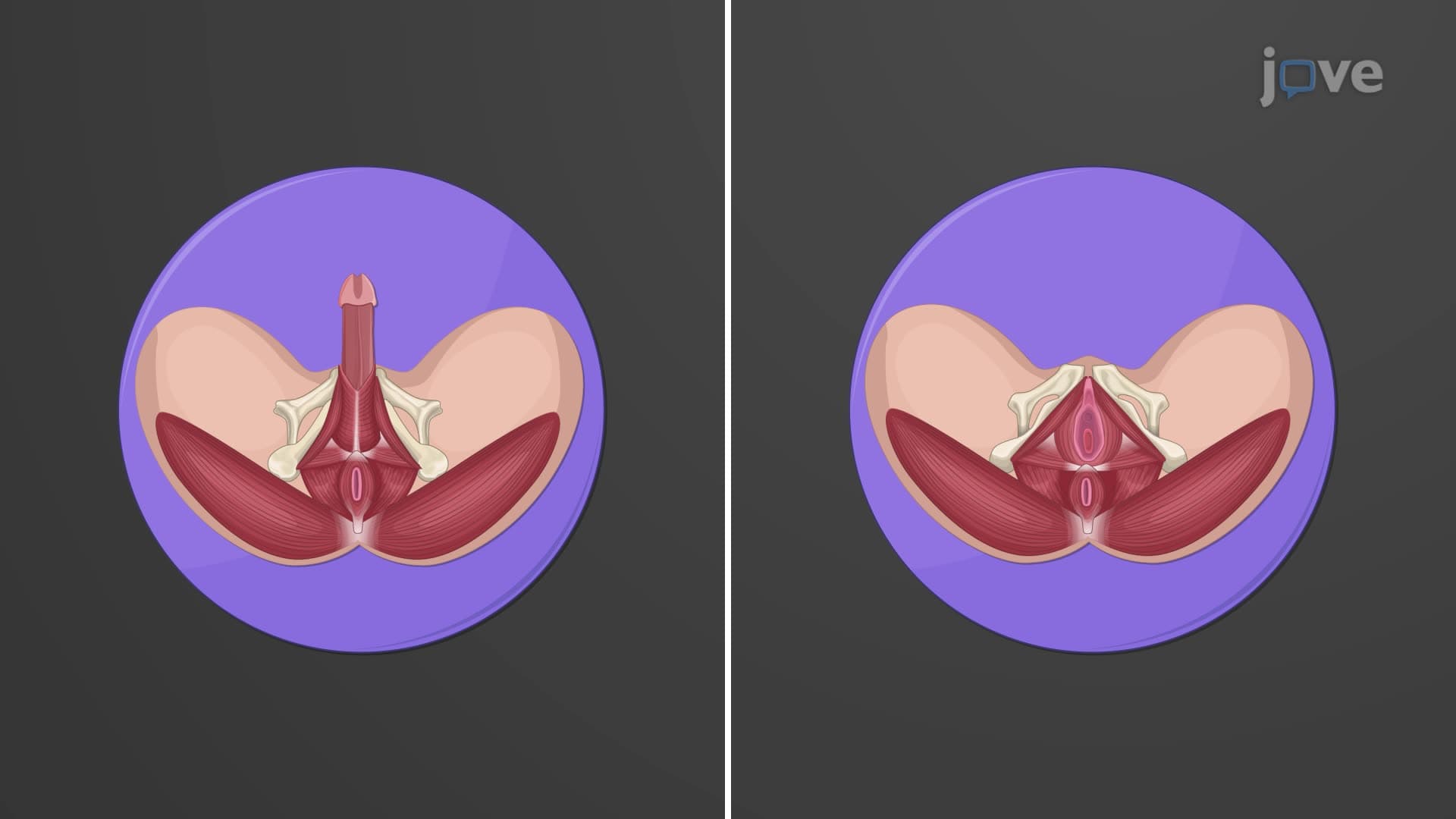
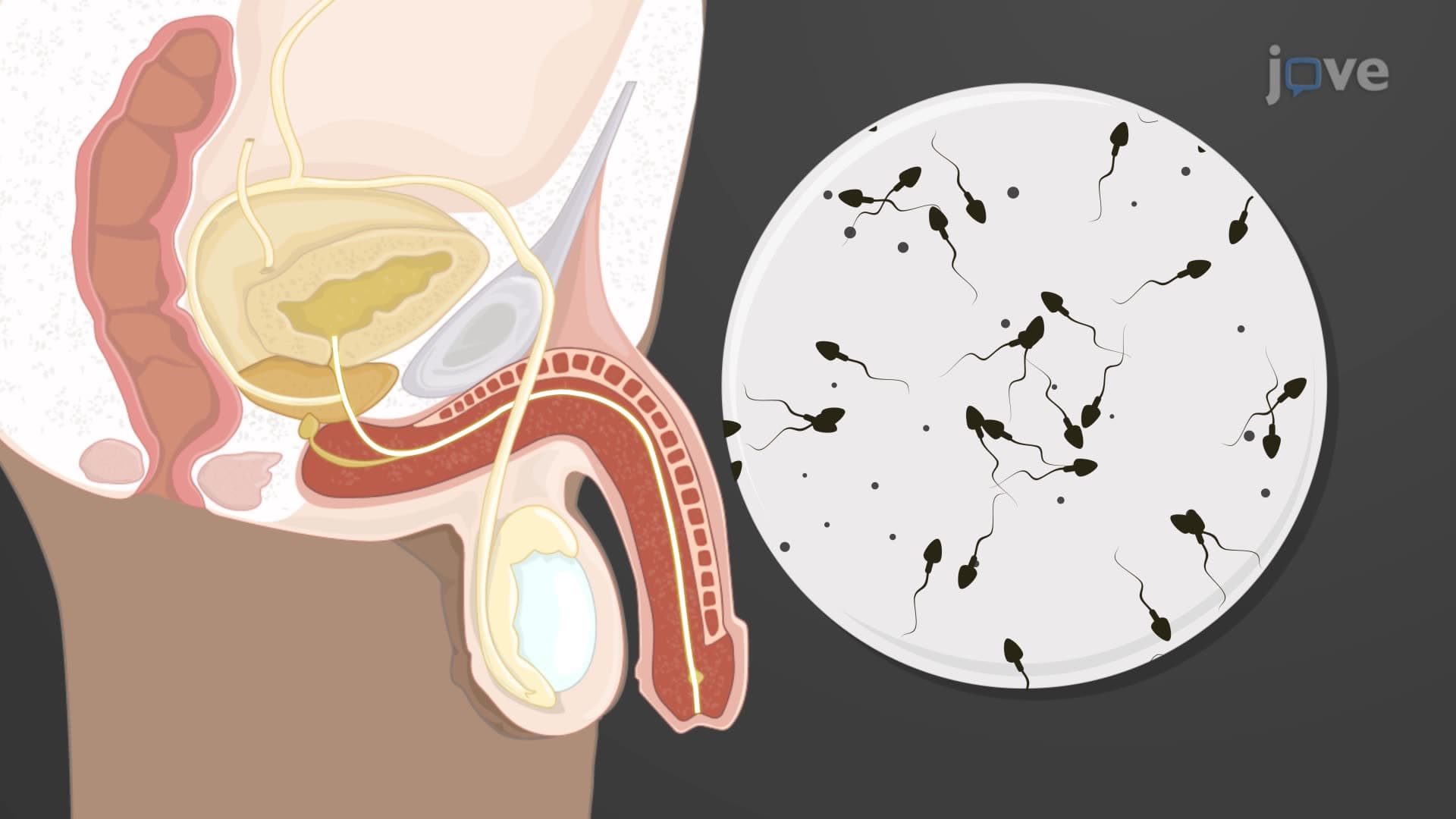
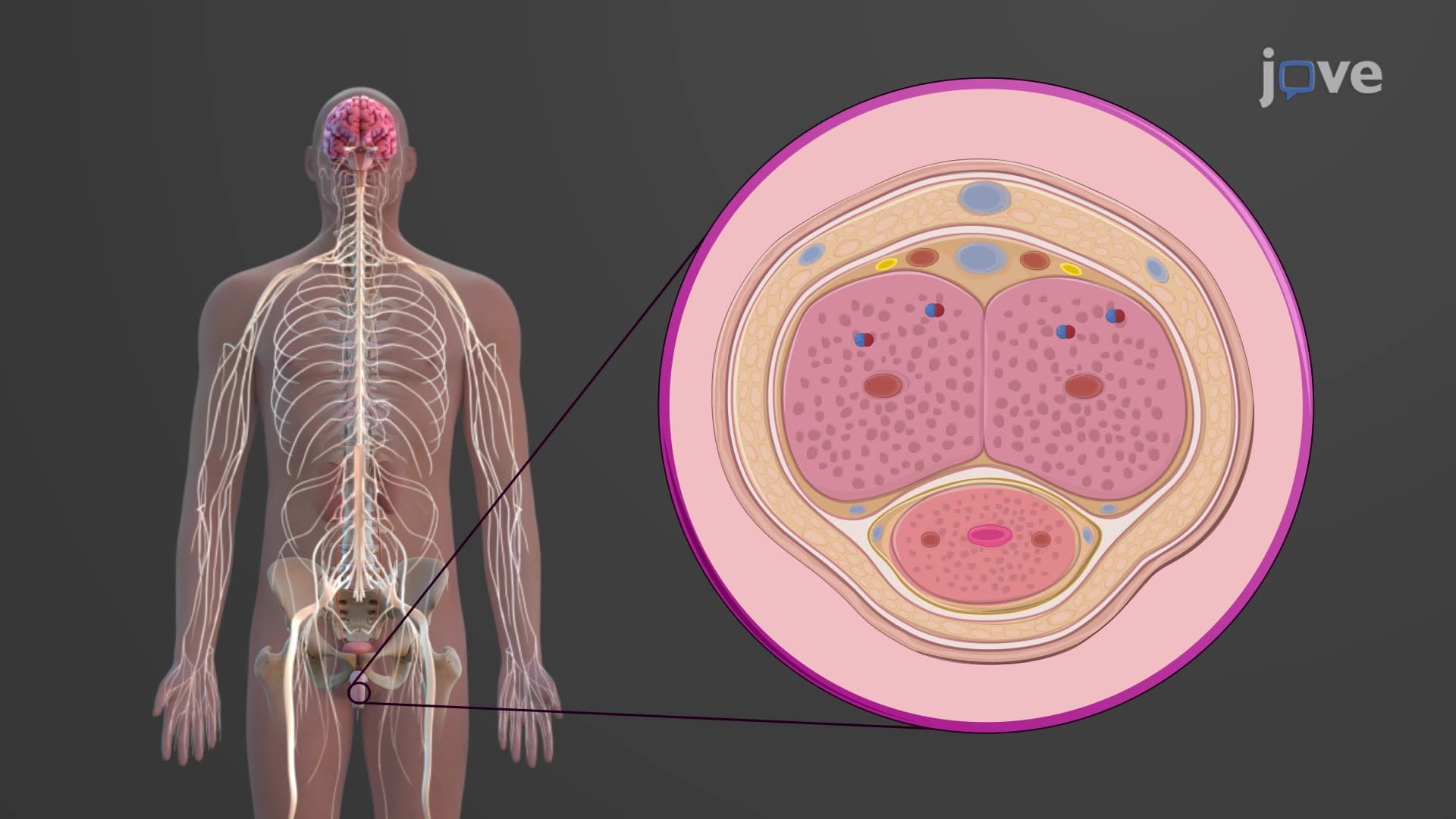
- Identify the specific anatomical structures involved in erectile function, including corpora cavernosa, corpus spongiosum, and key blood vessels
- Analyze how nitric oxide (NO) functions as the primary vasodilator in the parasympathetic erection mechanism
- Compare the distinct phases of sexual response: erection (parasympathetic) versus ejaculation (sympathetic)
- Evaluate the sequential muscle contractions during emission ejaculation male response, from epididymis through urethral expulsion
- Apply knowledge of NO vasodilation erection principles to understand related cardiovascular medications
- Recognize the sympathetic ejaculation reflex as a coordinated spinal response involving multiple reproductive structures
- Explore how male sexual physiology response connects to broader concepts in autonomic nervous system function
Understanding Male Sexual Response Erection Ejaculation Explained
The male sexual response represents one of the most sophisticated examples of autonomic nervous system coordination in human physiology. This process involves precise timing between two opposing branches of the autonomic nervous system, creating a seamless transition from arousal to completion.
Parasympathetic Control of Erection: The NO Pathway
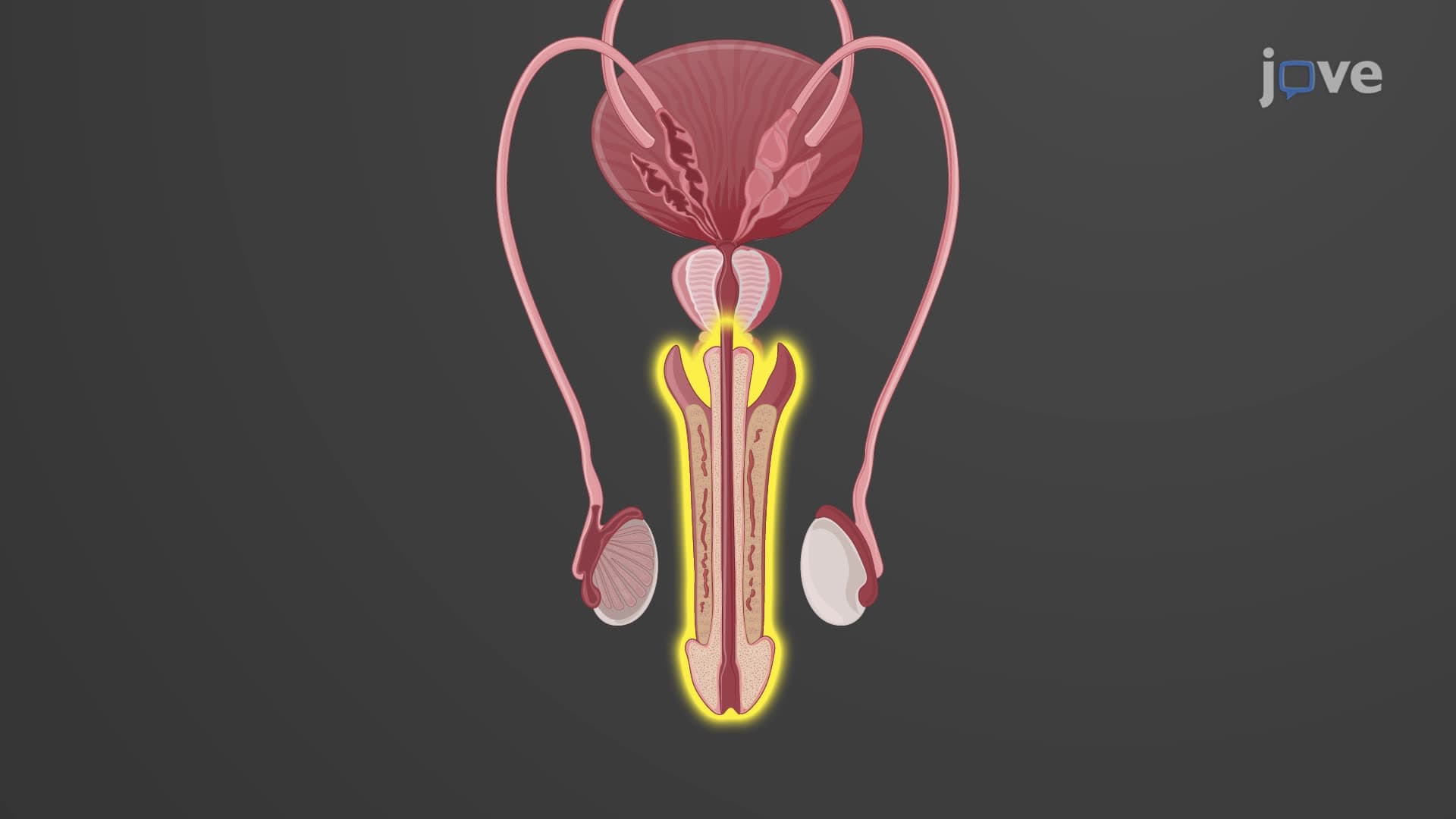
The parasympathetic erection mechanism begins with sexual stimuli triggering specialized neurons to release nitric oxide (NO). This simple molecule acts as a powerful vasodilator, causing smooth muscle relaxation in penile arterioles. The resulting increased blood flow fills the erectile tissues-the paired corpora cavernosa and the ventral corpus spongiosum. As these tissues engorge, they compress the venous drainage, creating a hydraulic system that maintains rigidity.
This NO vasodilation erection pathway is medically significant beyond reproduction. Medications like sildenafil (Viagra) work by blocking phosphodiesterase-5, the enzyme that breaks down the chemical messenger activated by NO. This same mechanism helps treat pulmonary hypertension, demonstrating how understanding basic physiology leads to therapeutic breakthroughs.
Sympathetic Ejaculation Reflex: Coordinated Expulsion
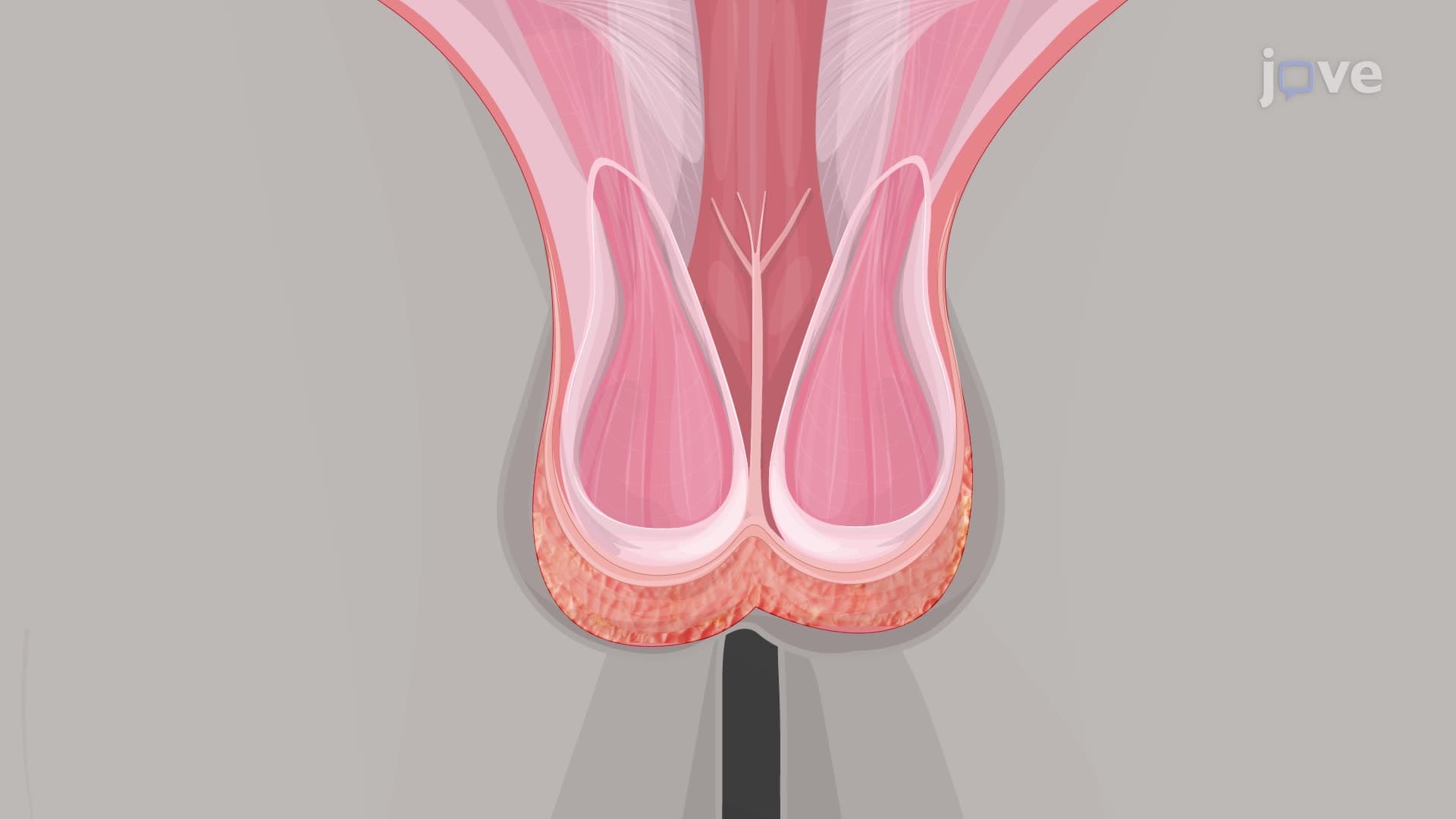
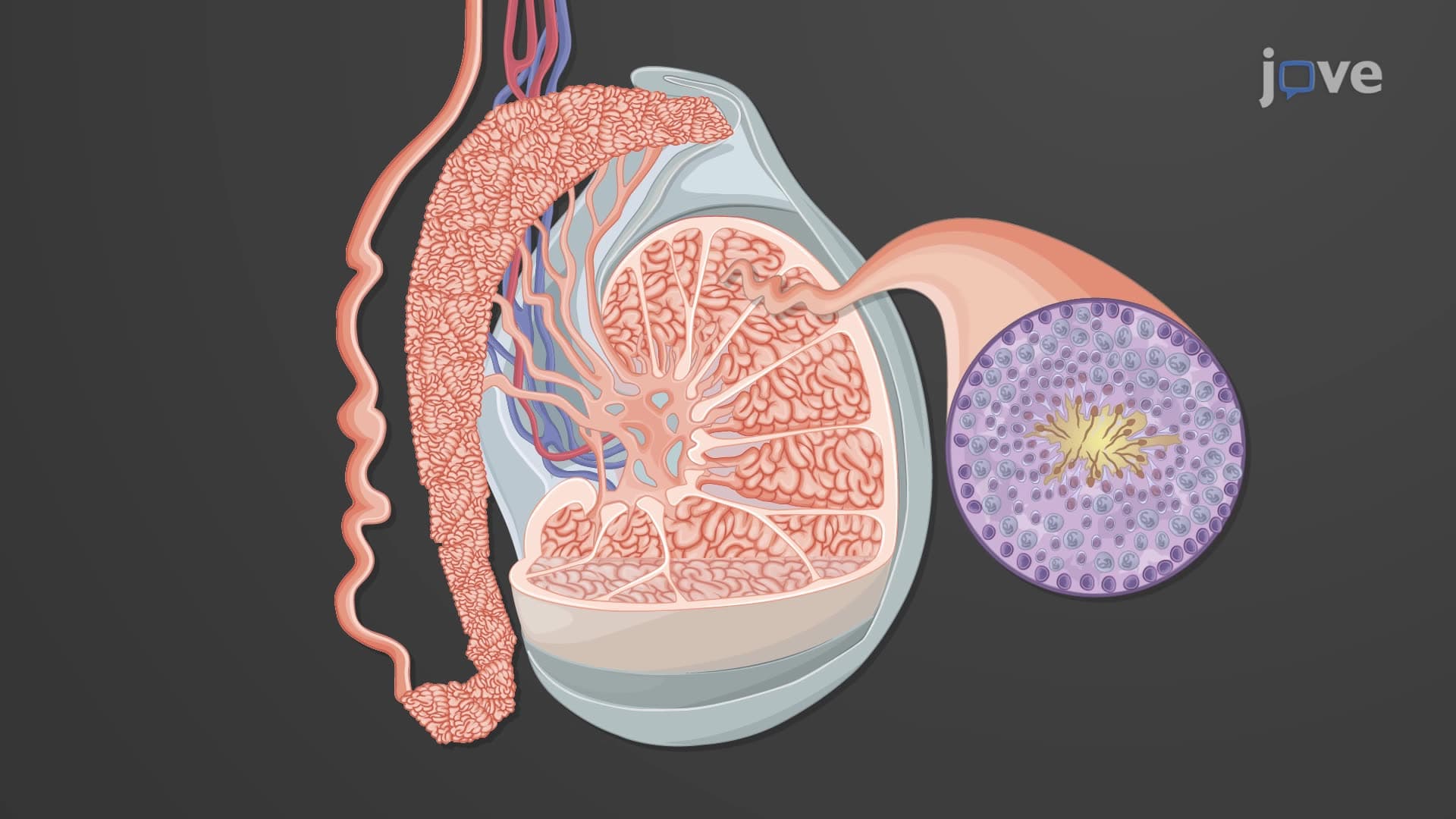
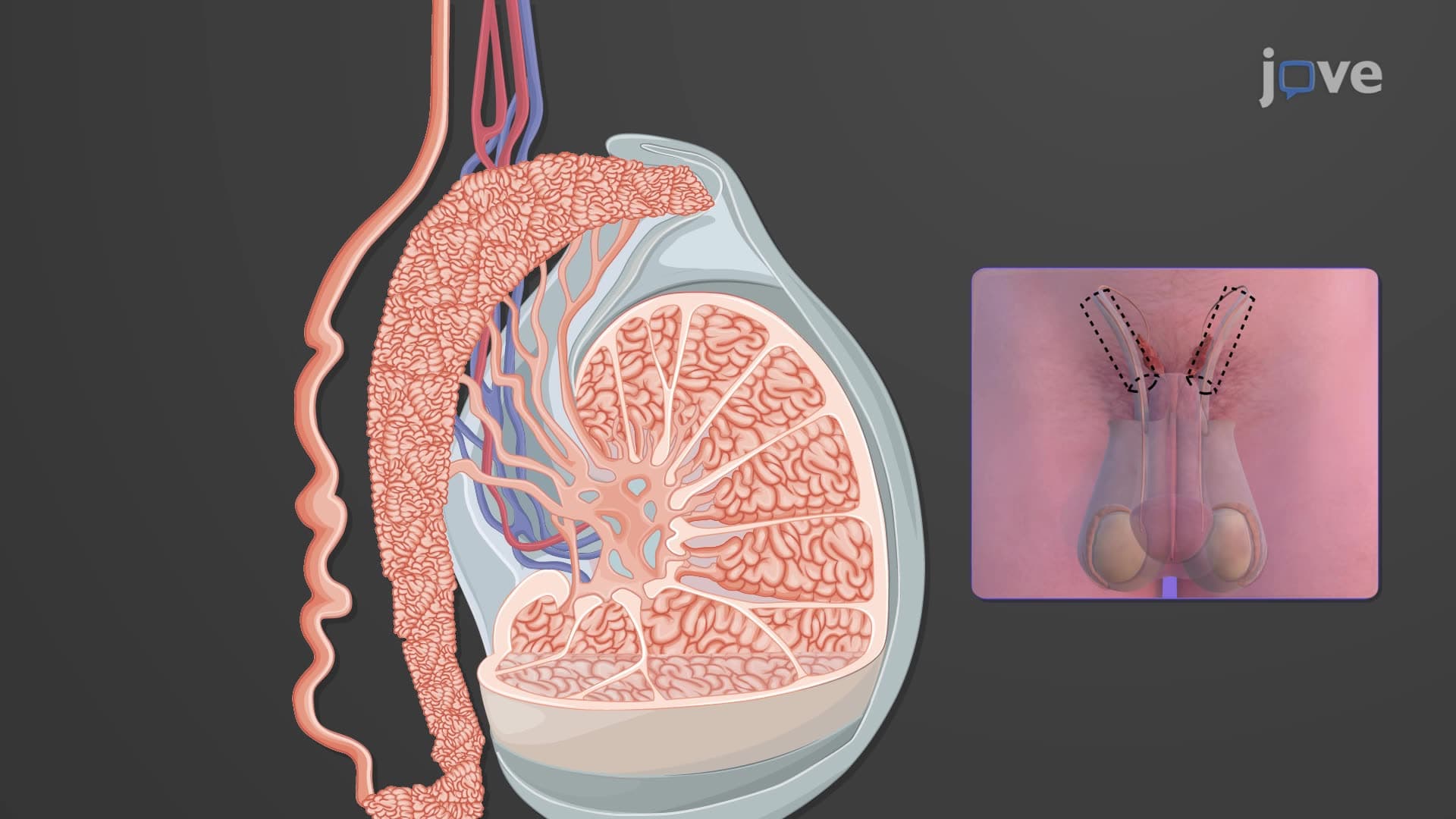
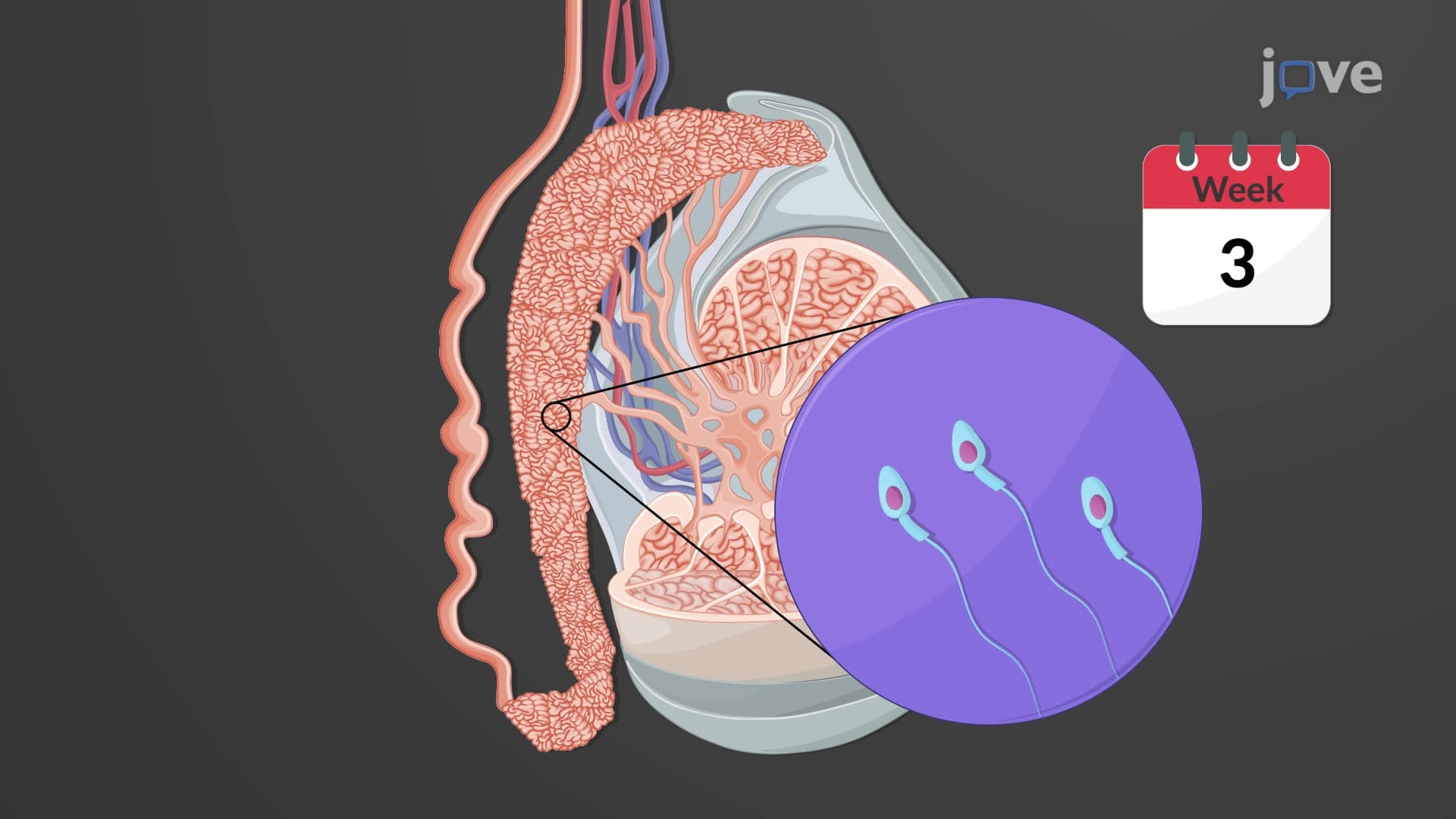
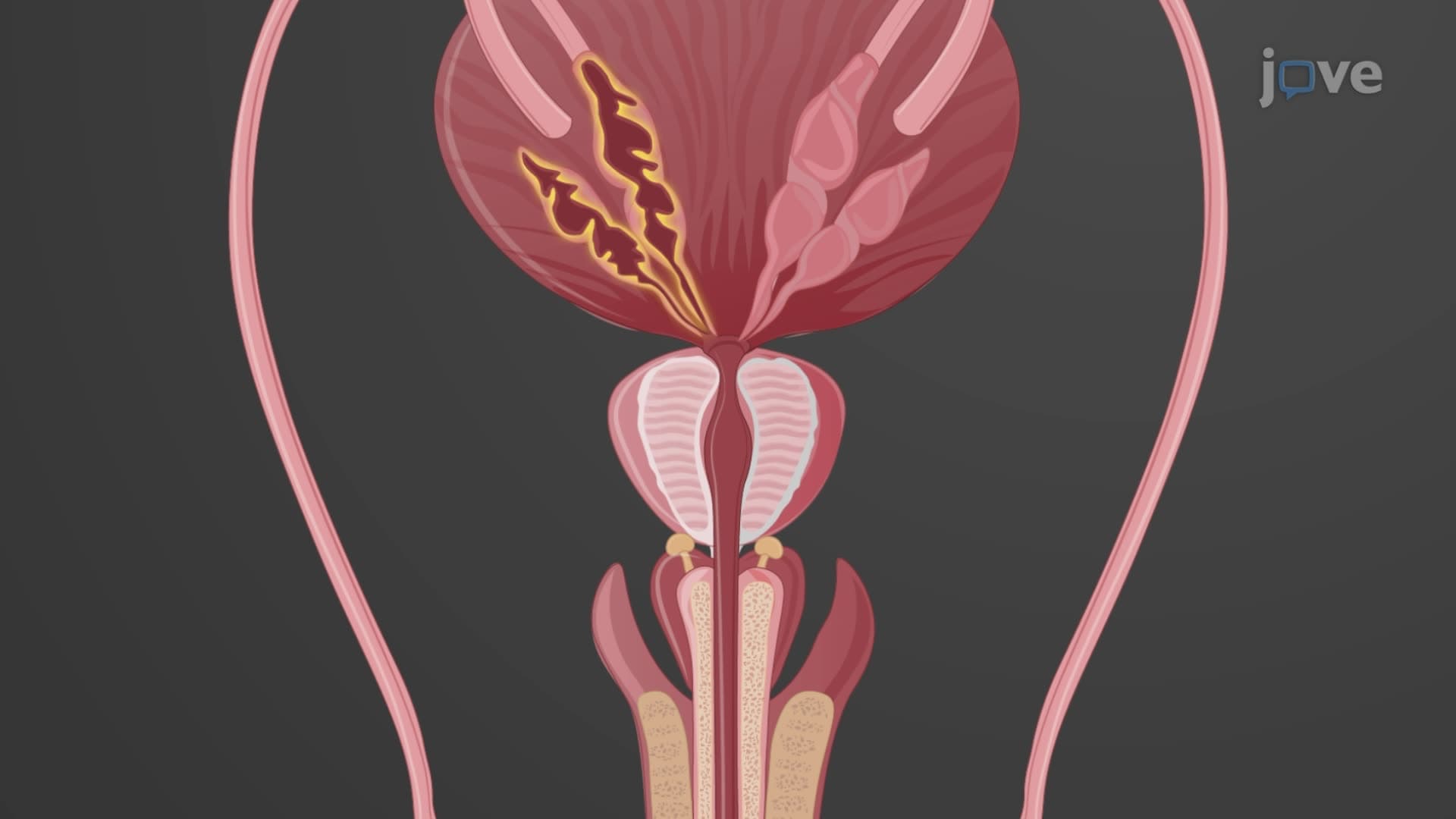
When sexual arousal reaches a critical threshold, control shifts dramatically from parasympathetic to sympathetic nervous system. This sympathetic ejaculation reflex initiates in the lumbar spinal cord, coordinating contractions across multiple structures simultaneously. The epididymis, vas deferens, seminal vesicles, and prostate gland contract in sequence, propelling semen into the prostatic urethra-a process called emission.
The emission ejaculation male response then involves pelvic floor muscles, particularly the bulbospongiosus and ischiocavernosus muscles. These powerful contractions generate the pressure needed for external ejaculation, completing the reproductive process.
Clinical and Academic Relevance
This male sexual physiology response frequently appears on MCAT passages, AP Biology exams, and college anatomy courses. Students often encounter questions comparing sympathetic versus parasympathetic control, or analyzing how medications affect each phase differently. Understanding these mechanisms also provides foundation knowledge for future healthcare professionals studying reproductive medicine, urology, or endocrinology.
Frequently Asked Questions
The male sexual response is a two-phase process controlled by different parts of the nervous system. First, the parasympathetic system uses nitric oxide to dilate blood vessels, causing erection through increased blood flow. Then, the sympathetic system triggers coordinated muscle contractions that propel semen through the reproductive tract and out of the body during ejaculation.
MCAT passages often test understanding of autonomic nervous system control, asking students to distinguish between parasympathetic (erection) and sympathetic (ejaculation) phases. AP Biology questions frequently focus on the role of nitric oxide as a signaling molecule and how smooth muscle contraction affects blood flow. Students should be able to trace the pathway from neural stimulation through anatomical response.
The NO pathway appears throughout medicine, not just in reproductive physiology. It's crucial for cardiovascular function, and understanding it explains how medications like nitroglycerin treat heart conditions while drugs like Viagra treat erectile dysfunction. This demonstrates how one molecular mechanism can have multiple clinical applications-a key concept in medical school.
This process perfectly illustrates parasympathetic versus sympathetic control in action. The parasympathetic system ("rest and digest") handles the preparatory phase (erection), while the sympathetic system ("fight or flight") manages the active response (ejaculation). It's a concrete example of how these two systems can work sequentially rather than just oppositely.
Not at all-you just need to understand that nitric oxide (NO) acts as a signaling molecule that causes smooth muscle relaxation. Think of it like a chemical messenger that tells blood vessels to widen. The detailed biochemistry isn't necessary for most high school or introductory college courses, though pre-med students should understand the basic signaling cascade.
Because erection and ejaculation are controlled by different nervous system branches with different mechanisms. Medications targeting the NO pathway (like PDE-5 inhibitors) primarily affect erection since that phase depends on vasodilation. Drugs affecting neurotransmitters or muscle contraction might impact ejaculation more. This separation allows for targeted treatments of specific sexual dysfunction types.
Focus on broader autonomic nervous system function, including neurotransmitters like acetylcholine and norepinephrine. Study cardiovascular physiology to understand vasodilation mechanisms in other body systems. For pre-health students, explore endocrinology to learn how hormones like testosterone regulate these responses long-term.
Create a timeline showing the sequence: stimuli → parasympathetic activation → NO release → vasodilation → erection → sympathetic activation → coordinated contractions → ejaculation. Practice distinguishing between emission (internal movement of semen) and ejaculation (external expulsion). Focus on understanding cause-and-effect relationships rather than memorizing anatomical names.
Erectile dysfunction often involves problems with NO signaling or blood flow, which is why cardiovascular health directly impacts sexual function. Spinal cord injuries can affect the neural pathways controlling either or both phases. Diabetes can damage both blood vessels and nerves, affecting the entire response. Understanding normal physiology helps explain why these conditions cause specific symptoms.
Related Micro-courses

14 Concepts
6 Concepts
21 Concepts