Loading subject page…


141,006 views

Video Summary: What are Disorders Male Reproductive System
Every year, approximately 9,000 American men are diagnosed with testicular cancer, making male reproductive disorders biology a critical health topic affecting millions. Male reproductive disorder explained through common conditions like testicular cancer and prostate problems can impact fertility, quality of life, and survival rates. The American Cancer Society reports that prostate cancer affects 1 in 8 men during their lifetime, highlighting what are the disorders of the male reproductive system that students must understand. Watch the full video on JoVE Coach to master this concept with expert-led visuals and step-by-step explanations.
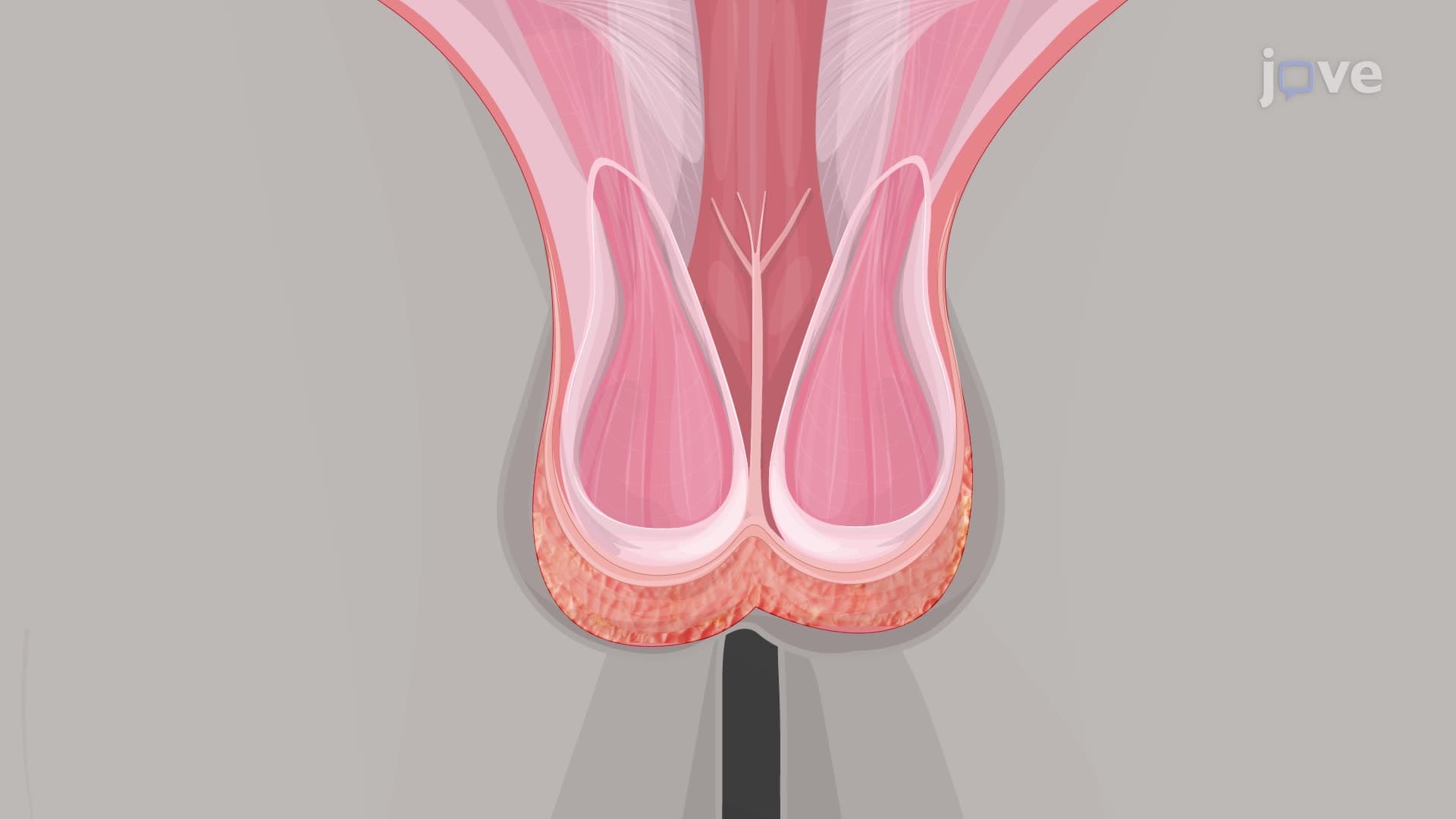
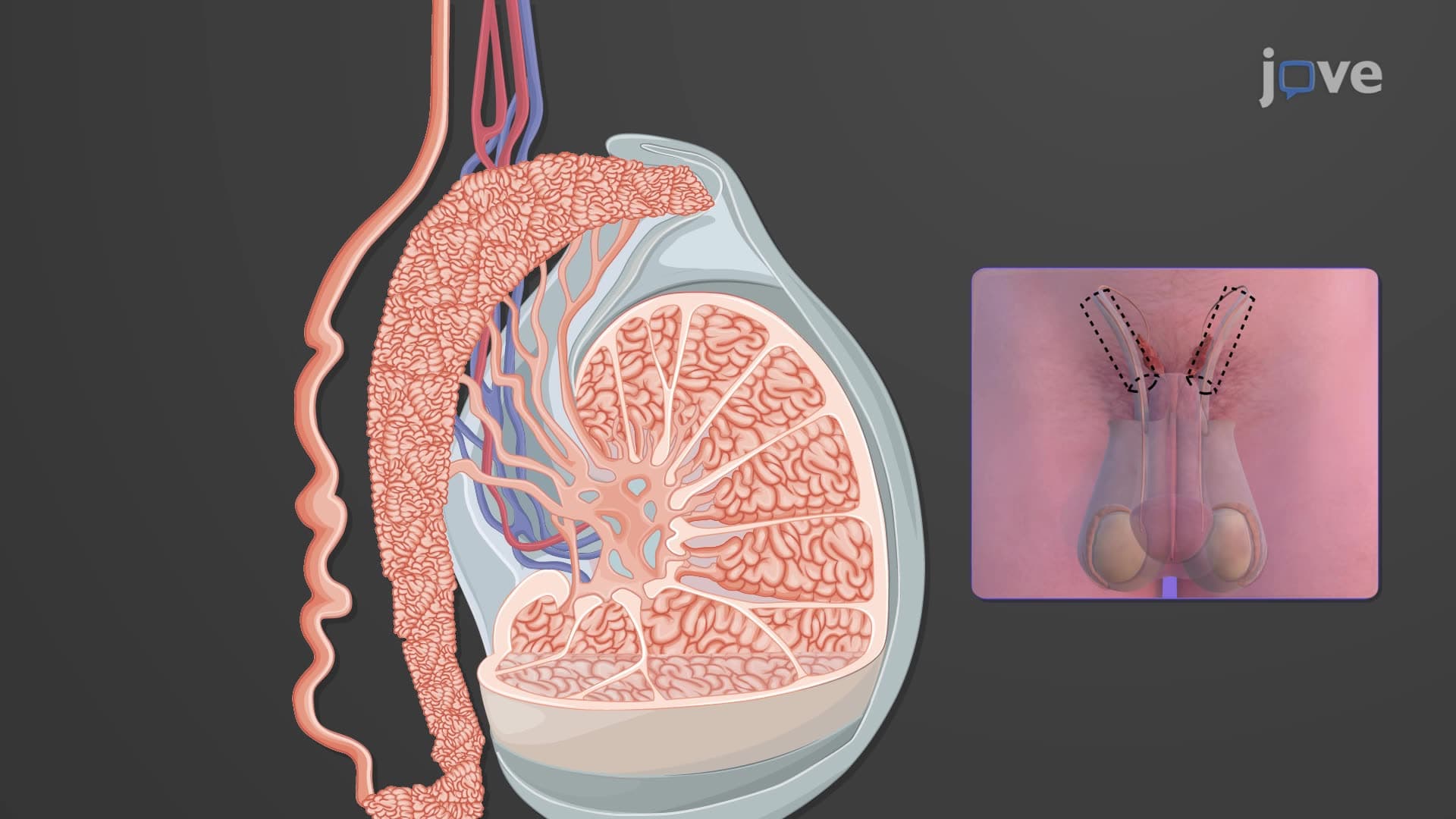
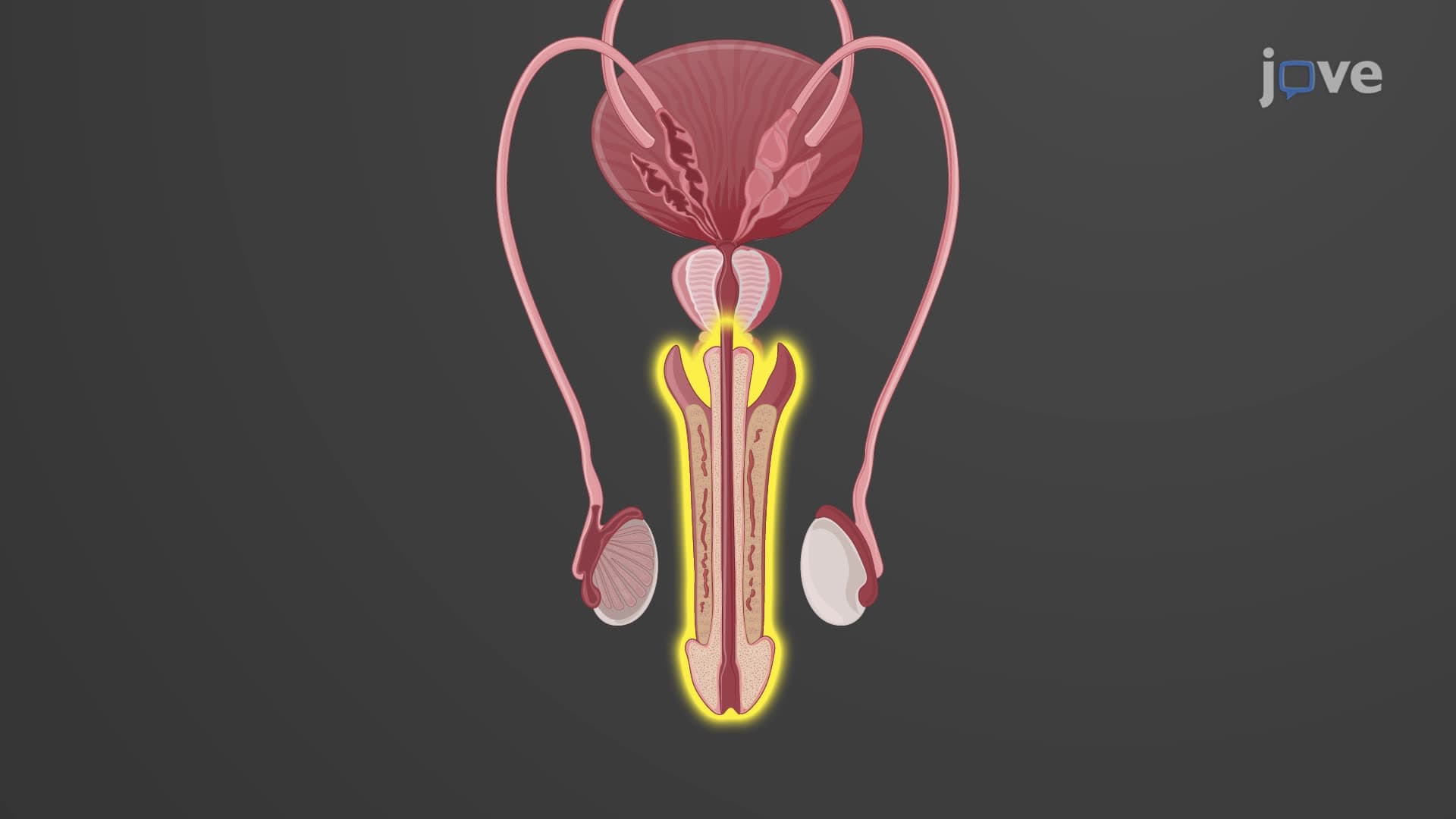
Male reproductive disorders encompass a broad spectrum of conditions affecting the testes, prostate gland, penis, and associated structures. These disorders represent some of the most significant health challenges facing American men, with conditions ranging from common infections to life-threatening cancers. Understanding these disorders is essential for students pursuing healthcare careers and appears frequently on exams like the MCAT, AP Biology, and nursing entrance exams.
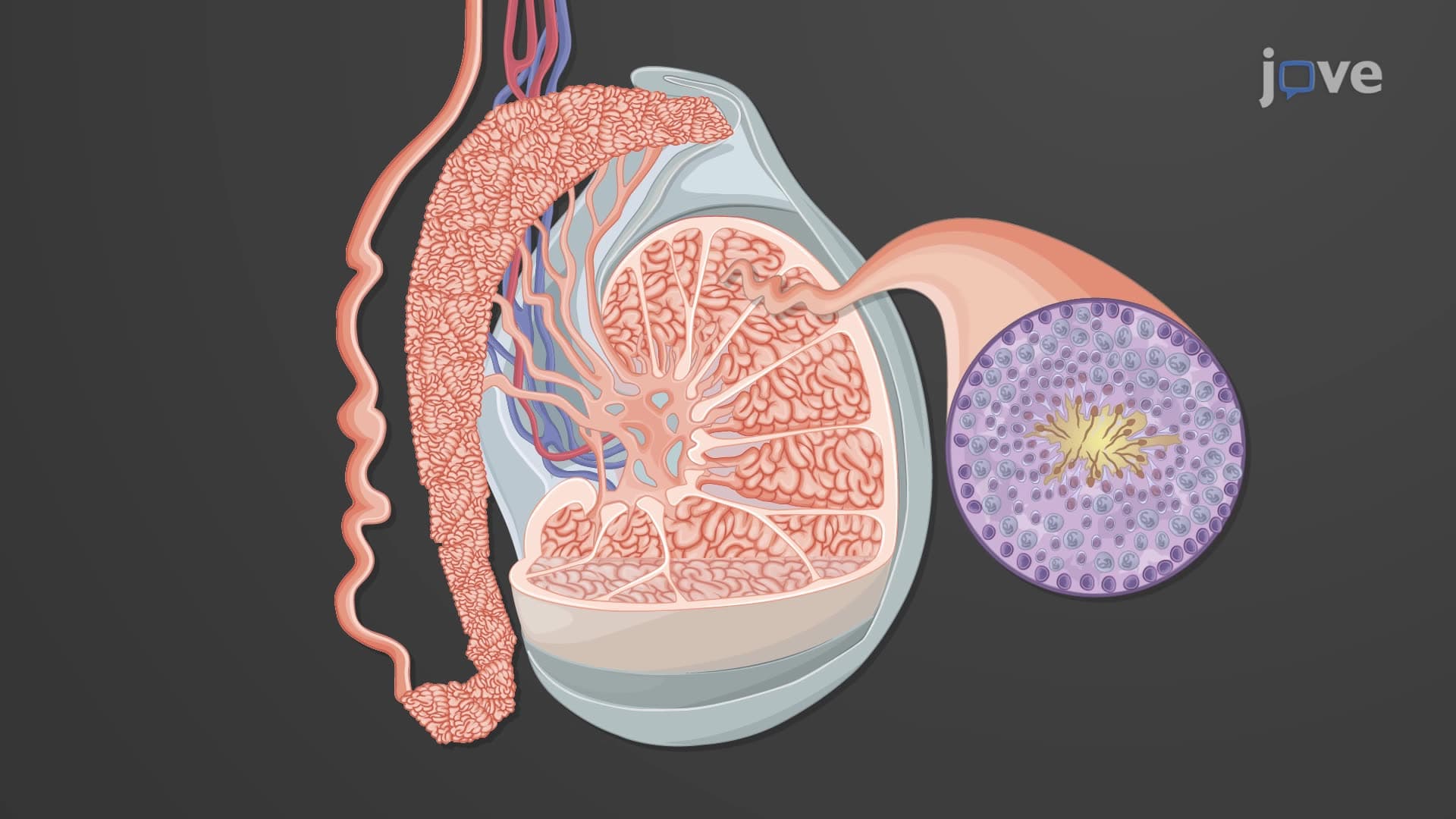
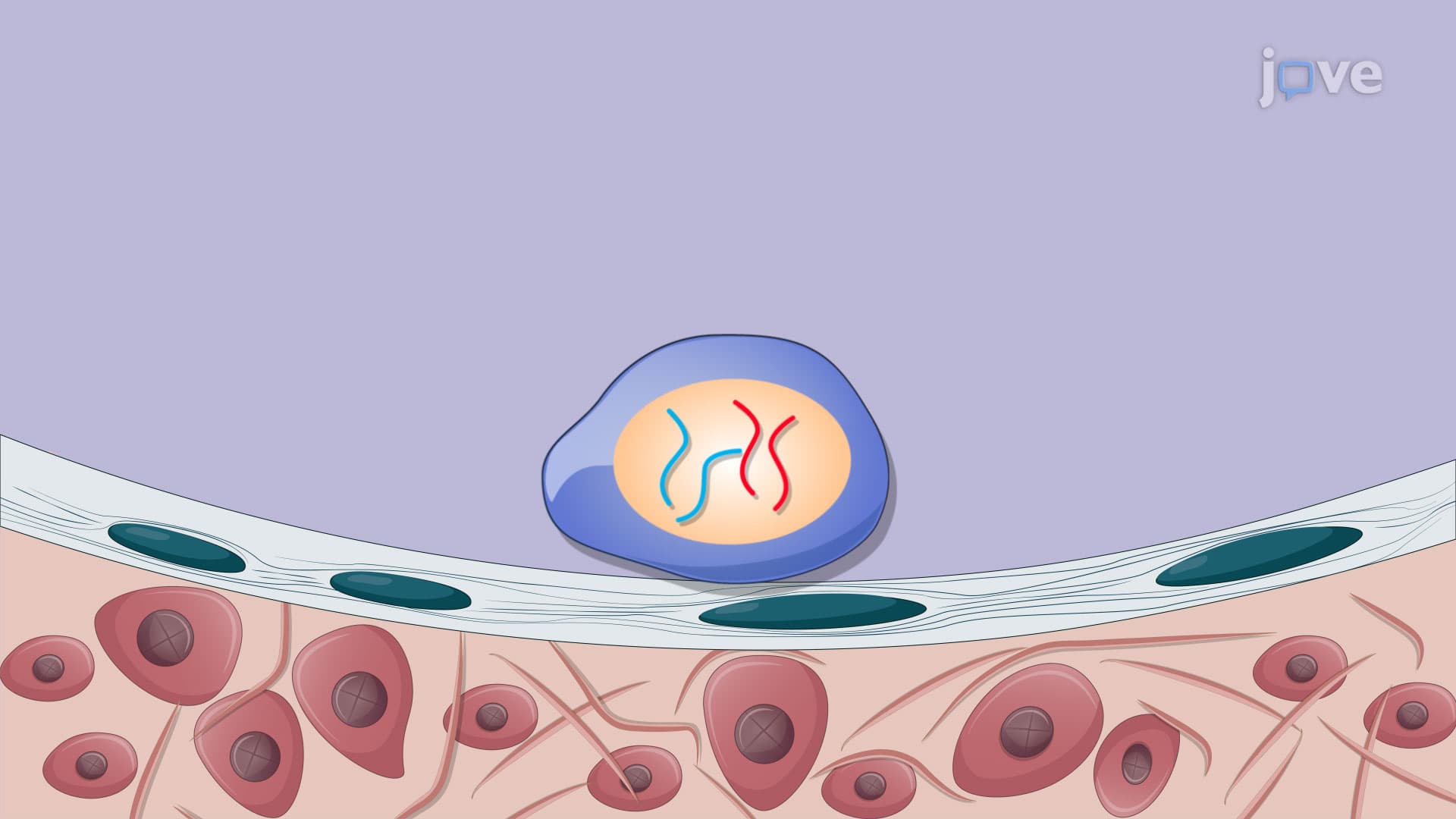
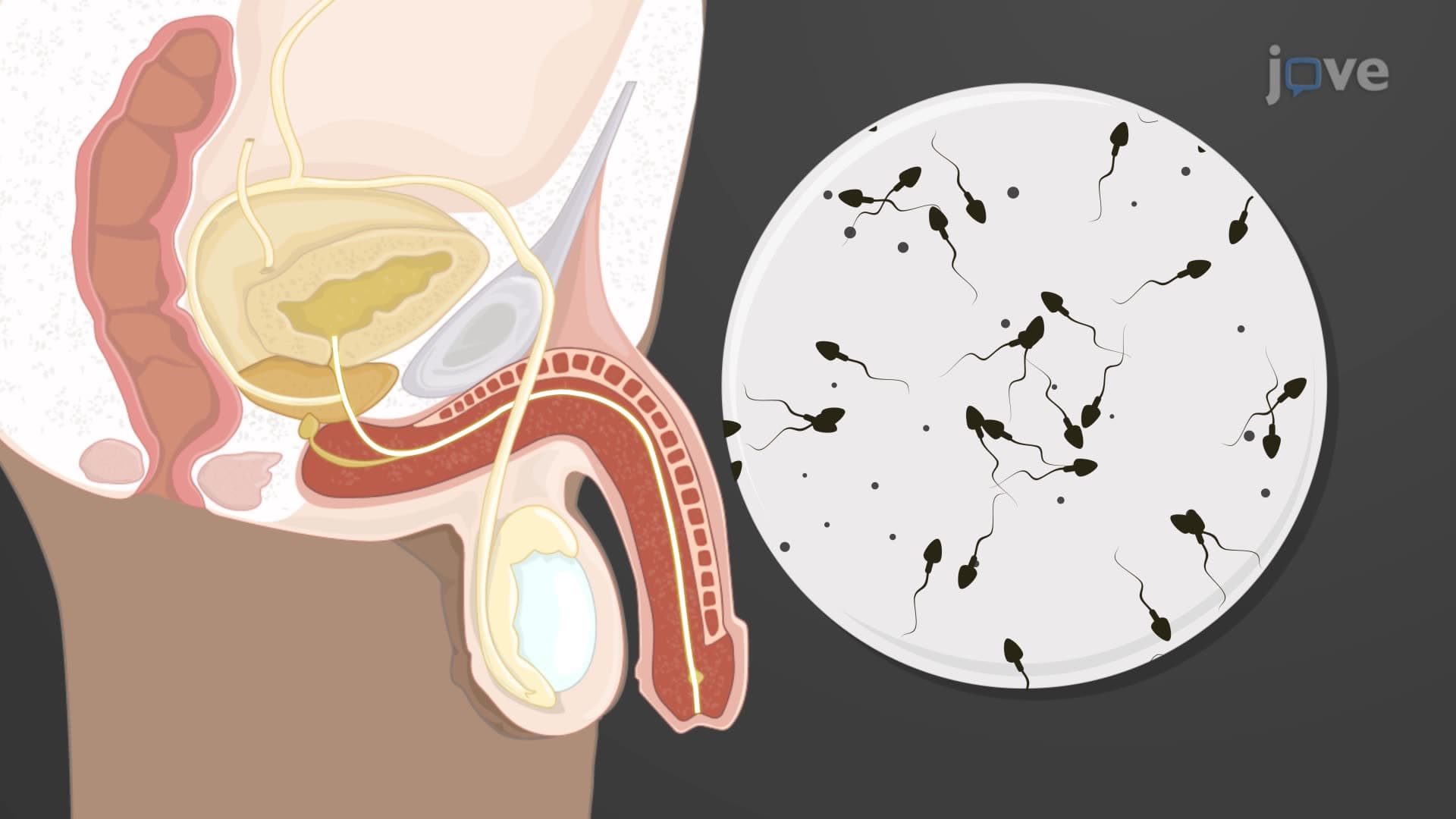
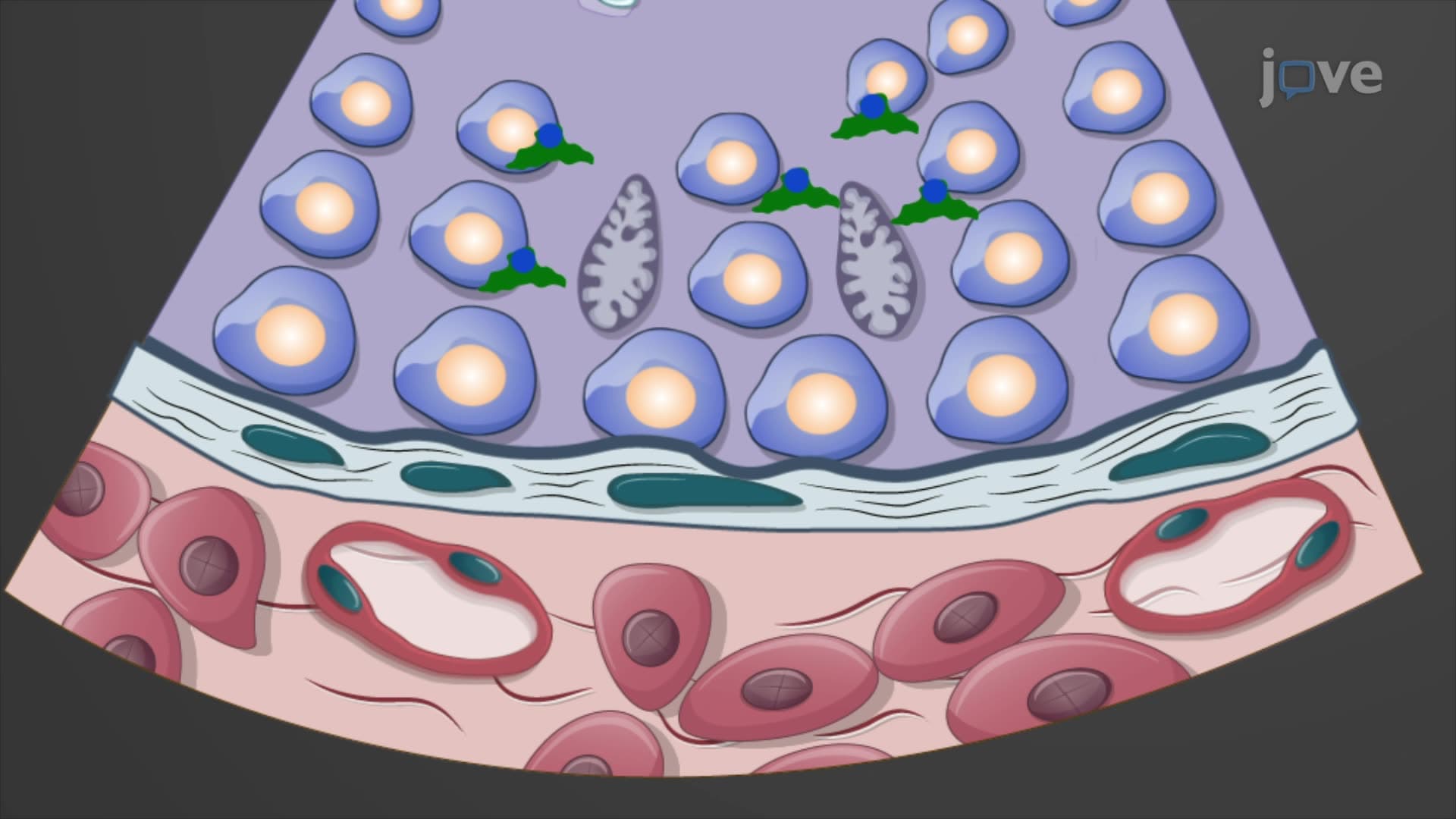
Testicular cancer represents the most common malignancy in young American men aged 15-35, with approximately 9,000 new cases diagnosed annually according to the National Cancer Institute. Unlike many cancers that primarily affect older populations, testicular cancer strikes during peak reproductive years, making early detection crucial. The disease typically originates from germ cells responsible for sperm production, explaining why fertility preservation becomes a critical consideration in treatment planning.
Students studying for the MCAT or AP Biology should note that testicular cancer often presents as a painless lump, though some patients experience a dull ache or feeling of heaviness. The high cure rate (over 95% when caught early) demonstrates the importance of regular self-examination and prompt medical evaluation. Treatment protocols typically involve orchiectomy (surgical removal), followed by chemotherapy or radiation depending on cancer staging.
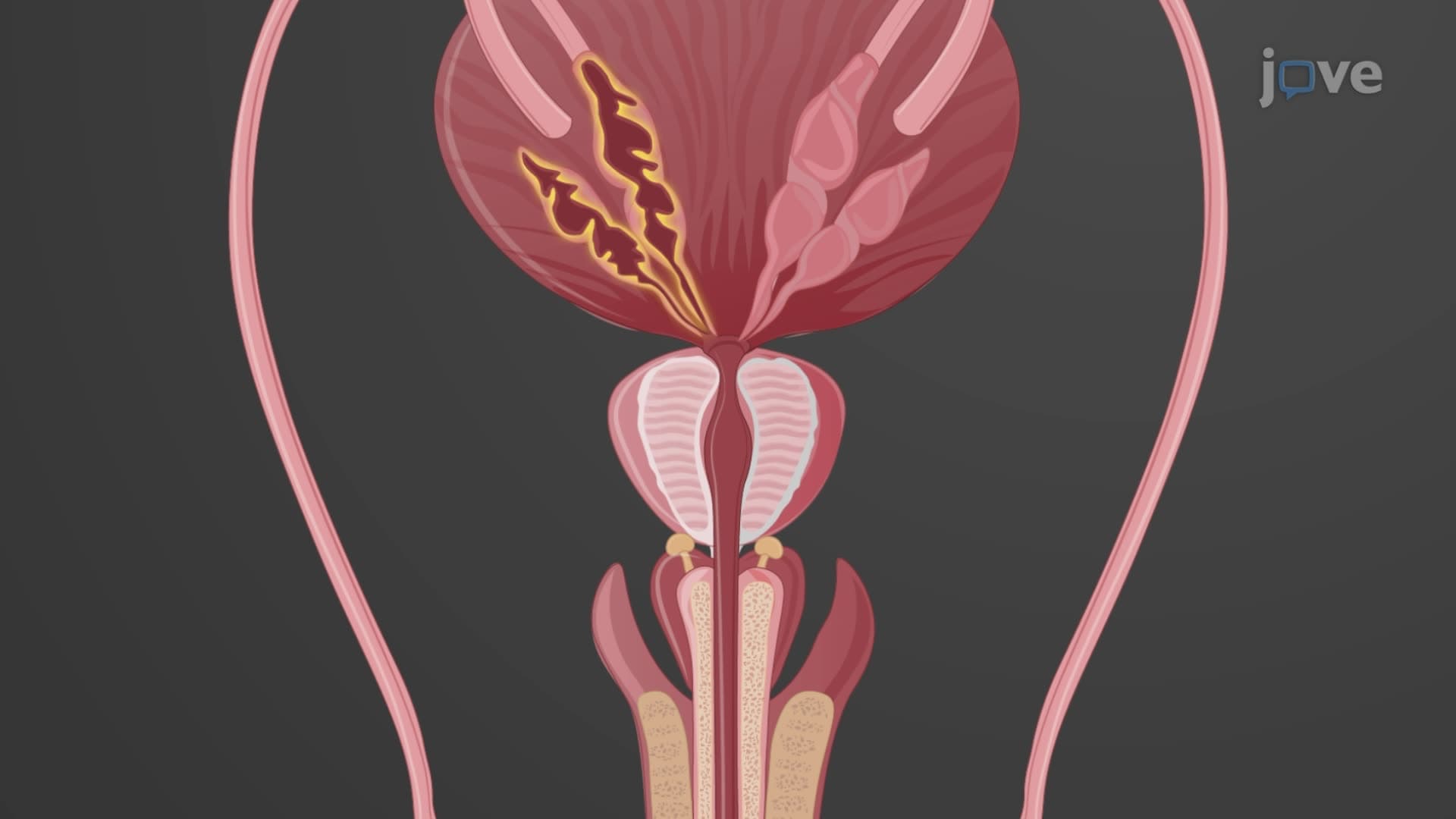
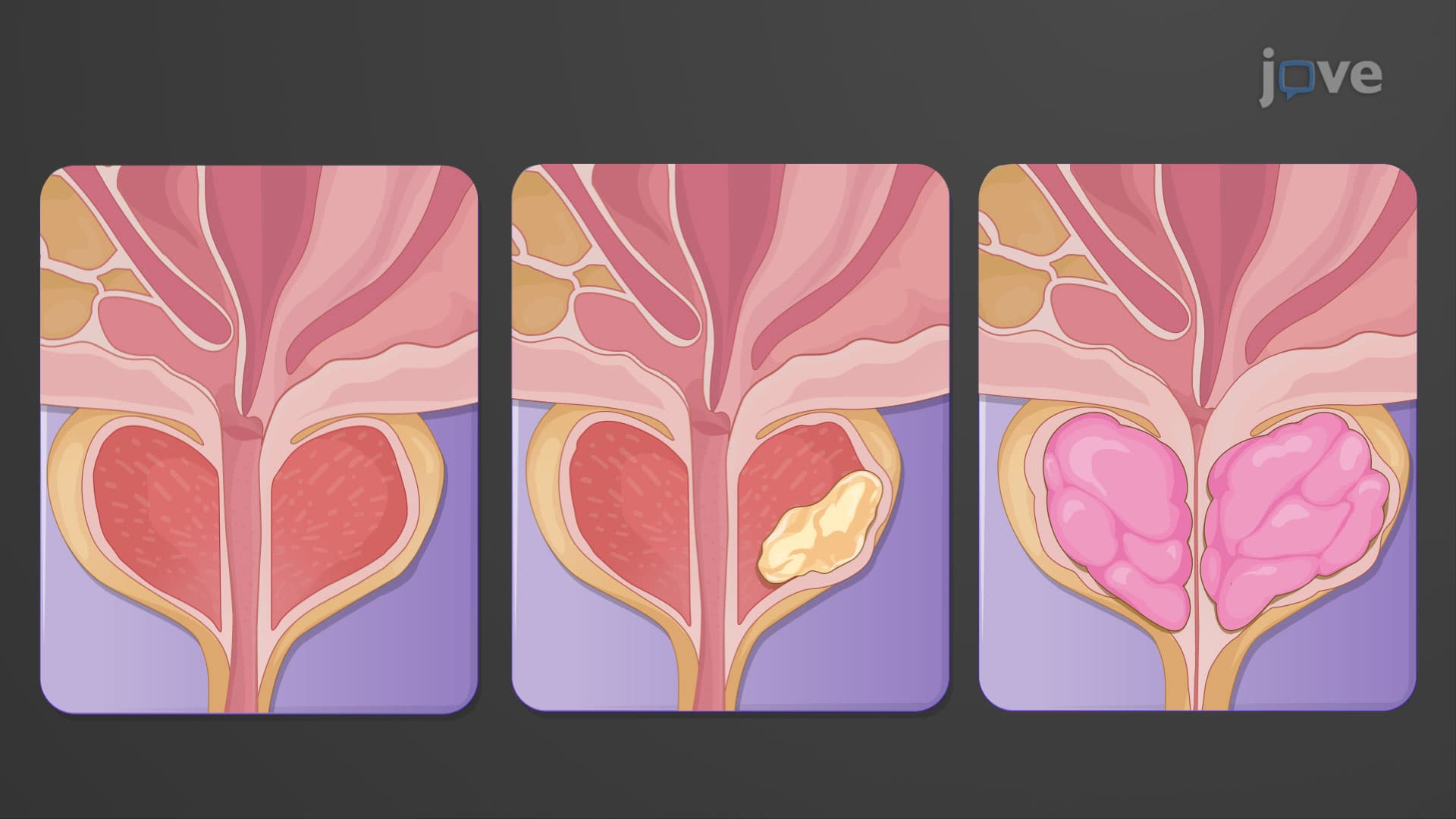
The prostate gland's strategic location surrounding the urethra explains why prostatic disorders frequently cause urinary symptoms. Prostatitis affects men of all ages, with chronic prostatitis/chronic pelvic pain syndrome representing one of the most common urological diagnoses in men under 50. The condition's inflammatory nature often requires prolonged antibiotic therapy, though chronic cases may need multimodal treatment approaches.
Benign prostatic hyperplasia (BPH) affects nearly 50% of men over 60 and demonstrates how normal aging processes can create pathological conditions. Students should understand that BPH results from hormonal changes, particularly involving dihydrotestosterone (DHT), making it relevant for endocrinology discussions in college-level biology courses.
Prostate cancer stands as the second leading cause of cancer death in American men, with the American Cancer Society estimating 1 in 8 men will develop the disease. The prostate-specific antigen (PSA) test revolutionized screening, though its interpretation requires understanding of age-specific reference ranges and factors that can cause elevation beyond malignancy.
Modern treatment approaches exemplify personalized medicine principles frequently tested on healthcare exams. Active surveillance for low-risk disease, radical prostatectomy for localized cancer, and hormone therapy for advanced cases demonstrate how treatment selection depends on disease characteristics, patient age, and quality-of-life considerations.
Related Micro-courses