Loading subject page…


141,004 views
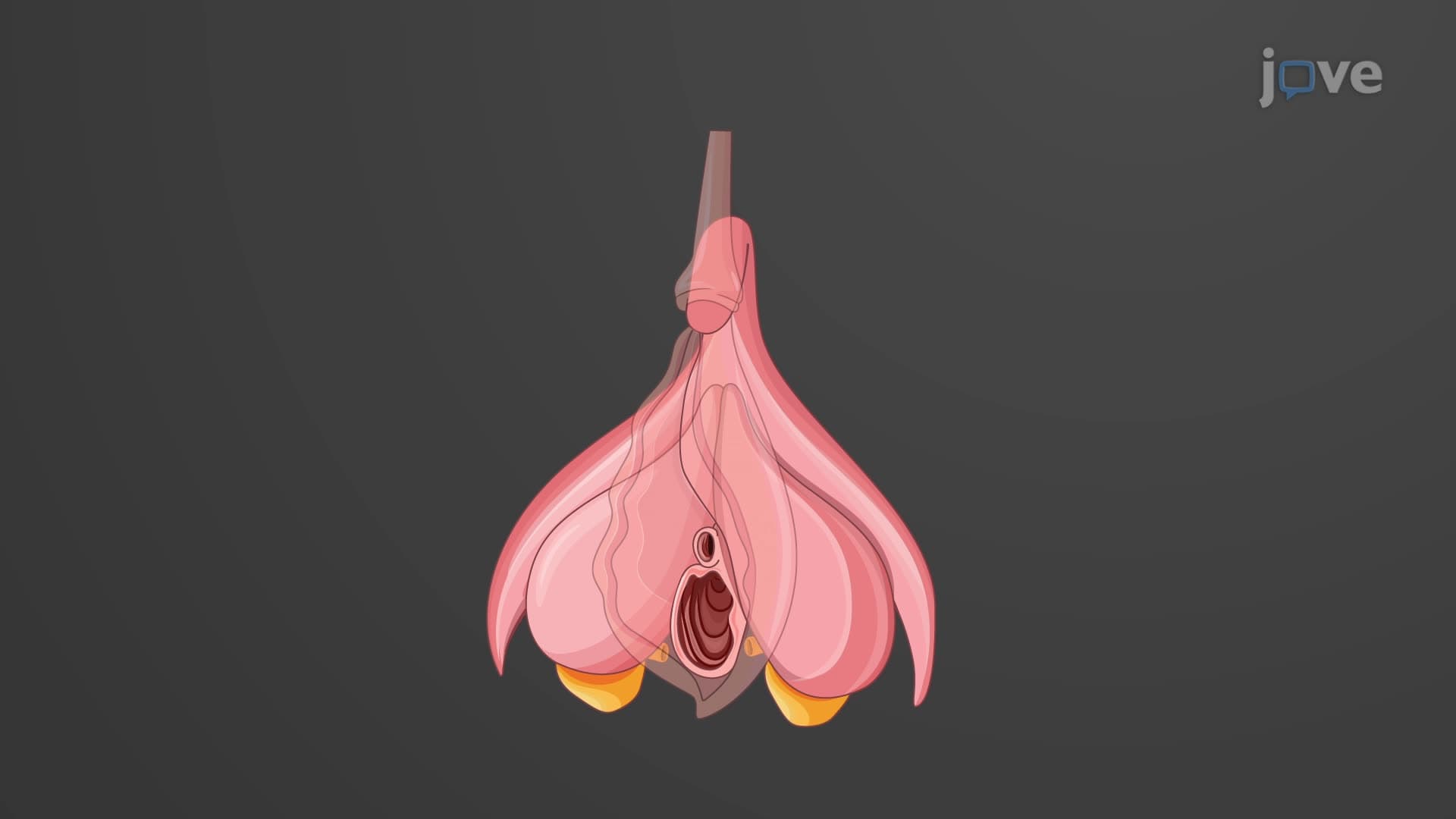

Video Summary: What Is External Female Genitals
Did you know that the external female reproductive structures visible during a standard gynecological exam in US hospitals are collectively called the vulva, not just the vagina? Understanding female external genitals anatomy is crucial for health education and medical literacy. The vulva includes the mons pubis, labia majora and minora, clitoris, and vestibule-each serving distinct physiological functions. Watch the full video on JoVE Coach to master this concept with expert-led visuals and step-by-step explanations.
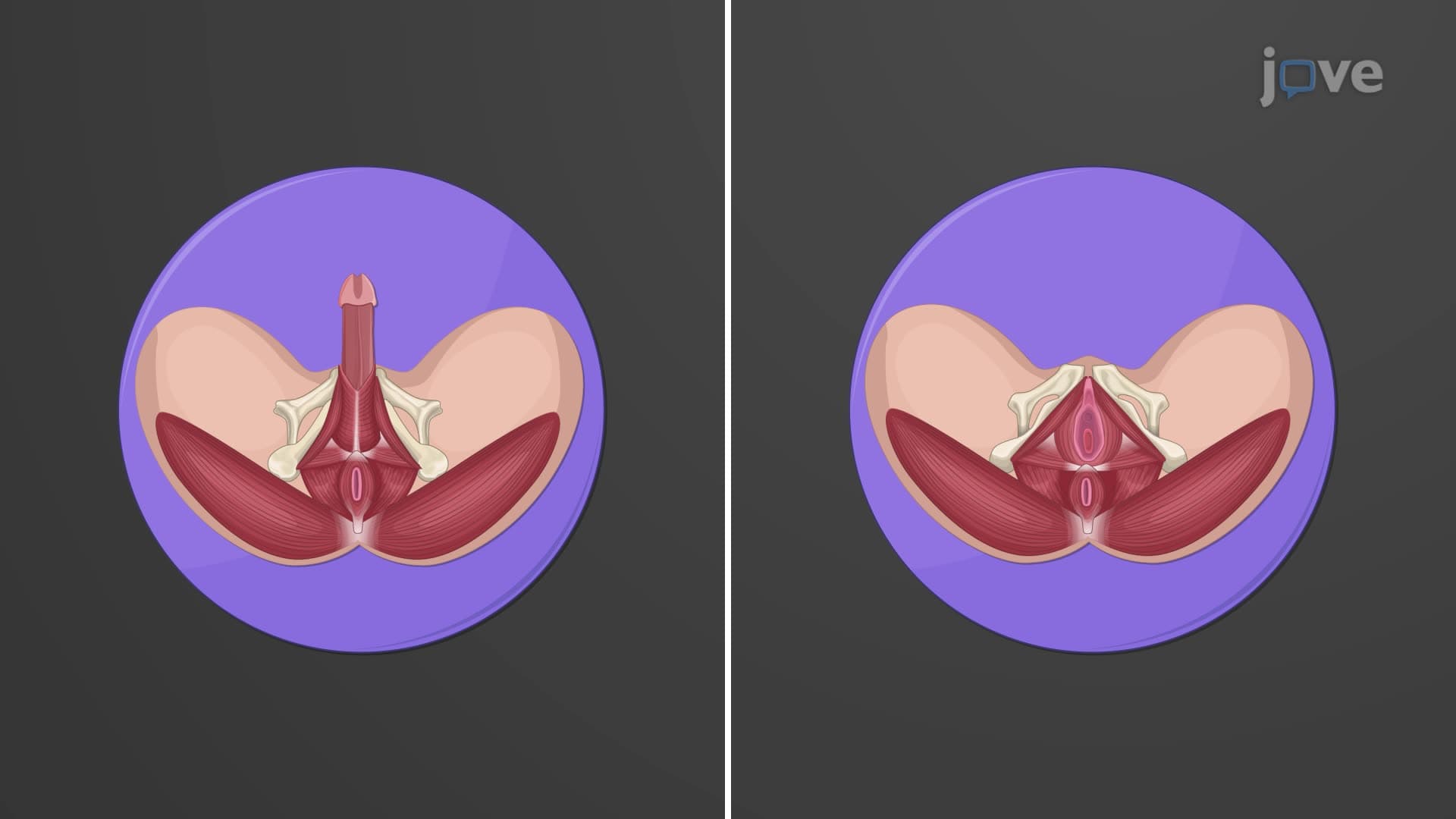
The female external genitals anatomy encompasses a sophisticated collection of structures that serve protective, sensory, and reproductive functions. Unlike internal reproductive organs, these external components are readily visible and accessible for clinical examination, making them essential knowledge for students pursuing healthcare careers or taking advanced placement biology courses.
The vulva external anatomy explained begins with the mons pubis, a cushioning fatty tissue pad overlying the pubic bone. This structure becomes more prominent during puberty due to hormonal influences, particularly estrogen, which also stimulates pubic hair growth. In US medical training programs, students learn that the mons pubis serves as protection during physical activity and intimate contact.
The labia majora and minora represent the most prominent features when examining what are the external female genitals in anatomy. The labia majora are the outer, hair-bearing folds that extend from the mons pubis posteriorly, while the labia minora are the inner, hairless folds that vary significantly in size and pigmentation among individuals. This variation is clinically normal and important for medical students preparing for USMLE Step 1 examinations to understand.
The vestibule, the space between the labia minora, houses critical openings including the urethral and vaginal orifices. The greater vestibular glands (Bartholin's glands) located at the posterior vaginal opening produce mucous secretions that facilitate comfort during intercourse. Understanding these structures is essential for nursing students taking the NCLEX-RN, as Bartholin's gland infections are common clinical presentations in emergency departments across the US.
The clitoris represents one of the most nerve-dense structures in the human body, containing approximately 8,000 nerve endings. The visible portion, or glans clitoris, is protected by the prepuce (clitoral hood), formed by the fusion of the labia minora. This anatomical detail frequently appears on AP Biology exams and college anatomy courses, particularly when discussing comparative reproductive biology and evolutionary adaptations.
Related Micro-courses