Loading subject page…


141,004 views
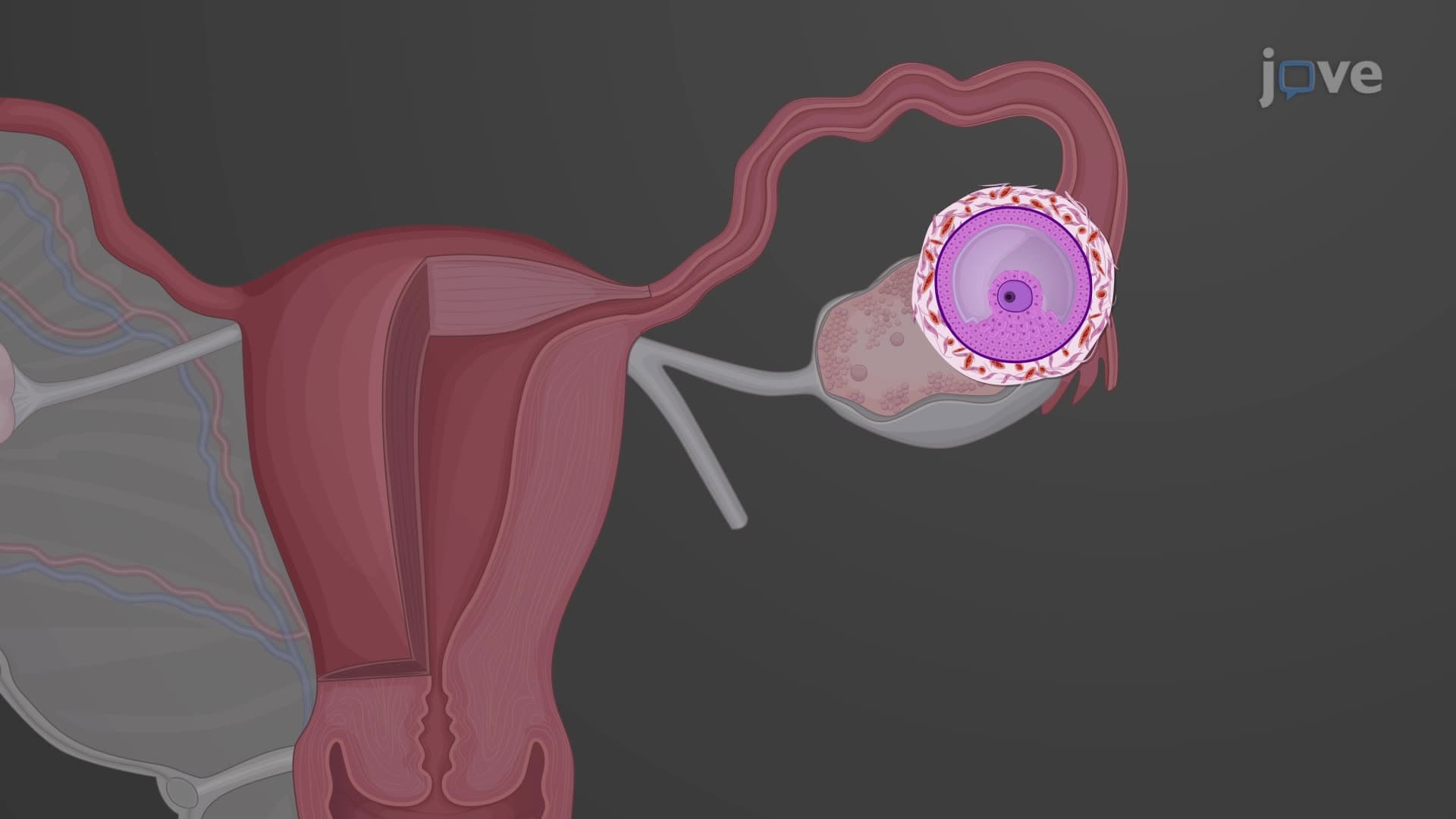

Video Summary: What Is Folliculogenesis
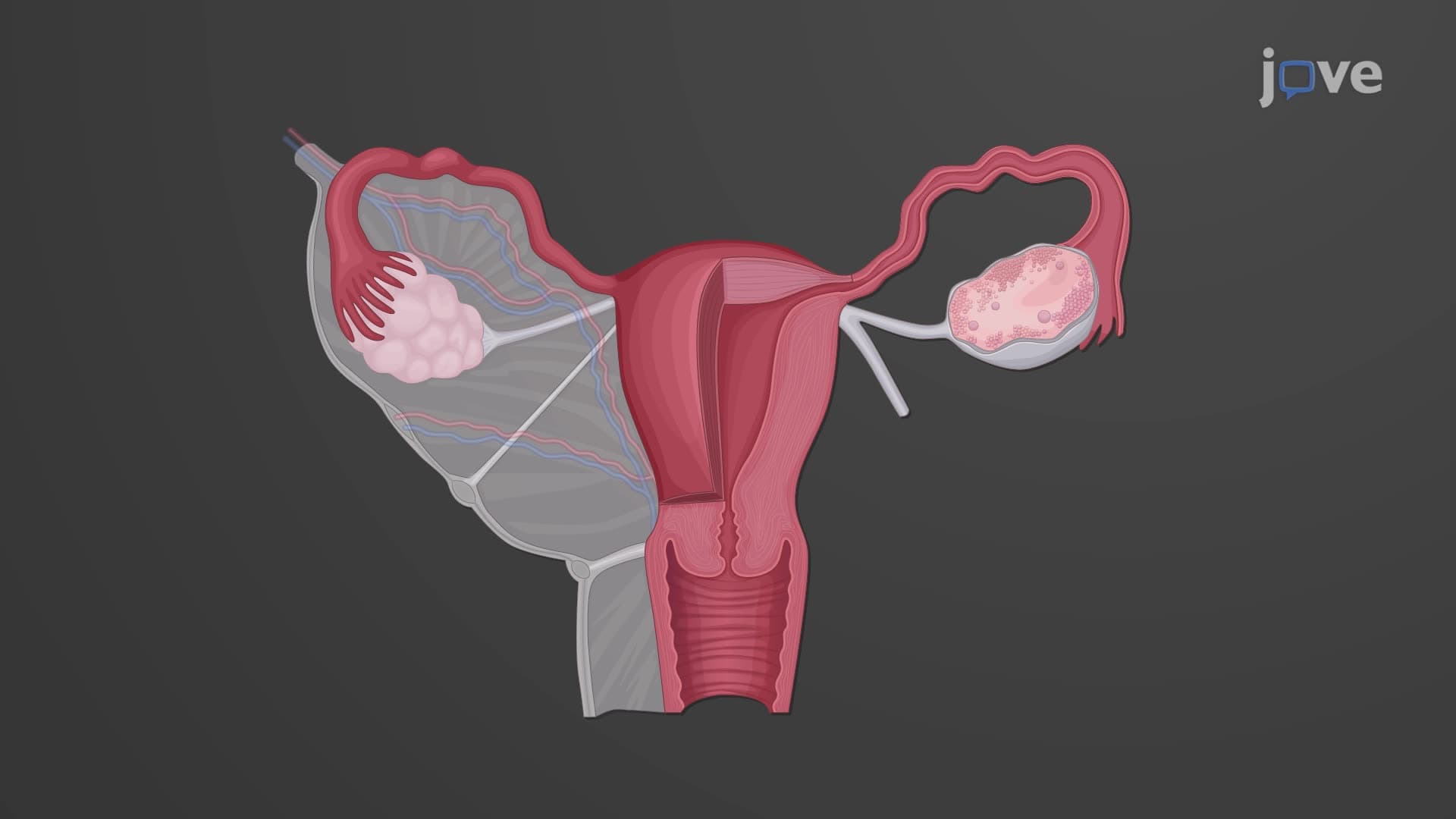
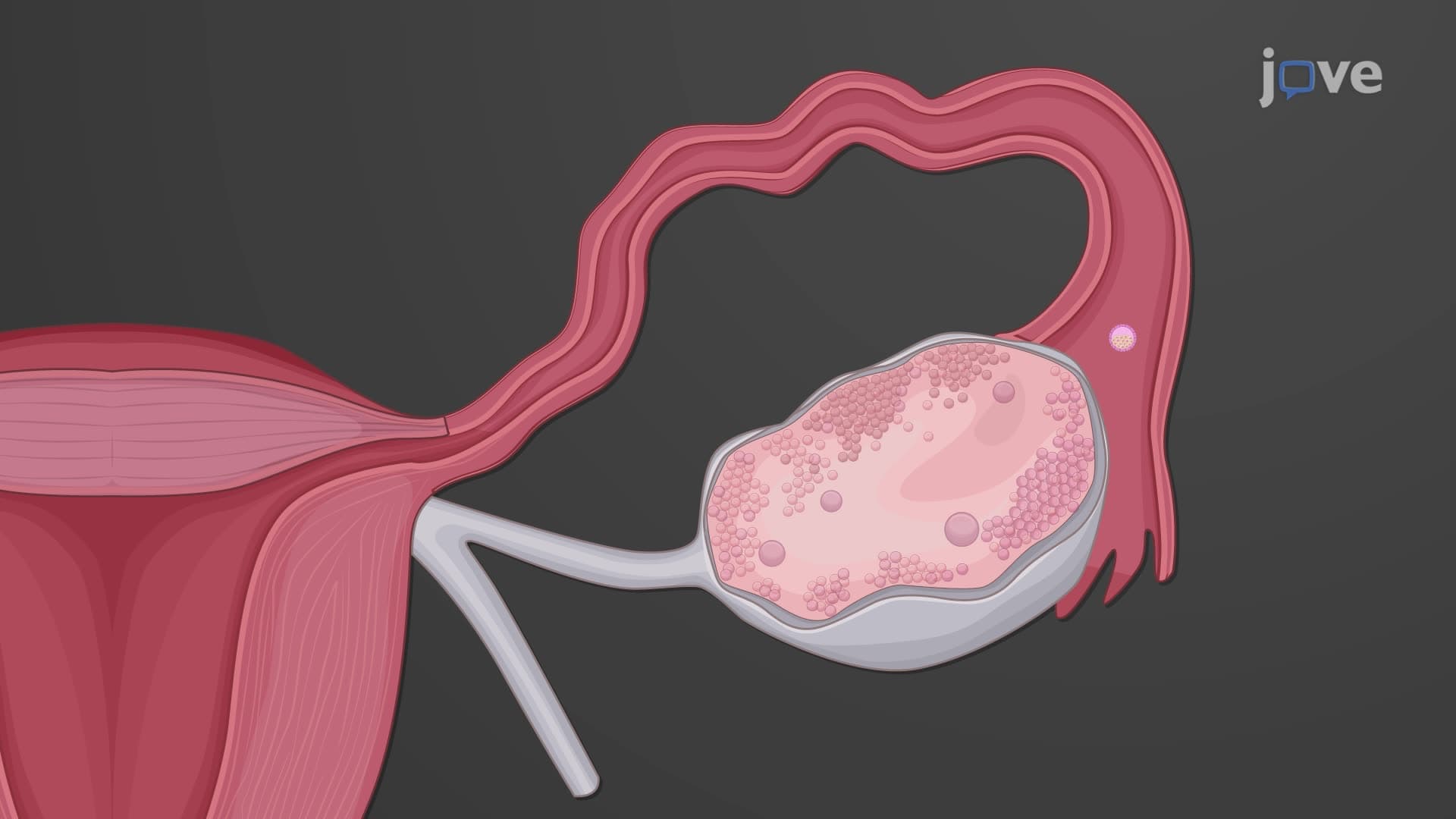
Did you know that a woman is born with all the eggs she'll ever have, but they remain dormant for decades? Folliculogenesis biology explained reveals how these sleeping cells transform into mature eggs ready for fertilization. This complex process occurs in every woman's ovaries, from puberty through menopause, affecting everything from fertility treatments at clinics like Mayo Clinic to understanding reproductive health. What is folliculogenesis becomes crucial for students studying human biology and reproductive science. Watch the full video on JoVE Coach to master this concept with expert-led visuals and step-by-step explanations.
Folliculogenesis represents one of the most remarkable biological processes in human development, orchestrating the transformation of dormant egg cells into mature reproductive units. This intricate dance of cellular development begins during fetal life and continues throughout a woman's reproductive years, making it essential knowledge for students pursuing careers in medicine, nursing, or biological sciences.
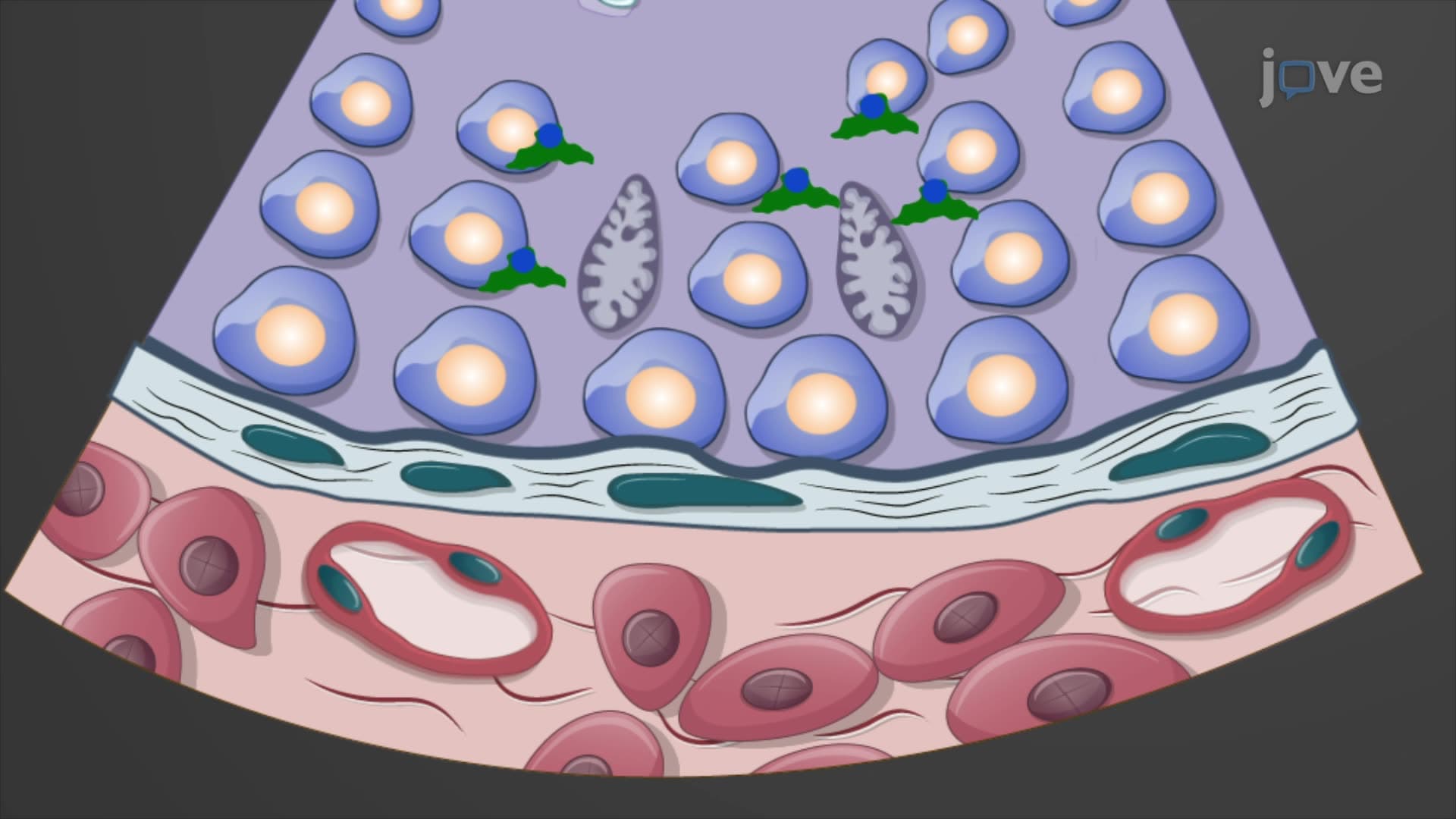
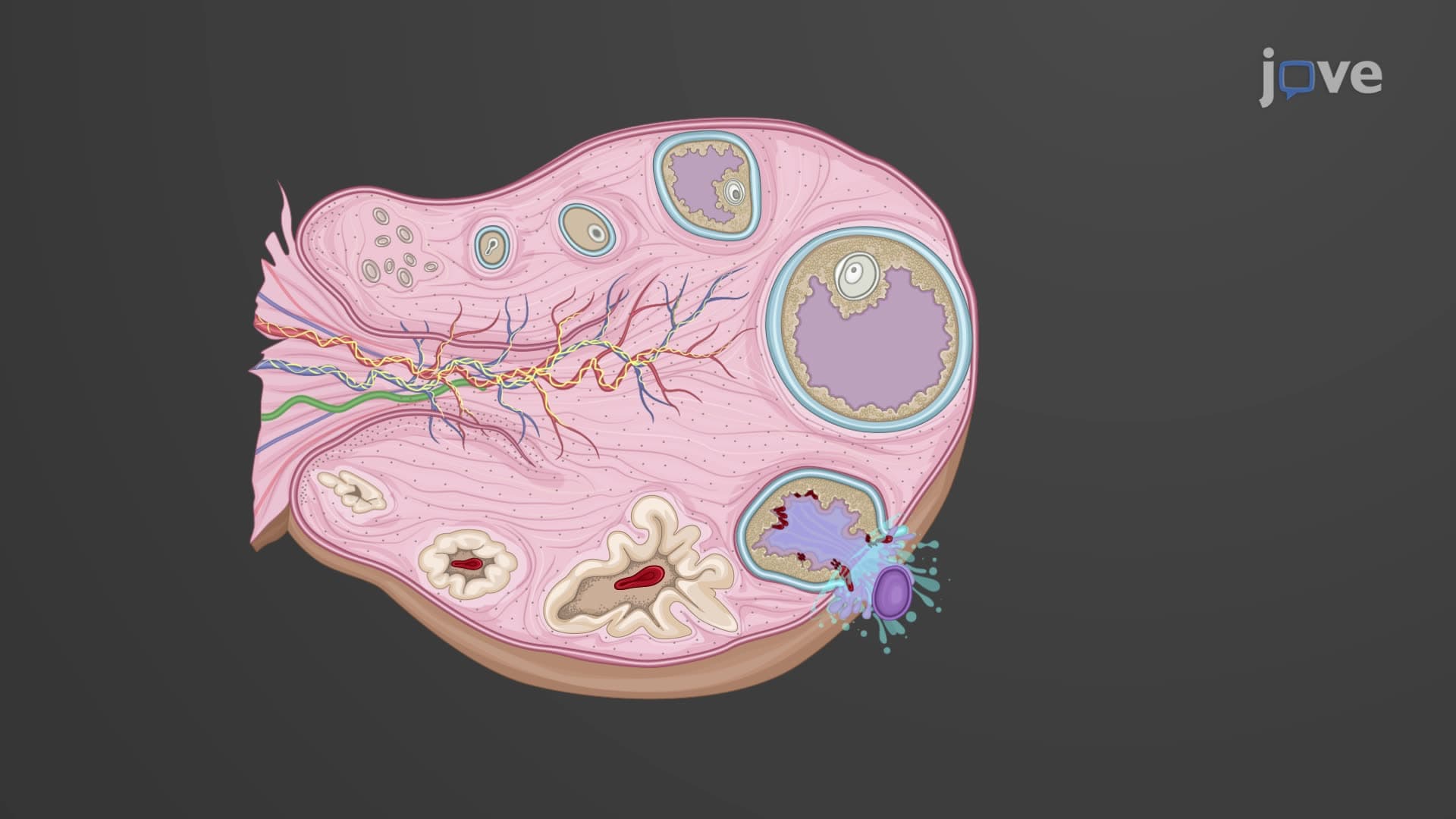
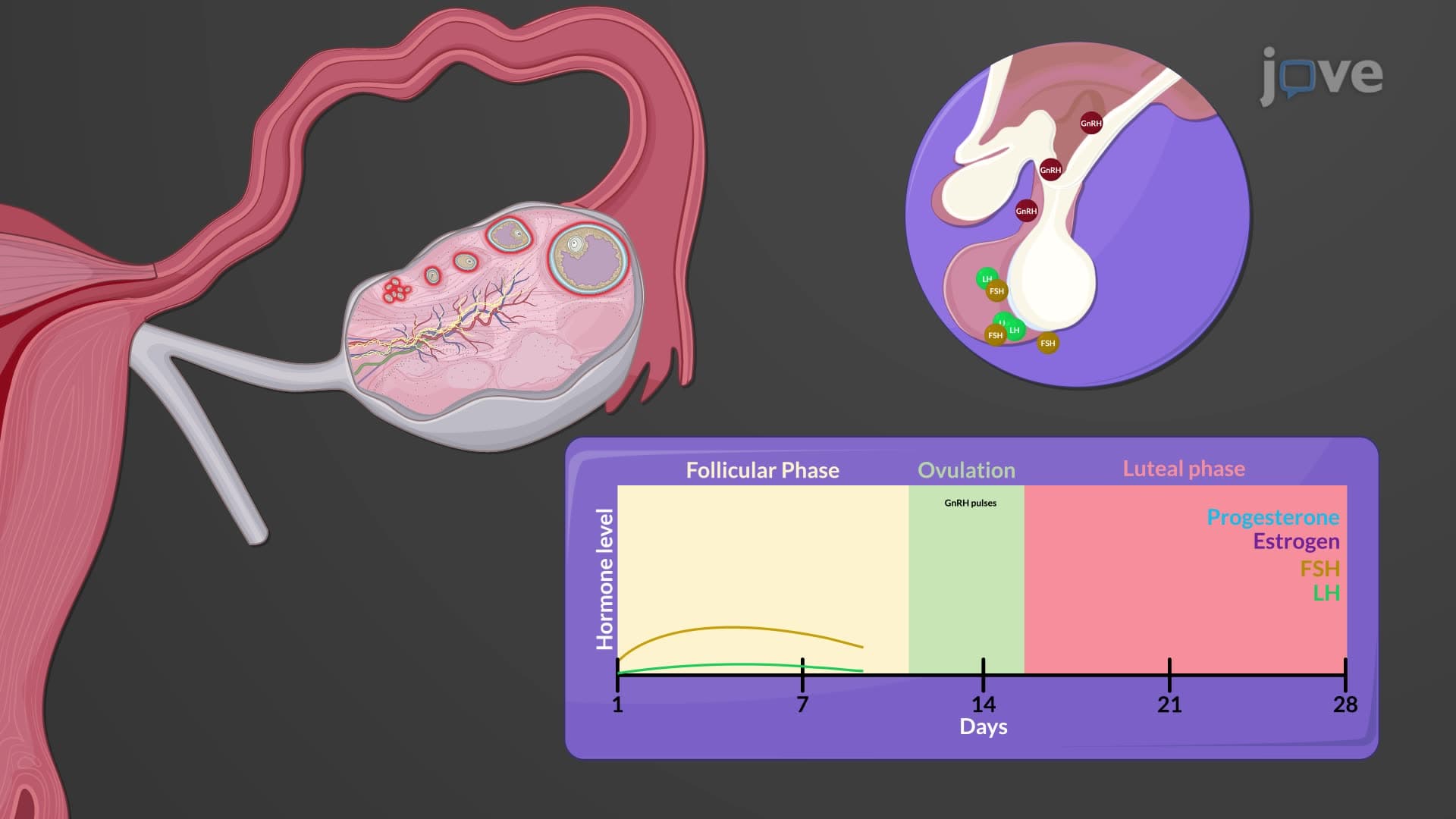
The process starts during fetal development when primordial primary follicles form as single layers of flat squamous cells surround each primary oocyte. These structures remain frozen in time, arrested in prophase I of meiosis, until hormonal signals awaken them. At puberty, follicle-stimulating hormone (FSH) from the anterior pituitary triggers this awakening. The flat squamous cells transform into cuboidal granulosa cells, and the oocyte begins producing the zona pellucida-a protective glycoprotein shell that will later play crucial roles in fertilization.
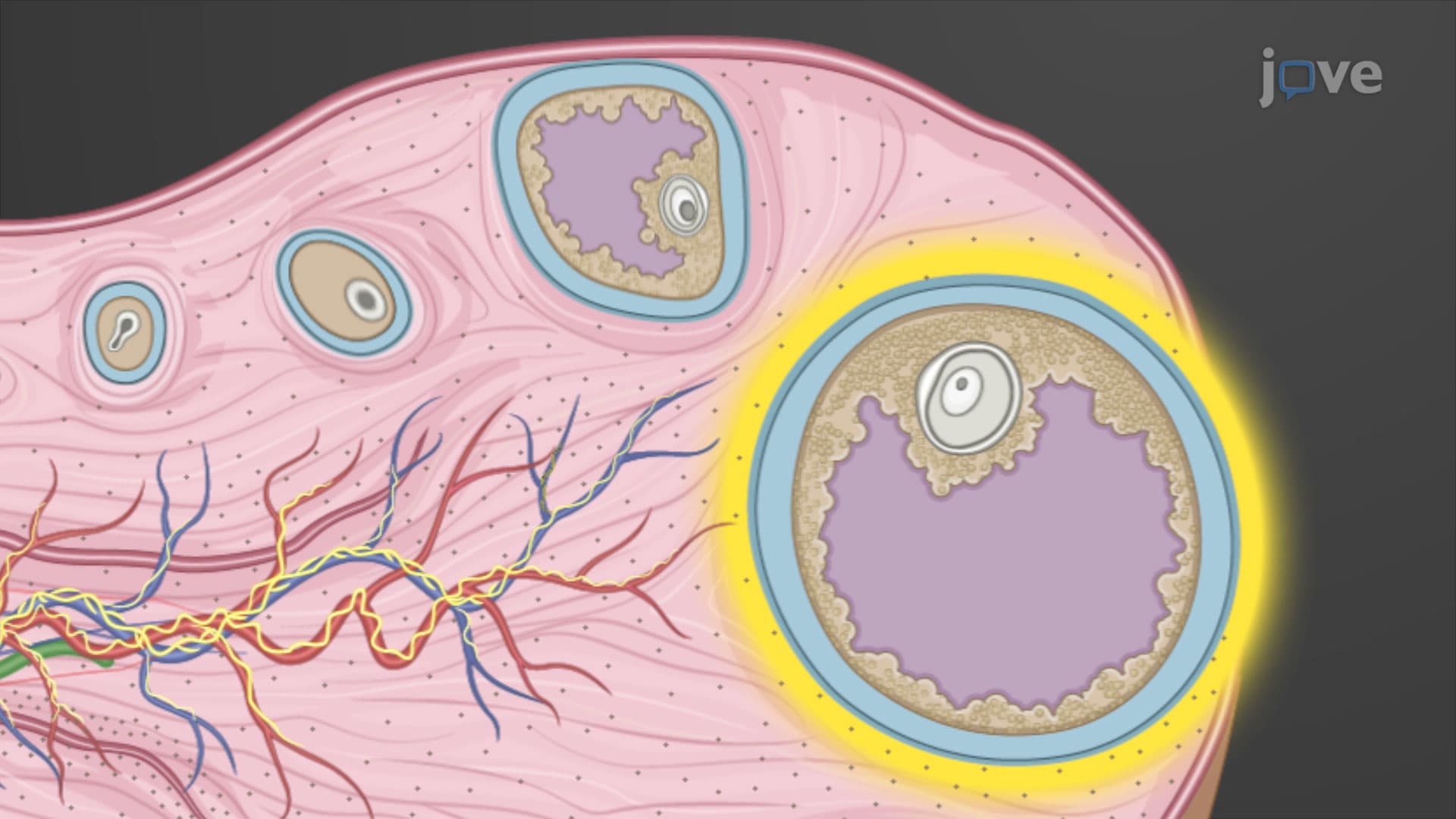
As ovarian follicle development progresses, primary follicles evolve into secondary follicles through dramatic cellular proliferation. The single layer of granulosa cells multiplies into multiple layers, while specialized theca cells form around the follicle's exterior, creating the theca folliculi. This two-layer system becomes functionally important as theca cells produce androgens that granulosa cells convert to estrogen-a concept frequently tested on the MCAT and AP Biology exams. Students studying for nursing entrance exams like HESI A2 or TEAS often encounter questions about this cellular cooperation.
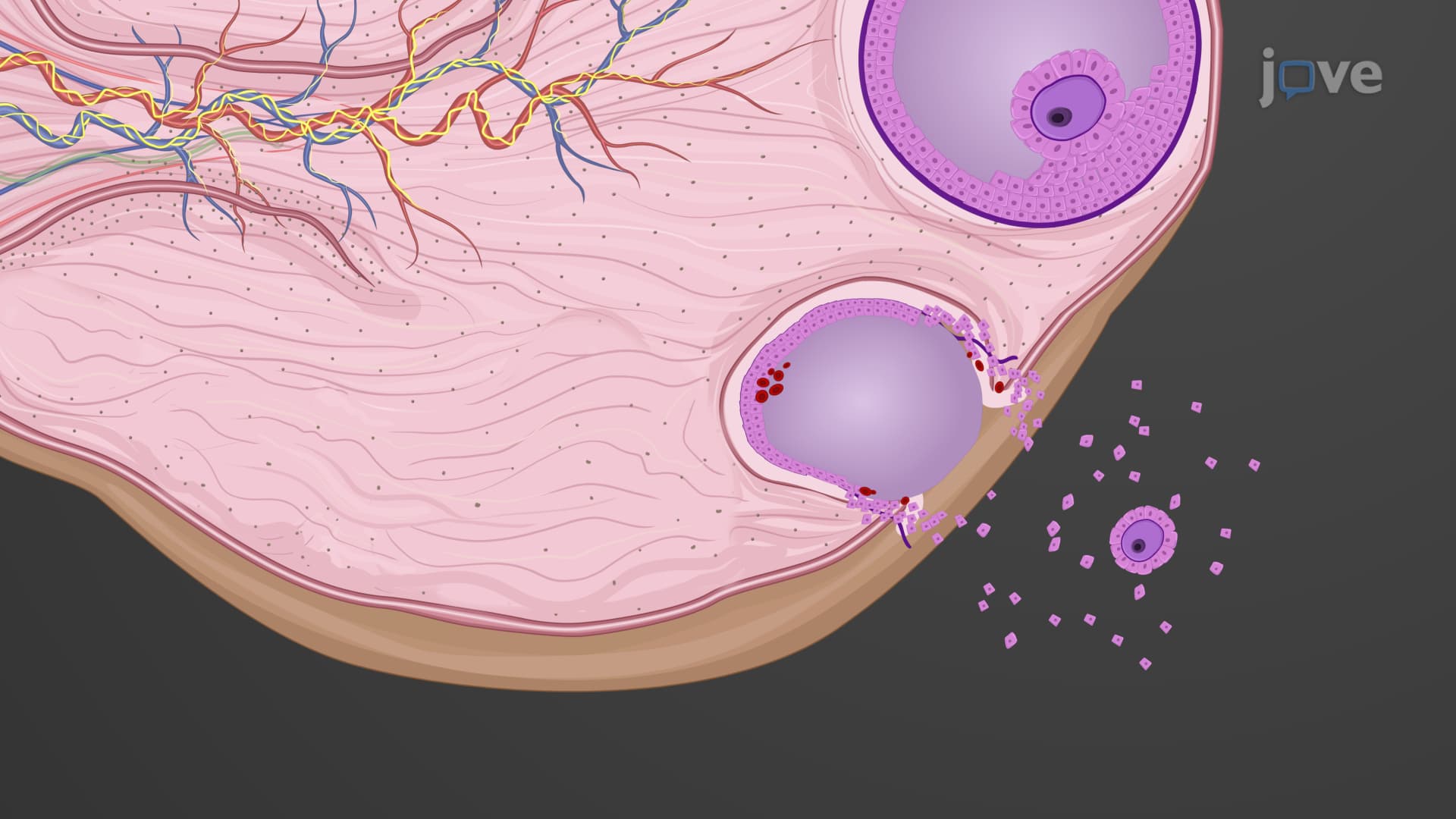
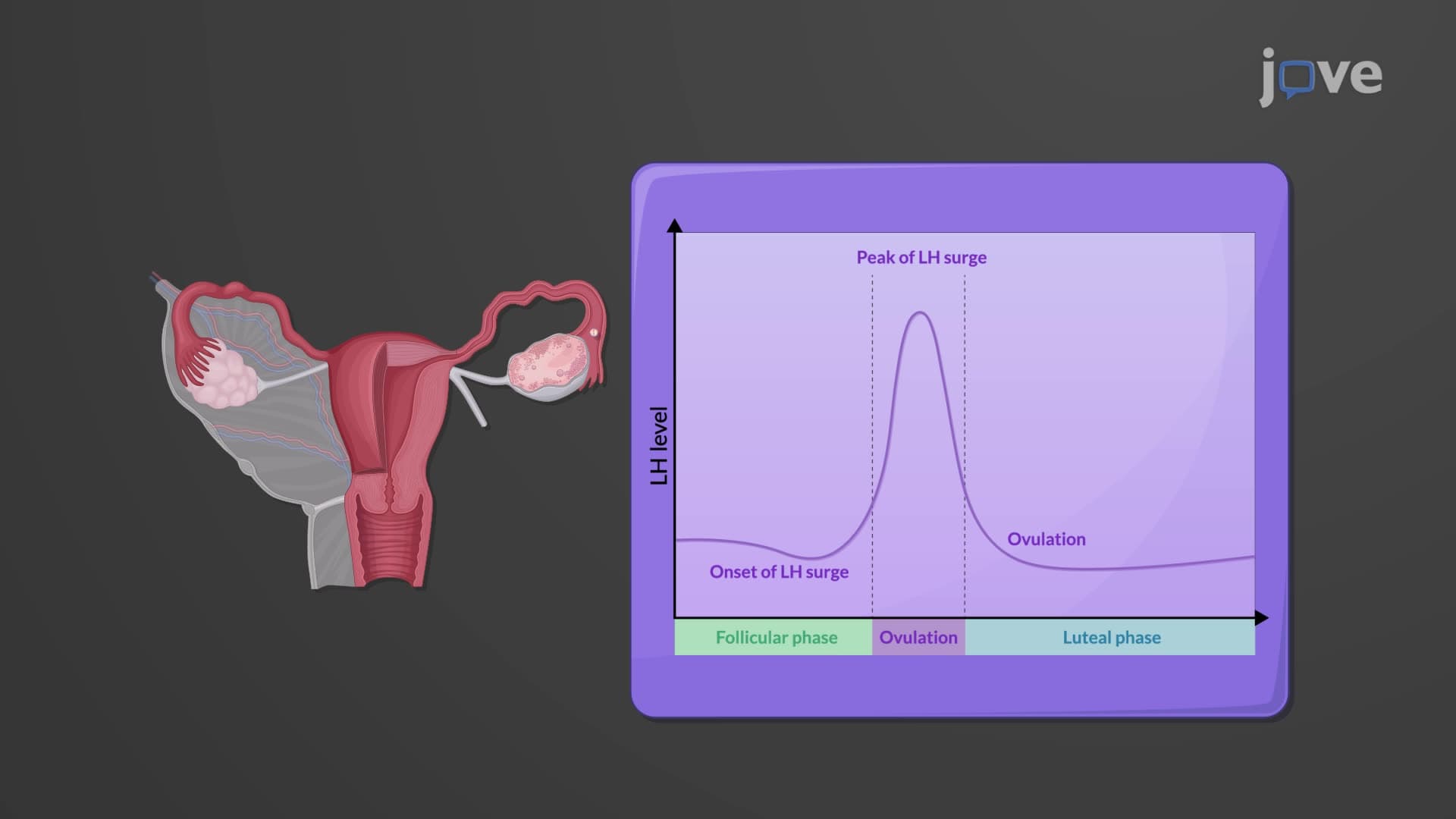
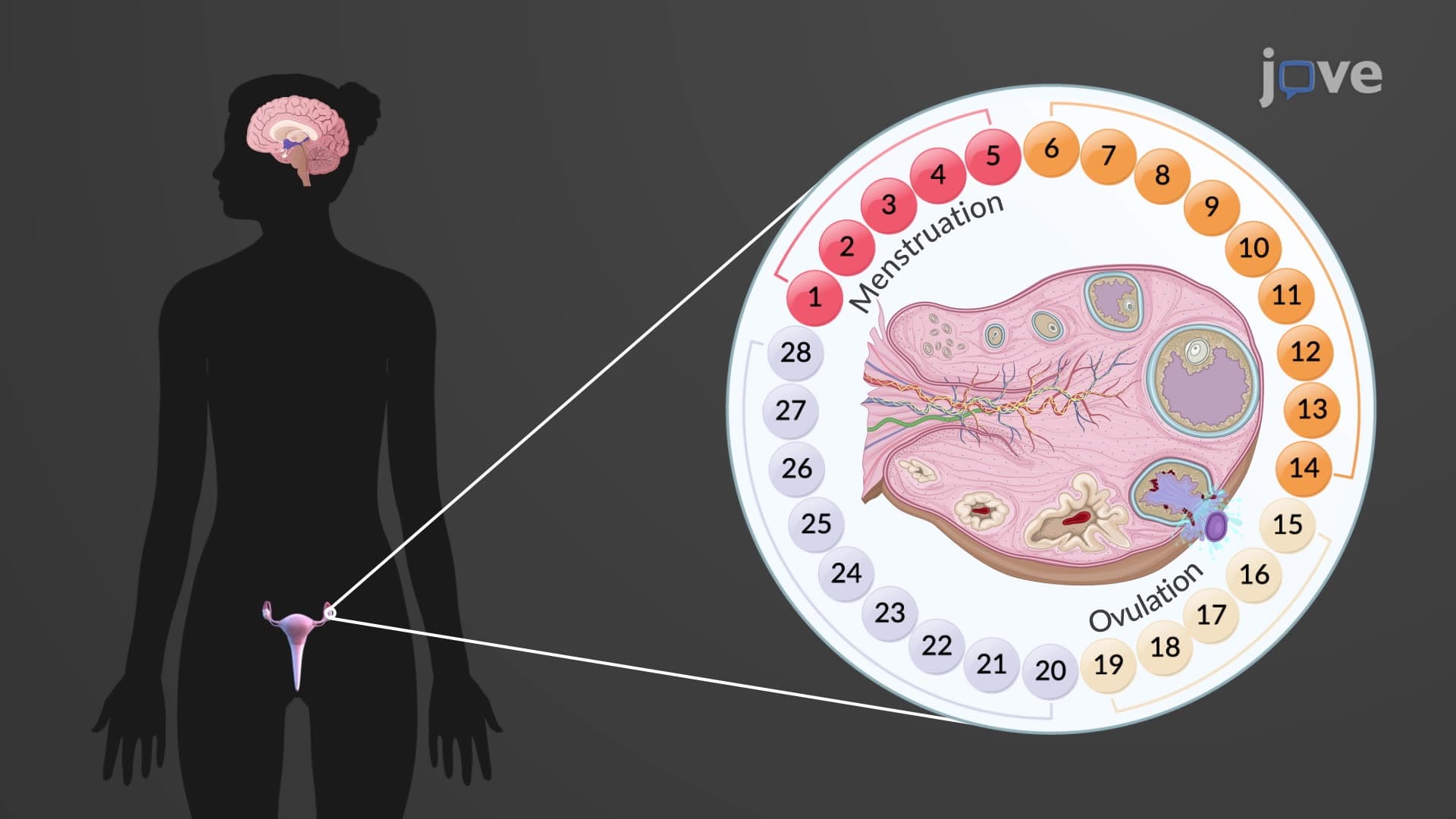
The final stage involves tertiary or antral follicle formation, characterized by the development of a fluid-filled cavity called the antrum. As follicular fluid accumulates, one follicle typically becomes dominant during each menstrual cycle, growing into the mature Graafian follicle. This follicle houses a secondary oocyte arrested in metaphase II-ready for ovulation and potential fertilization. Understanding this arrest point is crucial for college students studying cell biology, as it explains why the egg completes meiosis only if fertilization occurs. This knowledge directly applies to fertility treatments and reproductive medicine, making it relevant for students considering careers at institutions like Johns Hopkins or the Cleveland Clinic.
Related Micro-courses