Loading subject page…


141,005 views

Video Summary: What Is Hormonal Regulation Menstrual Cycle
Did you know that American women experience approximately 400 menstrual cycles during their reproductive years, each orchestrated by a precise hormonal symphony? Menstrual cycle hormonal regulation involves a complex feedback loop between the brain, pituitary gland, ovaries, and uterus, where GnRH triggers FSH and LH release, leading to estrogen and progesterone fluctuations that control ovulation and endometrial changes. Understanding what is hormonal regulation menstrual cycle is crucial for comprehending reproductive health, from tracking fertility apps used by millions of US women to diagnosing conditions like PCOS. Watch the full video on JoVE Coach to master this concept with expert-led visuals and step-by-step explanations.
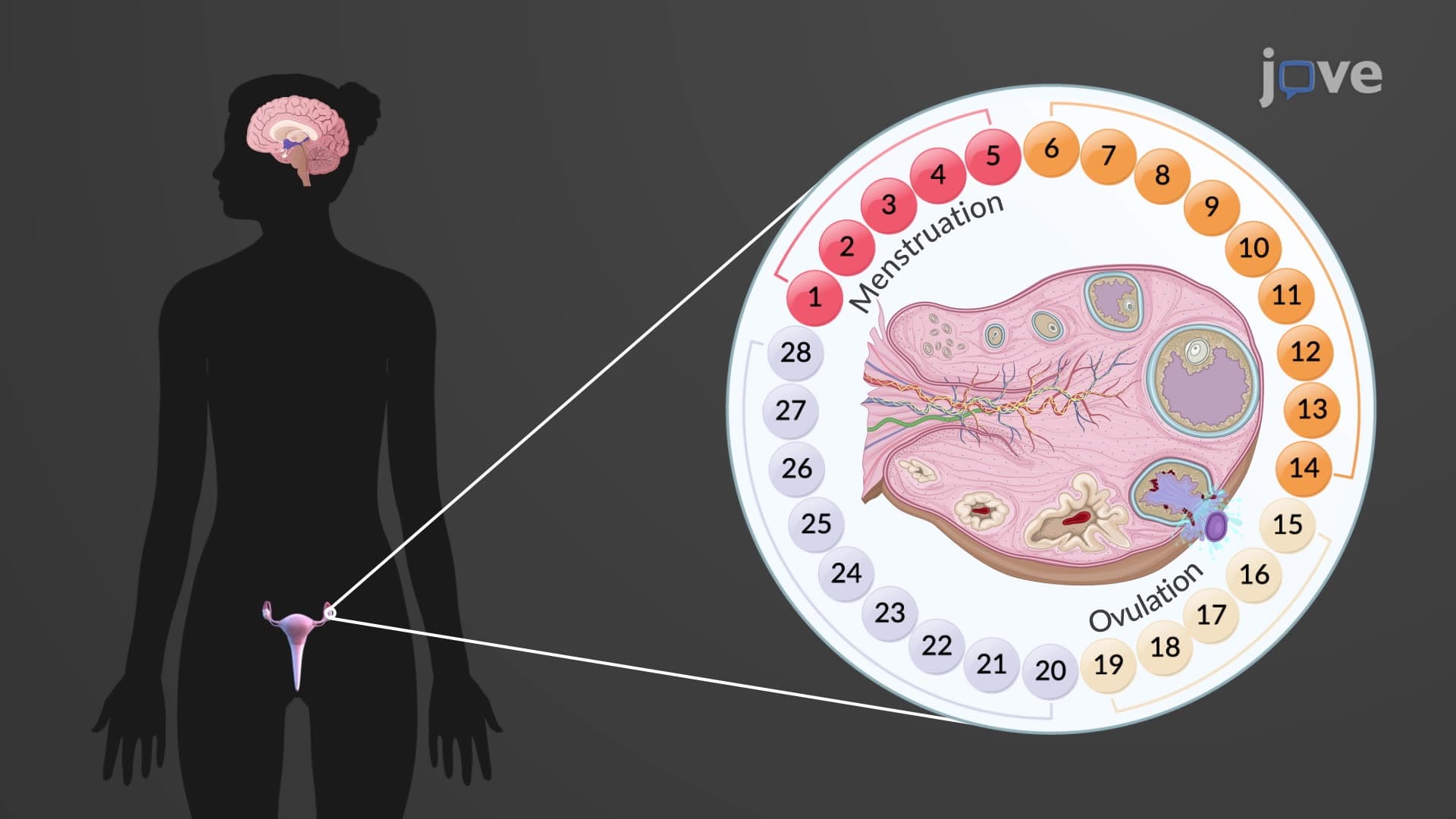
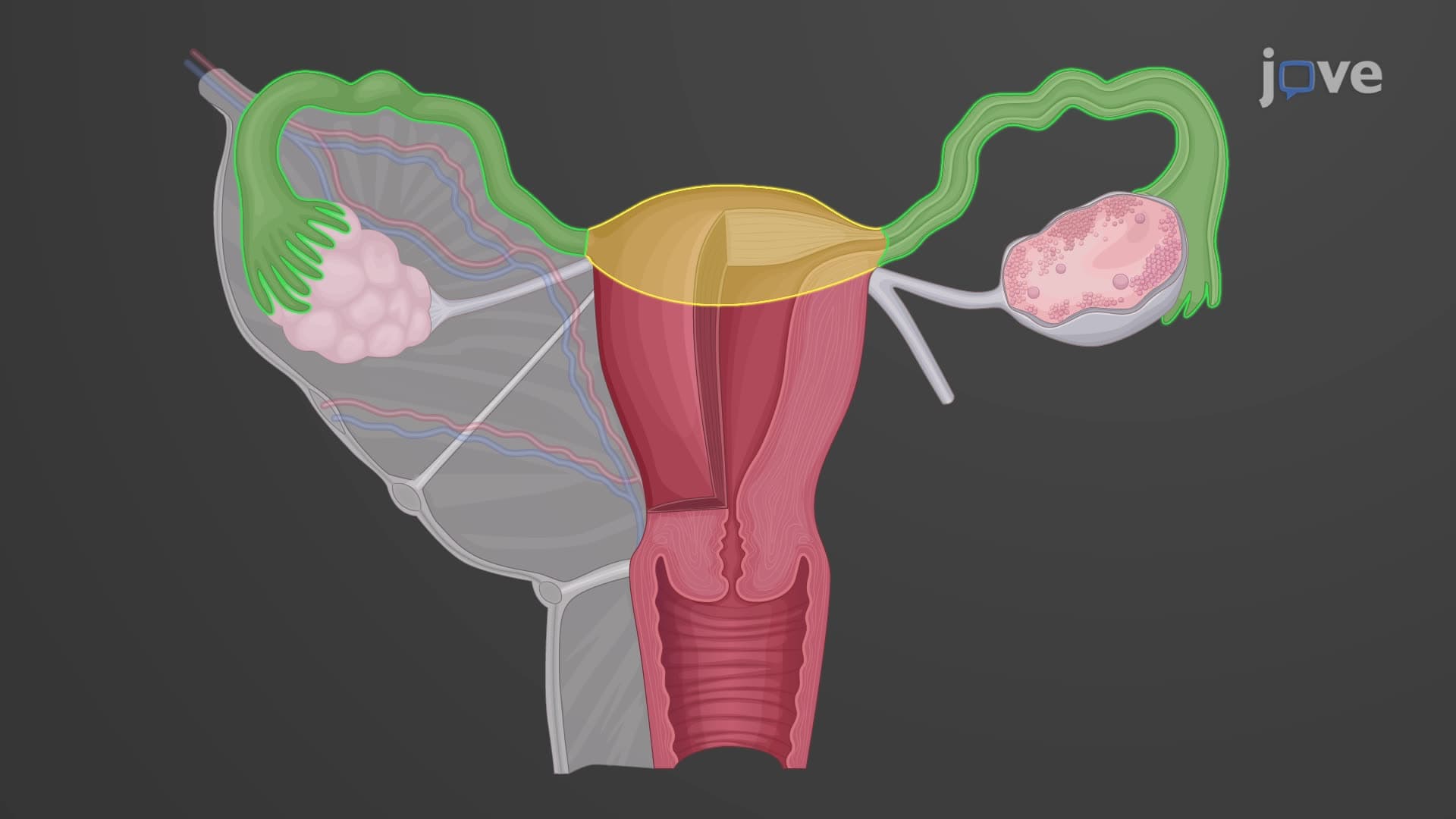
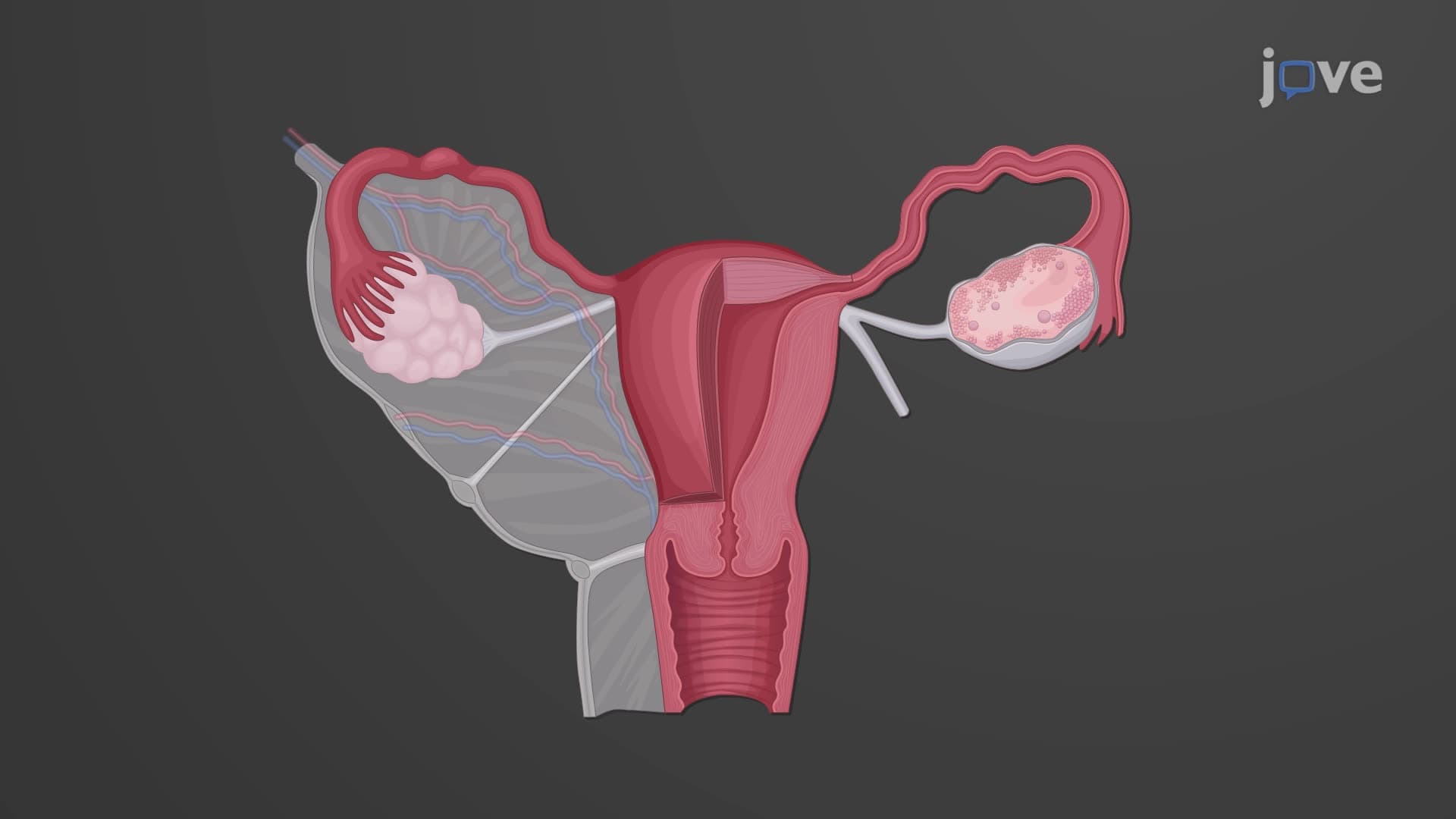
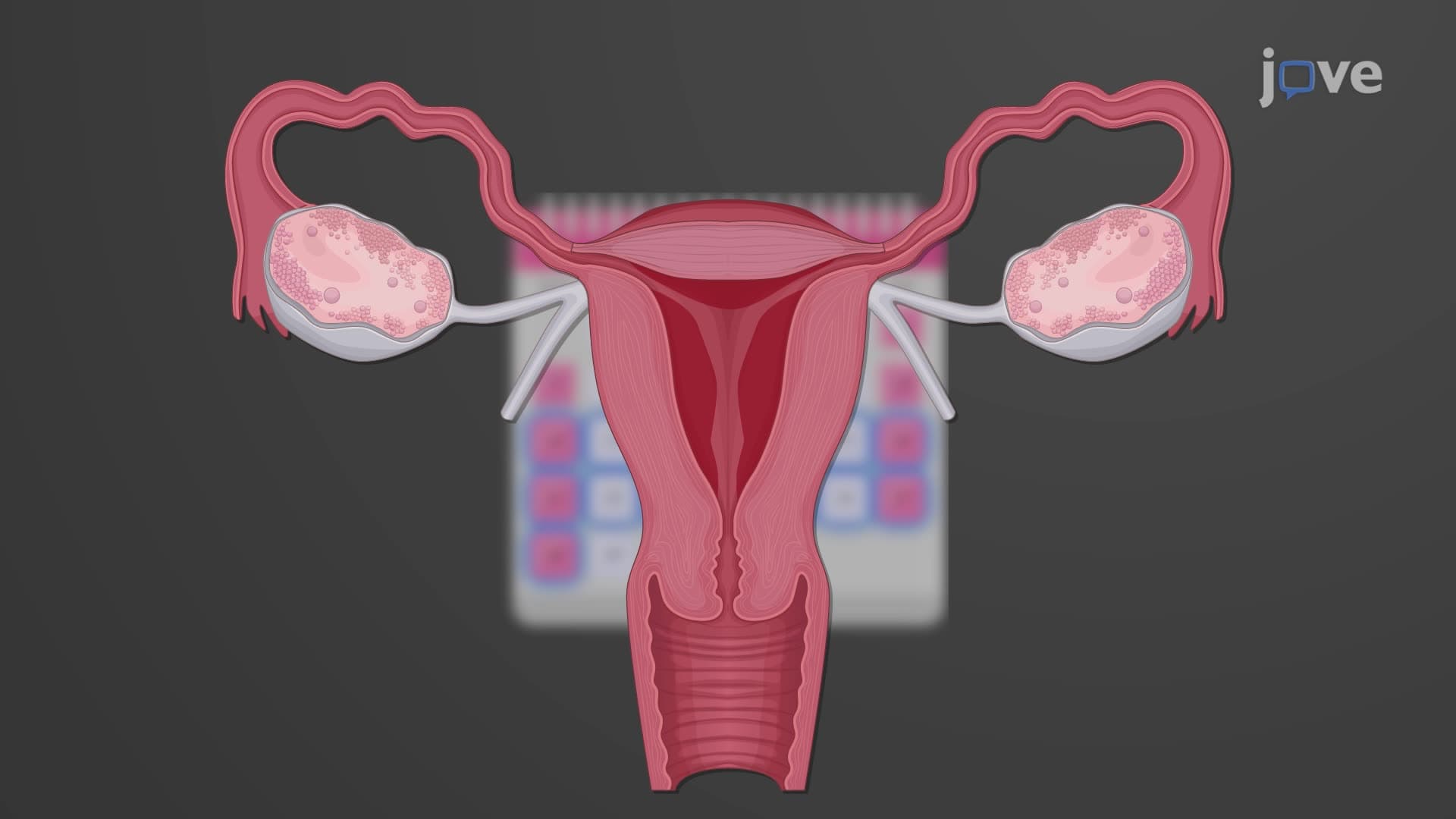
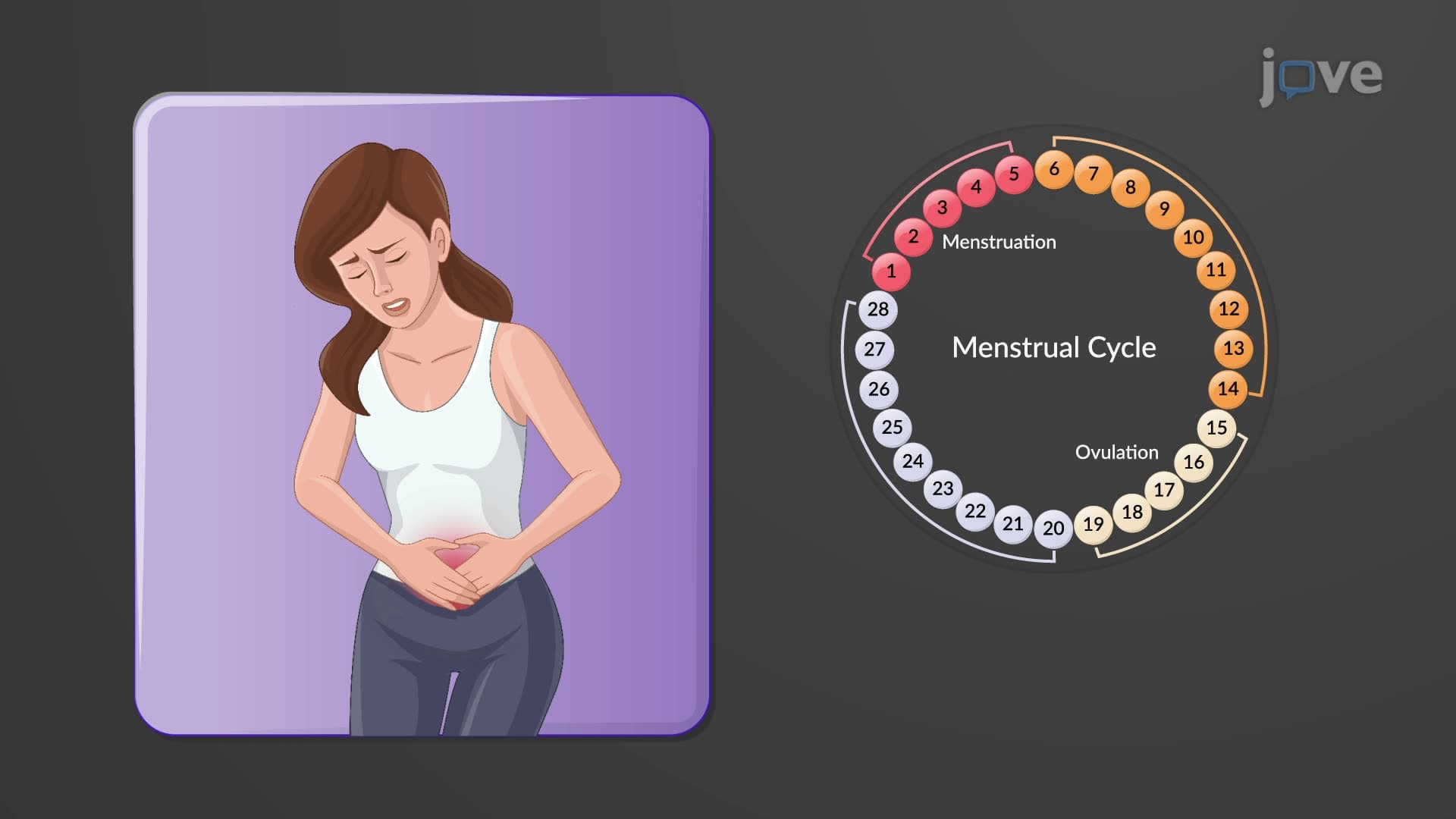
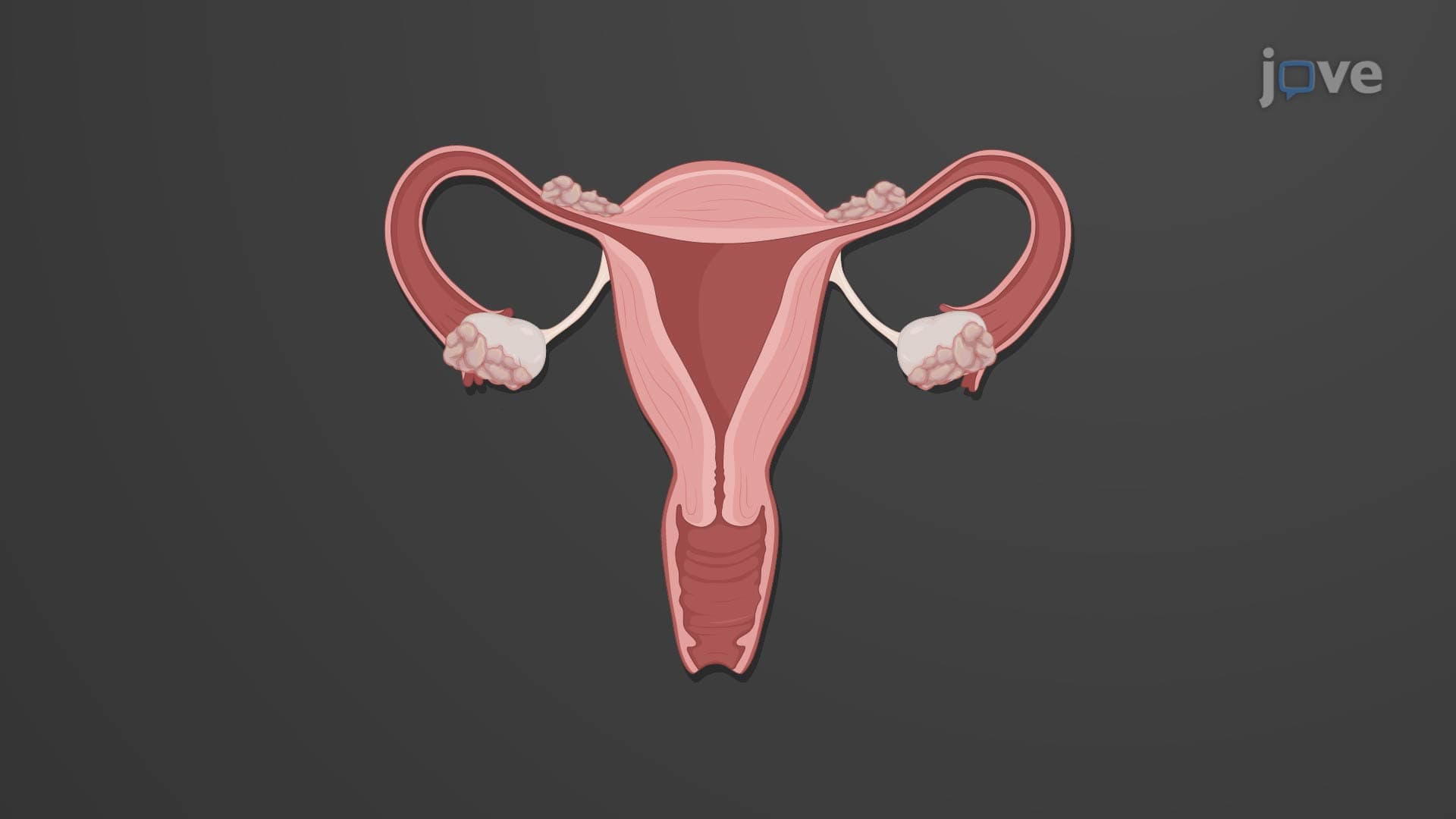
The menstrual cycle hormonal regulation represents one of biology's most elegant feedback systems, involving coordinated interactions between the hypothalamus, anterior pituitary, ovaries, and uterus. This 28-day cycle (though normal ranges span 21-35 days) ensures reproductive readiness while maintaining hormonal balance essential for overall health.
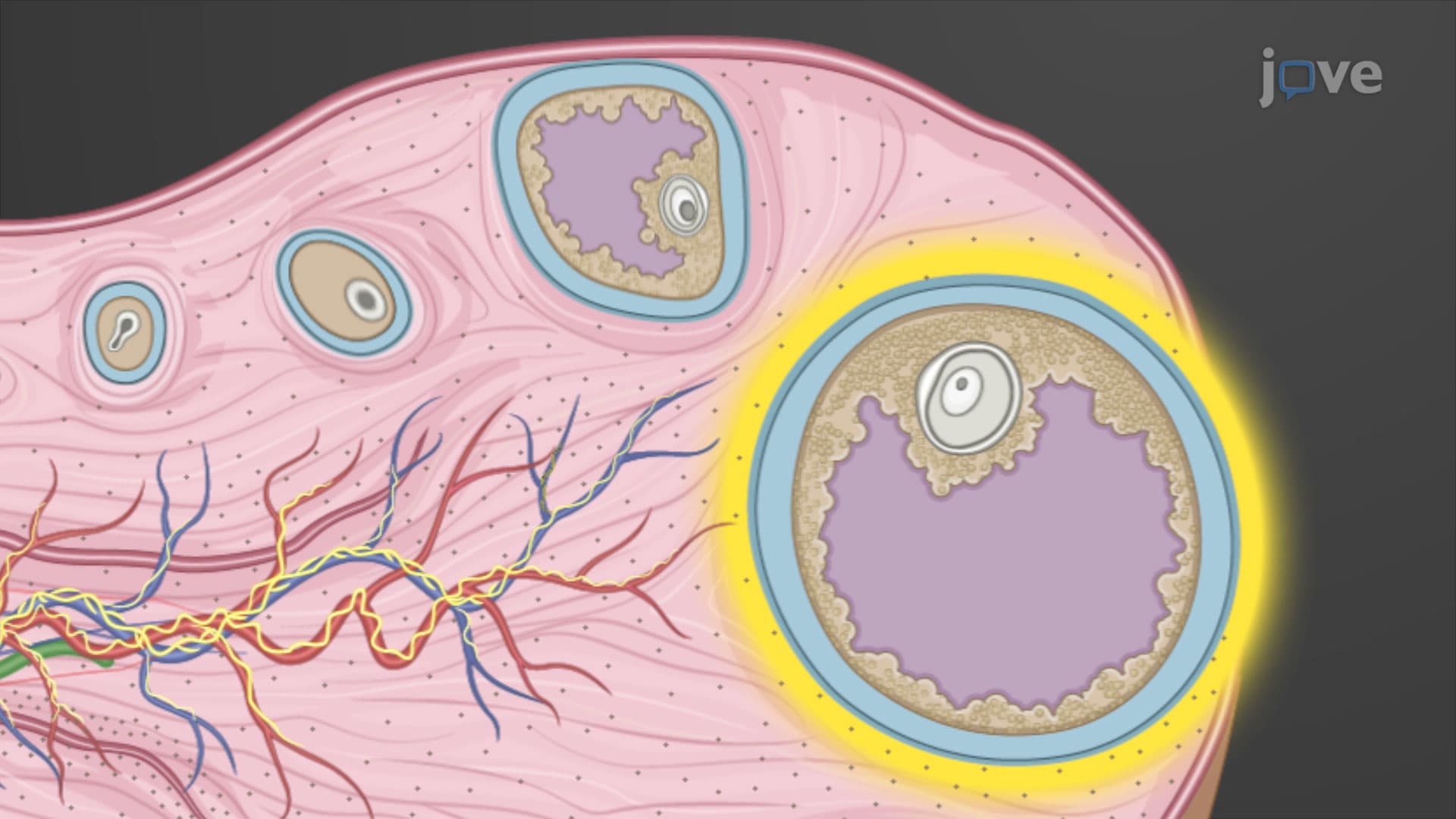
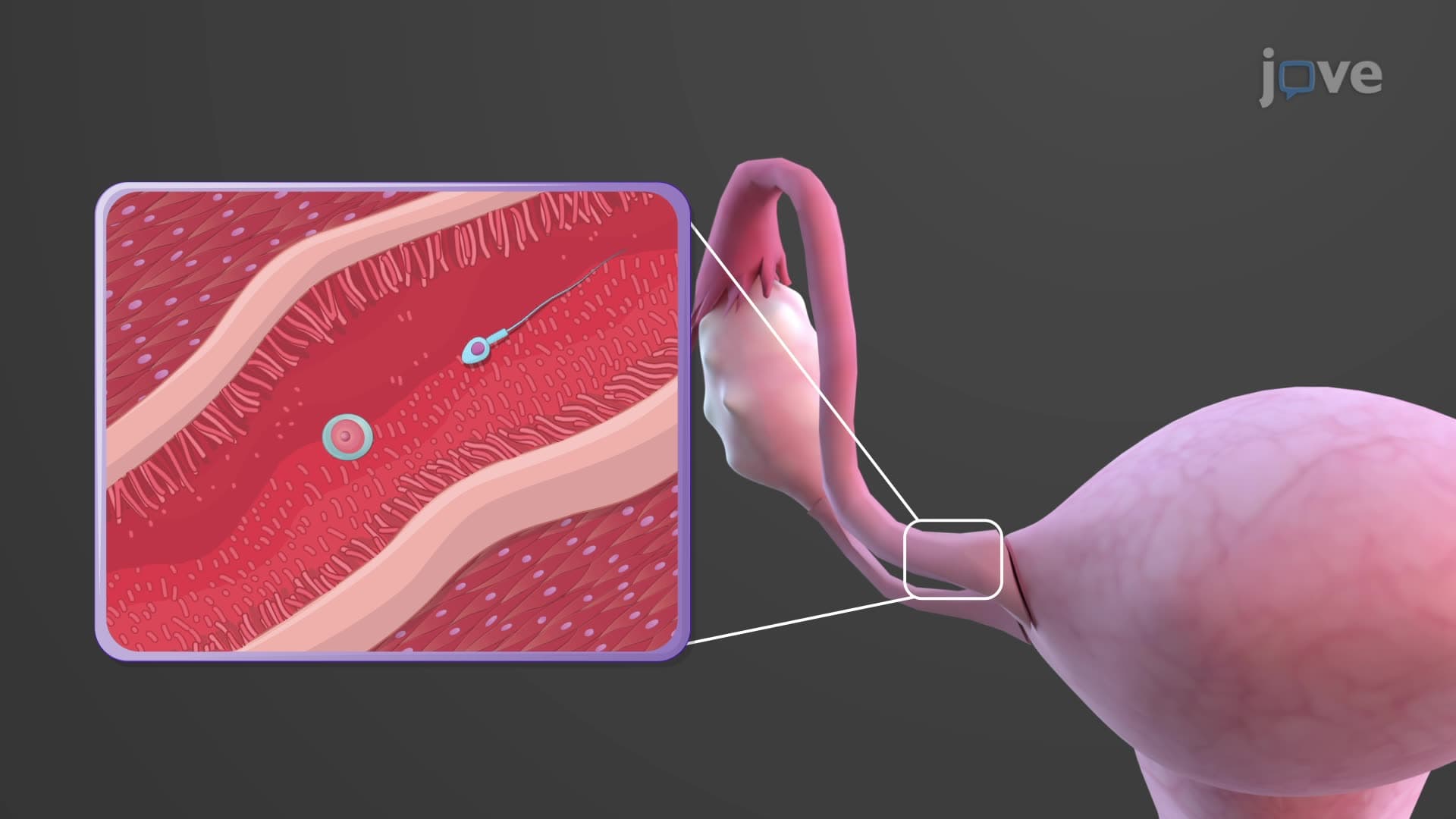
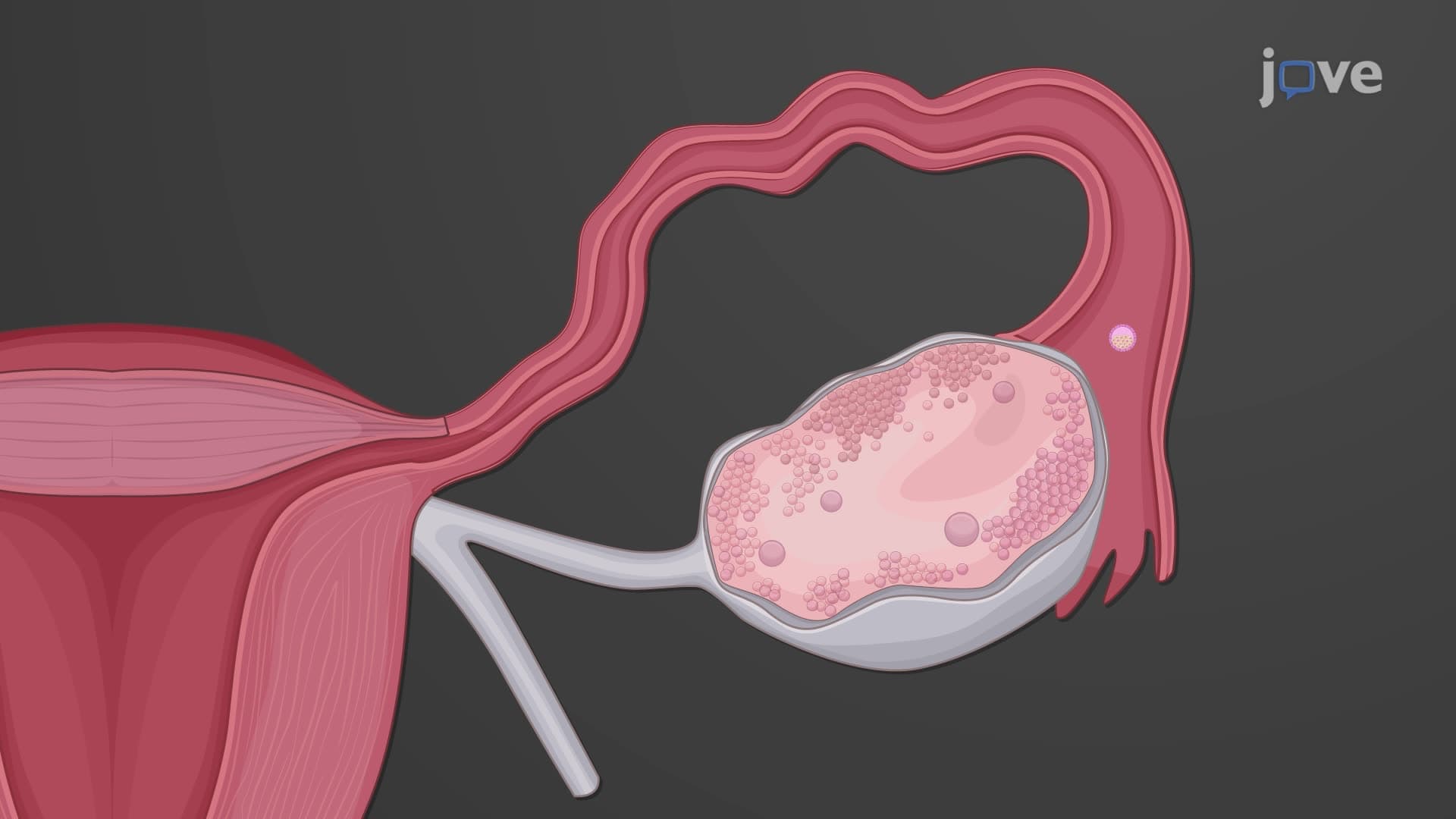
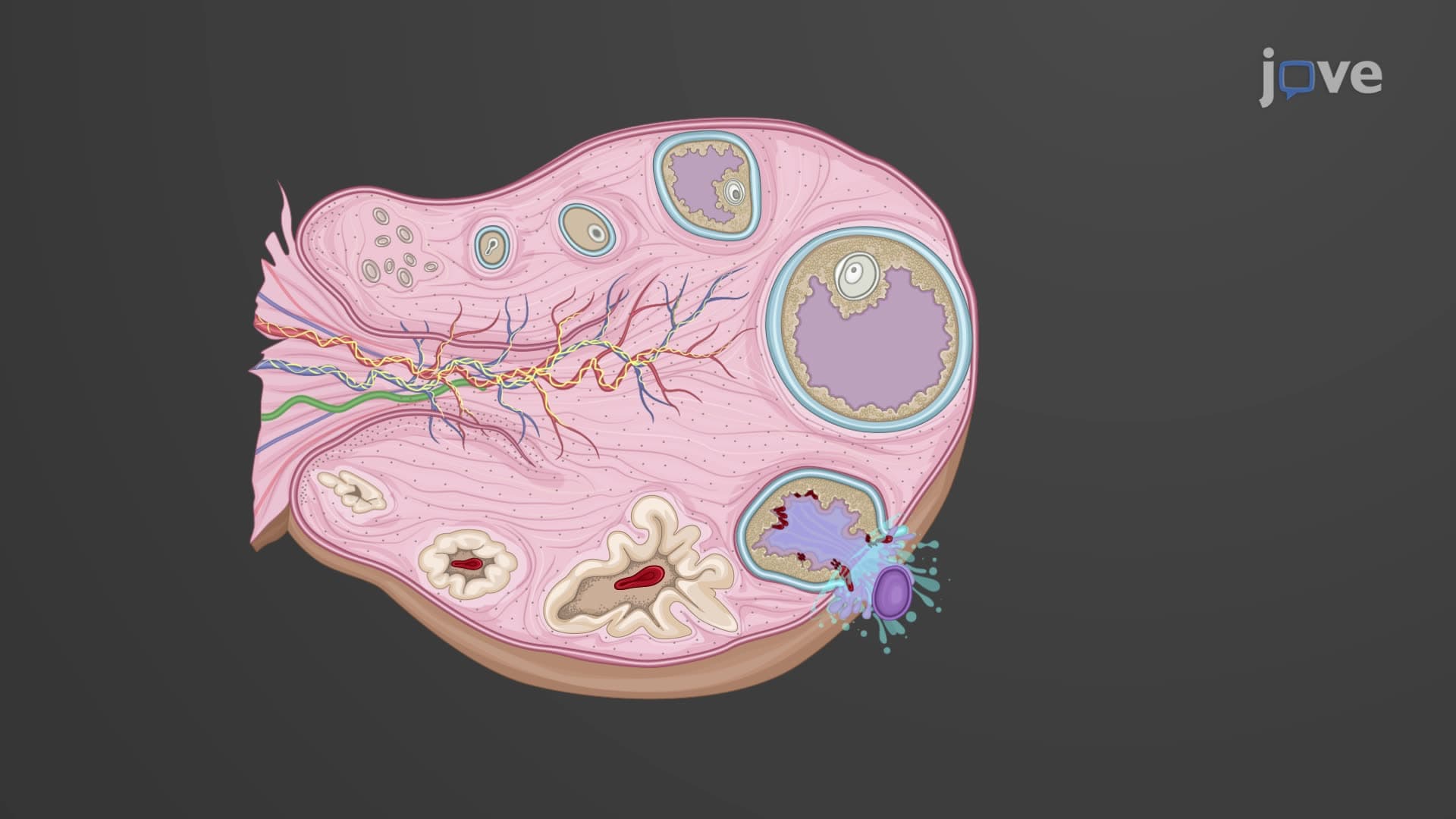
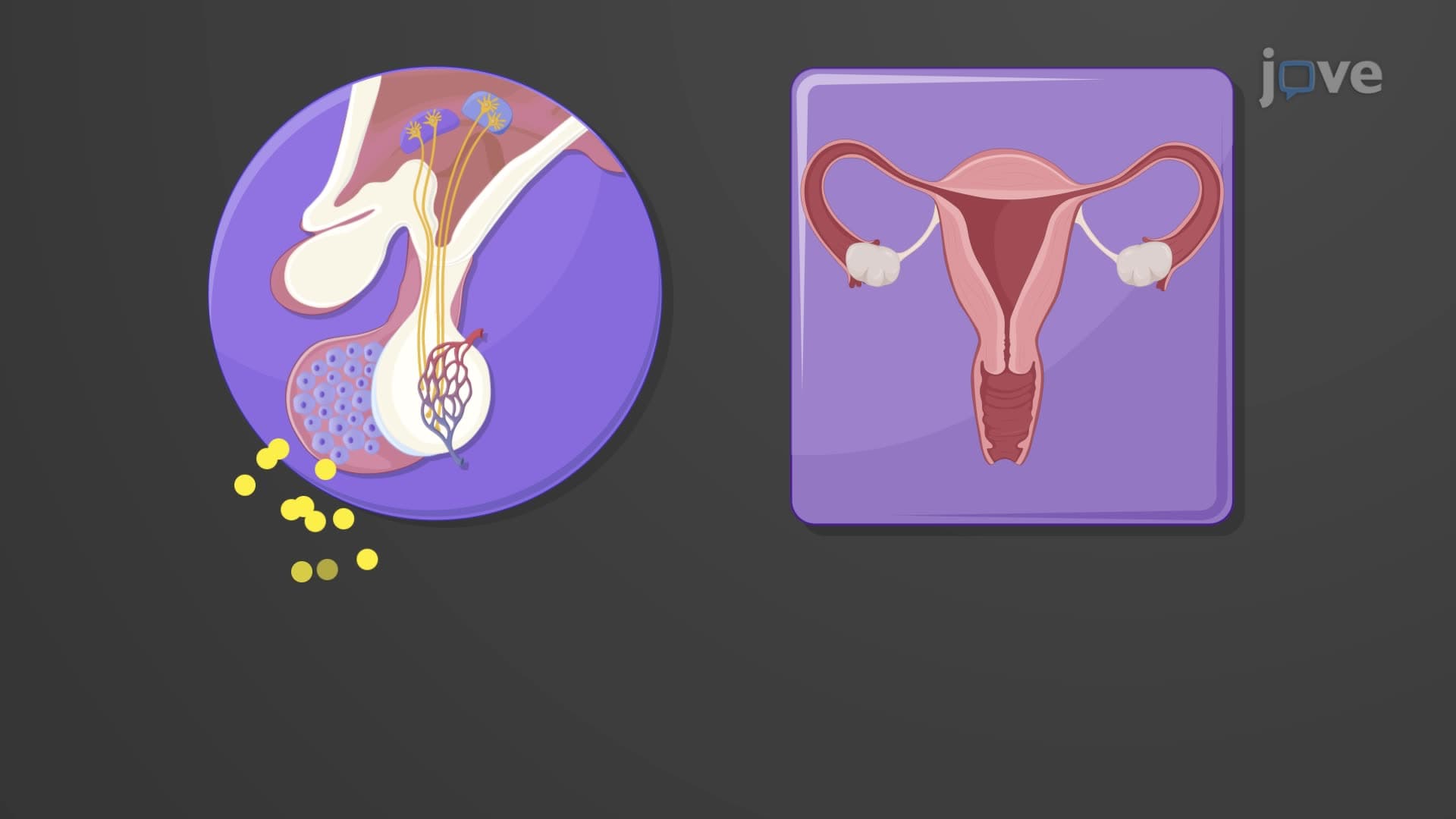
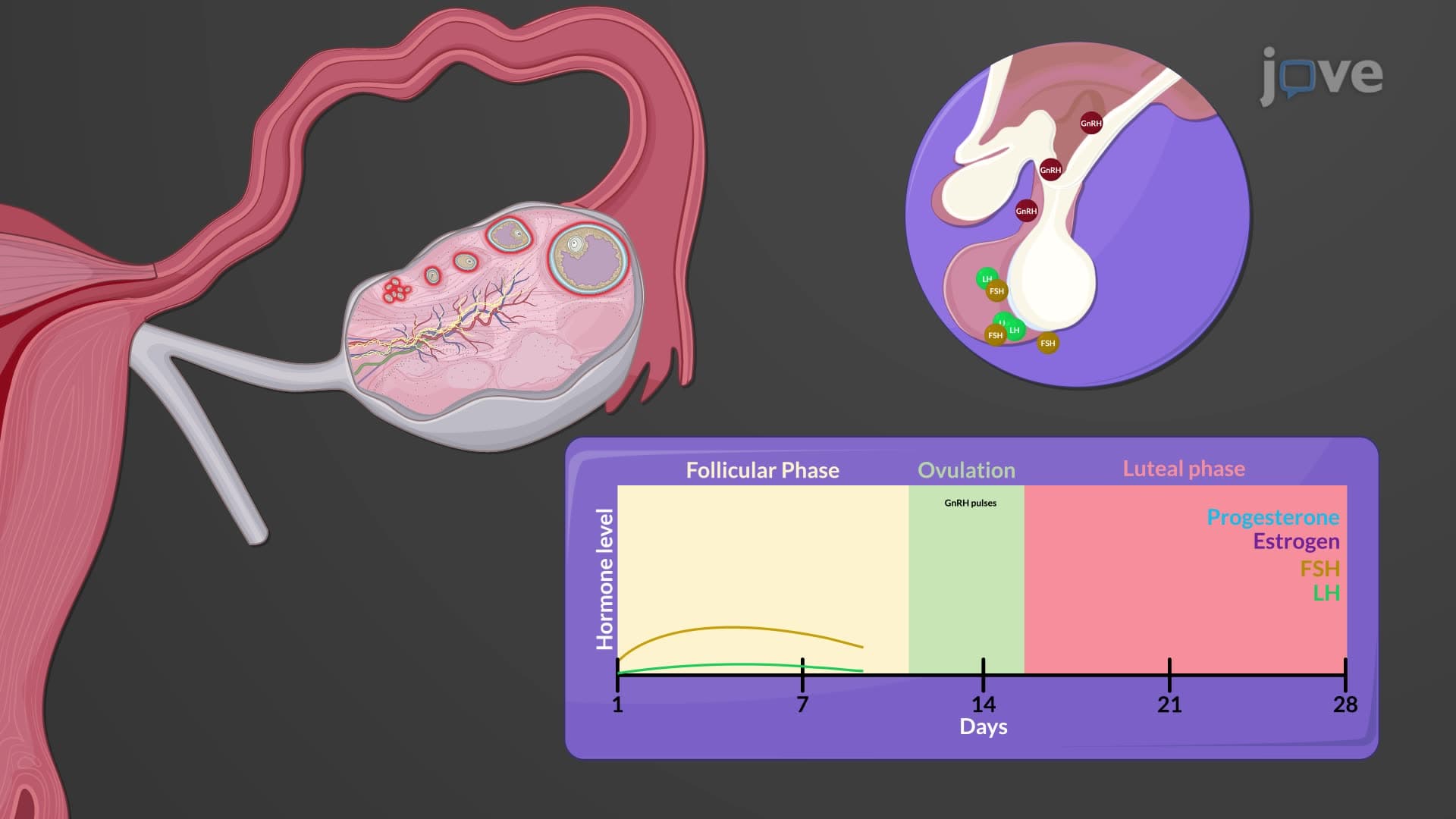
Hormone control menstrual cycle begins in the hypothalamus, which releases gonadotropin-releasing hormone (GnRH) in pulsatile patterns. During the follicular phase (days 1-14), GnRH stimulates anterior pituitary secretion of follicle-stimulating hormone (FSH) and luteinizing hormone (LH). FSH promotes ovarian follicle development, triggering increased estrogen production. This GnRH FSH LH menstrual cascade demonstrates how brain signals translate into reproductive organ responses.
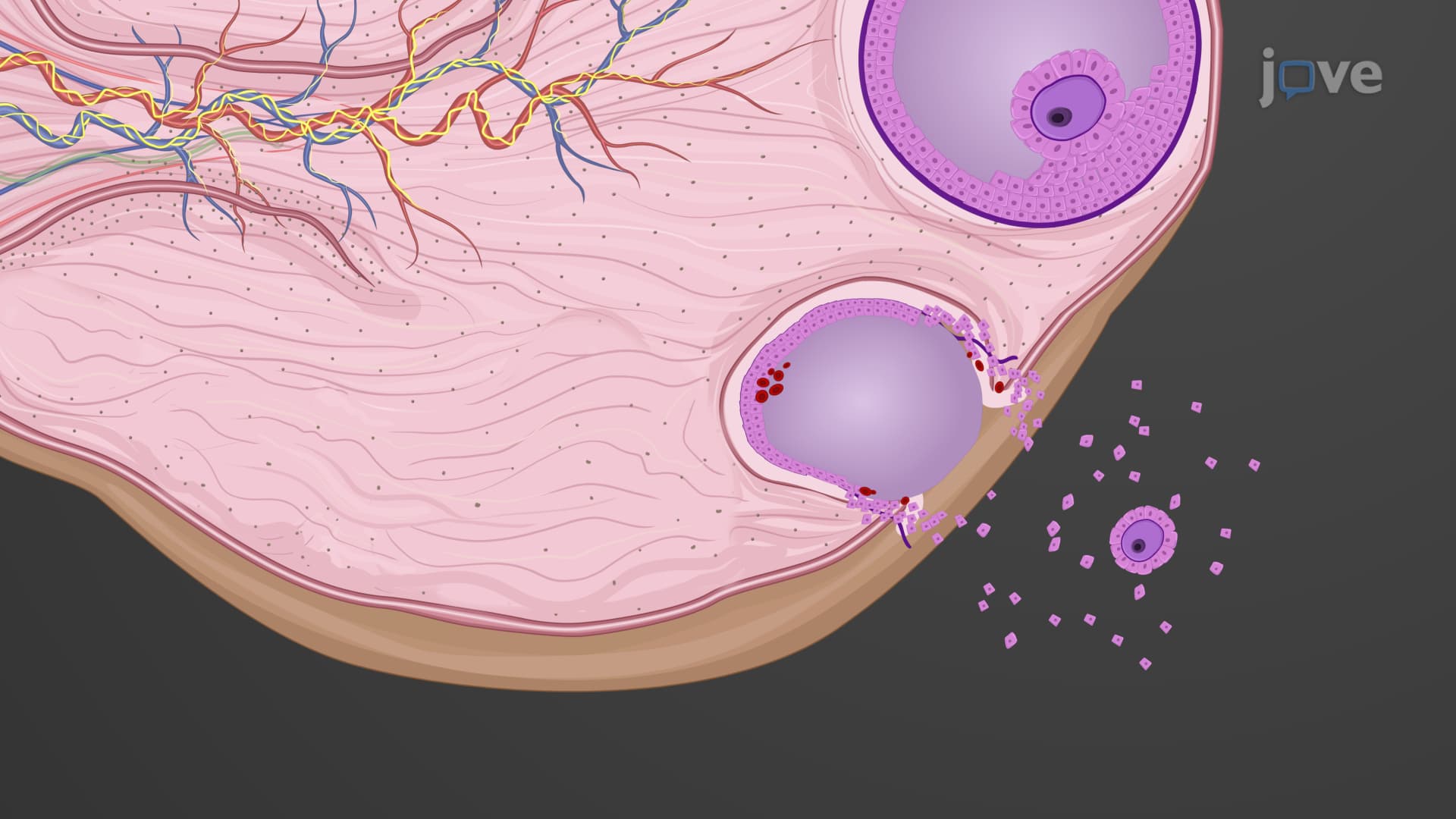
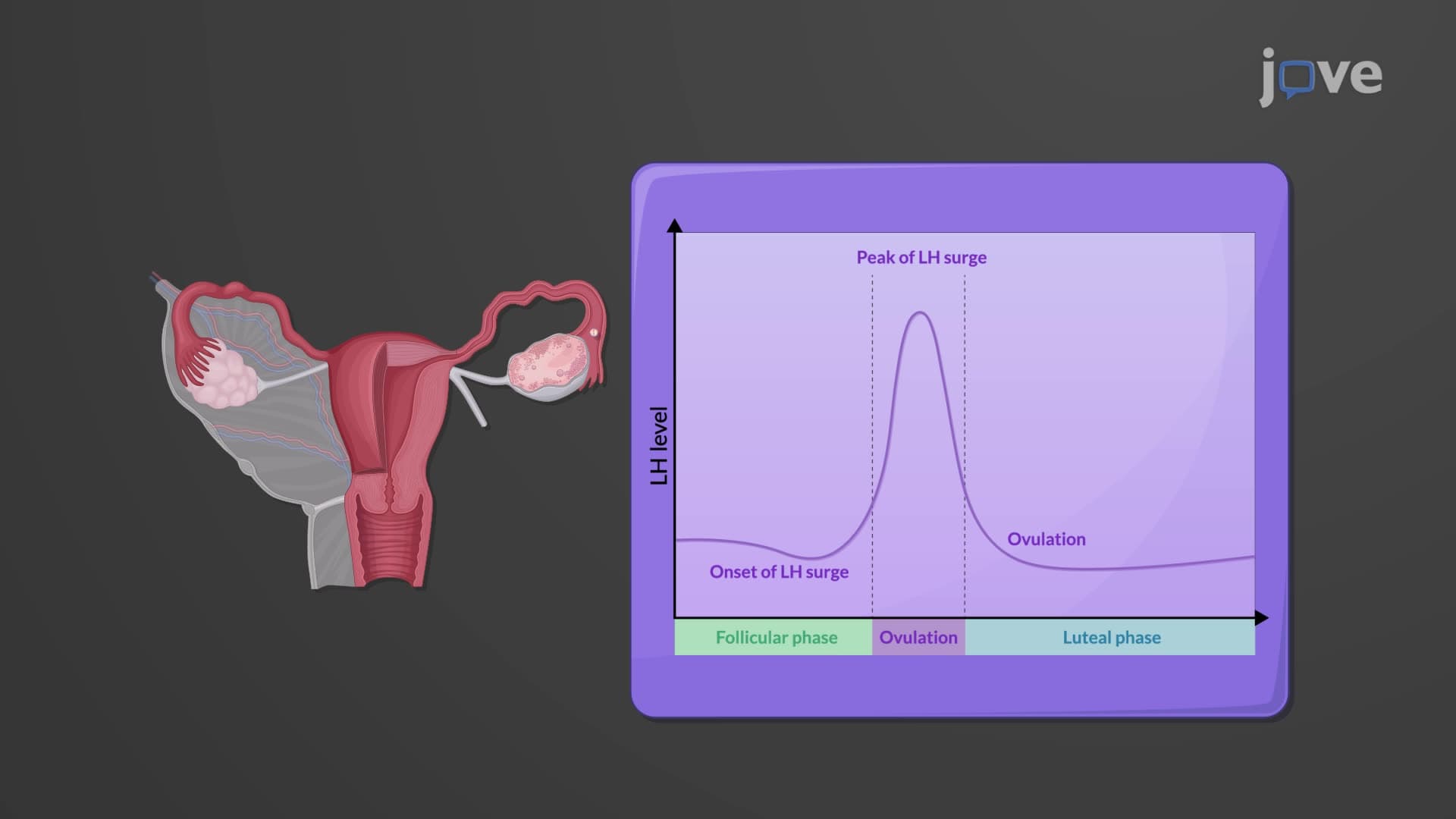
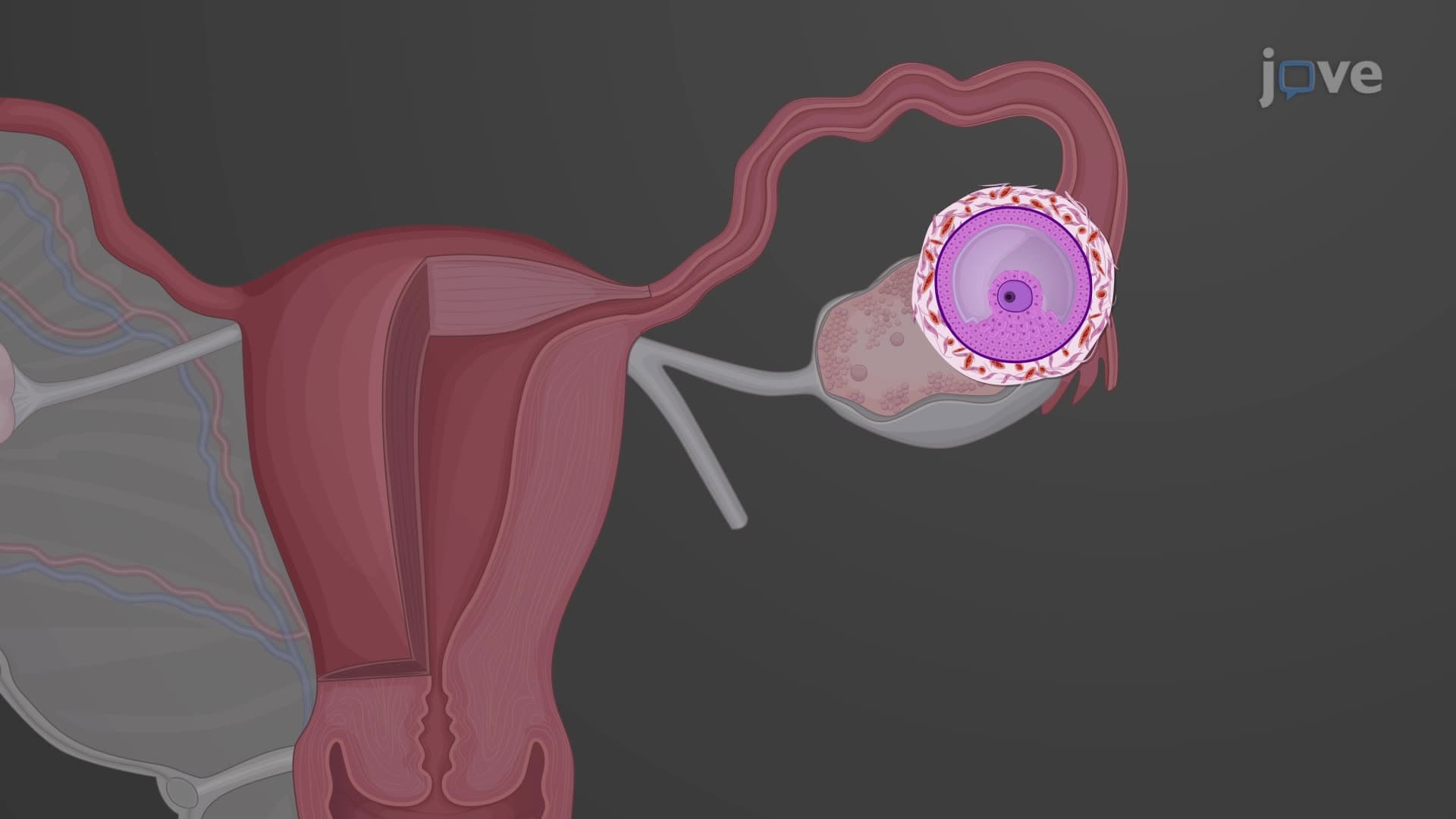
Rising estrogen levels create a negative feedback menstrual loop, initially suppressing FSH to prevent multiple follicle maturation. However, as estrogen peaks around day 12-13, it switches to positive feedback, dramatically increasing LH secretion. This LH surge ovulation cycle typically occurs 24-36 hours before ovulation, making it a crucial marker for fertility tracking apps used by over 100 million American women.
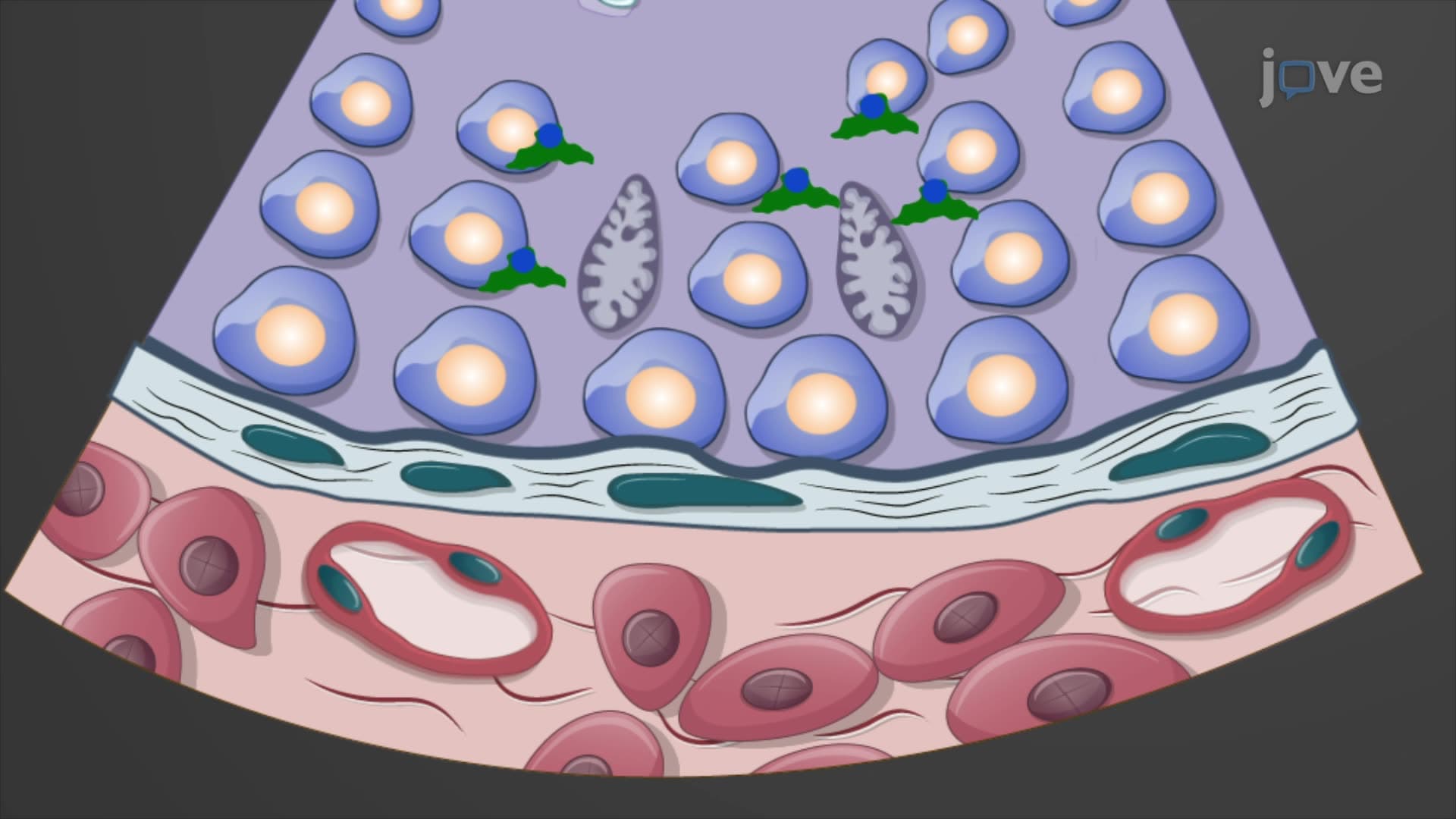
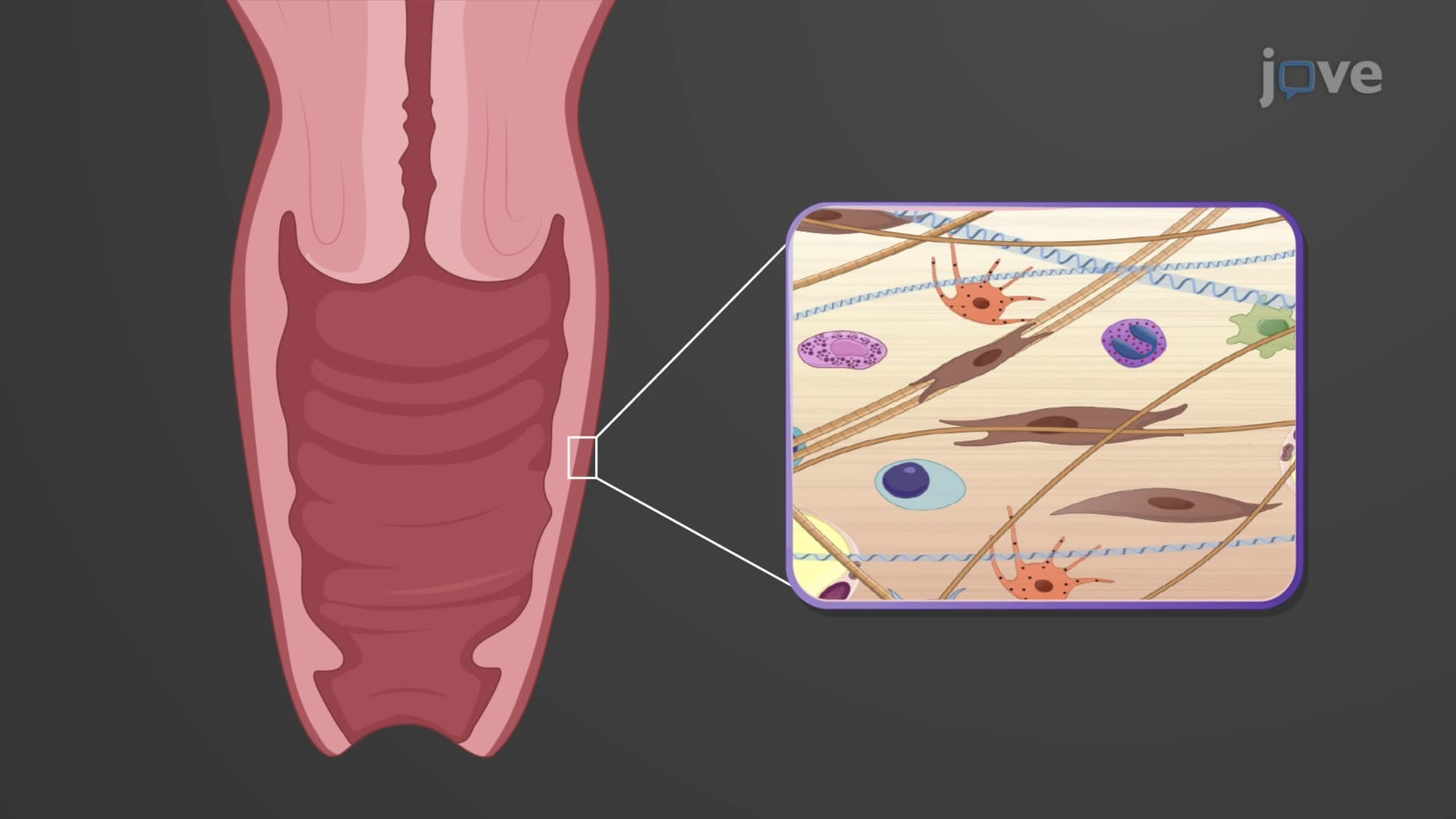
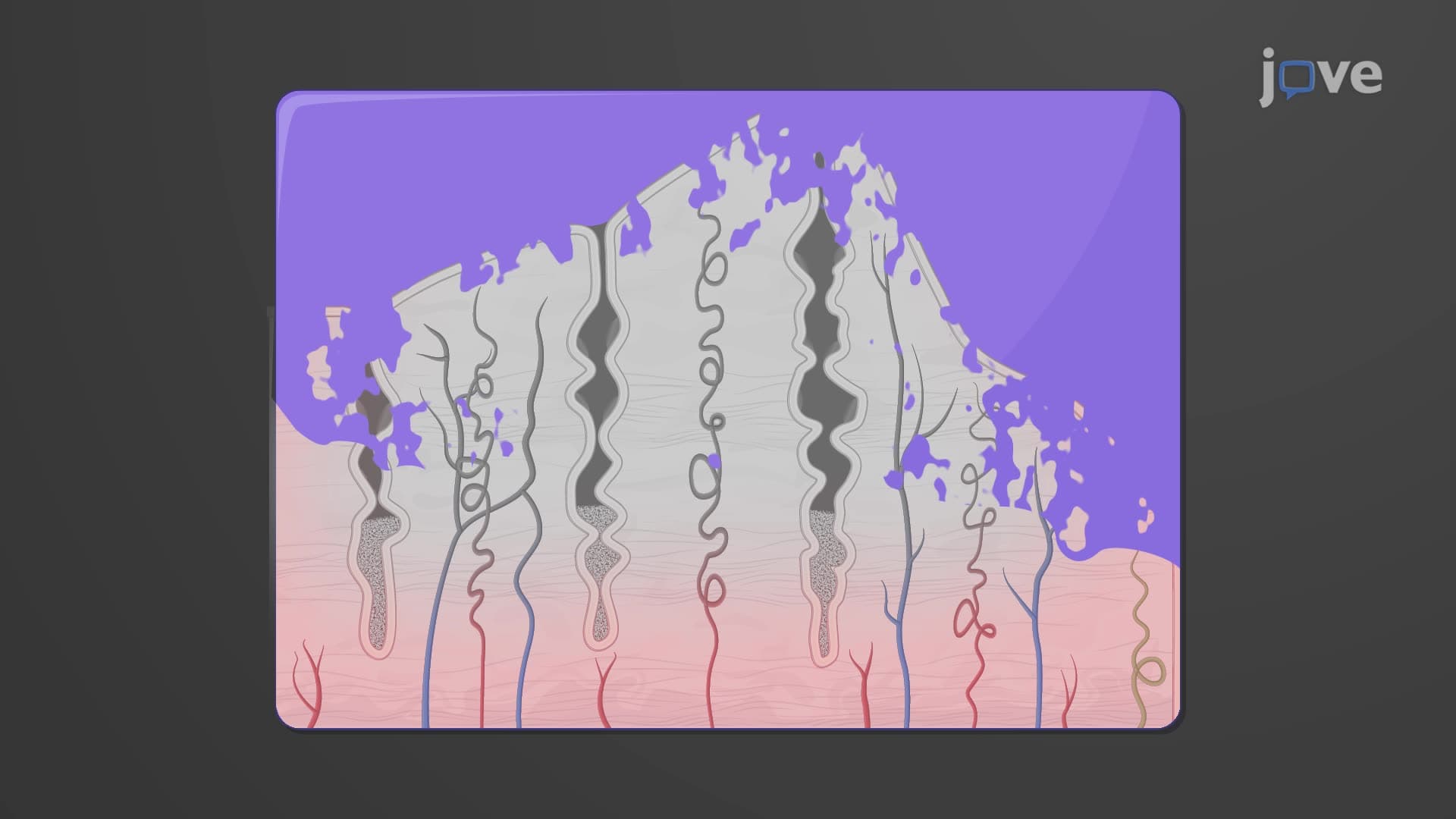
The estrogen progesterone cycle creates distinct phases affecting endometrial development. During the follicular phase, rising estrogen levels cause endometrial proliferation and increased vascularization, preparing for potential implantation. Post-ovulation, the corpus luteum secretes high progesterone levels with moderate estrogen, further thickening the endometrium during the luteal phase (days 15-28).
If pregnancy occurs, human chorionic gonadotropin (hCG) from the developing embryo maintains corpus luteum function-the basis for home pregnancy tests available at US pharmacies. Without fertilization, corpus luteum degeneration causes progesterone and estrogen levels to plummet, triggering menstruation and cycle restart.
Understanding hormonal menstrual regulation proves essential for AP Biology students, pre-med undergraduates preparing for the MCAT, and nursing students taking the NCLEX. Clinical applications include diagnosing polycystic ovary syndrome (PCOS), affecting 6-12% of US women of reproductive age, and understanding hormonal contraceptive mechanisms used by approximately 25% of American women aged 15-49.
Related Micro-courses