Loading subject page…


141,004 views

Video Summary: What Is in Vitro Fertilization
Over 8 million babies worldwide have been born through IVF in vitro fertilization, yet many students struggle to understand this crucial reproductive technology. What is in vitro fertilization becomes clear when we examine how this groundbreaking process helps couples like those treated at leading US fertility centers such as Mayo Clinic achieve pregnancy through laboratory-assisted conception. The procedure involves retrieving eggs, fertilizing them with sperm outside the body, and transferring resulting embryos back to the uterus. Watch the full video on JoVE Coach to master this concept with expert-led visuals and step-by-step explanations.
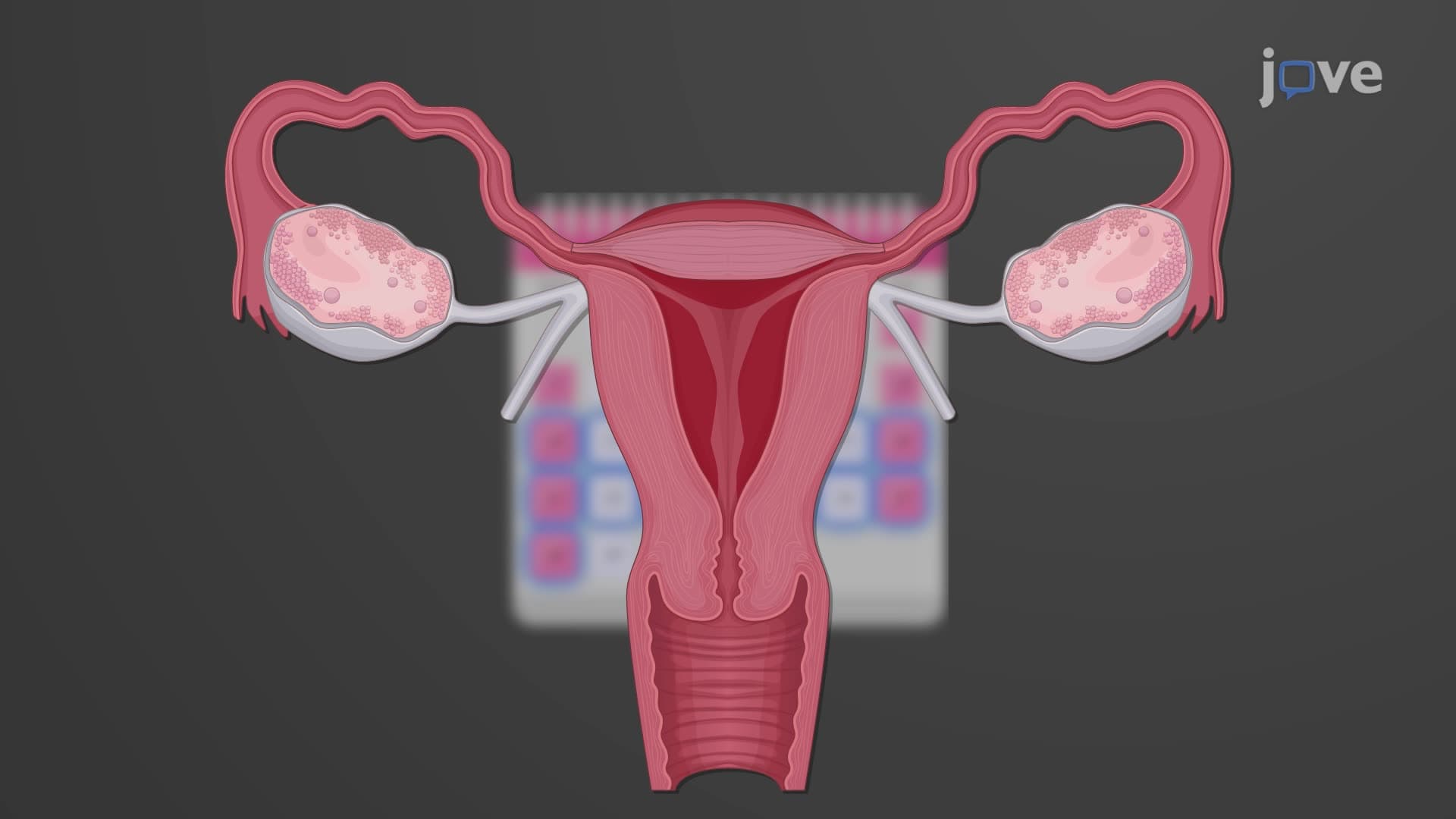
In vitro fertilization explained biology encompasses one of medicine's most sophisticated cellular manipulation techniques. IVF literally means "fertilization in glass," referring to the laboratory environment where human conception occurs outside the natural reproductive tract. This assistive reproductive technology (ART) has revolutionized treatment for infertility, helping millions of Americans achieve parenthood when natural conception proves challenging.
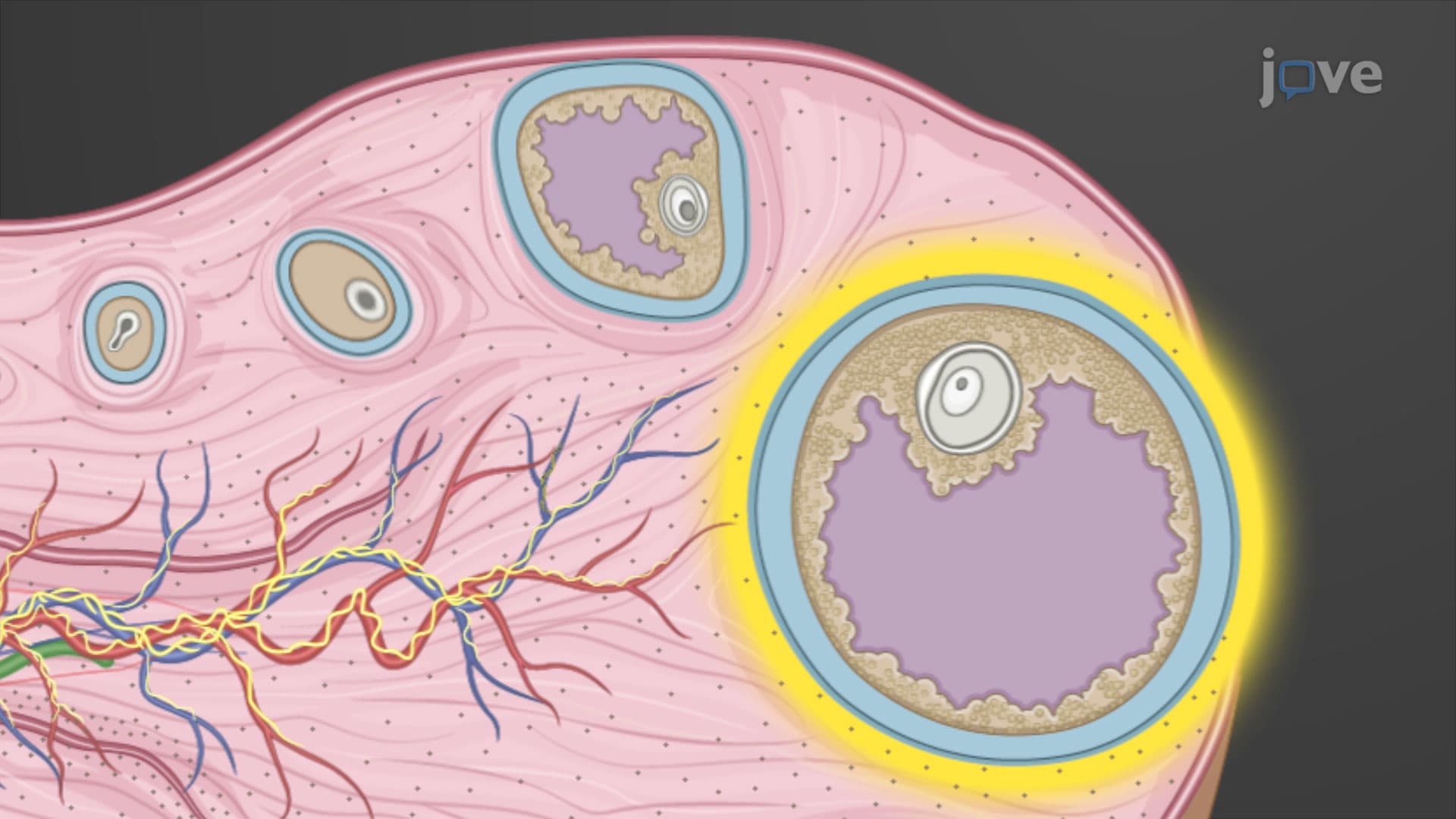
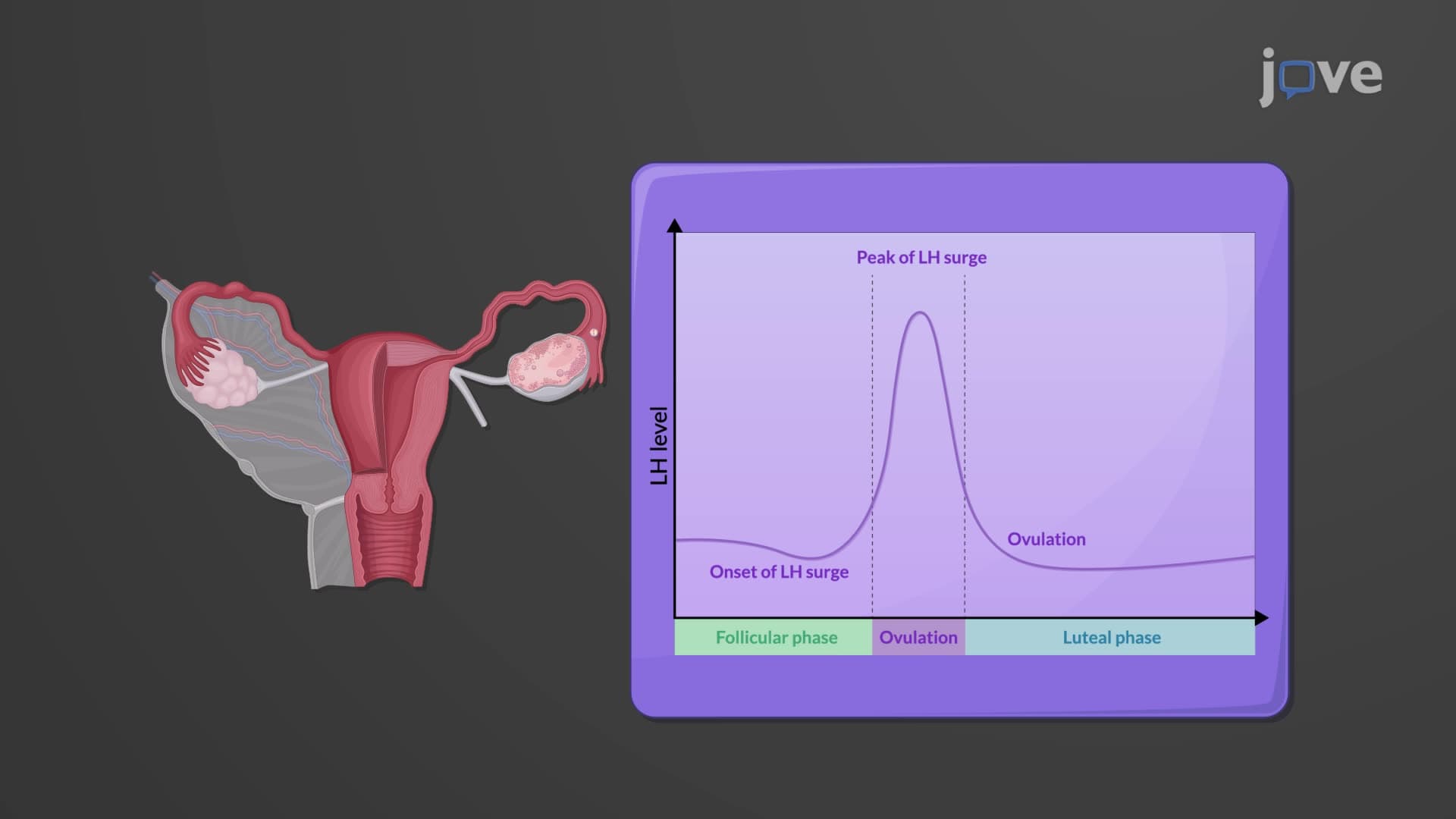
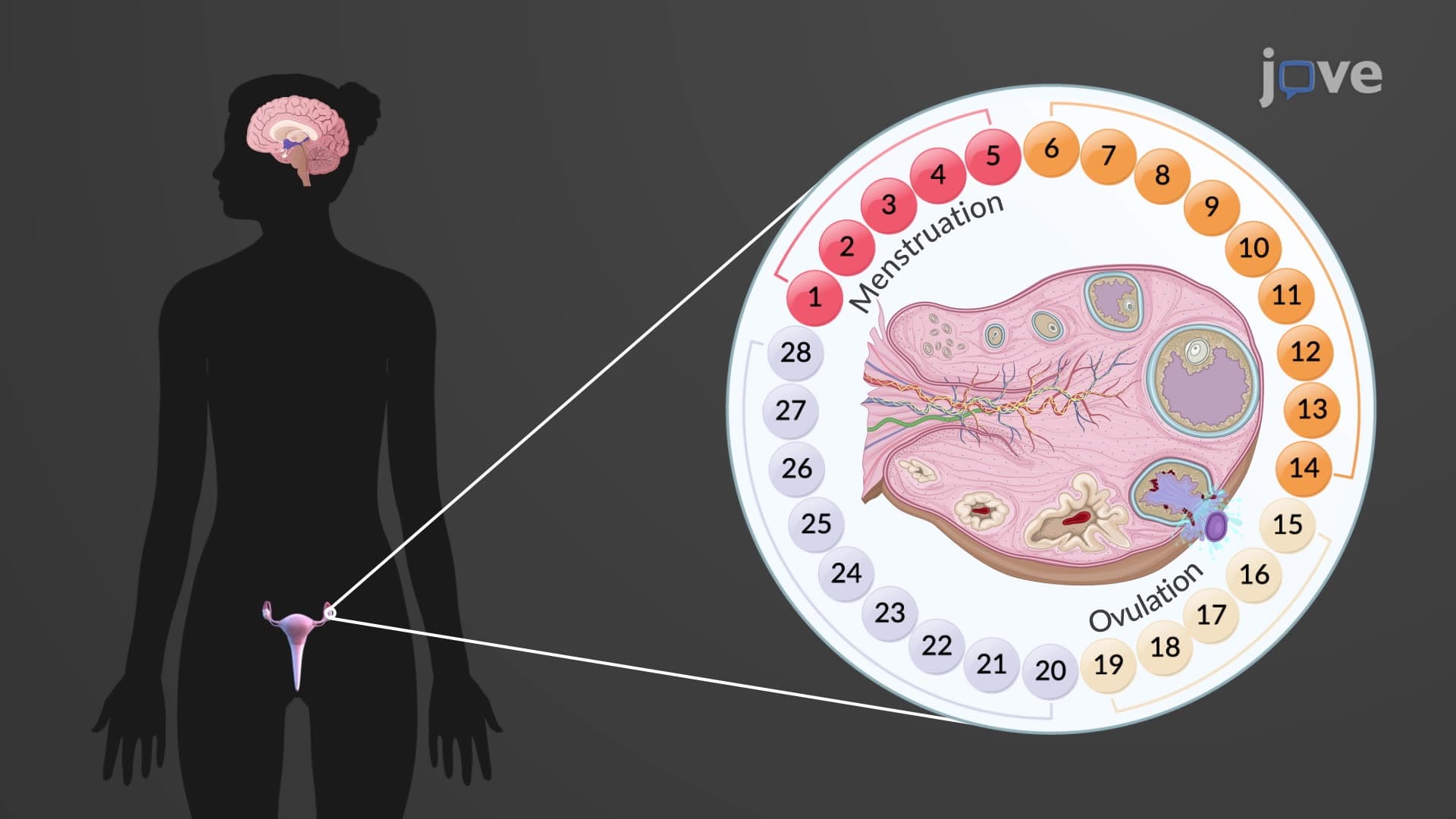
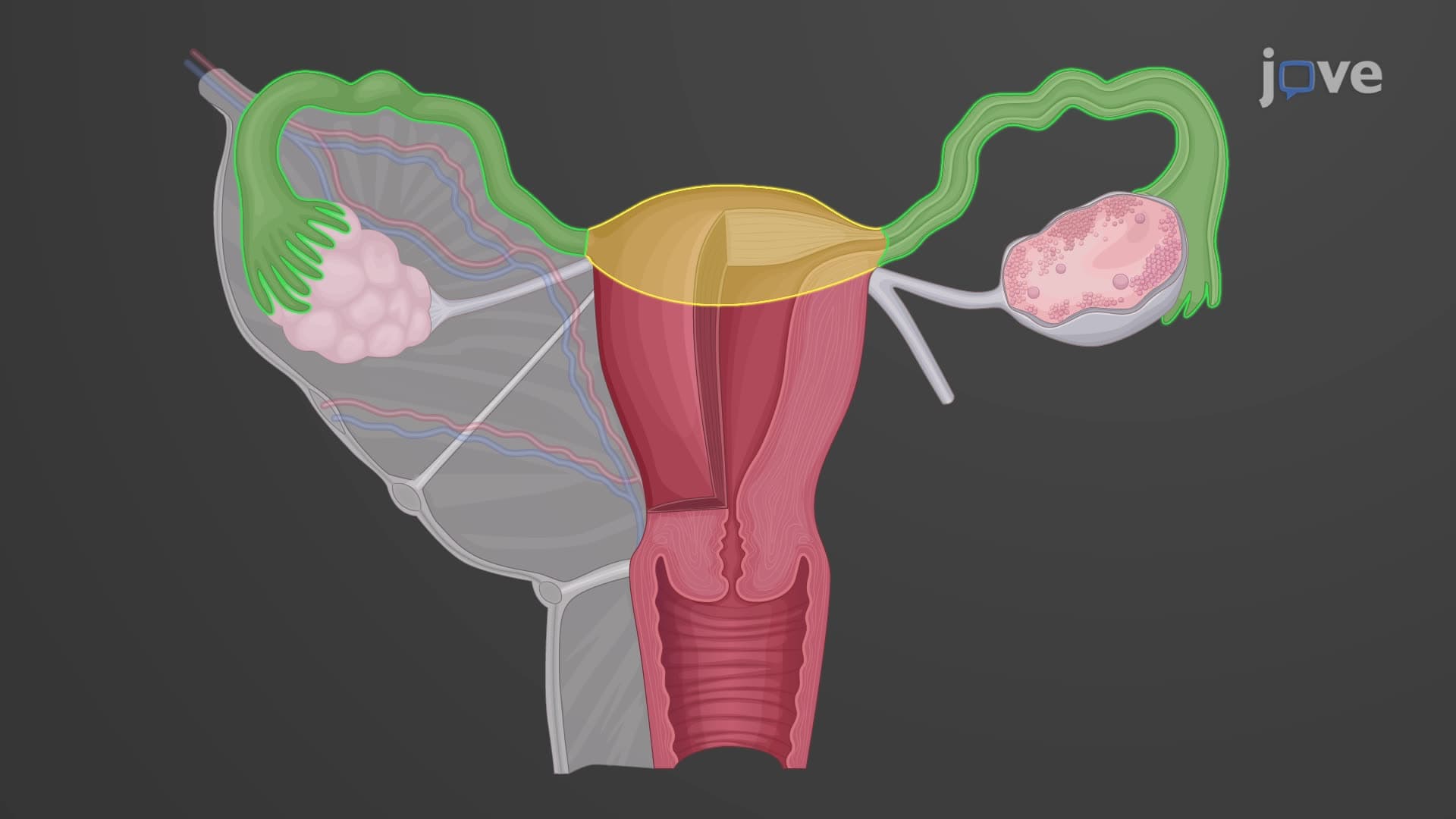
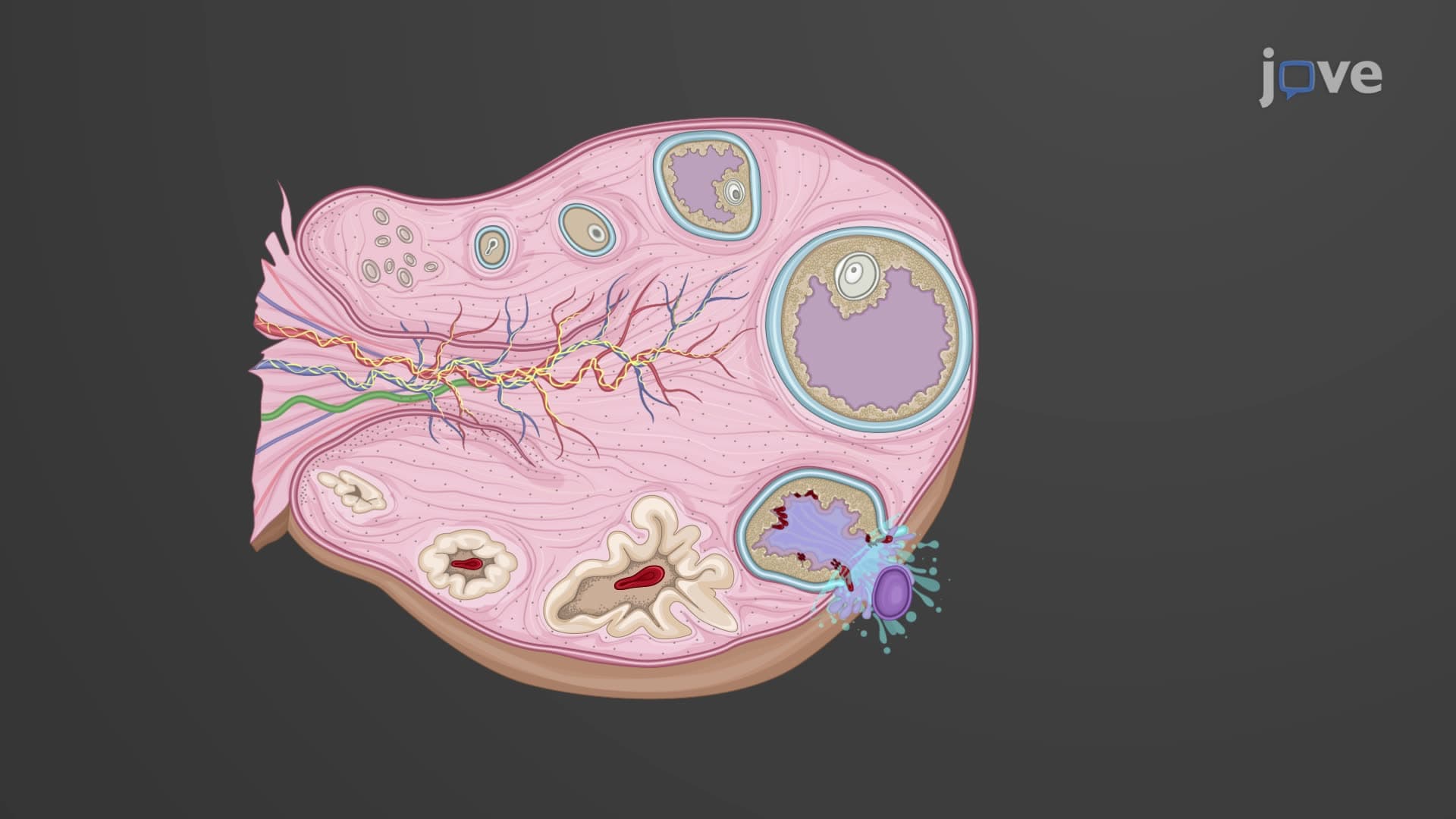
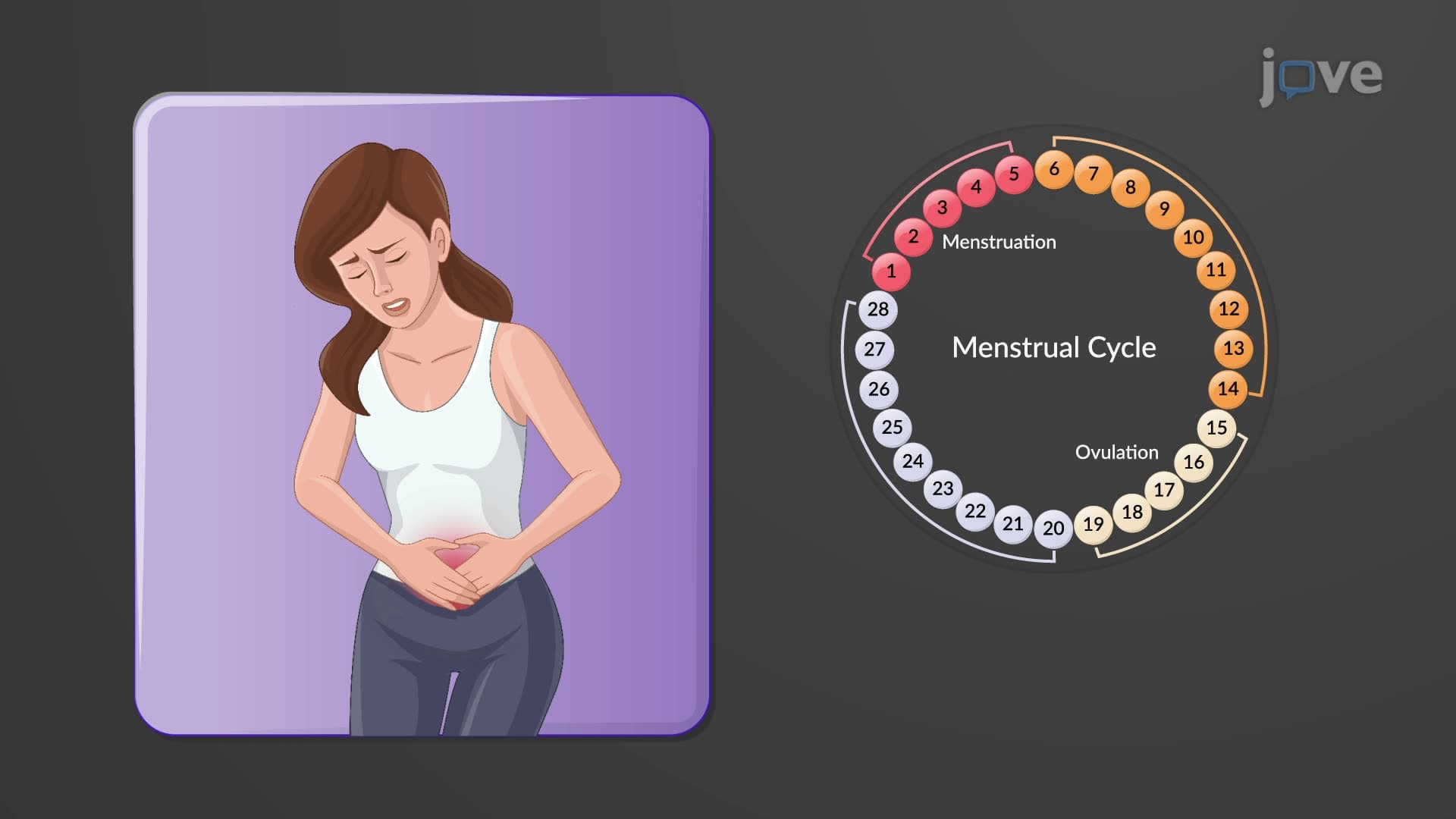
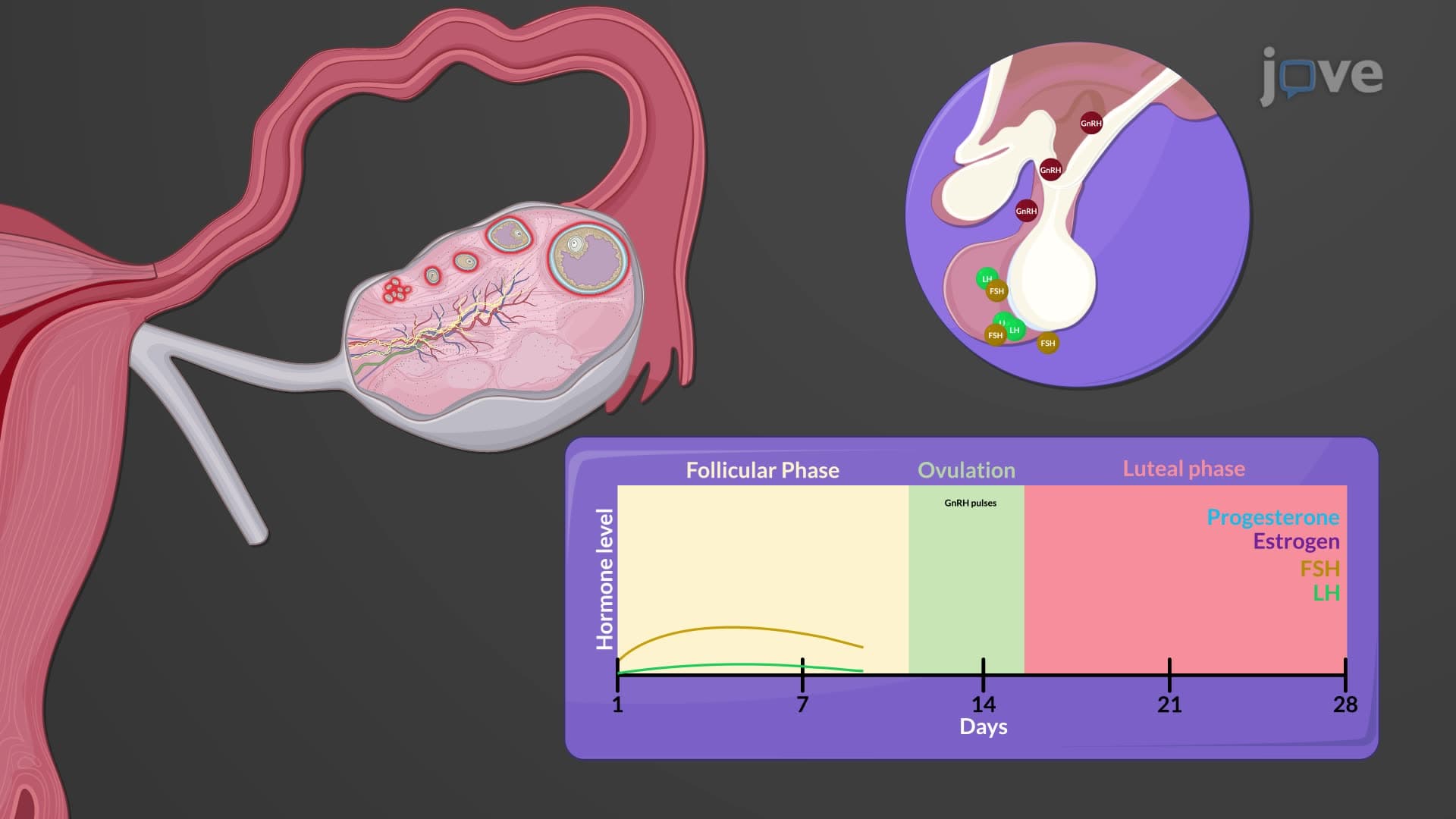
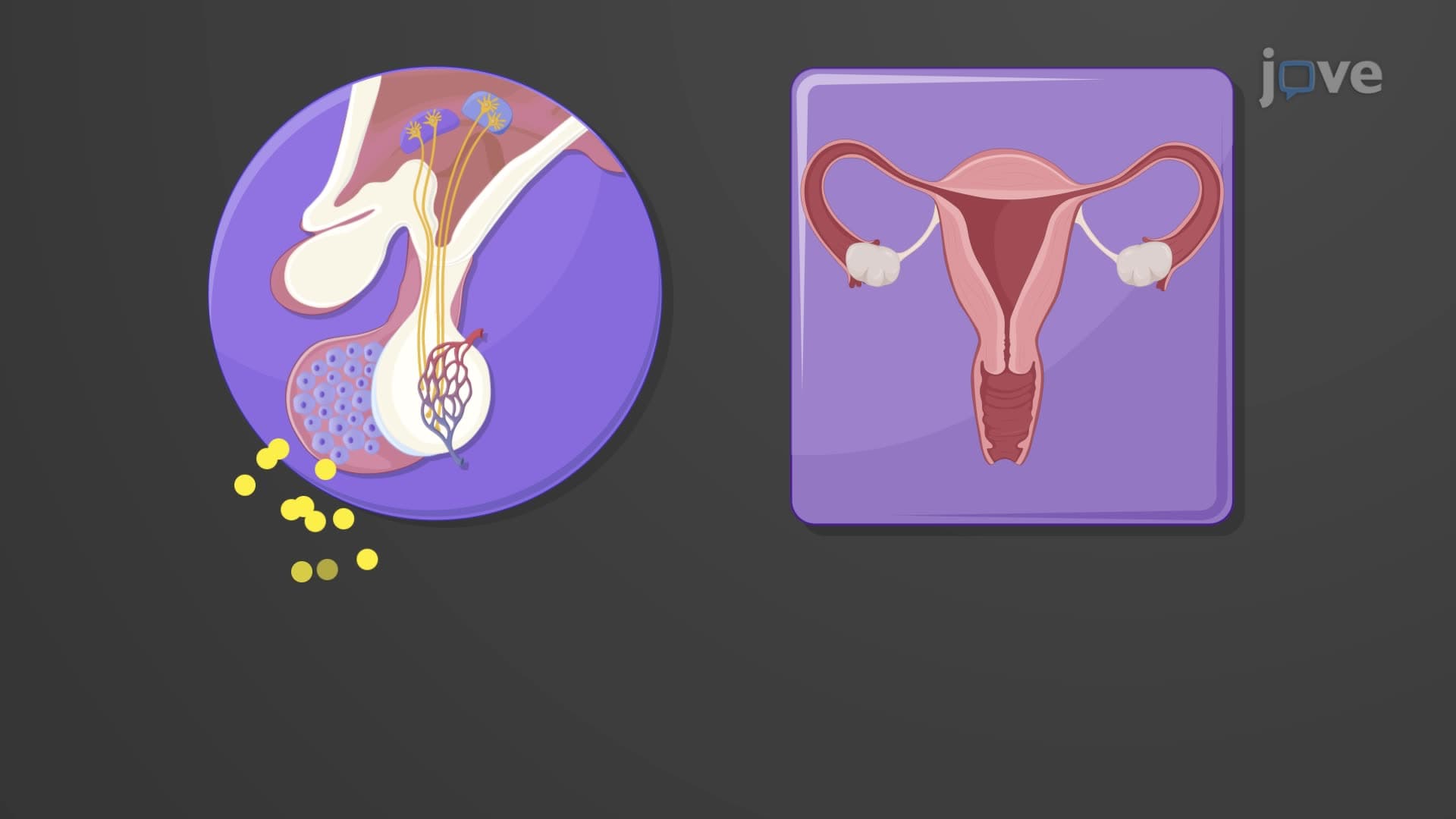
The IVF egg retrieval process begins with carefully orchestrated ovarian stimulation. Unlike natural cycles where typically one egg matures monthly, fertility medications containing follicle-stimulating hormone (FSH) and luteinizing hormone (LH) prompt multiple follicles to develop simultaneously. Patients at renowned fertility centers like Johns Hopkins receive personalized medication protocols, with daily hormone injections administered for 8-12 days while monitoring through blood tests and ultrasounds ensures optimal follicular growth.
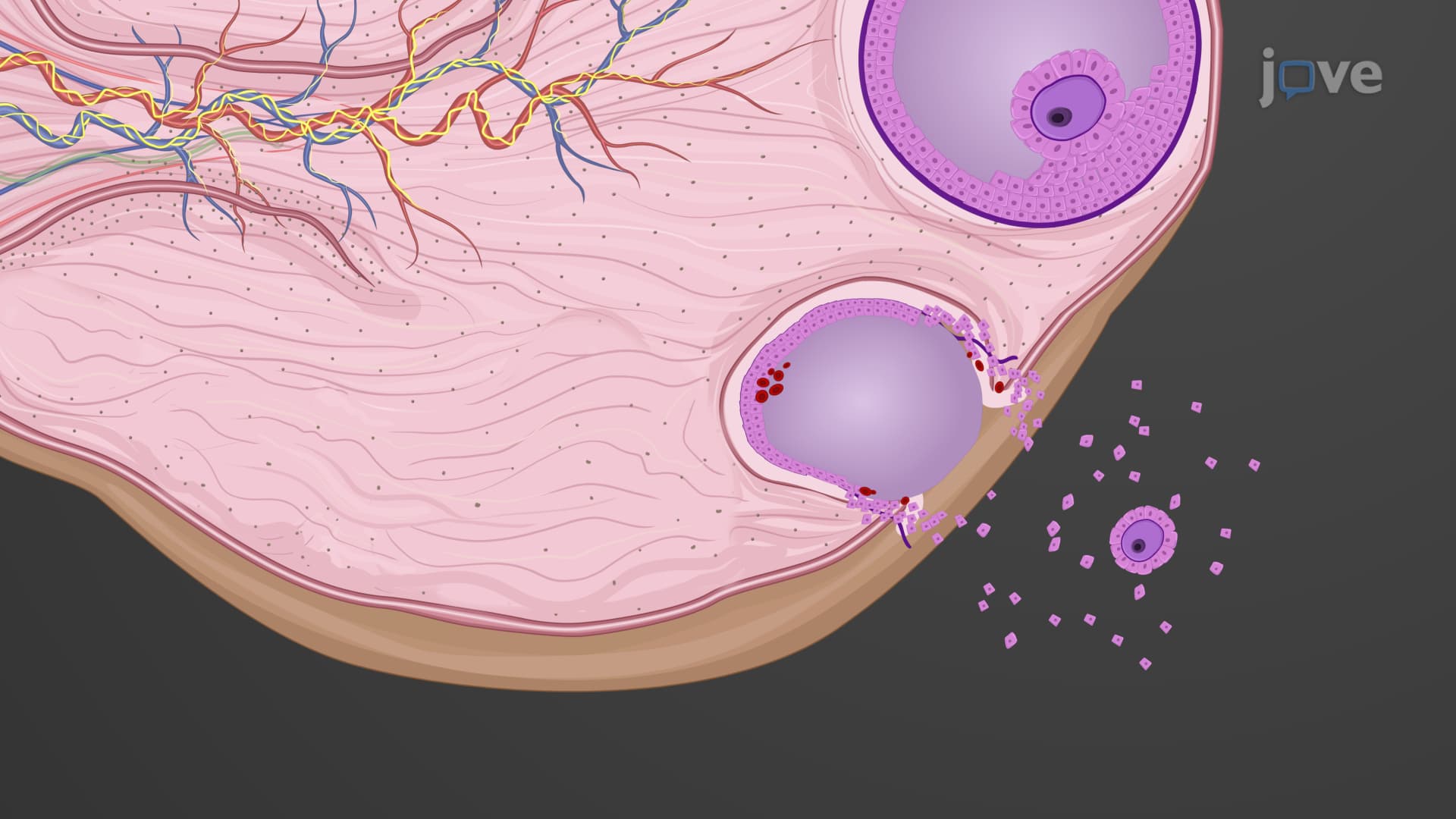
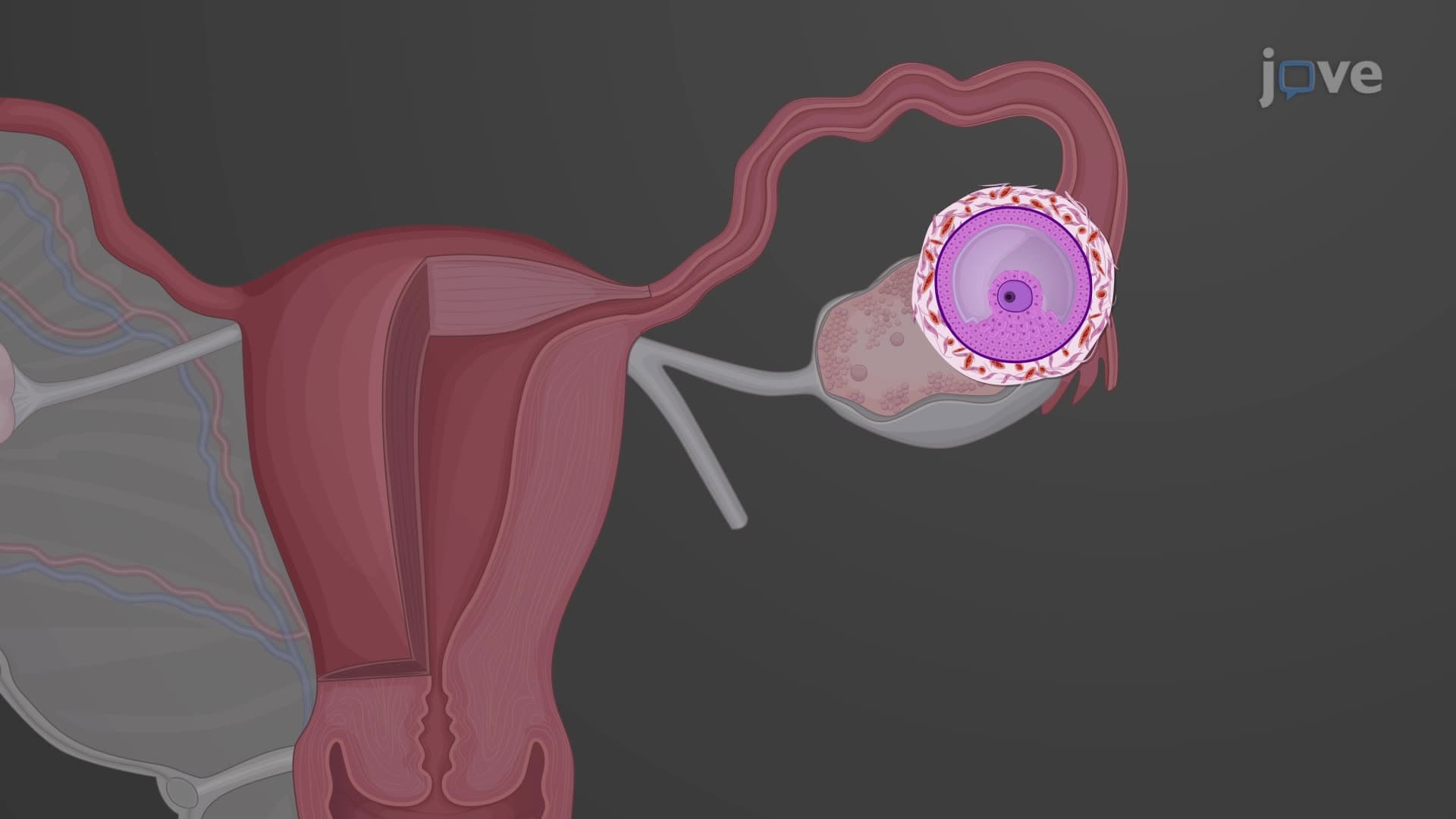
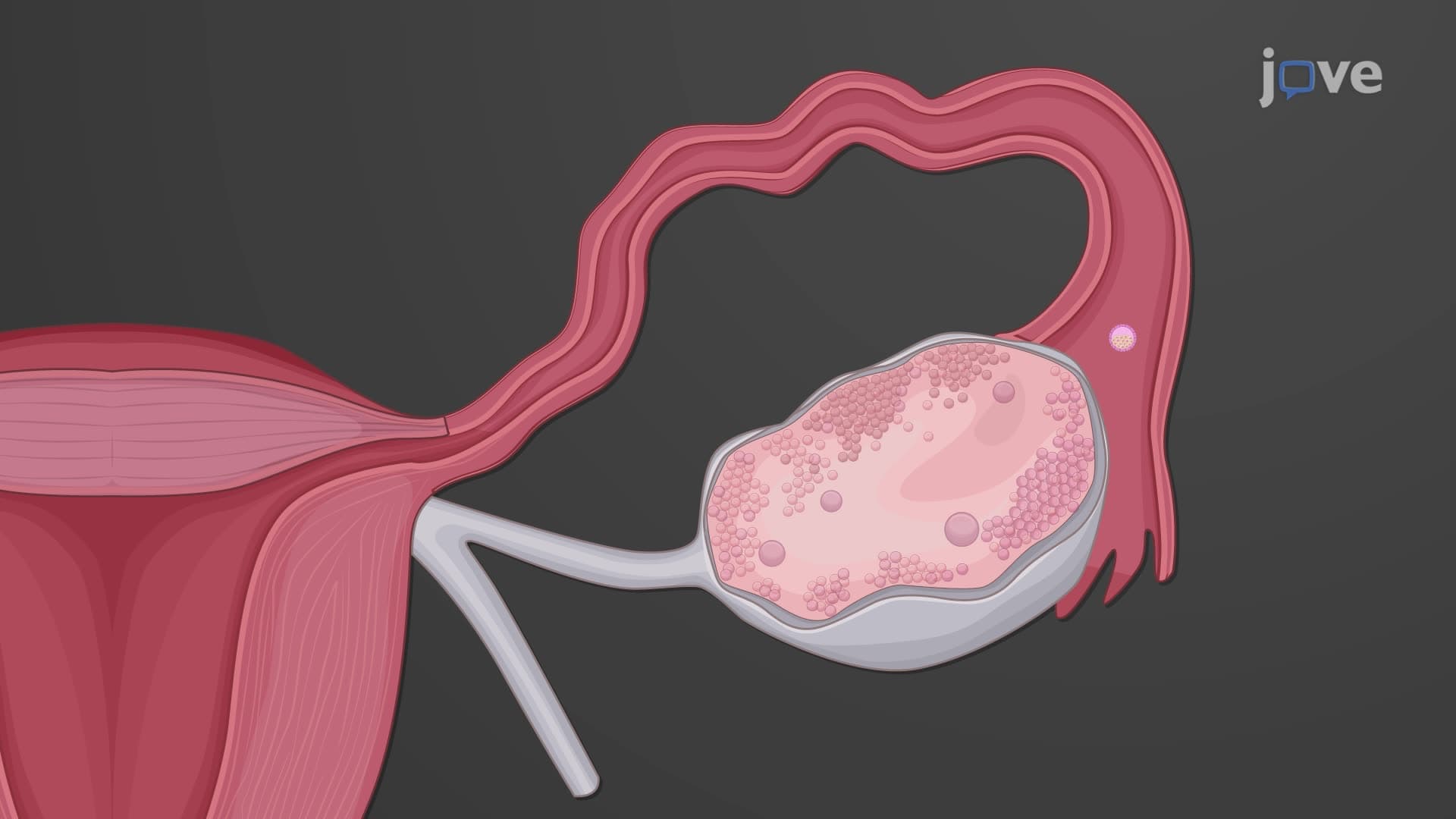
During oocyte retrieval, reproductive endocrinologists use transvaginal ultrasound guidance to precisely locate mature follicles. A specialized needle aspirates follicular fluid containing eggs, typically yielding 8-15 oocytes per cycle. This outpatient procedure, performed under conscious sedation, represents a critical juncture where laboratory expertise meets clinical precision.
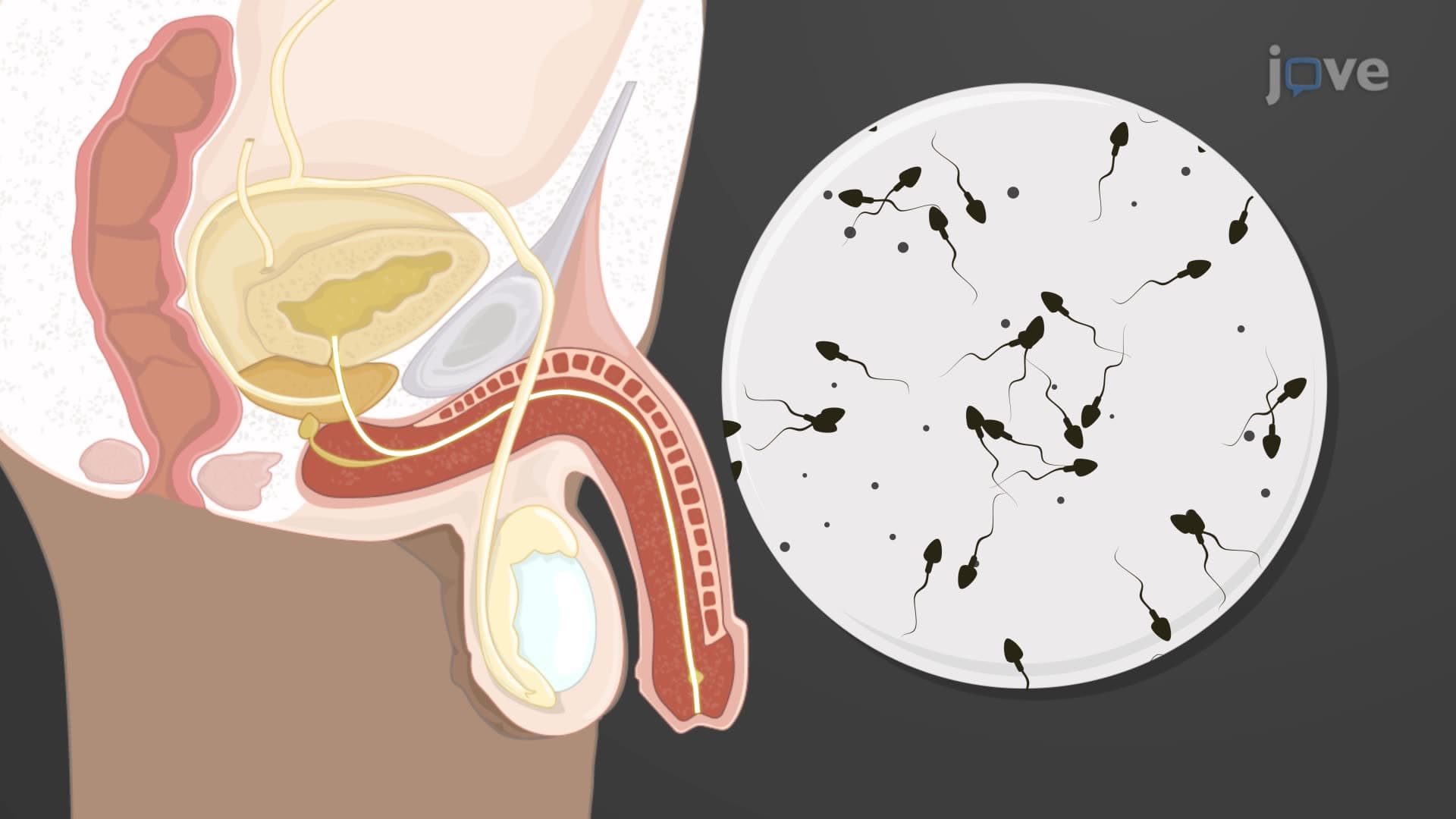
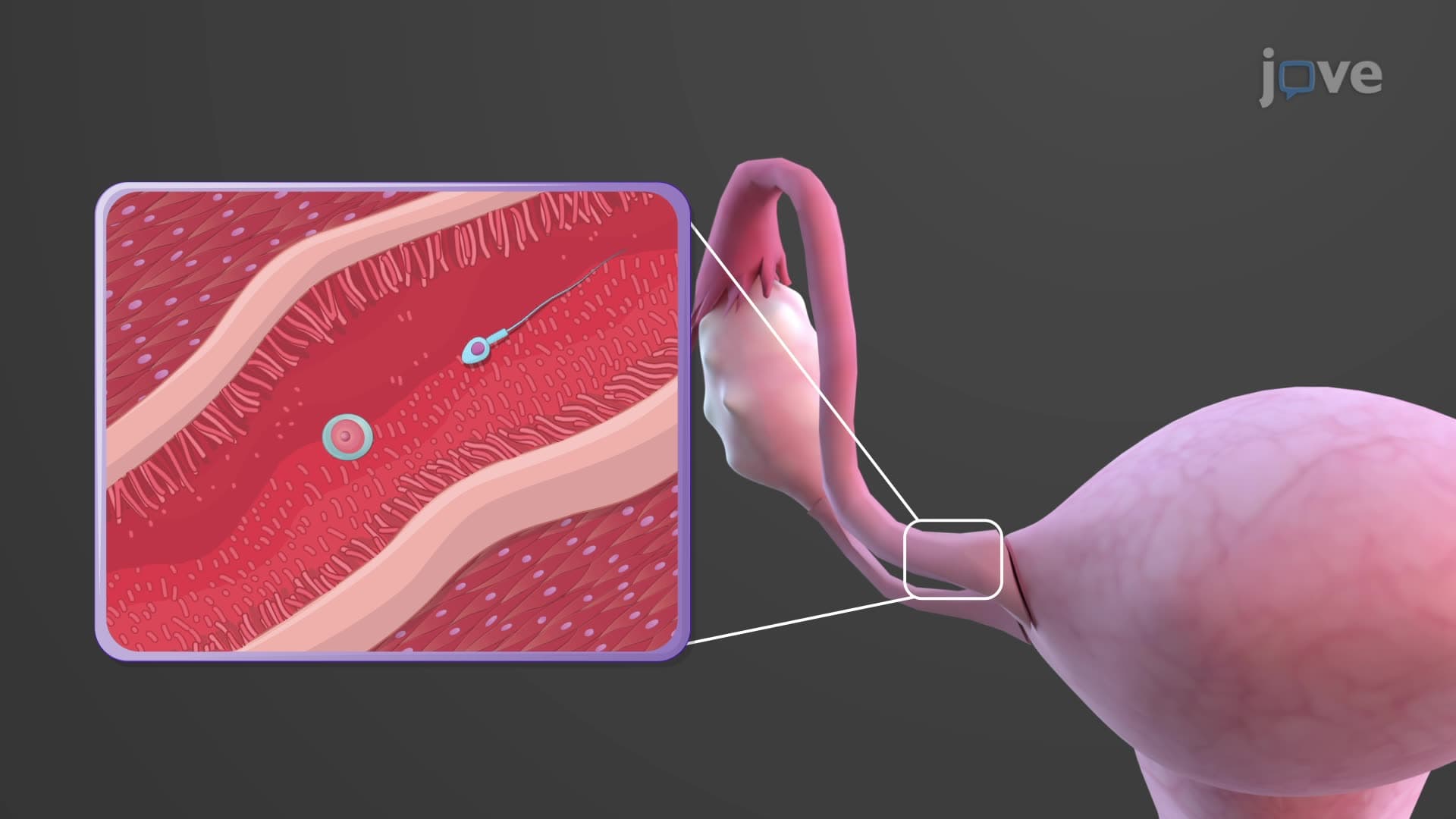
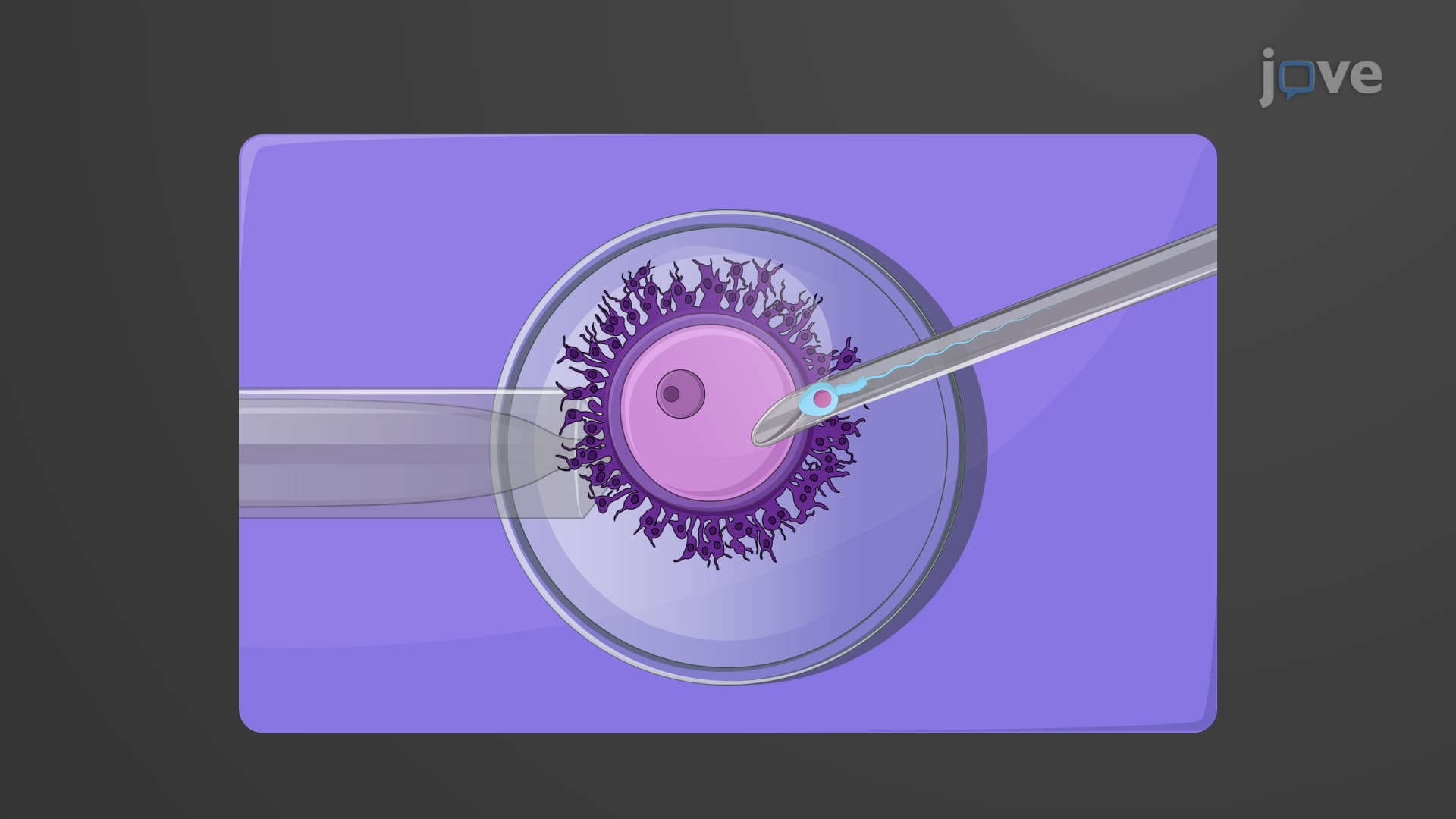
Conventional IVF involves combining approximately 75,000 sperm with each retrieved egg in specialized culture media. However, male factor infertility-affecting nearly 40% of infertile couples-often necessitates intracytoplasmic sperm injection (ICSI). This micromanipulation technique requires embryologists to inject a single sperm directly into an egg's cytoplasm, dramatically improving fertilization rates for couples with severe male infertility.
Embryo transfer IVF timing critically impacts success rates. Cleavage-stage transfers occur on day 3 when embryos contain 6-8 cells, while blastocyst transfers happen on day 5-6 after extended culture allows natural selection of the most viable embryos. Leading US fertility programs increasingly favor single embryo transfers to minimize multiple pregnancy risks while maintaining high success rates.
Students preparing for AP Biology exams encounter IVF within reproductive system units, particularly regarding hormone regulation and cellular development. MCAT preparation emphasizes understanding gonadotropin function and embryological staging. College-level reproductive biology courses examine IVF success factors, including maternal age, ovarian reserve, and embryo quality assessment through preimplantation genetic testing.
Related Micro-courses