Loading video…


 37 Concepts
 141K views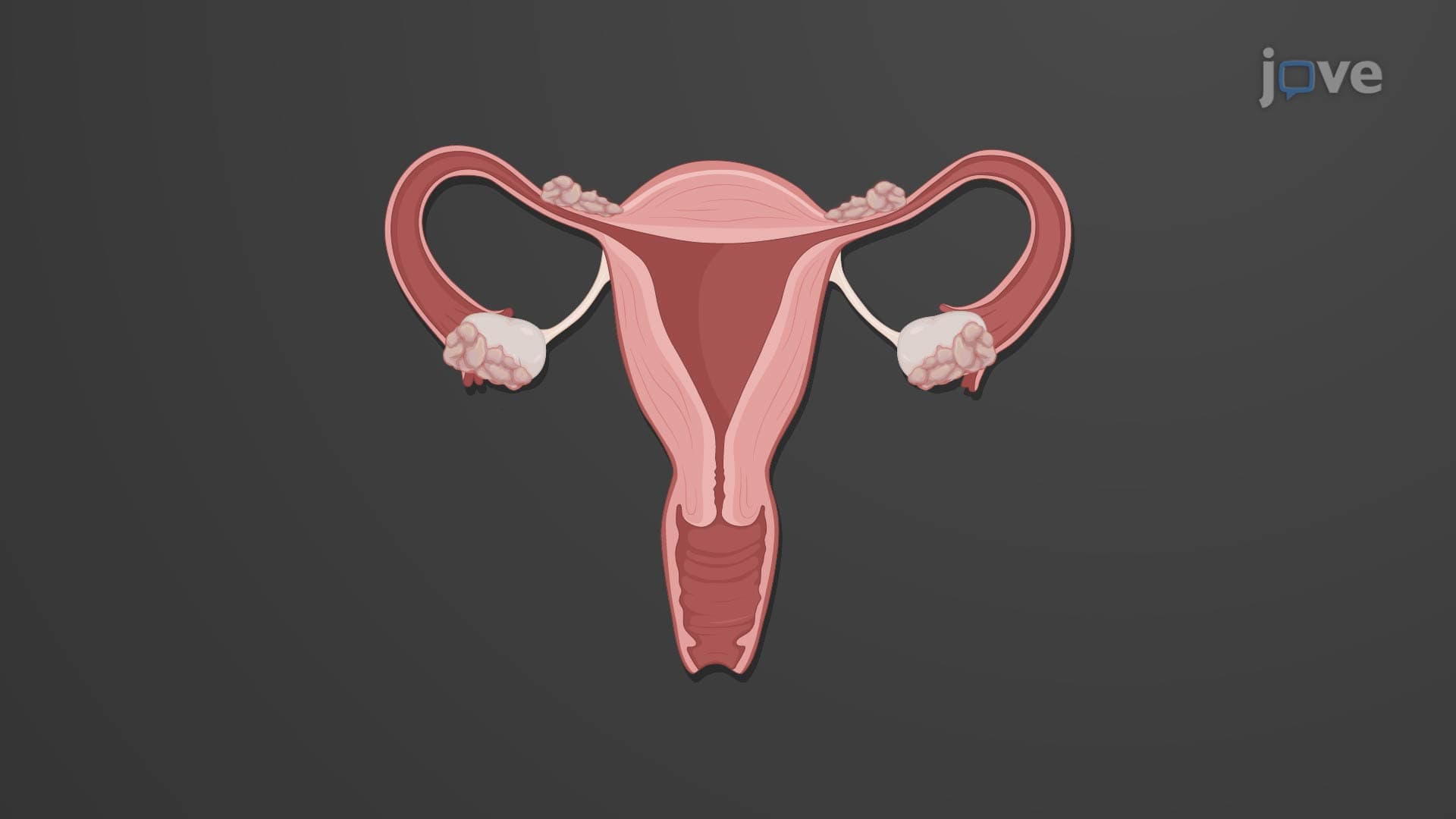

Video Summary: What Is Infertility in Females
Did you know that approximately 6.1 million women in the United States struggle with female infertility biology? This reproductive challenge affects about 10% of women globally and involves complex interactions between hormones, anatomy, and cellular processes. From ovulatory disorders like PCOS to structural issues such as blocked fallopian tubes, understanding what is infertility in females reveals the intricate mechanisms that must align perfectly for conception to occur. Watch the full video on JoVE Coach to master this concept with expert-led visuals and step-by-step explanations.
Female infertility represents a complex reproductive health condition defined as the inability to achieve pregnancy after 12 months of regular, unprotected intercourse. For women over 35, this timeframe reduces to six months due to age-related fertility decline. The Centers for Disease Control and Prevention reports that infertility affects approximately 19% of women aged 15-49 who are unable to get pregnant after one year of trying, making it a significant public health concern across American communities.
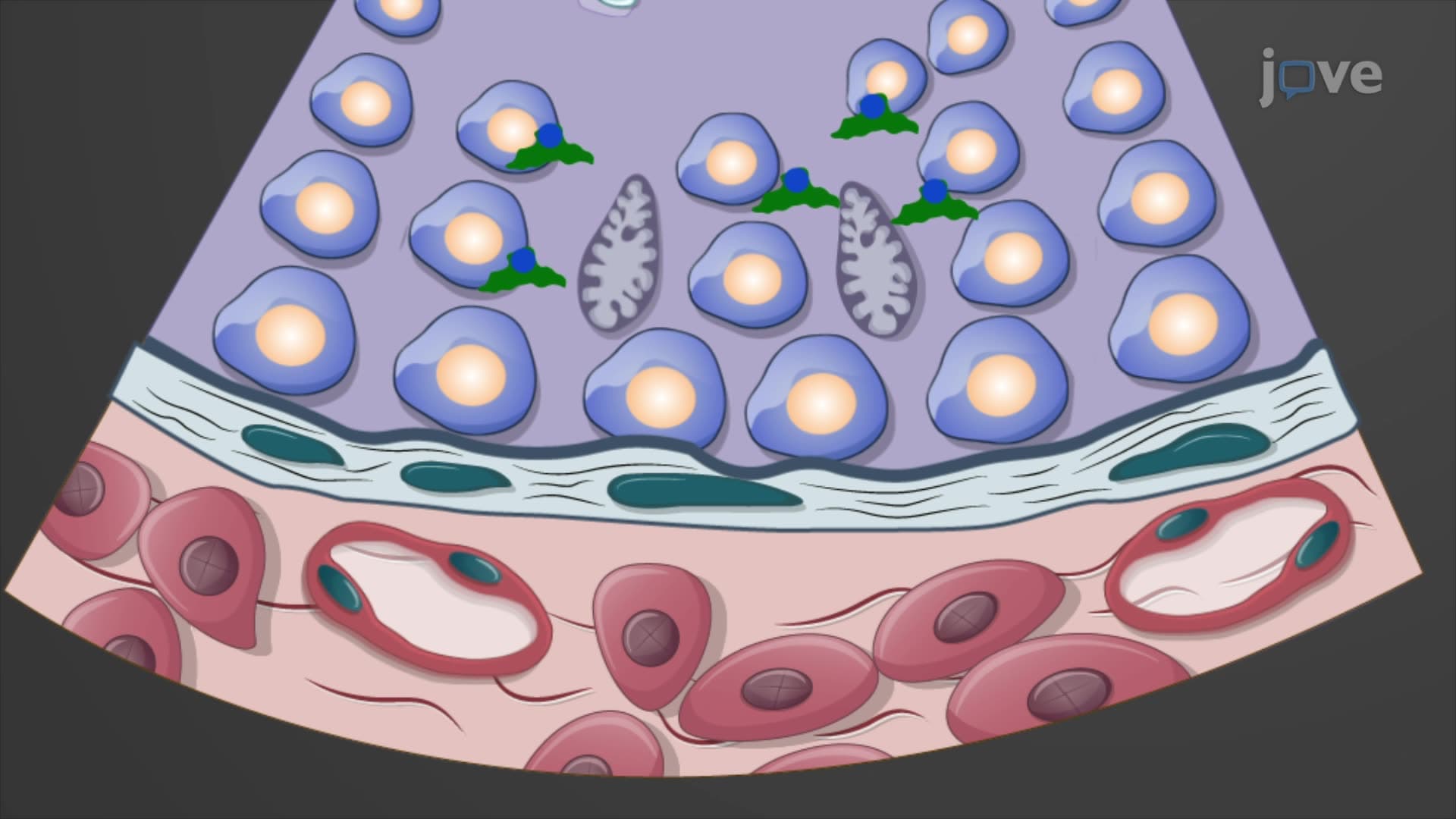
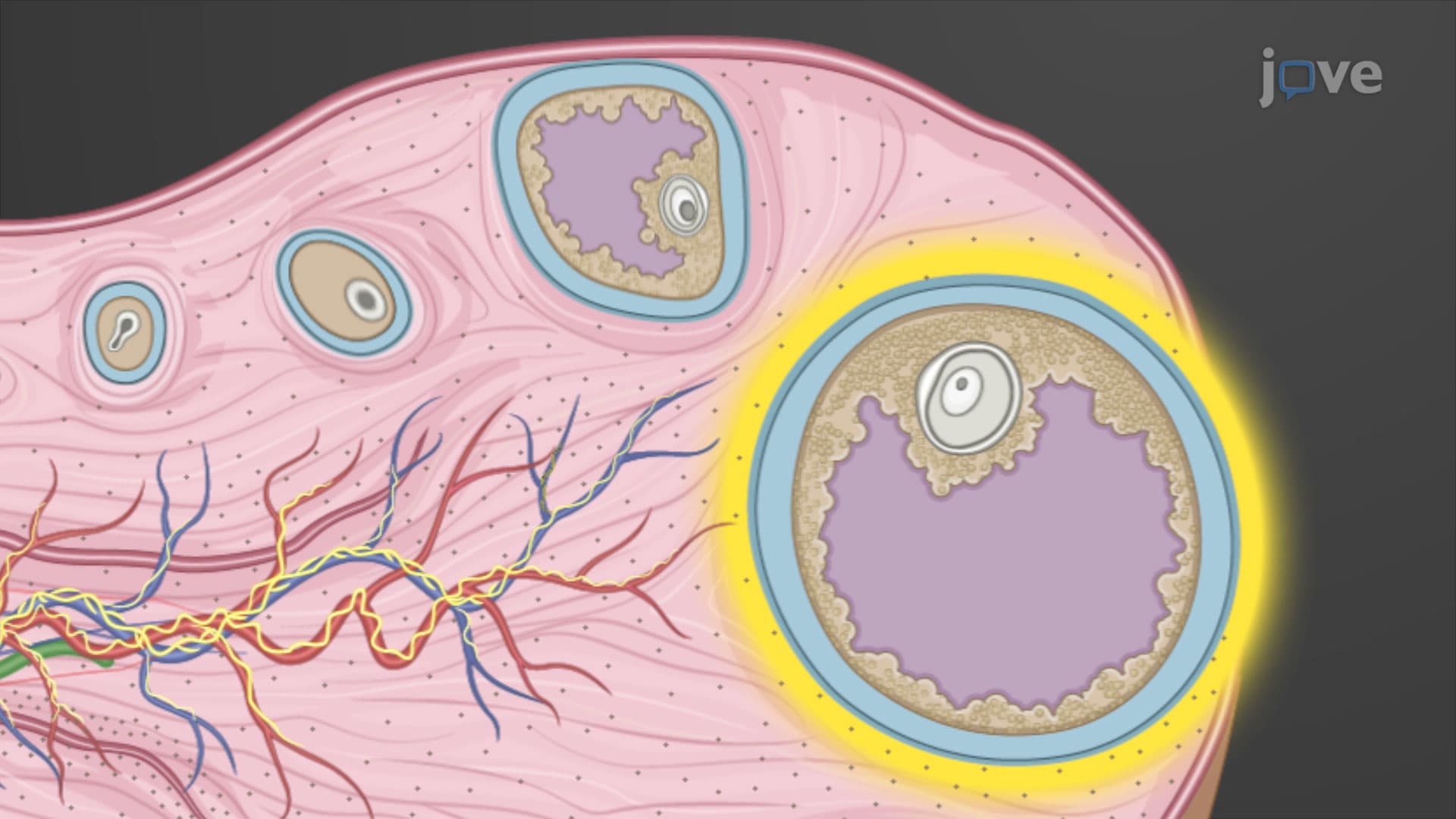
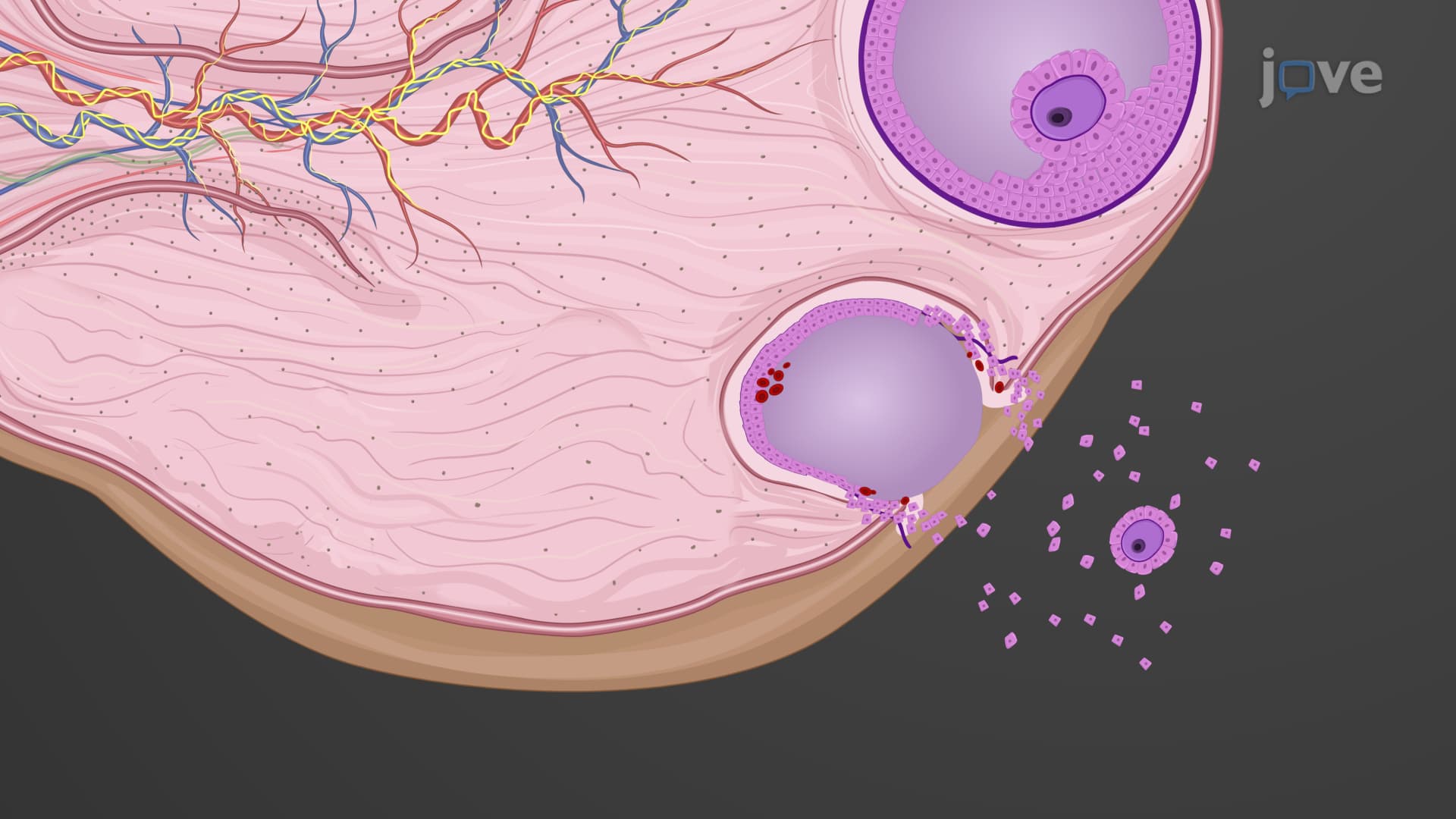
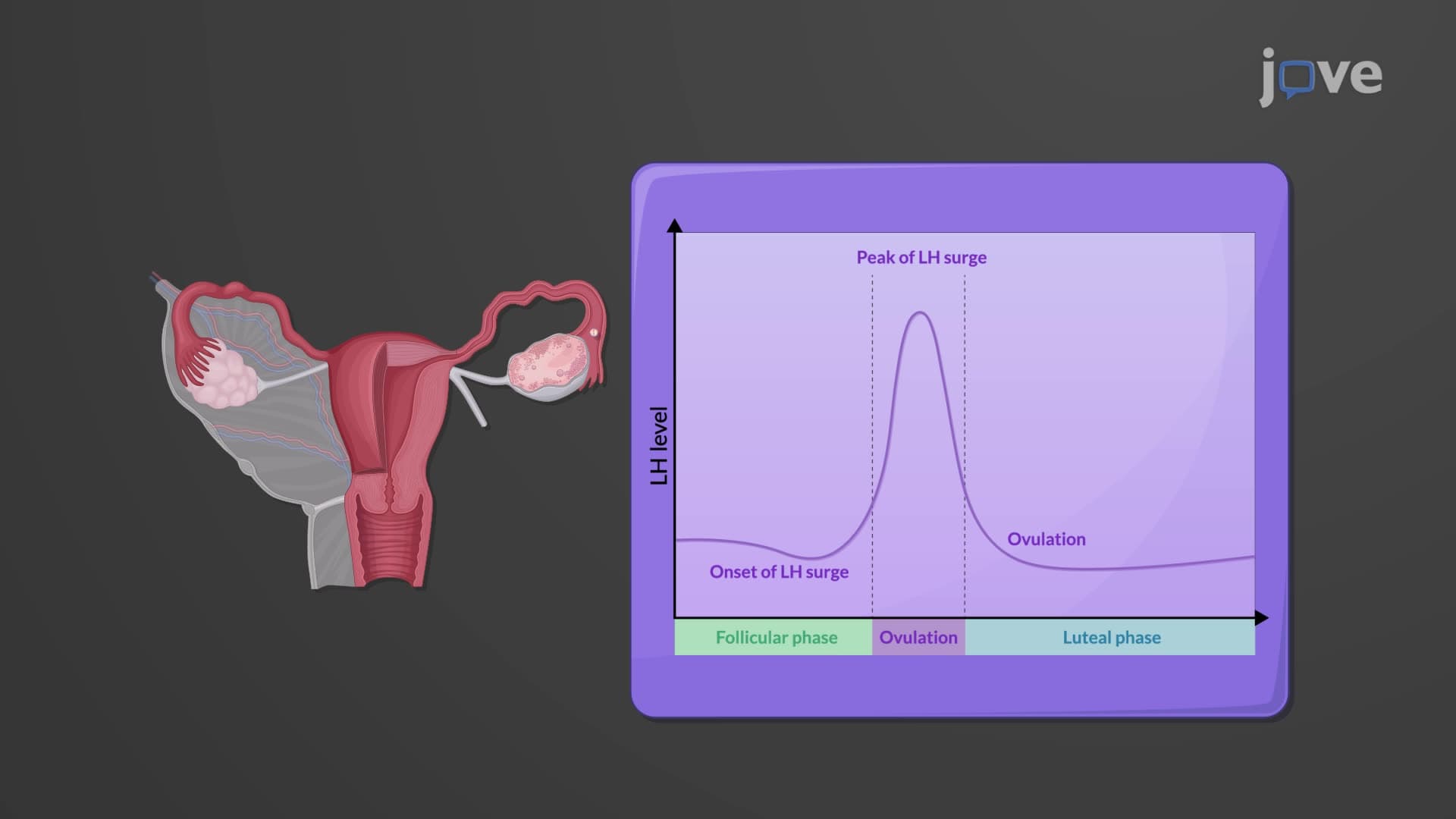
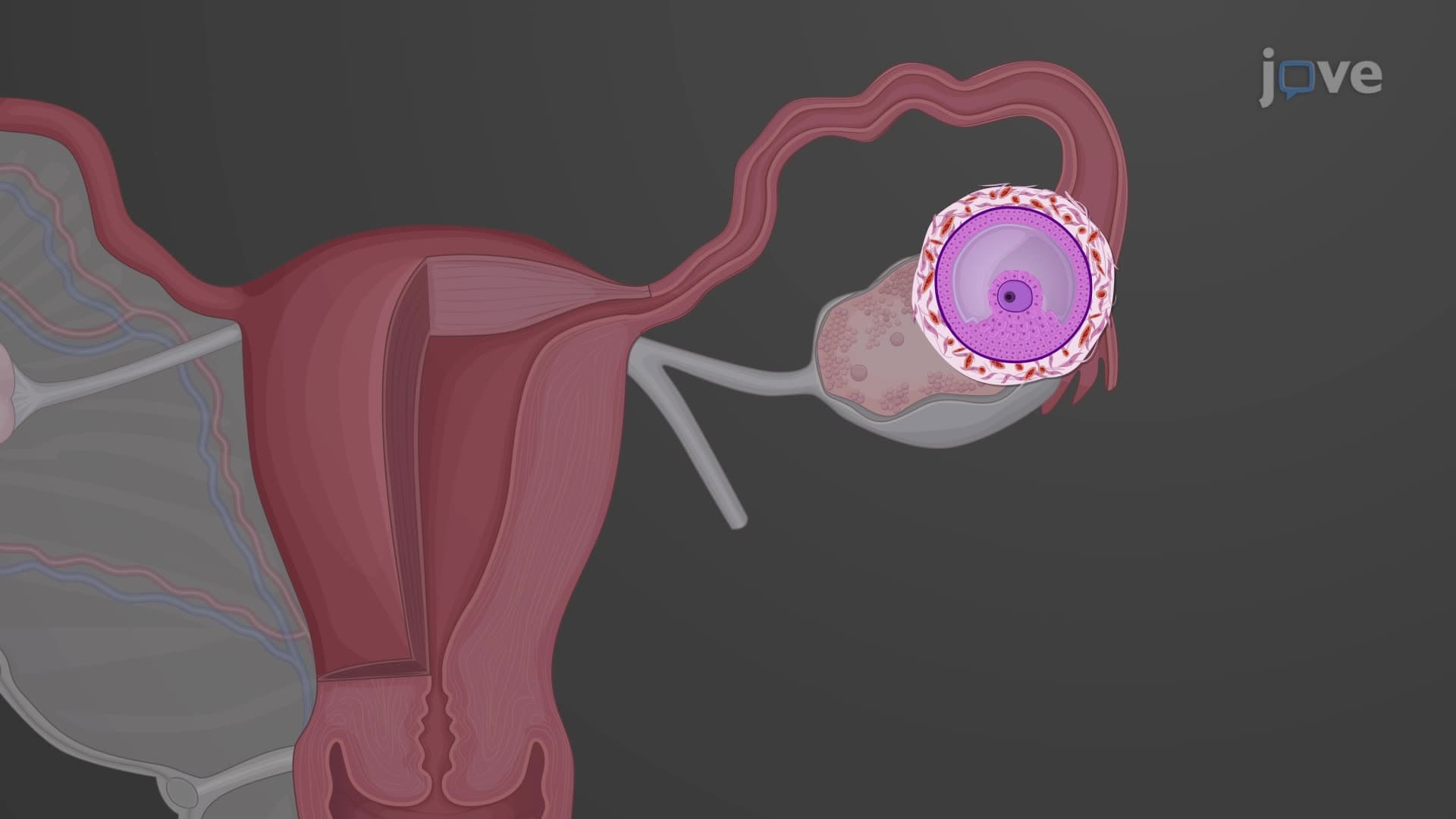
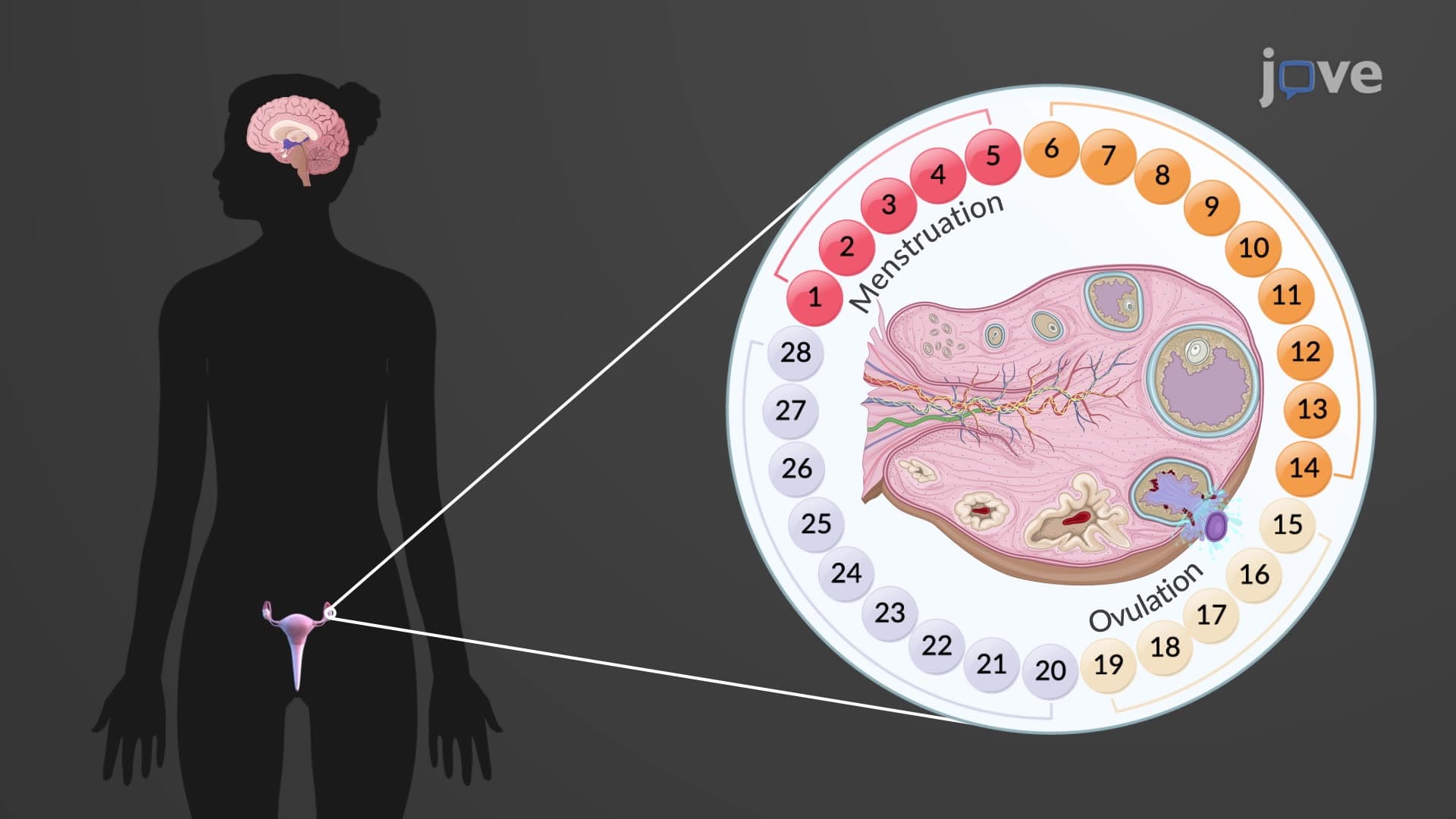
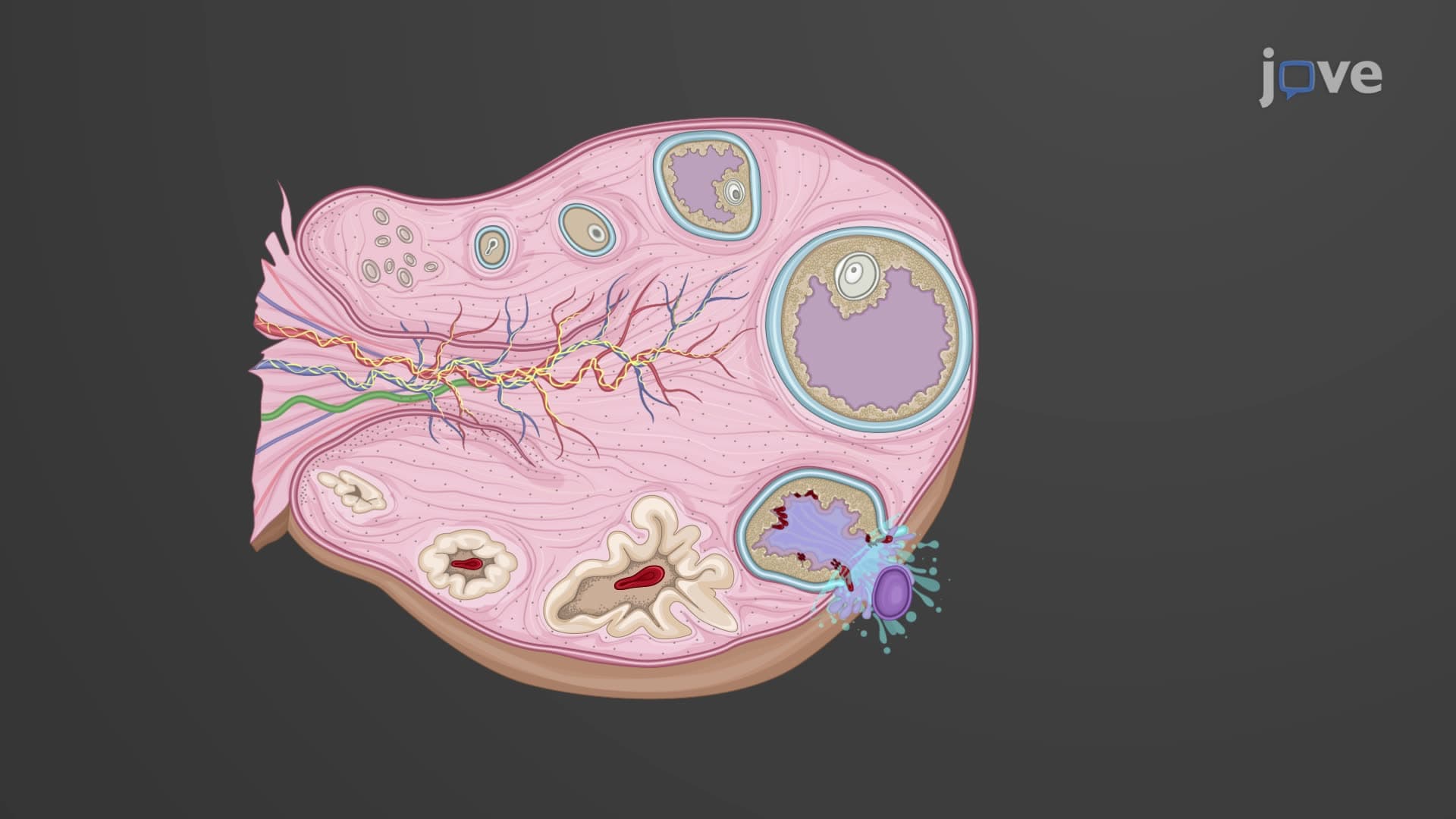
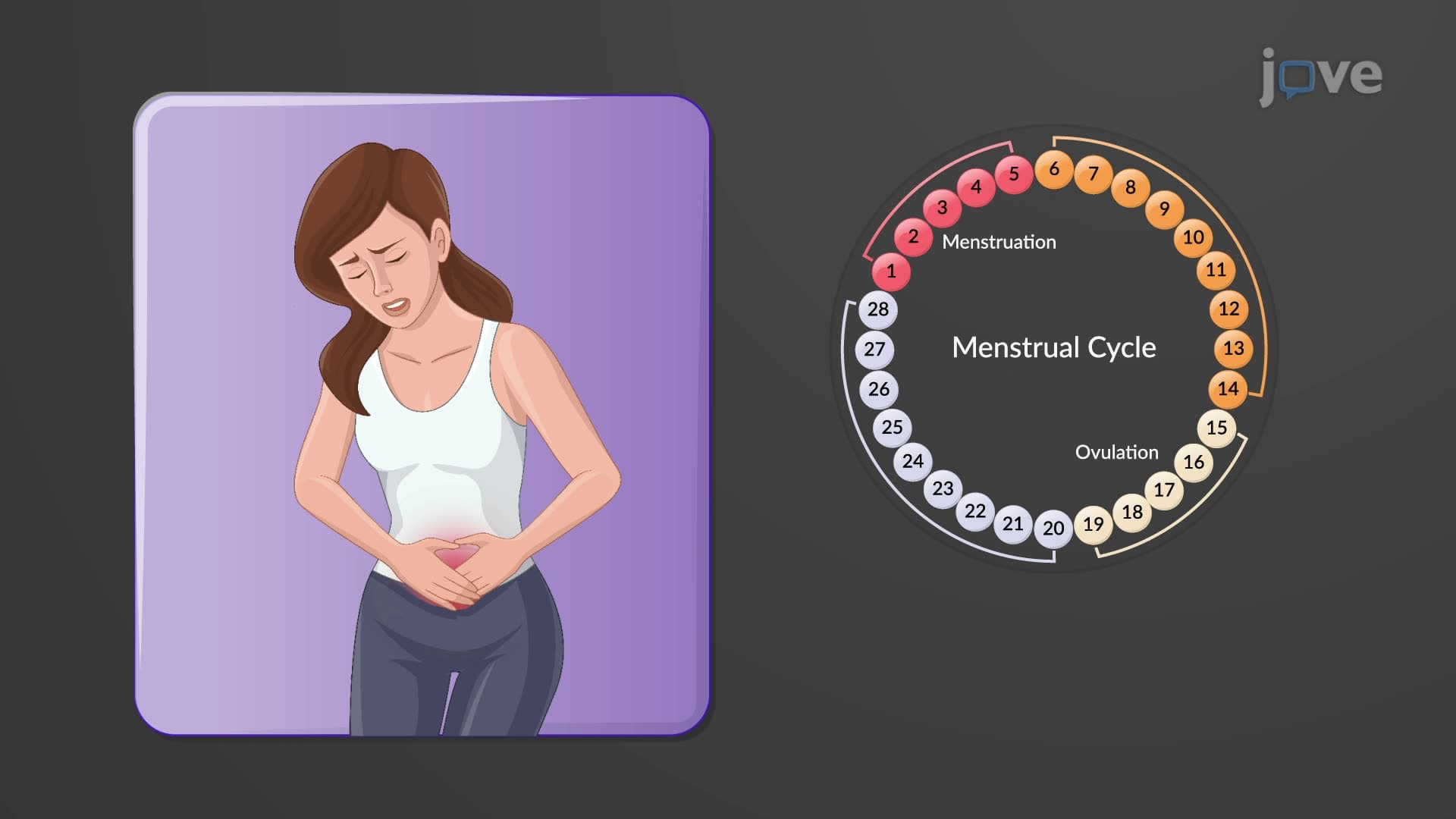
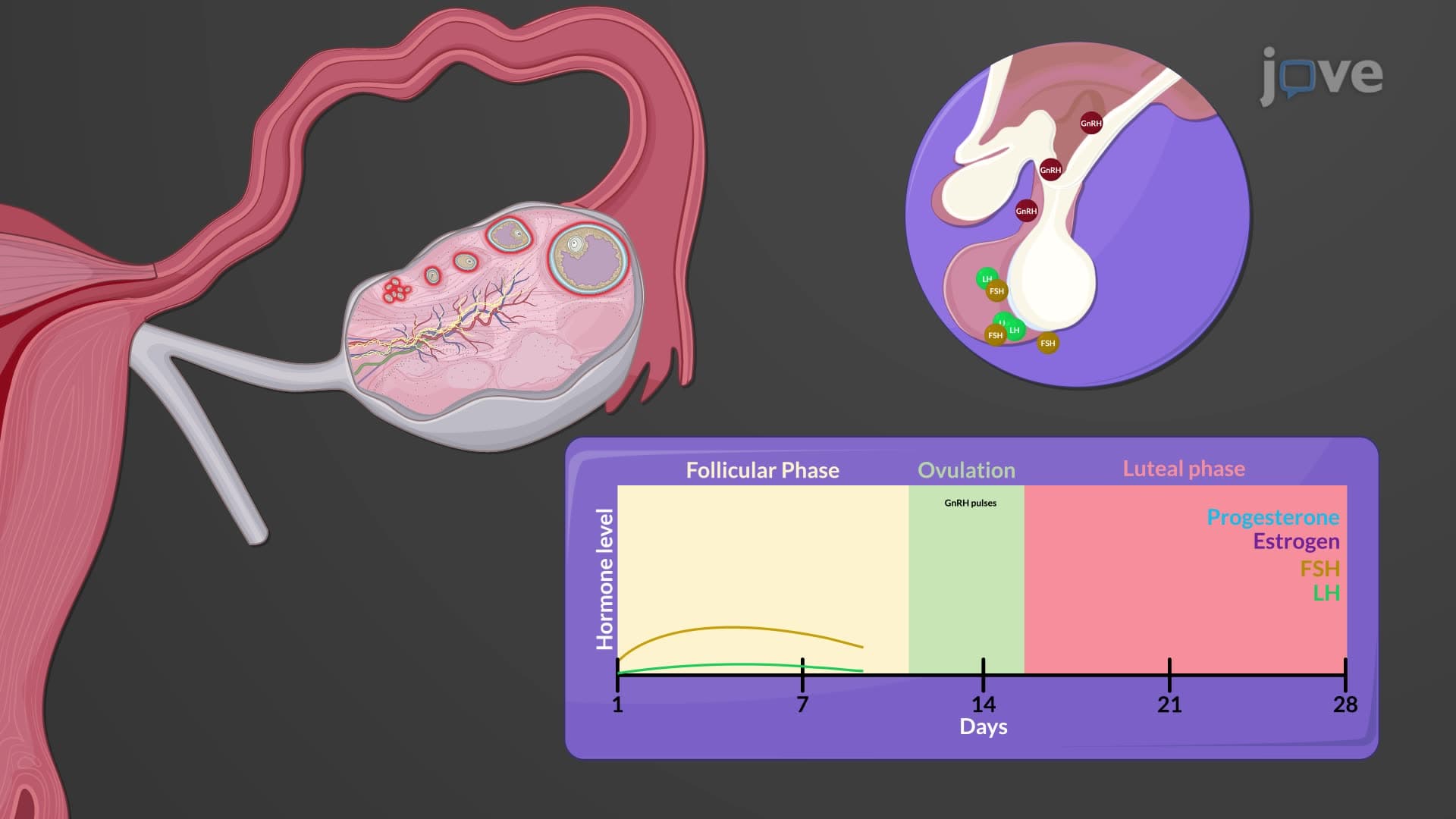
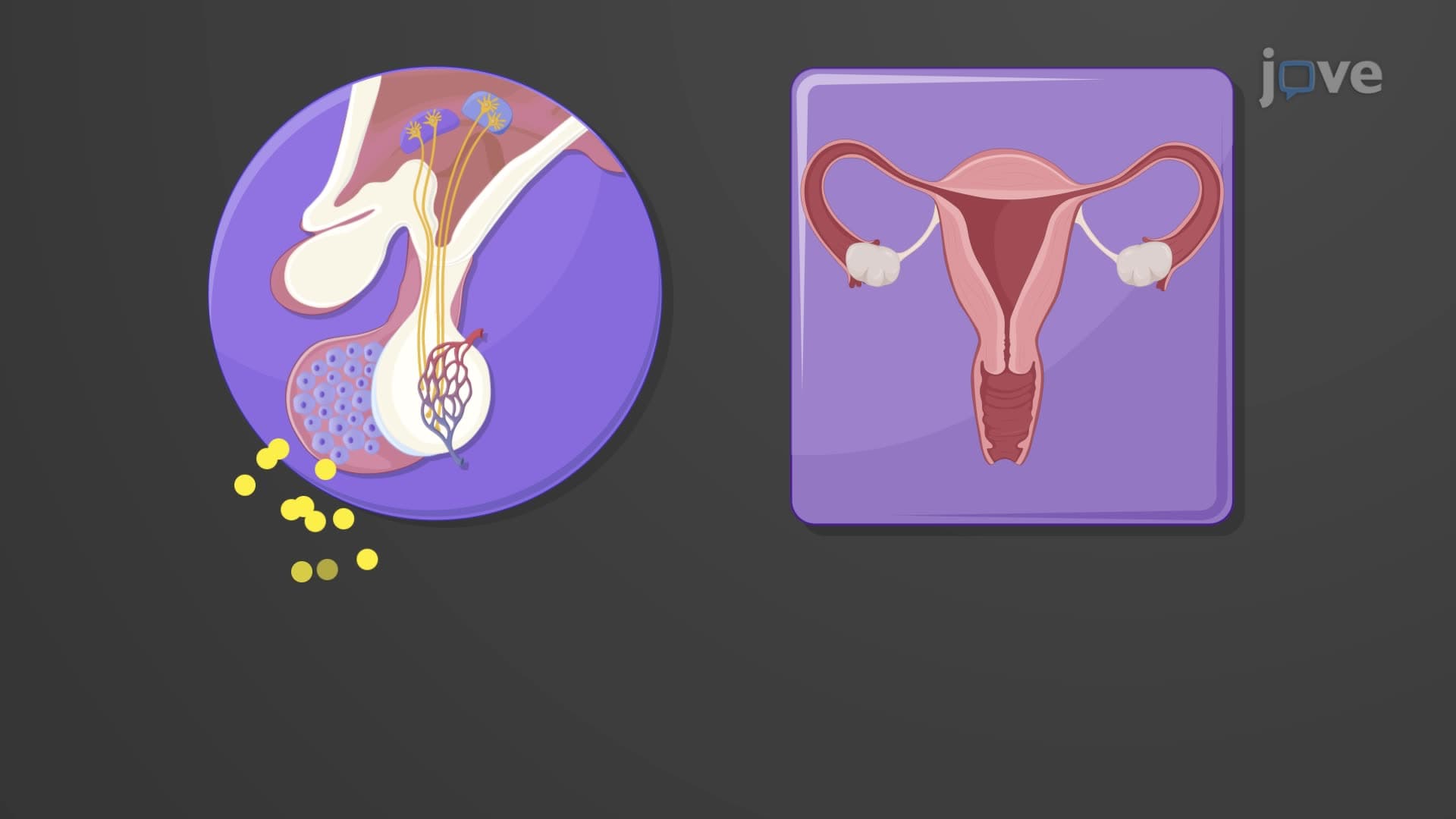
The majority of female infertility cases stem from ovulatory disorder infertility, where the ovaries fail to release mature eggs regularly. Hypothalamic amenorrhea occurs when stress, excessive exercise, or low body weight disrupts the hypothalamic-pituitary-ovarian axis, commonly seen in college athletes and students under academic pressure. PCOS infertility female cases represent the most prevalent ovulatory disorder, affecting 6-12% of reproductive-aged women and characterized by insulin resistance, elevated androgens, and irregular ovulation patterns that students frequently encounter in AP Biology coursework.
Premature ovarian failure involves early depletion of ovarian follicles before age 40, while hyperprolactinemic anovulation results from elevated prolactin levels that inhibit gonadotropin-releasing hormone secretion. These conditions demonstrate the delicate hormonal balance required for successful reproduction, concepts thoroughly tested on the MCAT's biological and biochemical foundations section.
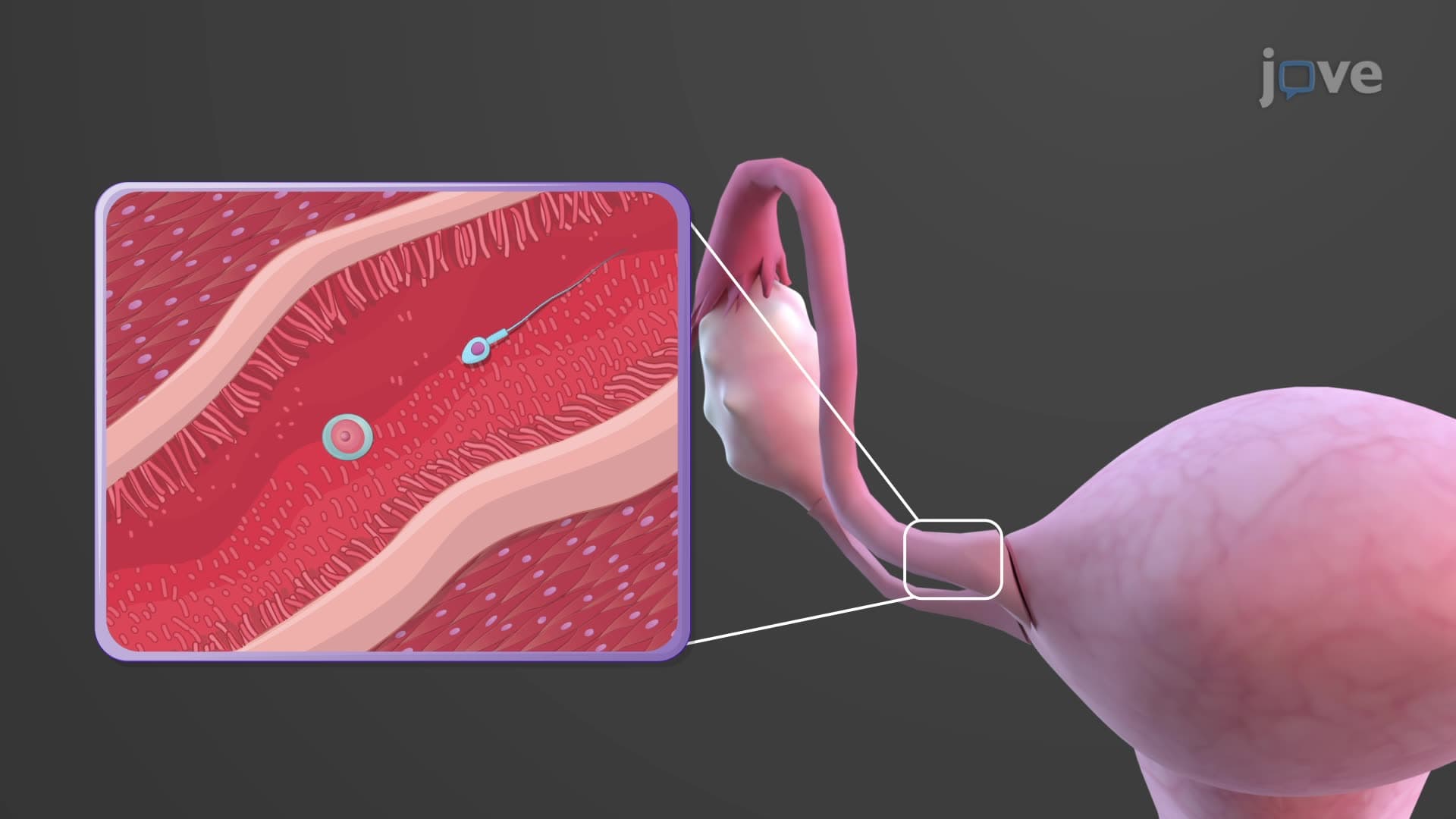
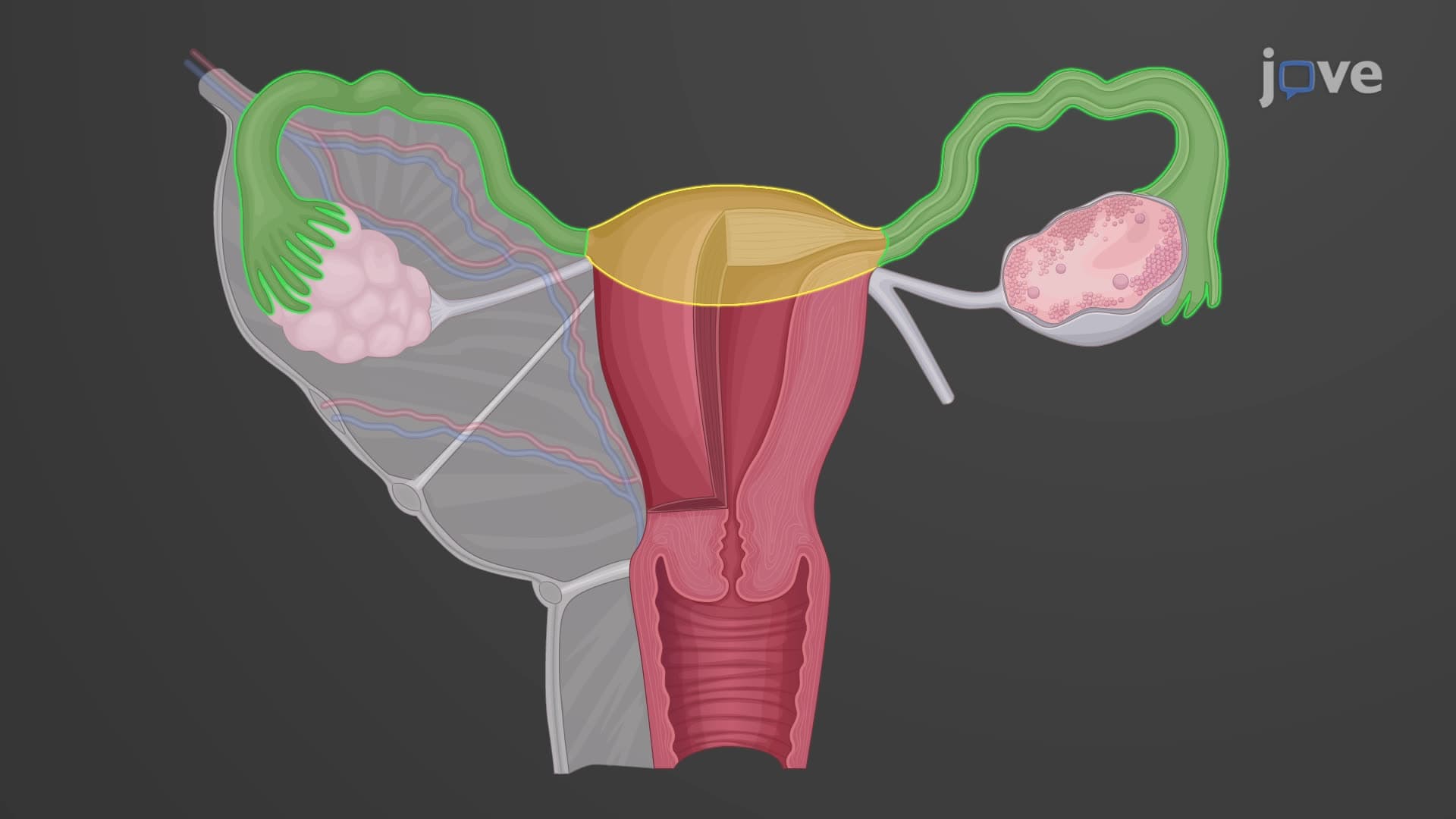
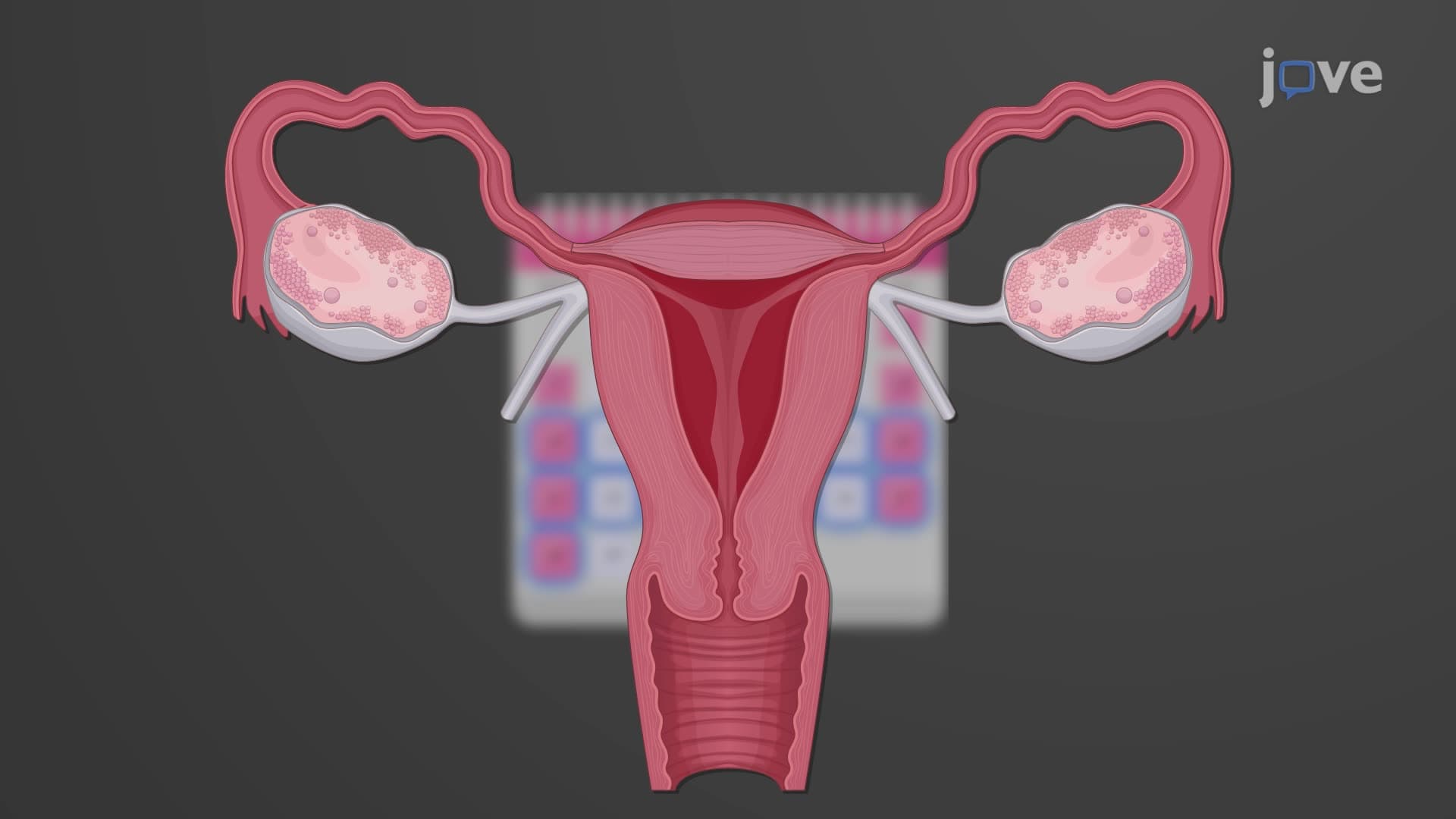
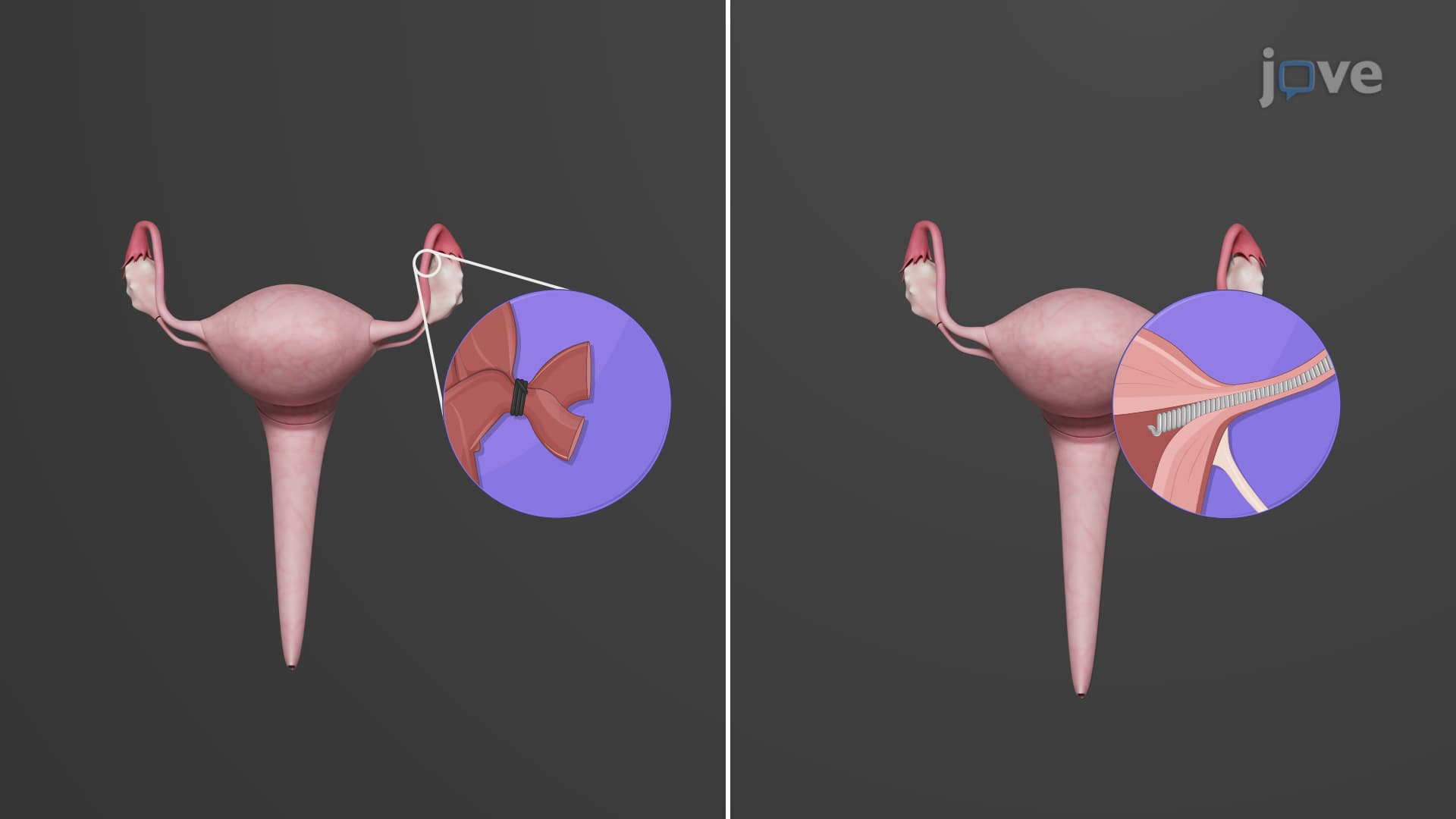
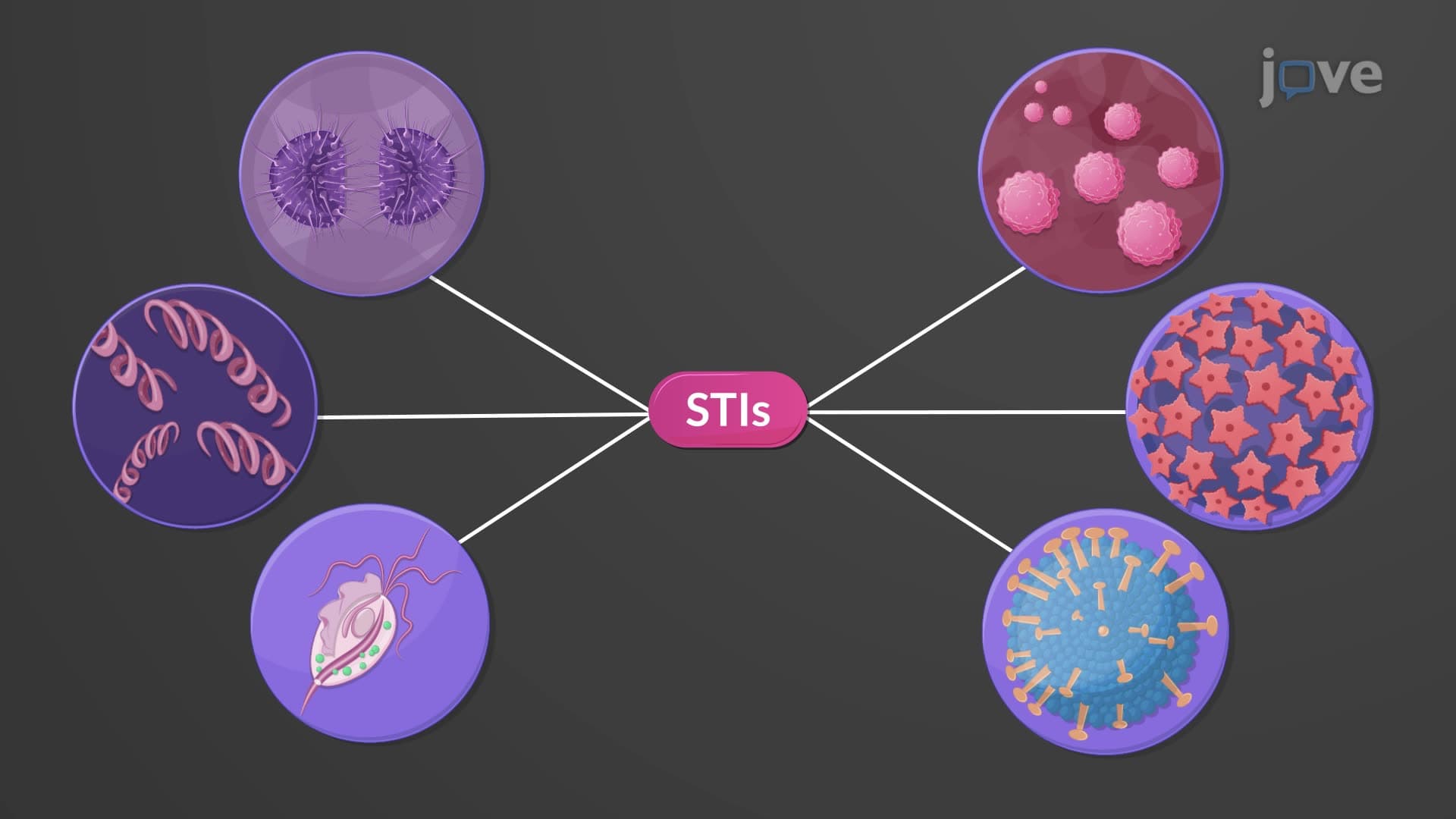
Tubal factor female infertility accounts for approximately 25-30% of cases, often resulting from pelvic inflammatory disease caused by sexually transmitted infections like chlamydia or gonorrhea. The fallopian tubes may become scarred or blocked, preventing sperm from reaching the egg or blocking the fertilized embryo's path to the uterus. This mechanism frequently appears in USMLE Step 1 questions testing reproductive system pathology.
Endometriosis infertility cause involves the abnormal growth of endometrial tissue outside the uterus, affecting an estimated 10% of reproductive-aged women. This condition creates inflammatory environments that impair egg quality, disrupt tubal function, and alter the uterine lining's receptivity to embryo implantation. Medical students studying for the NCLEX or HESI A2 exams must understand how endometriosis severity correlates with fertility outcomes.
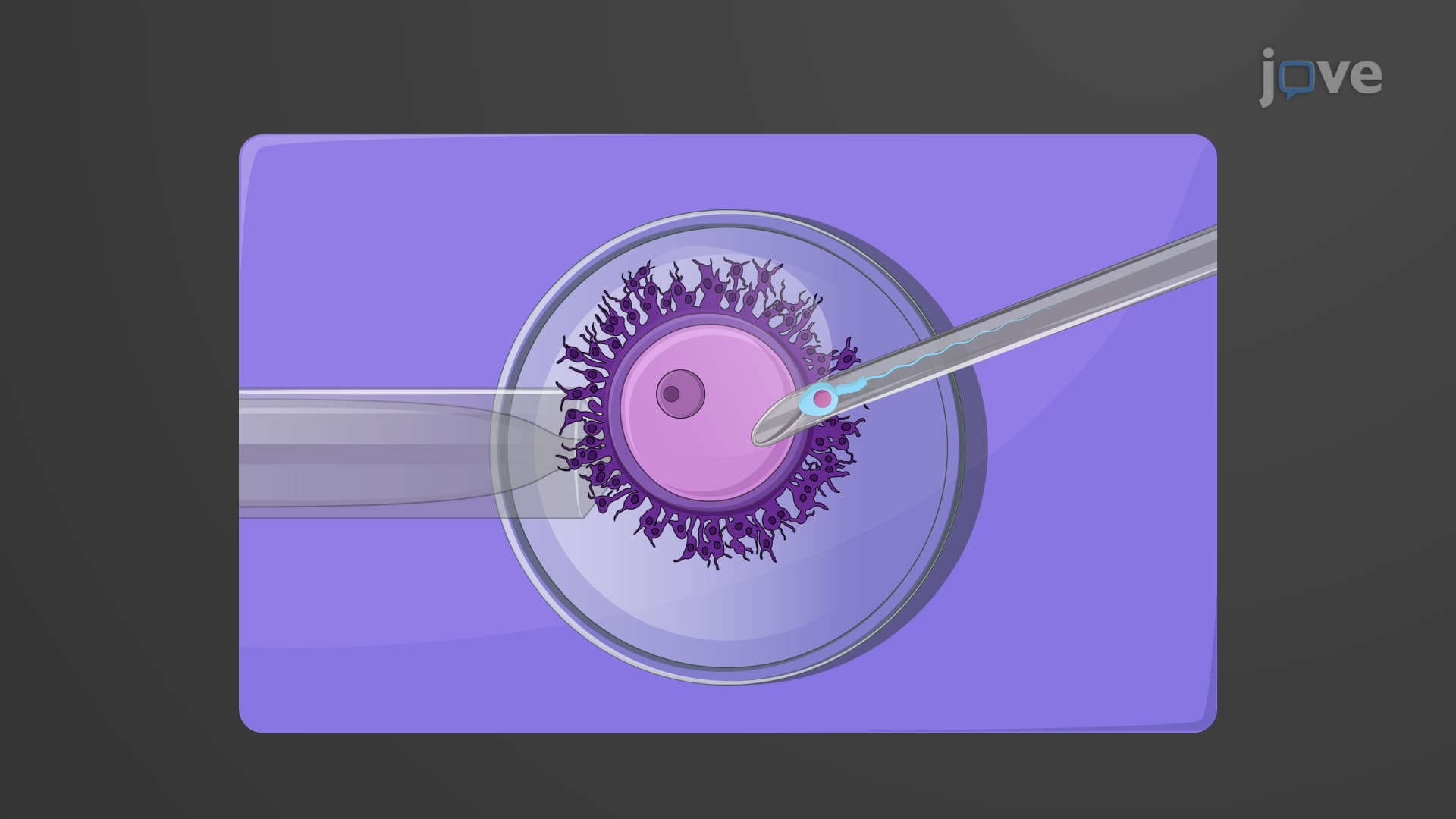
Modern fertility treatments target specific underlying mechanisms. Ovulation induction using medications like clomiphene citrate or letrozole addresses hormonal imbalances, while surgical interventions correct anatomical abnormalities. Assisted reproductive technologies including intrauterine insemination and in vitro fertilization bypass natural conception barriers, with success rates varying based on patient age and diagnosis severity-critical information for students preparing for reproductive endocrinology rotations.
Related Micro-courses