Loading subject page…


141,005 views


Video Summary: What Is Infertility in Males
Did you know that male factors contribute to infertility in nearly half of all couples struggling to conceive? Male infertility biology involves complex interactions between hormones, genetics, and reproductive anatomy that can disrupt normal sperm production and function. From hormonal imbalances affecting testosterone levels to structural problems like varicoceles-which affect about 15% of American men-understanding what is infertility in males requires examining multiple biological systems working together. Watch the full video on JoVE Coach to master this concept with expert-led visuals and step-by-step explanations.
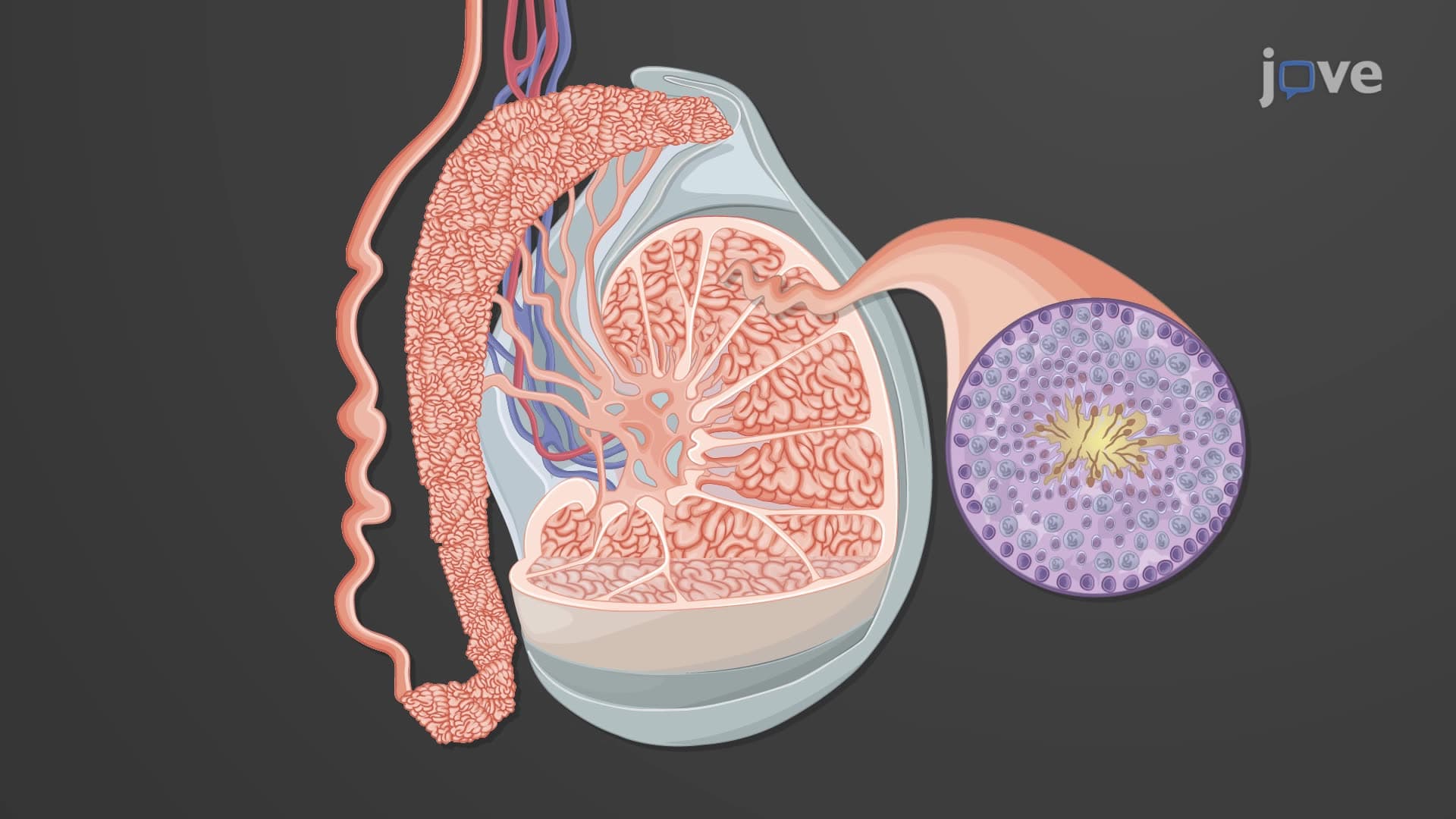
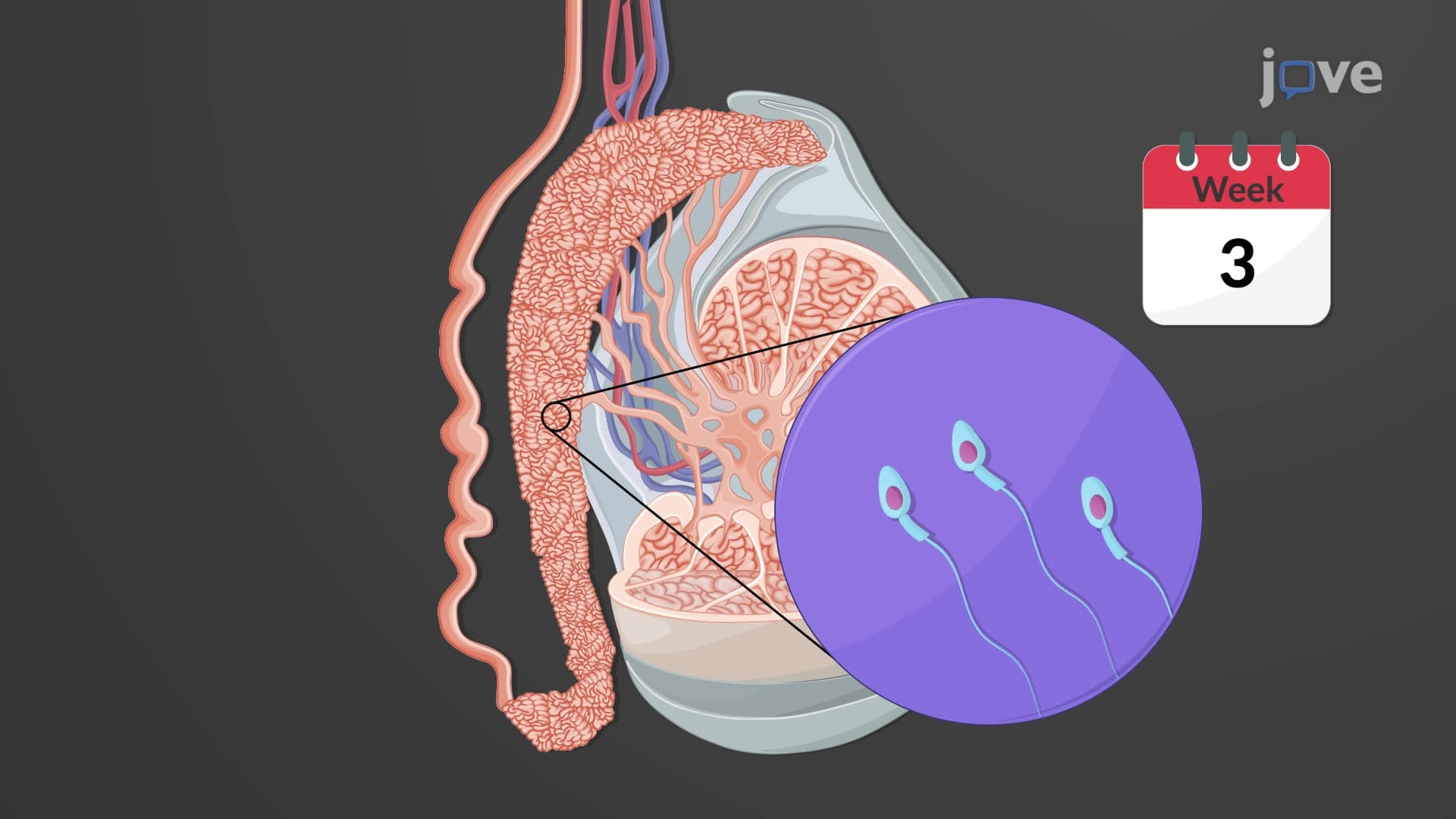
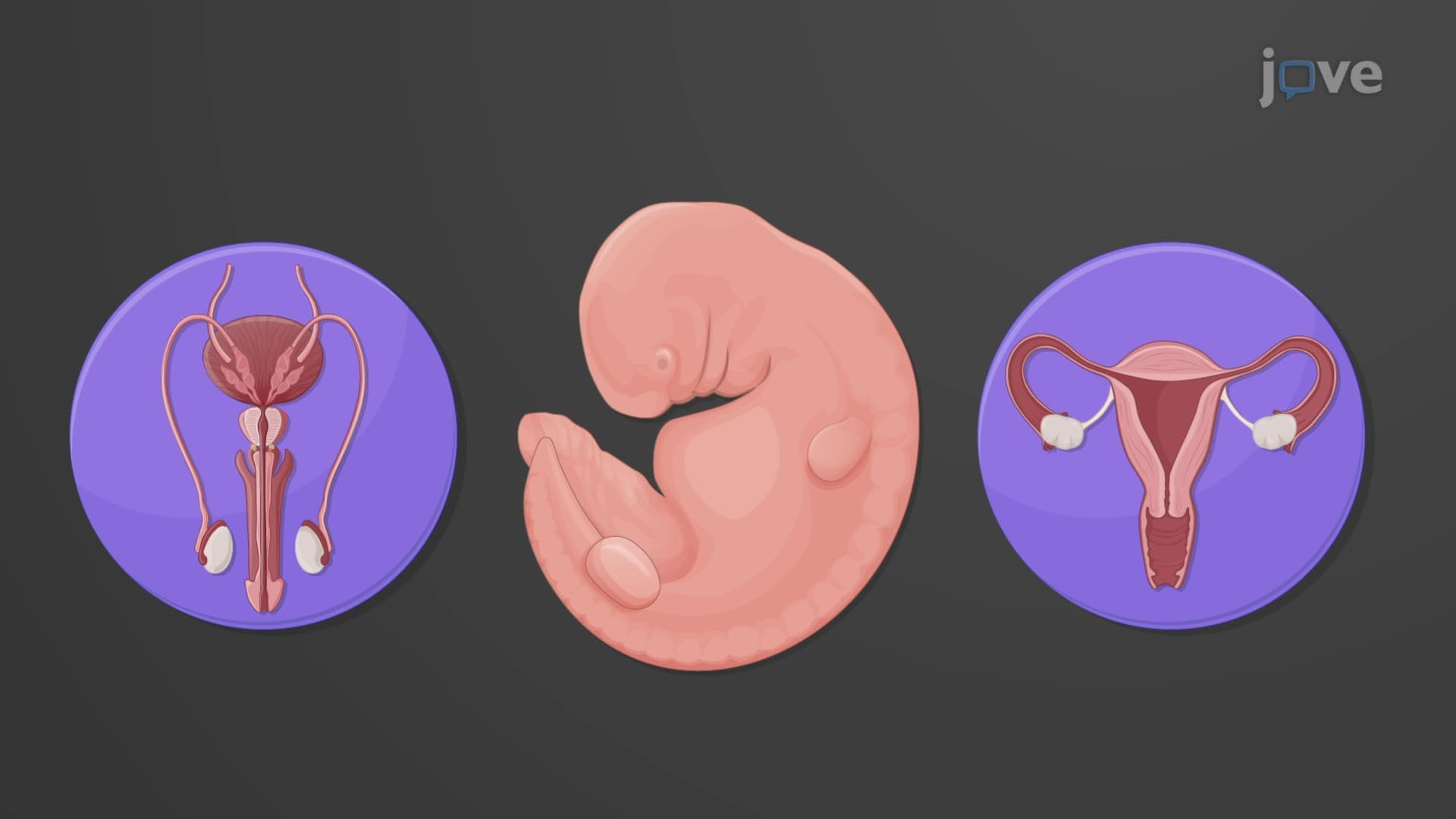
Male infertility biology encompasses the complex interplay of hormonal regulation, genetic factors, and anatomical structures that must function correctly for successful reproduction. Unlike female fertility, which involves cyclical changes, male fertility depends on the continuous production of functional sperm through spermatogenesis-a 74-day process occurring in the seminiferous tubules of the testes.
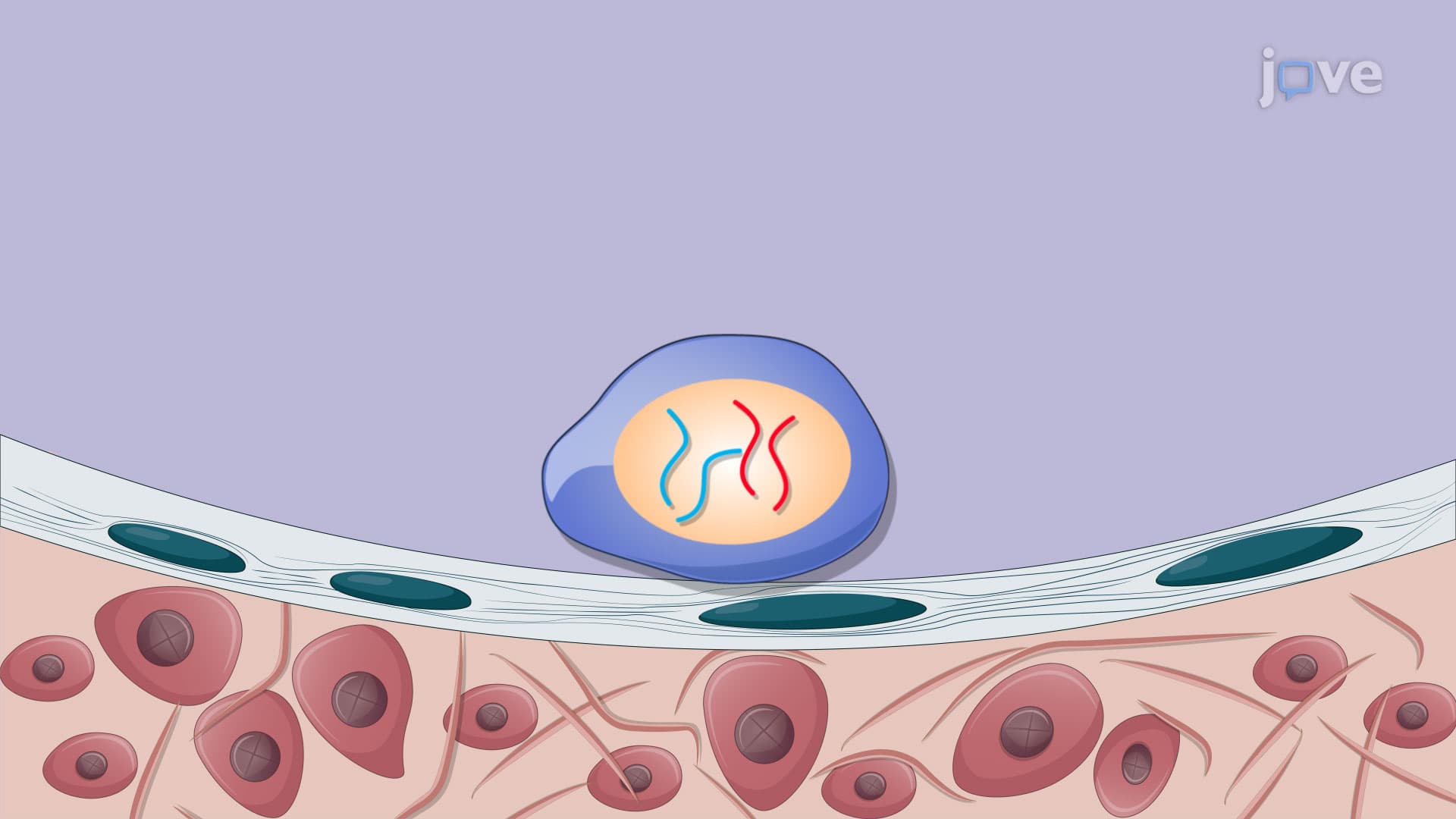
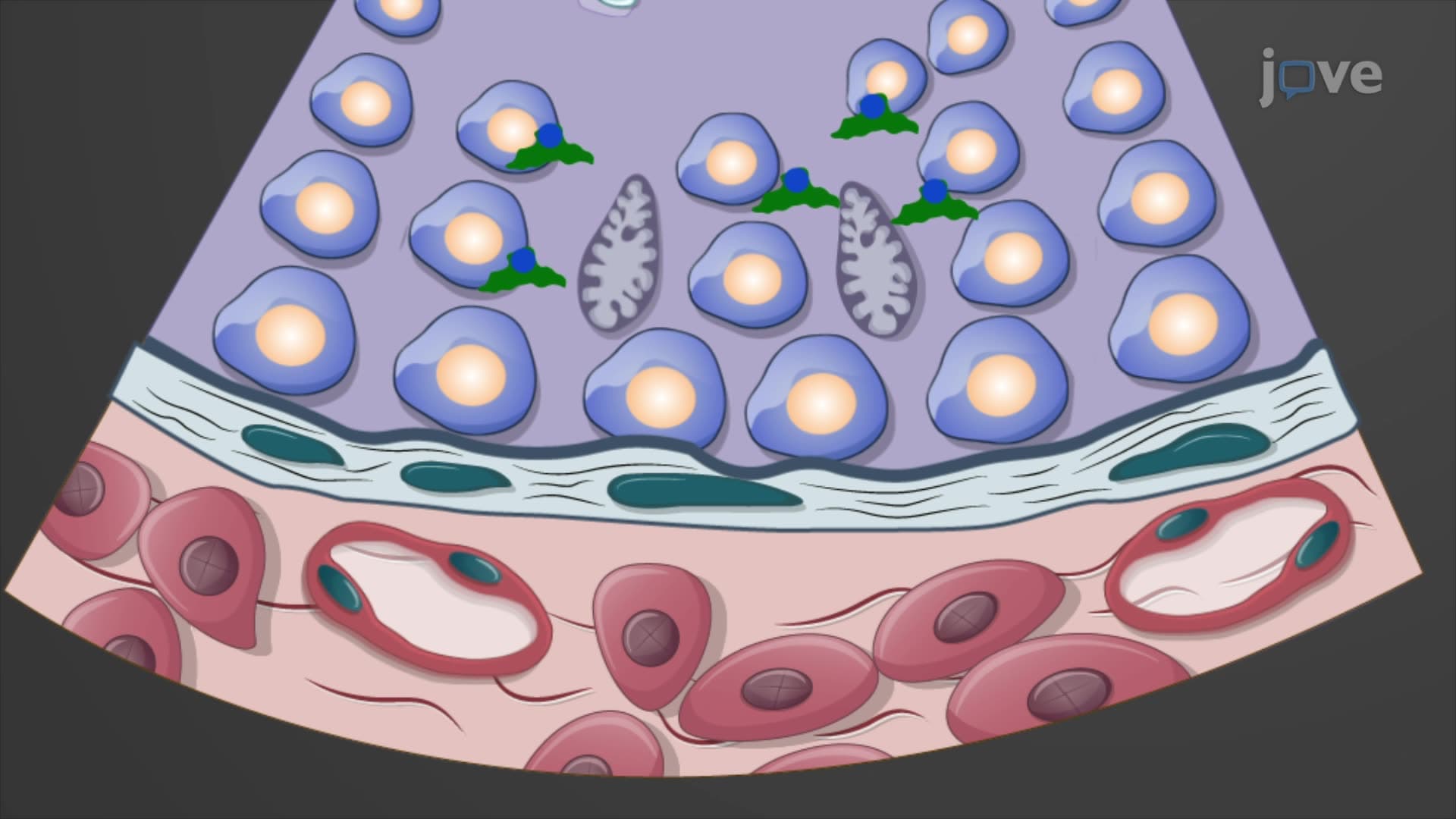
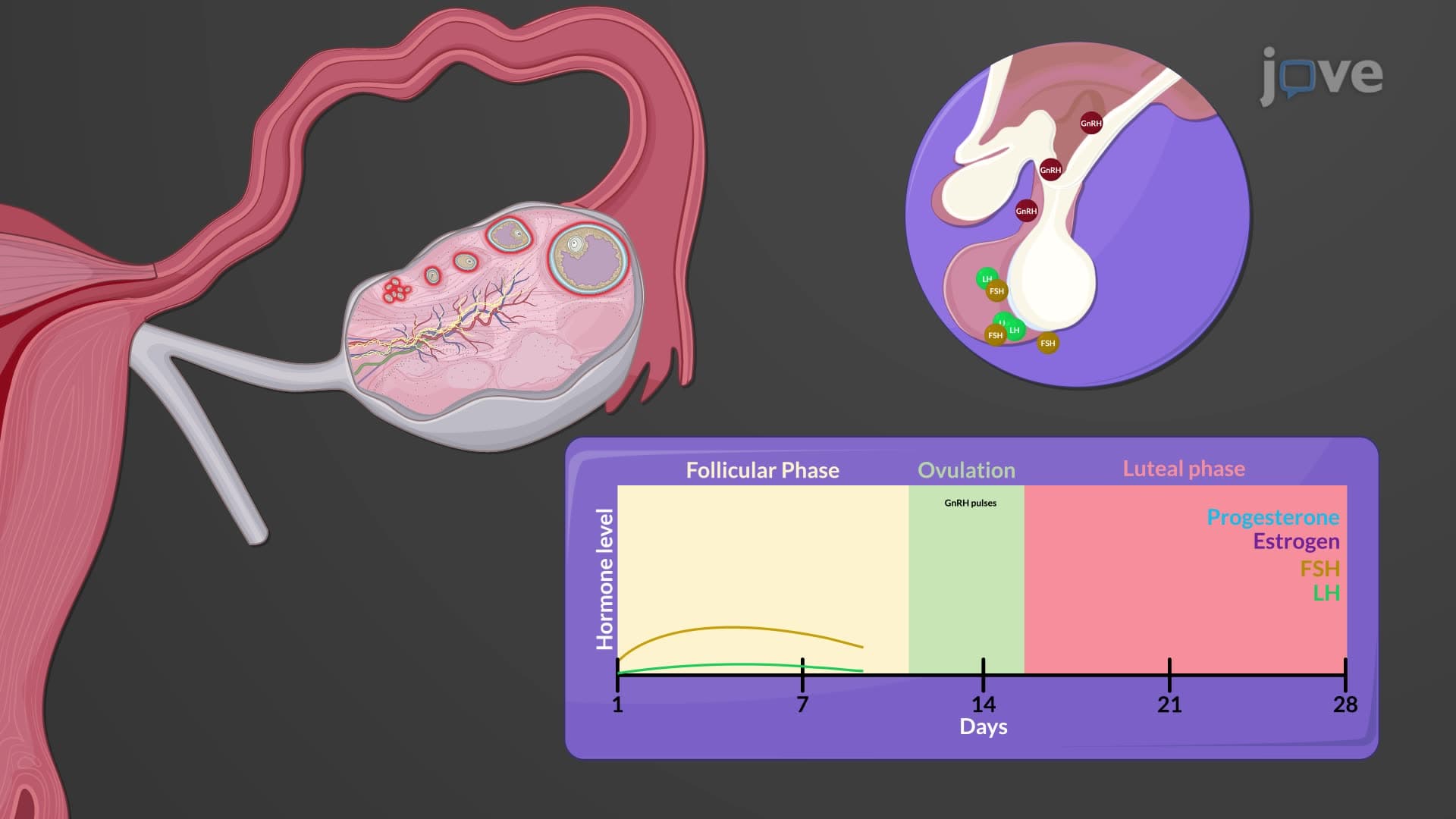
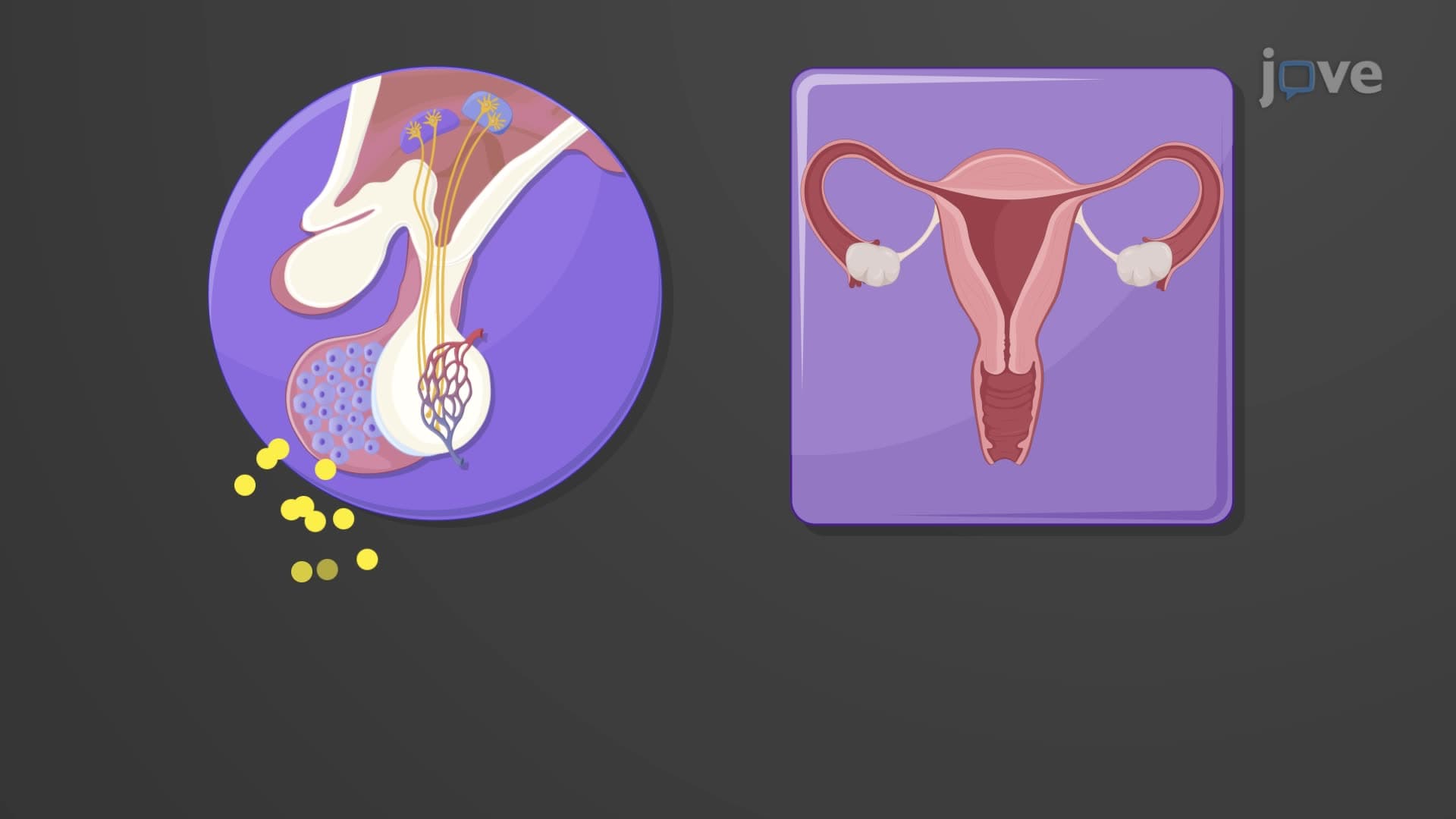
The hypothalamic-pituitary-gonadal axis controls this process through a carefully orchestrated hormonal cascade. Gonadotropin-releasing hormone (GnRH) from the hypothalamus stimulates the anterior pituitary to release luteinizing hormone (LH) and follicle-stimulating hormone (FSH). LH triggers Leydig cells to produce testosterone, while FSH, working with testosterone, supports Sertoli cells in nurturing developing sperm cells.
Male hormonal infertility represents a significant category of fertility disorders, often stemming from hypogonadism where the testes produce insufficient testosterone. This condition affects approximately 4-5 million American men and can result from primary testicular failure or secondary issues with the hypothalamus or pituitary gland.
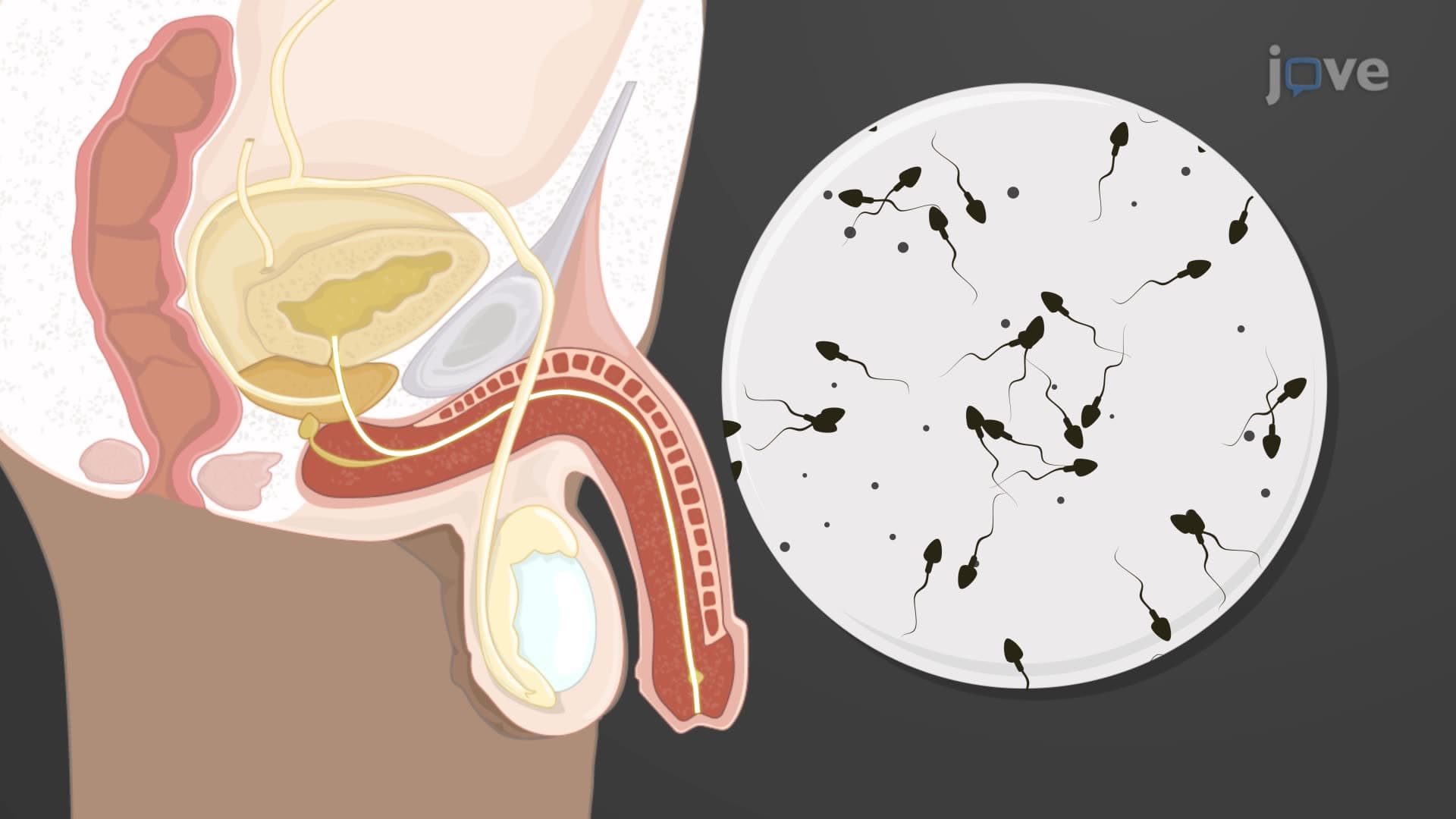
Klinefelter syndrome, occurring in about 1 in 500-1,000 male births in the US, exemplifies how genetic abnormalities impact fertility. Men with this condition have an extra X chromosome (XXY), leading to small testes, reduced testosterone production, and often azoospermia oligospermia male patterns-meaning either no sperm or very low sperm counts in their ejaculate.
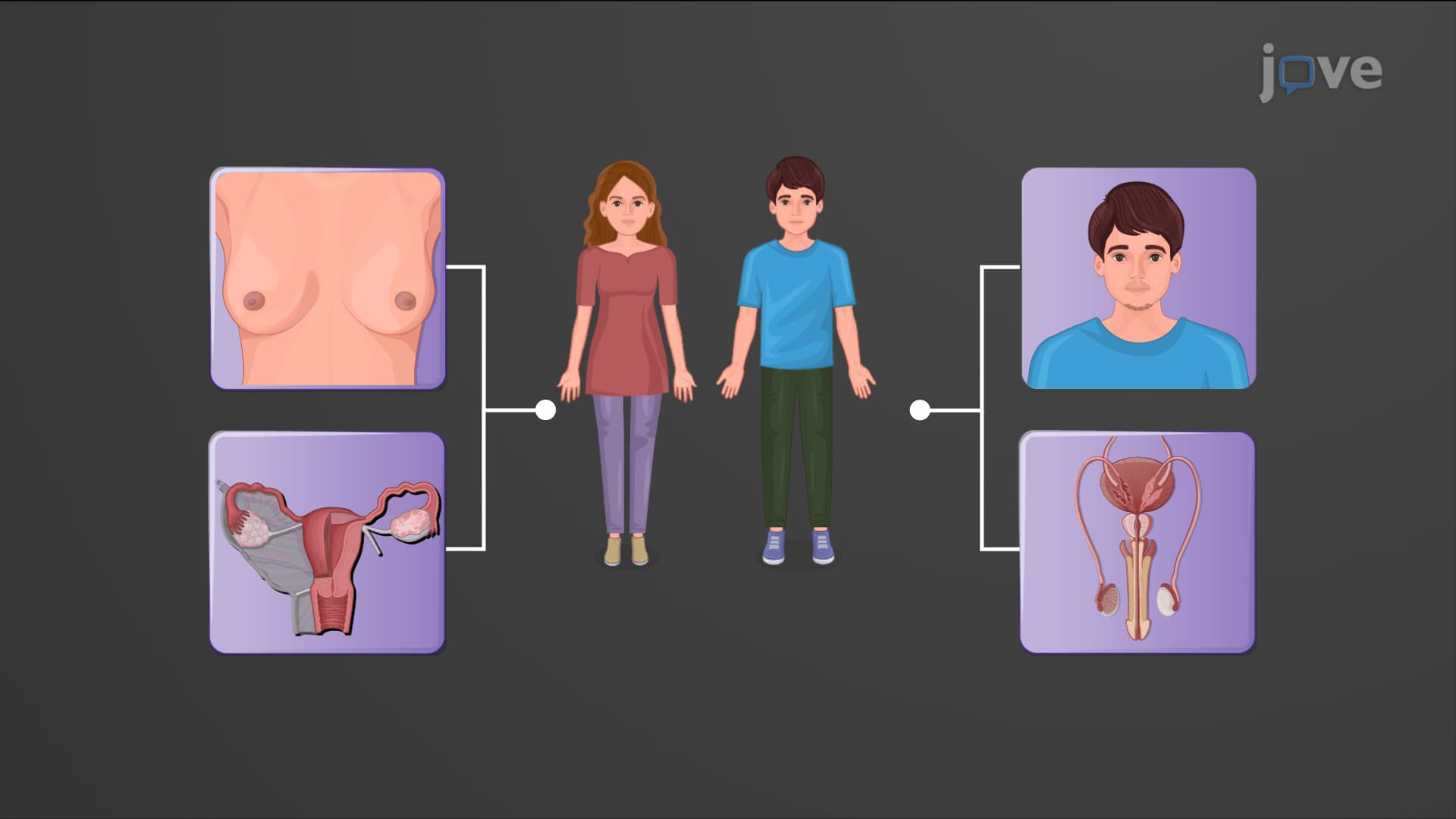
Pituitary disorders, including prolactinomas or genetic conditions like Kallmann syndrome, can disrupt the hormonal signals necessary for normal sperm production. These conditions often present during adolescence when expected pubertal development fails to occur, making early recognition crucial for treatment success.
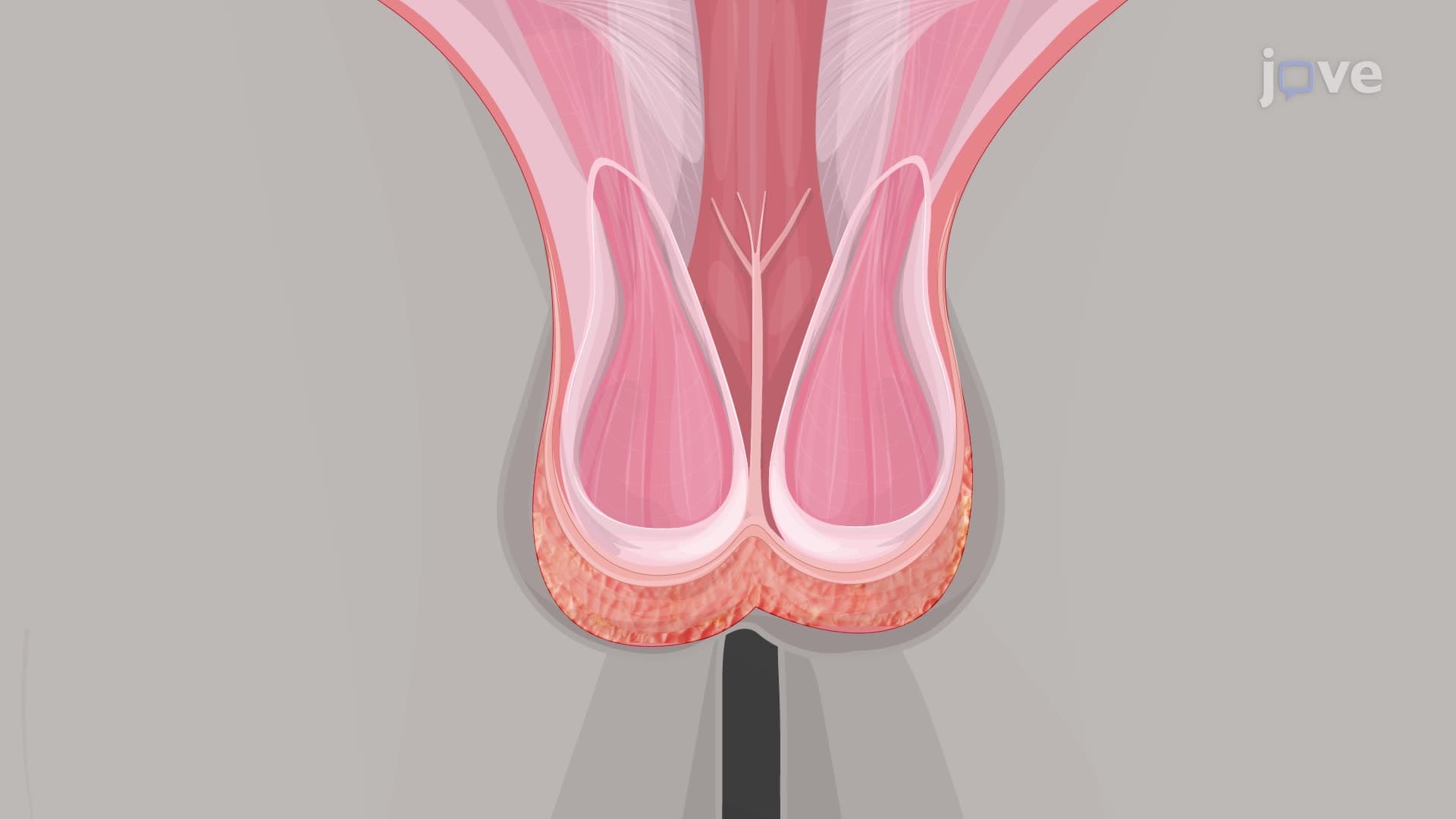
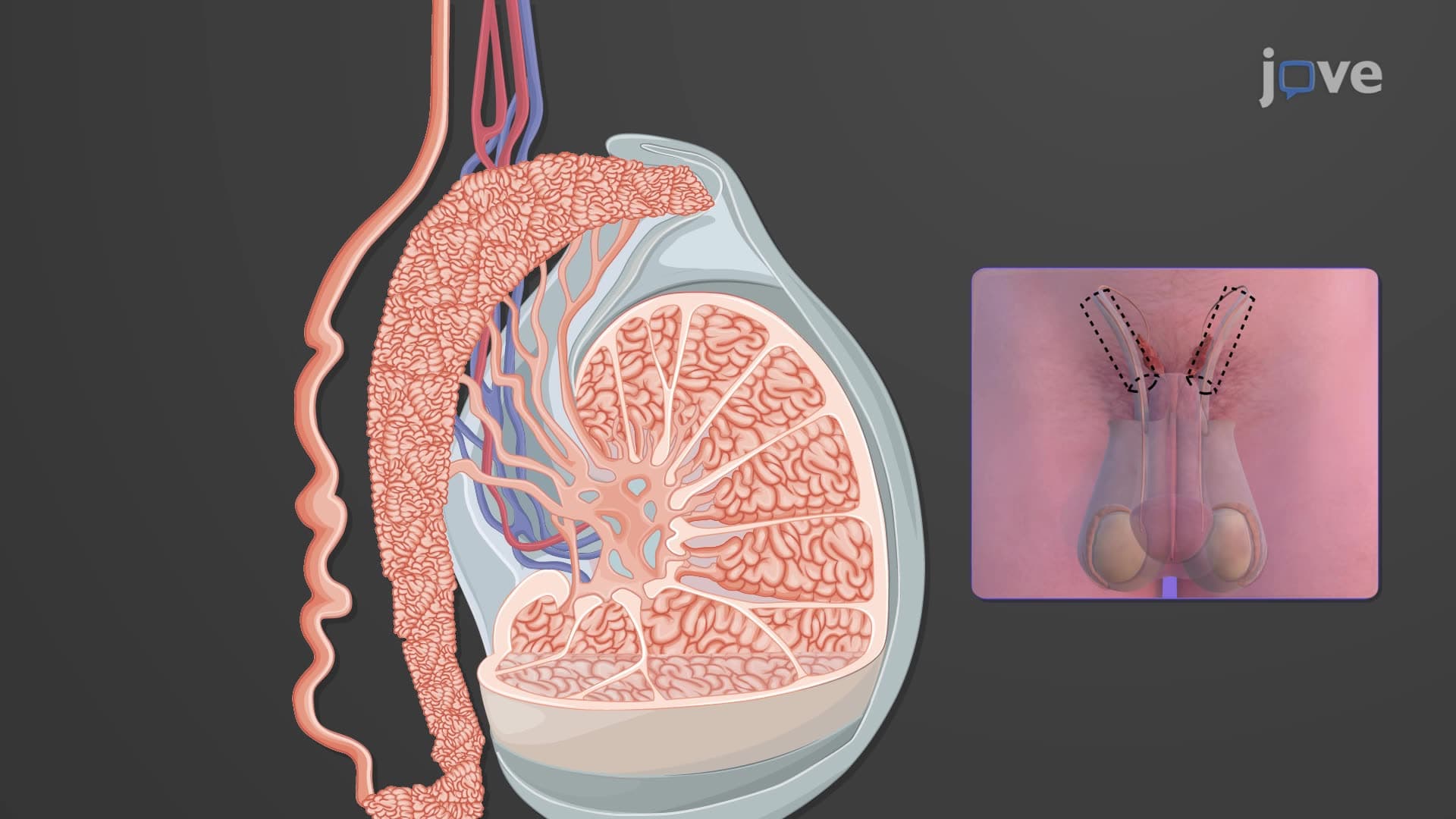
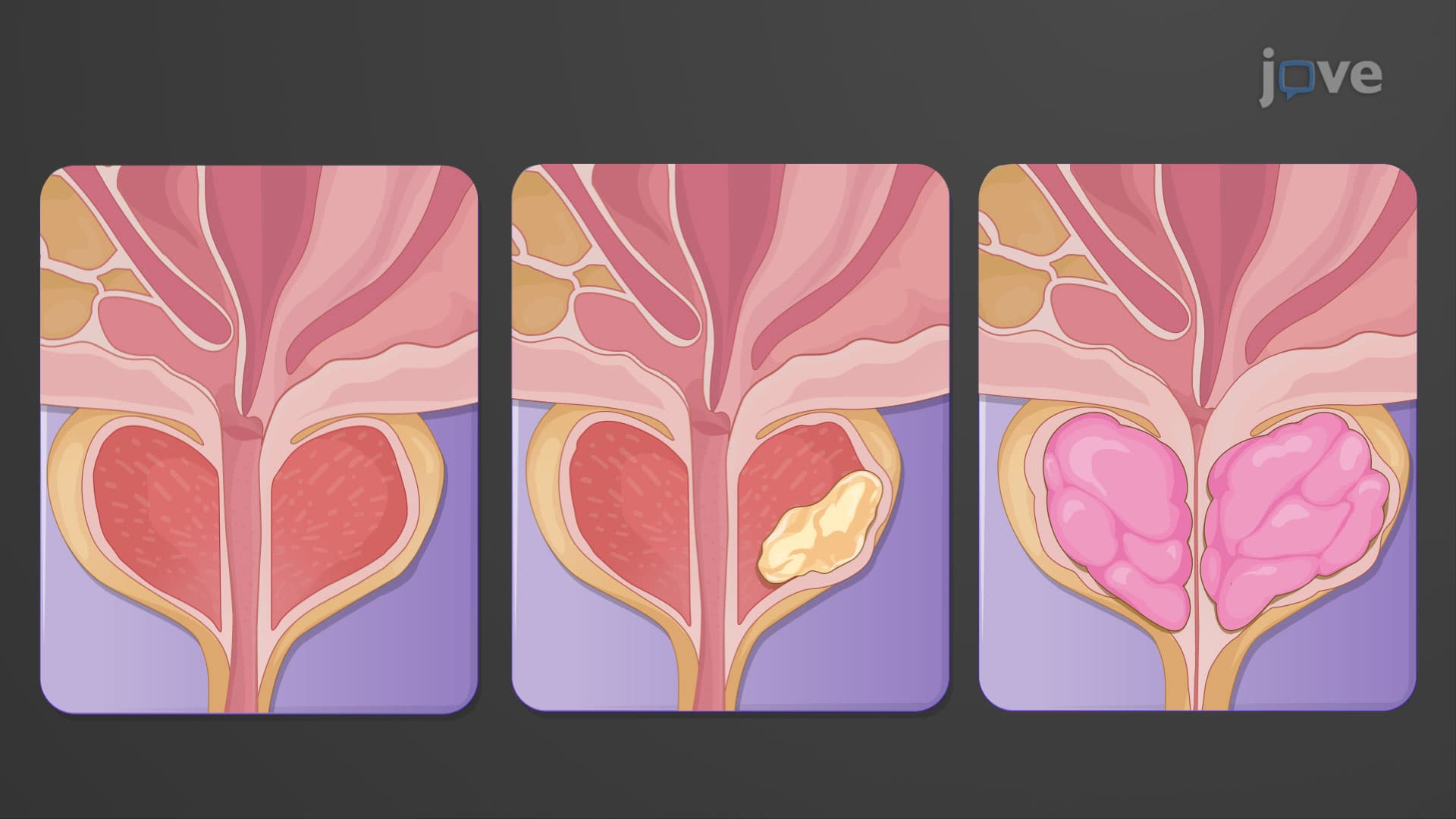
Physical abnormalities represent another major category explaining male infertility causes explained in clinical settings. Varicoceles-enlarged veins in the scrotum-affect about 15% of all men and 35% of men with primary infertility. These vascular abnormalities increase scrotal temperature and may impair sperm production and quality through oxidative stress mechanisms.
Cryptorchidism, or undescended testes, affects roughly 3% of full-term male newborns in the US. When not corrected early in childhood, this condition significantly increases infertility risk due to the higher temperature exposure that damages sperm-producing cells. Even after surgical correction, men with a history of cryptorchidism often experience reduced fertility.
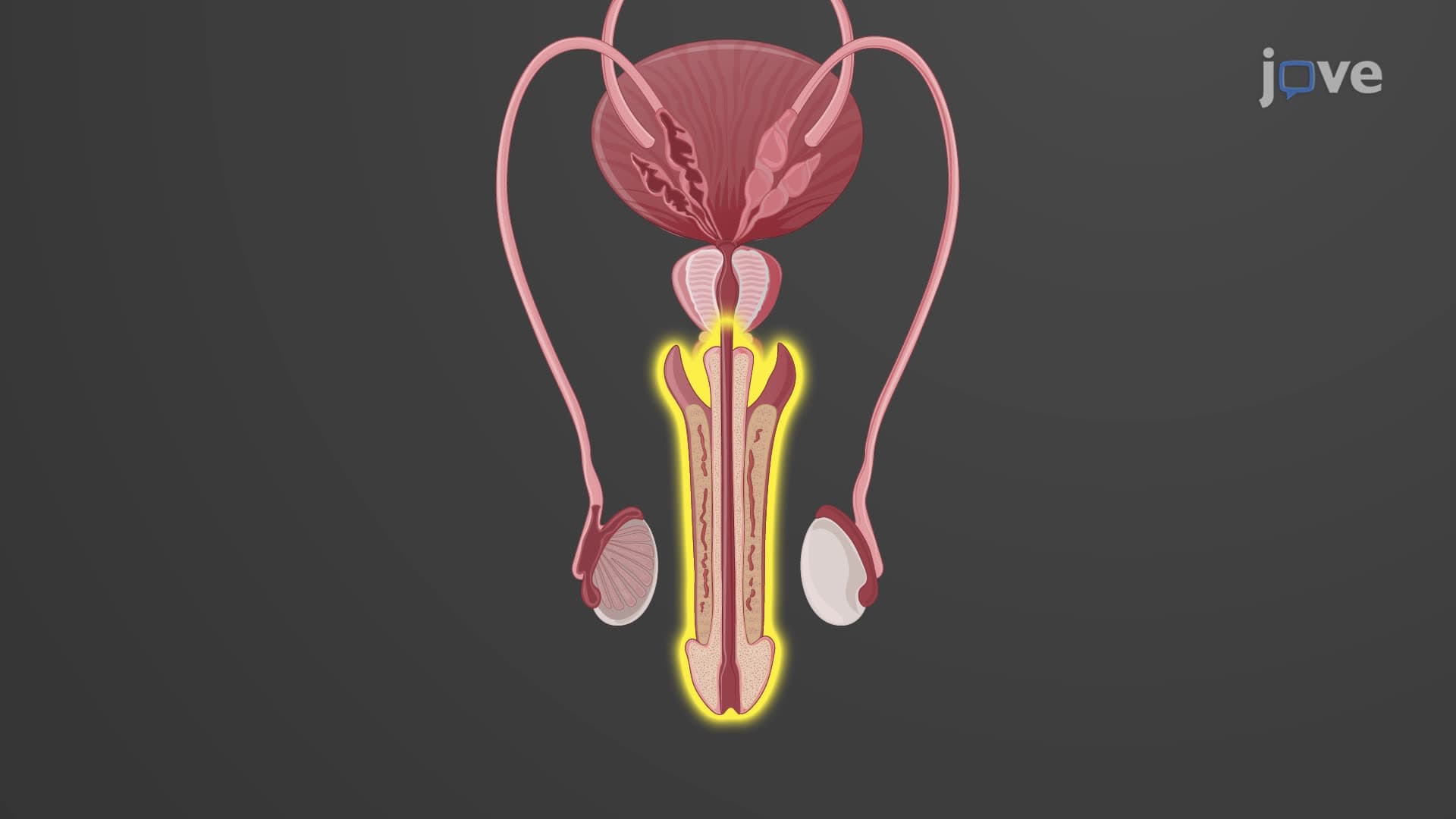
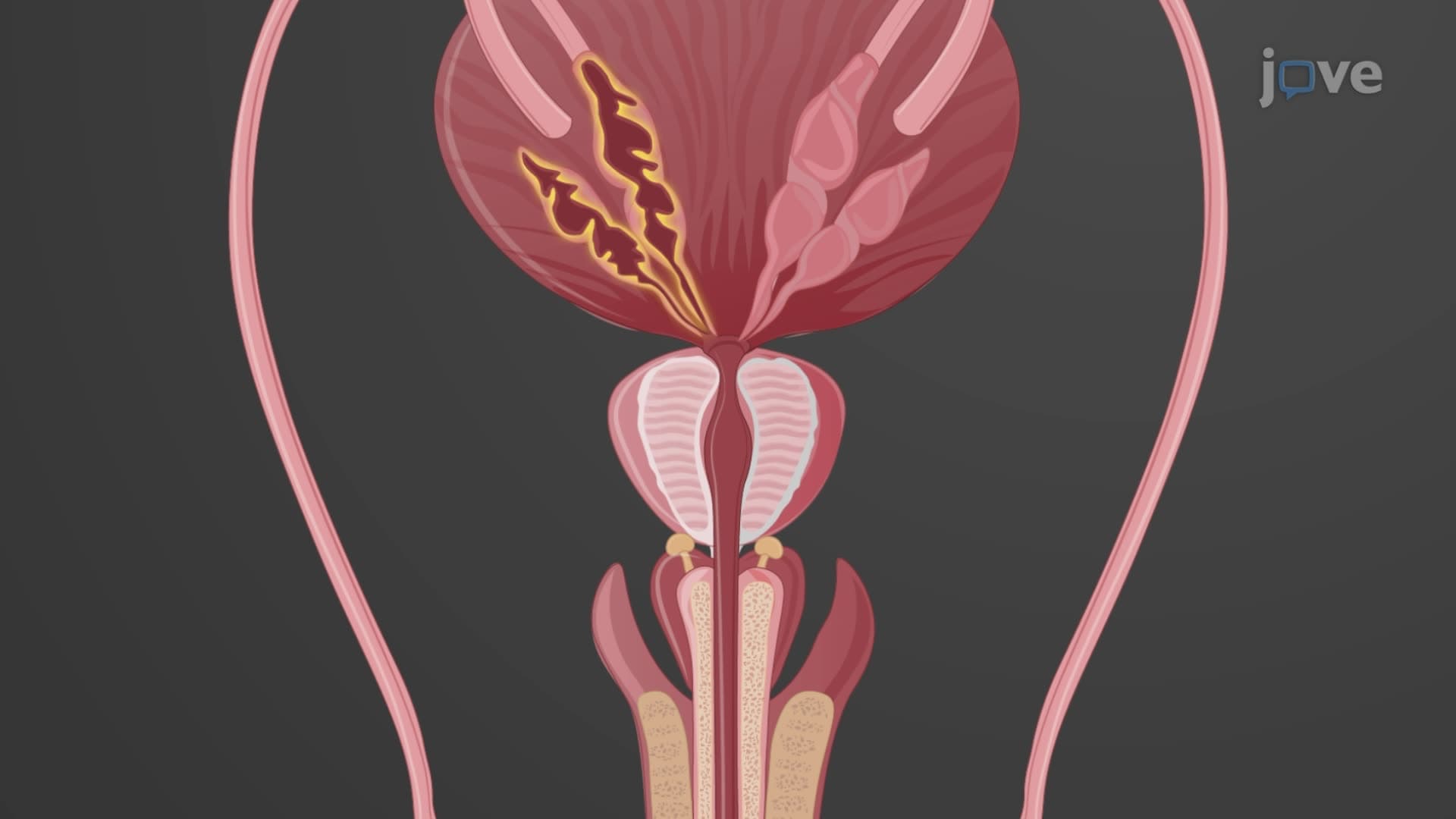
Obstructive causes include congenital absence of the vas deferens, often associated with cystic fibrosis gene mutations, and acquired blockages from infections like epididymitis. These conditions prevent sperm transport even when production remains normal.
Modern treatment approaches for male infertility range from medical management to advanced assisted reproductive technologies. Hormone replacement therapy can effectively treat hypogonadal men, while surgical interventions like varicocelectomy show success rates of 30-50% for improving sperm parameters.
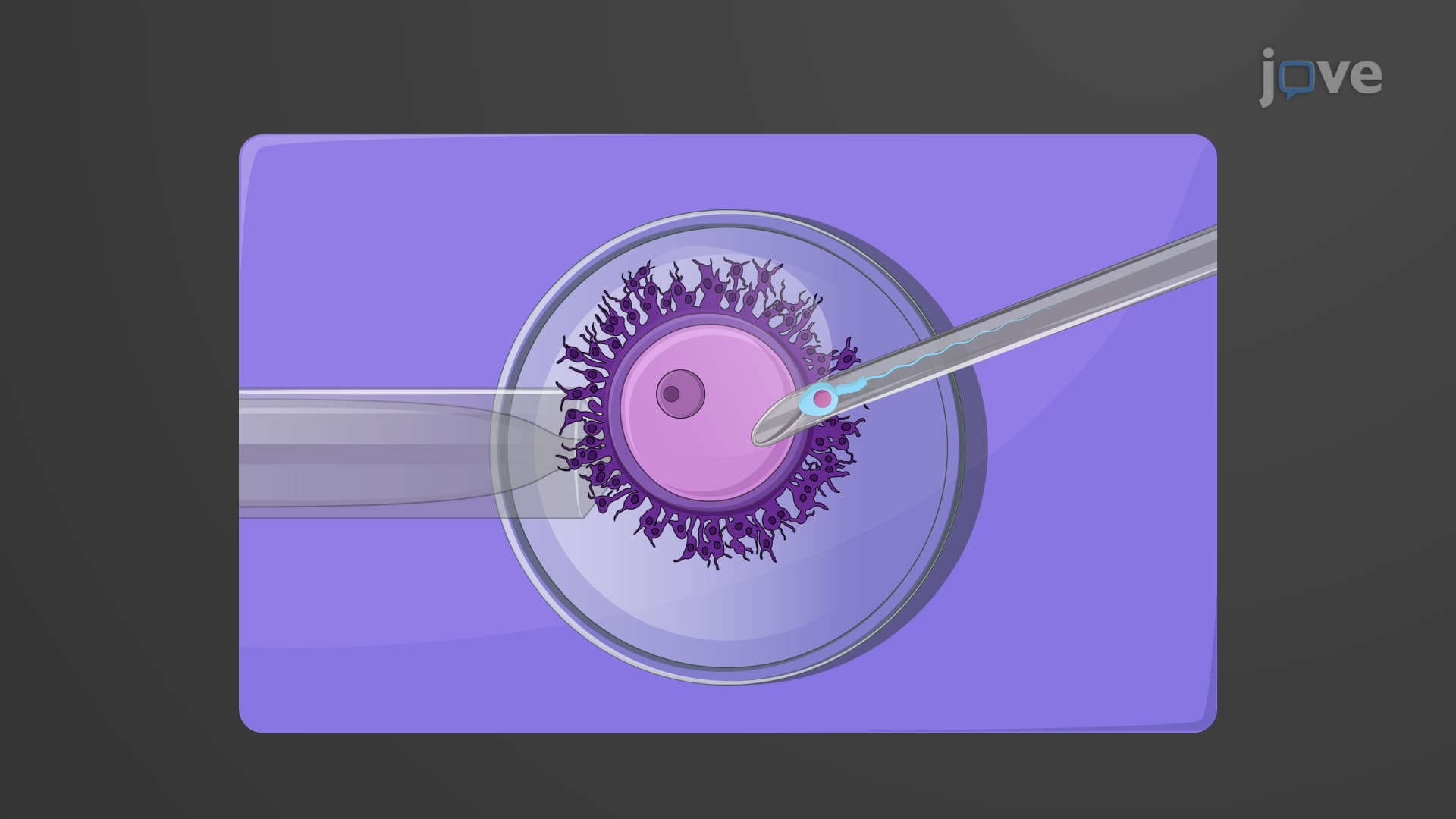
For severe cases involving azoospermia oligospermia male patterns, techniques like testicular sperm extraction (TESE) combined with intracytoplasmic sperm injection (ICSI) offer hope for biological parenthood. These procedures, commonly performed at major US fertility centers like those at Johns Hopkins and the Mayo Clinic, have revolutionized treatment for previously untreatable male infertility.
Students preparing for the MCAT or AP Biology exams should understand how these concepts connect to broader themes in human physiology and genetics, as questions often integrate male reproductive biology with endocrine function and inheritance patterns.
Related Micro-courses