Loading subject page…

Micro-course: The Reproductive System
141,002 views
Learn key concepts and earn your certificate.

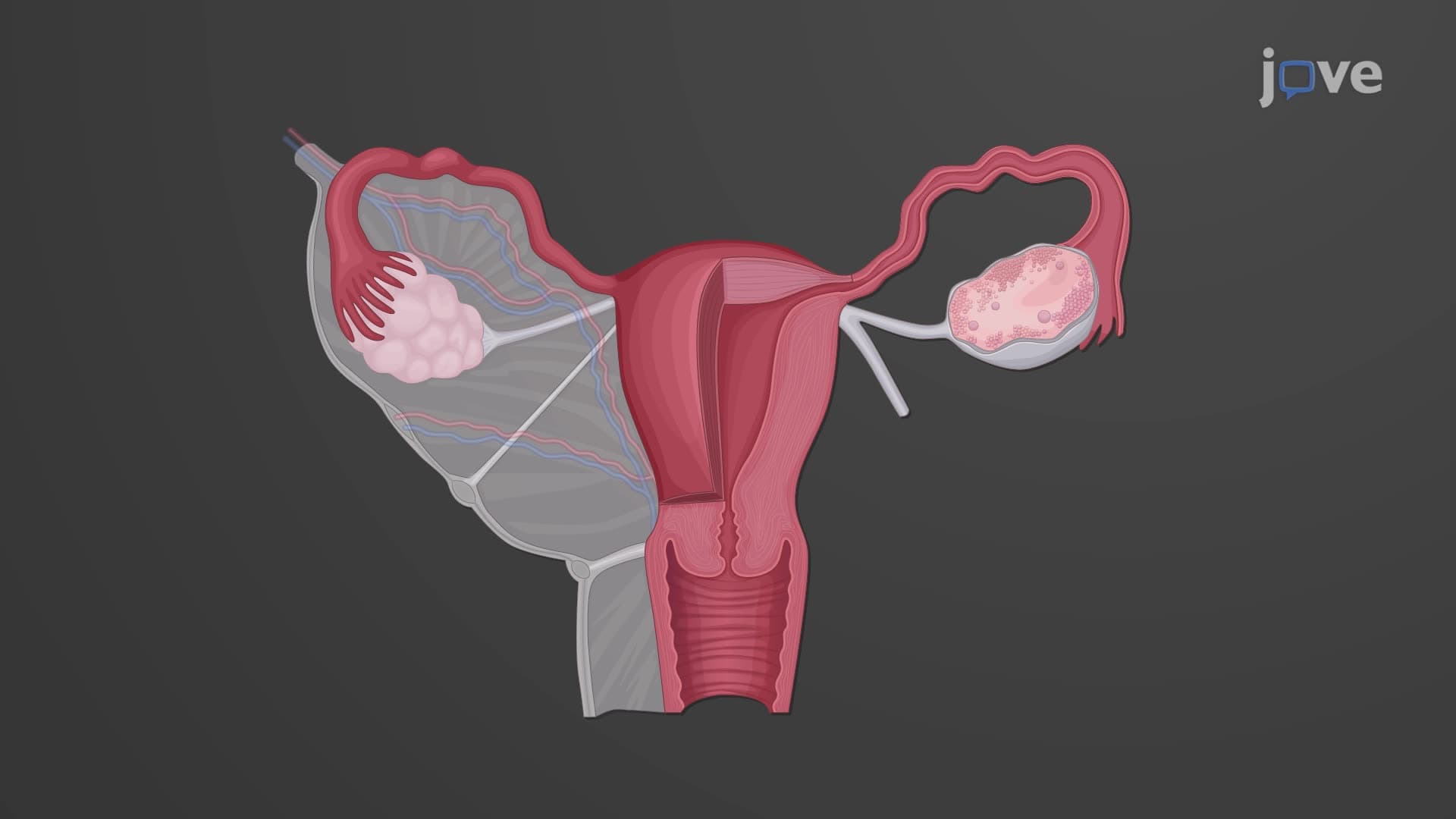
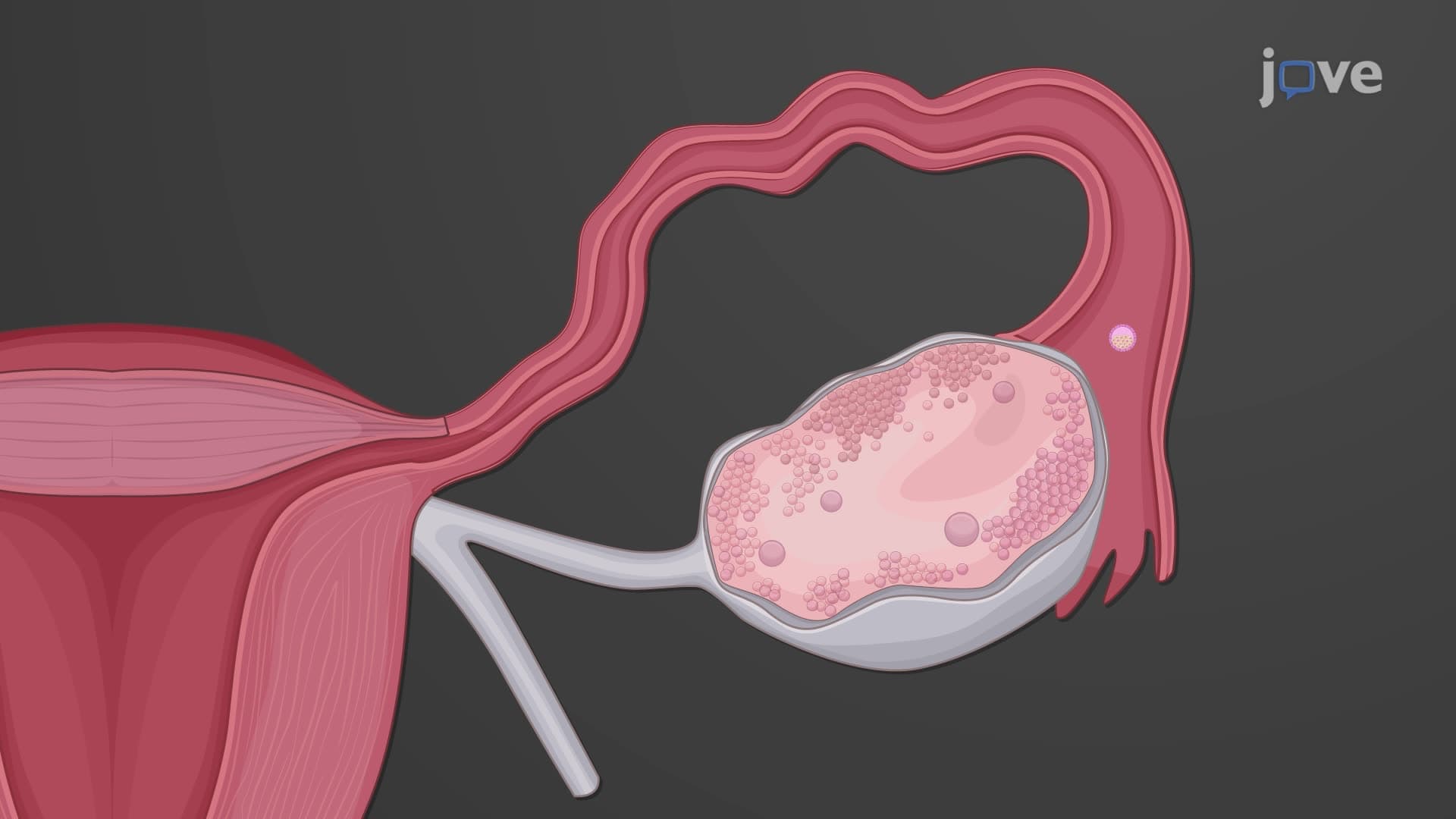

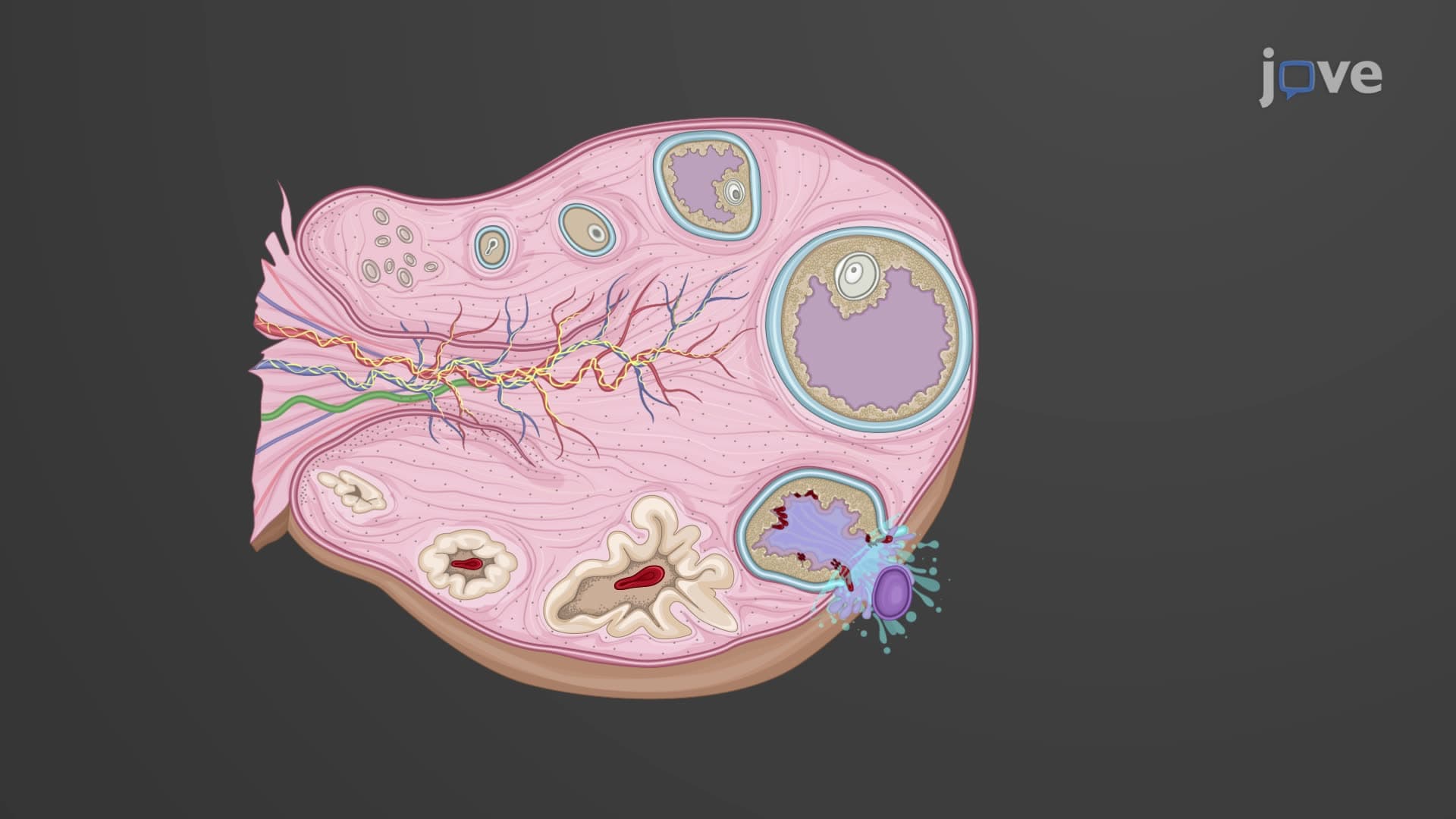
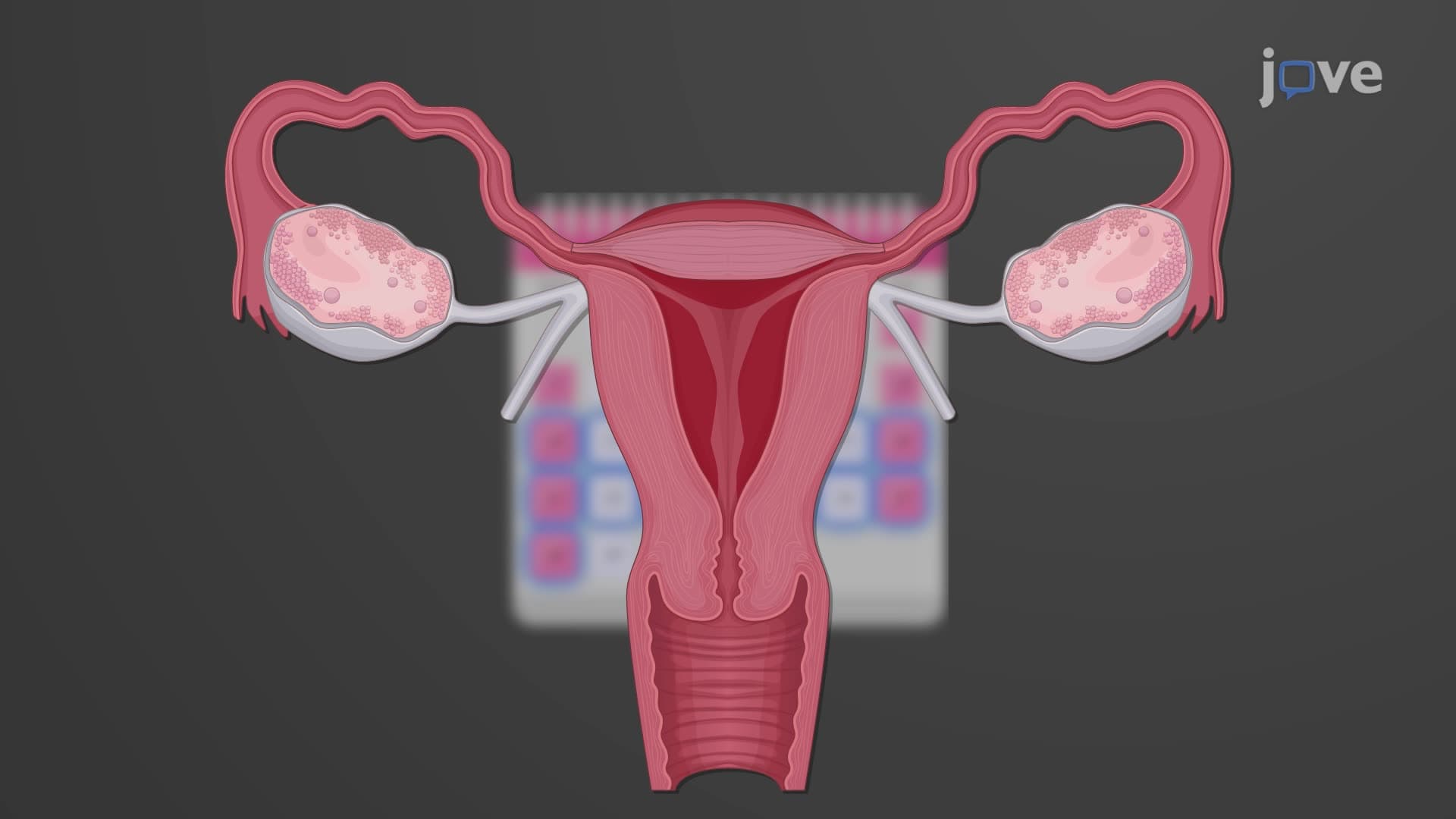

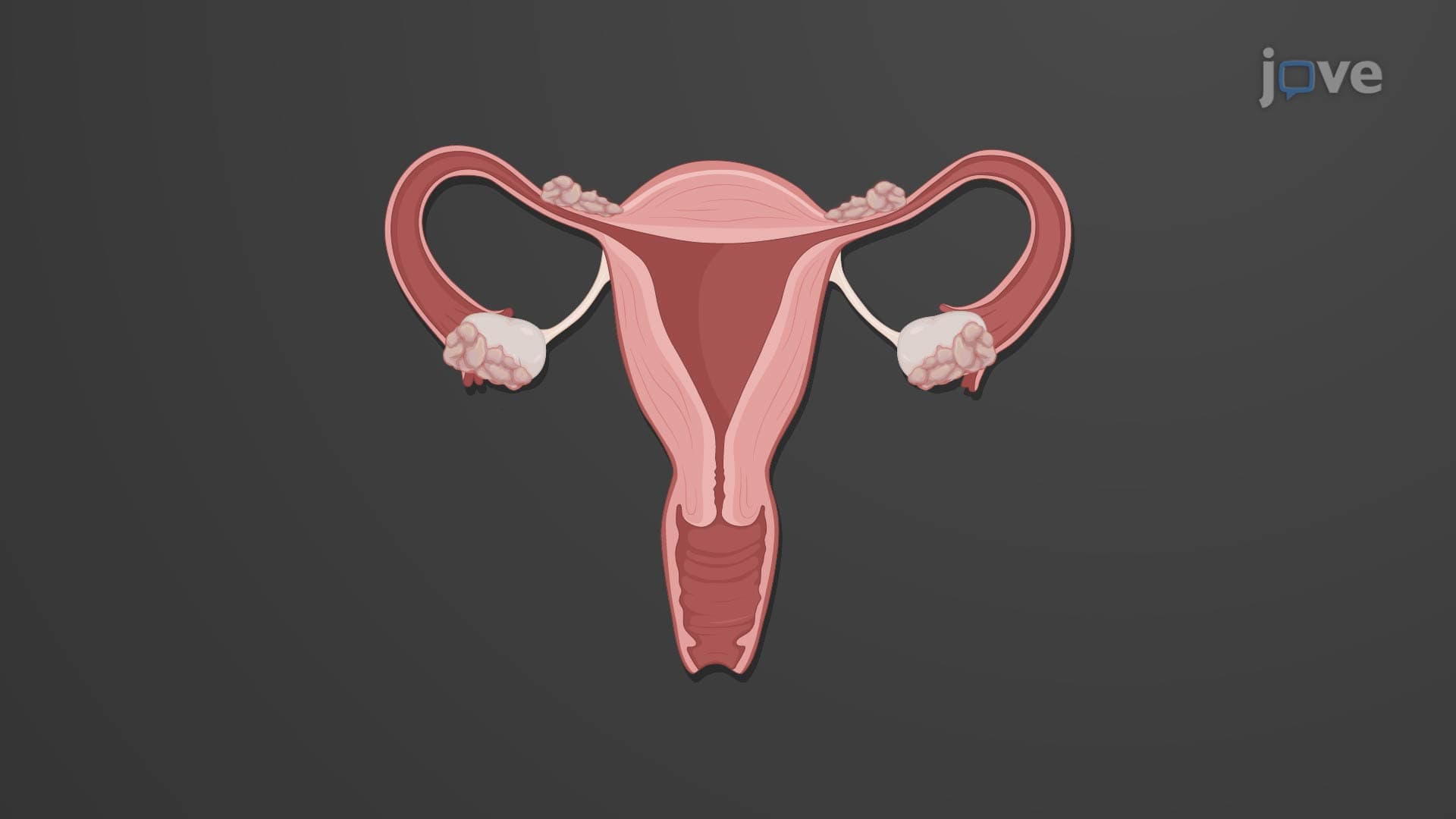
Menopause

00:00
01:28
Video Summary: What Is Menopause
Did you know that the average American woman will spend one-third of her life in a post-menopausal state? Menopause biology explained reveals how declining ovarian function fundamentally transforms female reproductive physiology between ages 46-54. Consider that nearly 6,000 women in the United States reach menopause daily, experiencing dramatic hormonal shifts that affect everything from bone density to mood regulation. What is menopause becomes clear when we examine the complex interplay between declining estrogen, irregular menstrual cycles, and the 12-month amenorrhea milestone that officially marks this biological transition. Watch the full video on JoVE Coach to master this concept with expert-led visuals and step-by-step explanations.
- Understand what is menopause and distinguish between perimenopause, menopause, and post-menopause phases in female reproductive biology
- Identify the hormonal mechanisms underlying ovarian failure and estrogen decline that characterize menopausal transition
- Analyze how declining gonadotropin responsiveness leads to irregular menstrual cycles and eventual amenorrhea
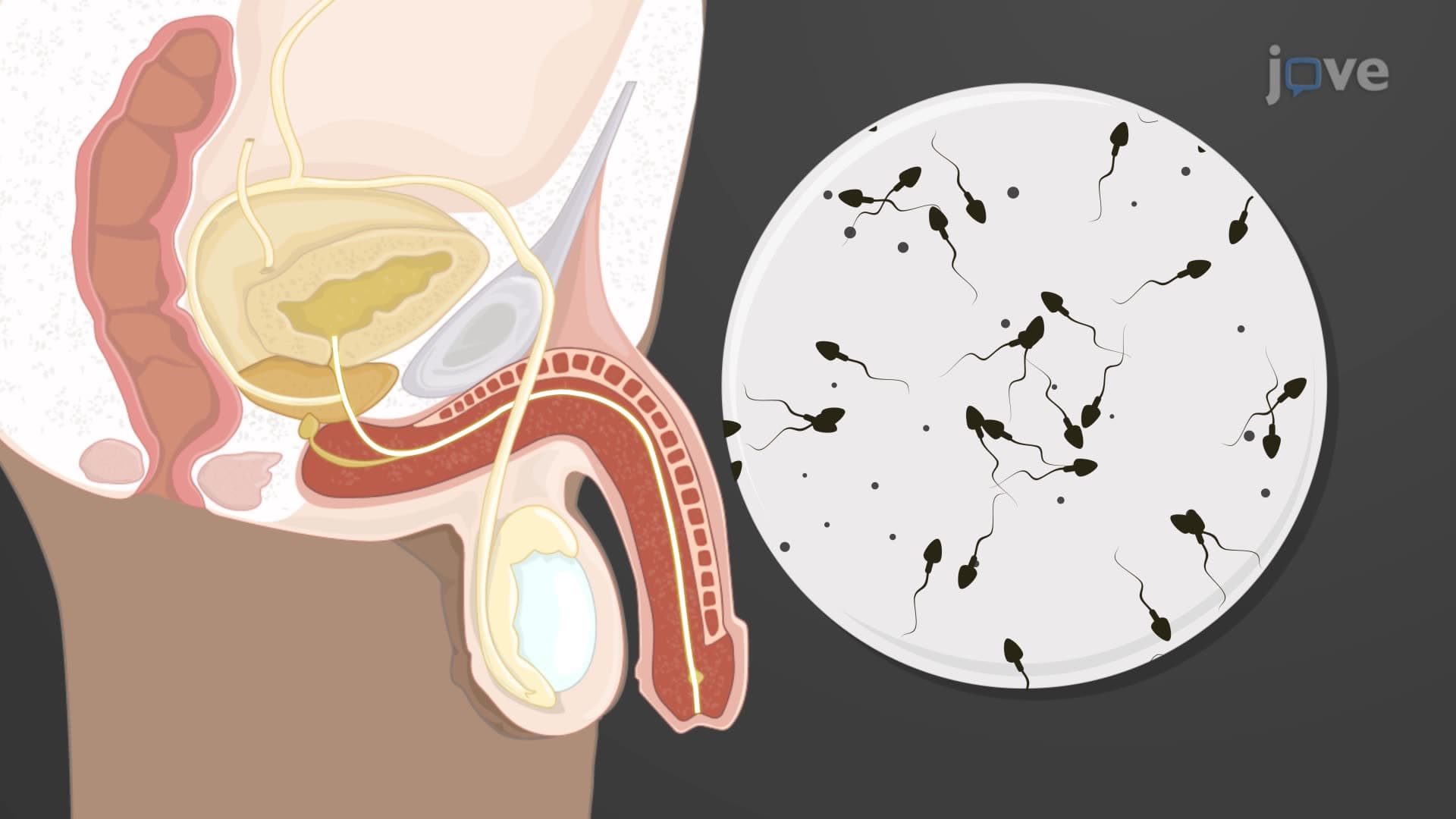
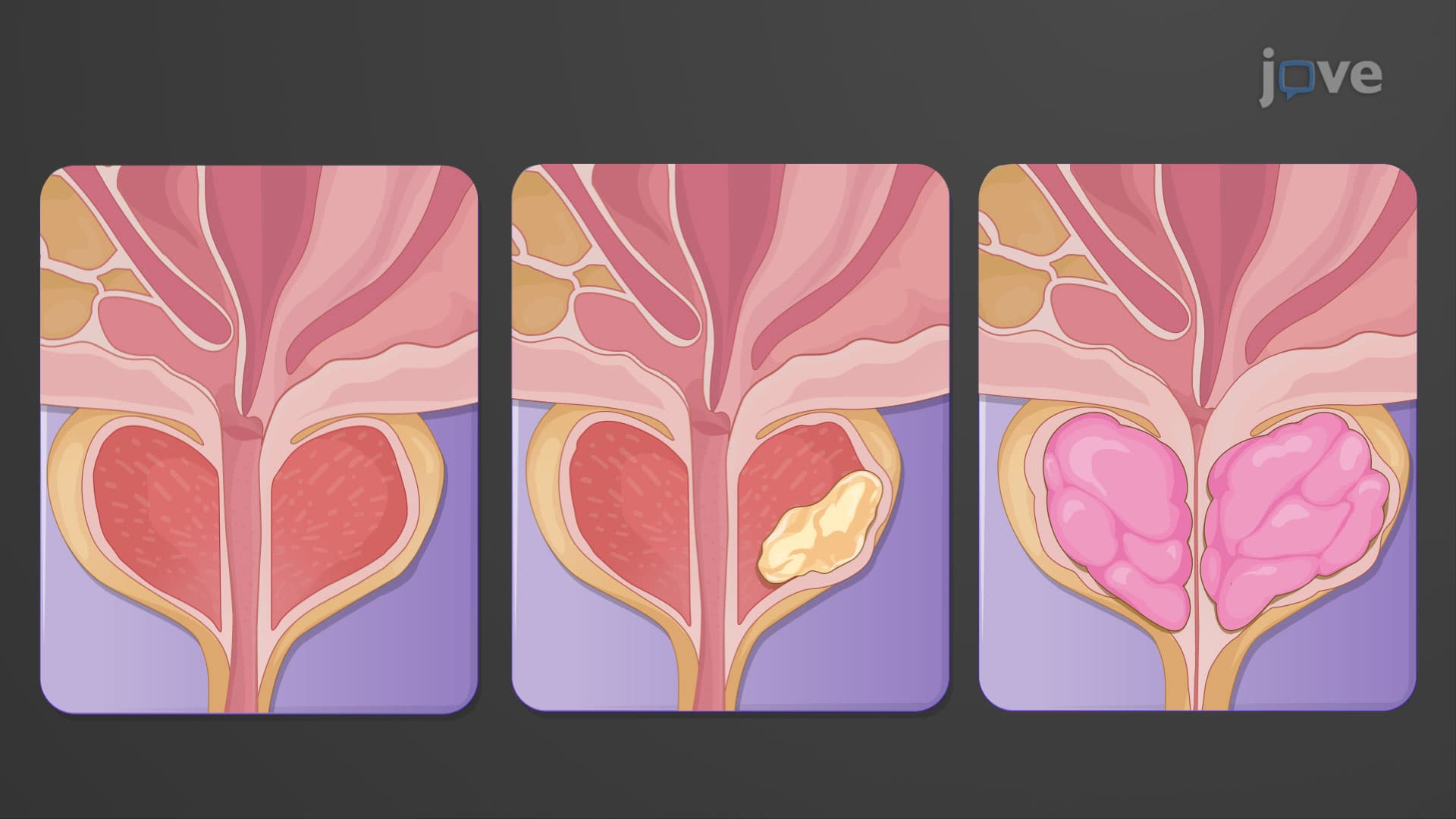
- Compare reproductive aging patterns between males and females, recognizing the gradual versus abrupt nature of hormonal changes
- Evaluate the systemic effects of estrogen deficiency on bone mineral density, cardiovascular health, and psychological well-being
- Apply knowledge of menopausal physiology to understand clinical symptoms like hot flashes, mood changes, and urogenital atrophy
- Recognize the relationship between adrenal sex steroids and maintained libido in post-menopausal women
- Explore connections between menopausal biology and long-term health considerations in aging female populations
Understanding Female Reproductive Aging and Menopause
Menopause biology explained through the lens of reproductive endocrinology reveals a complex cascade of hormonal changes that fundamentally alter female physiology. Unlike male reproductive aging, which occurs gradually over decades, female menopause physiology represents a relatively abrupt cessation of ovarian function that typically occurs between ages 46-54 in American women.
The Three Phases of Menopausal Transition
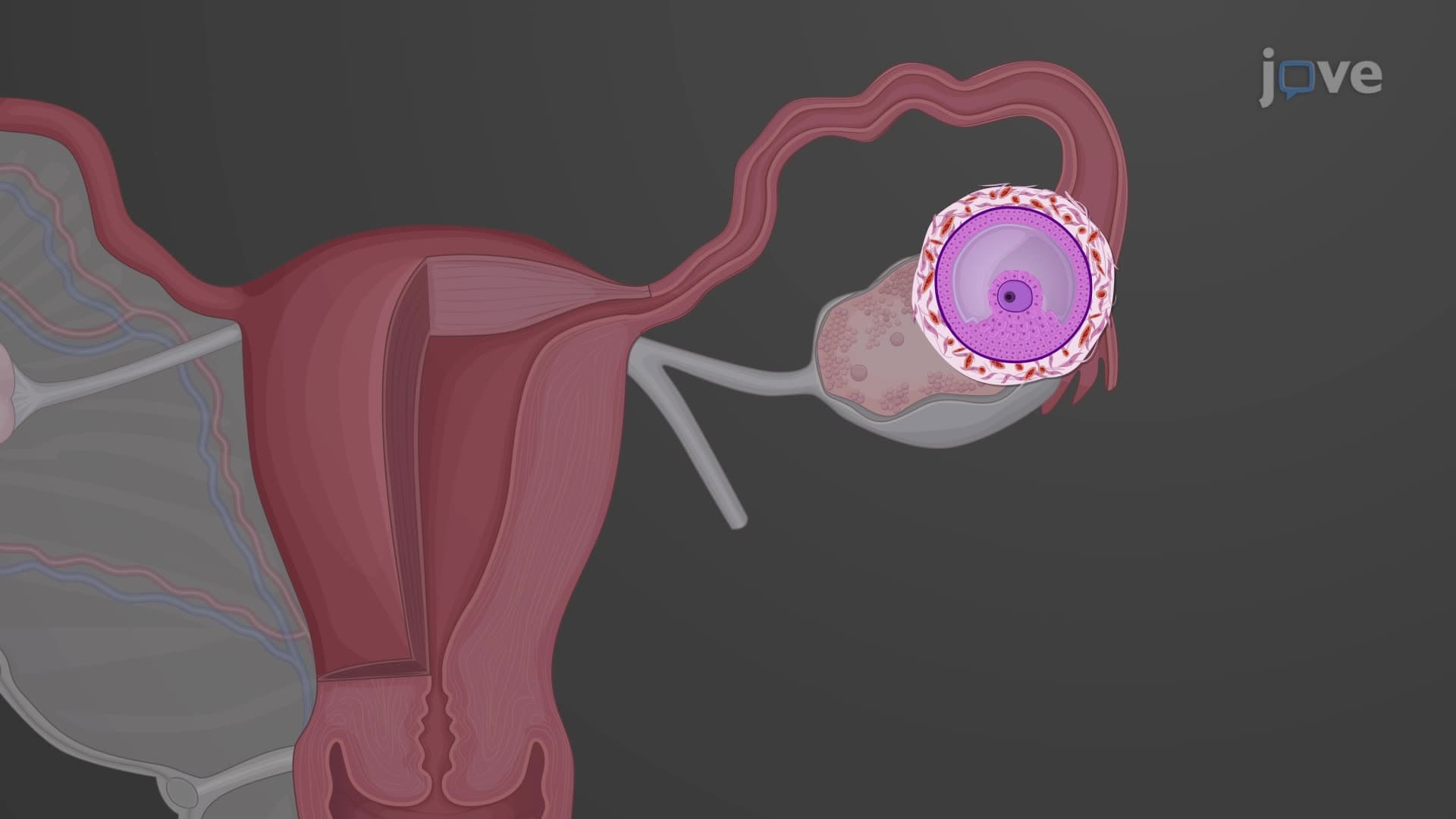
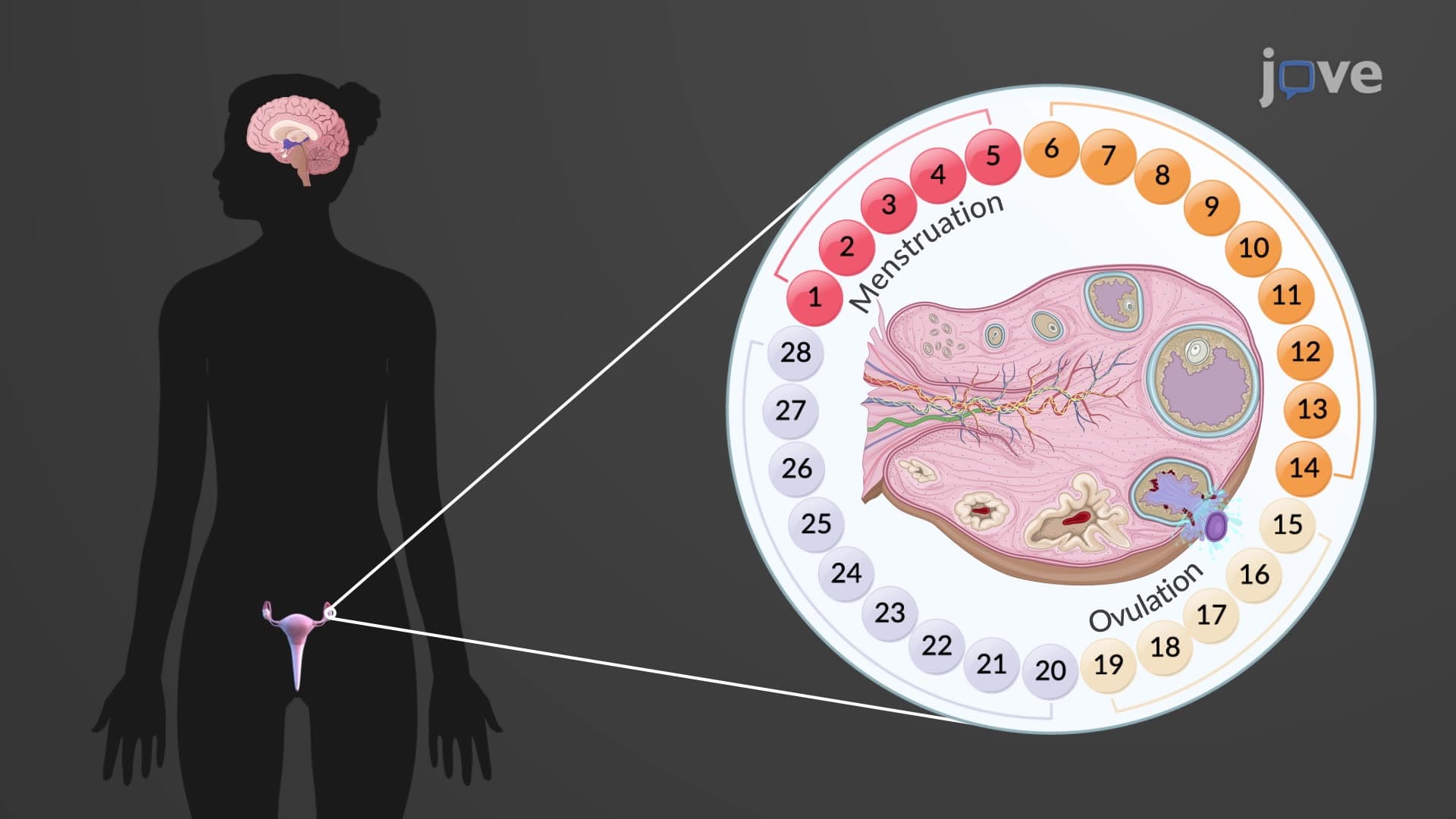
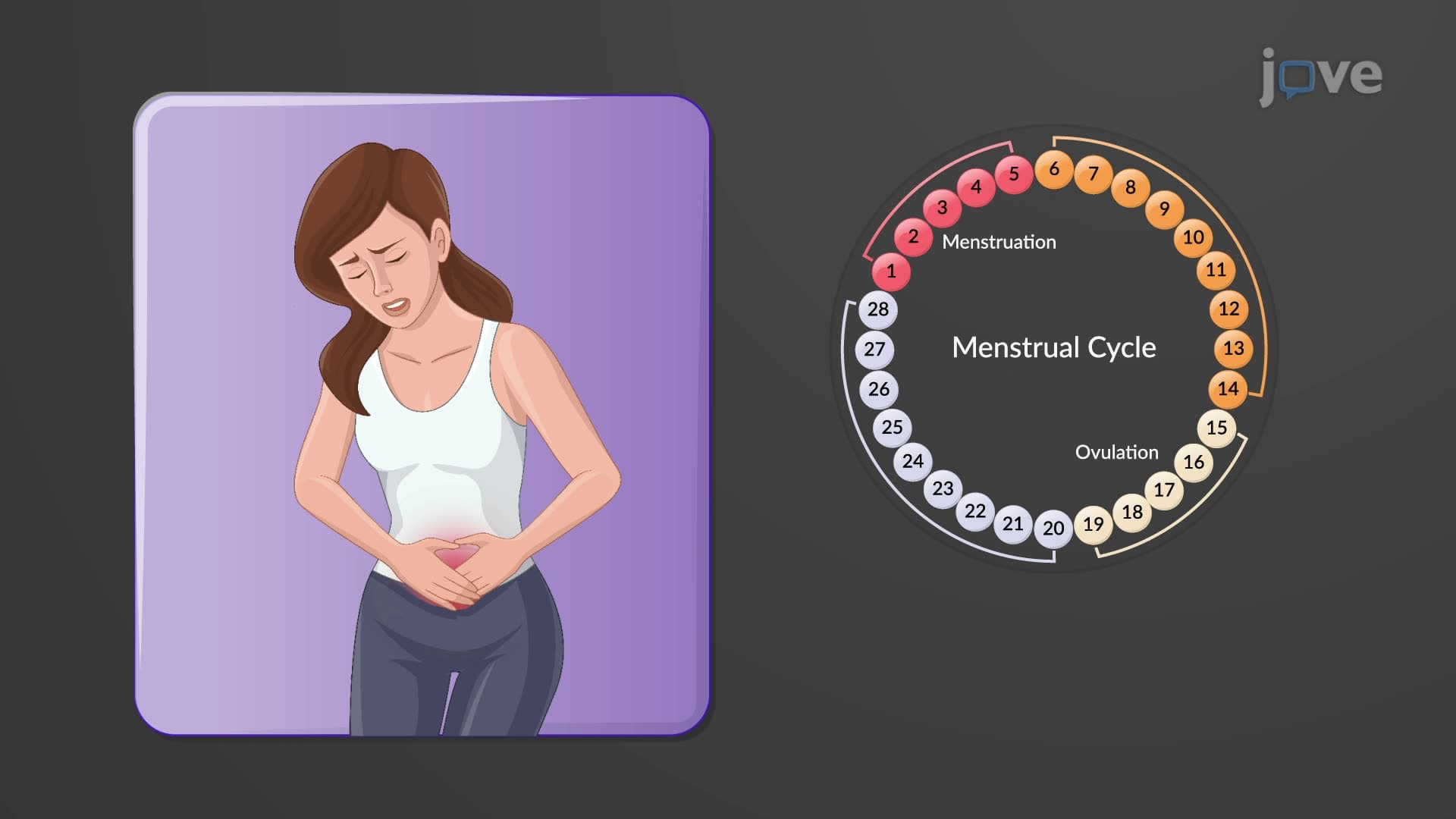
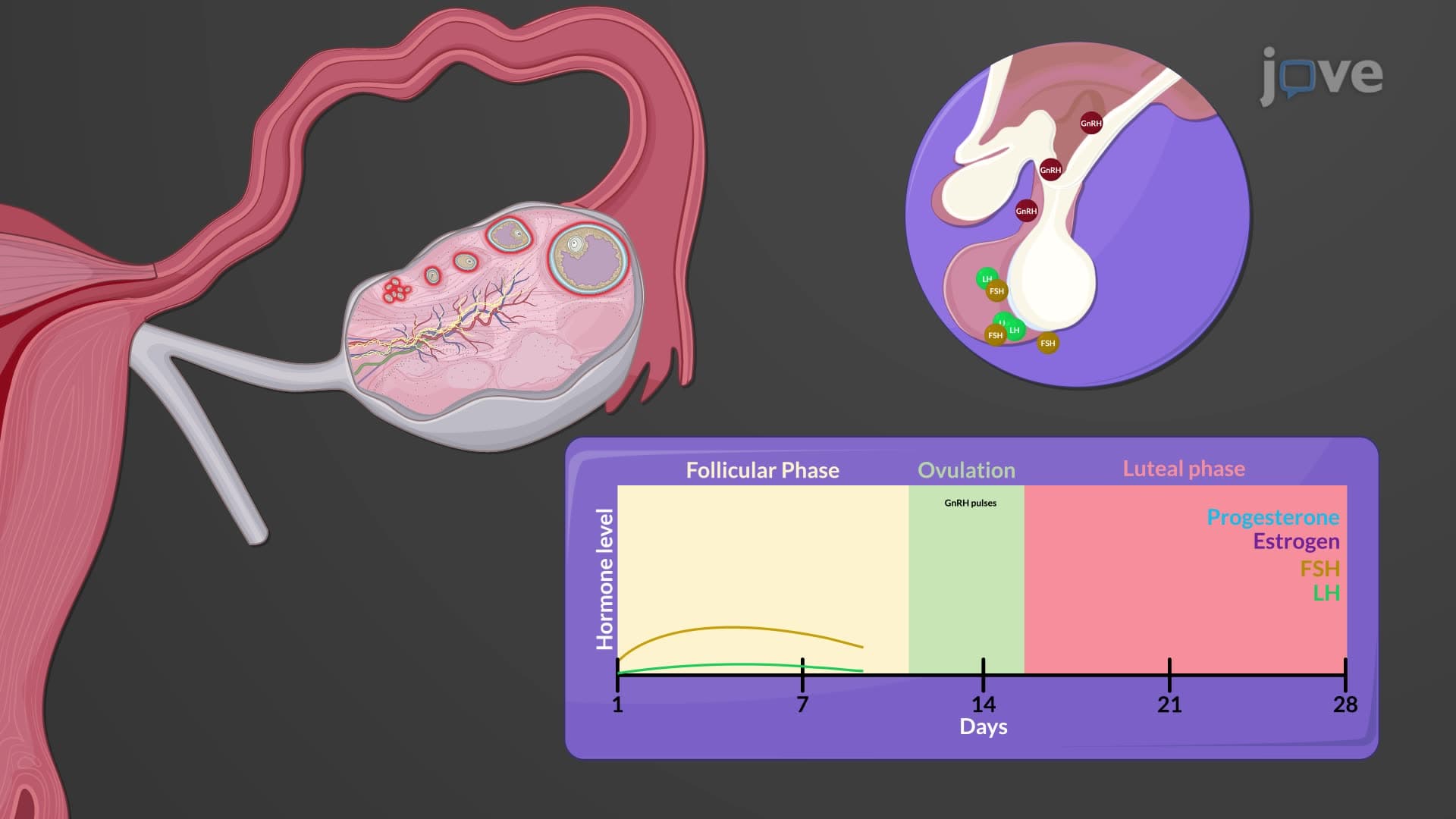
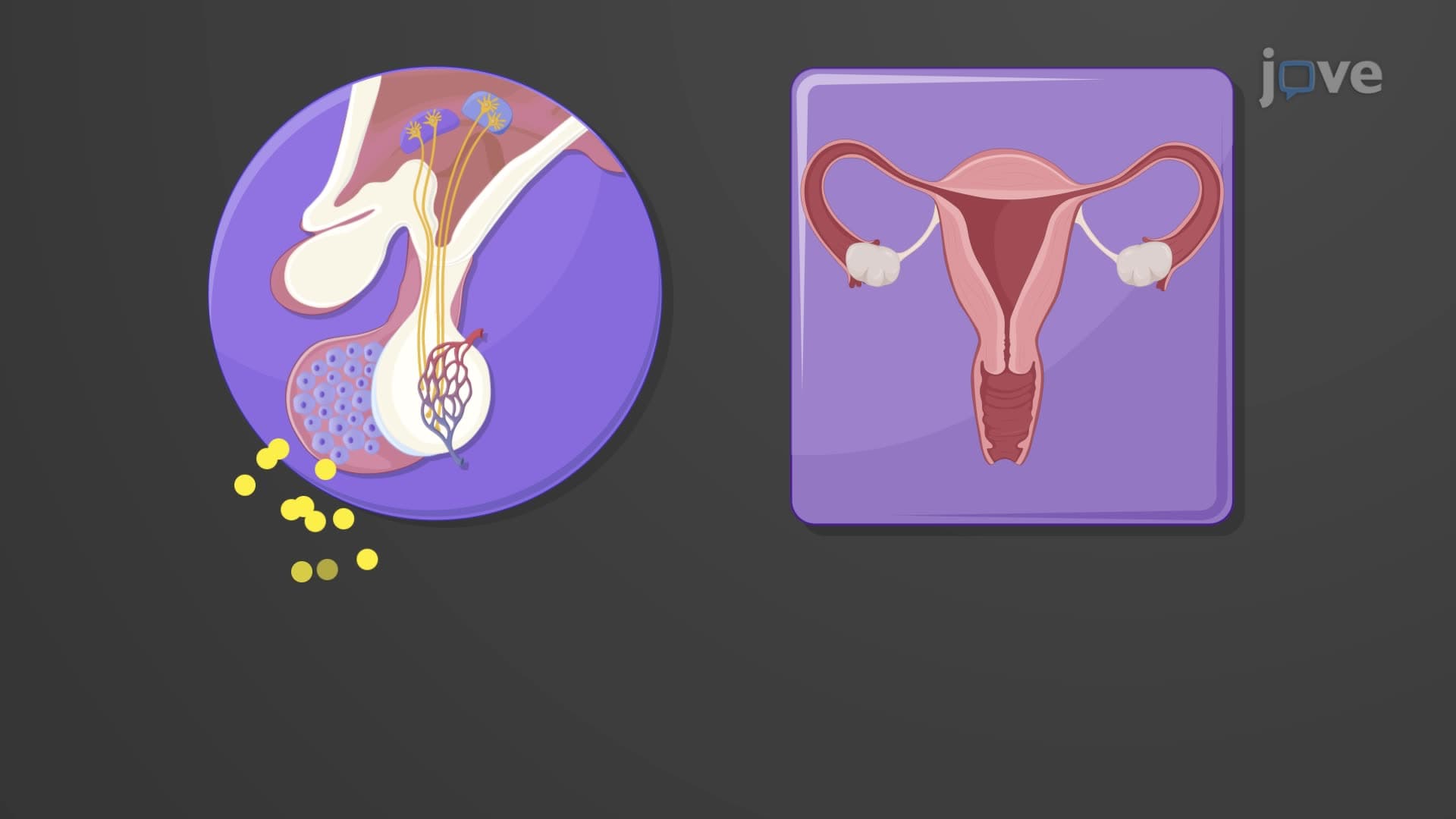
The menopausal journey unfolds in distinct phases that reflect progressive ovarian failure menopause mechanisms. Perimenopause marks the initial transition phase, characterized by irregular menstrual cycles as ovarian responsiveness to follicle-stimulating hormone (FSH) and luteinizing hormone (LH) diminishes. During this phase, estrogen decline menopause begins gradually, leading to perimenopause menstrual change patterns that can span 2-8 years.
Menopause itself is clinically defined as 12 consecutive months of amenorrhea, marking complete cessation of ovarian hormone production. Post-menopause encompasses all years following this milestone, during which women experience the long-term consequences of sustained estrogen deficiency.
Hormonal Mechanisms and Physiological Consequences
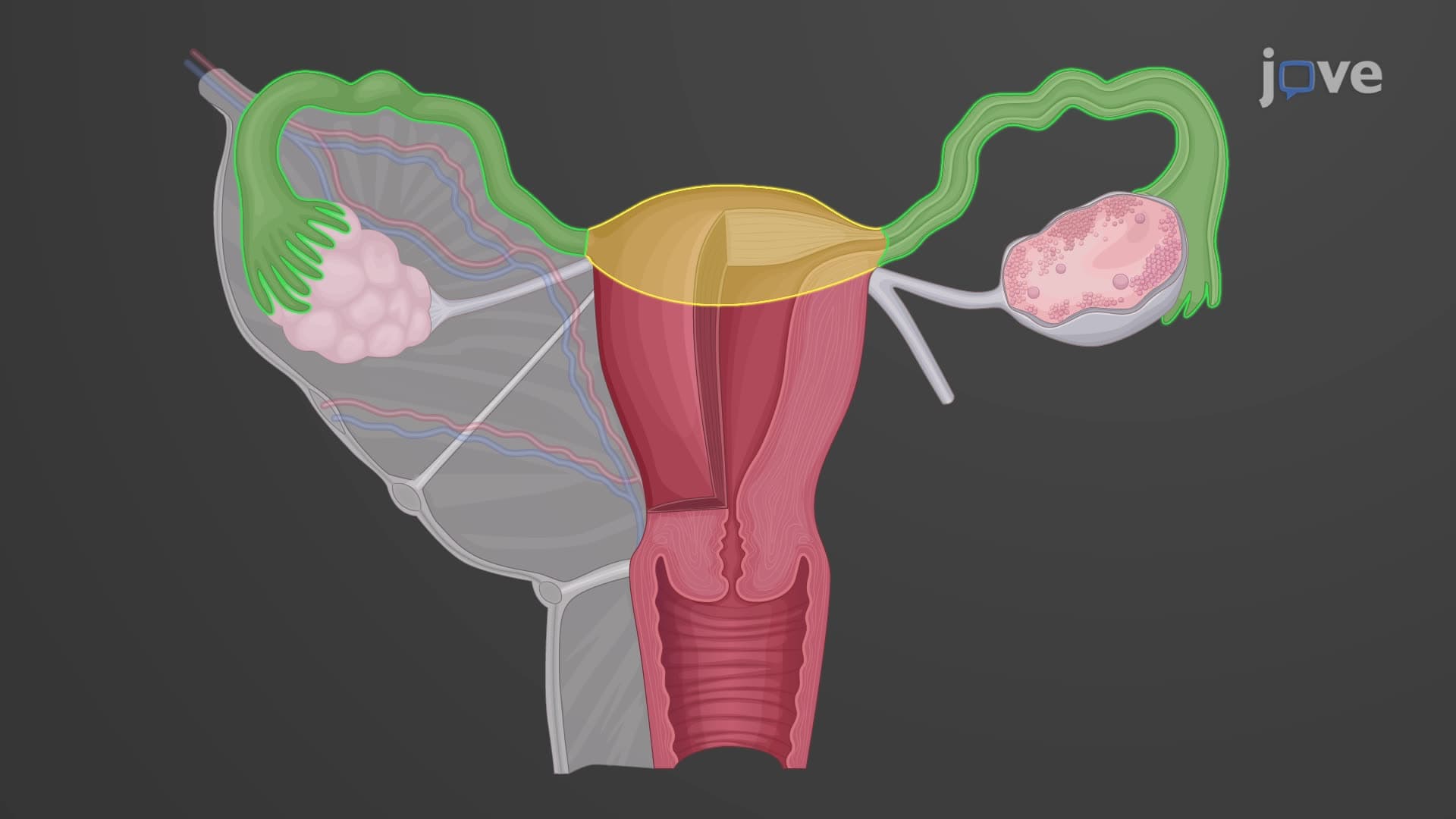
Menopause symptoms biology stems from dramatic reductions in estradiol production, dropping from reproductive levels of 100-400 pg/mL to post-menopausal levels below 20 pg/mL. This estrogen decline menopause pattern triggers compensatory increases in FSH and LH as the hypothalamic-pituitary axis attempts to stimulate unresponsive ovarian follicles.
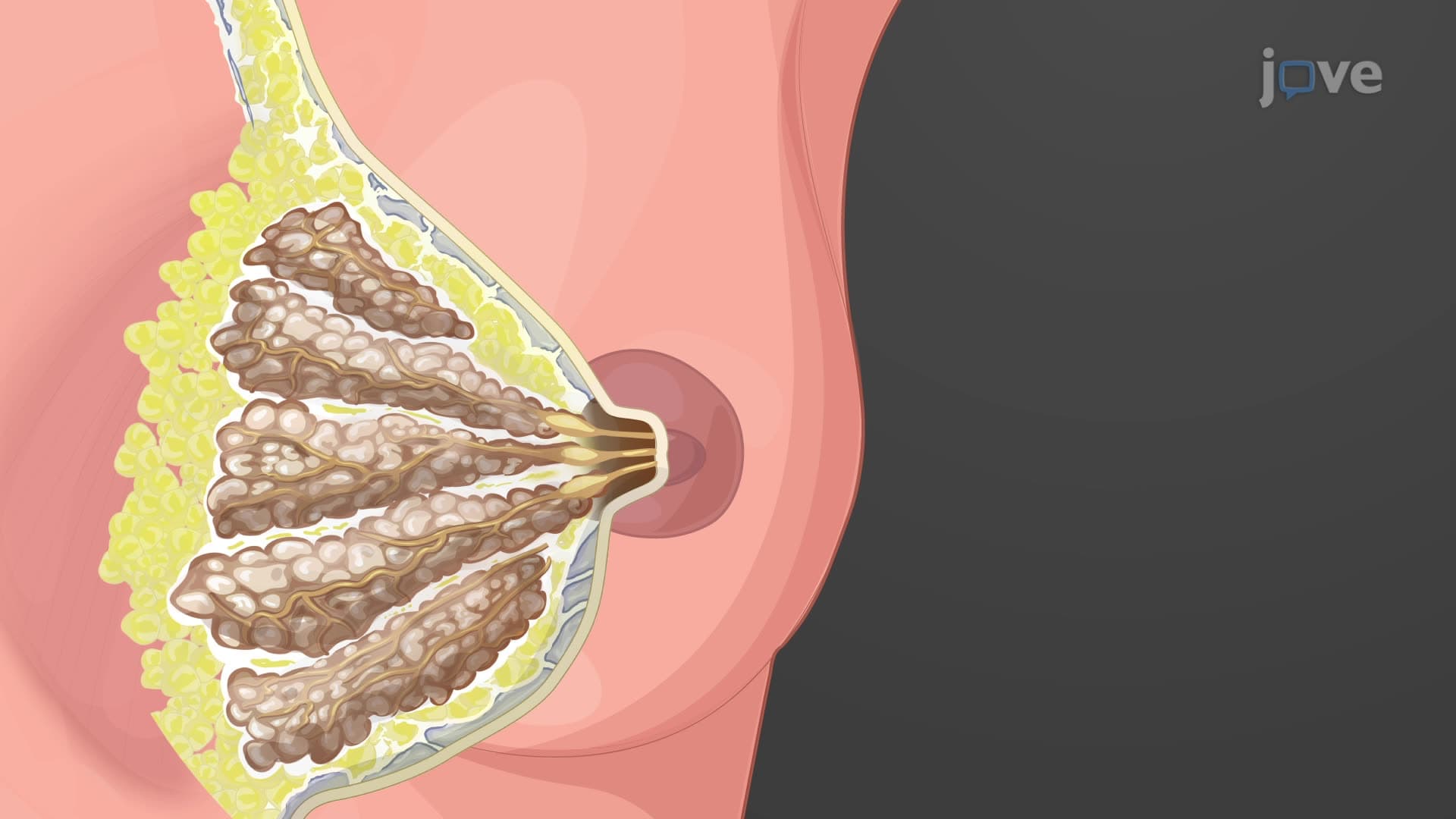
The systemic effects extend far beyond reproductive function. Estrogen receptors throughout the body-in bone, cardiovascular tissue, brain, and skin-lose their primary ligand, leading to widespread physiological changes. Bone mineral density decreases at rates of 1-3% annually during early menopause, significantly increasing osteoporosis risk. Cardiovascular protection previously afforded by estrogen diminishes, contributing to increased heart disease risk in post-menopausal women.
Clinical Relevance and Examination Applications
Understanding climacteric menopause biology proves essential for AP Biology students studying endocrine system regulation and for pre-med students preparing for MCAT passages on reproductive physiology. College anatomy and physiology courses frequently examine menopausal hormone replacement therapy mechanisms, while nursing students encounter menopausal health management in NCLEX-RN preparation.
Healthcare providers must recognize that while adrenal androgens may preserve some sexual desire post-menopause, the dramatic hormonal shifts require comprehensive management strategies addressing both immediate symptoms and long-term health risks.
Frequently Asked Questions
Menopause is the permanent cessation of menstrual periods caused by ovarian failure, officially diagnosed after 12 consecutive months without menstruation. This natural biological process typically occurs between ages 46-54 in American women, with an average age of 51, marking the end of reproductive capability due to depleted ovarian follicles and dramatically reduced estrogen production.
Menopause frequently appears in AP Biology Unit 7 (Natural Selection) and MCAT Biological Sciences passages focusing on endocrine system feedback loops. Expect questions about negative feedback mechanisms involving FSH/LH regulation, estrogen's role in bone metabolism, and evolutionary perspectives on reproductive aging. Focus on understanding hormone level changes and physiological consequences rather than memorizing specific age ranges.
Master the inverse relationship between declining estradiol and rising FSH/LH levels during menopausal transition. Understand that estrogen drops from 100-400 pg/mL to <20 pg/mL while FSH increases 10-20 fold. Know that progesterone becomes virtually undetectable, and recognize how these changes trigger clinical symptoms through estrogen receptor pathways in bone, brain, and cardiovascular tissue.
Healthcare professionals regularly counsel the 6,000+ American women who enter menopause daily about symptom management and long-term health risks. Nurses assess patients for osteoporosis screening needs, physicians evaluate hormone replacement therapy candidacy, and pharmacists counsel about bone density medications. This knowledge directly applies to women's health specialties, family practice, and geriatric care settings.
Menopause biology is highly accessible with basic high school chemistry and biology knowledge. The concept relies more on understanding organ system interactions and hormone functions rather than complex biochemical pathways. Focus on the cause-and-effect relationships between ovarian aging, hormone level changes, and resulting symptoms-this approach makes the topic manageable for students at all levels.
Create comparison charts showing normal reproductive hormone levels versus menopausal levels, then connect each hormonal change to specific clinical manifestations. Practice identifying priority nursing interventions for menopausal symptoms, especially bone health promotion and cardiovascular risk reduction. Focus on patient education topics since NCLEX frequently tests teaching priorities for menopausal health management.
Exams emphasize that female reproductive aging is abrupt and complete (menopause), while male aging is gradual and partial (andropause). Women experience dramatic hormone declines over 2-8 years, while men show subtle testosterone decreases over decades. Remember that female fertility ends definitively, but males may retain reproductive capability into advanced age, though with reduced efficiency.
Explore hormone replacement therapy mechanisms, selective estrogen receptor modulators (SERMs), and the Women's Health Initiative study findings that revolutionized menopausal treatment approaches. Investigate connections between estrogen deficiency and Alzheimer's disease risk, cardiovascular disease progression, and bone remodeling pathways for deeper understanding relevant to healthcare careers and advanced coursework.
Related Micro-courses

14 Concepts

6 Concepts
21 Concepts