Loading subject page…

- Anatomy and Physiology
- The Reproductive System
- Ovarian Cycle
Micro-course: The Reproductive System
141,004 views
Learn key concepts and earn your certificate.

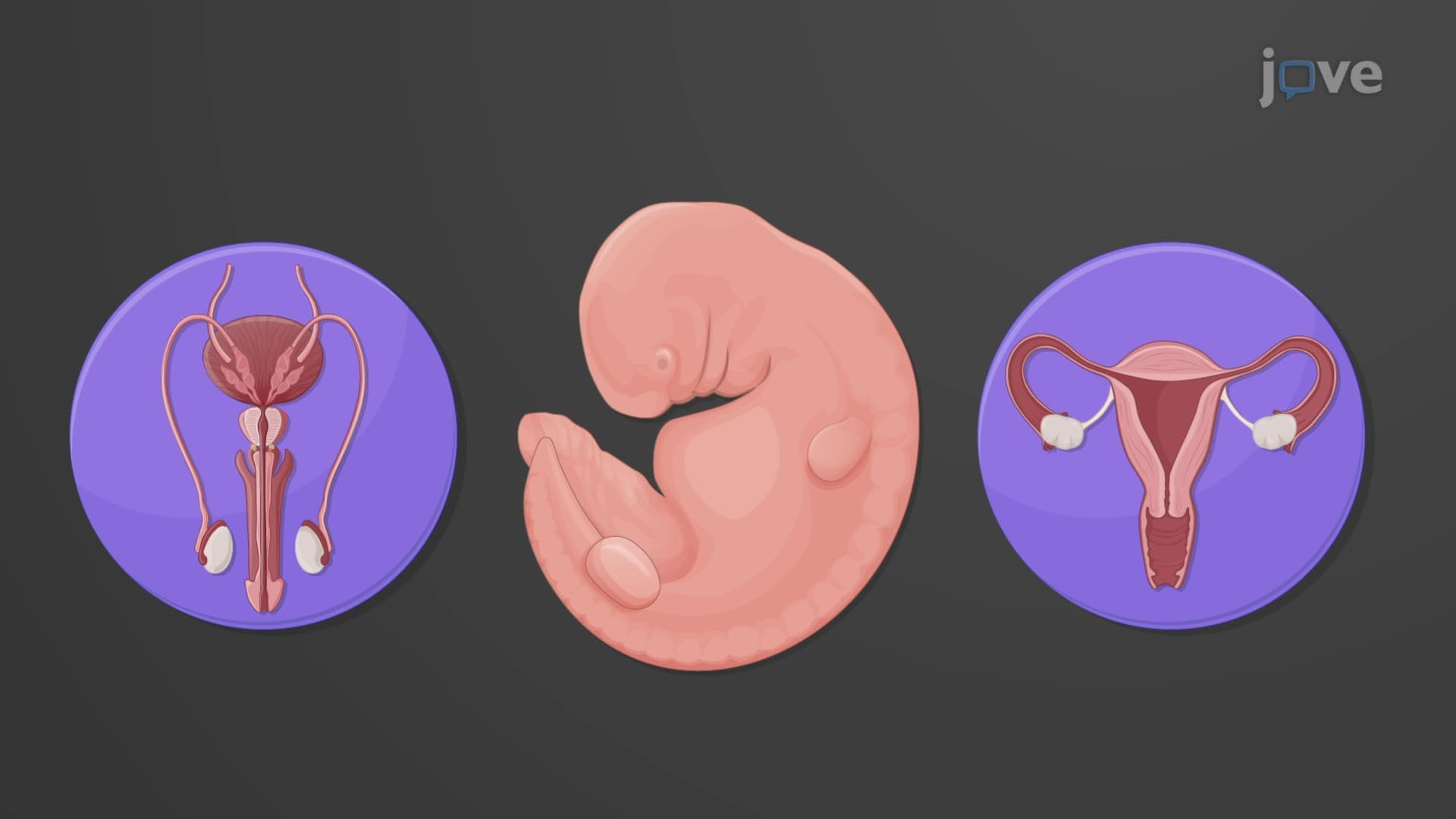
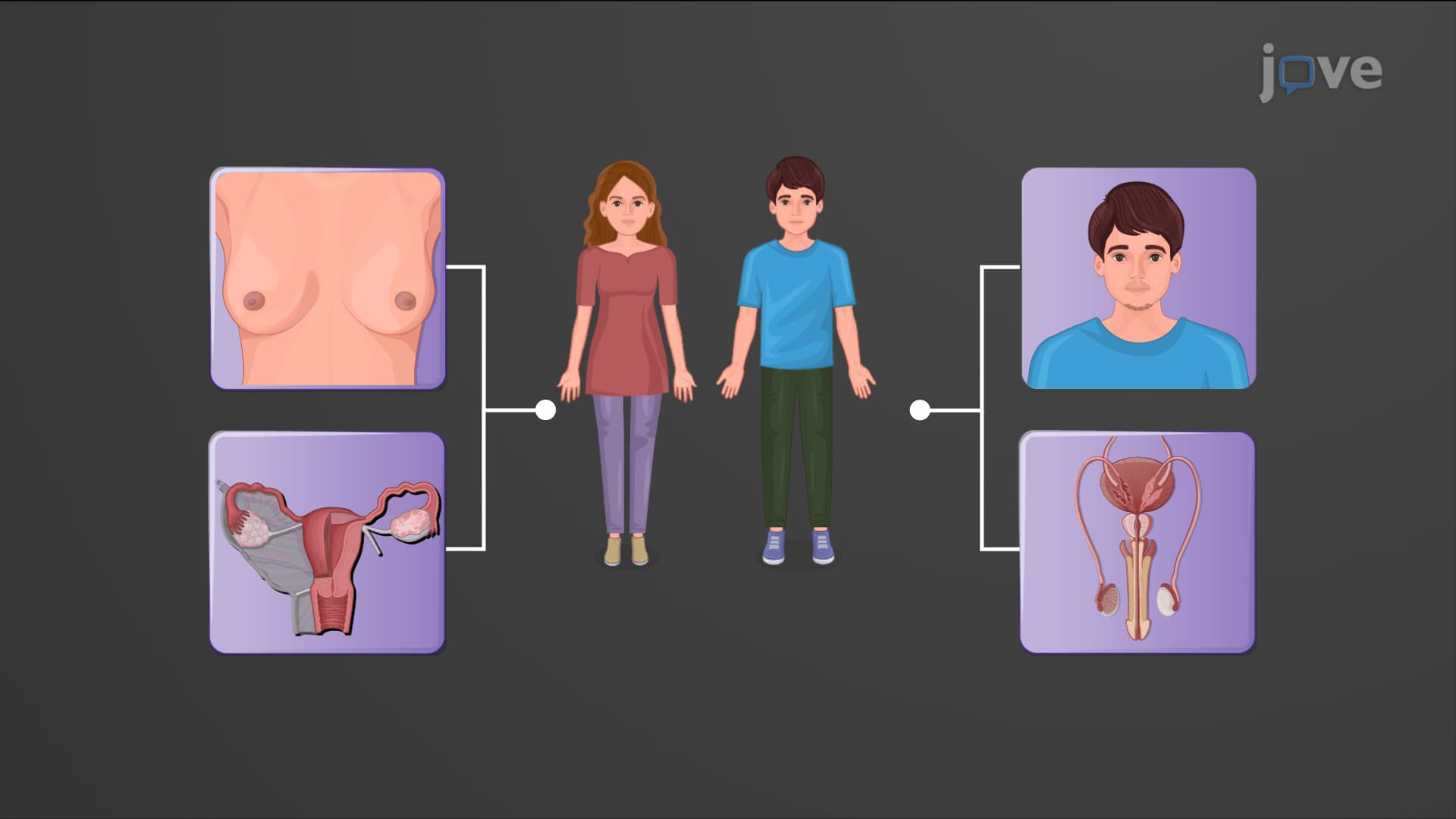
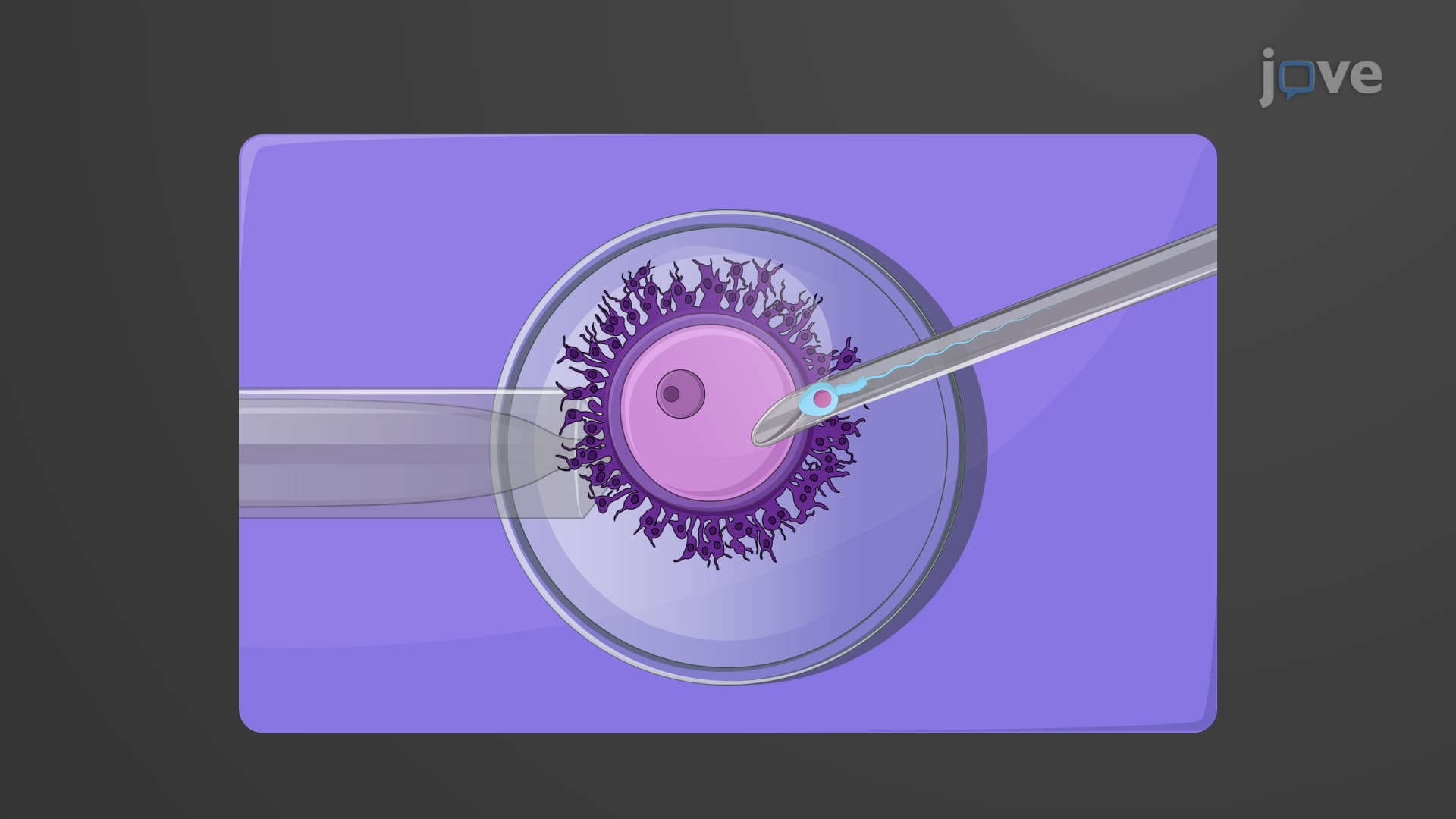
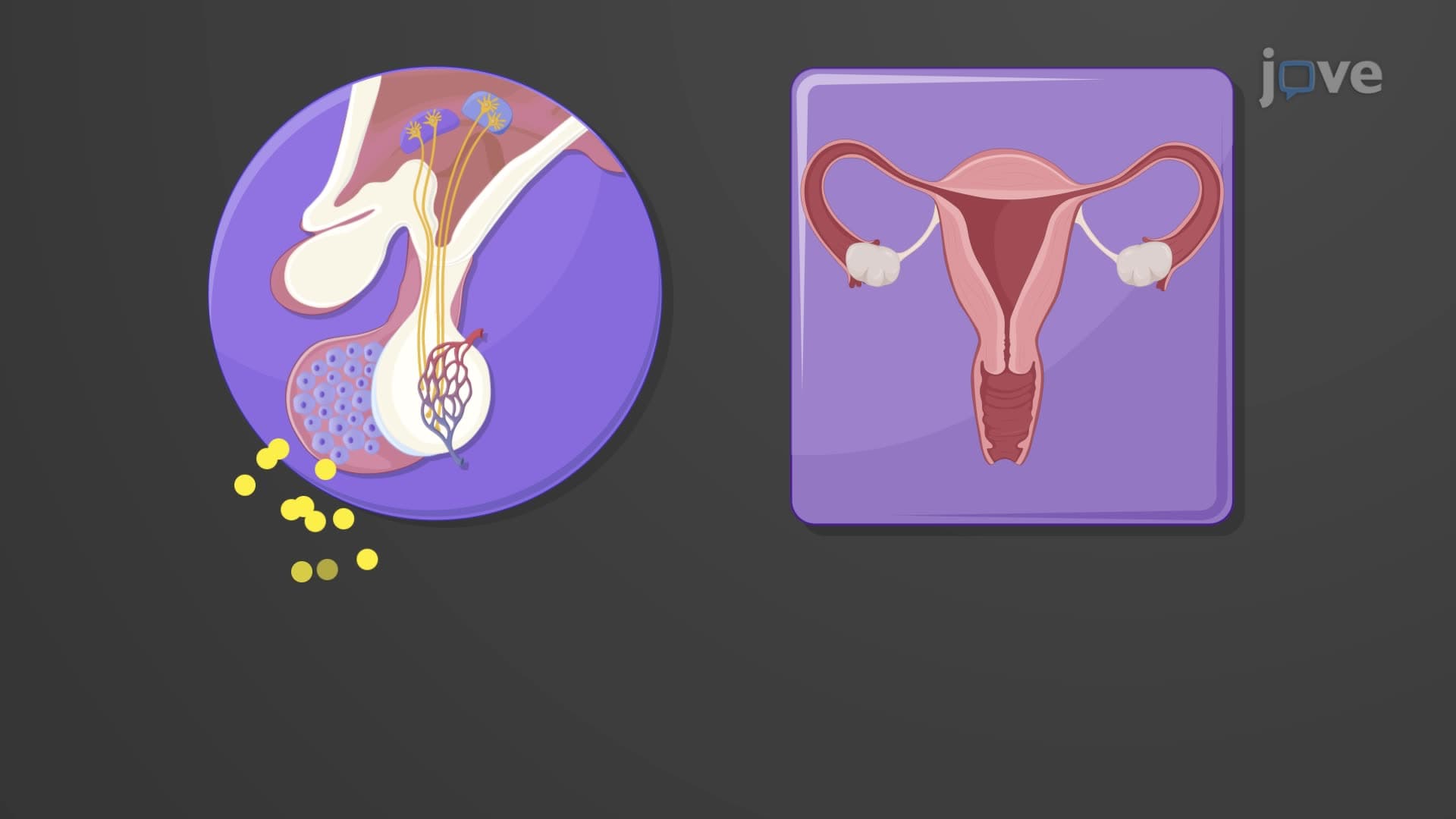

Ovarian Cycle

00:00
01:27
Video Summary: What Is Ovarian Cycle
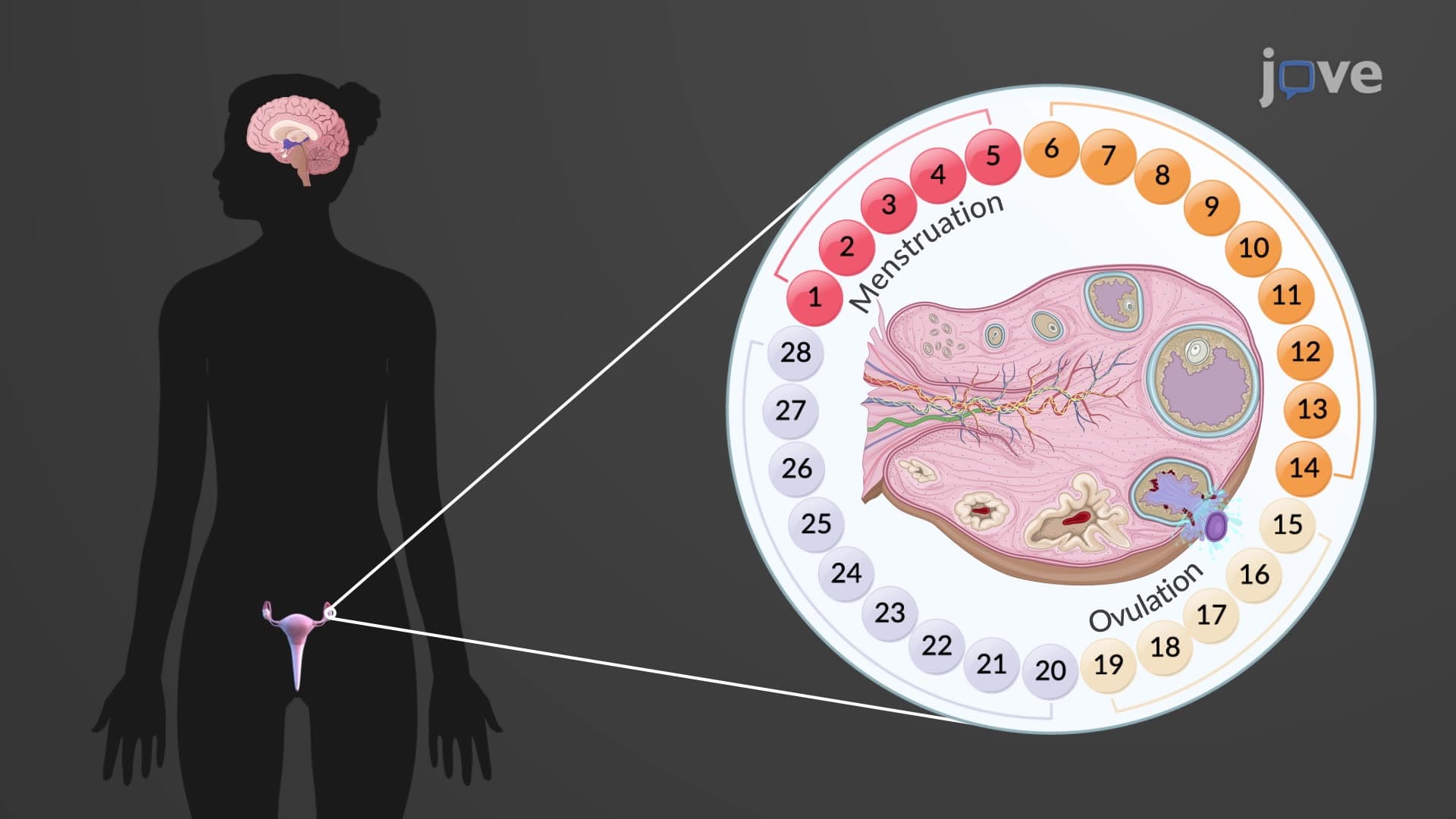
Ever wondered why female reproductive health changes cyclically every month? The ovarian cycle biology explained reveals a fascinating 28-day process where follicles transform from tiny primordial structures into mature eggs ready for fertilization. In US fertility clinics, doctors track these precise phases to help couples conceive or understand reproductive health issues. The ovarian cycle involves two critical phases-follicular and luteal-each orchestrated by specific hormones and cellular changes. Watch the full video on JoVE Coach to master this concept with expert-led visuals and step-by-step explanations.
- Understand what is ovarian cycle and its fundamental role in female reproductive physiology
- Identify the two main phases of the ovarian cycle: follicular and luteal phases
- Analyze the structural transformations occurring during follicle development from primordial to vesicular stages
- Compare the hormonal changes between follicular and luteal phases and their effects on ovarian tissue
- Evaluate the relationship between ovulation timing and corpus luteum formation
- Apply knowledge of ovarian cycle phases to predict fertility windows and menstrual timing
- Recognize the cellular components involved in follicle maturation, including granulosa cells and zona pellucida
- Explore the connection between ovarian cycle disruption and common reproductive health conditions
Understanding the Ovarian Cycle: Foundation of Female Reproduction
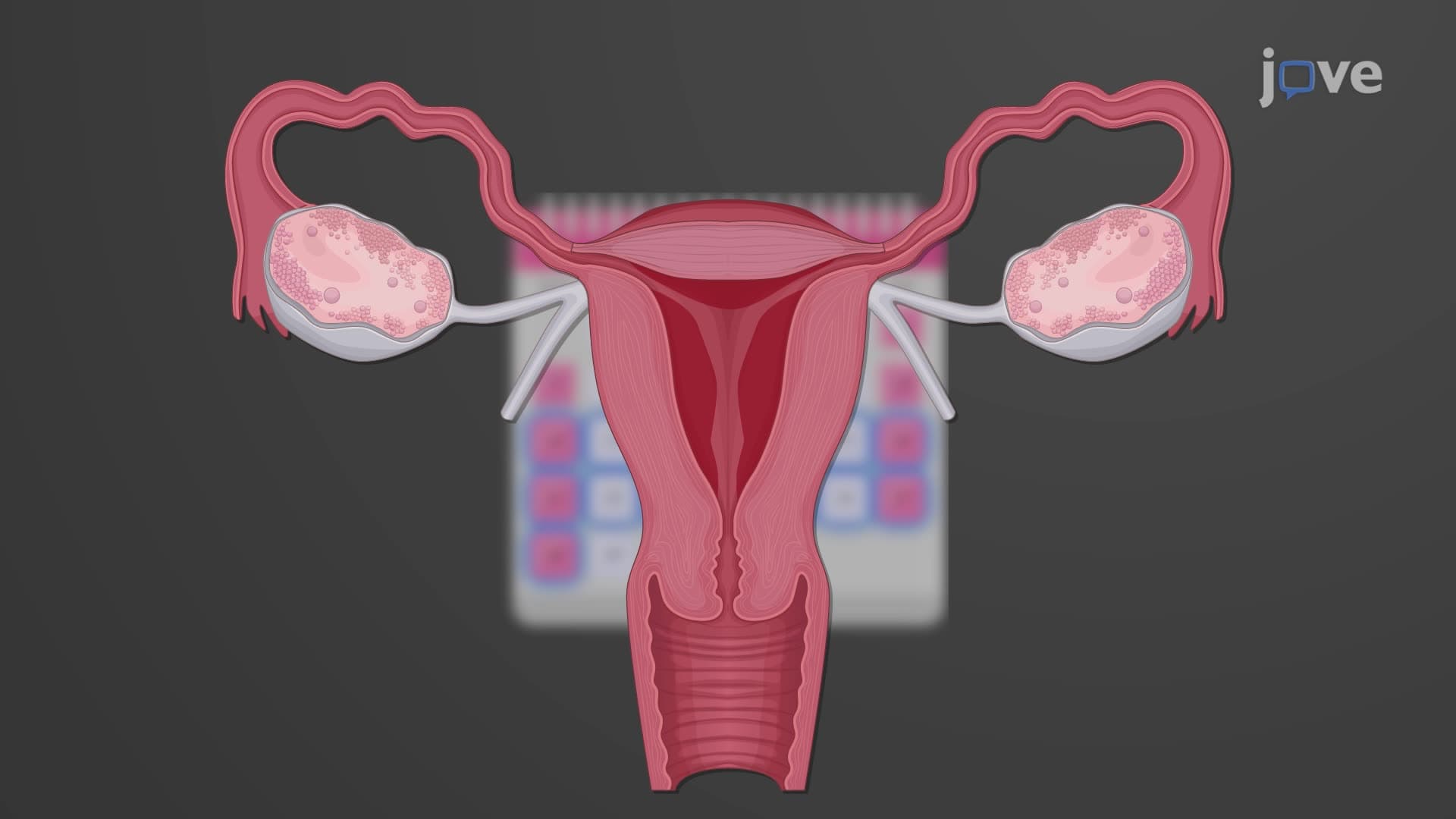
The ovarian cycle biology explained encompasses the monthly transformation of ovarian follicles, orchestrating female fertility through precisely timed cellular and hormonal events. This 28-day cycle represents one of biology's most elegant examples of coordinated physiological processes, directly impacting millions of American women's reproductive health decisions.
Follicular Phase: Building the Foundation for Ovulation
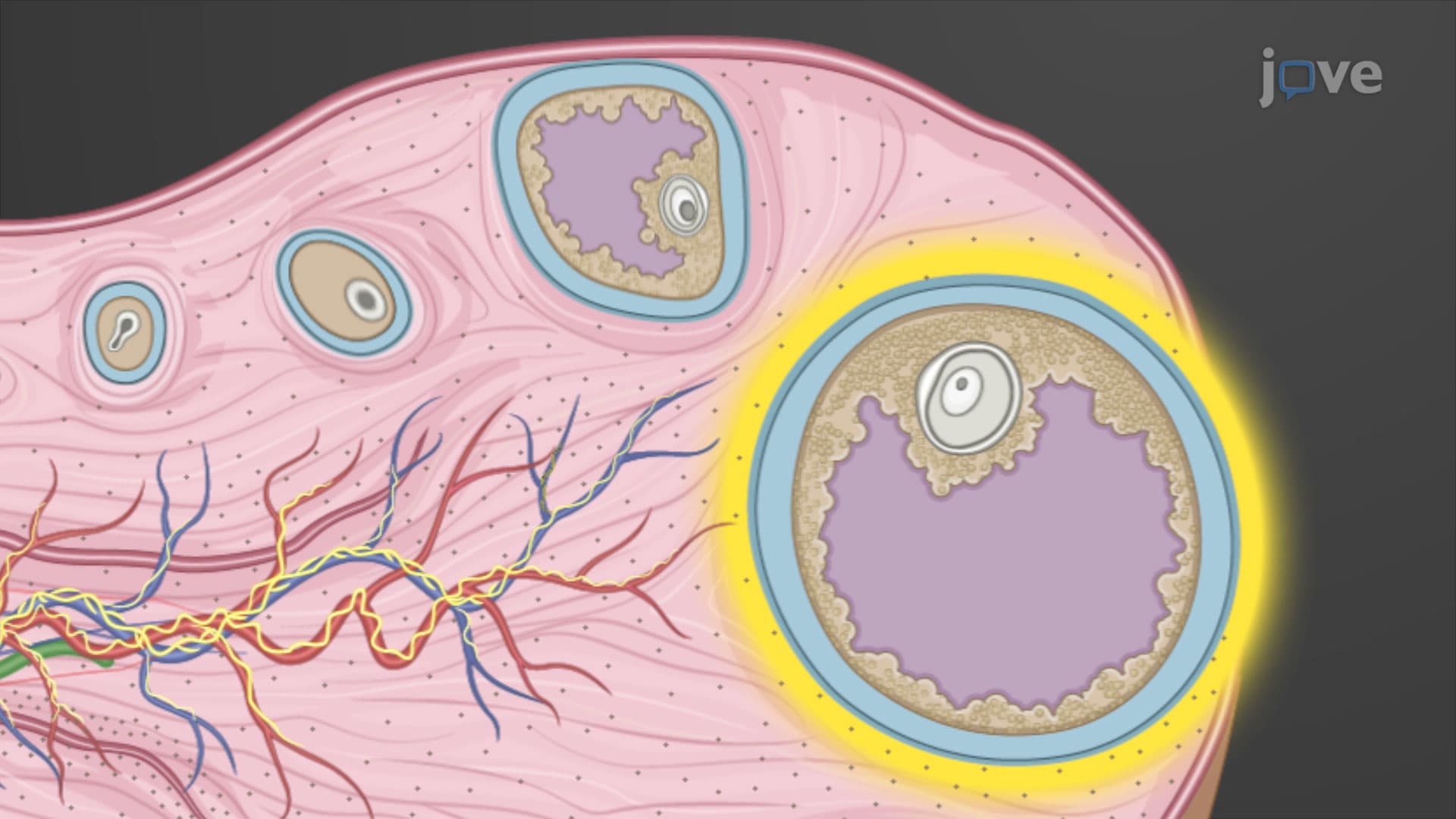
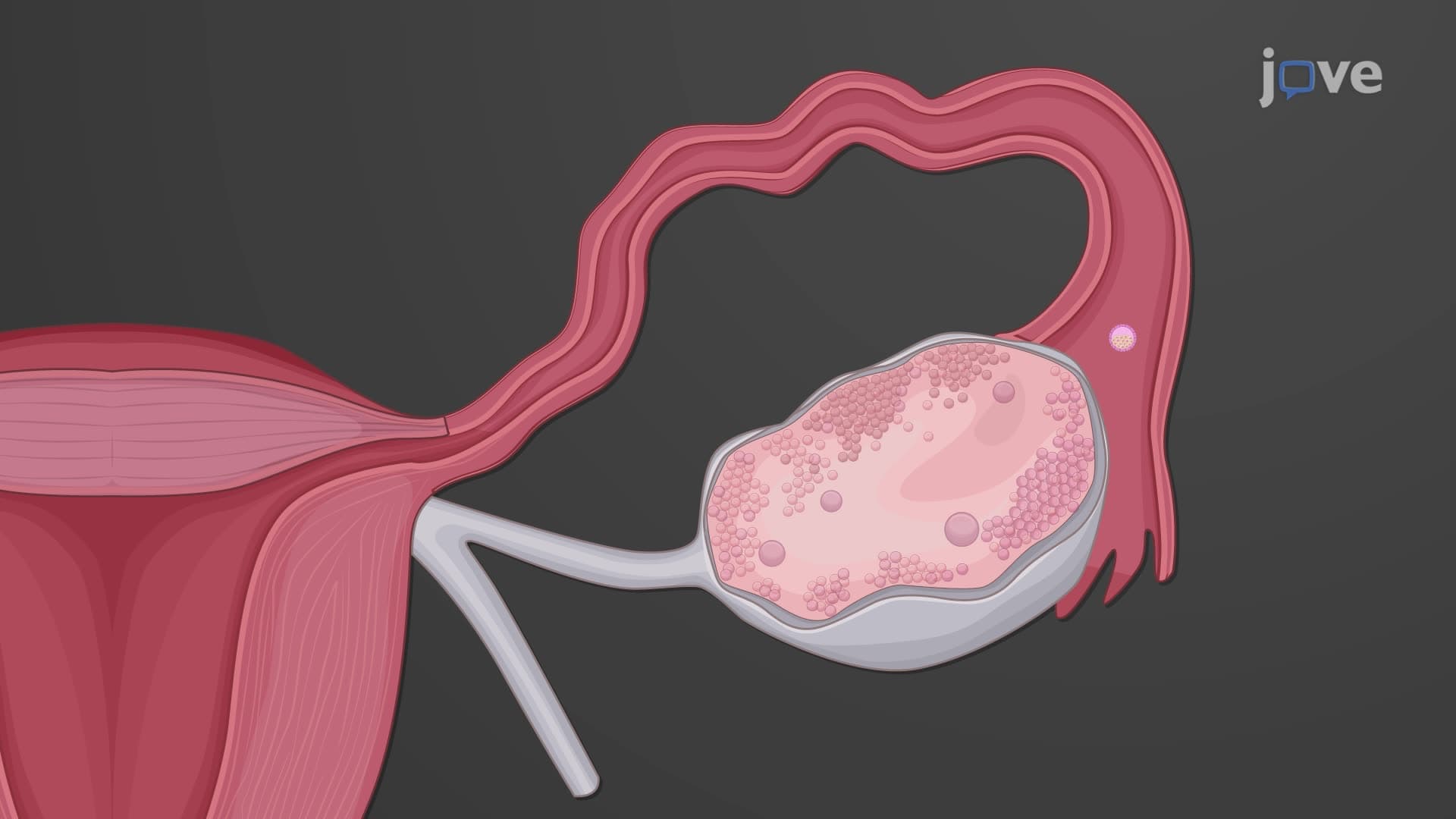
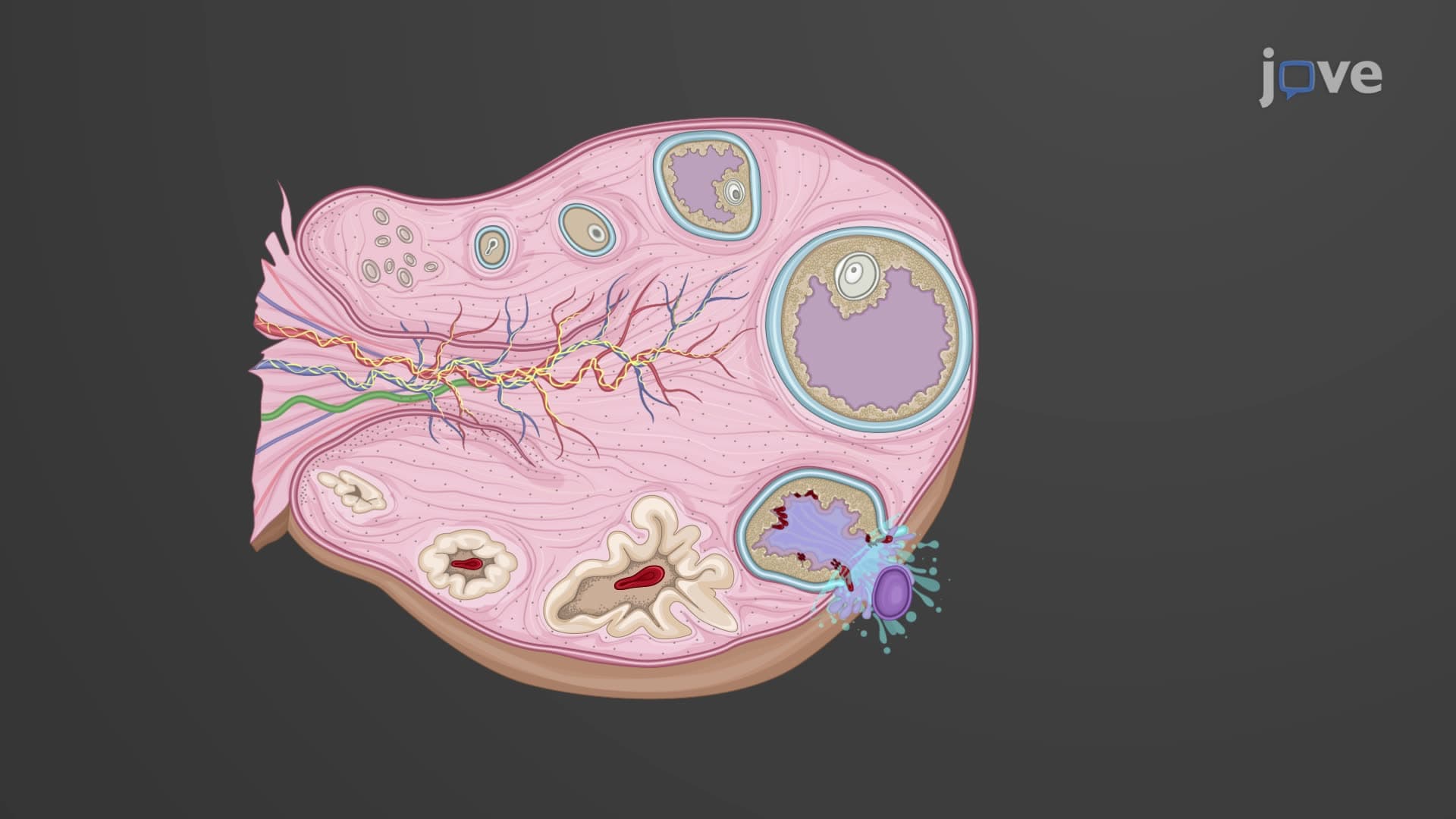
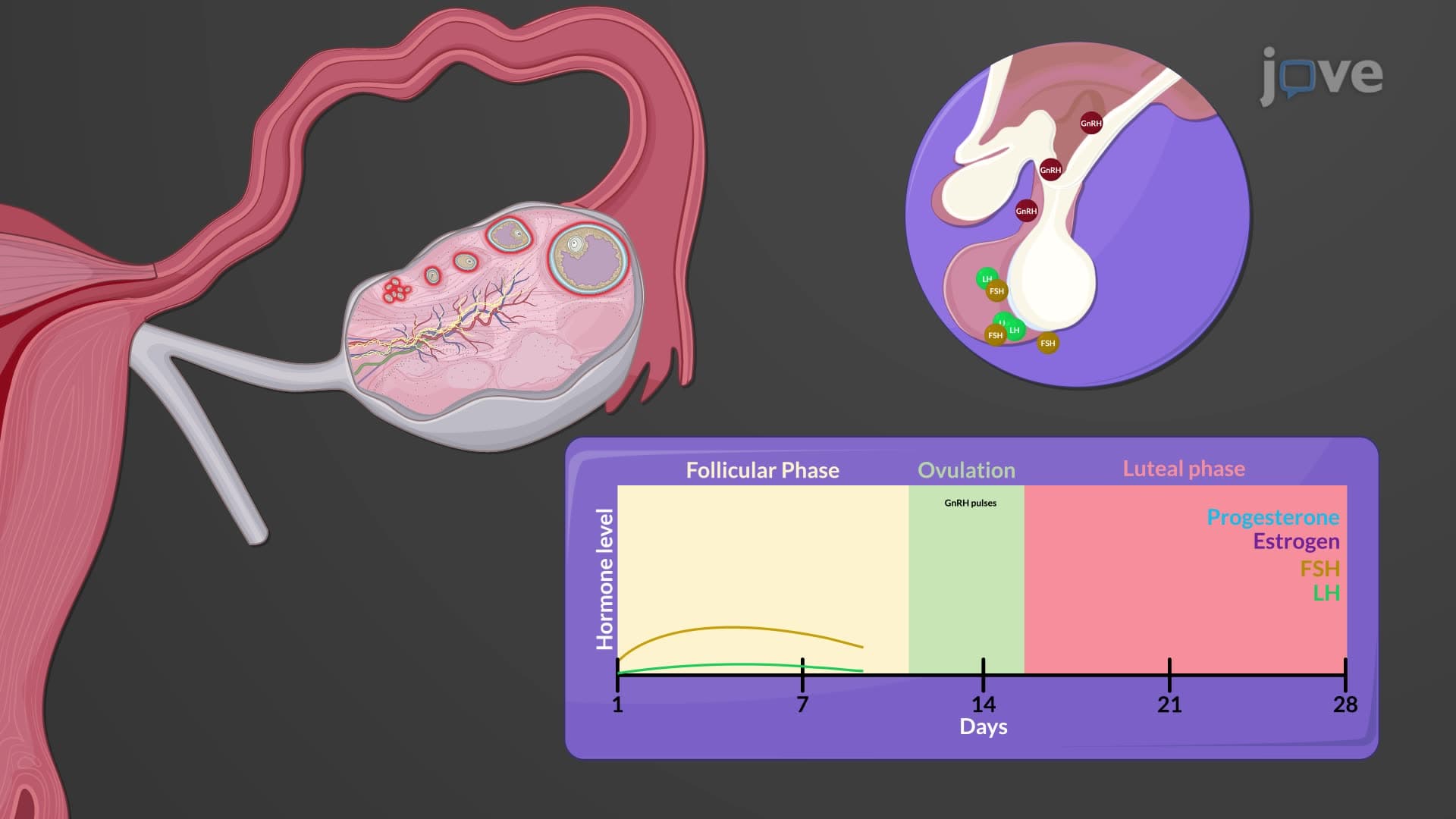
The female ovarian cycle phases begin with the follicular phase, typically lasting 14 days. During this period, follicle-stimulating hormone (FSH) from the anterior pituitary triggers primordial follicle activation. These microscopic structures, present since birth, transform into primary follicles as the oocyte enlarges and secretes the zona pellucida-a protective glycoprotein shell crucial for sperm recognition during fertilization.
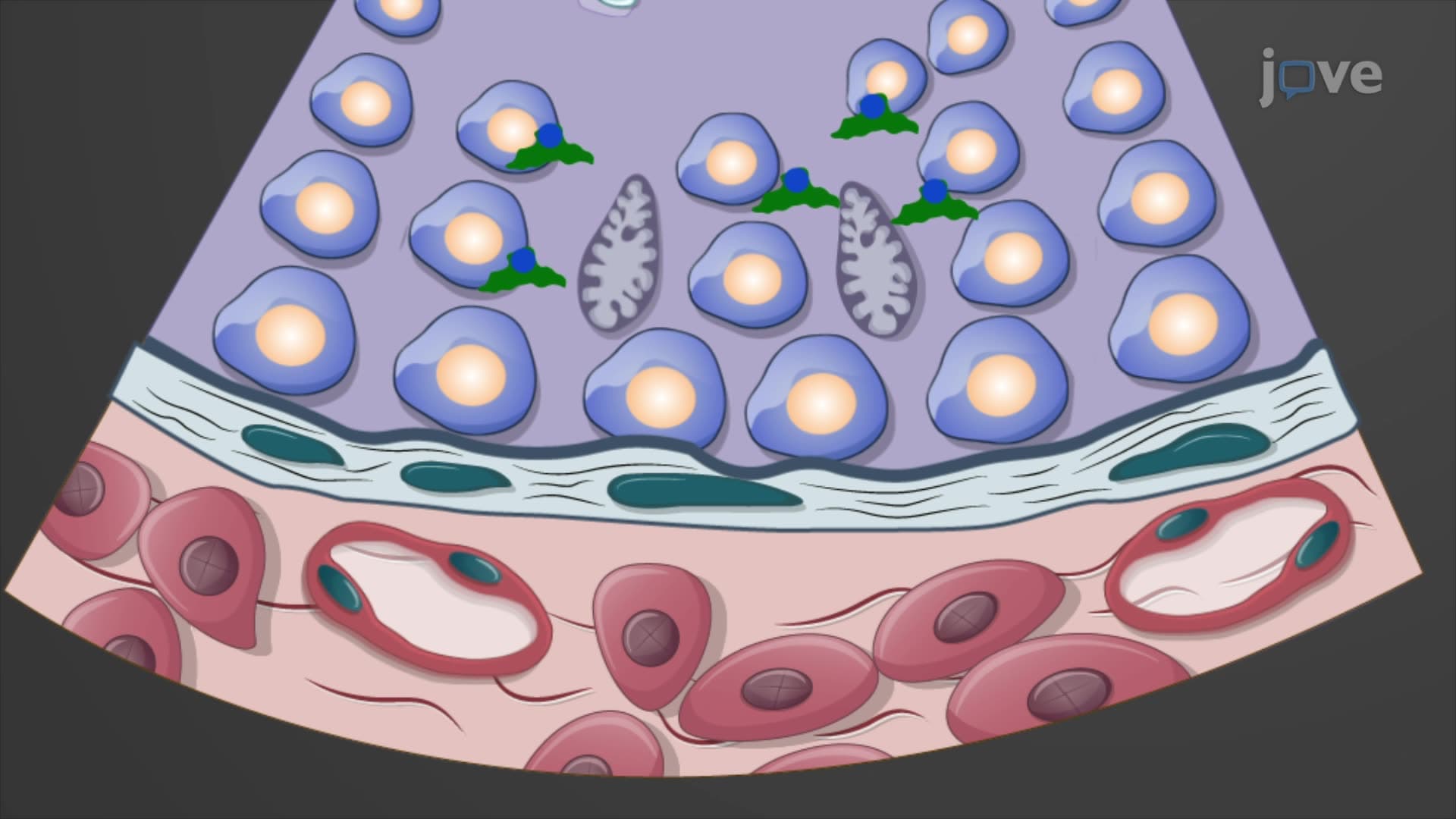
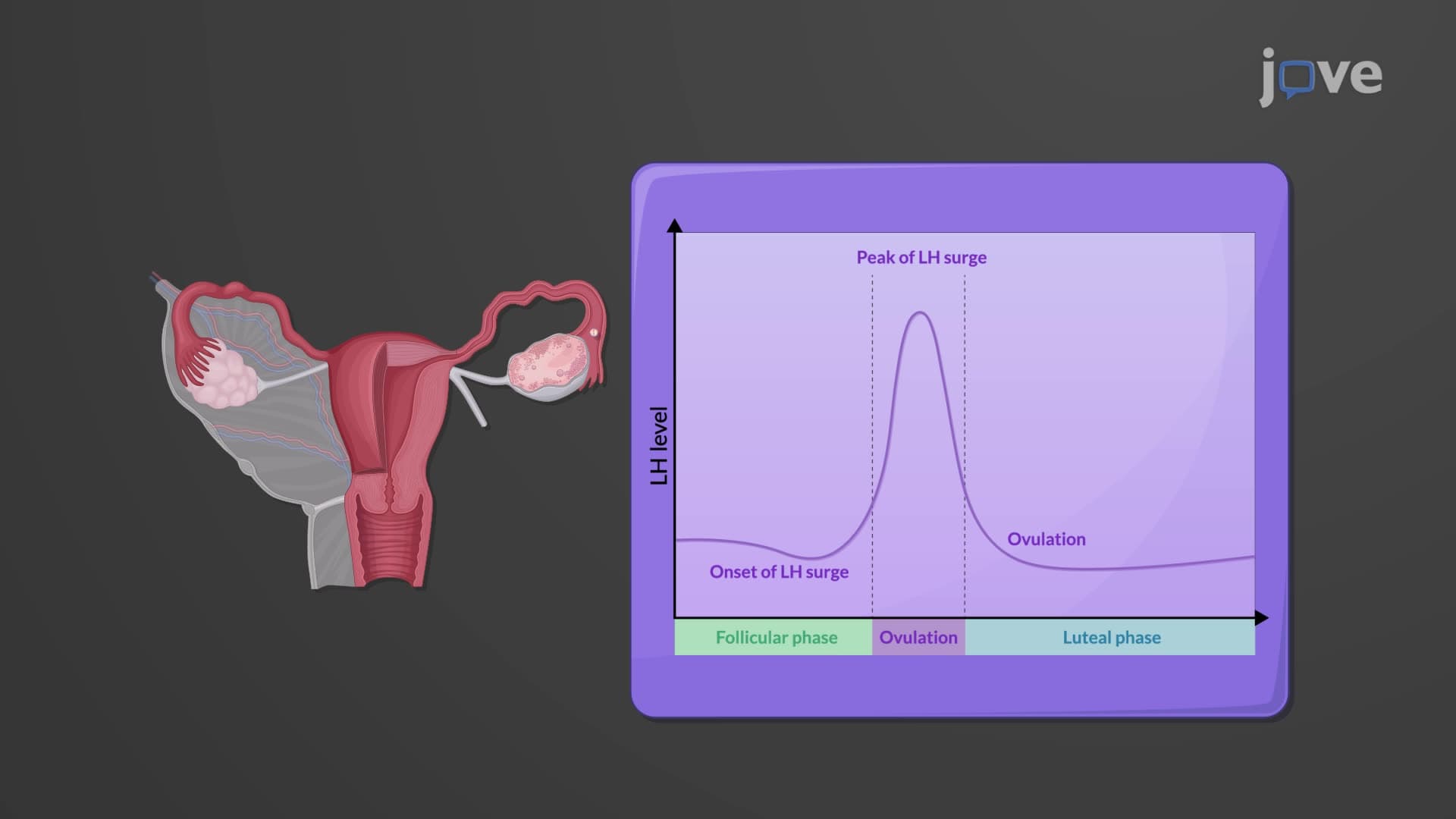
Primary follicles develop multiple granulosa cell layers, becoming secondary follicles surrounded by theca folliculi tissue. This theca layer produces androgens that granulosa cells convert to estrogen, creating the hormonal environment necessary for endometrial preparation. The FSH LH ovarian cycle coordination becomes critical as rising estrogen levels eventually trigger luteinizing hormone (LH) surge, marking the transition toward ovulation.
Ovulation and Luteal Phase: Peak Fertility and Corpus Luteum Function
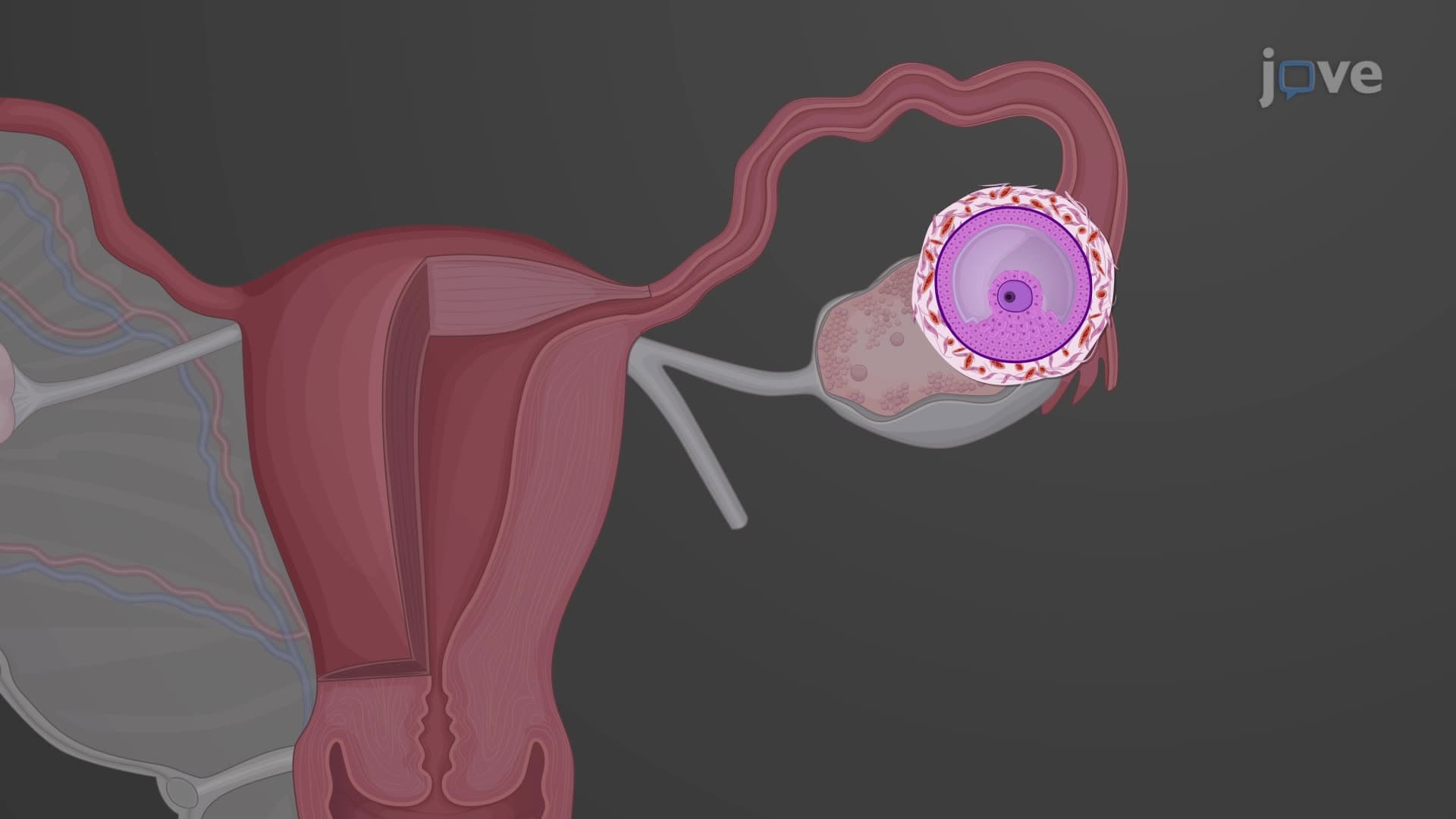
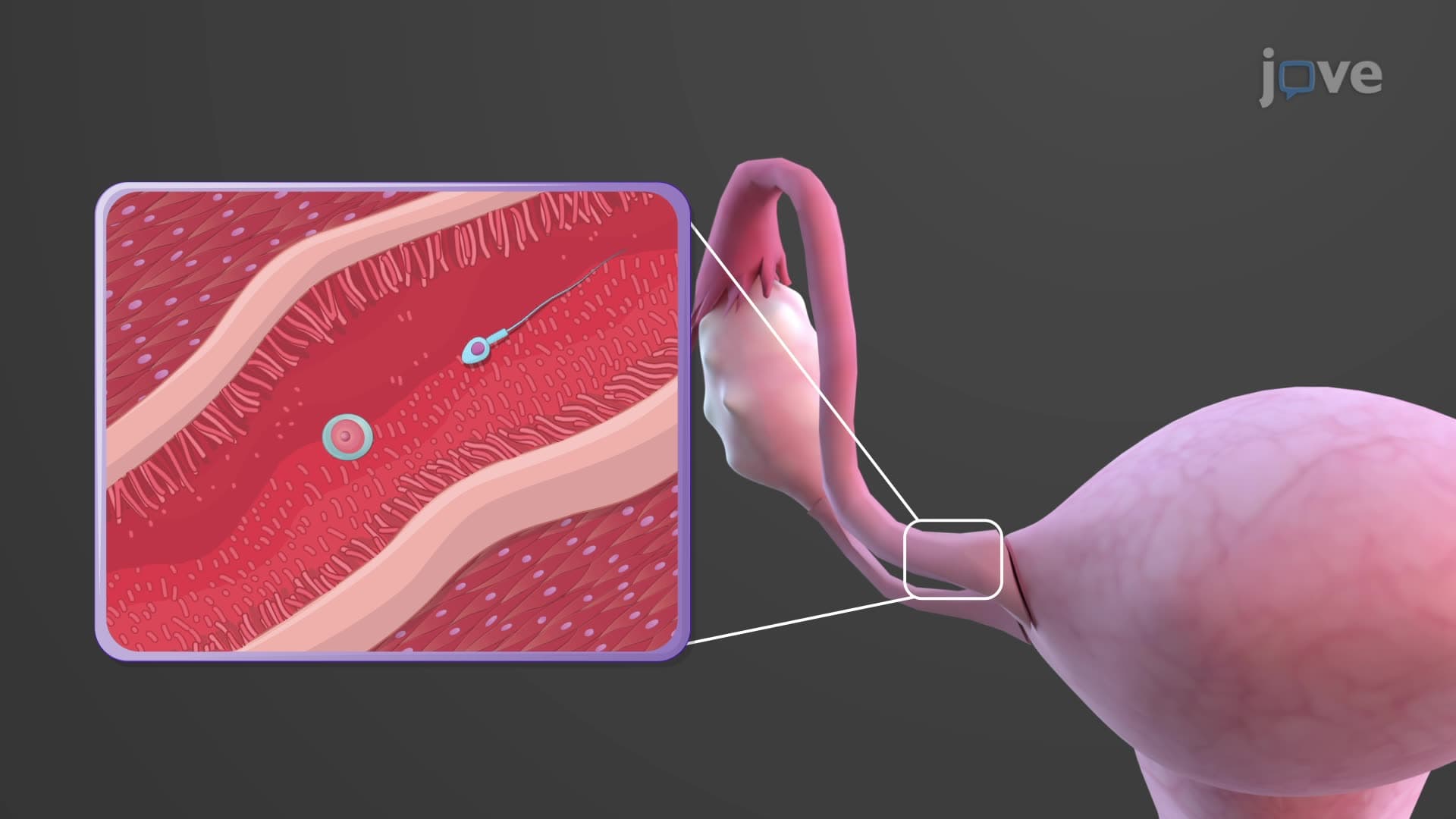
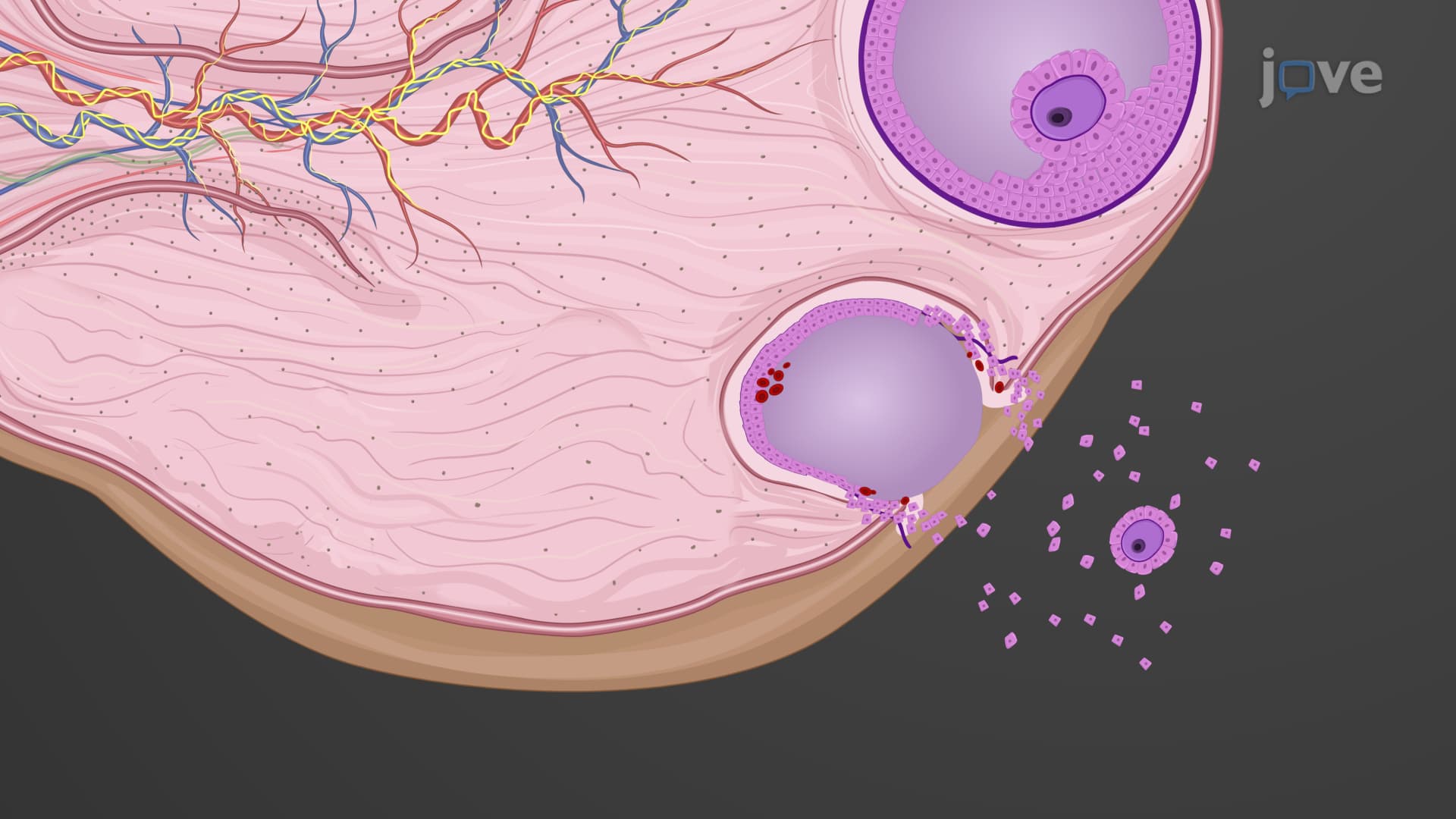
Ovulation ovarian cycle events occur around day 14 when the dominant follicle-now a mature vesicular follicle with its fluid-filled antrum-ruptures under LH influence. The secondary oocyte, surrounded by corona radiata cells, releases into the peritoneal cavity where fallopian tube fimbriae capture it for potential fertilization. This precise timing explains why fertility tracking apps used by American couples focus on this mid-cycle window.
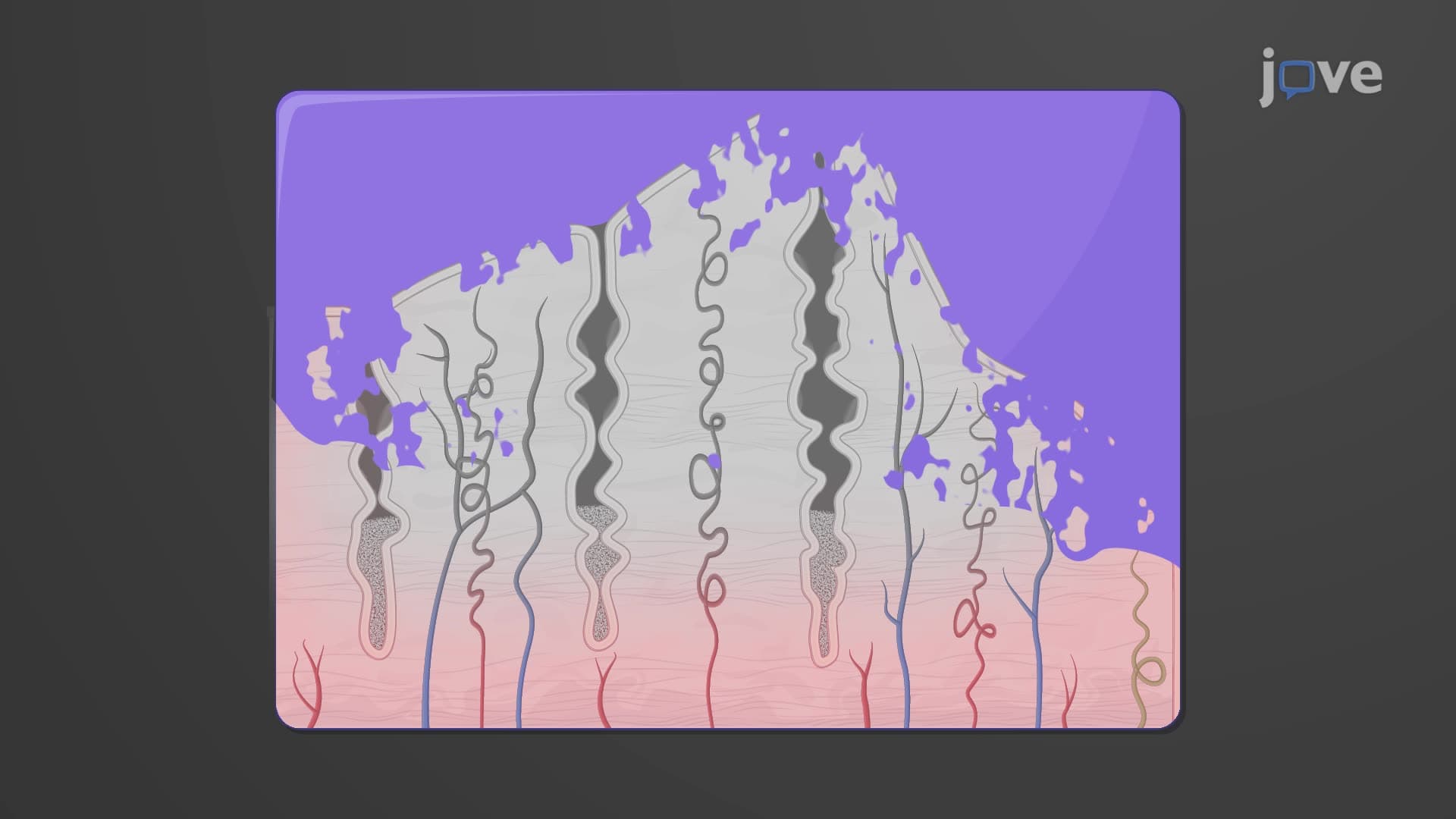
The post-ovulation luteal phase features corpus luteum ovarian formation from the ruptured follicle. This temporary endocrine structure secretes progesterone and estrogen, maintaining endometrial thickness for potential embryo implantation. Without pregnancy, the corpus luteum degenerates after 14 days, forming the corpus albicans scar tissue. This ovarian cycle hormonal control mechanism ensures regular menstrual cycling and fertility potential.
Clinical Relevance and Educational Applications
Understanding what is the ovarian cycle in female physiology proves essential for AP Biology students tackling reproductive system units and pre-med undergraduates preparing for MCAT questions on endocrine regulation. Medical schools emphasize these concepts when teaching gynecology and reproductive endocrinology, particularly regarding fertility treatments and contraceptive mechanisms used in American healthcare settings.
Frequently Asked Questions
The ovarian cycle is a 28-day reproductive process where follicles develop, release eggs, and form temporary hormone-producing structures called corpus luteum. This monthly cycle ensures regular egg maturation and creates optimal conditions for potential pregnancy while maintaining female reproductive health.
The follicular phase features rising FSH and estrogen levels that stimulate follicle growth, while the luteal phase is dominated by progesterone from the corpus luteum. The LH surge at mid-cycle triggers ovulation, creating distinct hormonal environments that serve different reproductive functions.
MCAT questions typically focus on FSH/LH hormone feedback loops, ovulation timing, and corpus luteum function in pregnancy maintenance. Students should understand how estrogen and progesterone levels change throughout the cycle and their effects on the endometrium for reproductive system passages.
AP Biology emphasizes the ovarian cycle as an example of negative feedback regulation and cell signaling pathways. Students should master the sequence from primordial follicle to corpus luteum formation, focusing on hormonal control mechanisms and their physiological significance.
Healthcare providers use ovarian cycle timing for fertility treatments, contraceptive counseling, and diagnosing conditions like PCOS or irregular ovulation. Understanding cycle phases helps couples optimize conception timing and assists doctors in hormone replacement therapy decisions.
Basic understanding of protein hormones and steroid hormones suffices for most educational levels. Focus on hormone names (FSH, LH, estrogen, progesterone) and their general effects rather than complex molecular structures or synthesis pathways.
Create timeline diagrams showing follicle development alongside hormone level graphs, and use mnemonics for phase sequences. Practice drawing the cycle from memory and connecting each phase to its dominant hormone and primary function for comprehensive understanding.
Explore the menstrual cycle's relationship to ovarian phases, pregnancy hormone changes, and reproductive disorders affecting American women. Understanding fertilization, implantation, and early pregnancy provides natural extensions of ovarian cycle knowledge.
Related Micro-courses

14 Concepts
6 Concepts
21 Concepts