Loading subject page…

- Anatomy and Physiology
- The Reproductive System
- Overview of the Reproductive System
Micro-course: The Reproductive System
141,004 views
Learn key concepts and earn your certificate.

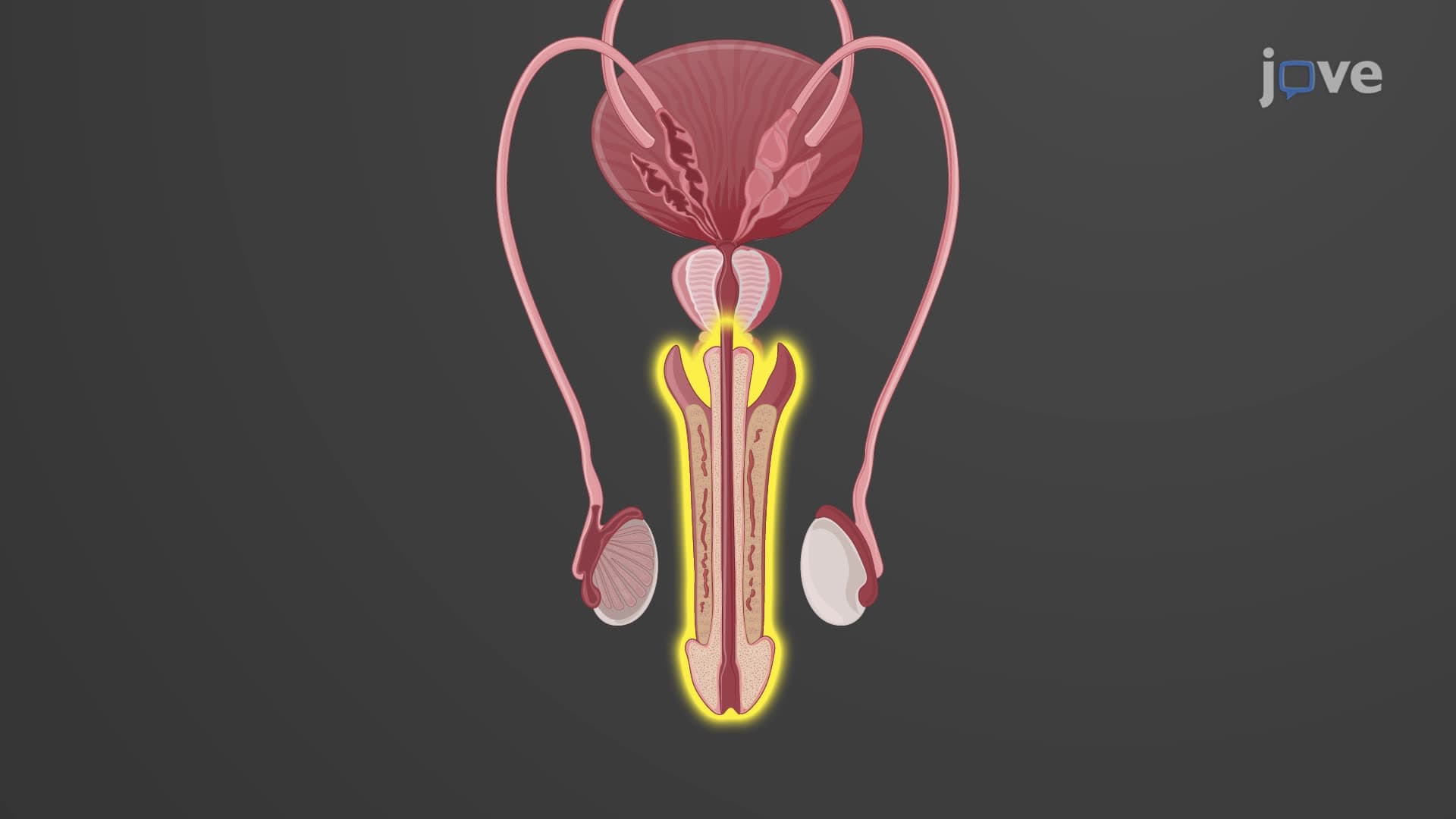
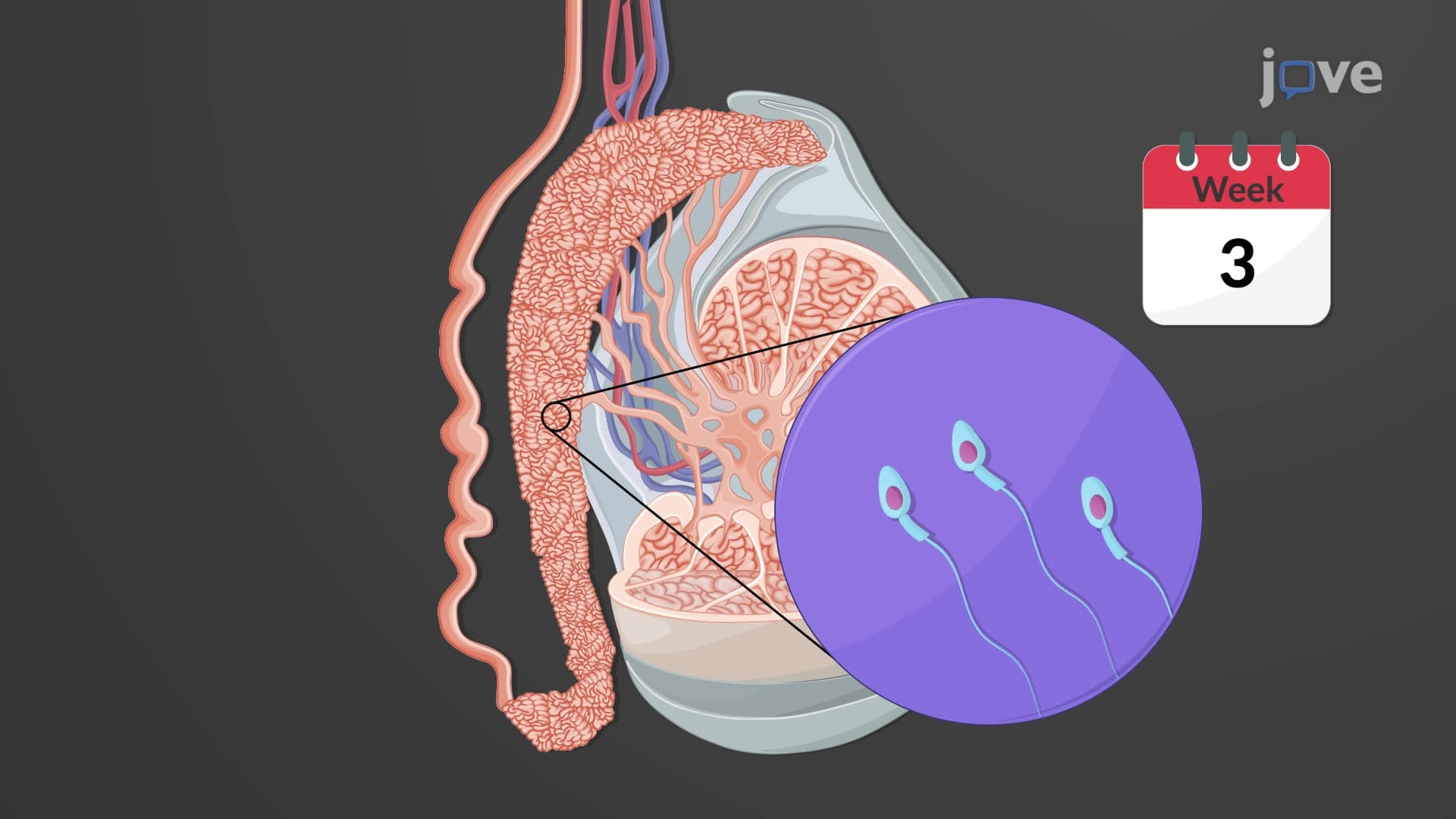
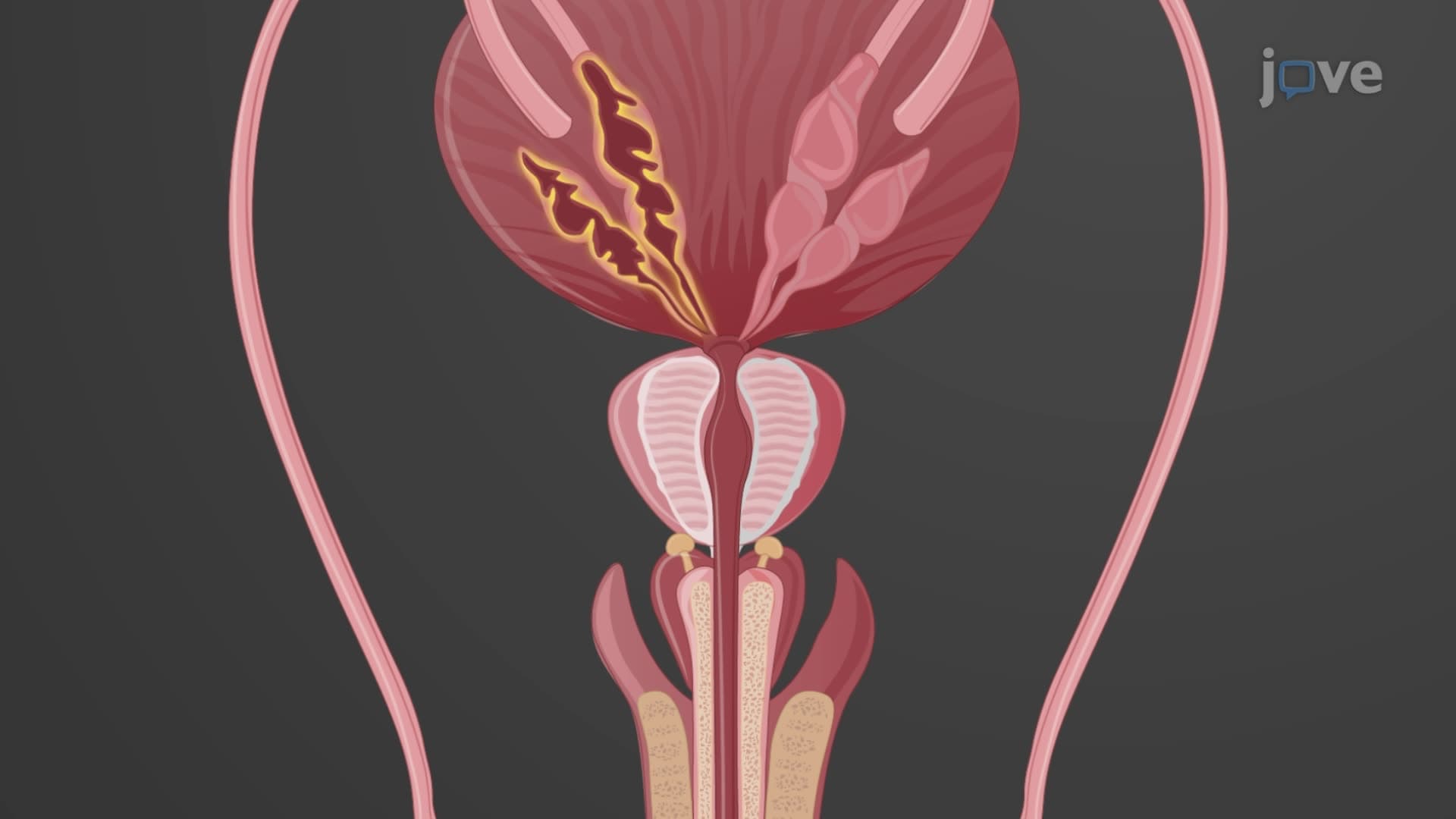
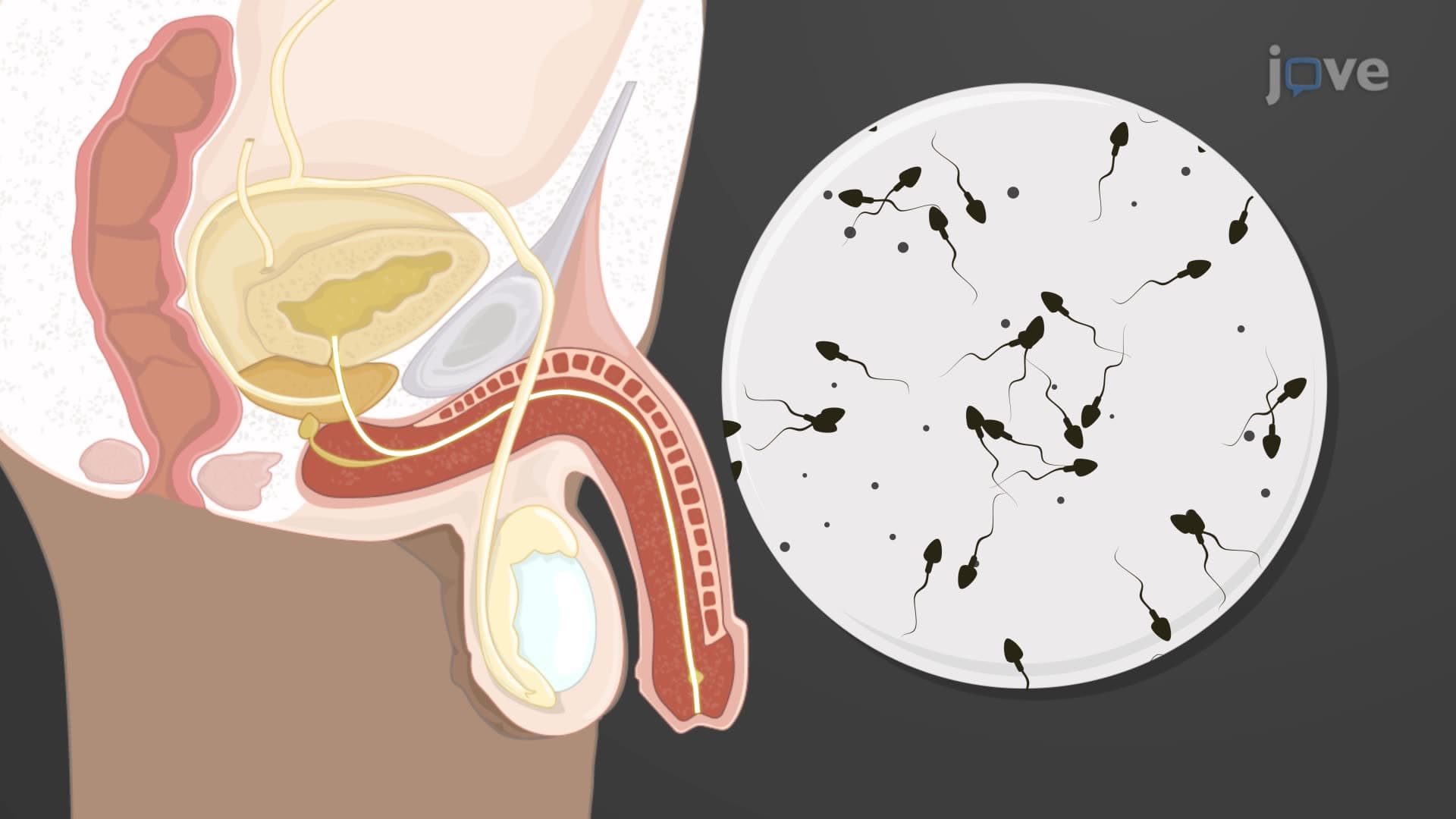
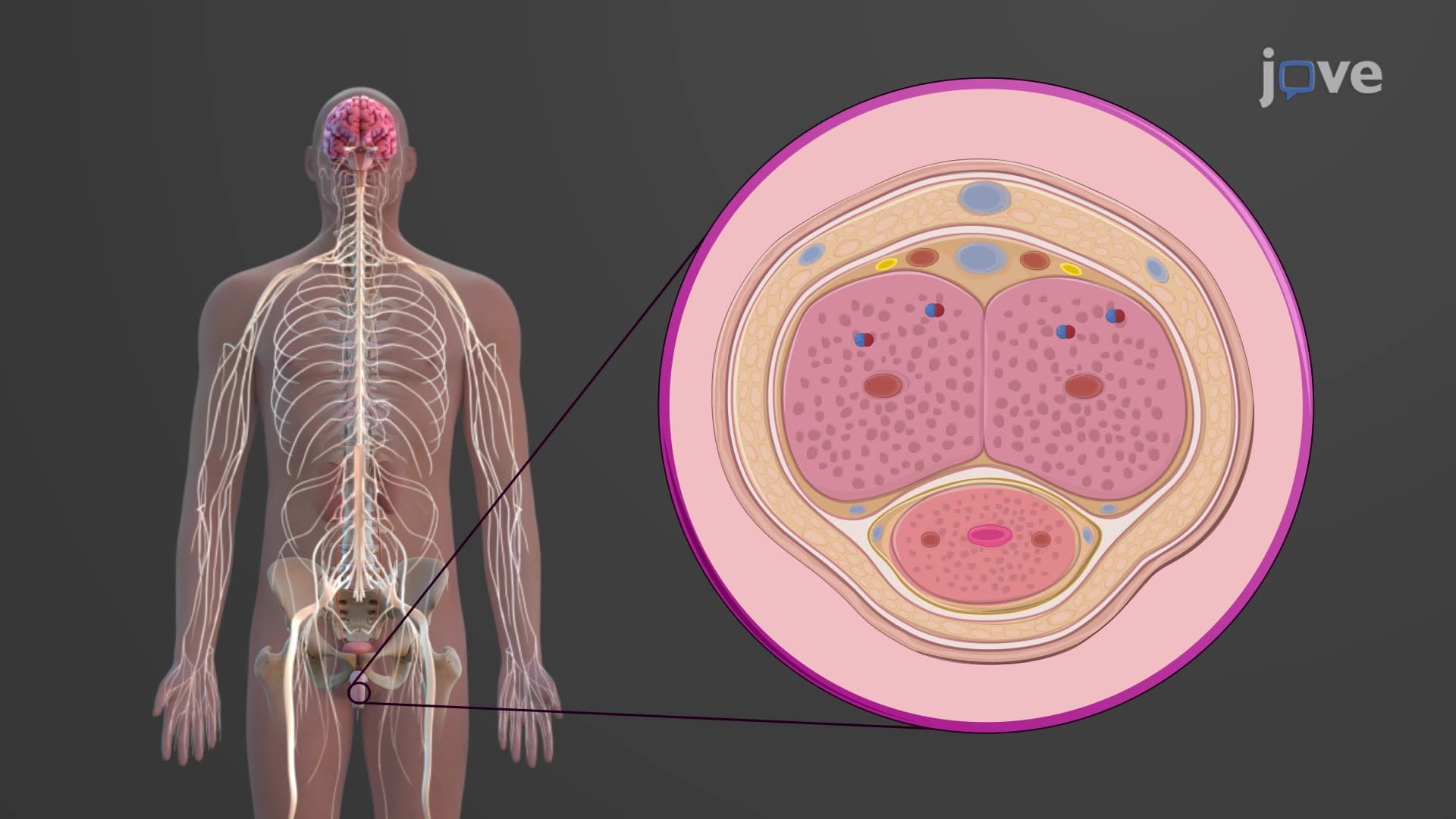
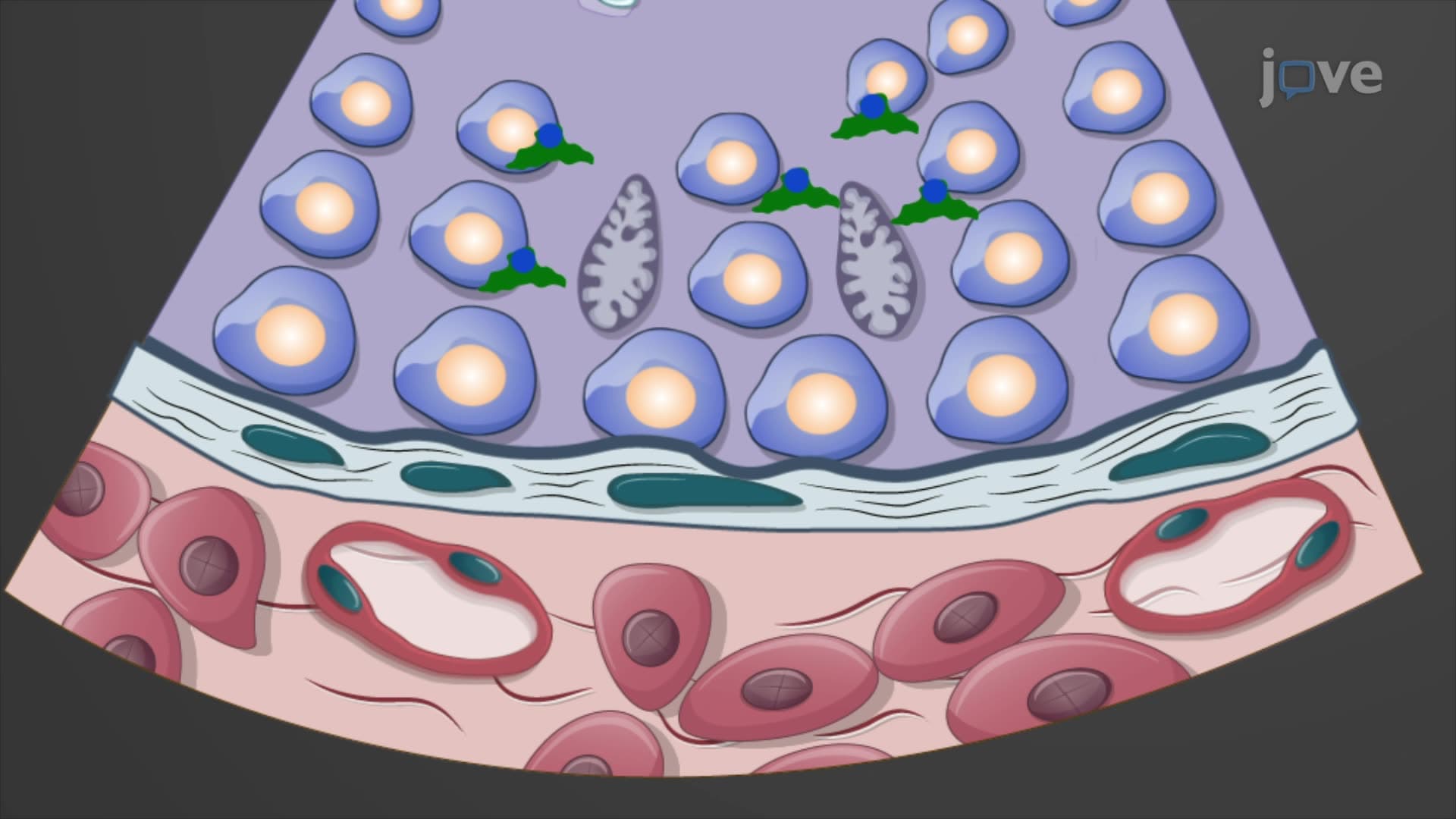
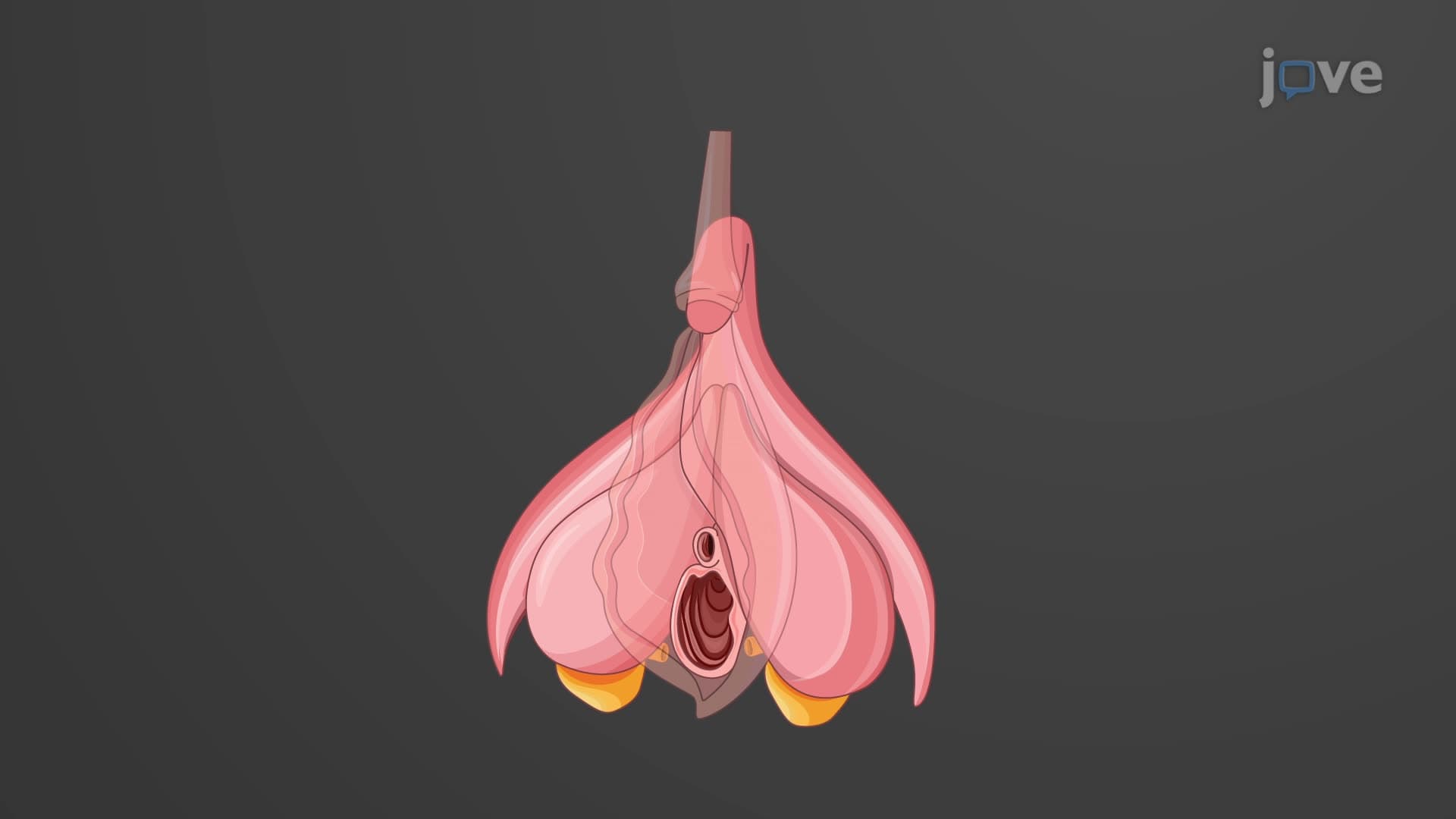
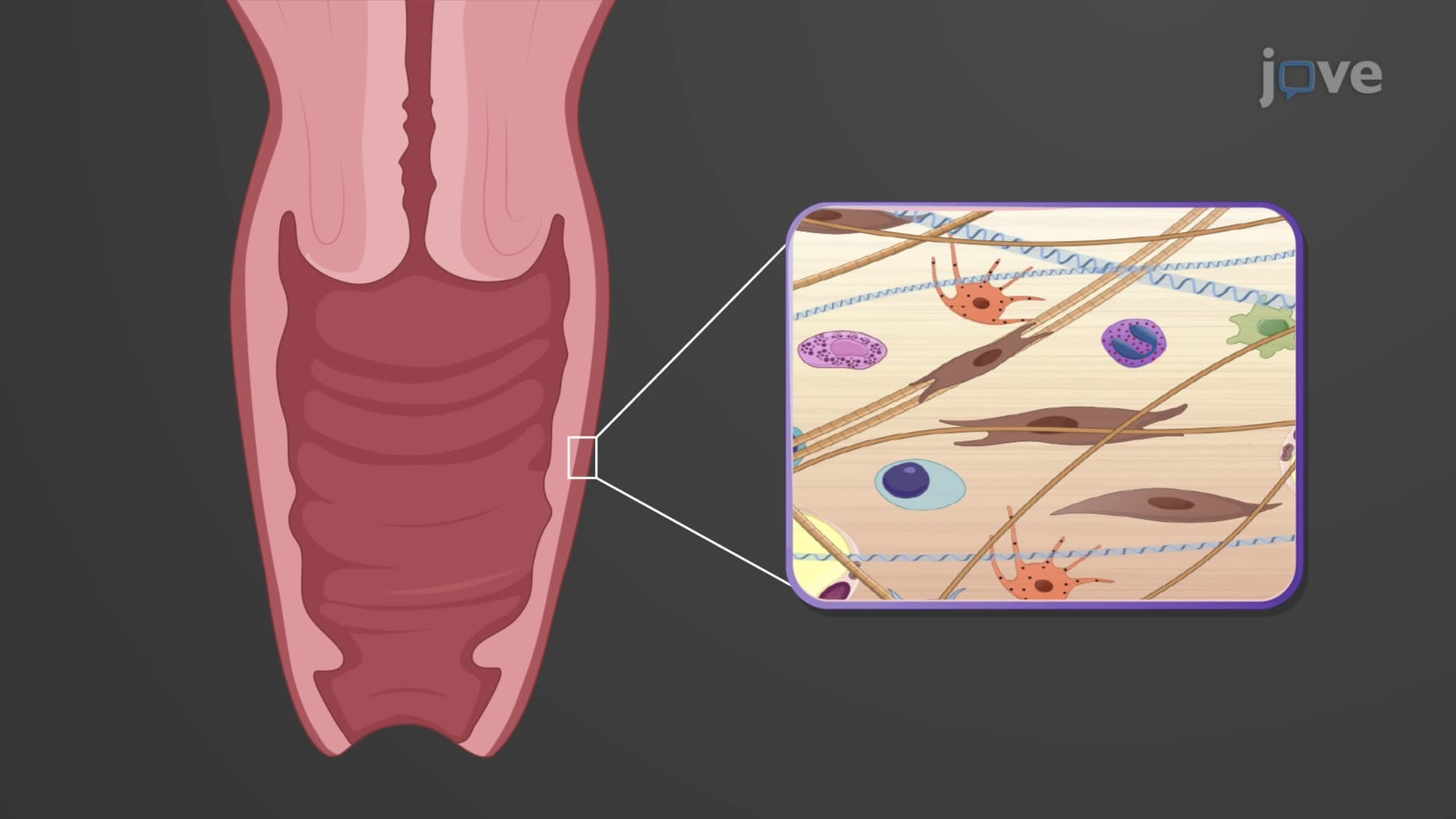
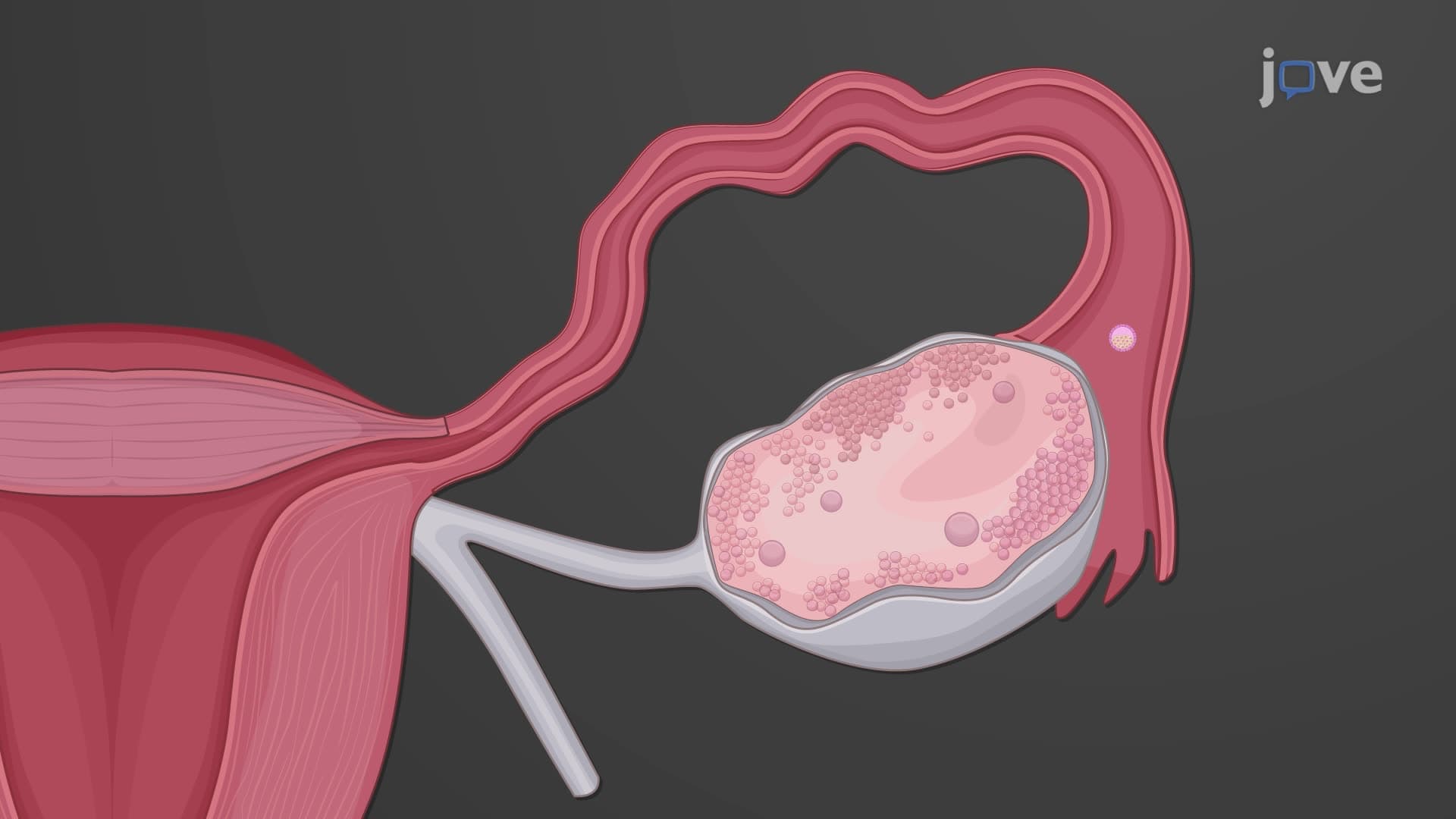
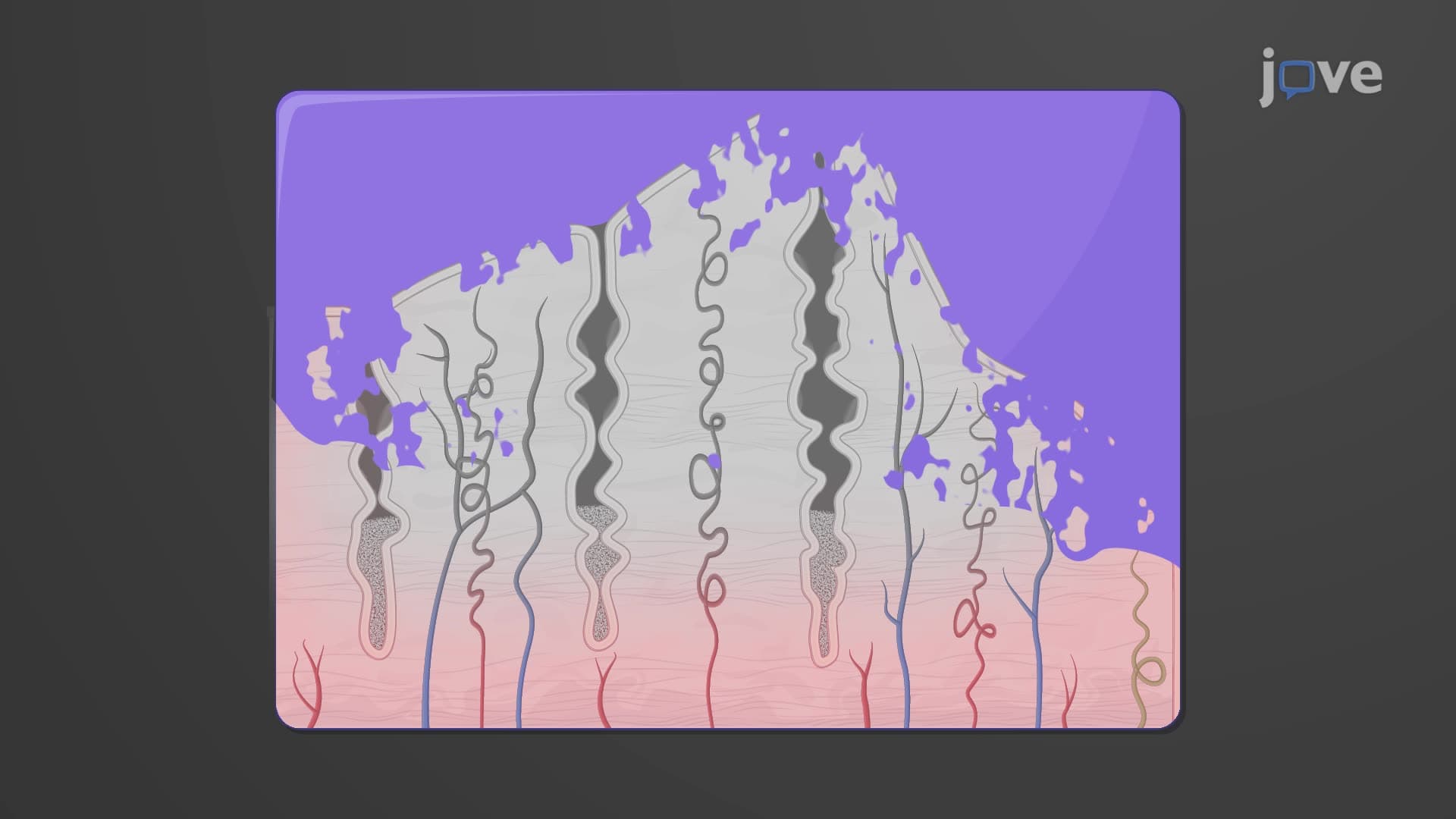
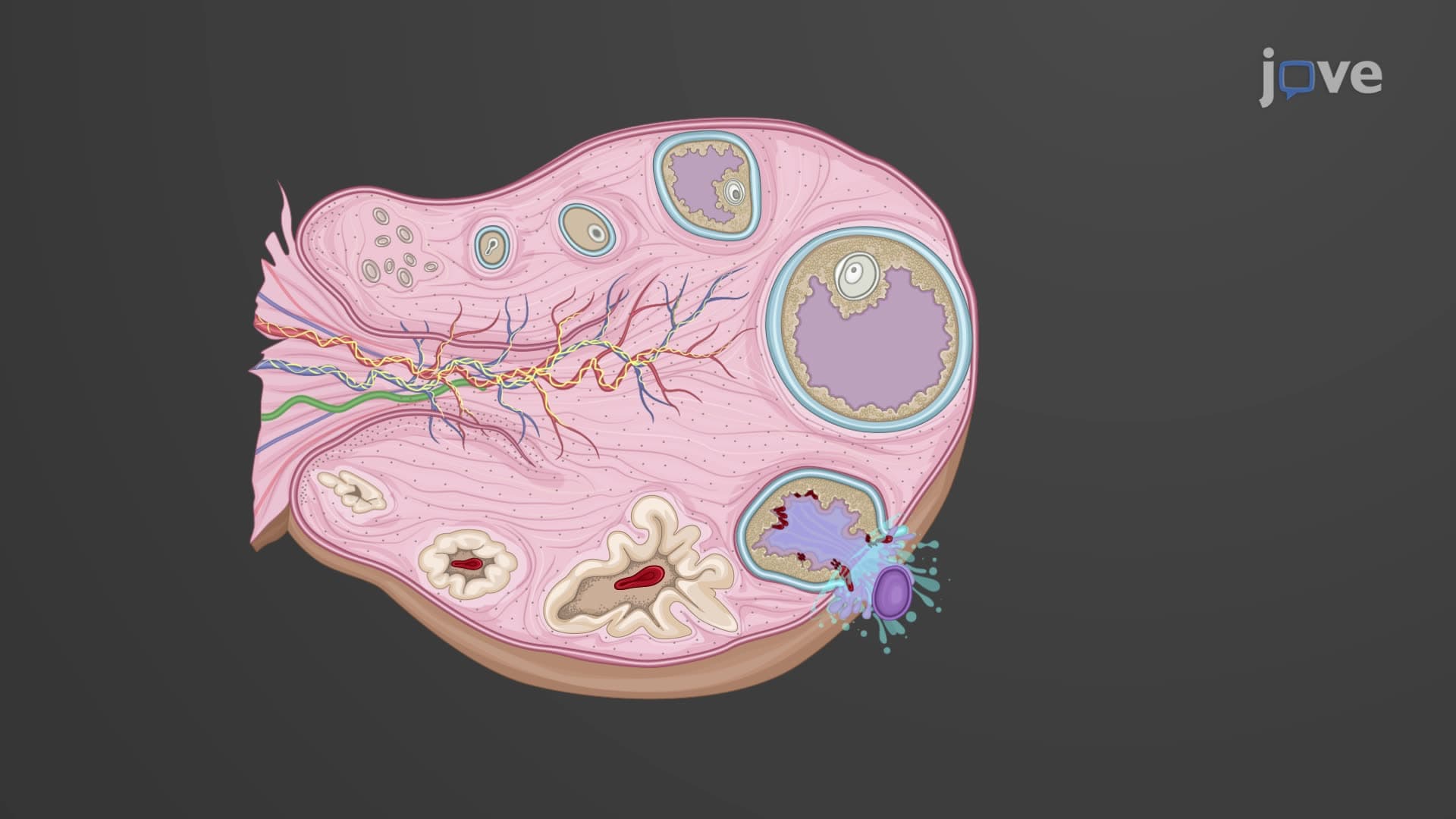
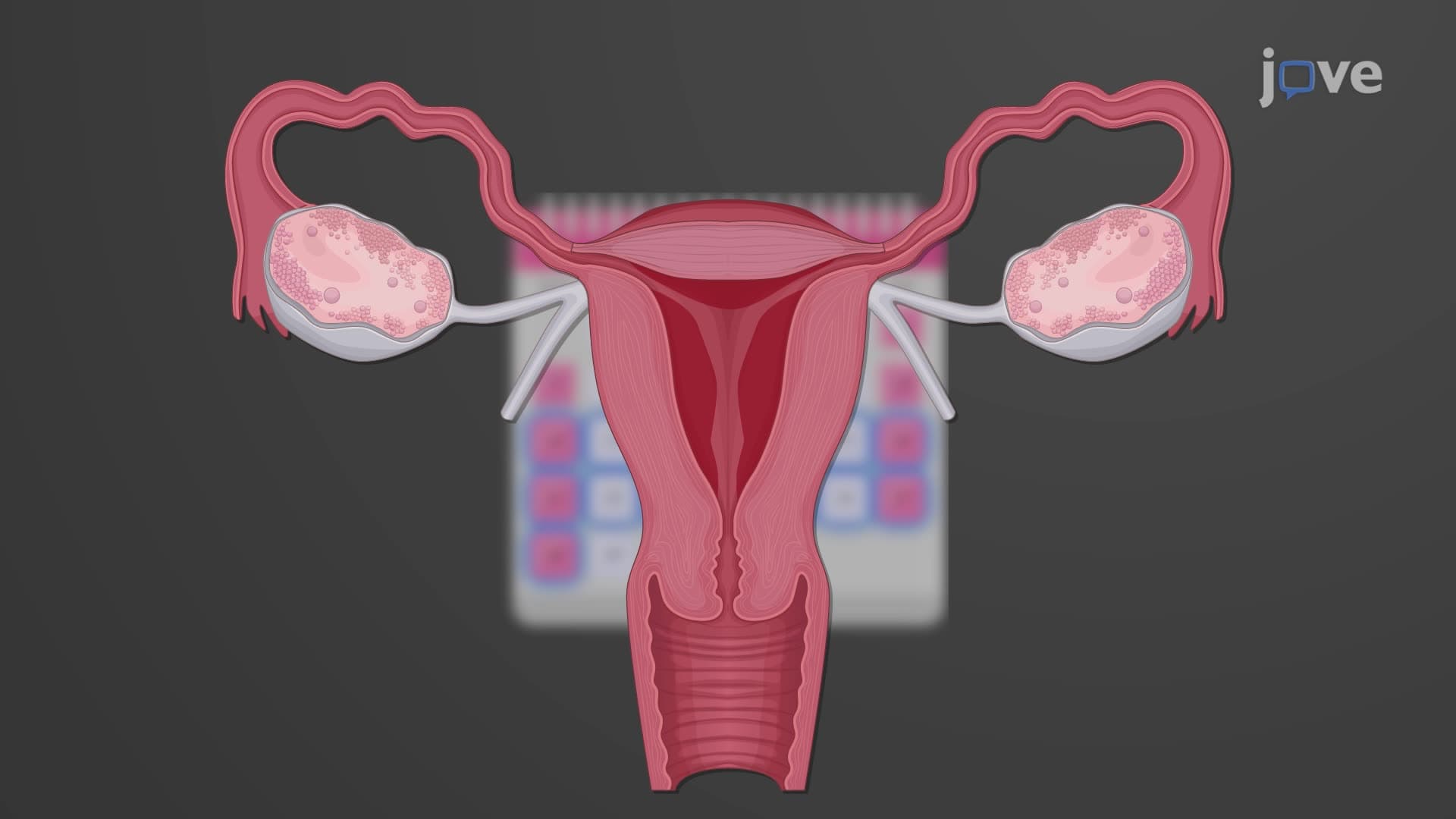
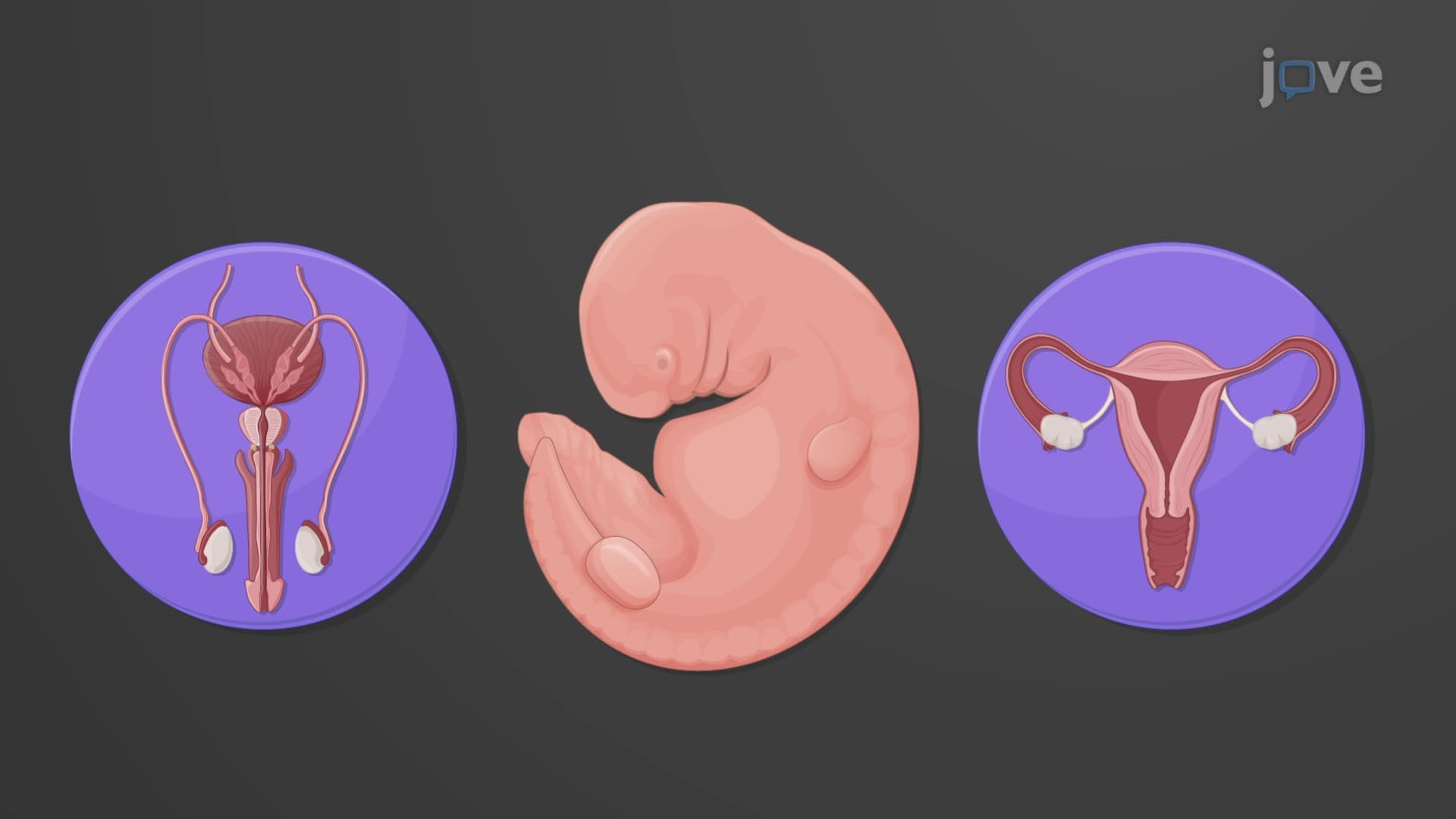
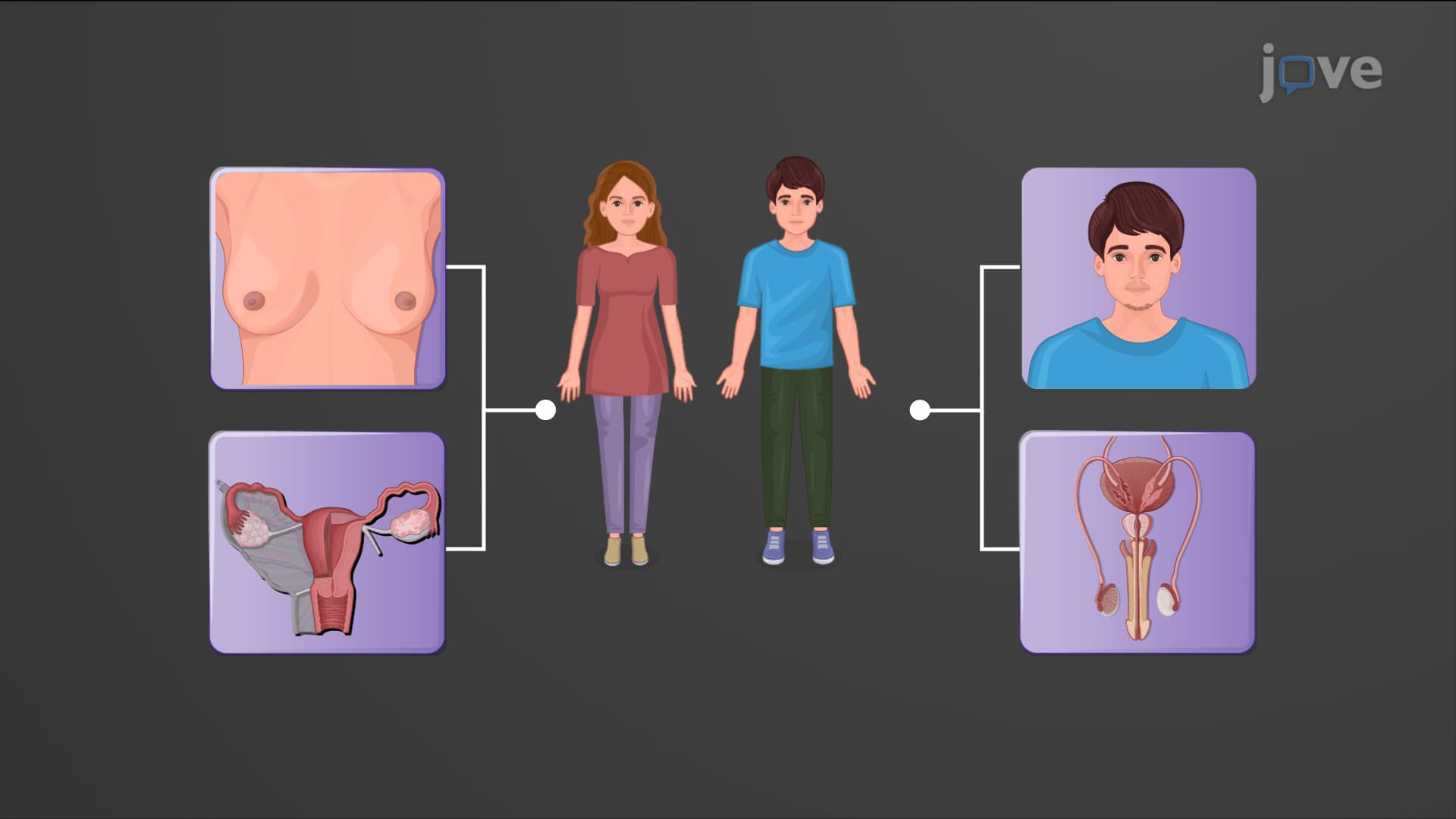
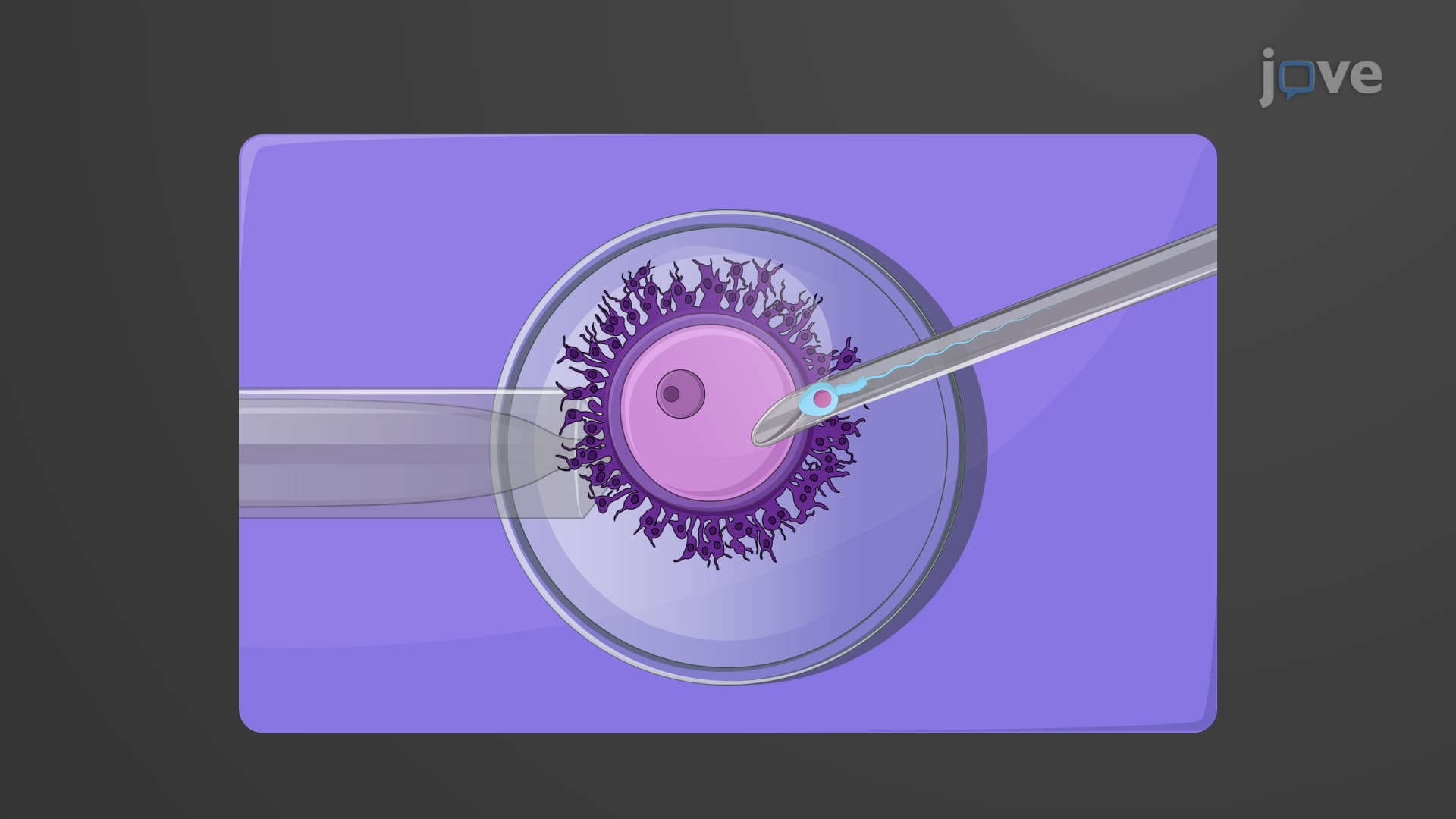
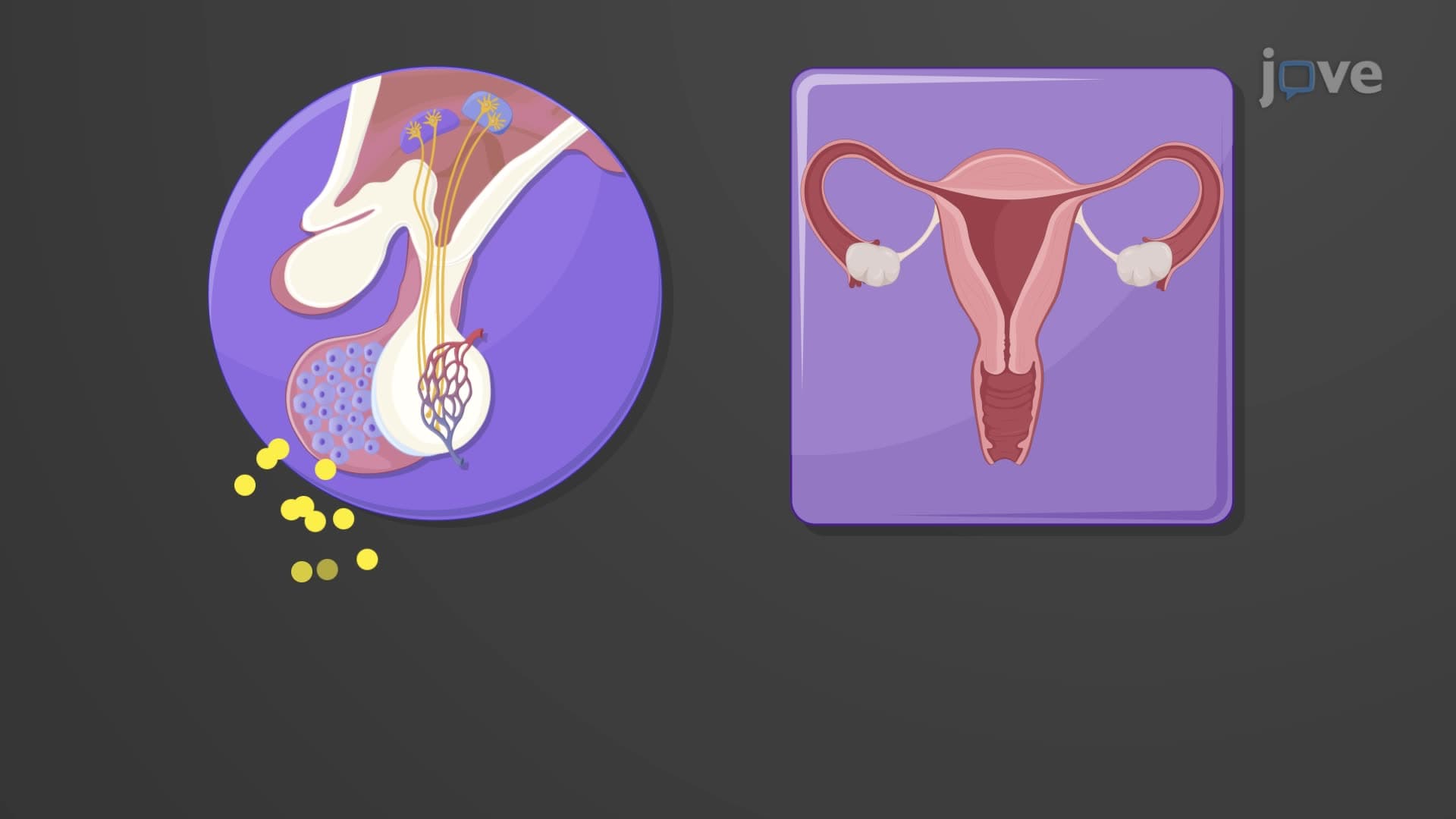
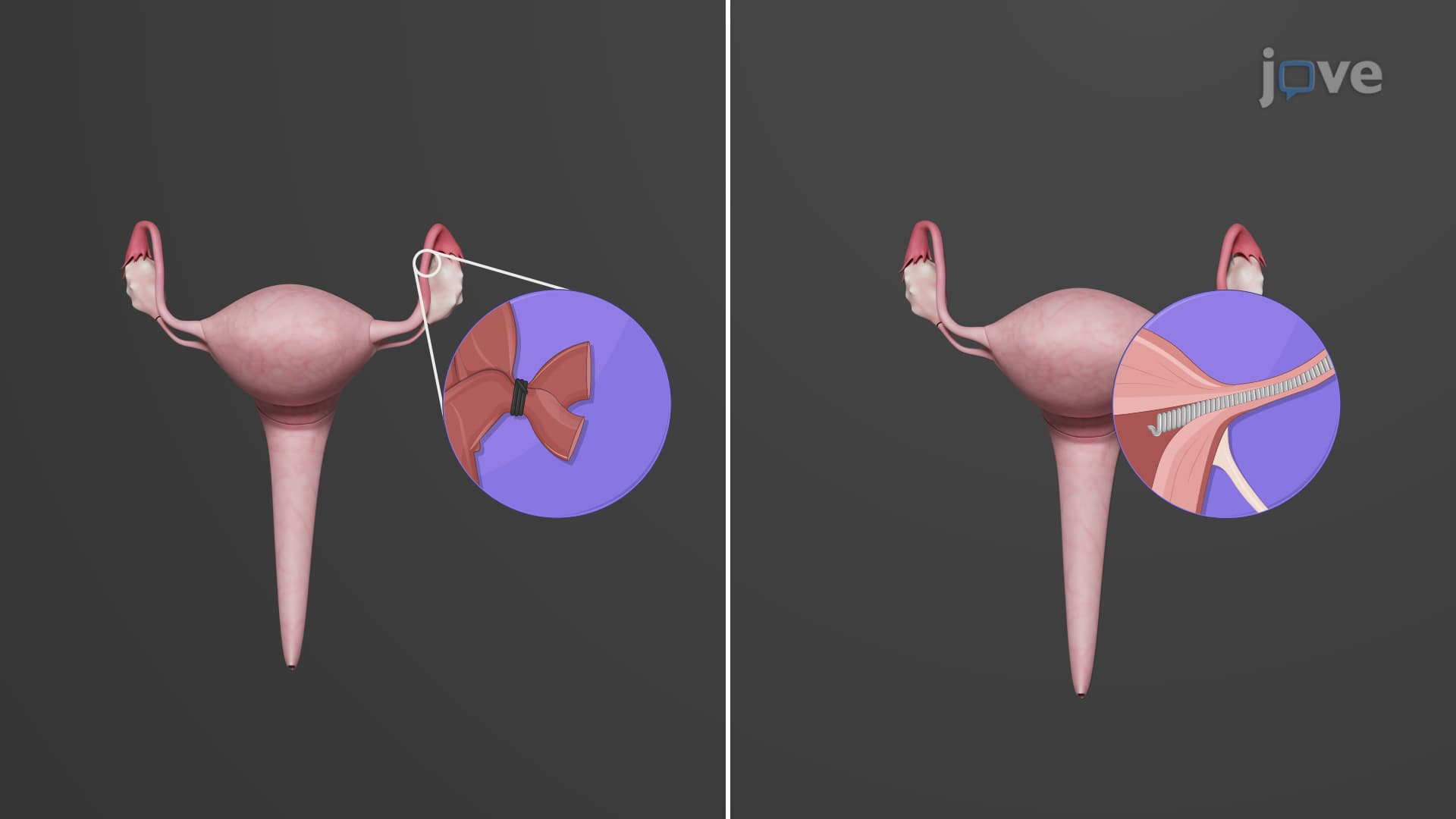

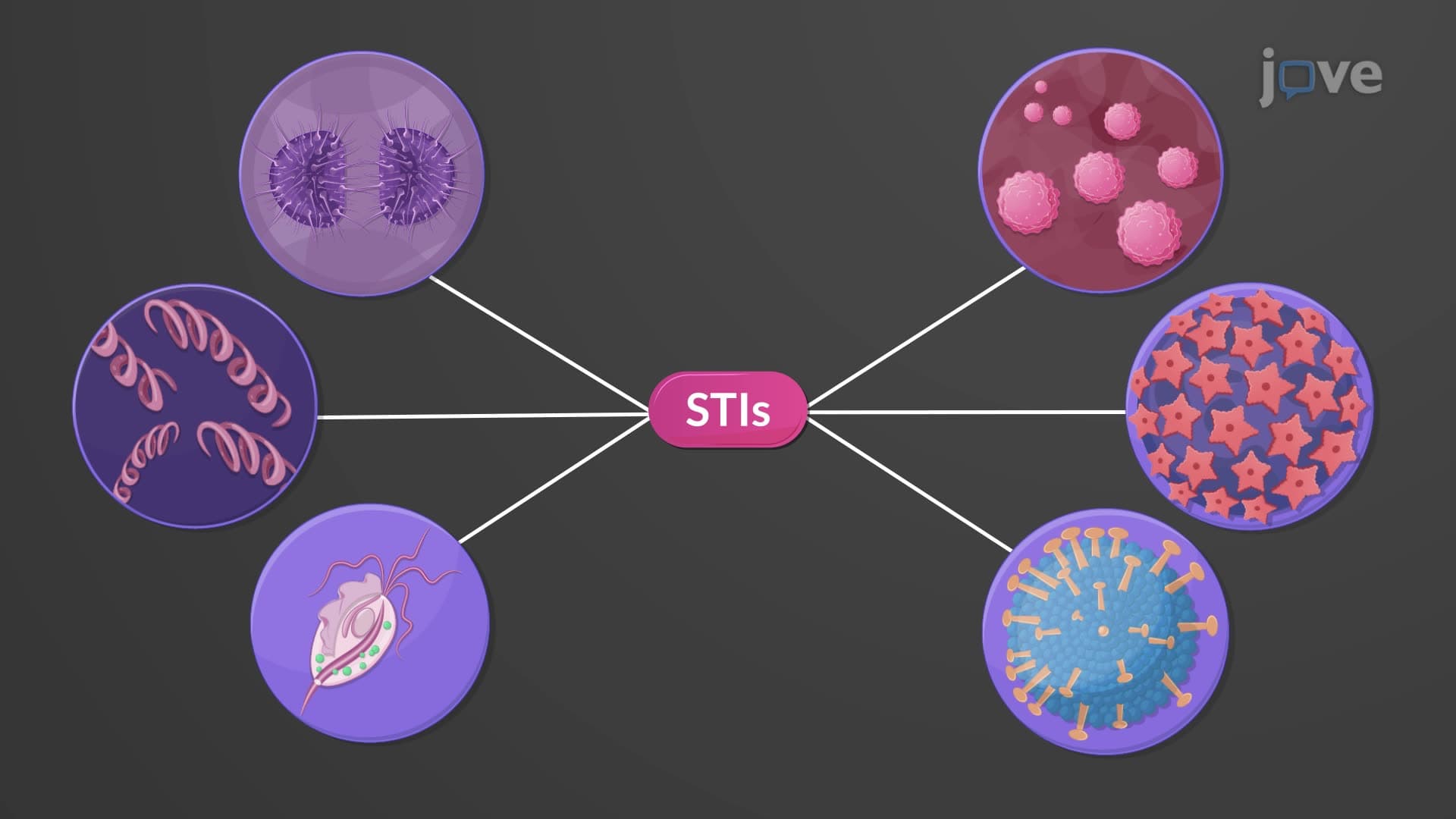
Overview of the Reproductive System

00:00
01:31
Video Summary: What Is Overview Reproductive System
Did you know that a single human sperm cell contains 37.5 MB of genetic data, yet millions compete in a race that only one will win? Understanding the reproductive system overview biology reveals how this complex biological machinery orchestrates human reproduction. From the Stanford University fertility clinics pioneering IVF treatments to high school health classes across America, what is overview reproductive system knowledge forms the foundation of human biology education. This intricate system coordinates specialized cells, hormones, and organs to ensure species survival through precisely timed biological processes. Watch the full video on JoVE Coach to master this concept with expert-led visuals and step-by-step explanations.
- Understand what is overview reproductive system by identifying the primary and accessory reproductive organs in both males and females
- Recognize how gonads function as specialized organs producing both gametes and sex hormones essential for reproduction
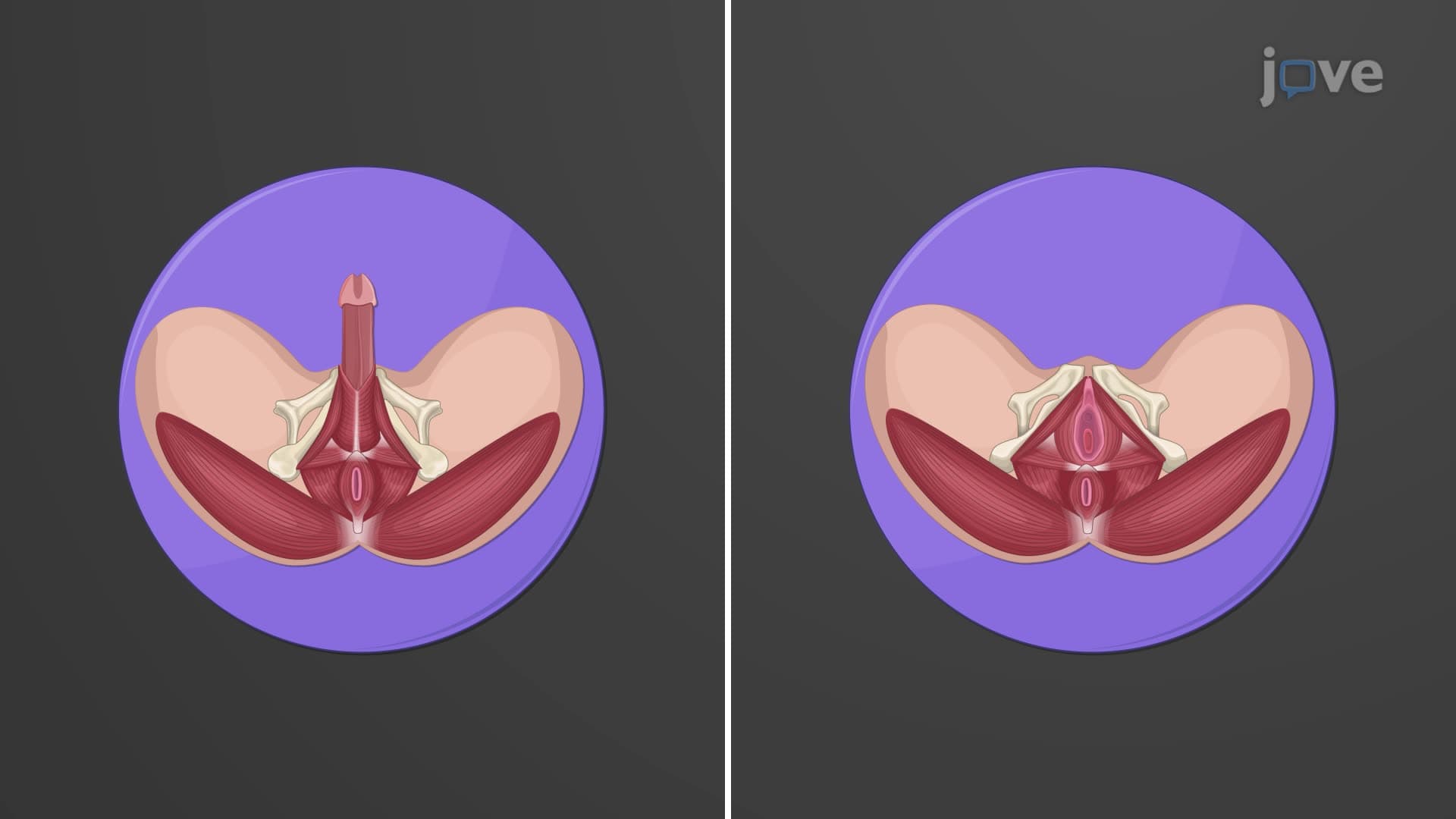
- Compare male and female reproductive anatomy overview, including structural and functional differences between testes and ovaries
- Analyze the role of the hypothalamic-pituitary-gonadal axis in regulating reproductive hormone production and release
- Identify the specific functions of accessory reproductive structures, including ducts, glands, and external genitalia
- Evaluate how reproductive organ anatomy supports fertilization, embryonic development, and childbirth processes
- Apply knowledge of sex organ system overview to understand common reproductive health conditions and treatments
- Explore the integration between reproductive system biology and other body systems, particularly the endocrine system
What is Overview Reproductive System: Core Components and Functions
The reproductive system overview biology encompasses a sophisticated network of organs, hormones, and cellular processes designed to perpetuate human life. Unlike other body systems that maintain individual health, the reproductive system serves a dual purpose: ensuring species survival and influencing personal development through hormone production. This system demonstrates remarkable sexual dimorphism, with males and females developing distinctly different anatomical structures that complement each other functionally.
Male and Female Reproductive Anatomy Overview: Structural Organization
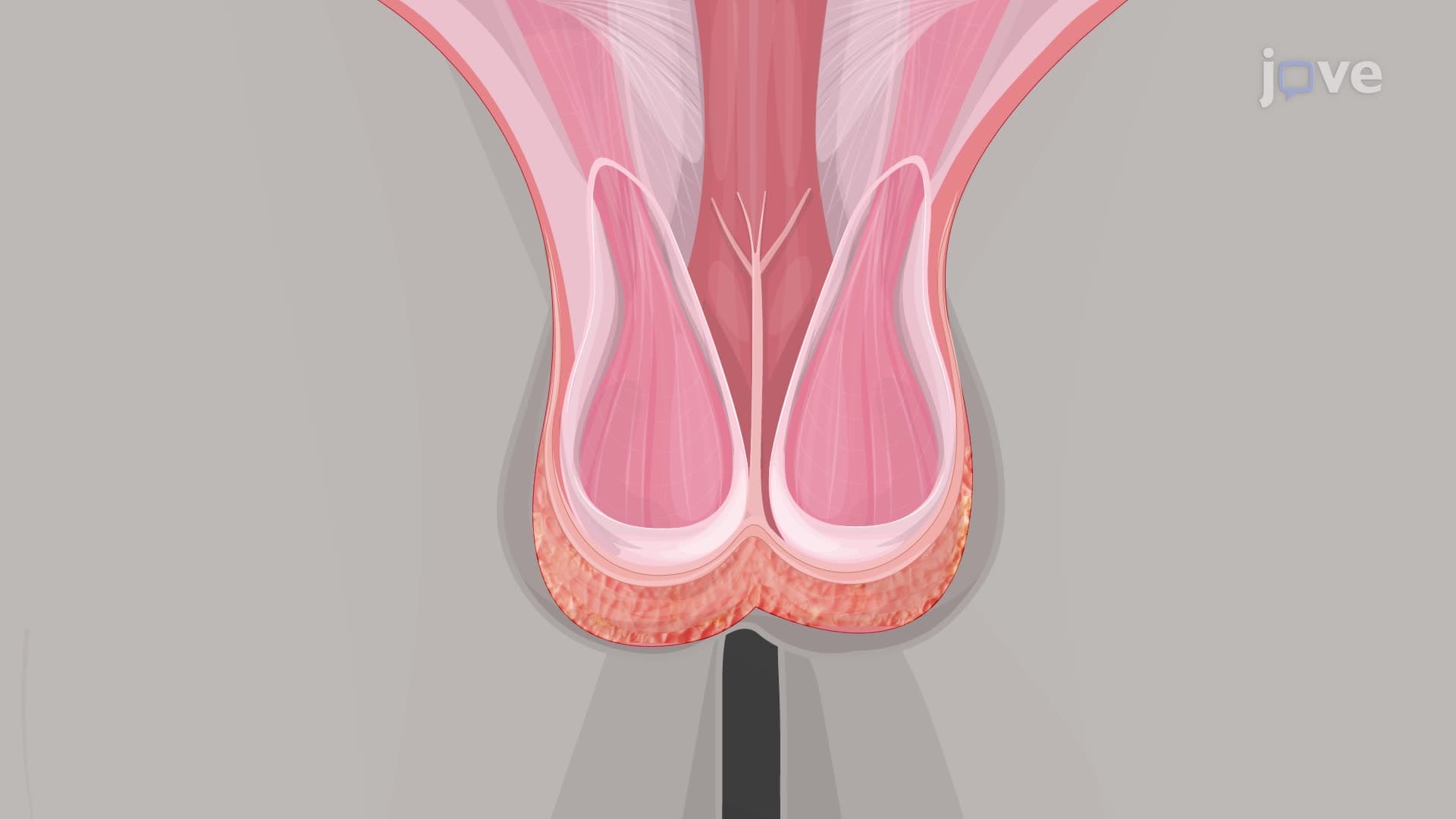
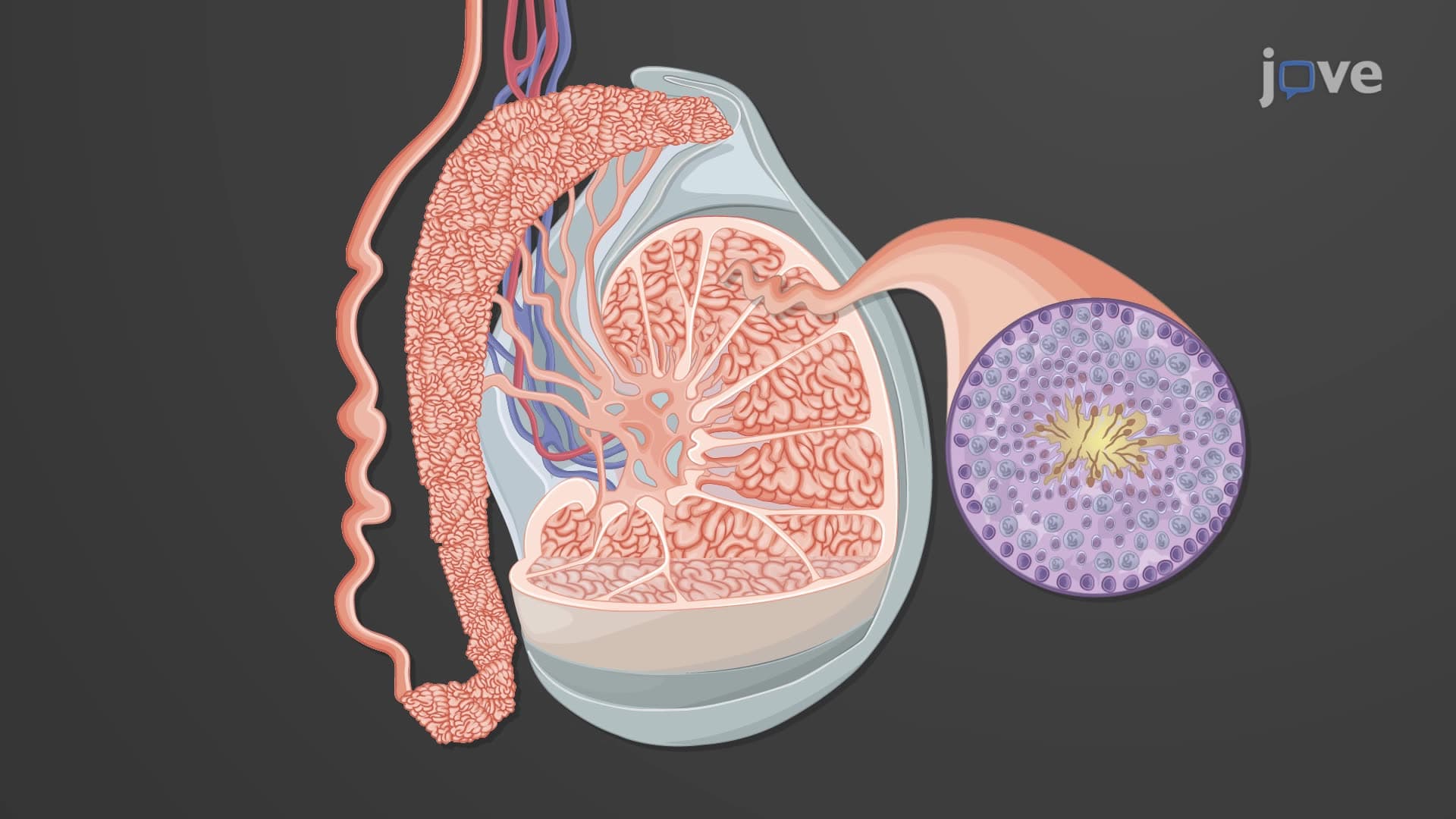
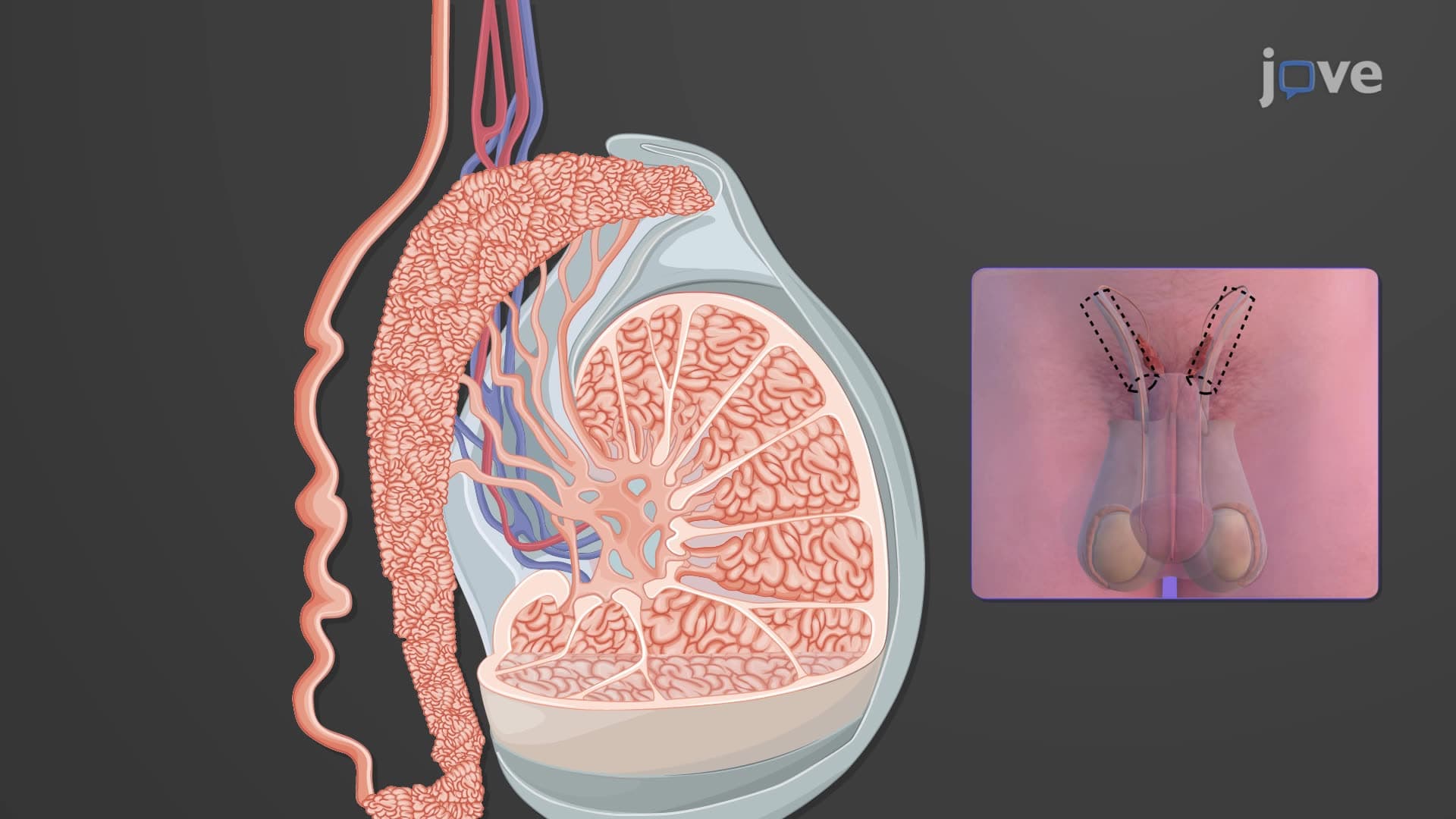
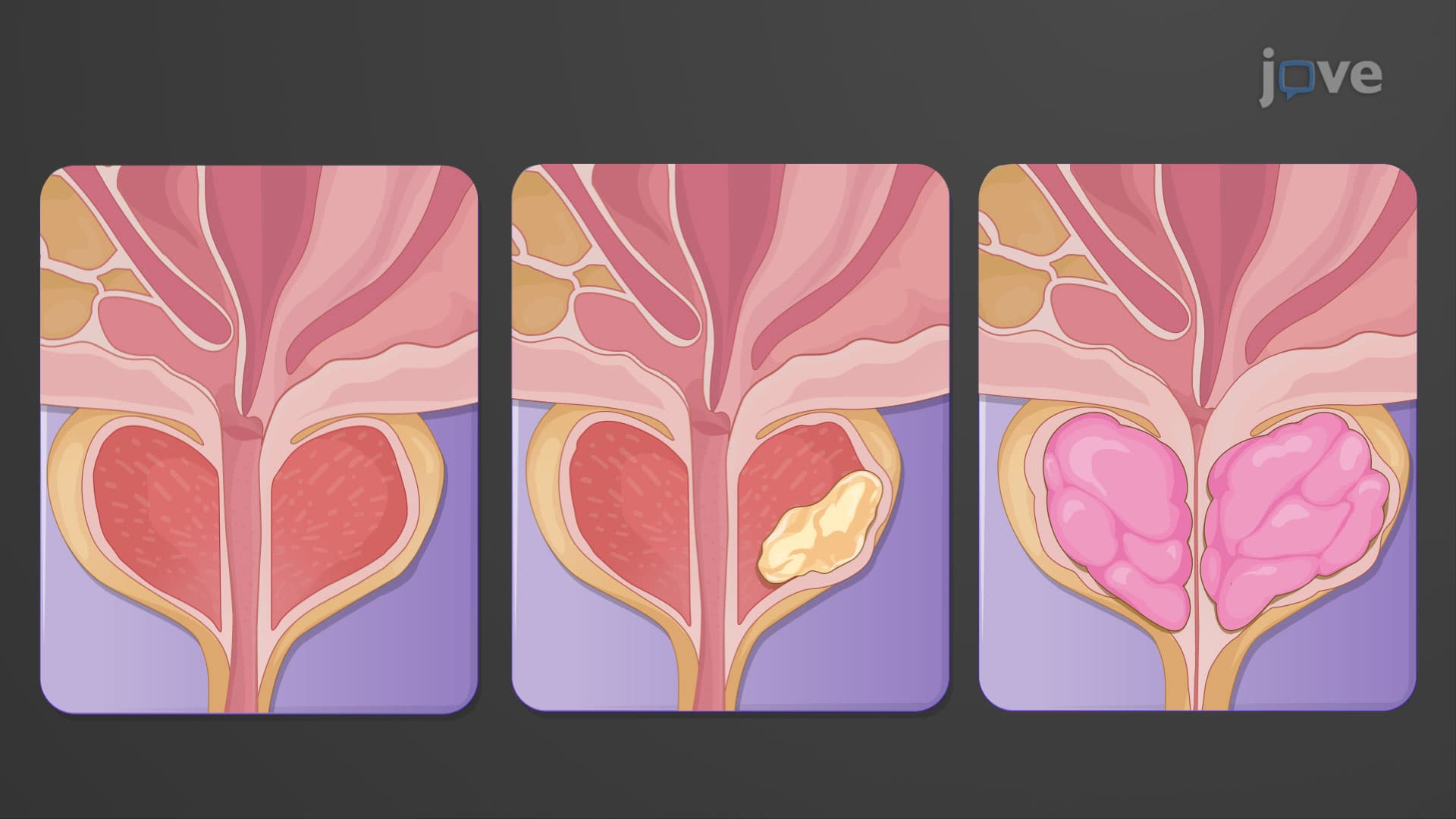
Reproduction system anatomy overview reveals a hierarchical organization centered around the gonads. In males, the testes serve as primary reproductive organs, producing approximately 300 million sperm daily alongside testosterone synthesis. The Cleveland Clinic reports that healthy sperm production requires temperatures 2-3 degrees below normal body temperature, explaining the external positioning of testes. Supporting structures include the epididymis for sperm maturation, vas deferens for transport, and accessory glands like the prostate and seminal vesicles that contribute to seminal fluid composition.
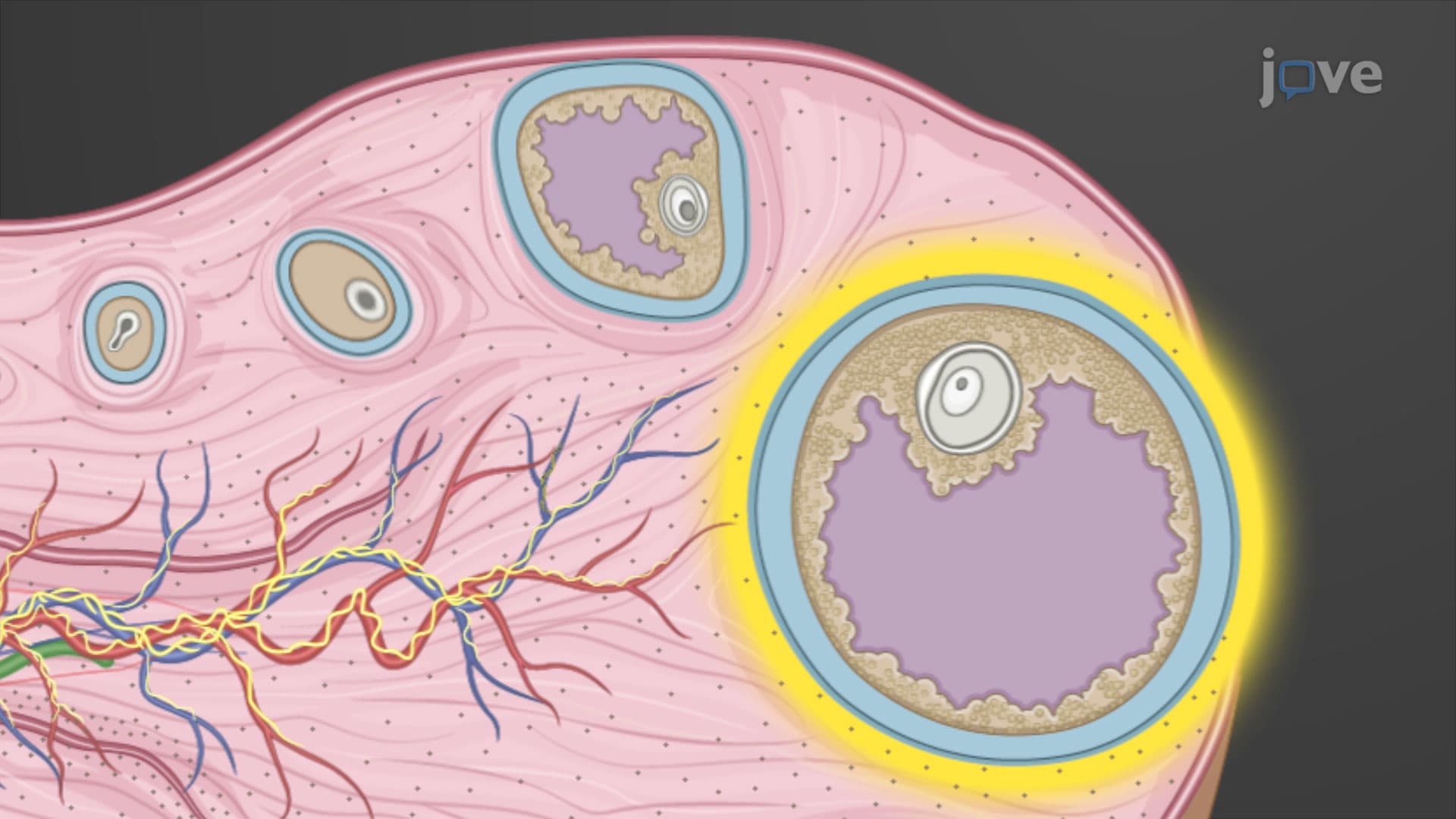
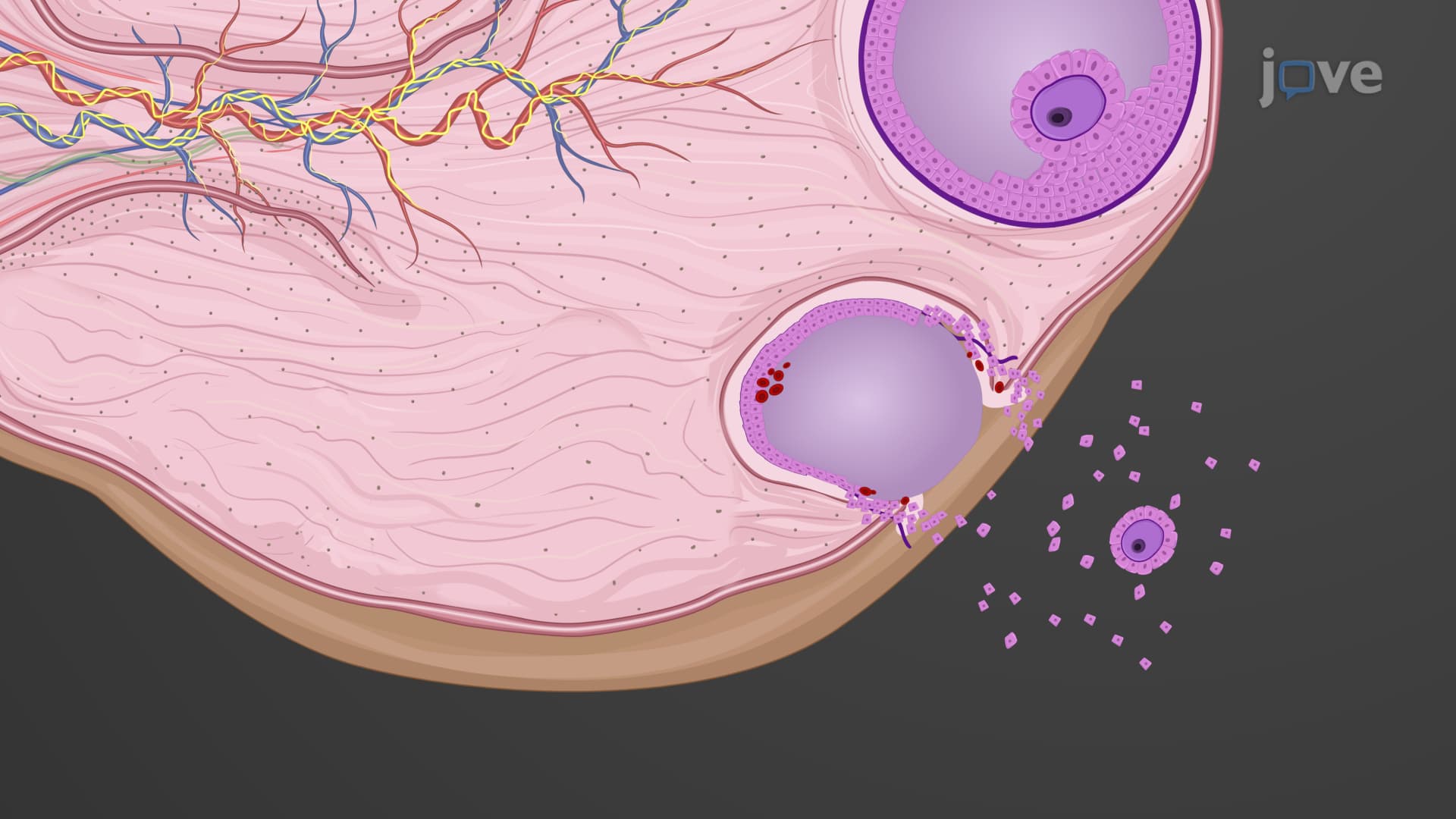
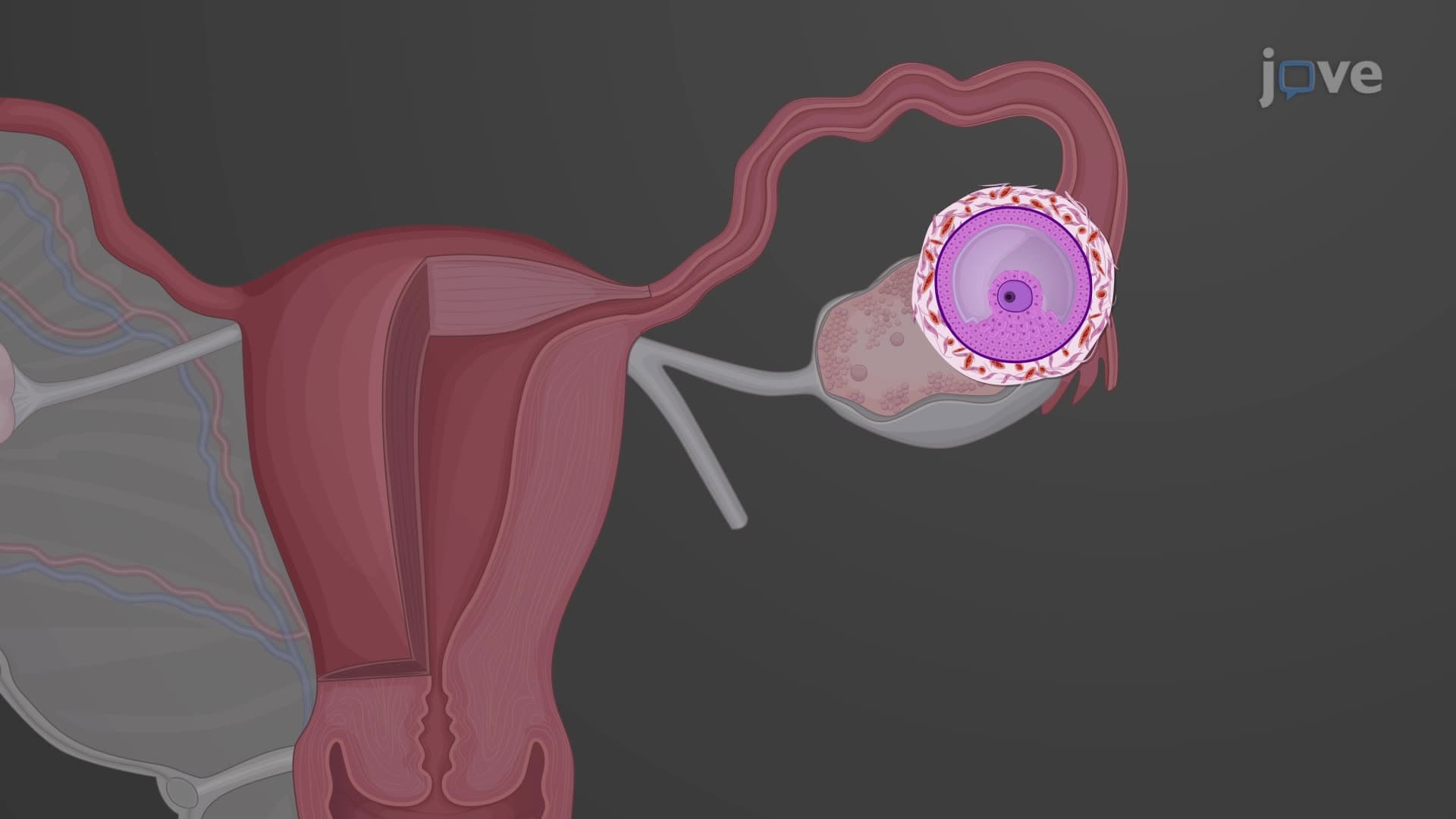
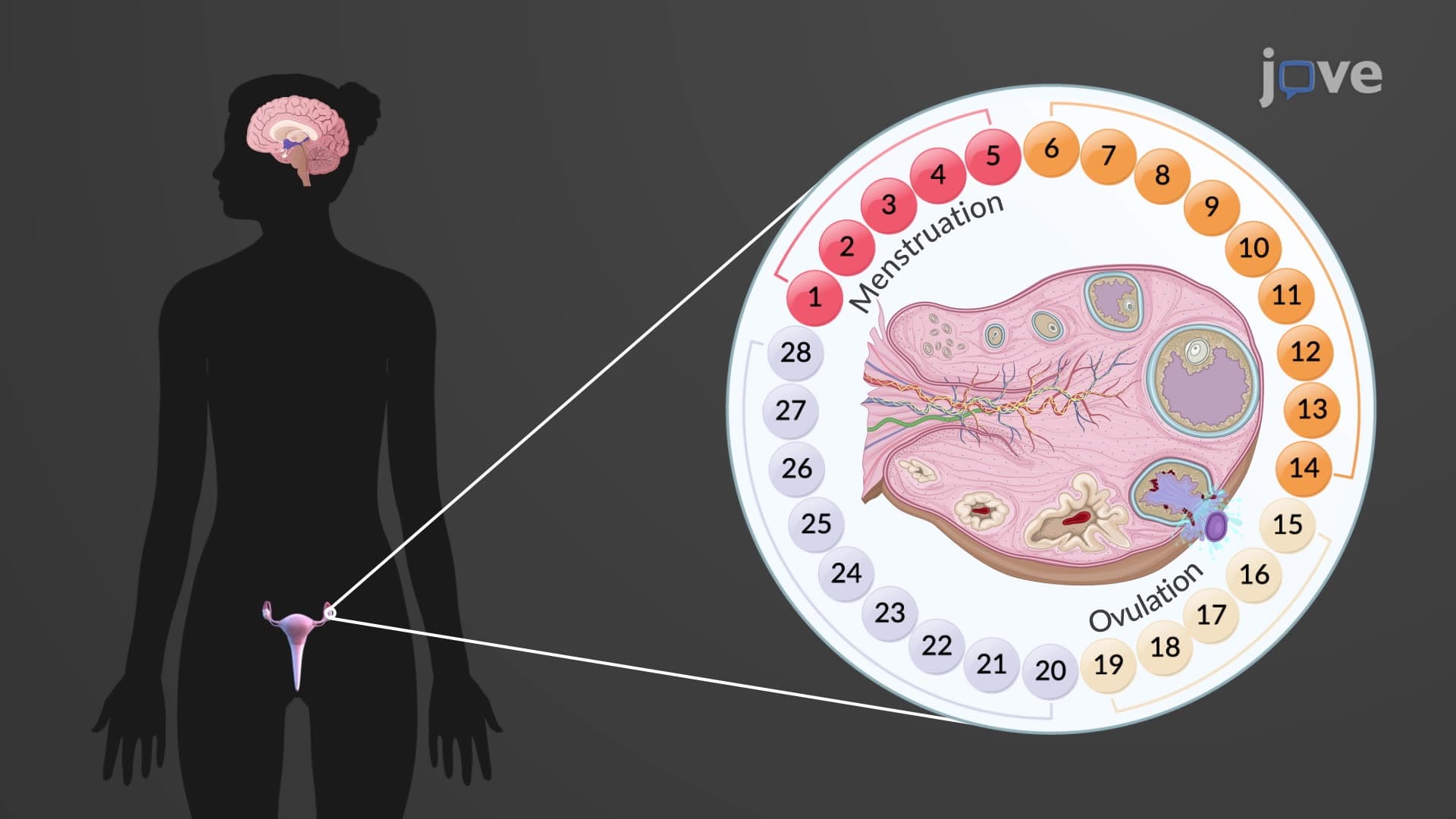
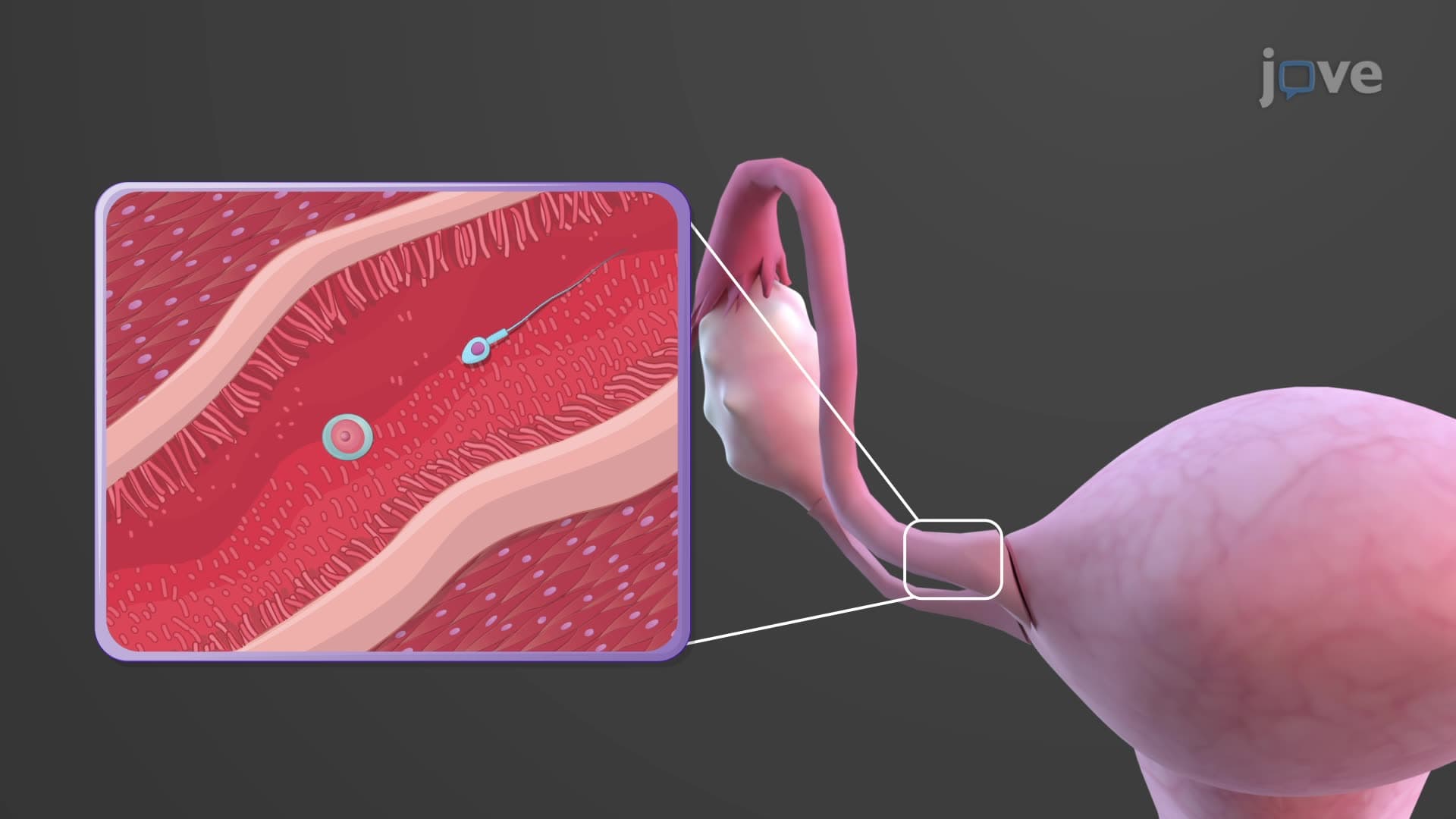
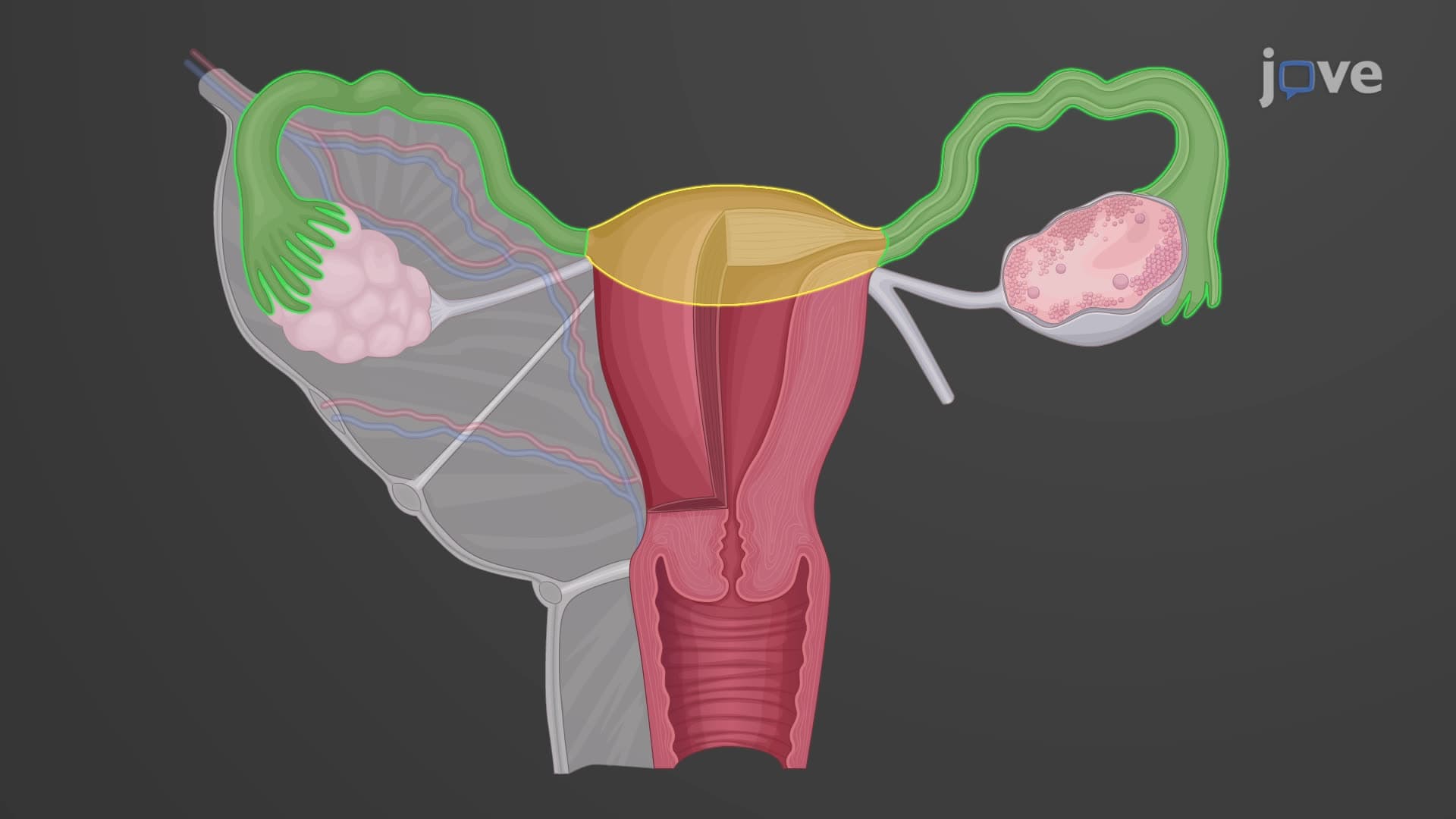
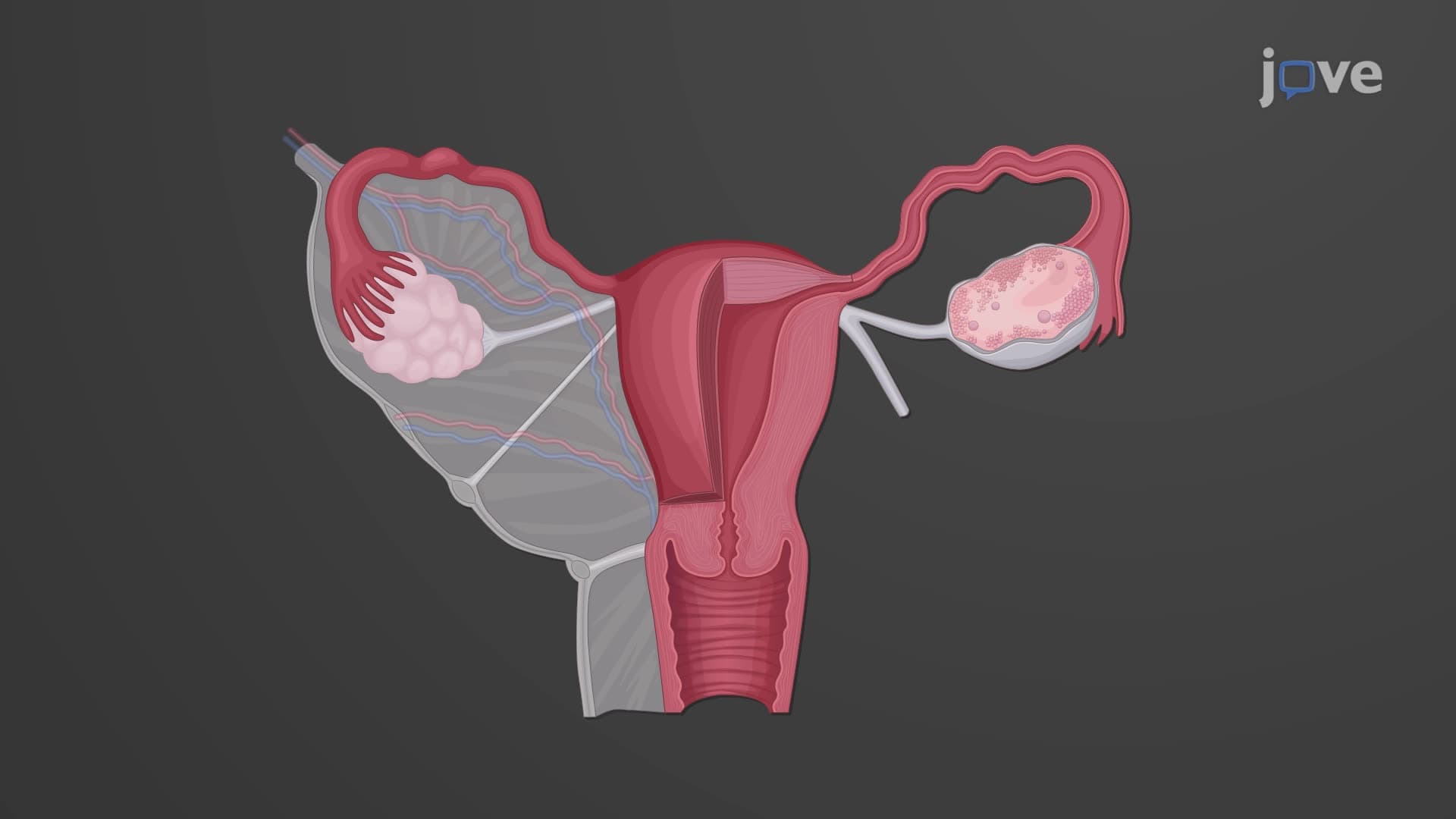
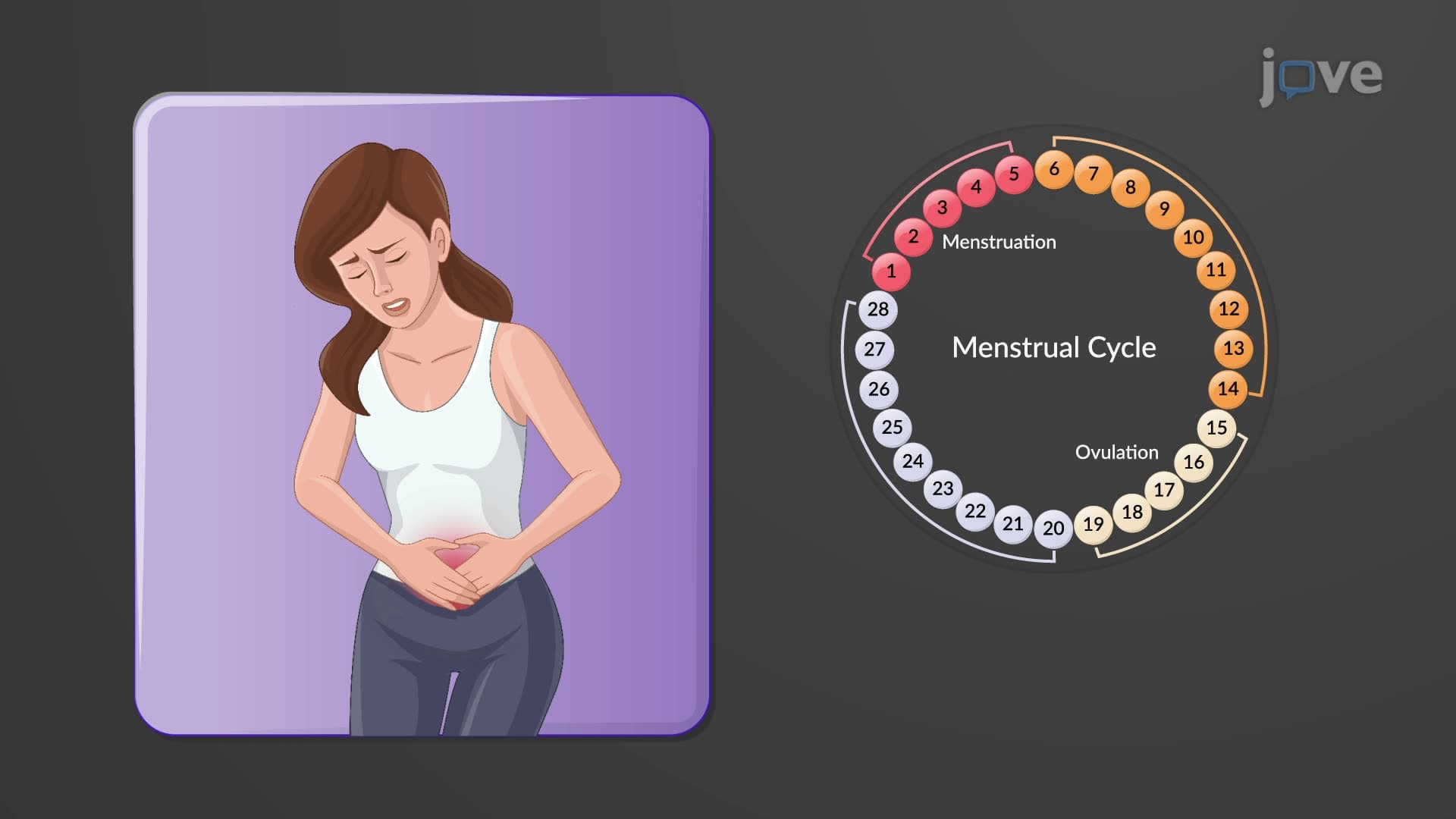
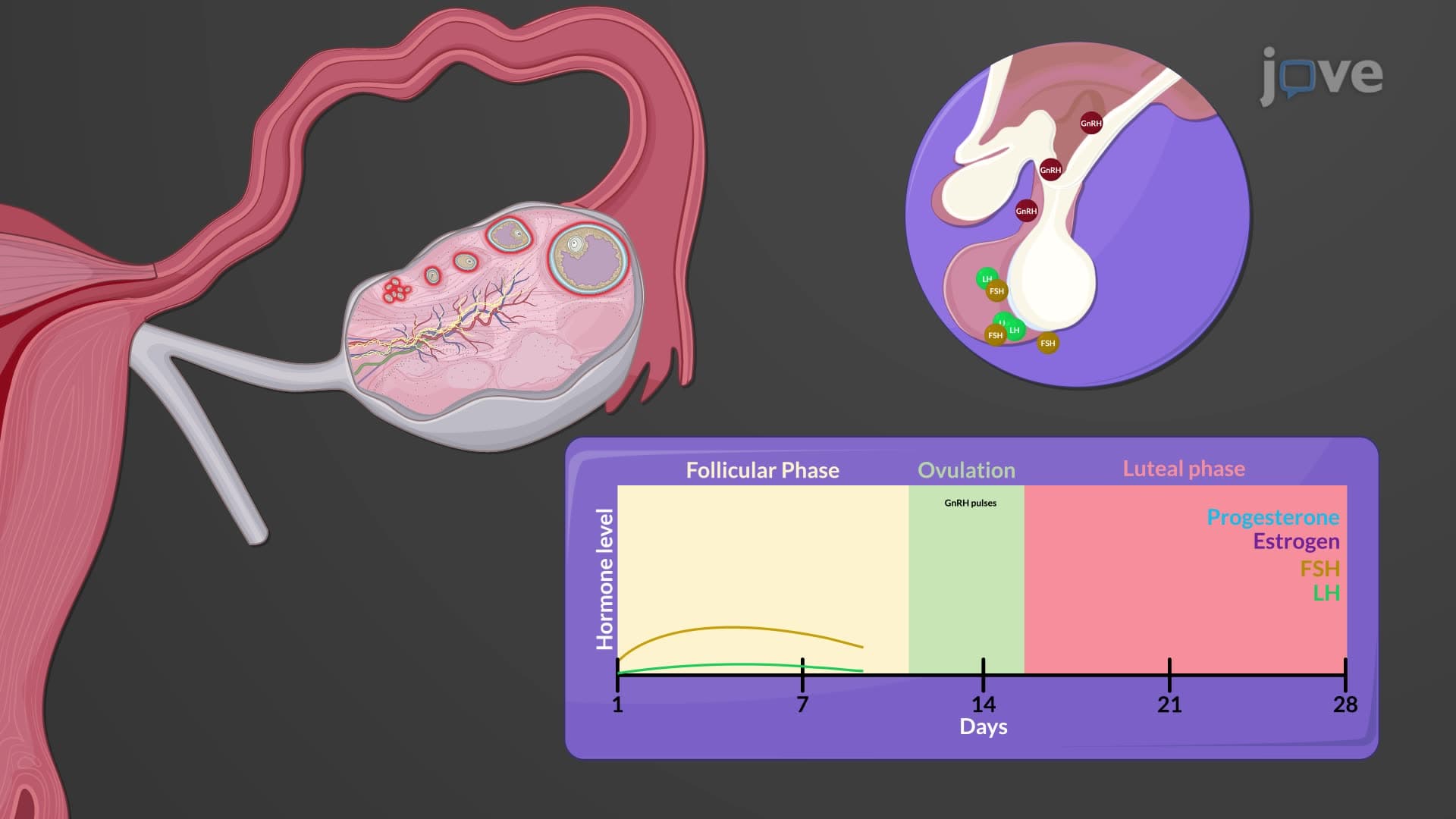
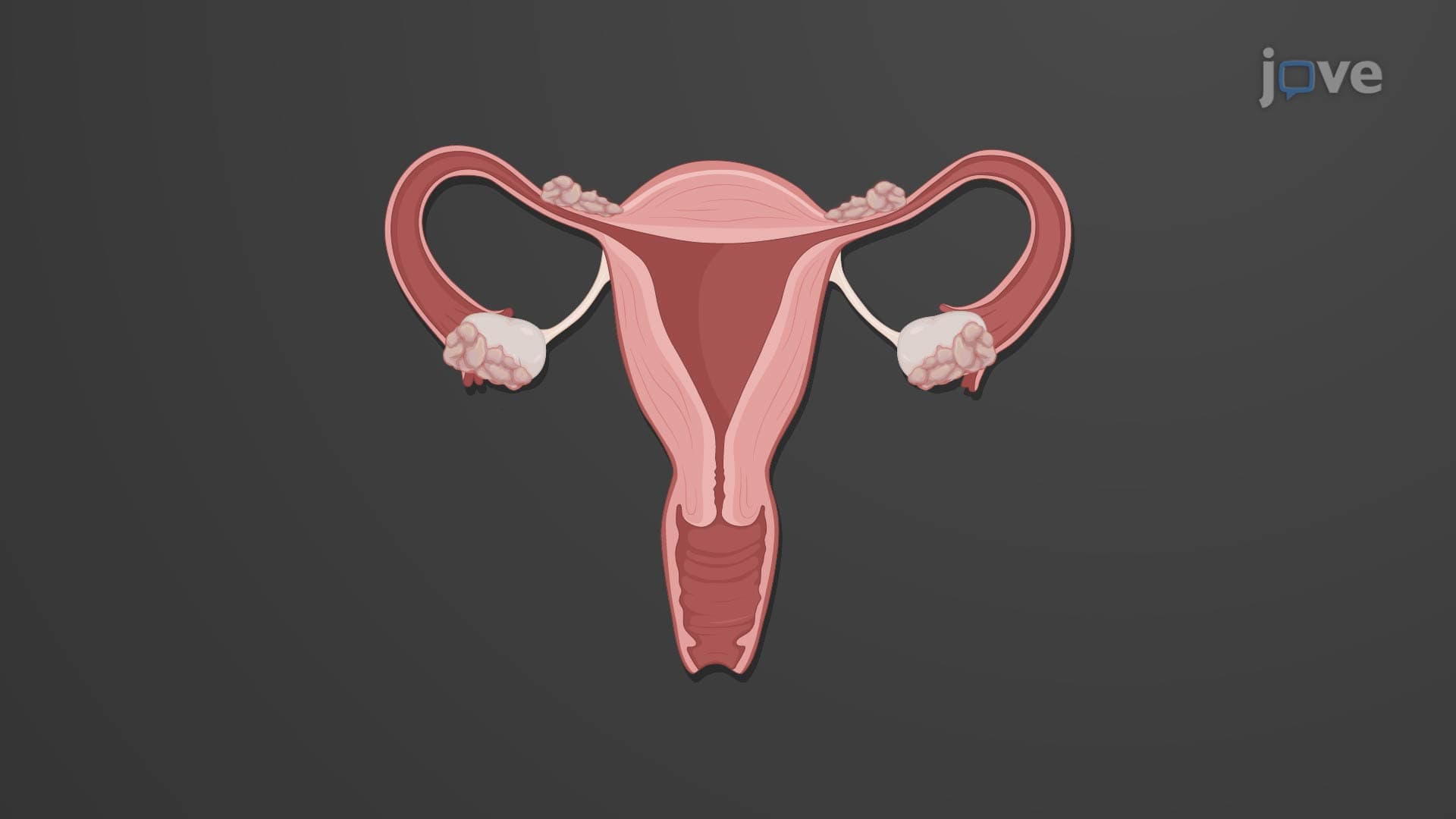
Female reproductive organ anatomy centers on the ovaries, which contain approximately 400,000 follicles at puberty. The Mayo Clinic emphasizes that only about 400 of these will mature during a woman's reproductive years. The fallopian tubes, uterus, and vagina form an integrated pathway supporting fertilization, implantation, and childbirth. This system demonstrates cyclical functionality through the menstrual cycle, regulated by complex hormonal feedback mechanisms.
Hormonal Regulation and the Hypothalamic-Pituitary-Gonadal Axis
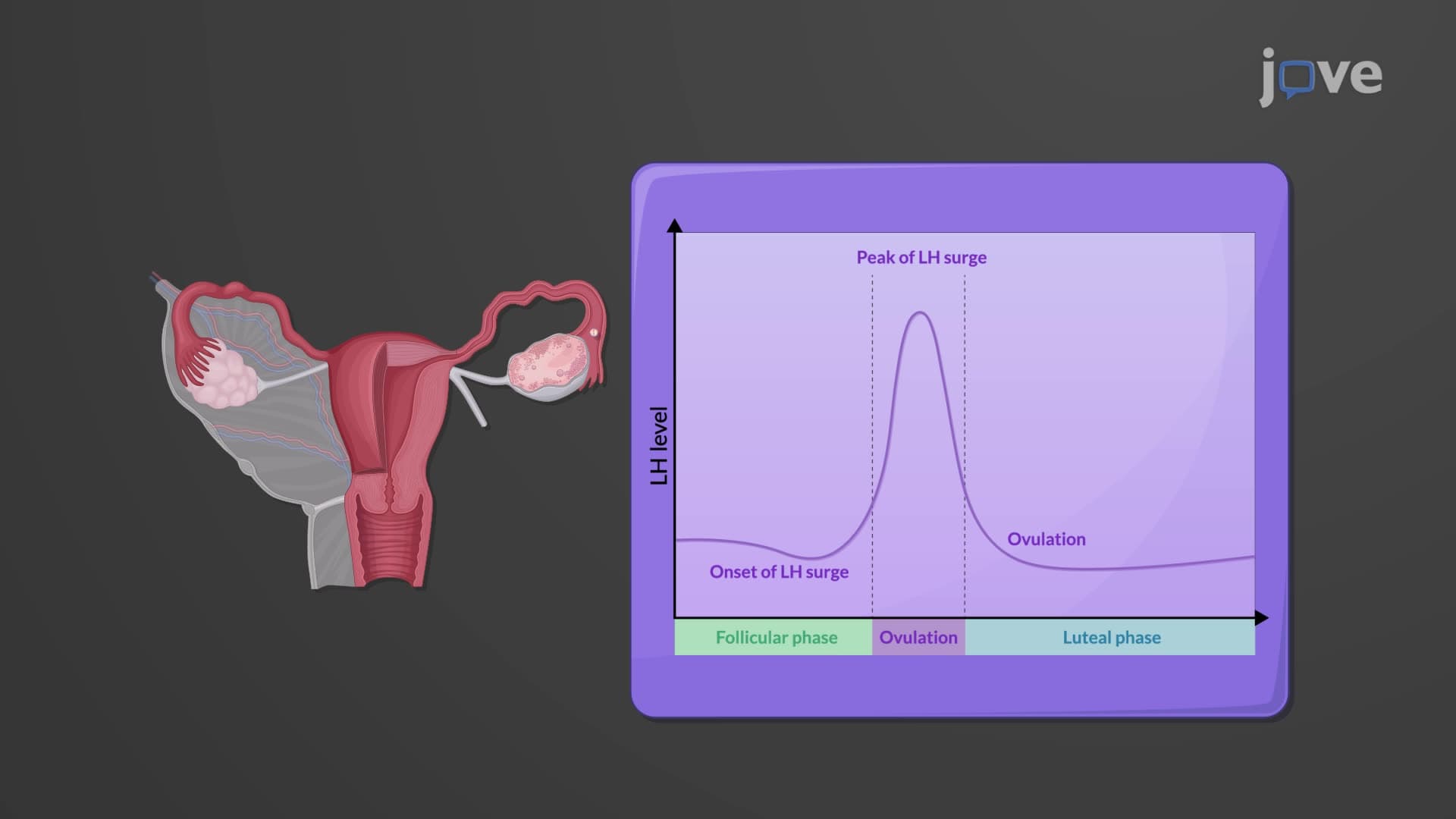
The sex organ system overview cannot be understood without examining hormonal control mechanisms. The hypothalamic-pituitary-gonadal axis functions as the master regulatory system, with GnRH from the hypothalamus stimulating FSH and LH release from the anterior pituitary. These gonadotropins then regulate gonadal hormone production and gamete development. Johns Hopkins Medical School research shows that disruptions in this axis can lead to infertility, making this concept crucial for understanding reproductive disorders commonly tested on the MCAT and USMLE Step 1.
Clinical Applications and Exam Relevance
Understanding reproductive system biology proves essential for various standardized exams. AP Biology students encounter this topic in Unit 6 (Gene Expression and Regulation), while pre-med students face detailed reproductive endocrinology questions on the MCAT's Biological and Biochemical Foundations section. The College Board emphasizes understanding feedback loops and hormonal regulation, concepts that appear frequently in free-response questions. Additionally, this knowledge foundation supports advanced study in gynecology, urology, and reproductive endocrinology specialties.
Frequently Asked Questions
The reproductive system overview encompasses all organs, hormones, and processes involved in human reproduction and sexual development. It's crucial for understanding human biology, preparing for medical careers, and making informed health decisions. This system uniquely integrates with the endocrine system to influence growth, development, and behavior throughout life.
MCAT Bio/Biochem sections frequently test hormonal regulation, gamete formation, and reproductive anatomy, comprising 5-10% of biological content. AP Biology includes reproductive system concepts in Units 6 and 7, focusing on gene regulation, hormonal signaling, and evolutionary biology. Students should master feedback loops, hormone pathways, and comparative anatomy for optimal performance.
USMLE Step 1 emphasizes reproductive endocrinology, embryology, and pathophysiology within the reproductive system. Key areas include menstrual cycle regulation, spermatogenesis, fertilization processes, and common reproductive disorders. The exam tests both normal physiology and disease states, requiring comprehensive understanding of structure-function relationships.
Healthcare professionals at institutions like Massachusetts General Hospital use this knowledge daily for patient counseling, fertility treatments, and disease diagnosis. For example, understanding ovarian hormone cycles helps explain contraceptive mechanisms, while knowing testicular anatomy aids in cancer screening. This knowledge directly impacts patient care quality and treatment outcomes.
Most students find reproductive biology accessible with proper foundation in basic anatomy and physiology concepts. The system follows logical organizational patterns, and many processes parallel concepts already learned in general biology. Starting with basic anatomy and progressing to hormonal regulation creates a manageable learning progression for grades 9-12.
Create comparative charts showing male versus female structures and functions, then focus on hormonal pathway diagrams with feedback loops clearly marked. Practice with labeled anatomical diagrams and use mnemonics for hormone sequences. Many successful pre-med students recommend connecting reproductive concepts to clinical cases for better retention and application.
Students should progress to reproductive endocrinology, focusing on disorders like PCOS and male hypogonadism, then explore assisted reproductive technologies and genetic aspects of reproduction. Advanced study might include comparative reproductive biology across species, which provides excellent preparation for graduate-level coursework in biology or medicine.
The reproductive system extensively integrates with the endocrine system through shared hormones like testosterone and estrogen, which affect bone density, cardiovascular health, and brain function. It also connects to the urinary system in males through shared structures, and influences the immune system through hormone-mediated effects on immune cell function.
Related Micro-courses

14 Concepts
6 Concepts
21 Concepts