Loading subject page…

- Anatomy and Physiology
- The Reproductive System
- Proliferative Phase
Micro-course: The Reproductive System
140,998 views
Learn key concepts and earn your certificate.

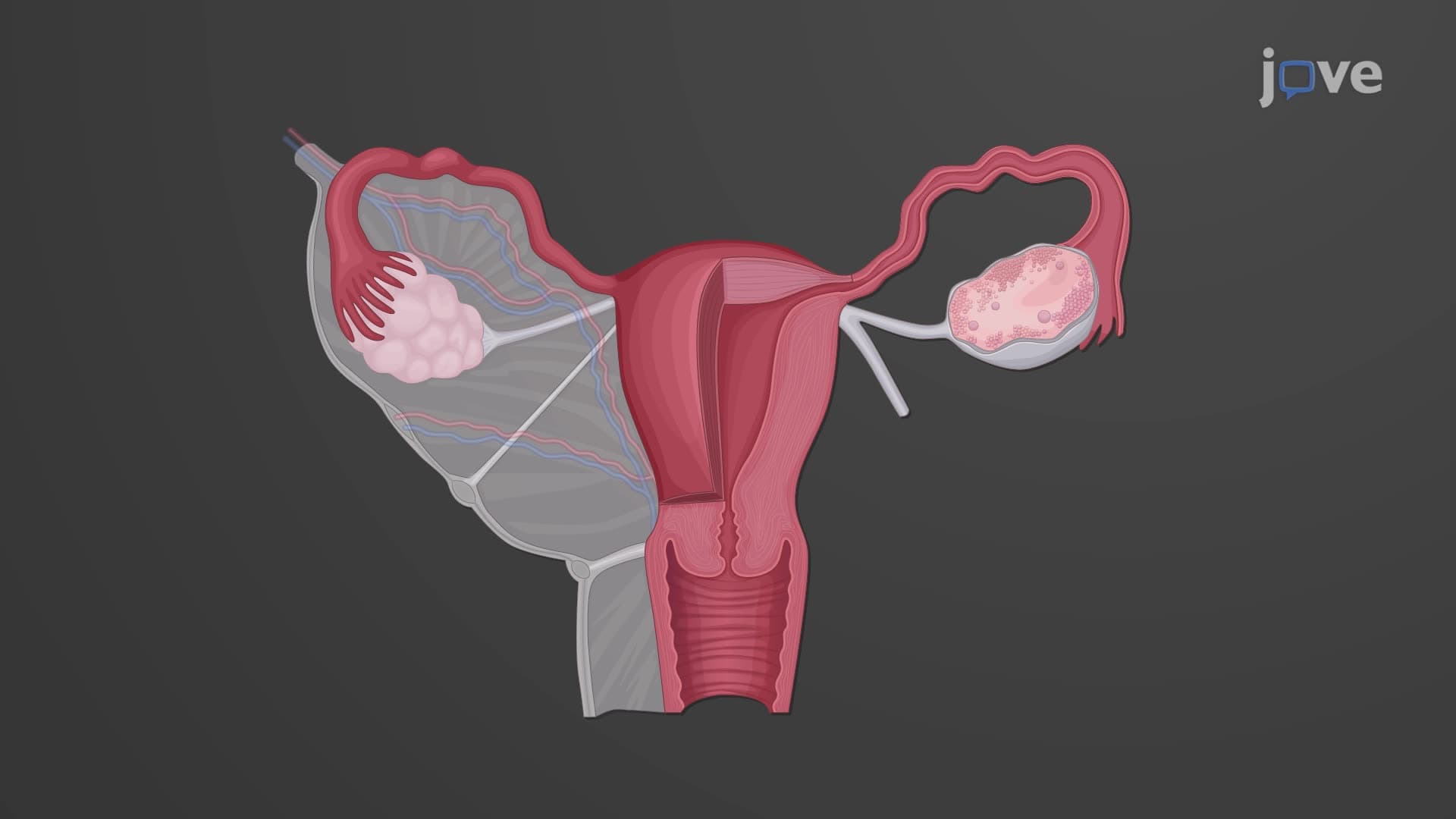
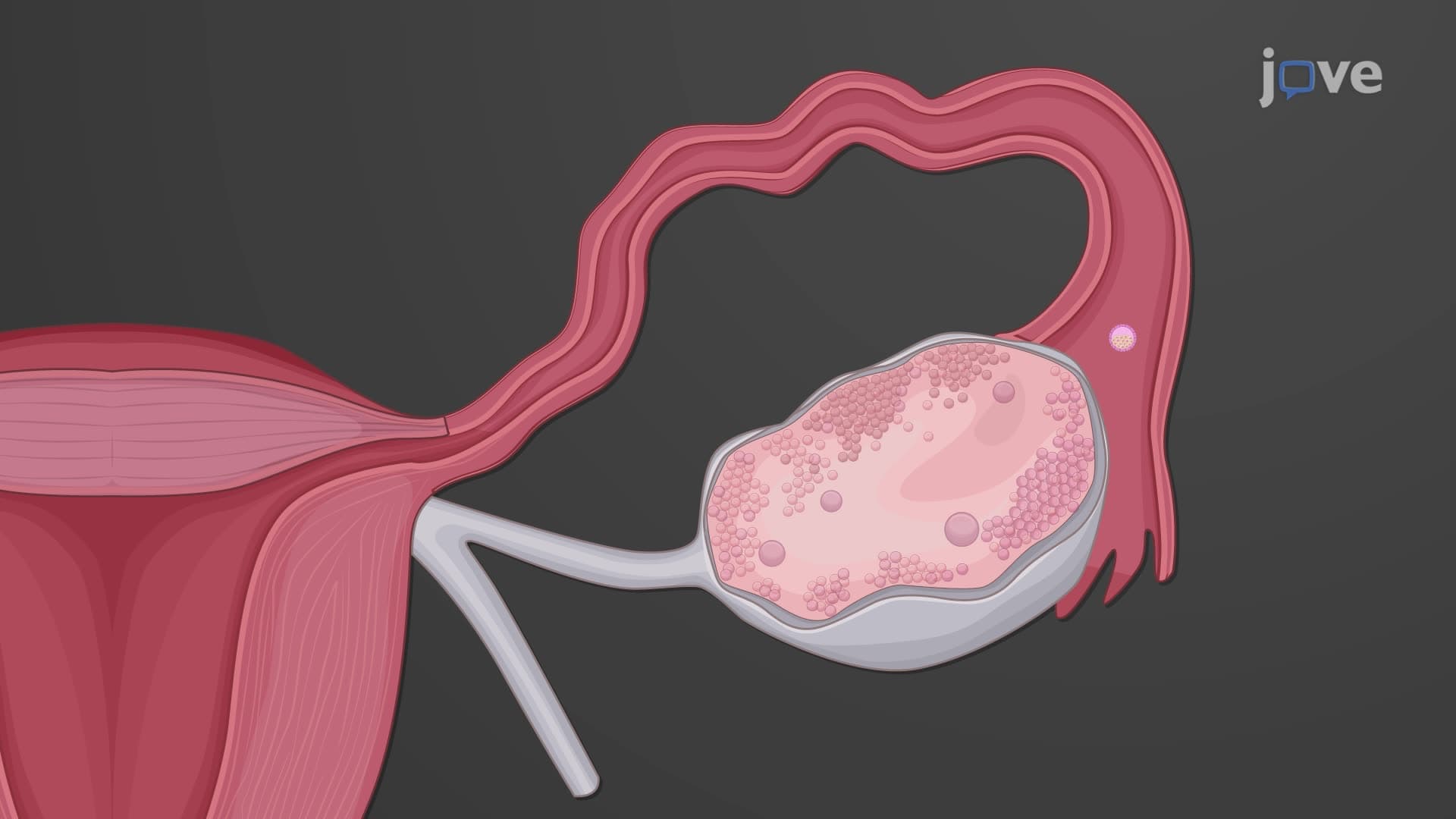
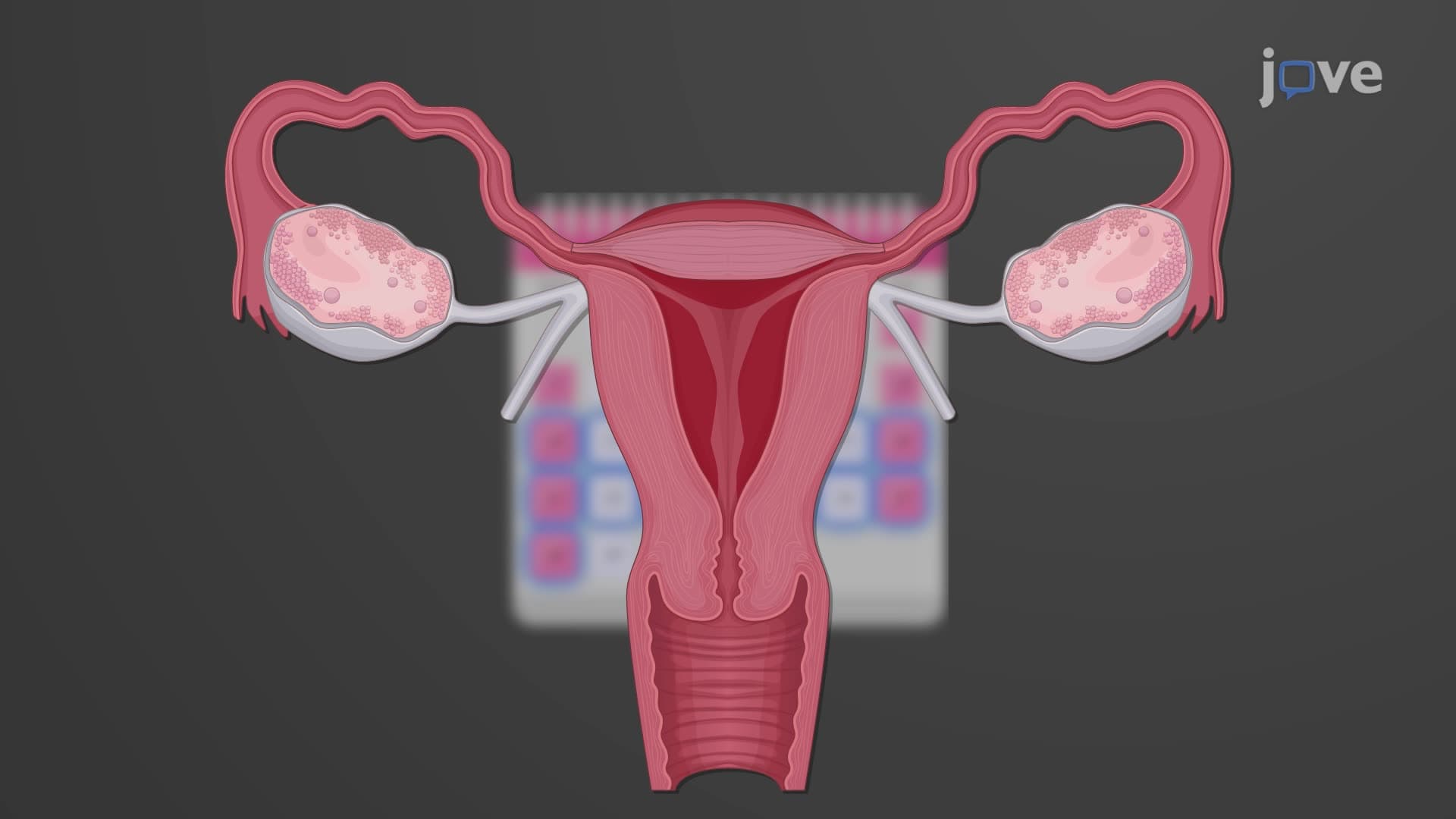

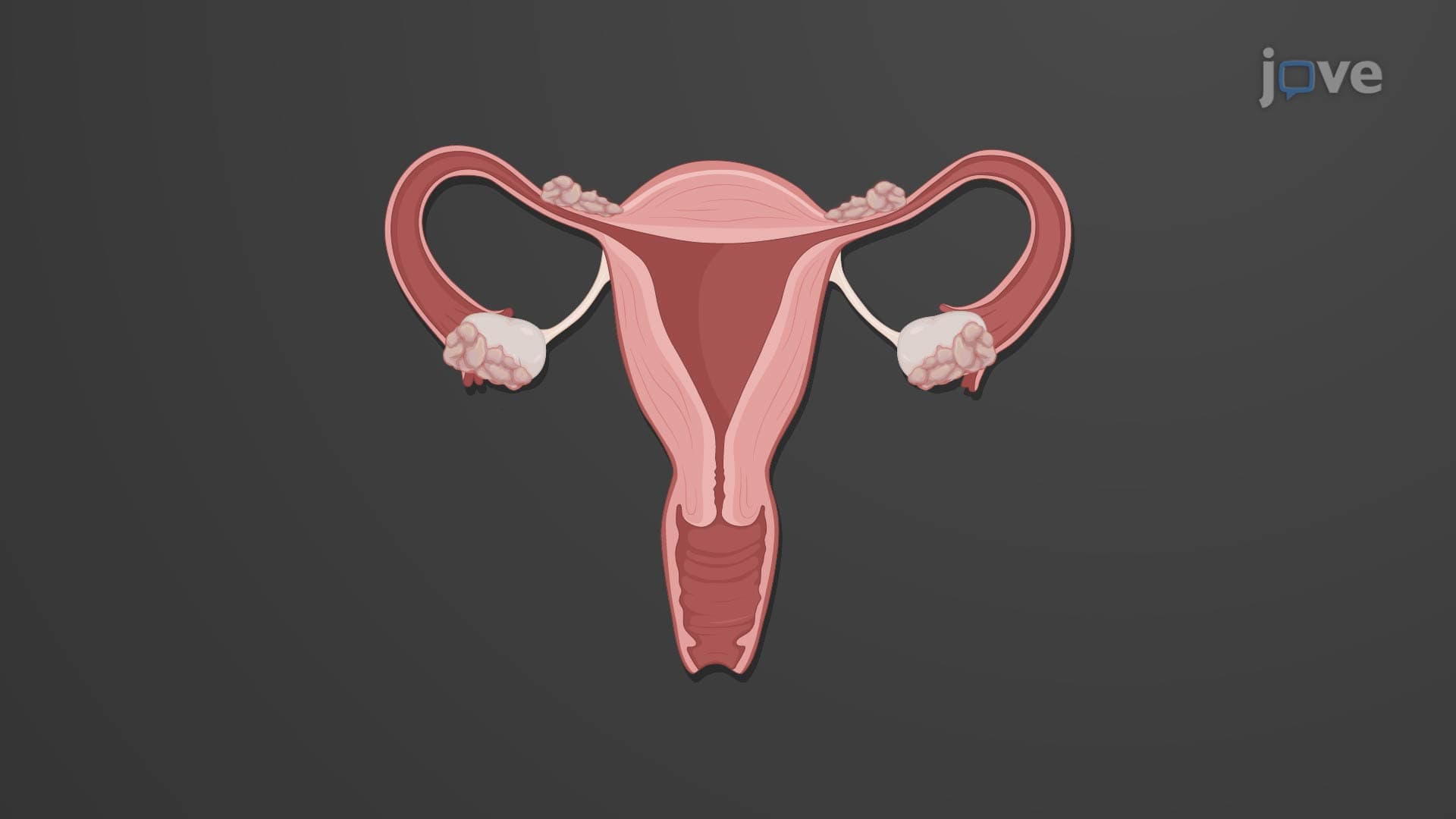
Proliferative Phase

00:00
01:20
Video Summary: What Is Proliferative Phase
Ever wonder why women experience a roughly 14-day window each month when pregnancy is most likely? The proliferative phase menstrual cycle is nature's way of preparing the uterus for potential implantation, transforming a thin endometrial lining into a thick, nutrient-rich environment. During this critical period following menstruation, rising estrogen levels from maturing ovarian follicles trigger rapid endometrial growth-similar to how hospitals prepare intensive care units with specialized equipment before expecting critical patients. Watch the full video on JoVE Coach to master this concept with expert-led visuals and step-by-step explanations.
- Understand what is proliferative phase timing, duration, and hormonal triggers within the menstrual cycle
- Identify the cellular mechanisms driving endometrial regeneration from the basal stratum basale layer
- Analyze how estrogen coordinates simultaneous ovarian follicle maturation and uterine preparation
- Compare endometrial thickness changes from 2mm post-menstruation to 4-10mm pre-ovulation
- Evaluate the relationship between follicular development and endometrial proliferative phase timing
- Apply knowledge of proliferative phase events to predict fertility windows and ovulation timing
- Recognize clinical significance of proliferative phase abnormalities in reproductive health assessment
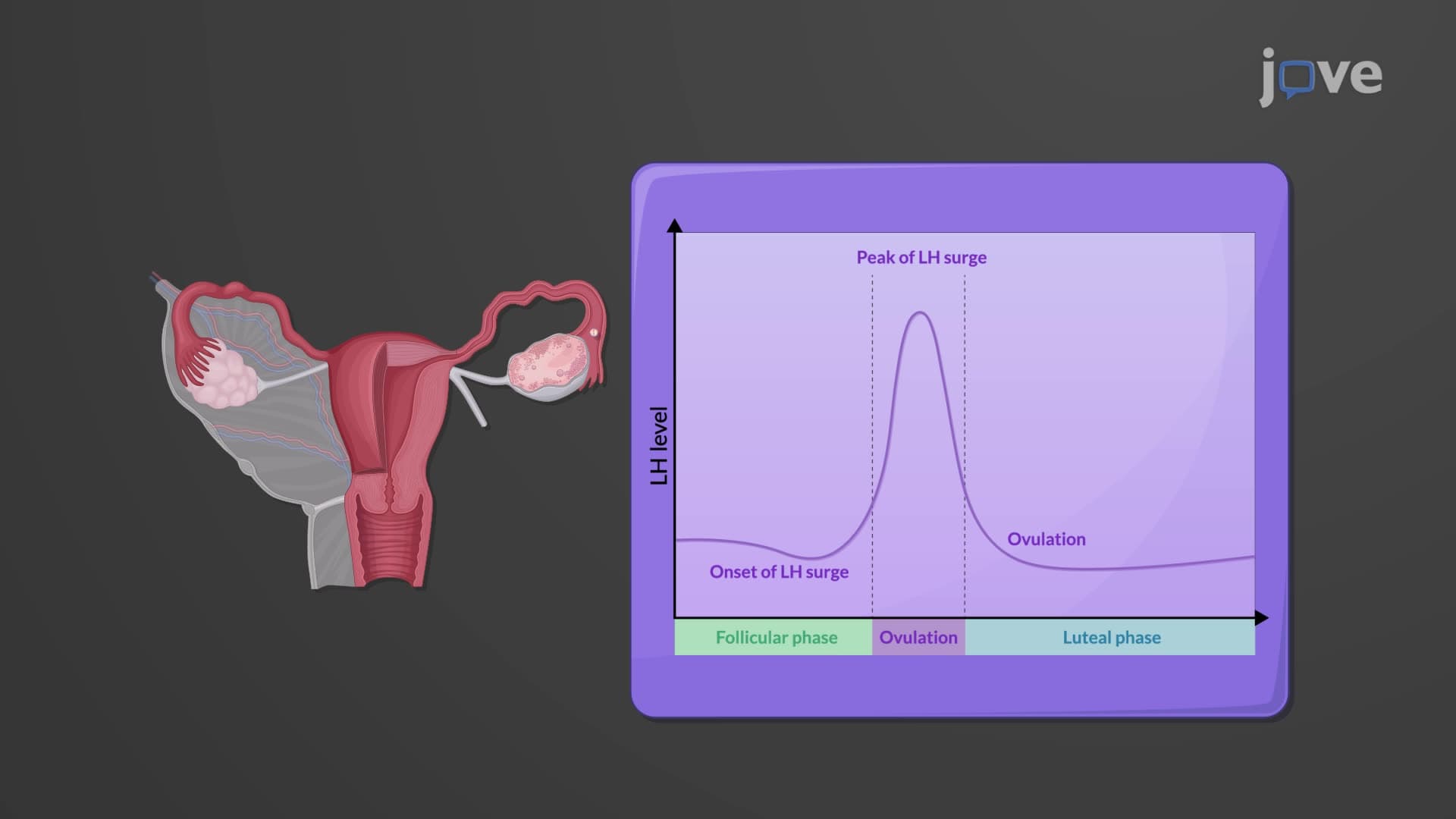
- Explore connections between luteinizing hormone surge, ovulation trigger, and proliferative phase conclusion
Understanding the Proliferative Phase Foundation
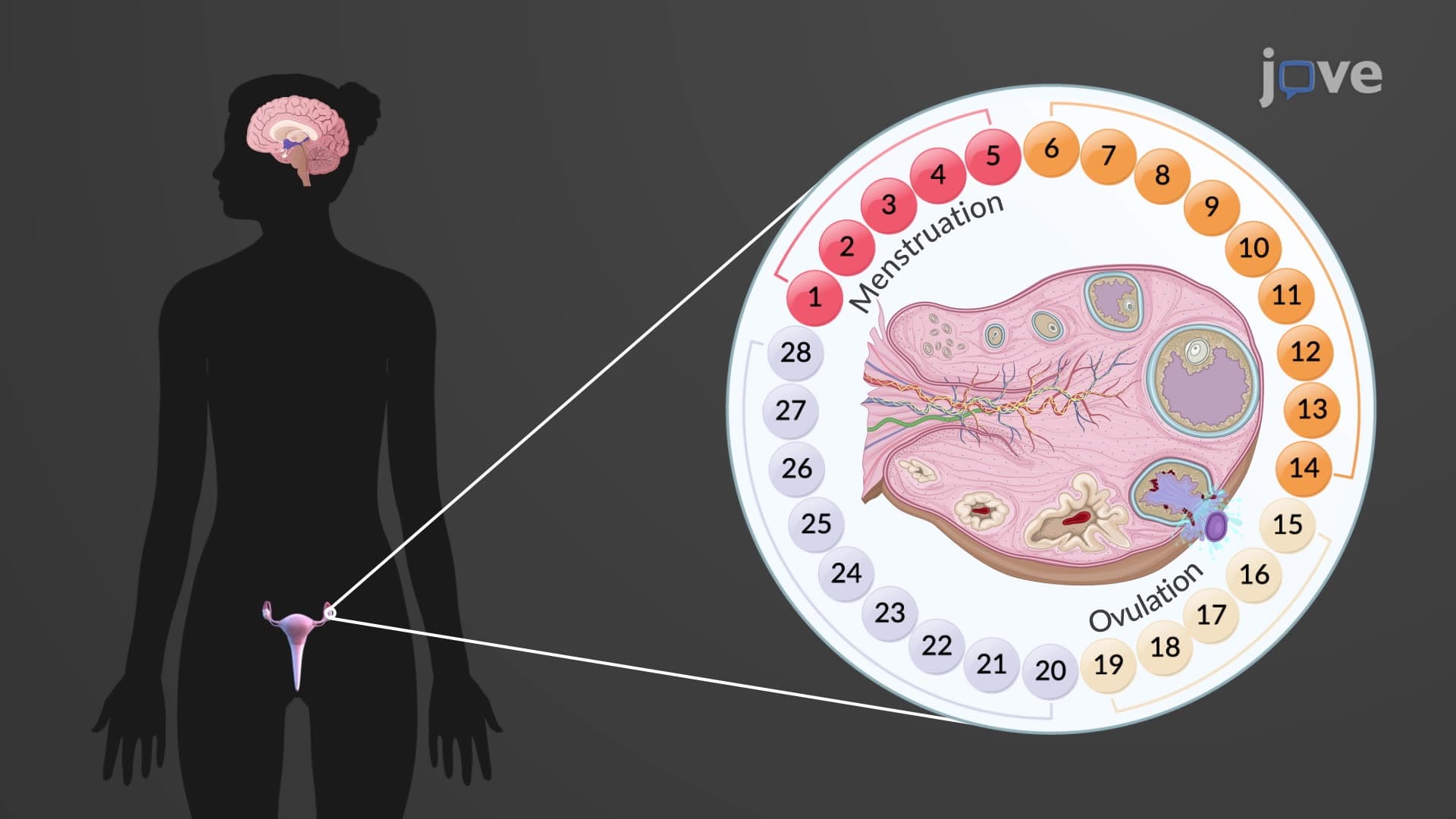
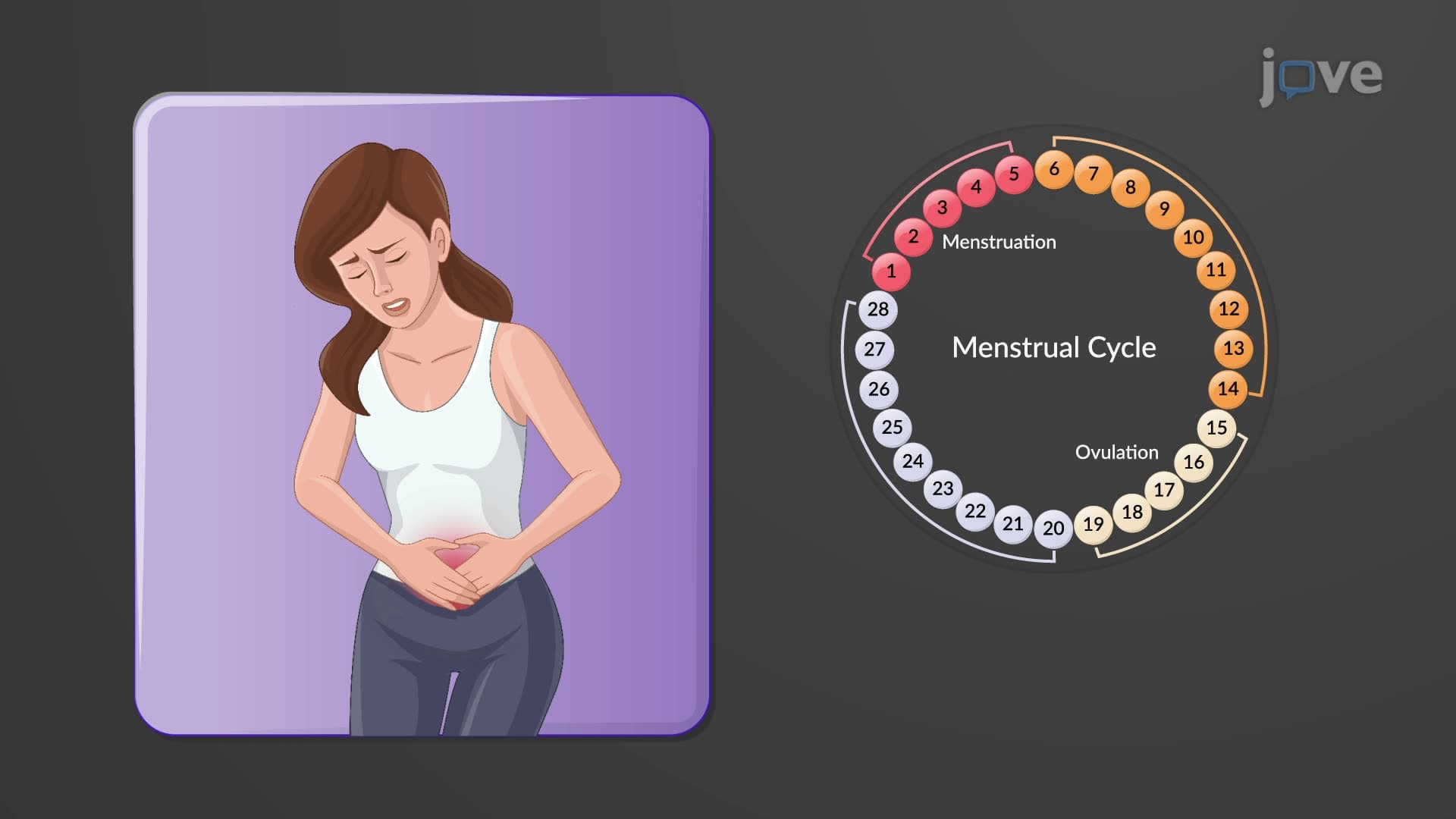
The proliferative phase menstrual cycle represents a remarkable example of hormonal orchestration in human reproductive biology. This second phase of the uterine cycle typically spans days 6-13 of a standard 28-day cycle, though individual variation is common. Unlike the destructive nature of menstruation, the endometrial proliferative phase focuses entirely on regeneration and preparation-a biological reset that occurs roughly 400 times during a woman's reproductive years.
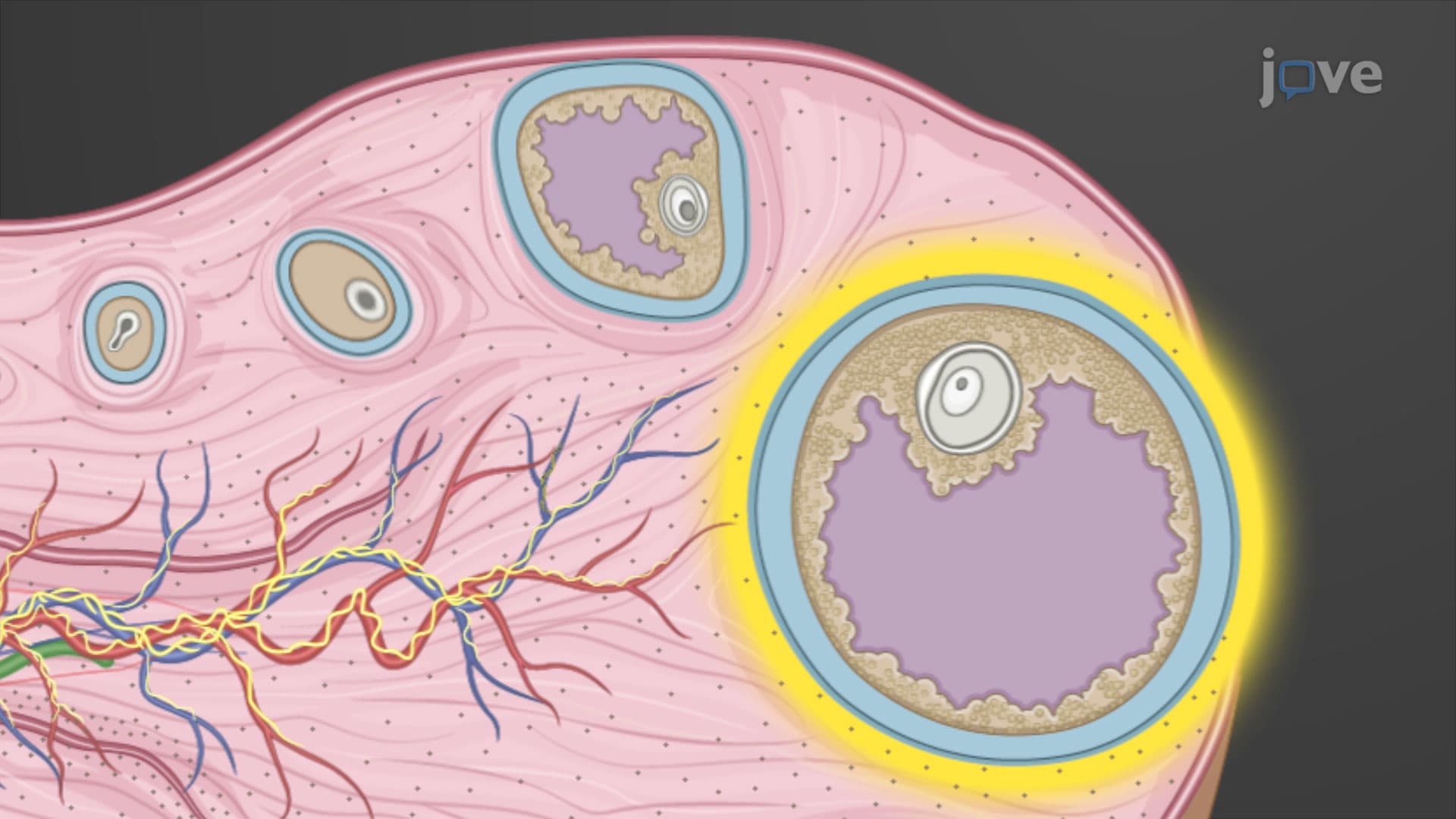
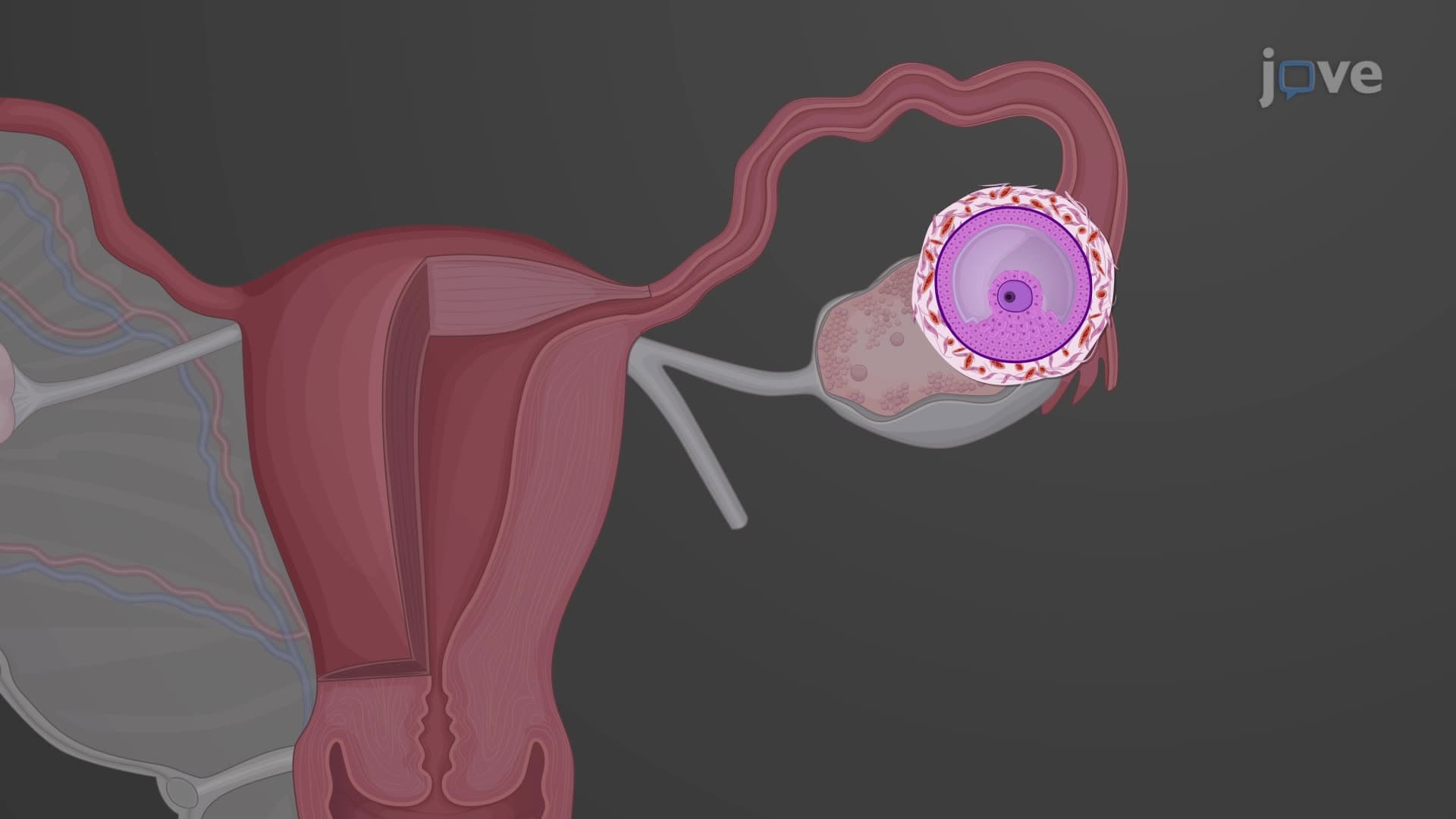
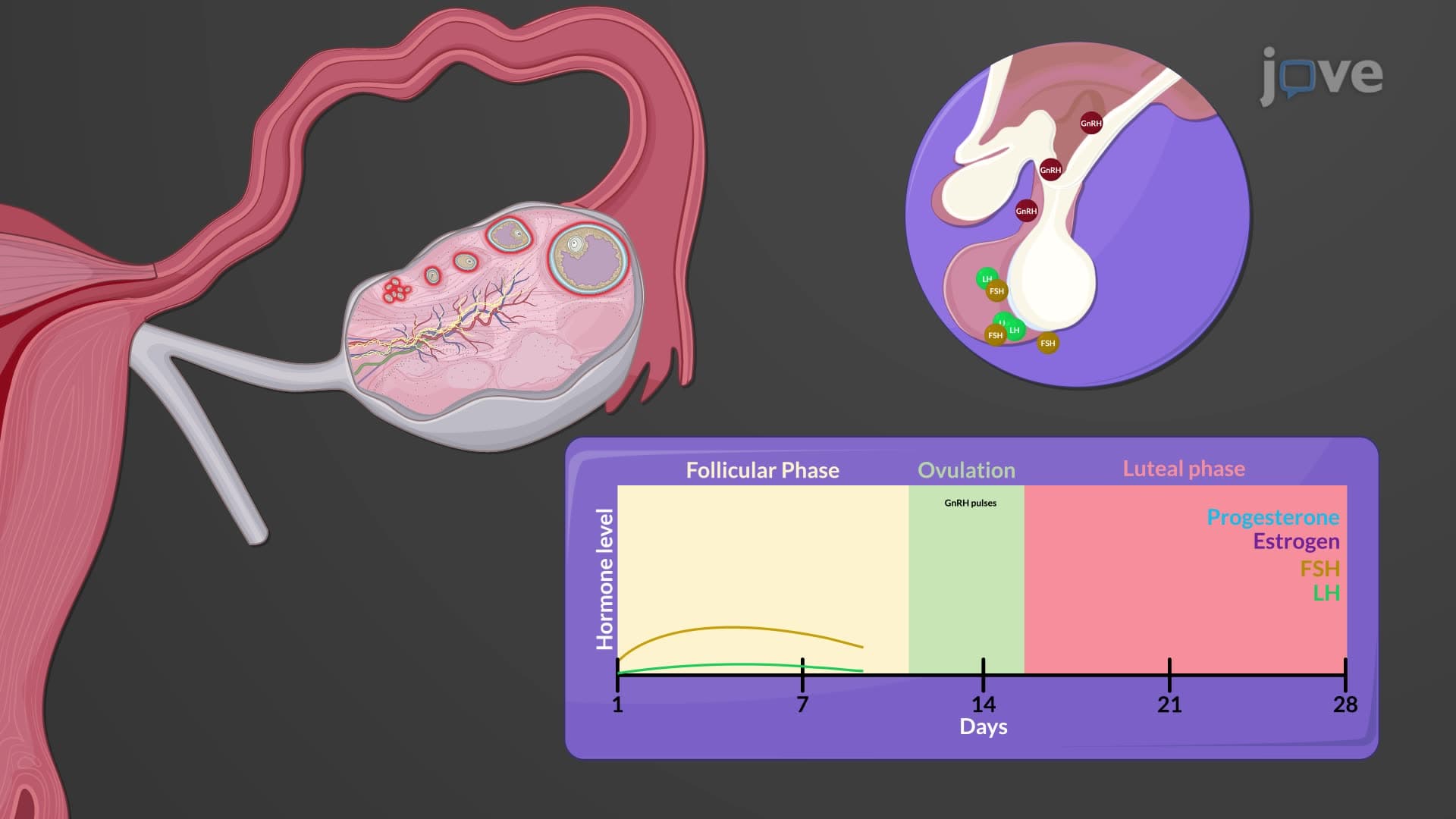
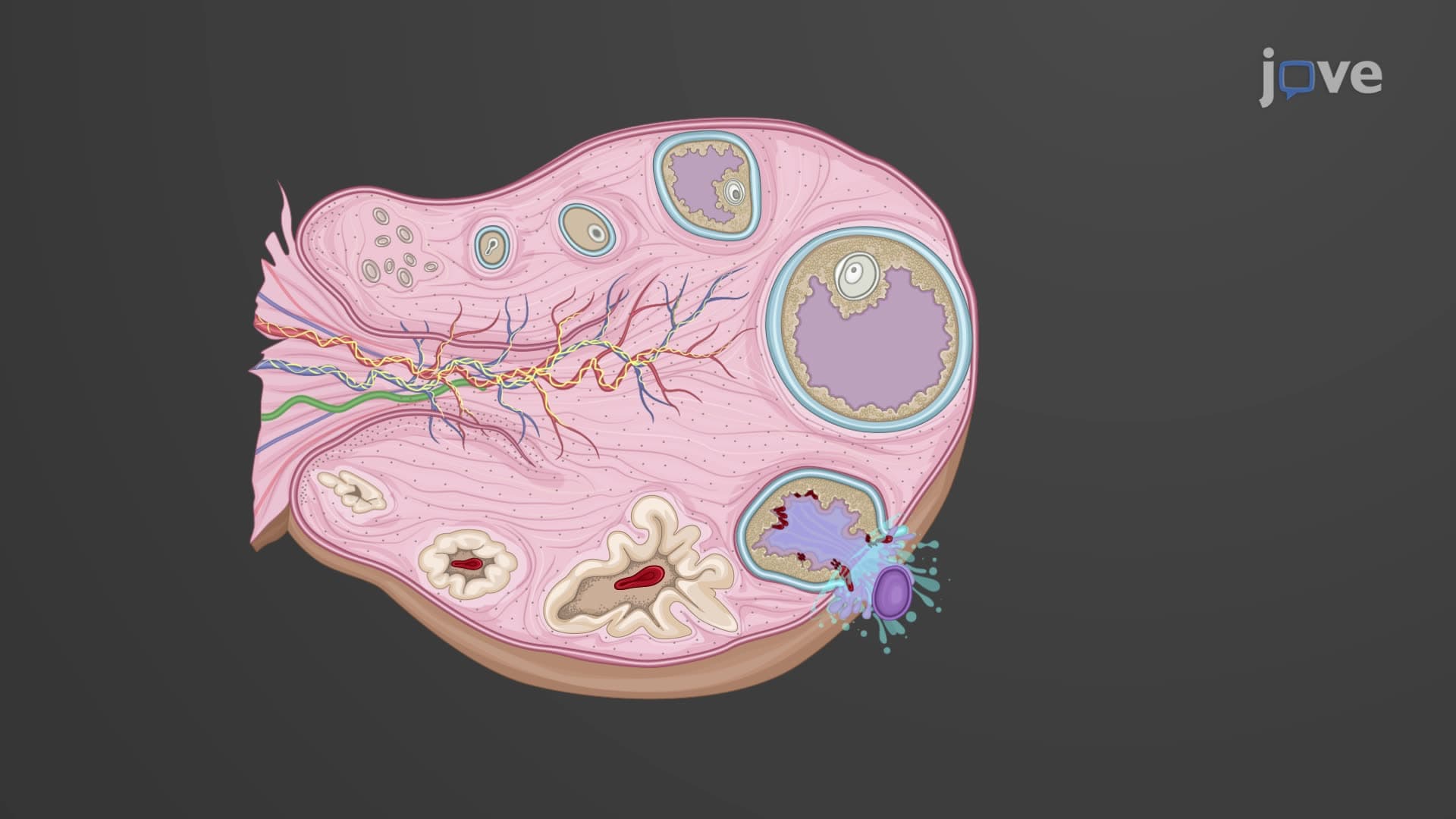
The timing aligns perfectly with ovarian events, creating a synchronized reproductive system. While the uterus rebuilds its functional layer, the ovaries simultaneously prepare to release a mature egg. This coordination ensures optimal timing for potential fertilization and implantation, demonstrating the elegant efficiency of human reproductive physiology.
Hormonal Control and Estrogen's Central Role
Estrogen proliferative endometrium development begins when surviving follicles in the ovaries start producing increasing amounts of estradiol. This rising estrogen acts like a master conductor, directing multiple cellular processes simultaneously. The hormone binds to estrogen receptors throughout the endometrial tissue, triggering rapid cell division in the stratum basale-the basal layer that survives menstrual shedding.
Students preparing for the MCAT or AP Biology exams should understand that estrogen's effects extend beyond simple cell multiplication. The hormone also stimulates angiogenesis (blood vessel formation), glandular development, and extracellular matrix production. These processes transform the thin, barely functional post-menstrual endometrium into a metabolically active, well-vascularized tissue ready for implantation.
Cellular and Structural Changes During Proliferation
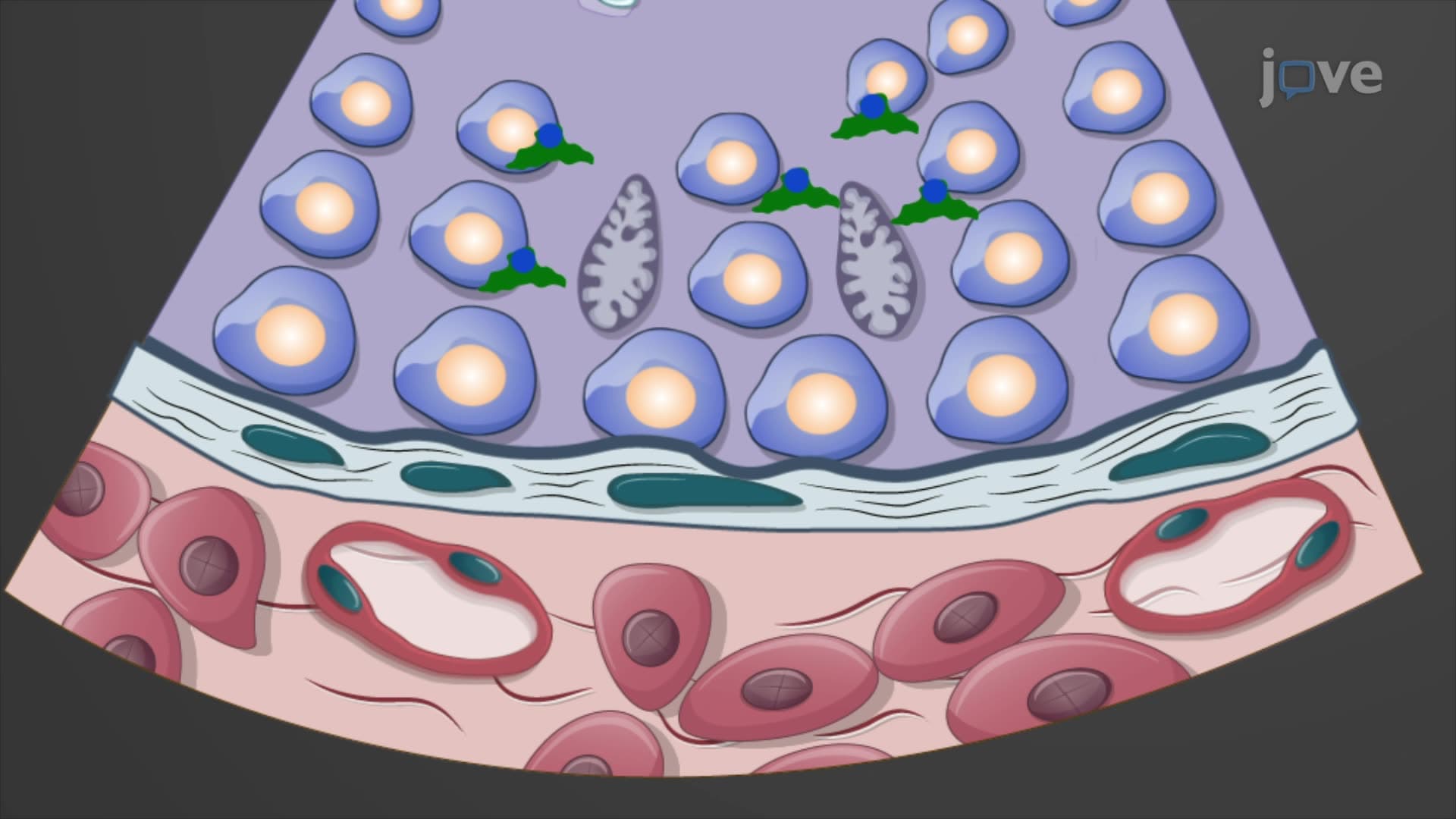
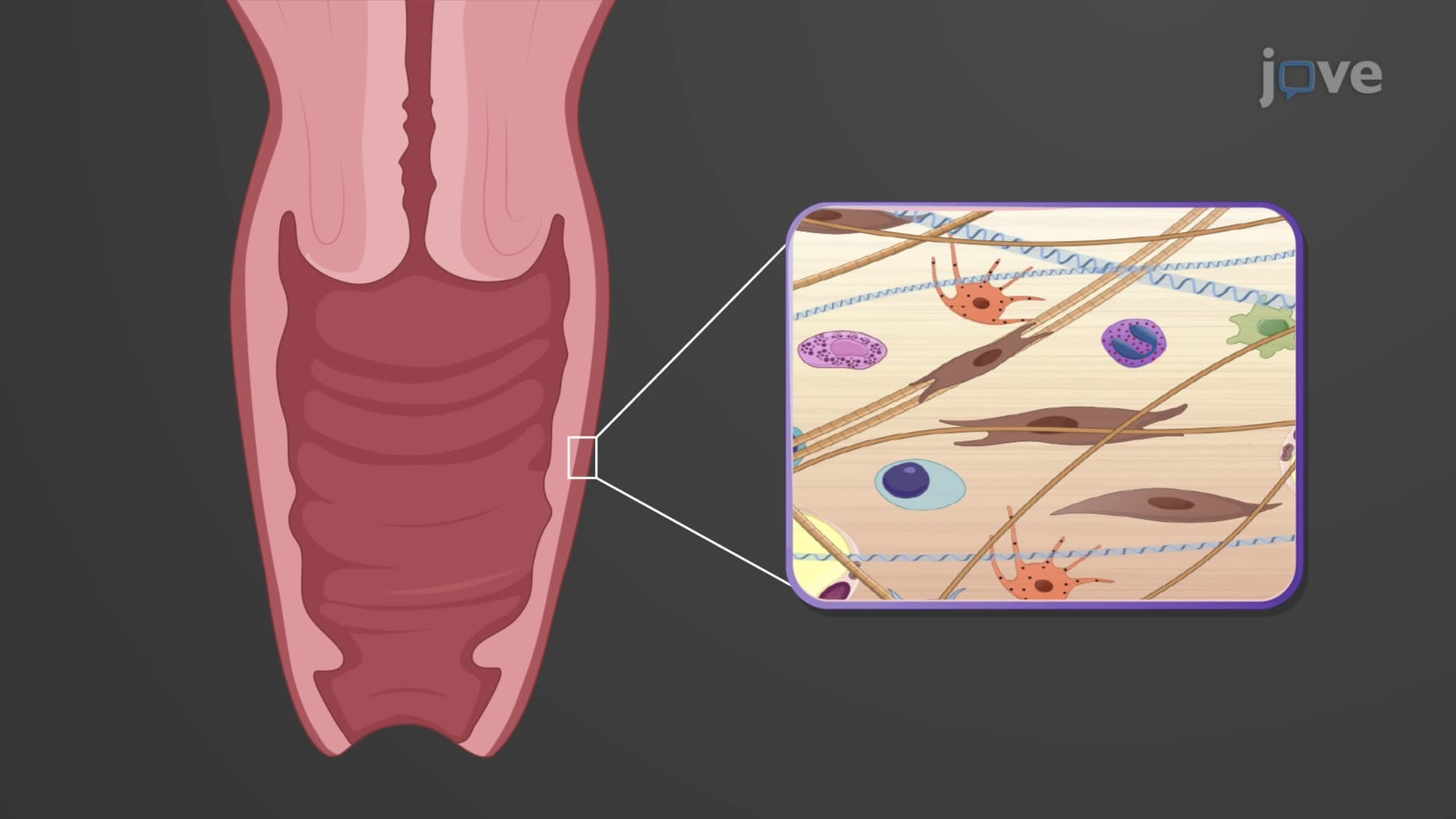
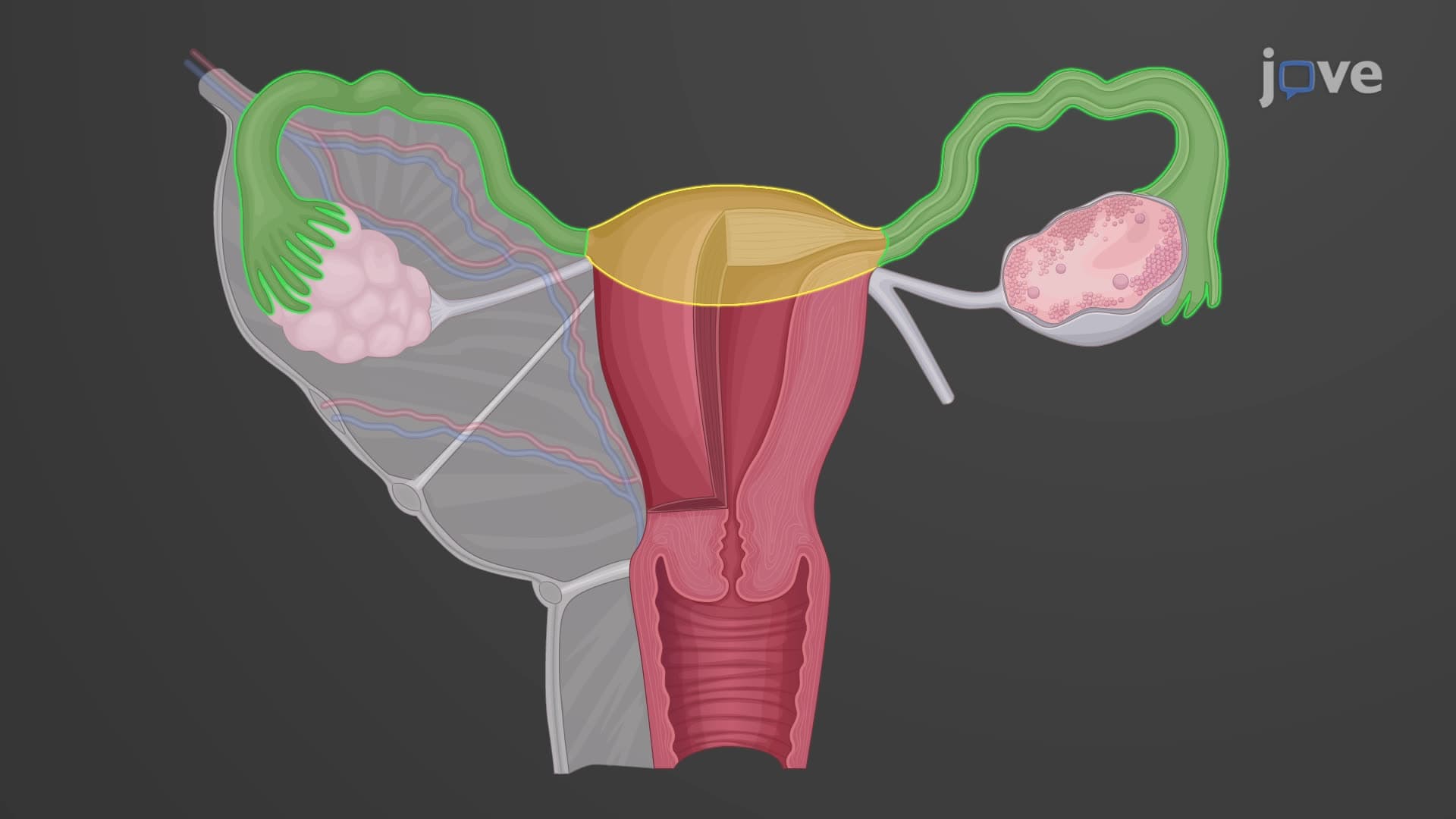
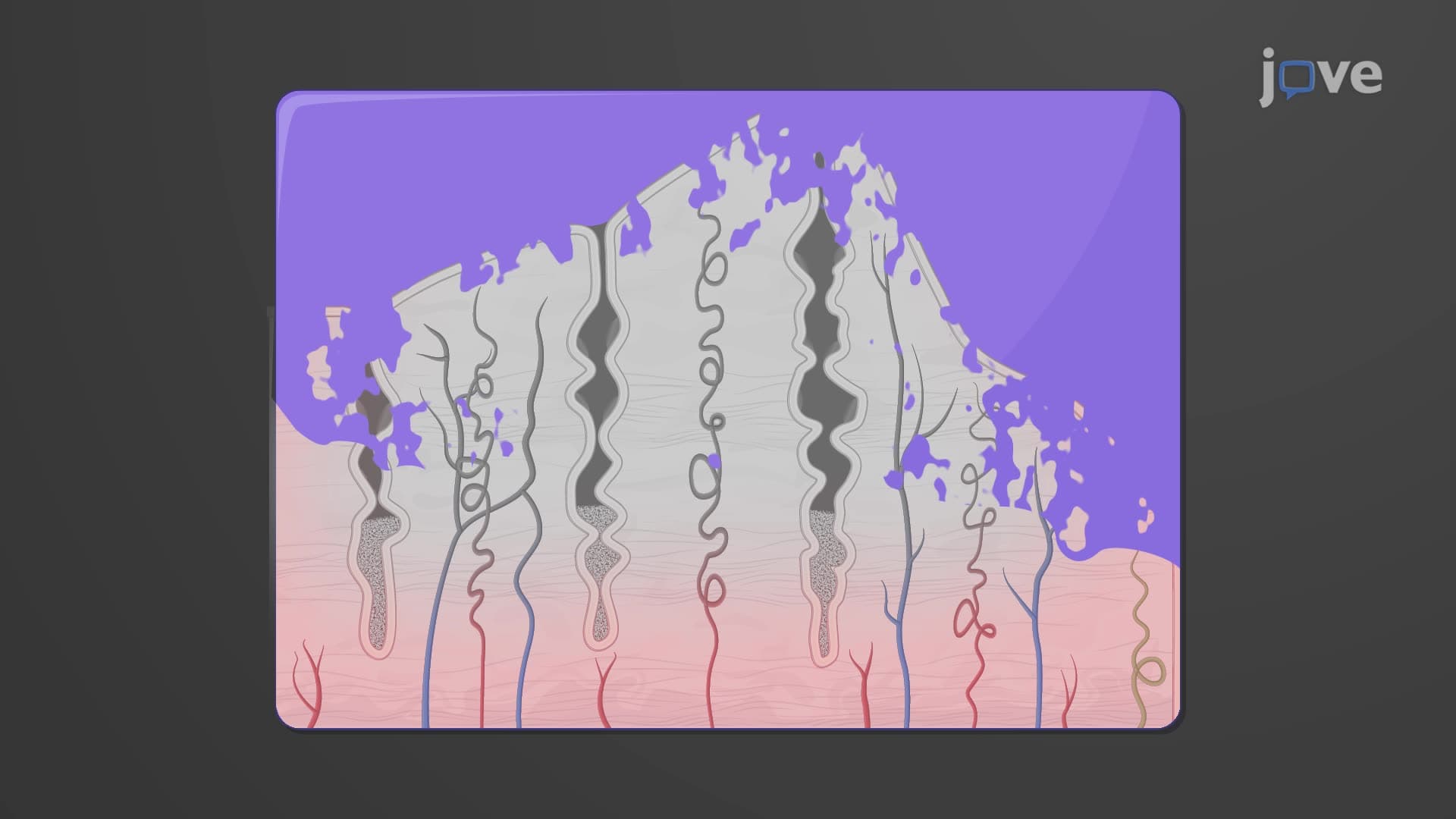
The endometrial growth proliferative phase involves dramatic architectural changes visible under microscopic examination. Starting from the intact stratum basale, epithelial cells rapidly divide to reconstruct the stratum functionalis-the functional layer lost during menstruation. Simultaneously, endometrial glands elongate and develop characteristic tubular shapes, while spiral arteries begin their distinctive coiling pattern.
This cellular activity doubles or triples endometrial thickness, progressing from approximately 2mm post-menstruation to 4-10mm by cycle day 13-14. For students studying histology or preparing for USMLE Step 1, recognizing these proliferative changes under microscopy is crucial. The "proliferative endometrium" appearance features straight, parallel glands with actively dividing cells, contrasting sharply with the secretory phase's saw-tooth glandular pattern.
Clinical Significance and Real-World Applications
The follicular ovarian proliferative coordination has significant clinical implications in US healthcare settings. Fertility specialists at institutions like Johns Hopkins and Mayo Clinic use proliferative phase monitoring to optimize assisted reproductive technologies. Ultrasound measurements of endometrial thickness during days 6-14 proliferative window help predict implantation success rates in IVF procedures.
Additionally, abnormal proliferative phase patterns can indicate various conditions. Thin endometrium during the uterine proliferative phase may suggest estrogen deficiency, while excessive proliferation could indicate hormonal imbalances. Understanding these concepts helps students excel in NCLEX-RN, HESI A2, and TEAS nursing exams, where reproductive health questions frequently appear.
Frequently Asked Questions
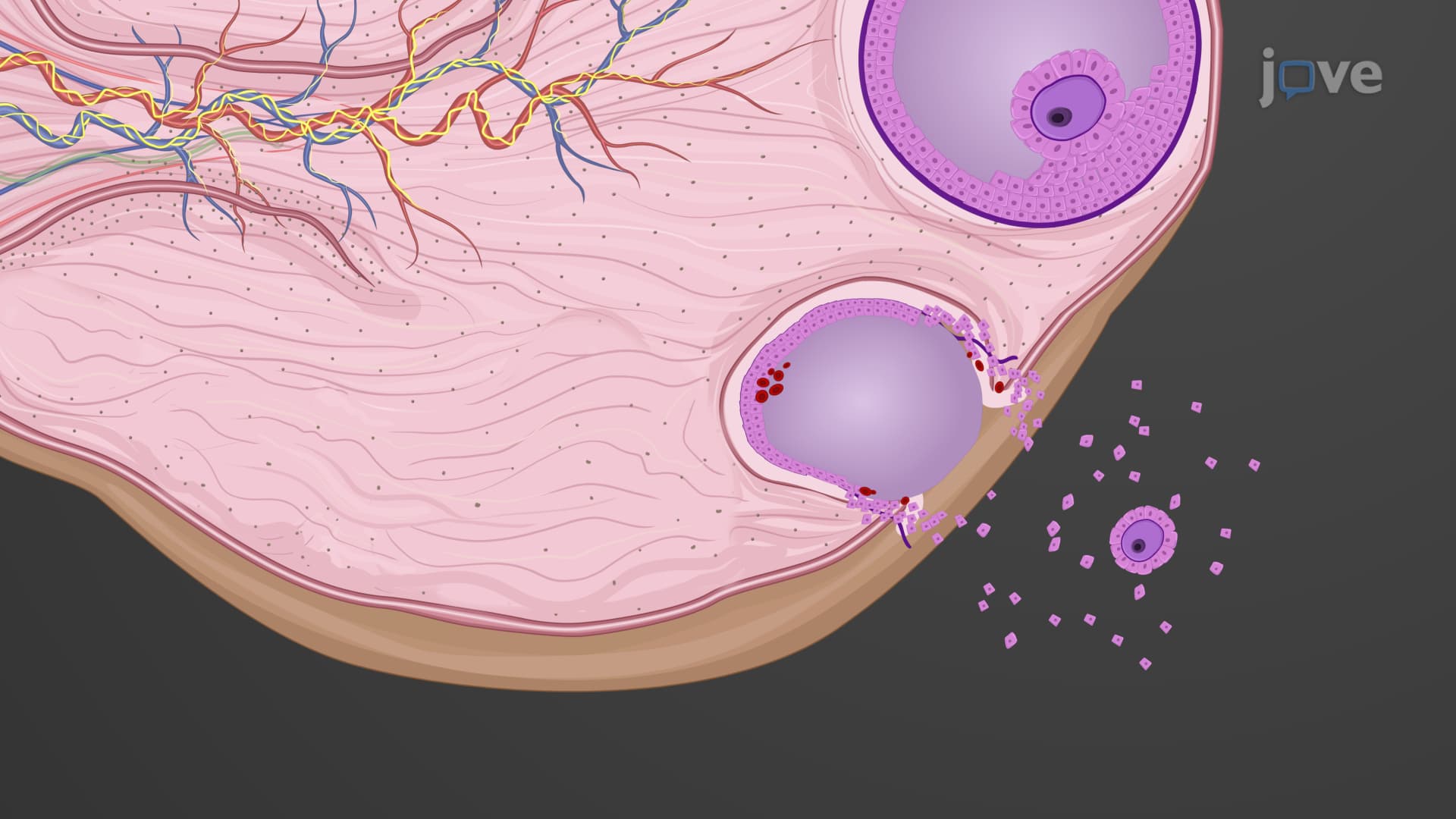
The proliferative phase is the second phase of the menstrual cycle when the endometrium rebuilds after menstruation. It typically occurs from days 6-13 in a 28-day cycle, lasting about one week. During this time, rising estrogen levels trigger rapid endometrial growth and thickening. This phase ends with ovulation when luteinizing hormone surges.
MCAT questions often focus on hormonal control mechanisms and cellular processes during endometrial regeneration. AP Biology exams typically test understanding of estrogen's role, timing relationships, and comparisons with other menstrual cycle phases. Students should know the 6-13 day timeframe, estrogen's effects, and how proliferative events coordinate with ovarian follicle development for optimal exam performance.
Abnormal proliferative phase can lead to fertility issues, irregular bleeding, or failed implantation in assisted reproduction. Conditions like PCOS, thyroid disorders, or premature ovarian failure can disrupt this phase. Healthcare providers use ultrasound monitoring and hormone testing to diagnose proliferative phase abnormalities and develop appropriate treatment plans.
Adequate endometrial thickness (4-10mm) ensures successful implantation if fertilization occurs. Thin endometrium may prevent pregnancy even with healthy embryos, while excessive thickness can indicate hormonal imbalances. Fertility clinics routinely monitor proliferative phase endometrial development using transvaginal ultrasound to optimize treatment timing and predict success rates.
Basic understanding of cell division, hormone function, and reproductive anatomy provides sufficient foundation for learning proliferative phase concepts. High school biology students can master this topic by focusing on estrogen's role, timing within the menstrual cycle, and the purpose of endometrial rebuilding. Visual aids and diagrams significantly enhance comprehension of these processes.
Create timeline charts showing days 6-13 events, hormone levels, and endometrial changes throughout the proliferative phase. Practice identifying proliferative endometrium under microscopy and memorize normal thickness measurements. Focus on clinical applications like fertility assessment and reproductive health counseling scenarios commonly tested on NCLEX-RN, HESI A2, and nursing school midterms.
Continue with secretory phase mechanisms, luteal phase ovarian changes, and implantation processes to build comprehensive menstrual cycle understanding. Advanced students benefit from studying assisted reproductive technologies, hormonal contraception mechanisms, and reproductive endocrinology disorders that affect proliferative phase function in clinical practice.
Understanding proliferative phase timing helps explain why fertility awareness methods focus on days 10-16 of the menstrual cycle. The endometrial thickening during this phase creates optimal conditions for implantation, while rising estrogen levels produce characteristic cervical mucus changes. This knowledge supports evidence-based family planning education and reproductive health counseling in clinical settings.
Related Micro-courses

14 Concepts
6 Concepts
21 Concepts