Loading subject page…

- Anatomy and Physiology
- The Reproductive System
- Secretory Phase
Micro-course: The Reproductive System
141,004 views
Learn key concepts and earn your certificate.

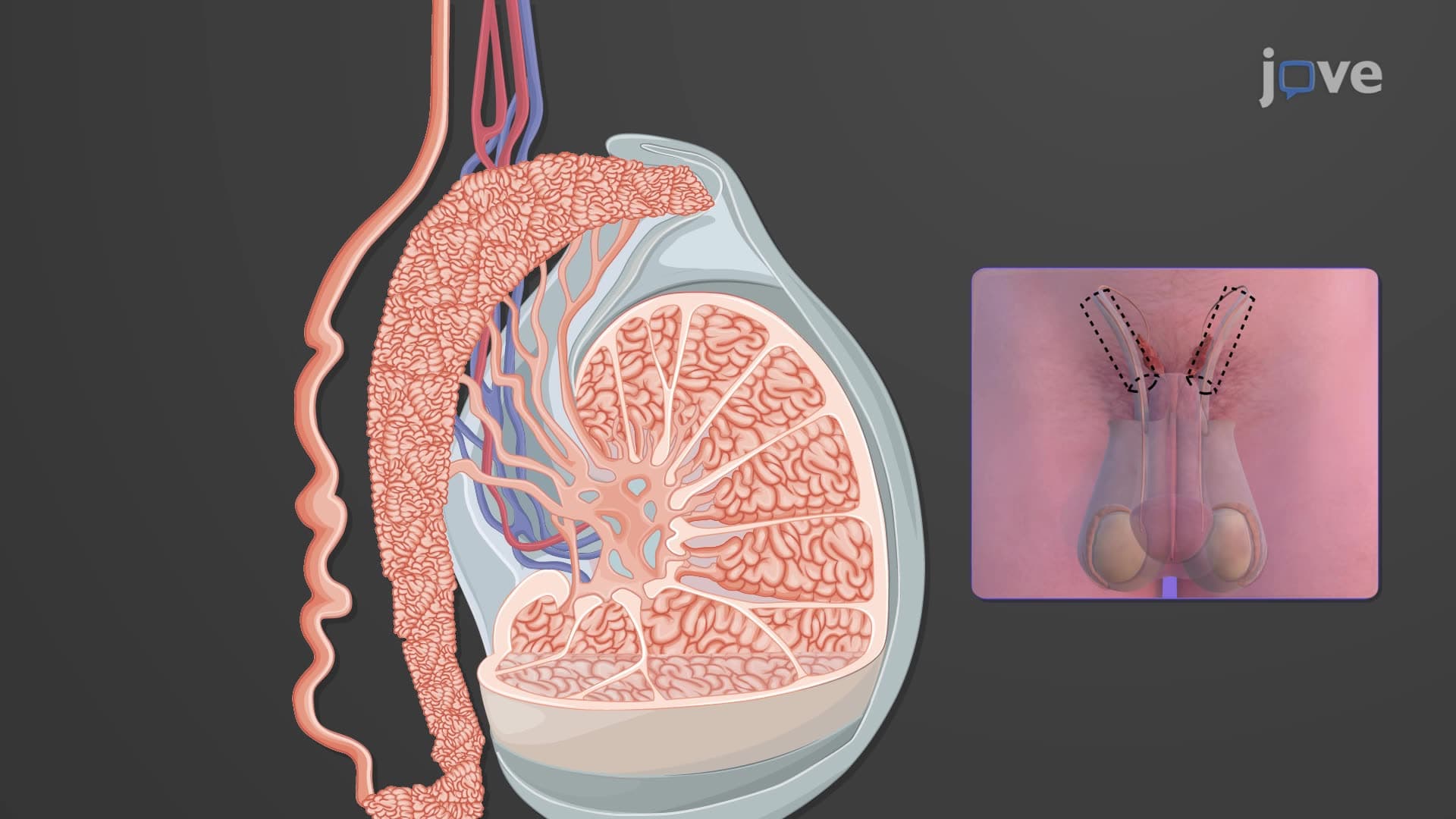
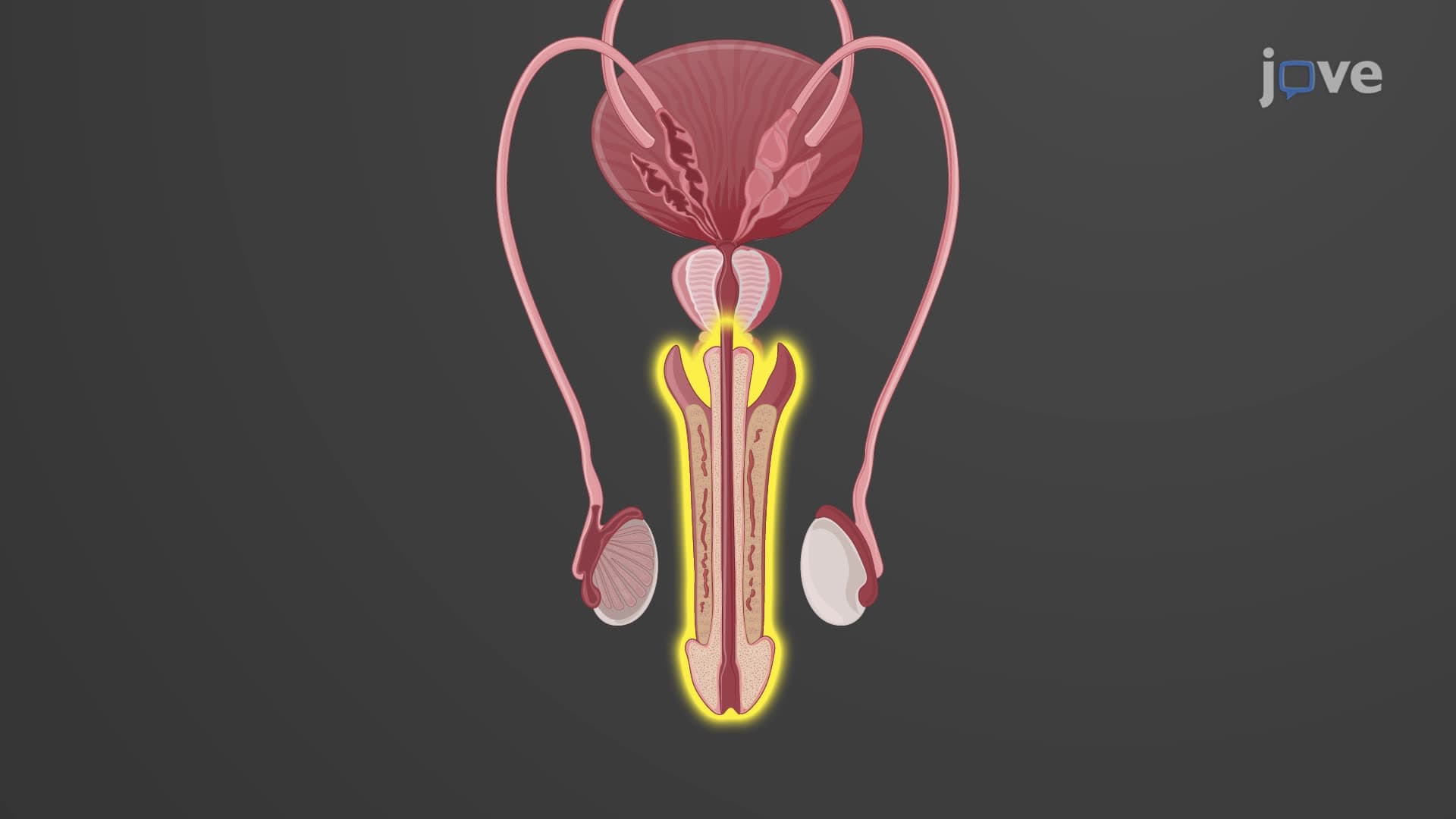
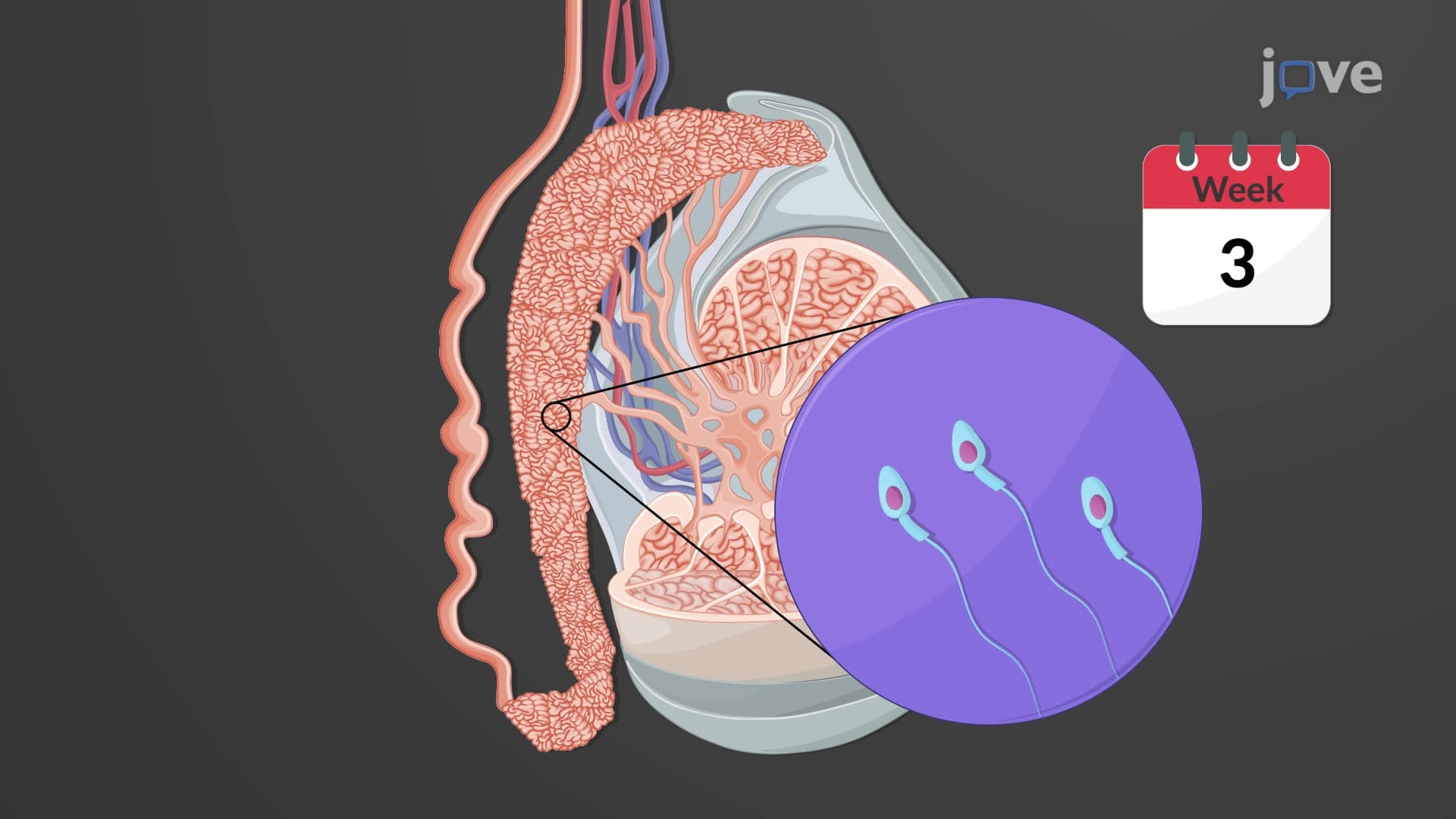
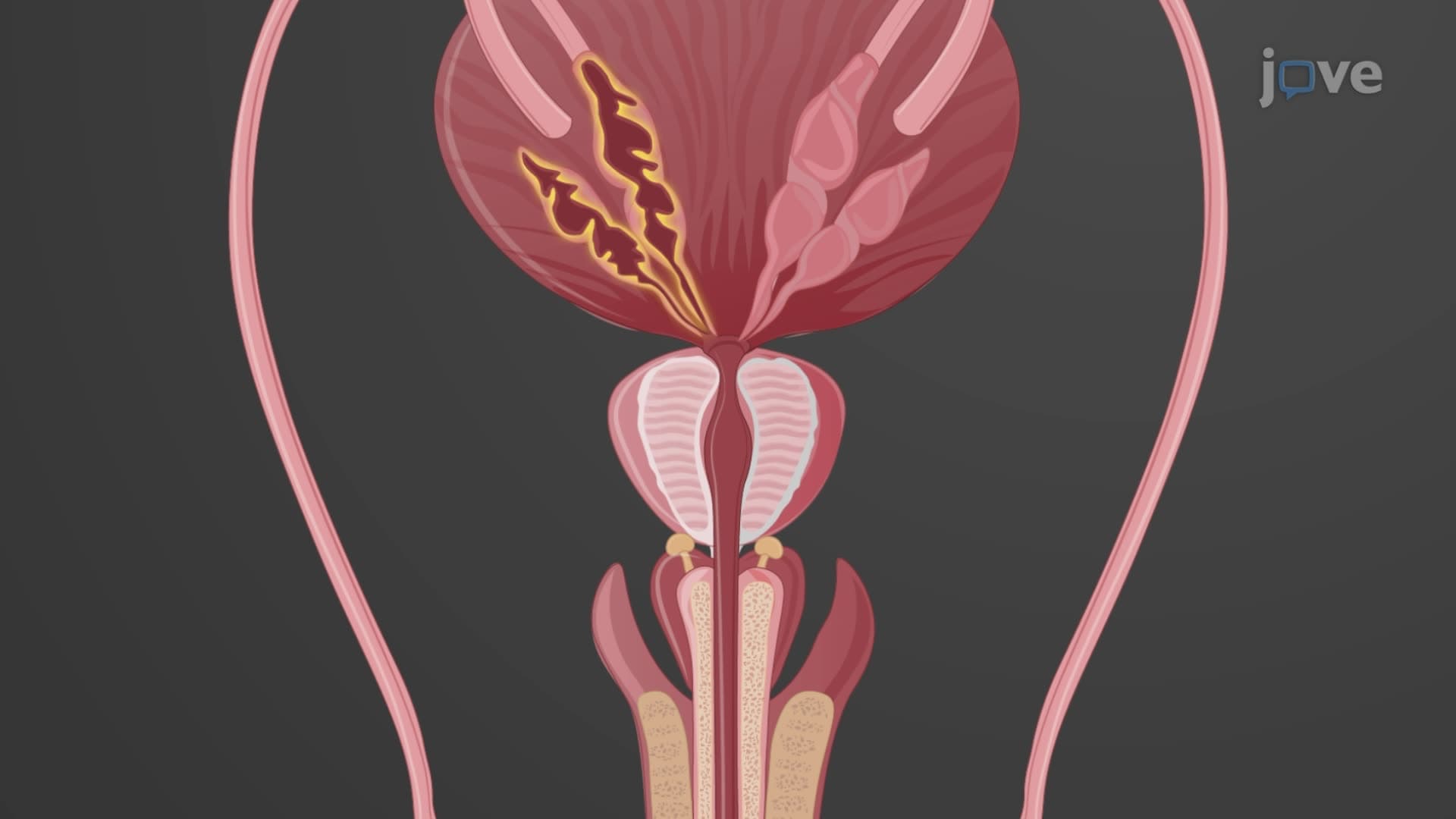
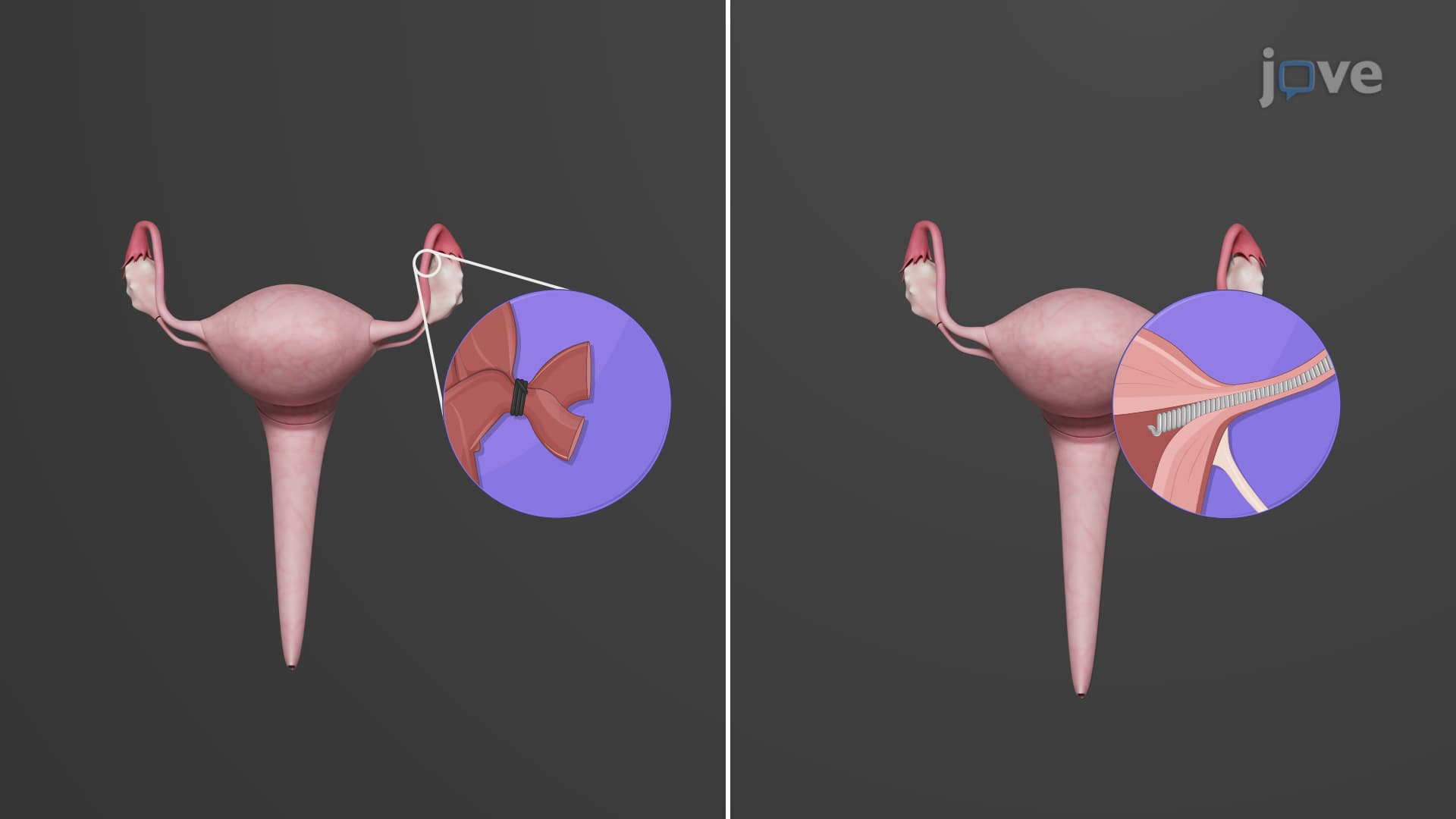

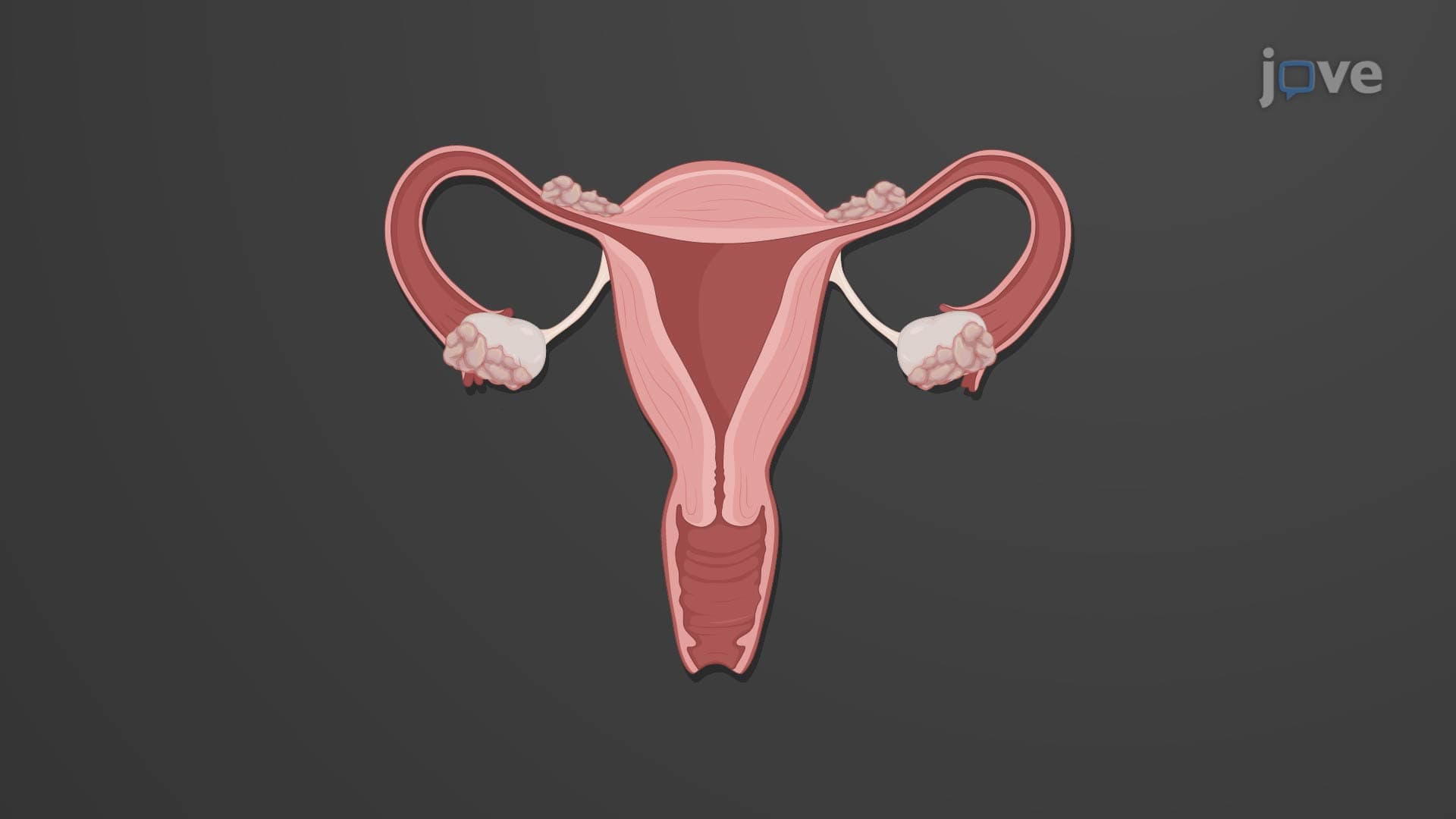
Secretory Phase
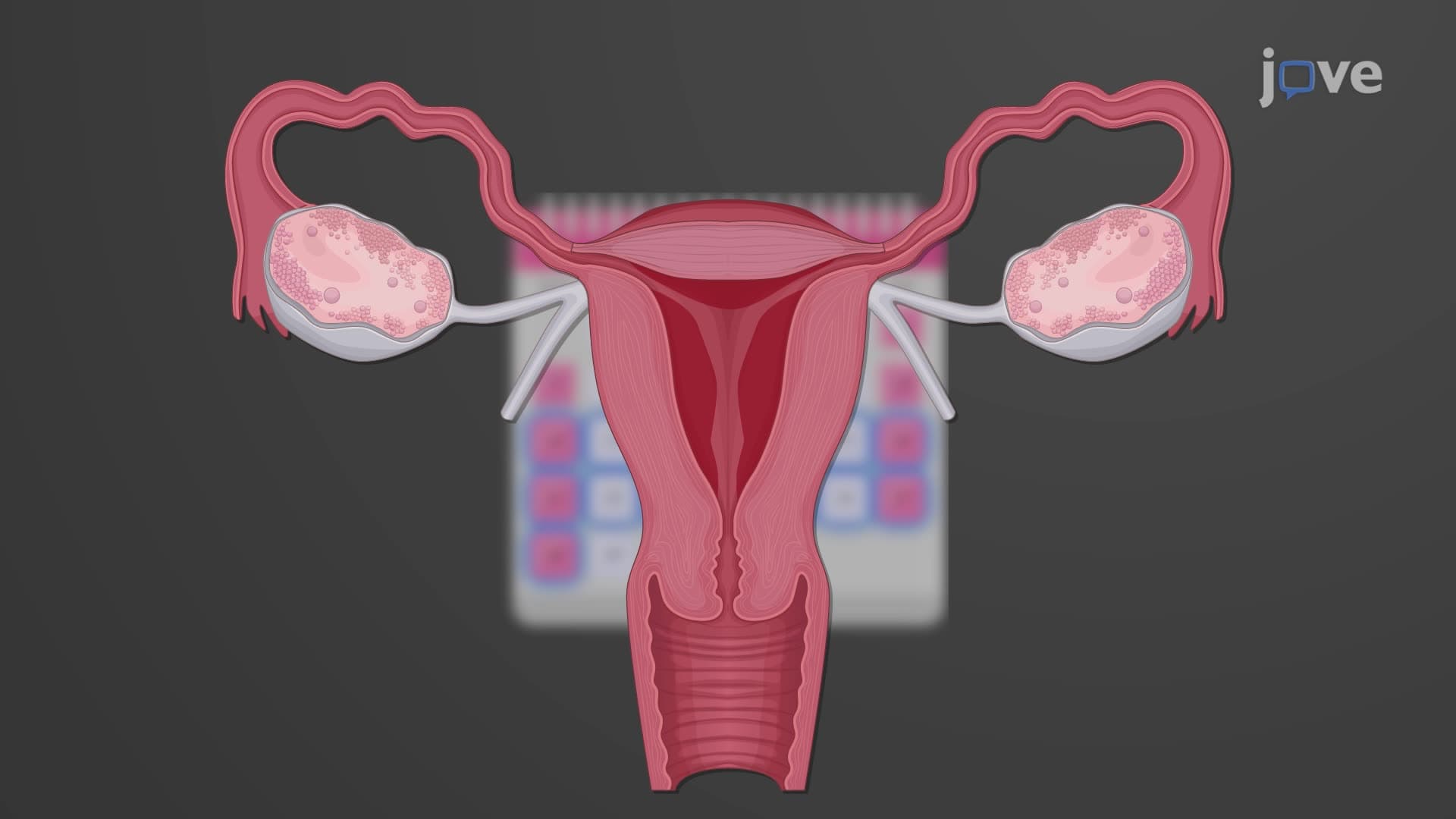

00:00
01:19
Video Summary: What Is Secretory Phase
Did you know that your body spends nearly half of each menstrual cycle preparing for a pregnancy that may never occur? The secretory phase menstrual cycle represents this remarkable 14-day preparation period when hormones like progesterone transform the uterine lining into a nutrient-rich environment. Consider how this process affects millions of American women taking standardized tests or college exams during their cycle. Watch the full video on JoVE Coach to master this concept with expert-led visuals and step-by-step explanations.
- Understand what is secretory phase and its critical timing from days 15-28 of the menstrual cycle
- Identify the key hormonal changes involving progesterone and estrogen during the luteal phase
- Analyze how endometrial thickness increases to 12-18 mm to support potential embryo implantation
- Compare the secretory phase to other menstrual cycle phases in terms of hormonal control and function
- Evaluate the role of corpus luteum in maintaining progesterone secretory phase activity
- Apply knowledge of cervical mucus changes during this phase to understand fertility patterns
- Recognize the connection between declining hormone levels and menstruation onset
- Explore how endometrial gland secretory functions create optimal implantation conditions
Understanding What is Secretory Phase: The Foundation
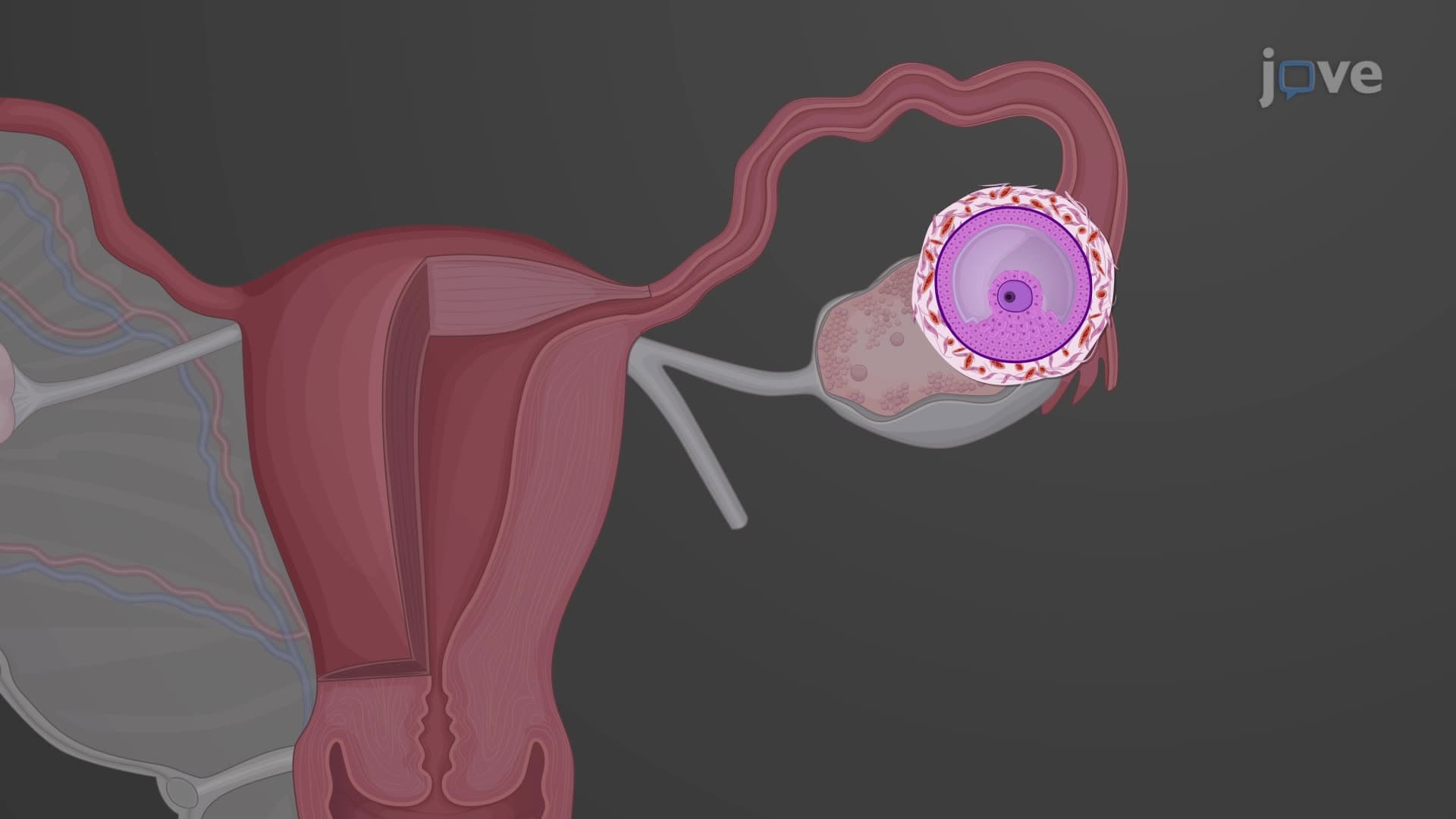
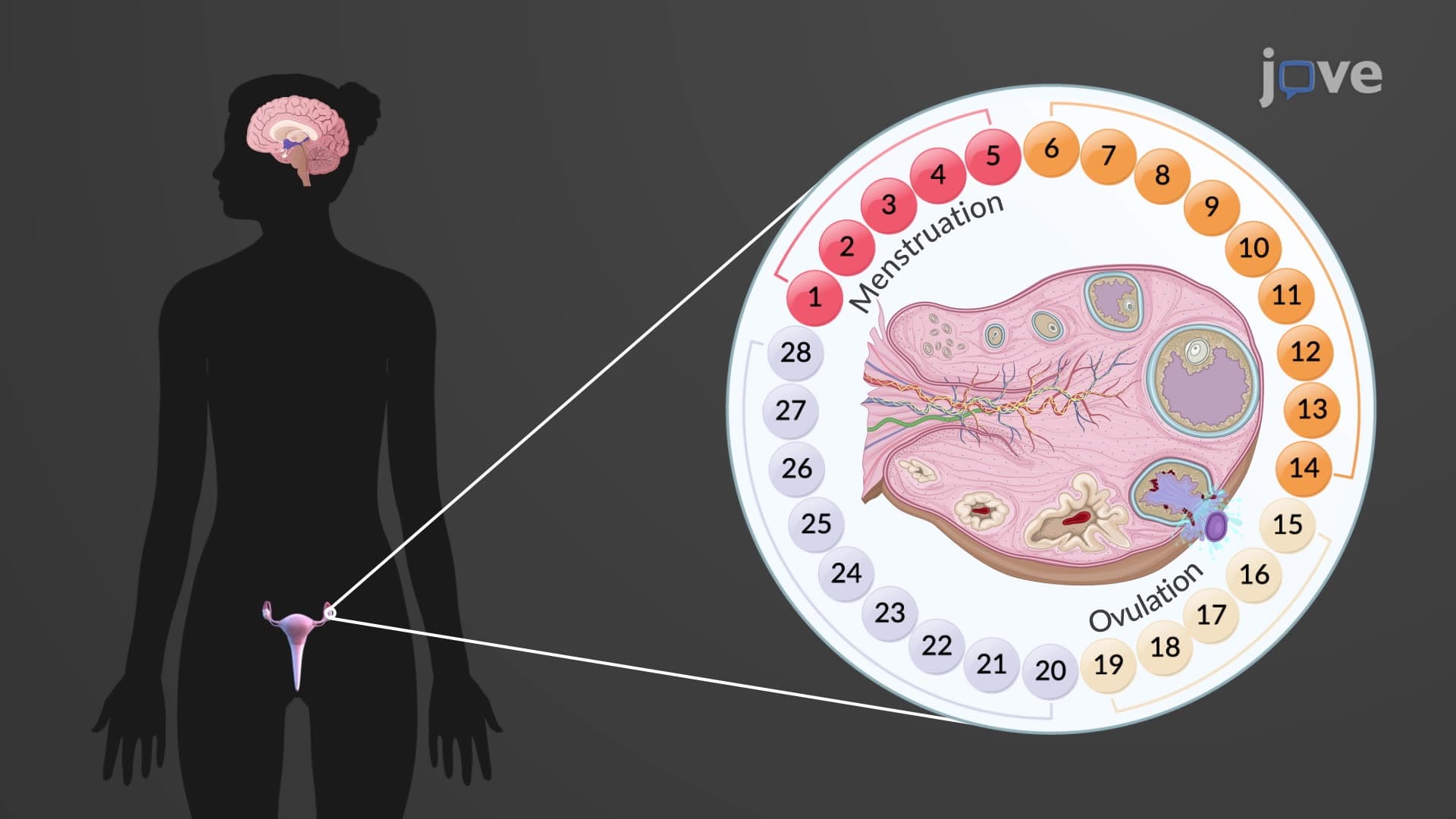
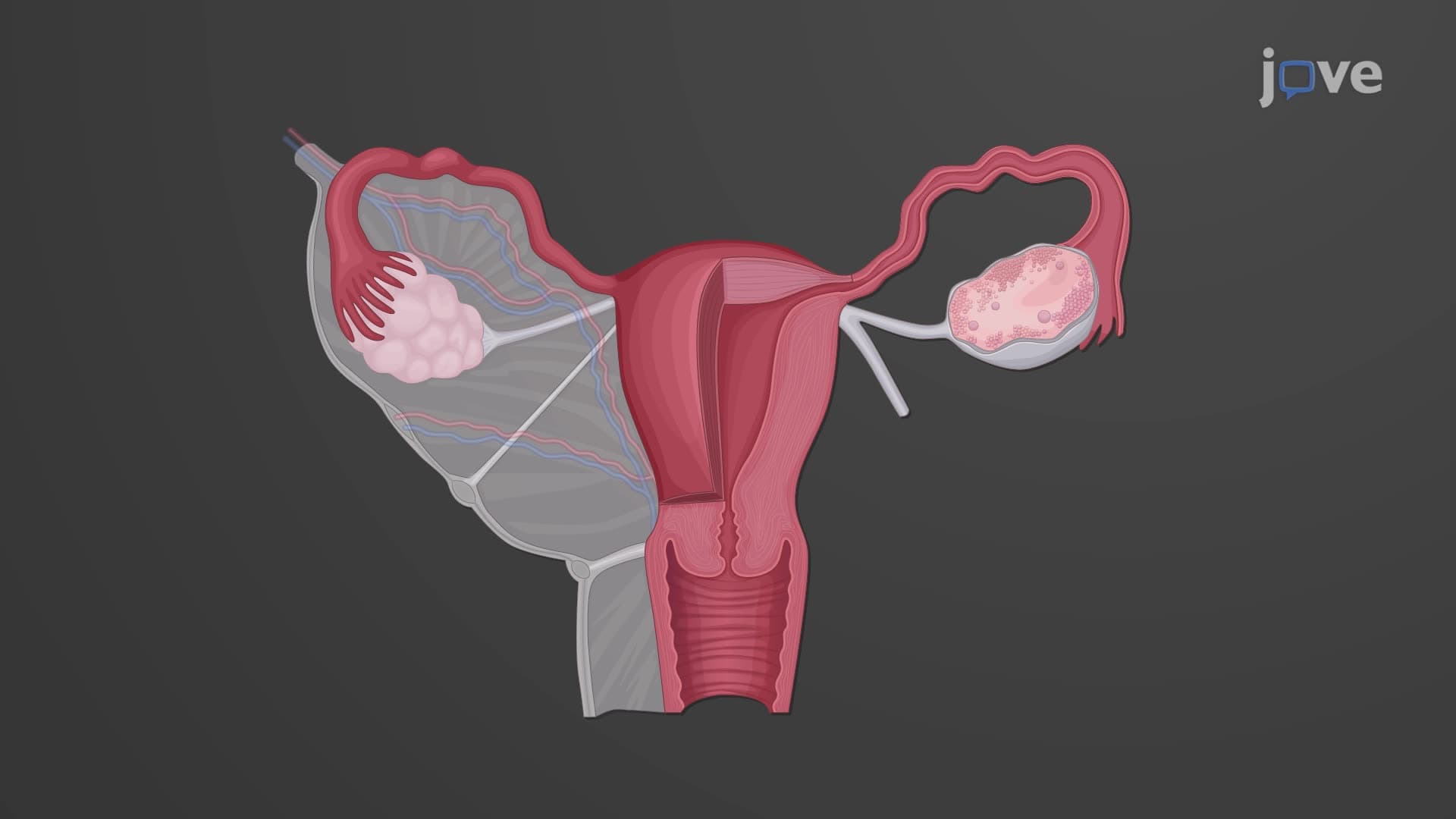
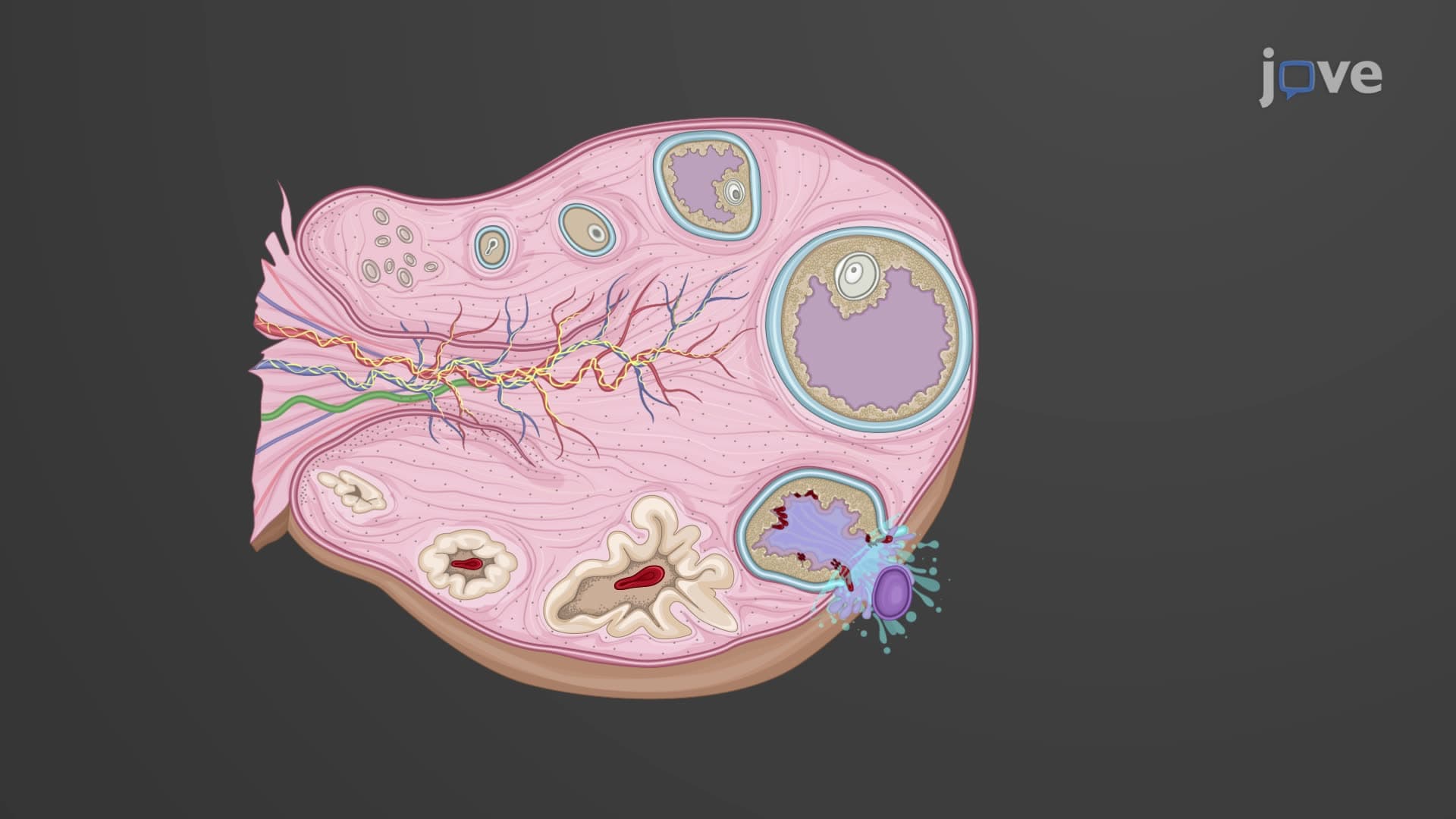
The secretory phase represents the second half of the menstrual cycle, spanning approximately 14 days after ovulation in most women. This endometrial secretory phase explained begins when the corpus luteum-formed from the ruptured follicle-starts producing significant amounts of progesterone and estrogen. Unlike the proliferative phase that focuses on tissue growth, the secretory phase emphasizes functional preparation for potential pregnancy.
During this luteal ovarian secretory period, the endometrium undergoes dramatic structural and biochemical changes. The tissue thickness increases from about 4-8 mm to 12-18 mm, creating optimal conditions for embryo attachment and early development. This transformation is so predictable that fertility specialists and reproductive endocrinologists across US medical centers use ultrasound measurements of endometrial thickness as diagnostic tools.
Hormonal Orchestra: Progesterone's Leading Role
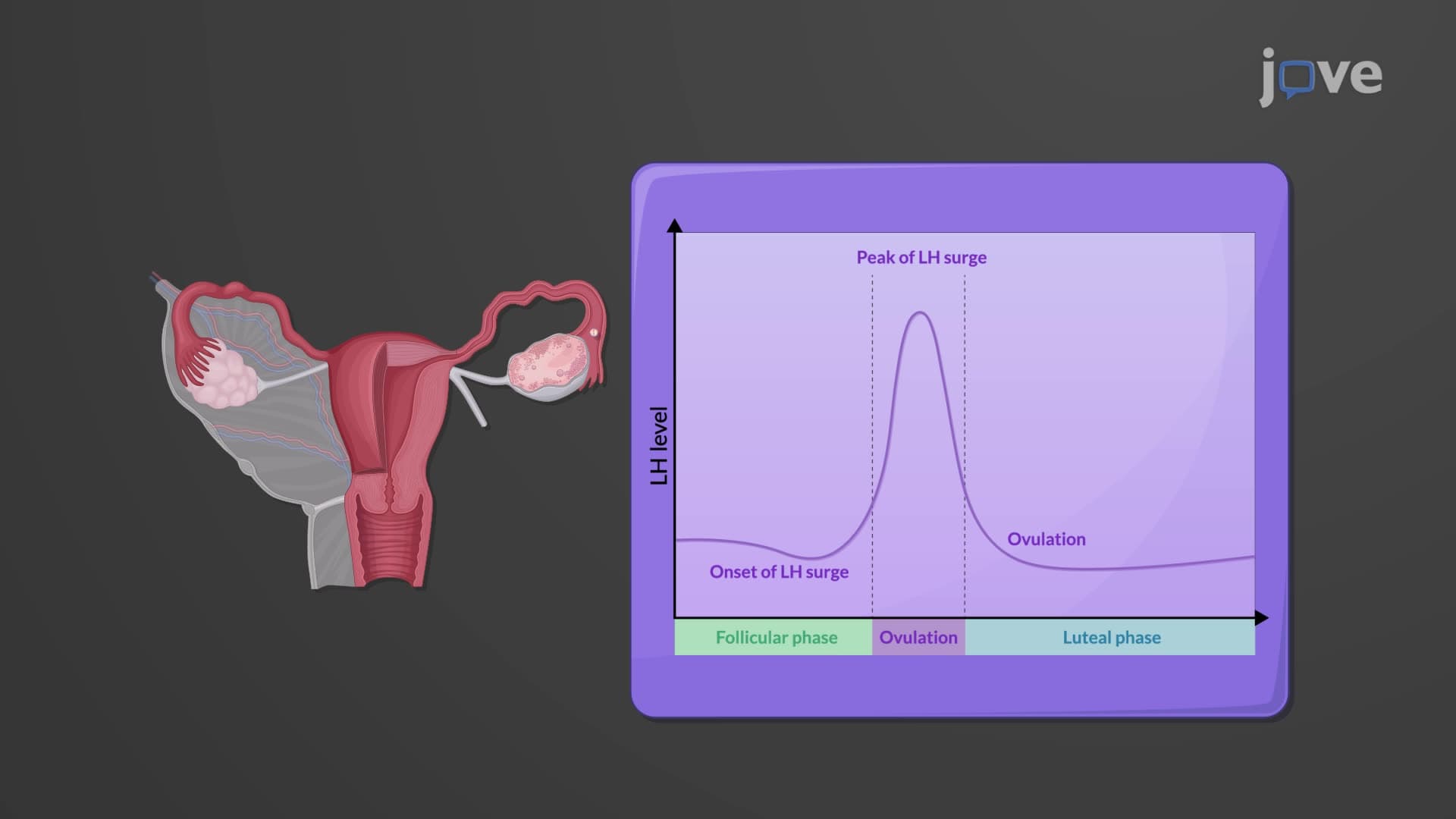
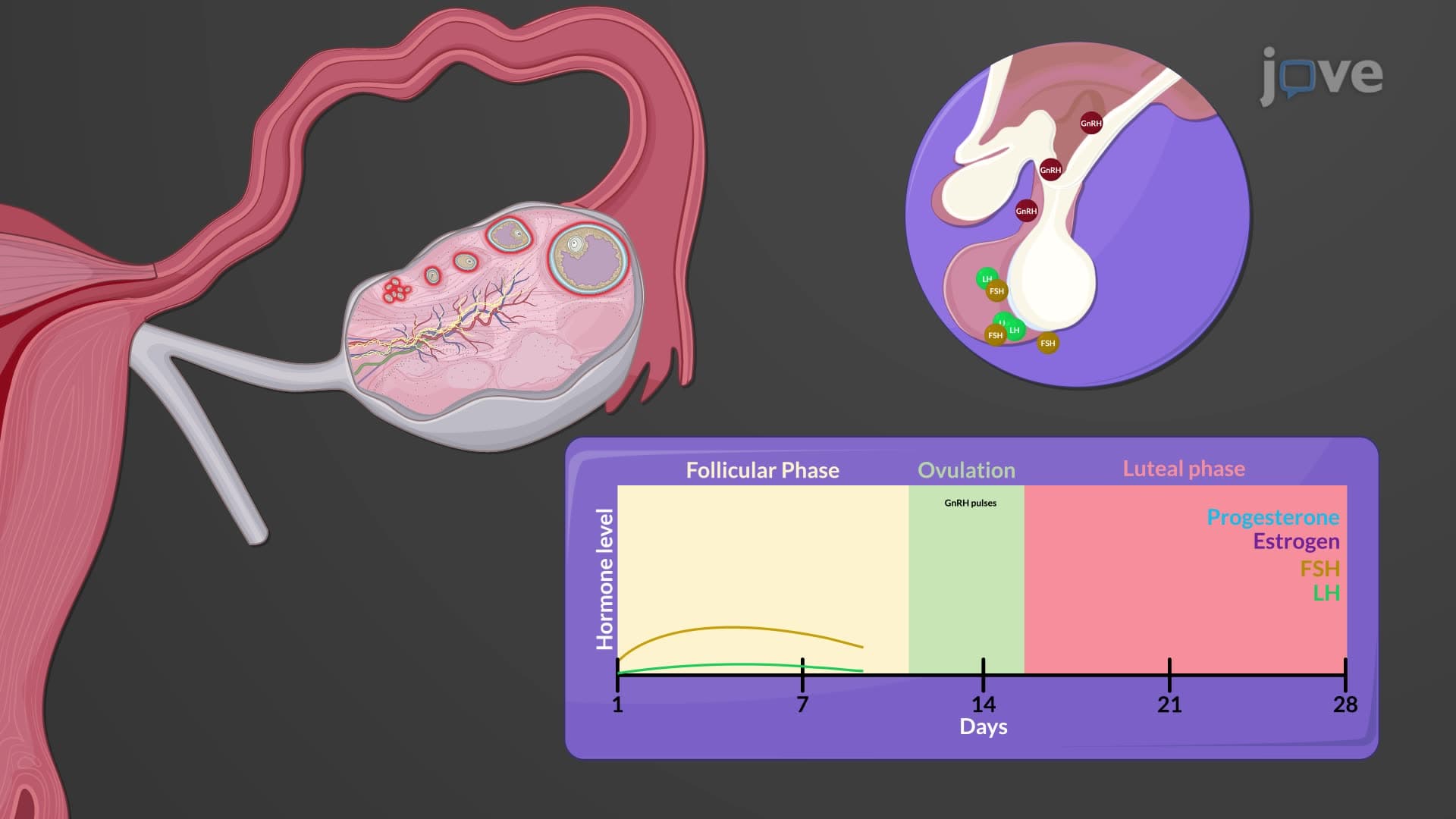
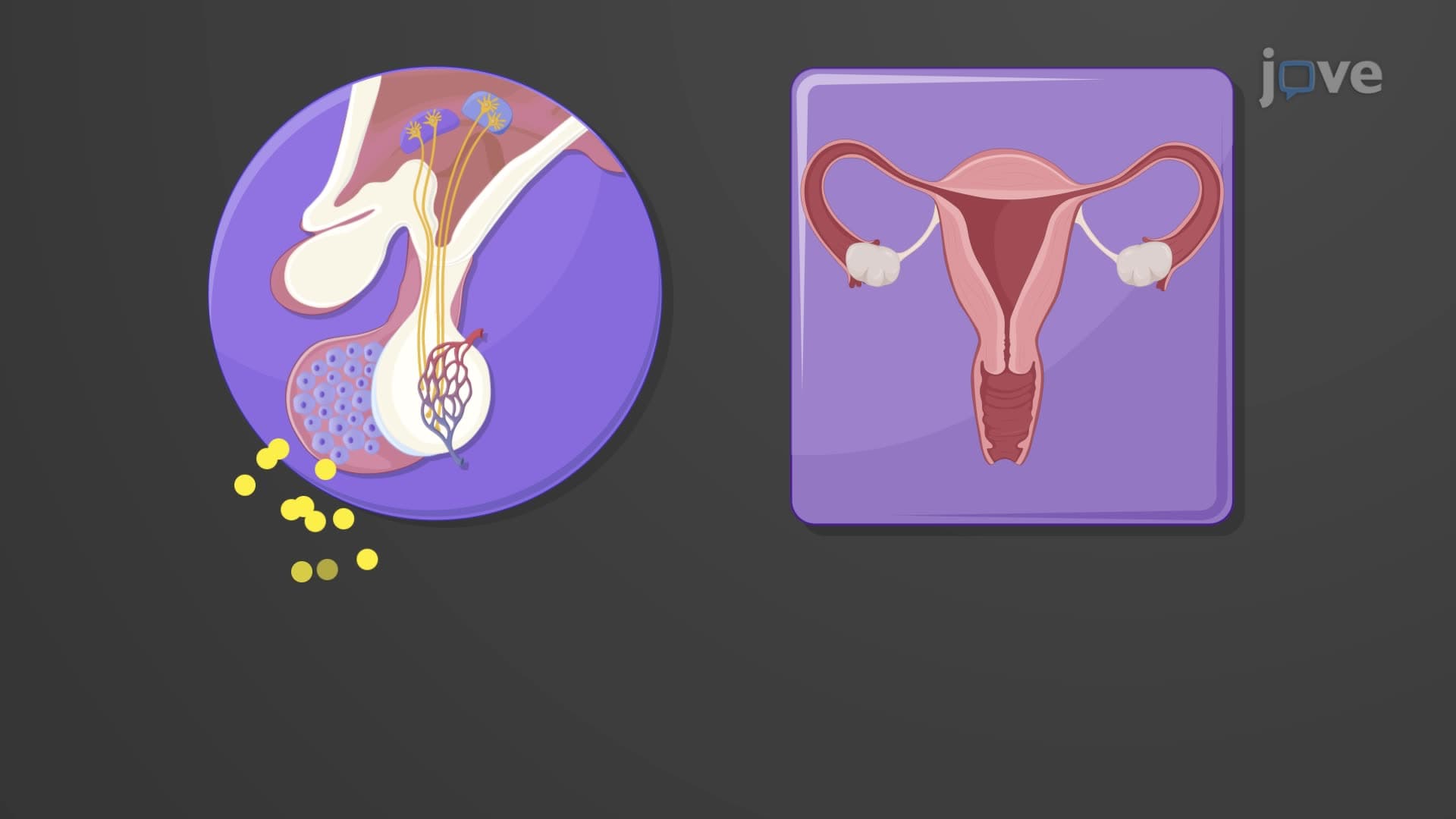
The progesterone secretory phase represents one of biology's most elegant feedback systems. After ovulation, luteinizing hormone (LH) maintains the corpus luteum, which produces progesterone levels reaching 10-20 ng/mL in blood-nearly 10 times higher than follicular phase levels. This hormone surge triggers endometrial glands to mature and begin secreting glycogen, proteins, and lipids essential for embryo nutrition.
Students preparing for the MCAT or AP Biology exams should understand that progesterone also affects cervical mucus viscosity, creating a protective plug that prevents bacterial ascension while potentially blocking sperm entry. This dual function showcases how reproductive biology balances competing priorities-protection versus fertility.
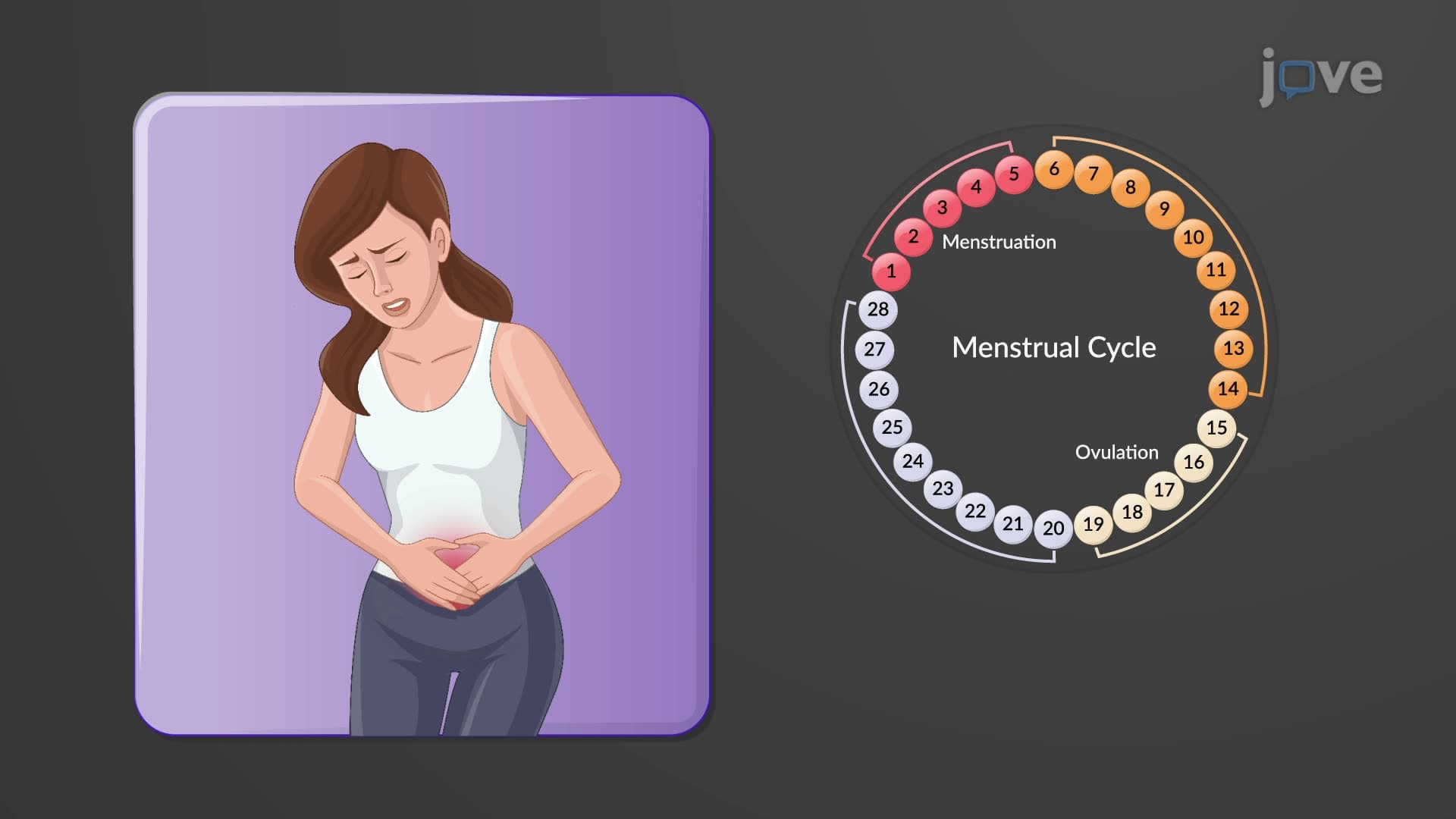
Days 15-28 Secretory Phase: Timeline of Transformation
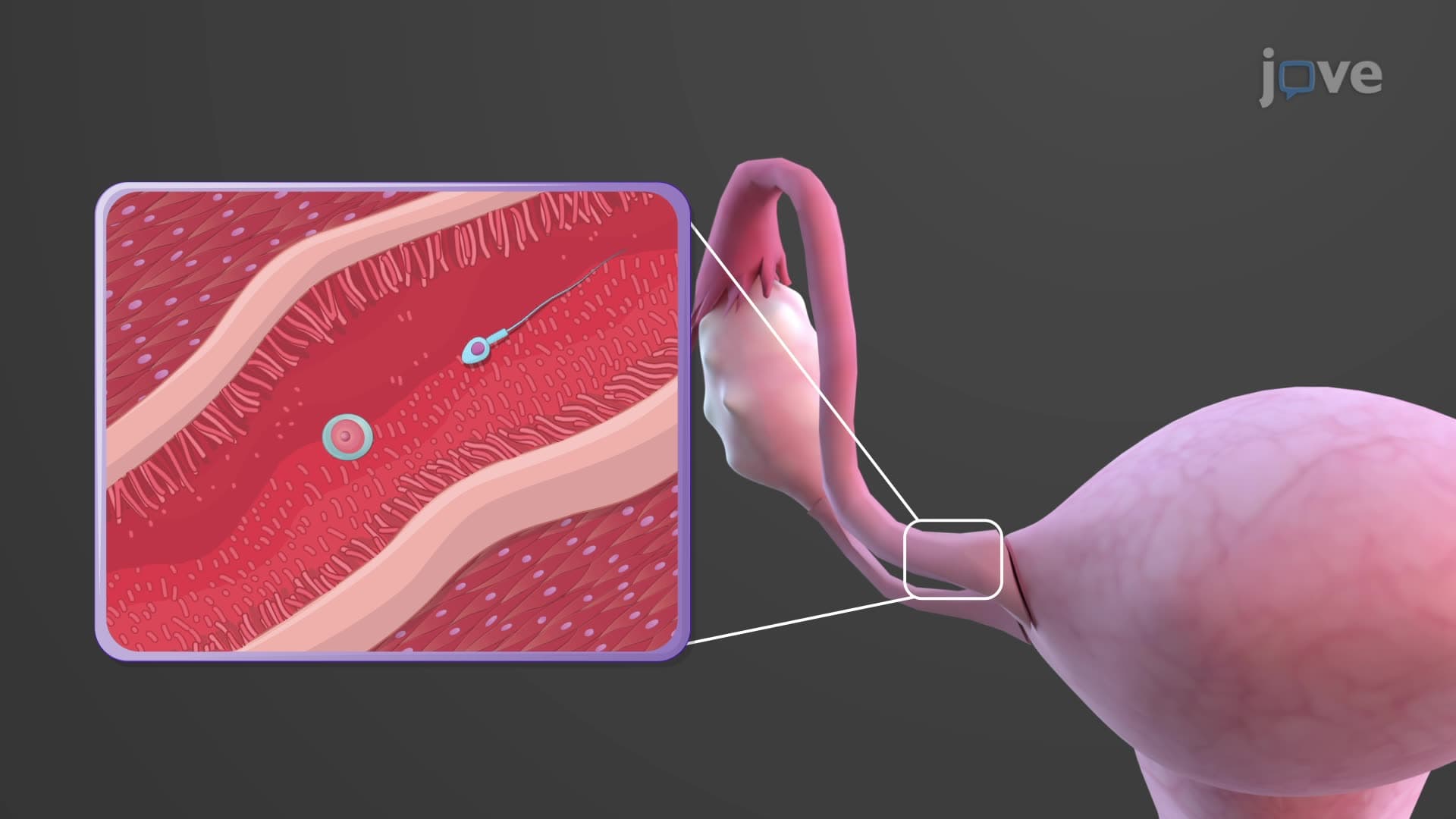
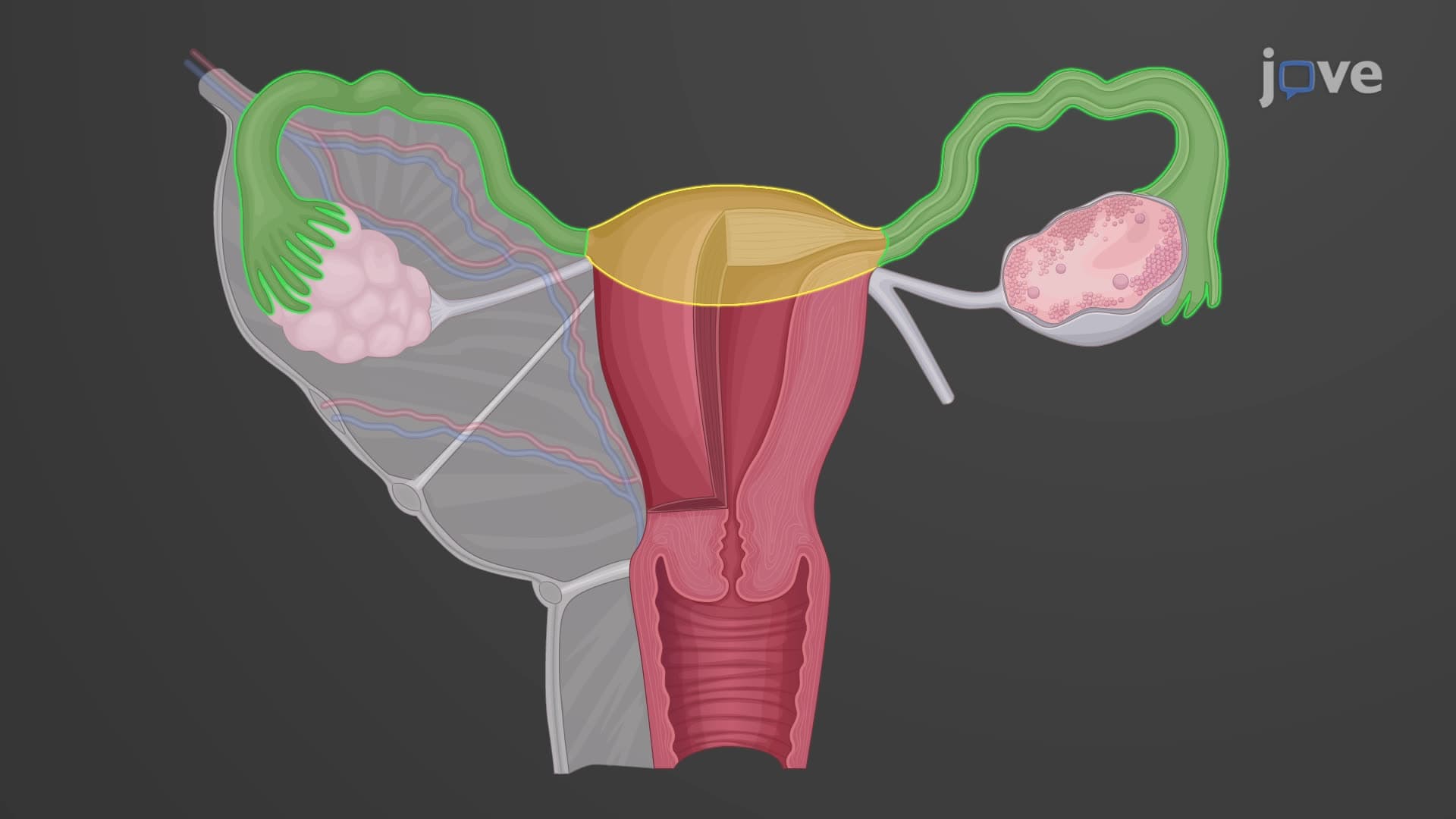
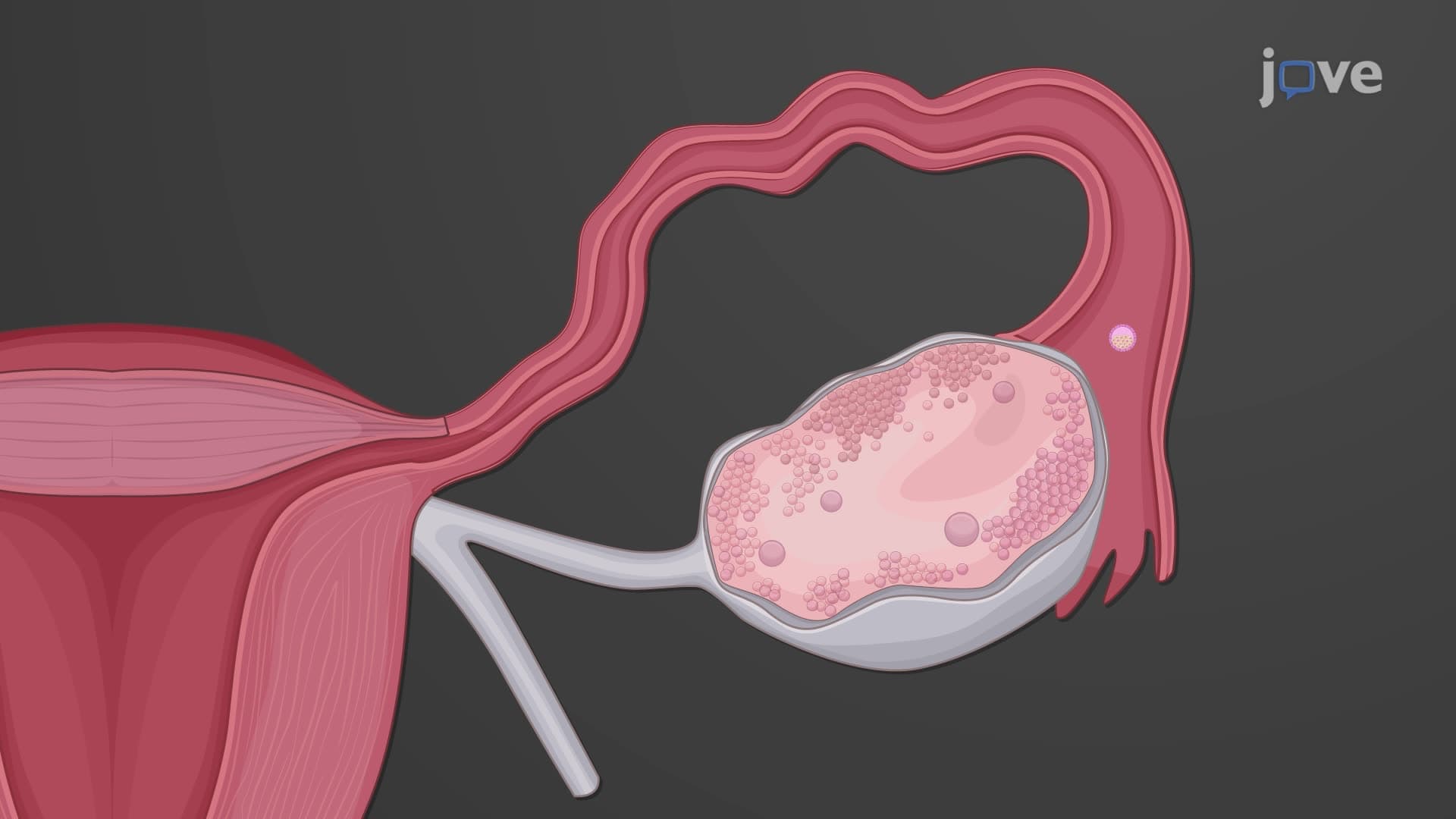
The implantation secretory endometrium reaches peak receptivity around days 20-24 of a typical cycle-precisely when a fertilized embryo would arrive from the fallopian tubes. This "implantation window" represents a critical concept for students studying reproductive medicine or preparing for healthcare entrance exams like the HESI A2 or TEAS.
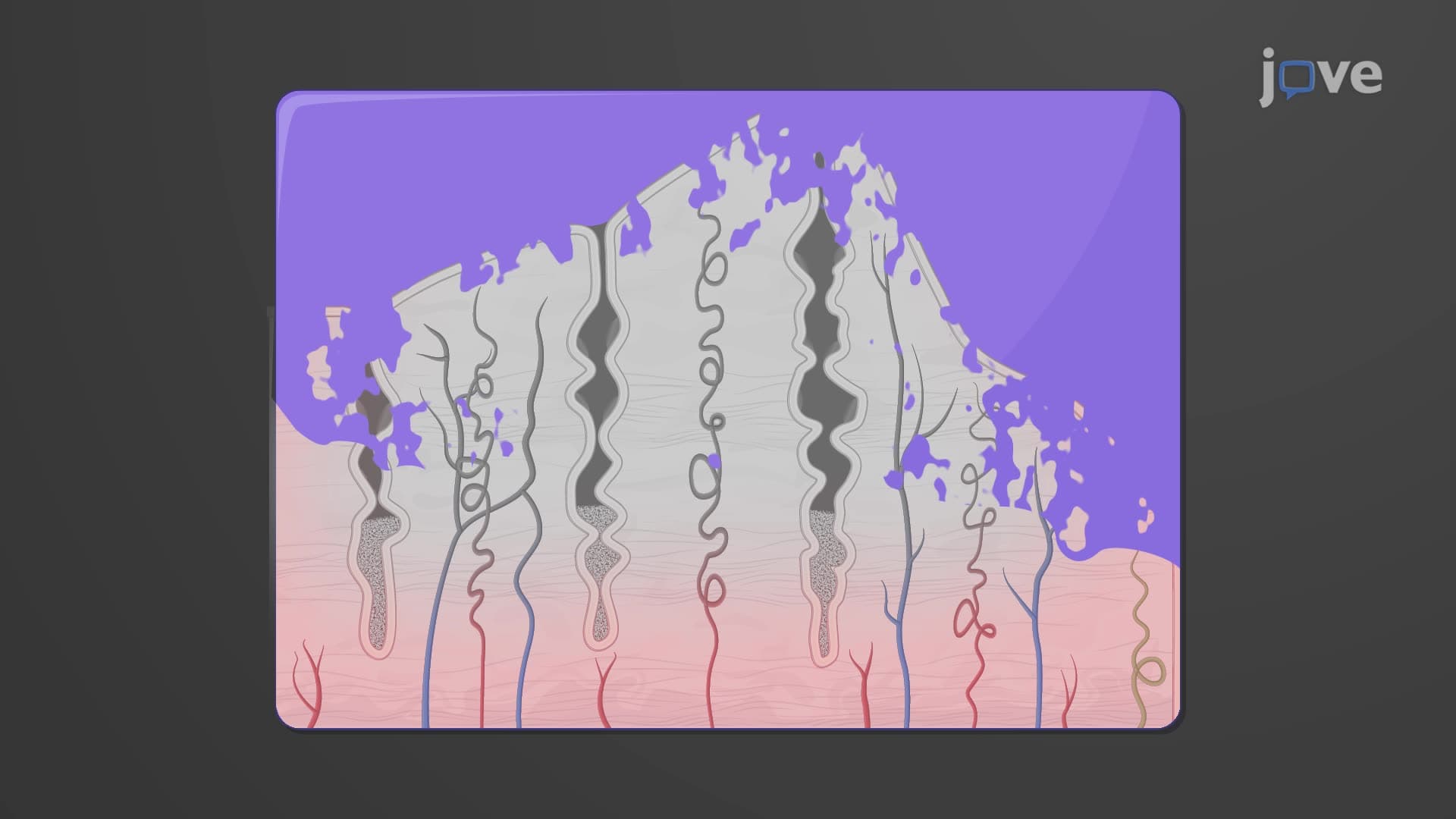
If pregnancy doesn't occur, the corpus luteum degenerates around day 26, causing progesterone and estrogen levels to plummet. This hormonal withdrawal triggers menstruation, demonstrating the tight connection between ovarian function and endometrial response-a relationship frequently tested in college physiology courses and medical school curricula.
Frequently Asked Questions
The secretory phase is the 14-day period after ovulation when progesterone prepares the uterine lining for potential pregnancy. Unlike the proliferative phase that focuses on tissue growth, the secretory phase emphasizes glandular maturation and nutrient secretion. This phase is hormonally driven by the corpus luteum rather than developing follicles, creating distinct biochemical and structural changes in the endometrium.
MCAT questions often focus on hormonal regulation, particularly progesterone's role in maintaining the secretory endometrium and corpus luteum function. AP Biology exams typically test the timeline of days 15-28 and the relationship between ovarian hormones and endometrial changes. Students should understand feedback mechanisms and the consequences of fertilization versus non-fertilization during this phase.
The endometrial secretory phase involves tissue thickening to 12-18 mm and glandular maturation for nutrient production. Endometrial glands secrete glycogen, proteins, and lipids into the uterine cavity while blood vessels become more elaborate and coiled. These changes create optimal conditions for embryo implantation and early development, reaching peak receptivity around cycle days 20-24.
Reproductive endocrinologists at major US medical centers use endometrial thickness measurements and timing to assess fertility and diagnose conditions like luteal phase defects. OB/GYN practitioners rely on secretory phase understanding for contraceptive counseling, fertility treatments, and explaining irregular bleeding patterns. This knowledge is essential for NCLEX and medical licensing examinations.
Consider a 25-year-old nursing student in California tracking her cycle for family planning. During her secretory phase (days 15-28), her basal body temperature rises due to progesterone, her cervical mucus becomes thick and sticky, and her endometrium prepares for potential pregnancy. If she doesn't conceive, dropping hormone levels trigger menstruation exactly 14 days after ovulation, demonstrating the phase's predictable timeline.
The secretory phase builds logically on basic hormone and reproductive system knowledge typically covered in sophomore biology. Students who understand ovulation and basic endocrine feedback can master this concept with focused study. The key is connecting ovarian events (corpus luteum formation) with uterine changes (endometrial transformation) through hormonal communication.
Create timeline diagrams showing days 15-28 with corresponding hormone levels, endometrial changes, and clinical correlations. Practice drawing the relationship between corpus luteum function and endometrial preparation, focusing on progesterone's multiple effects. Use active recall to connect this phase with fertility, contraception, and menstrual disorders commonly tested in healthcare entrance exams.
Explore menstrual phase physiology and the complete ovarian-endometrial cycle integration for comprehensive understanding. Advanced topics include luteal phase defects, assisted reproductive technologies, and hormonal contraceptive mechanisms. These concepts build directly on secretory phase knowledge and frequently appear in upper-level biology and pre-health curricula.
Related Micro-courses

14 Concepts

6 Concepts
21 Concepts