Loading subject page…


141,008 views

Video Summary: What Is Signs of Puberty
Ever wonder why your voice cracks or growth spurts happen seemingly overnight? Understanding signs of puberty biology reveals the fascinating hormonal cascade that transforms children into adults. From the first GnRH pulses in the hypothalamus to visible changes like height increases and voice deepening, these biological markers follow predictable patterns. In American high schools, students typically experience these changes between ages 8-14, making this knowledge personally relevant for understanding their own development. Watch the full video on JoVE Coach to master this concept with expert-led visuals and step-by-step explanations.
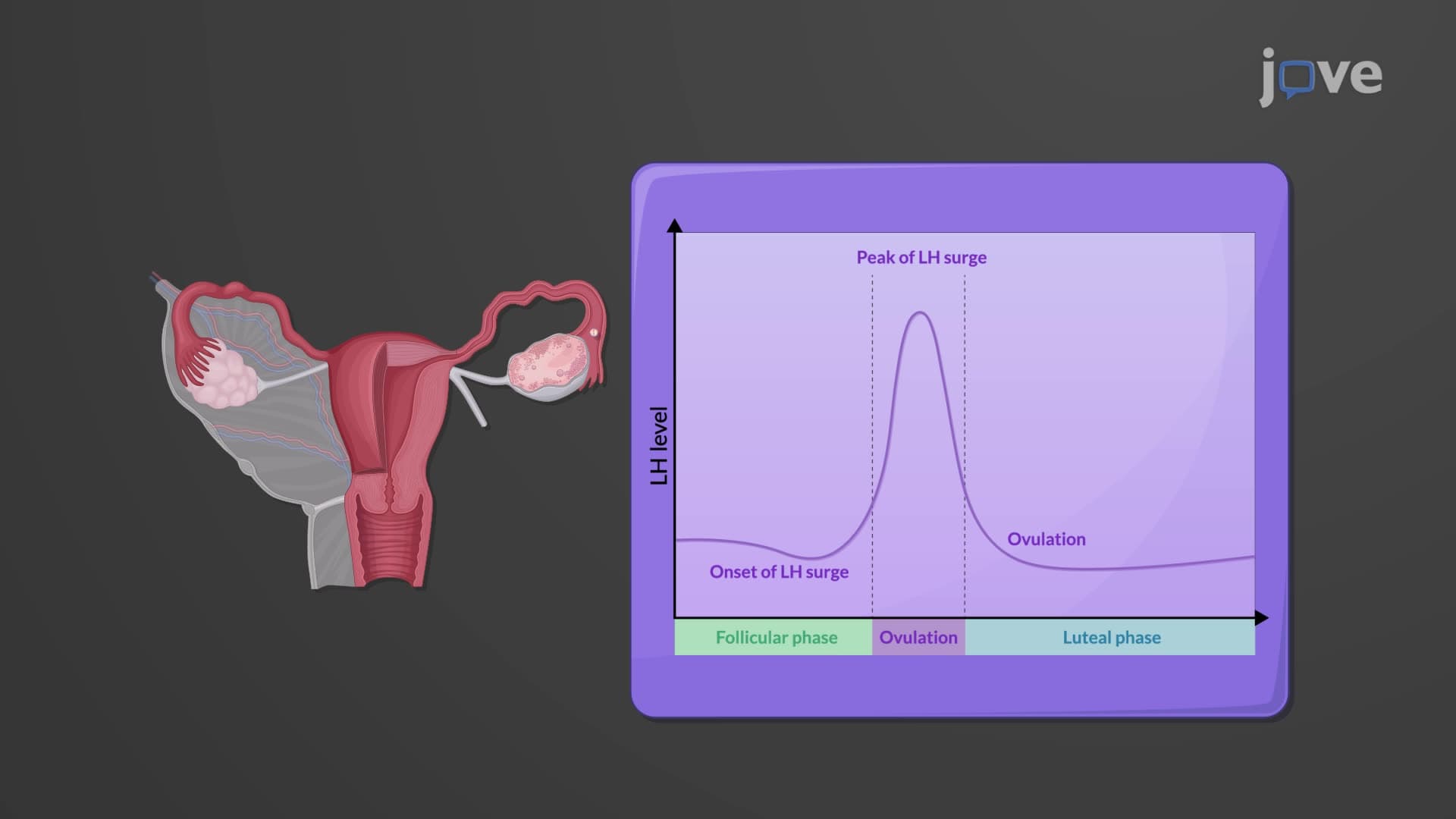
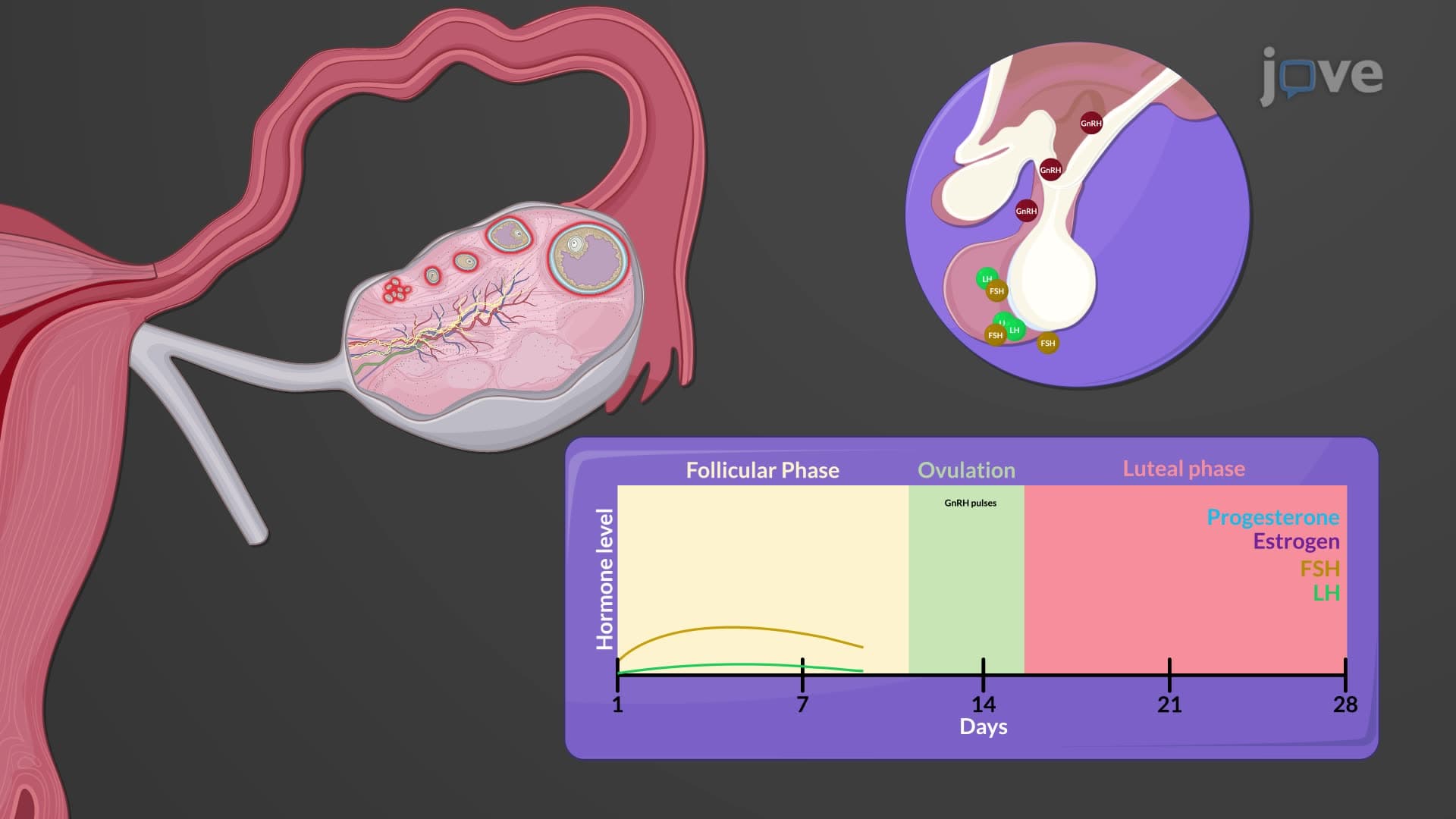
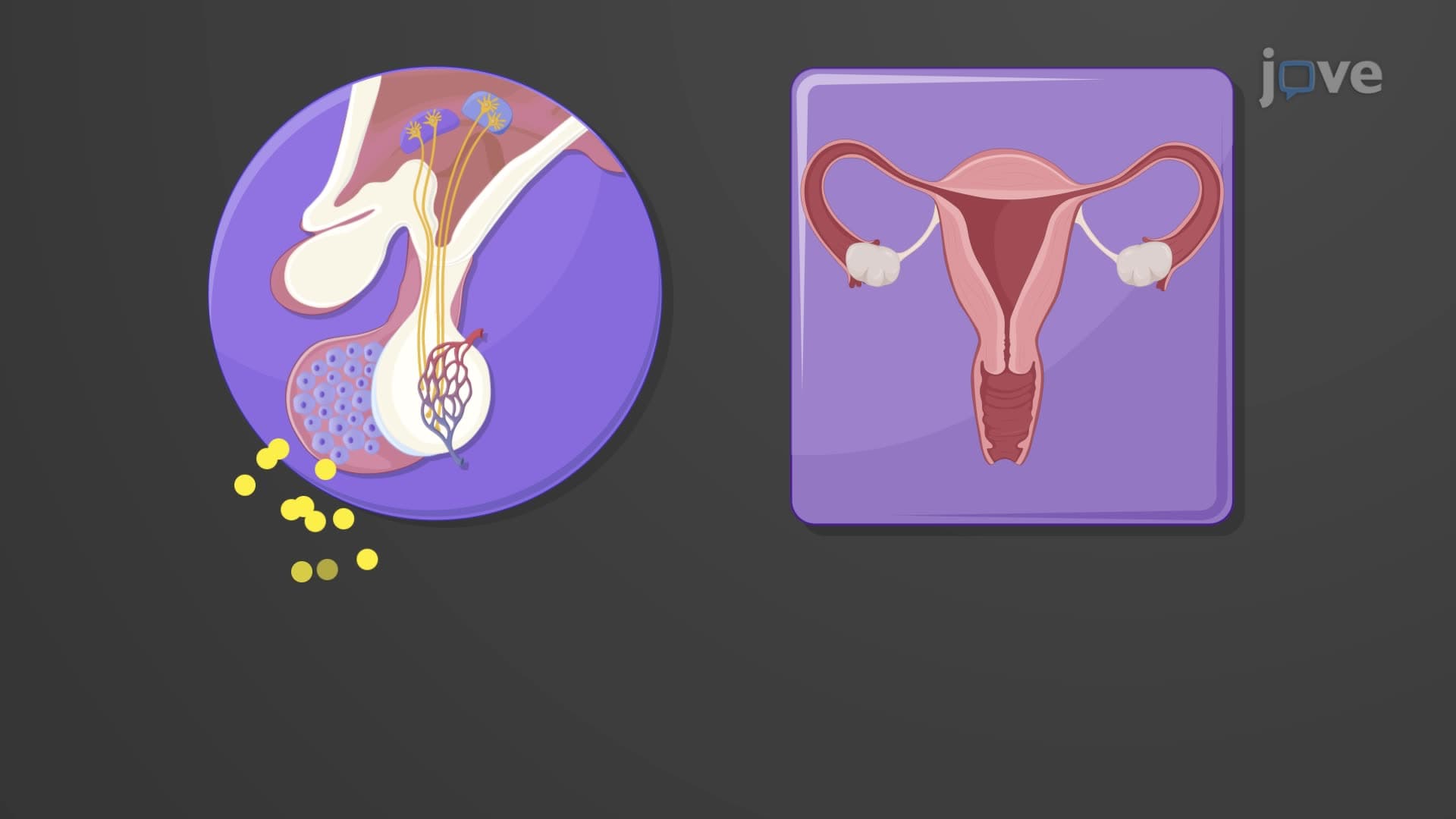
The signs of puberty biology encompasses a complex interplay of hormonal signals that orchestrate the transition from childhood to reproductive maturity. This process begins in the hypothalamus, where gonadotropin-releasing hormone (GnRH) neurons start pulsing with increasing frequency. These pulses trigger the anterior pituitary to release luteinizing hormone (LH) and follicle-stimulating hormone (FSH), initiating what endocrinologists call the hypothalamic-pituitary-gonadal axis activation.
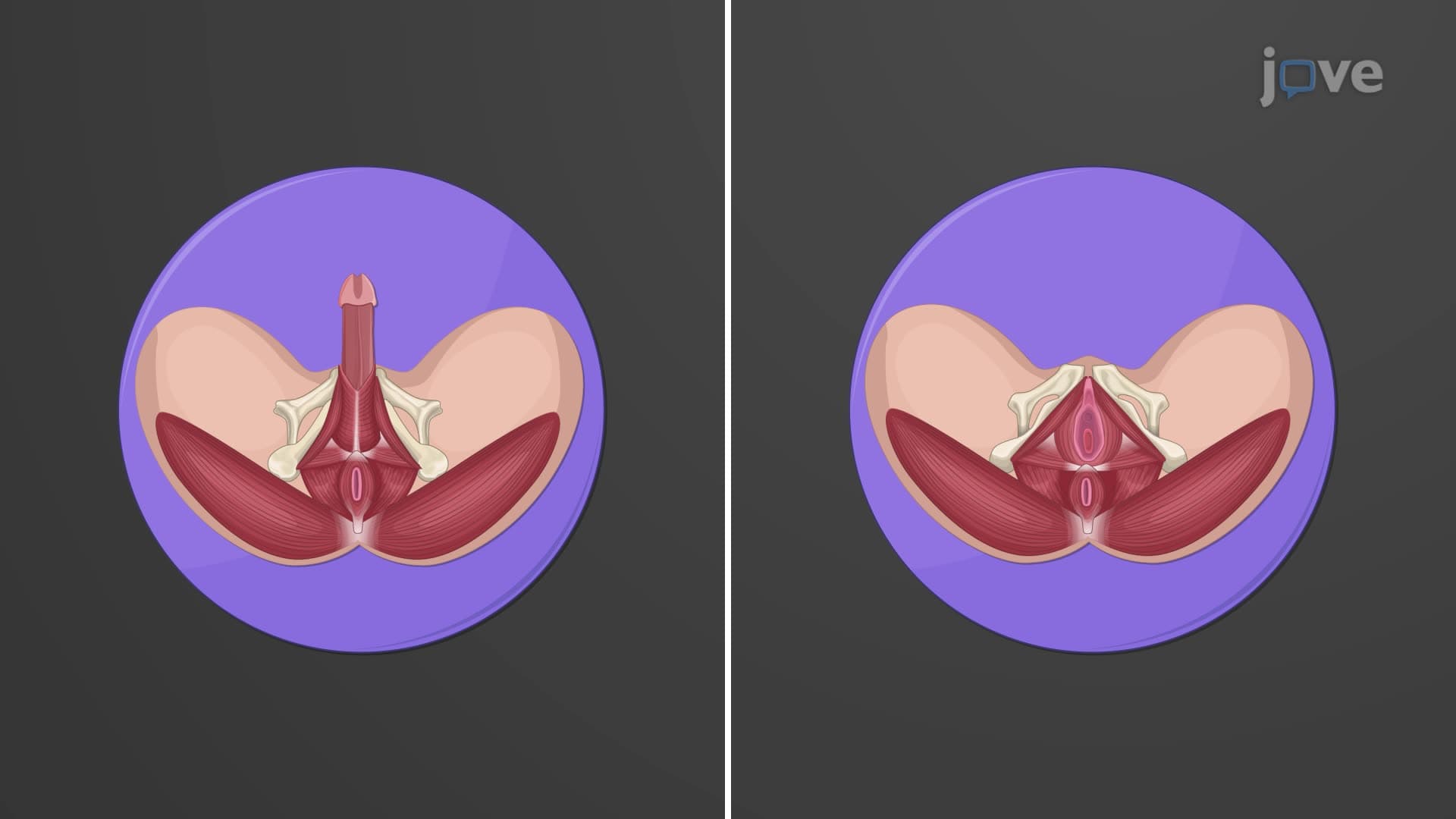
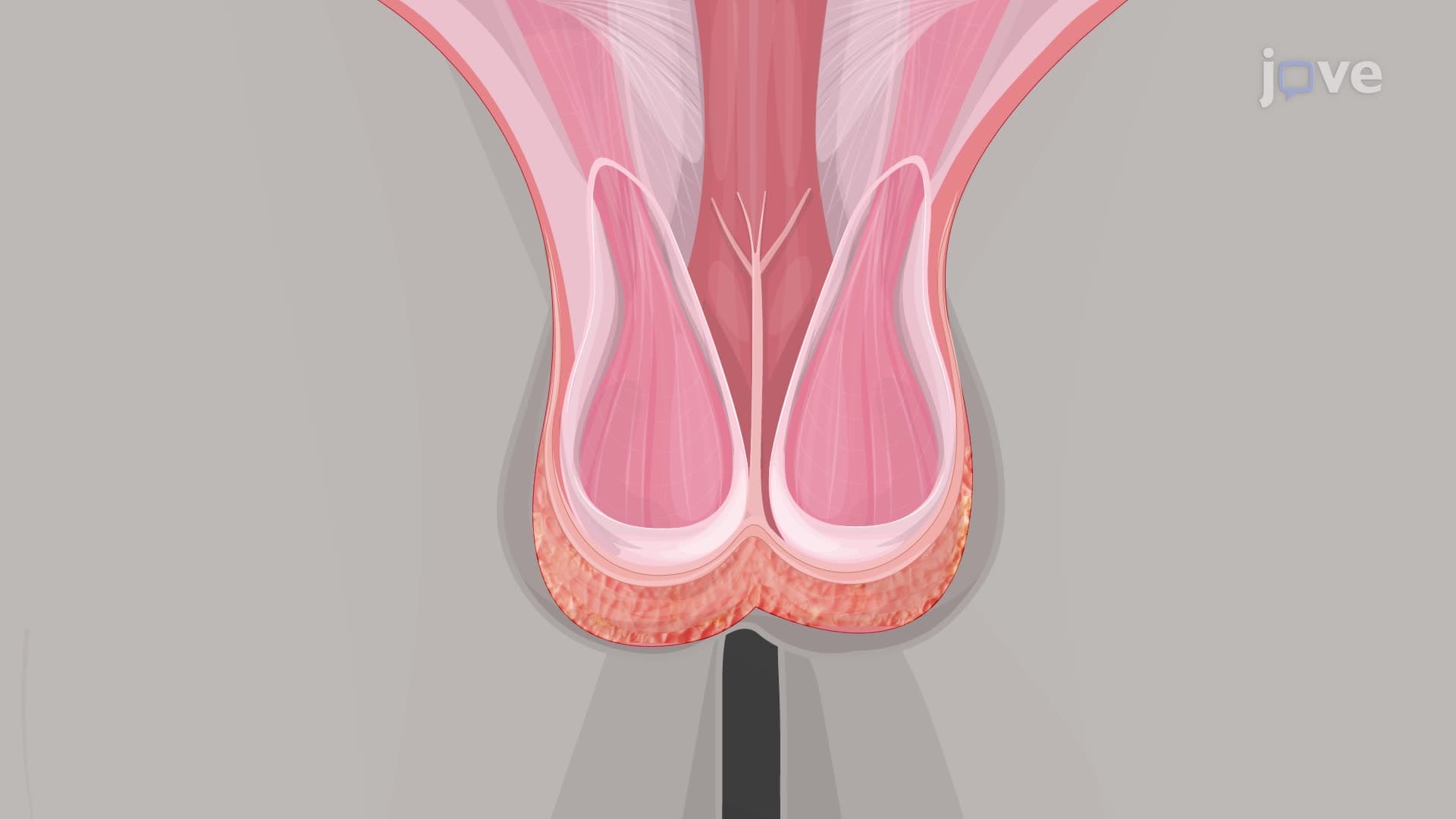
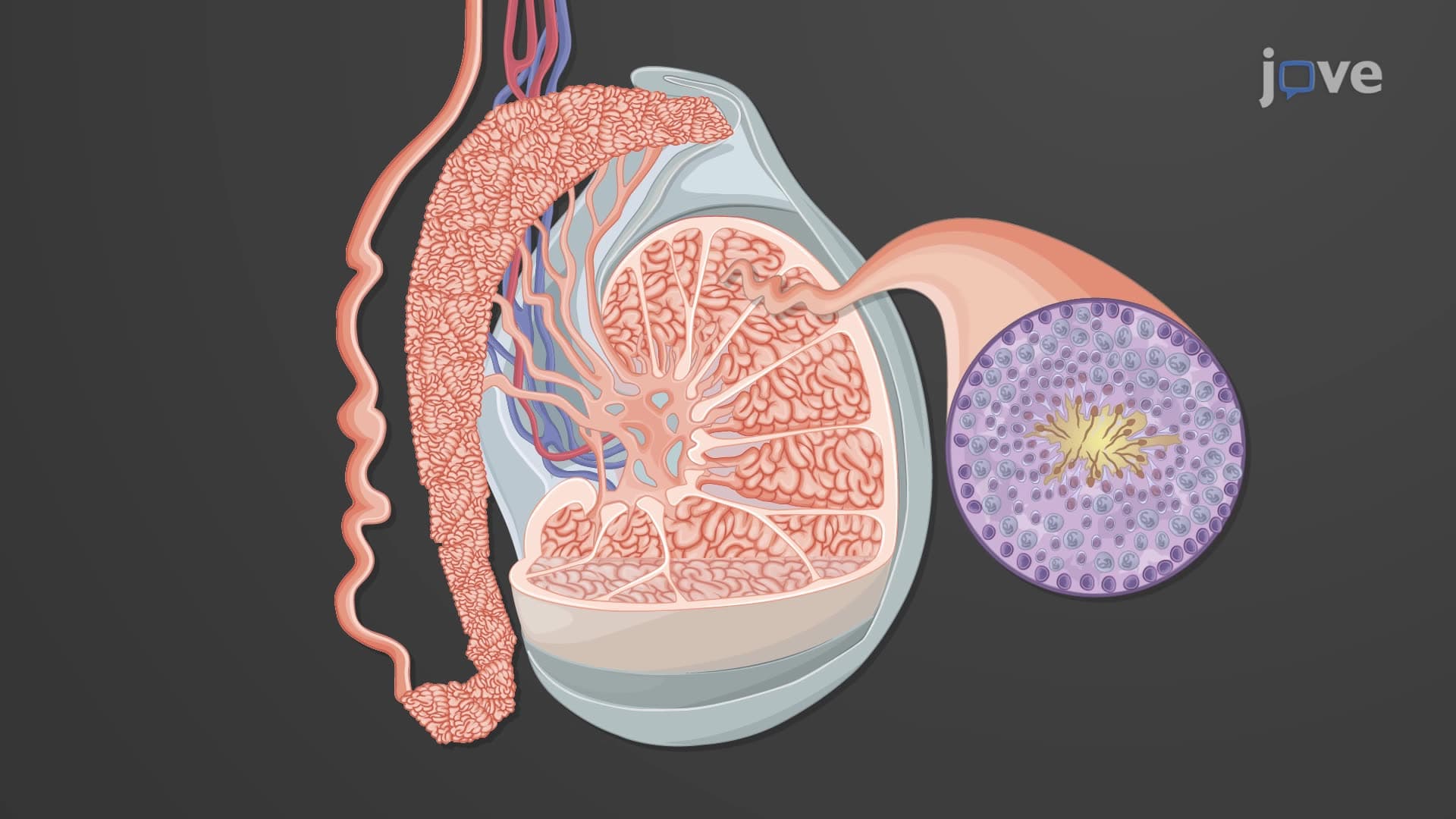
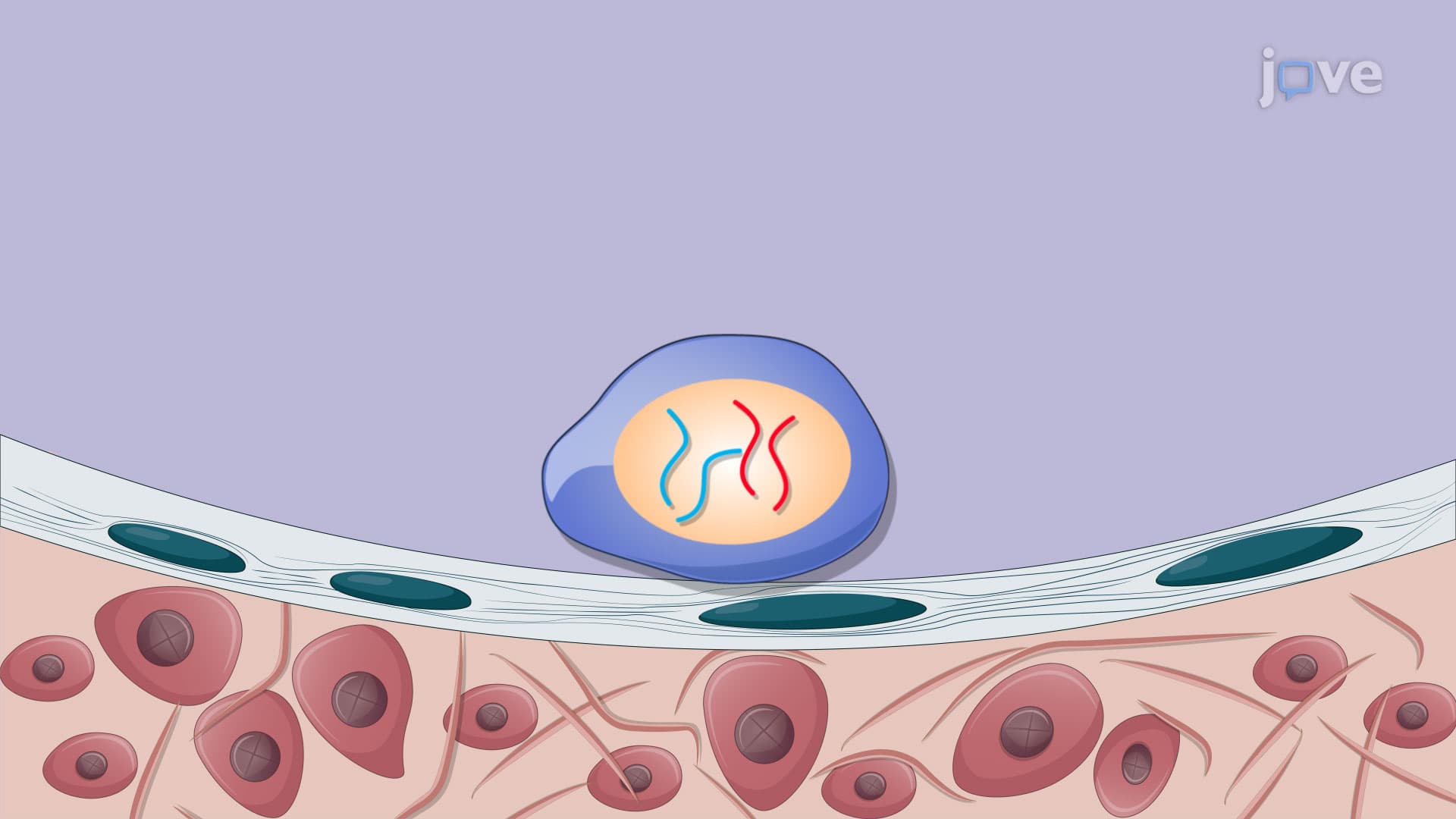
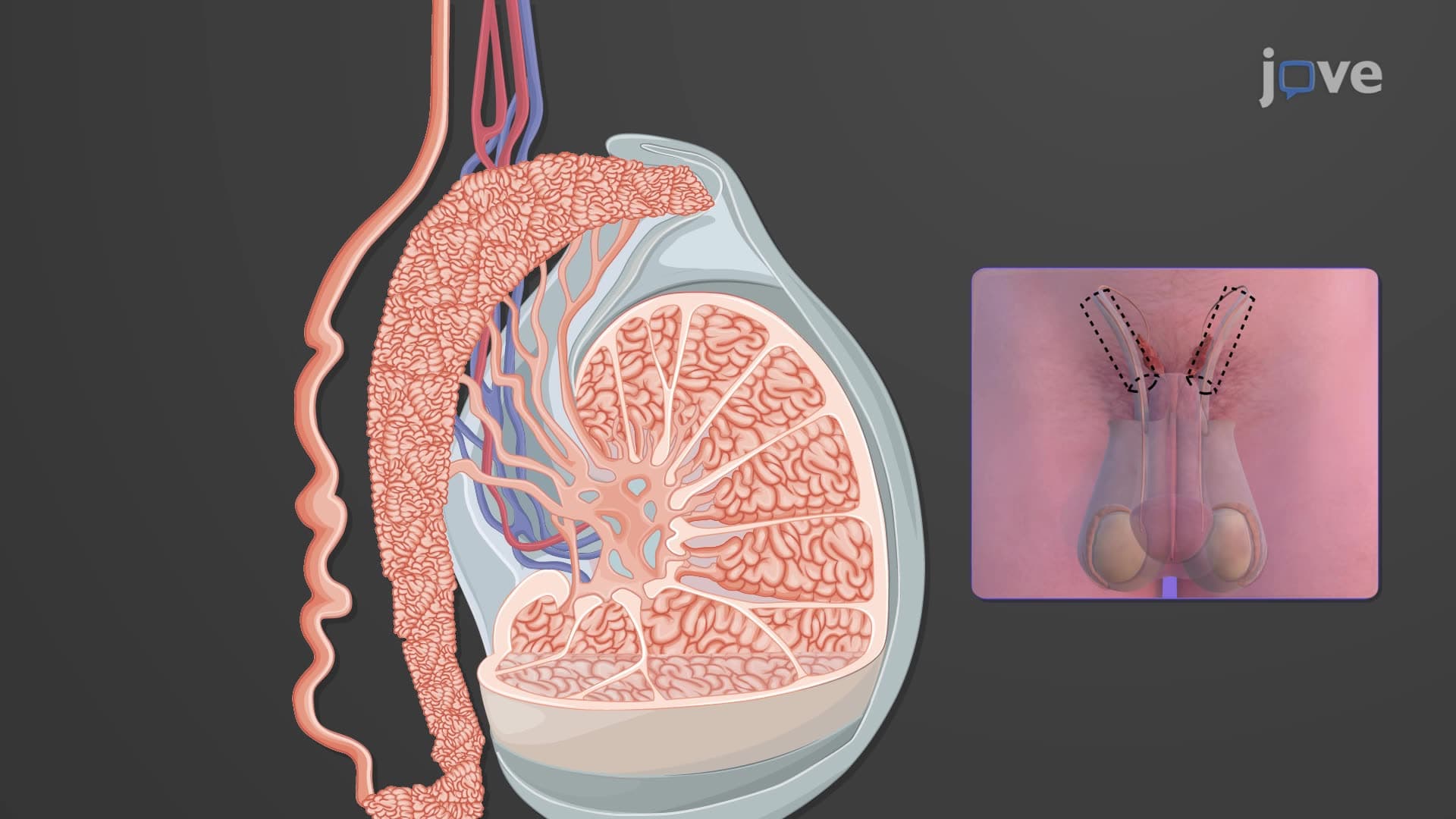
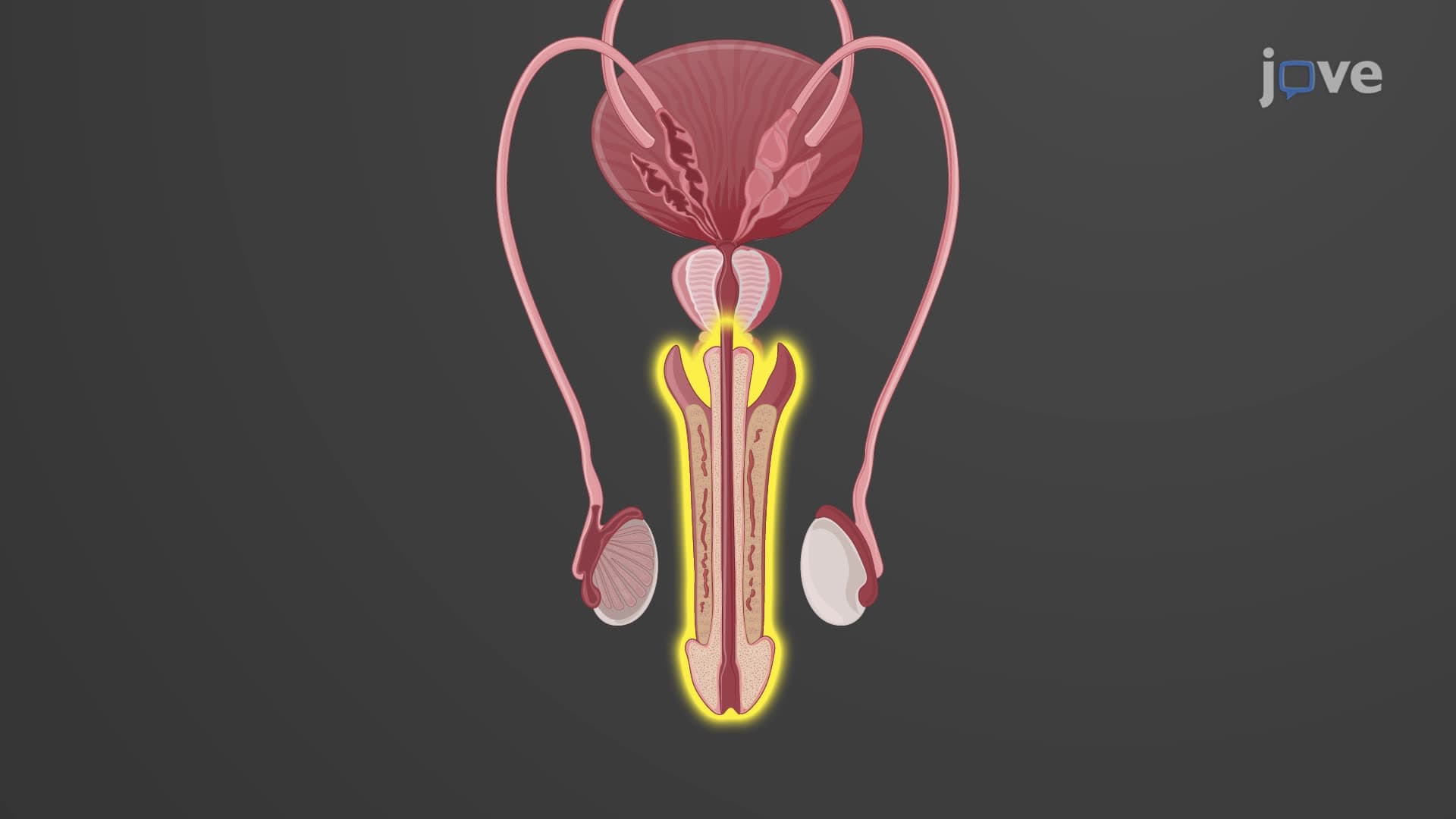
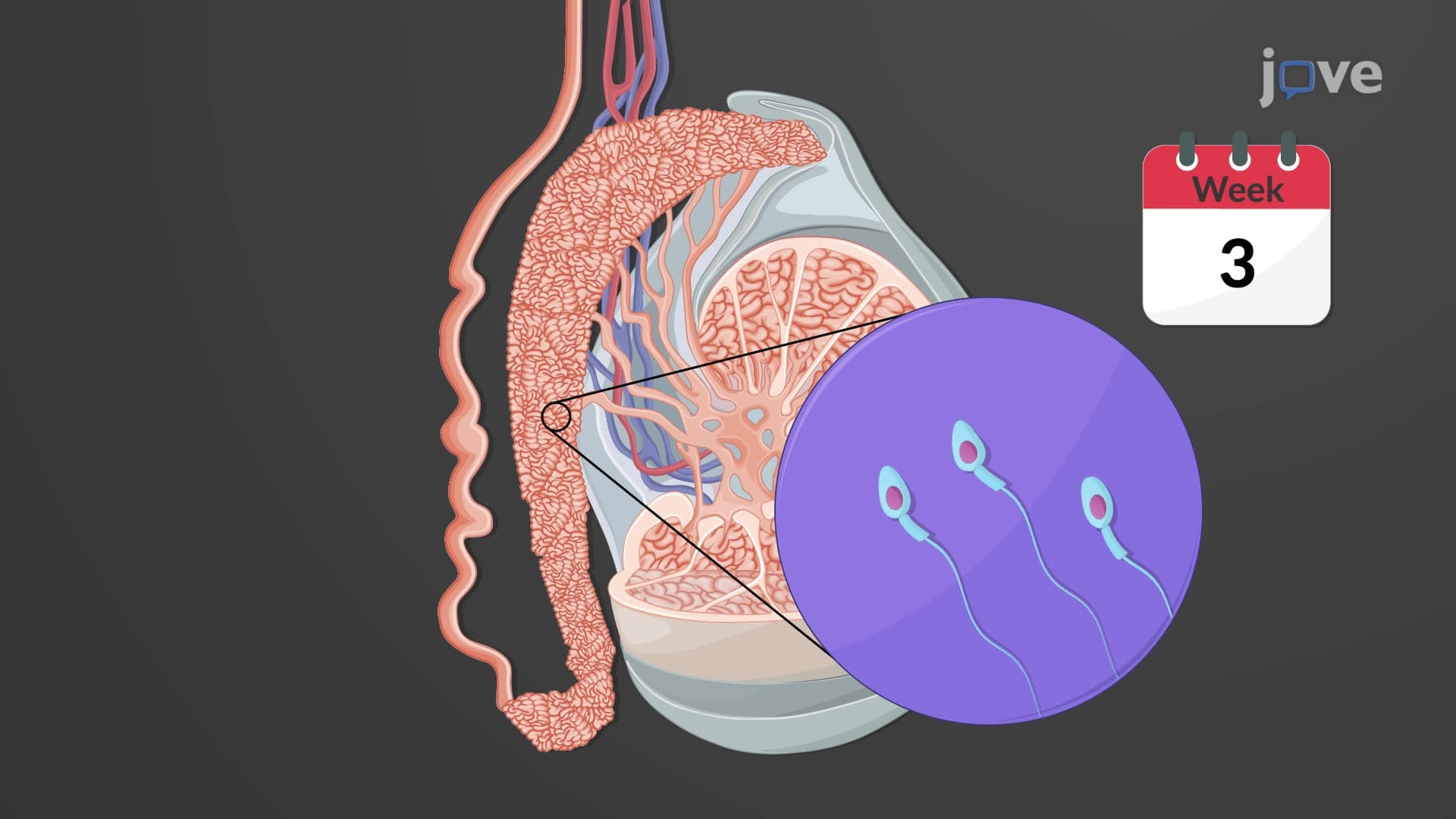
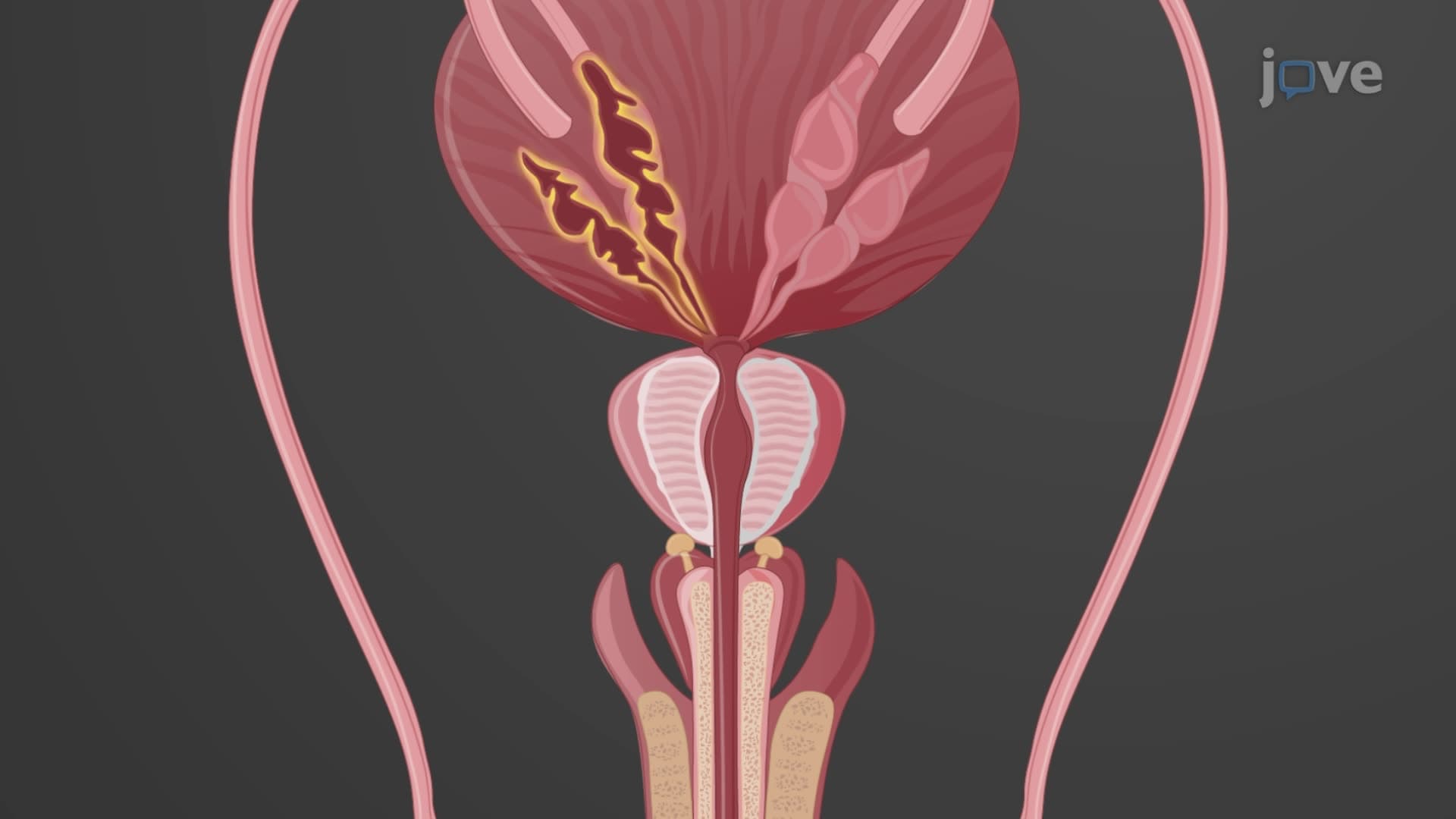
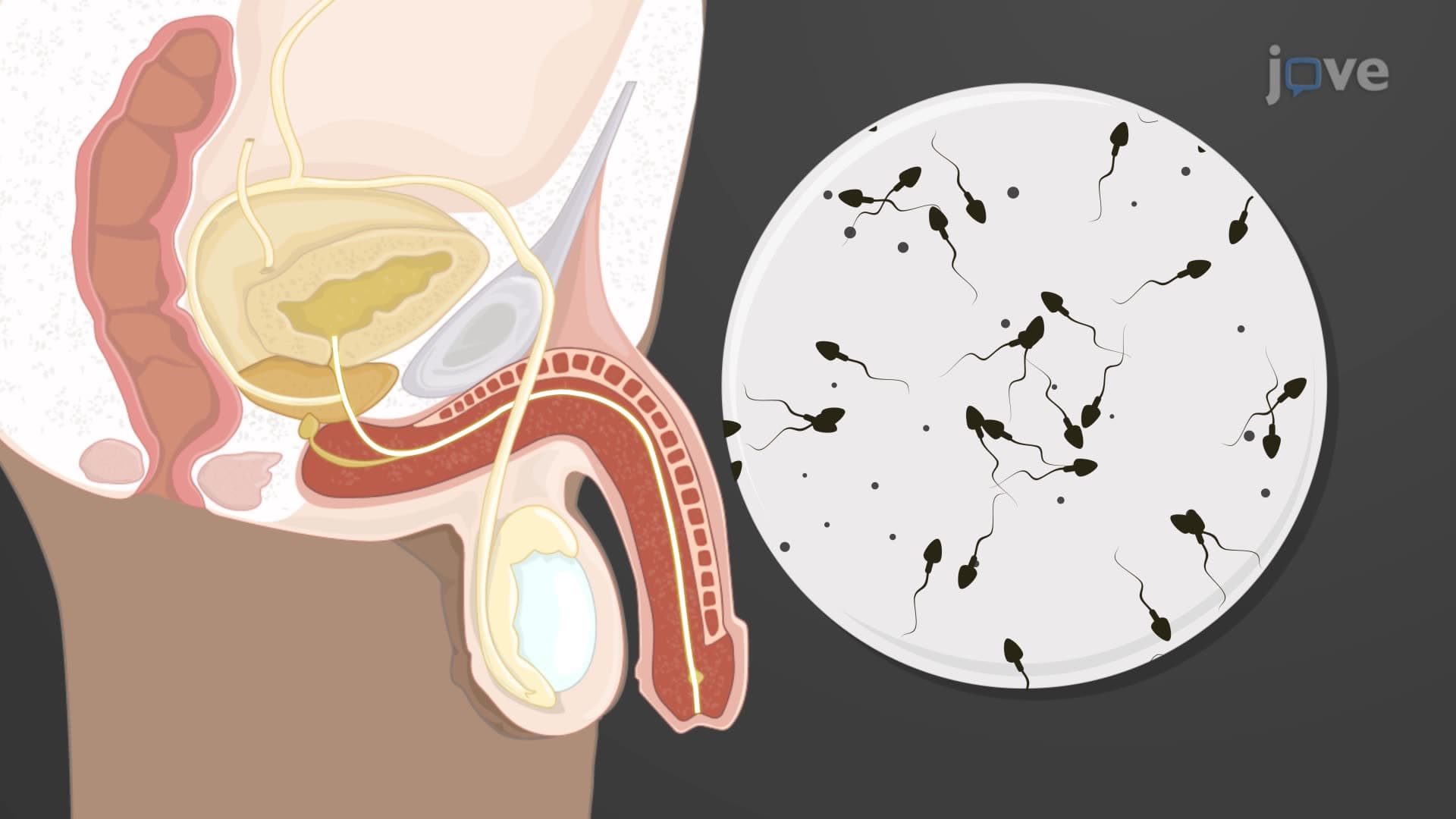
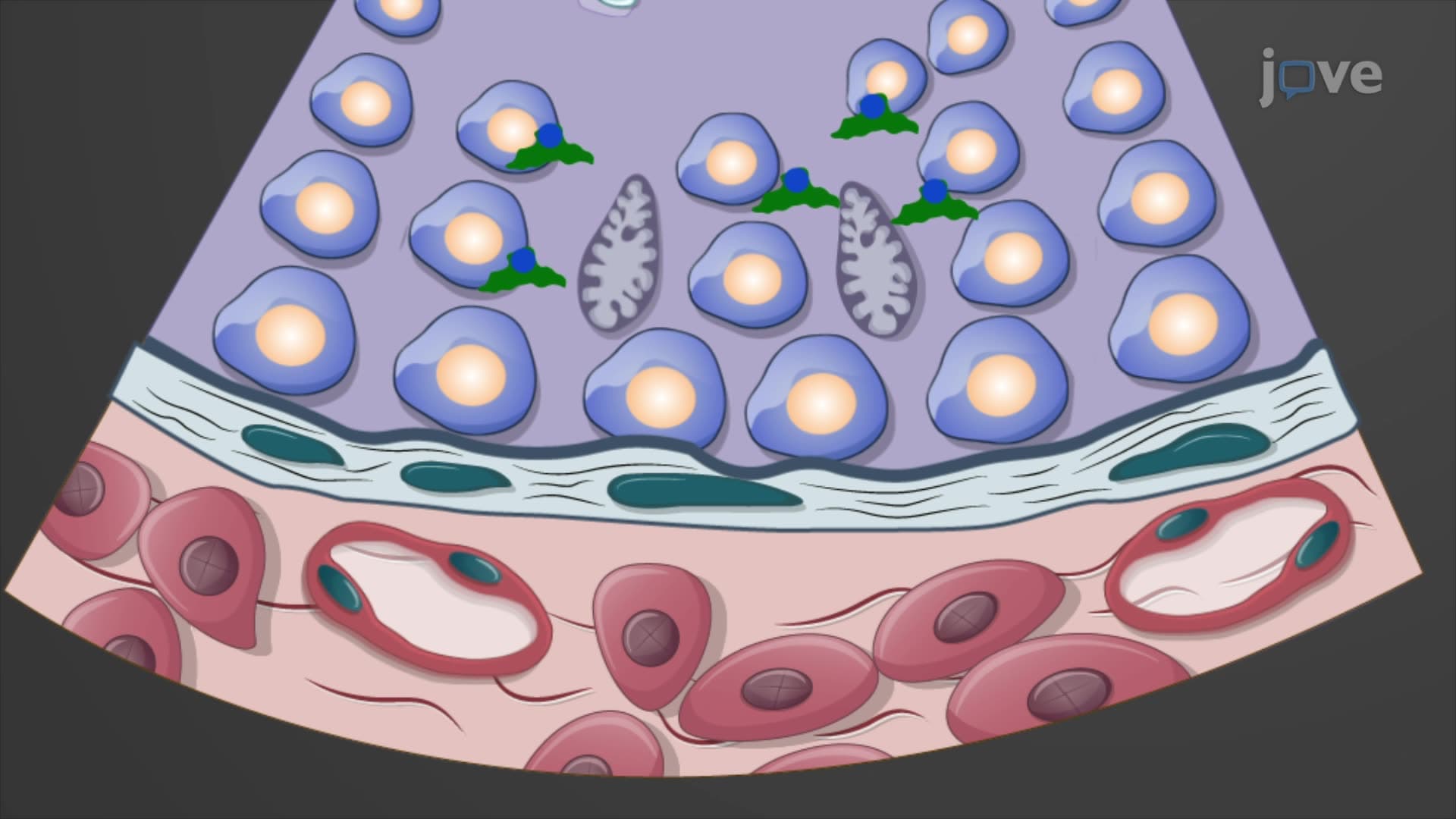
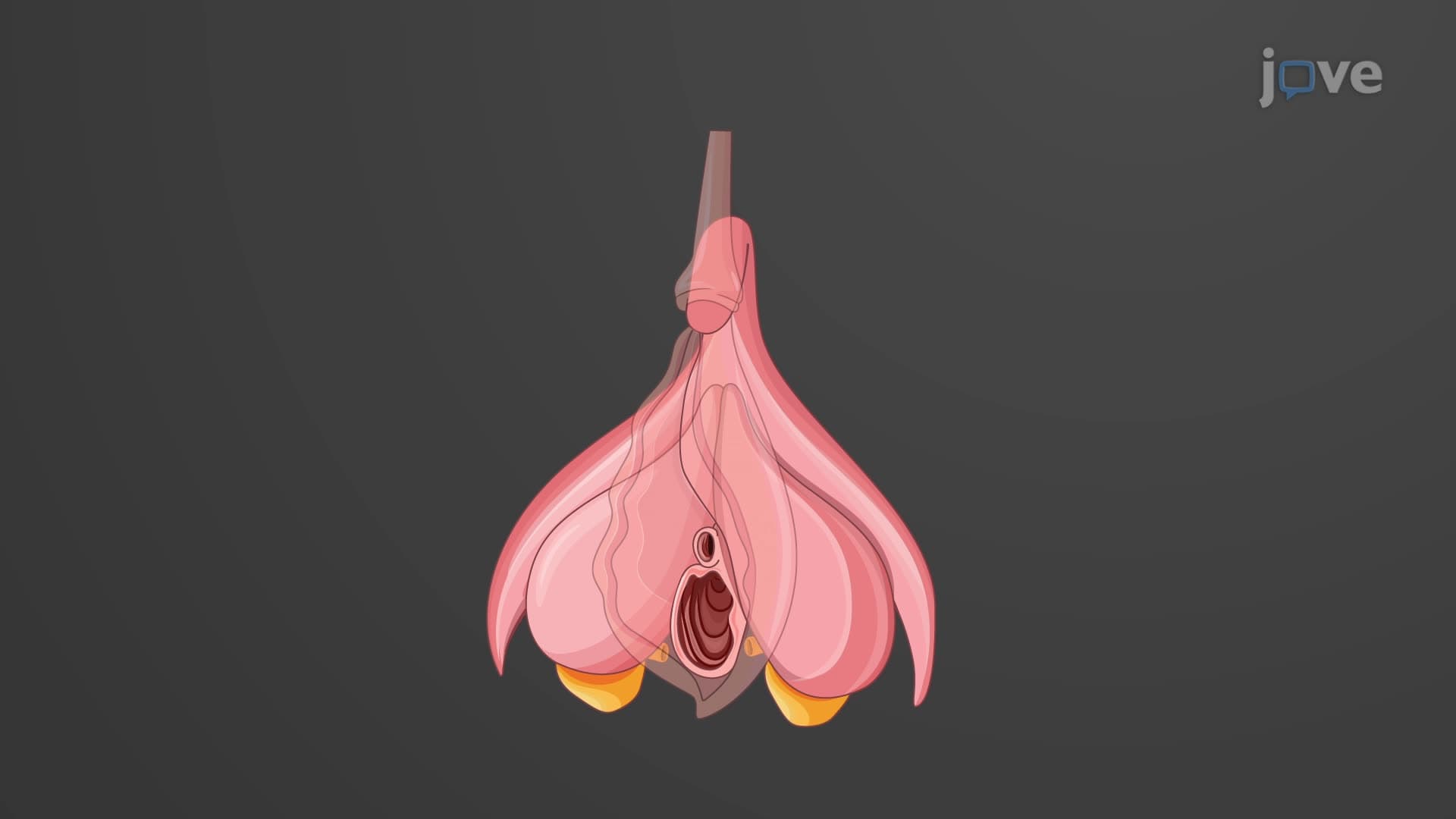
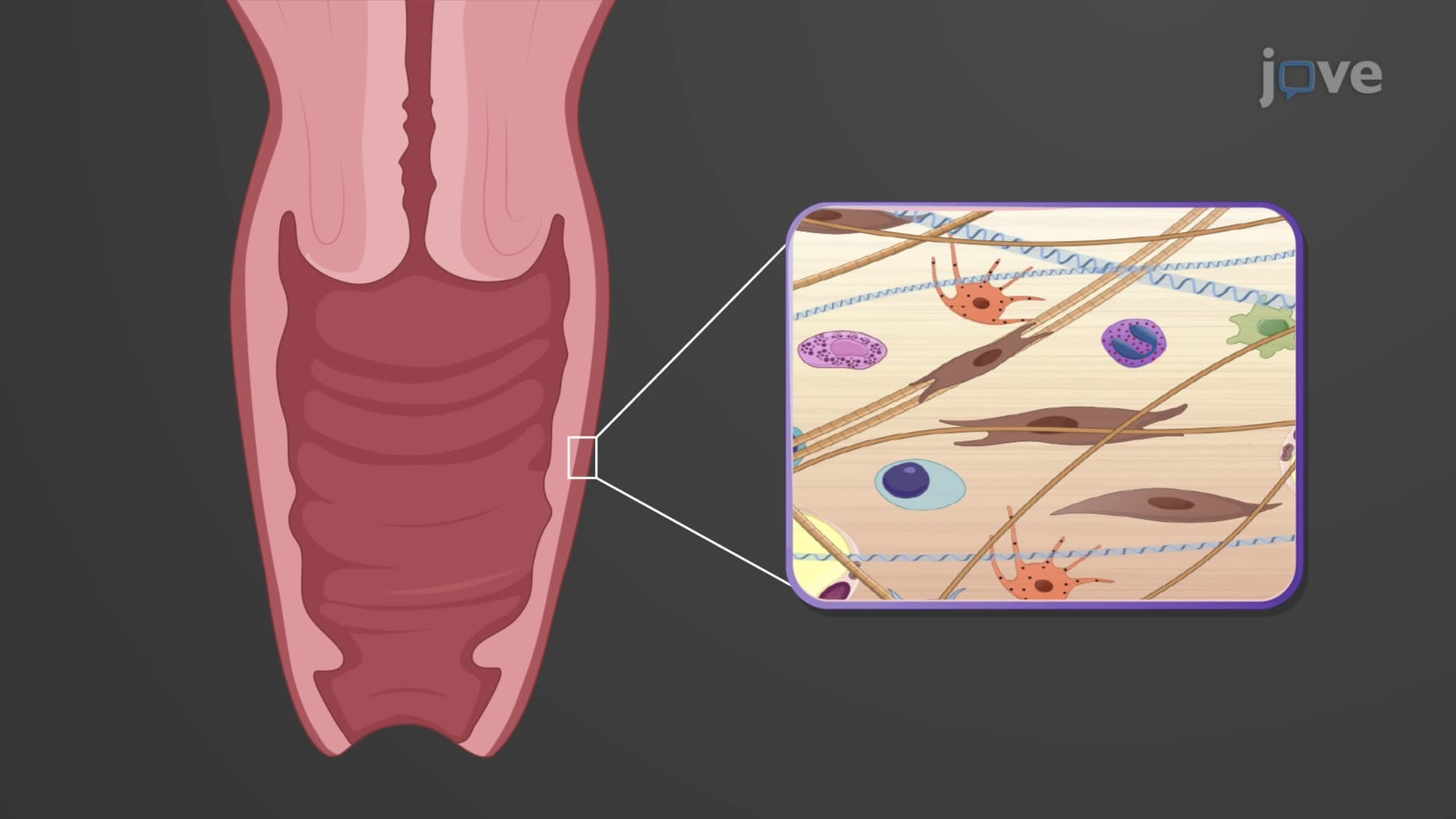
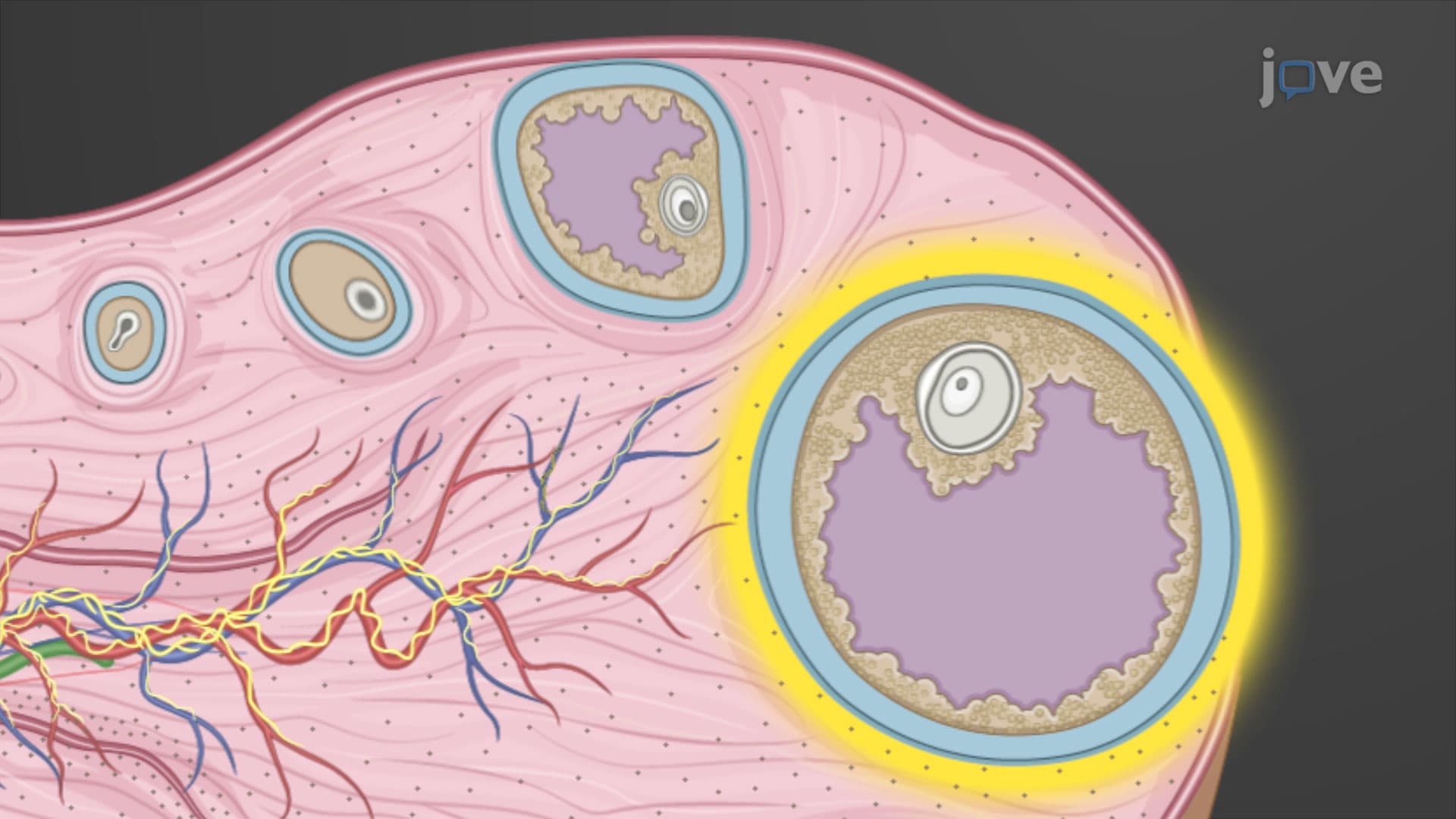
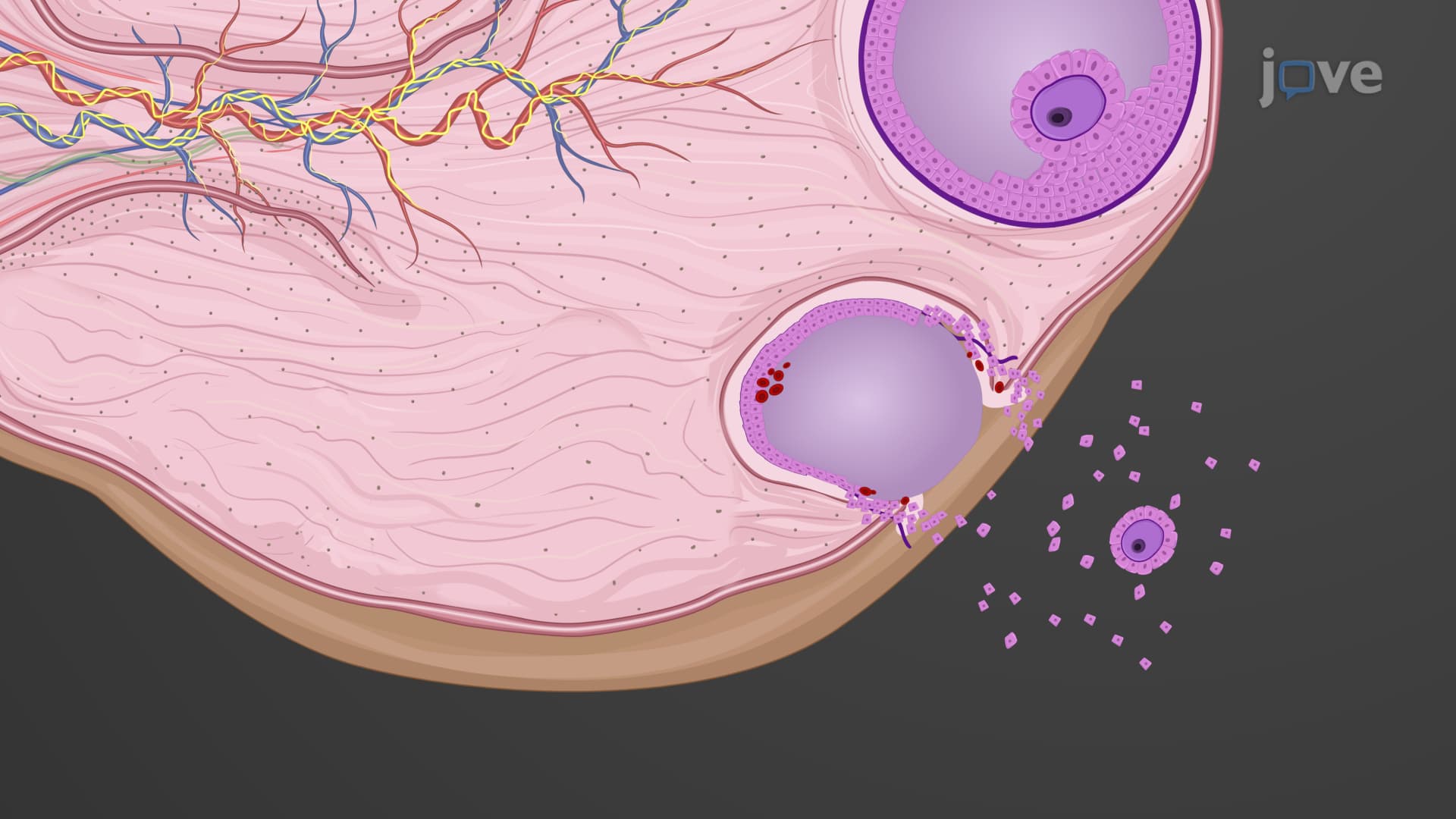
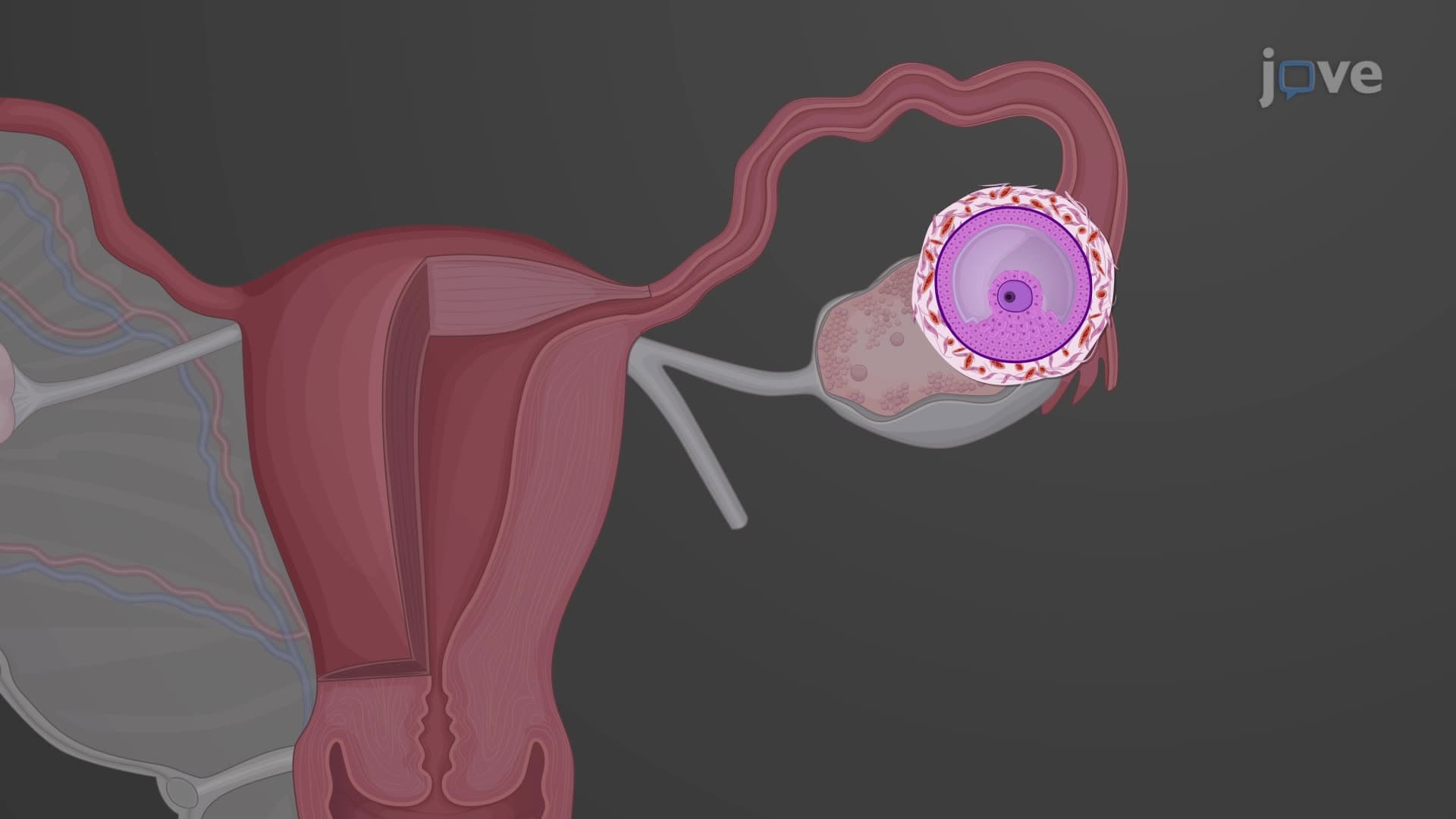
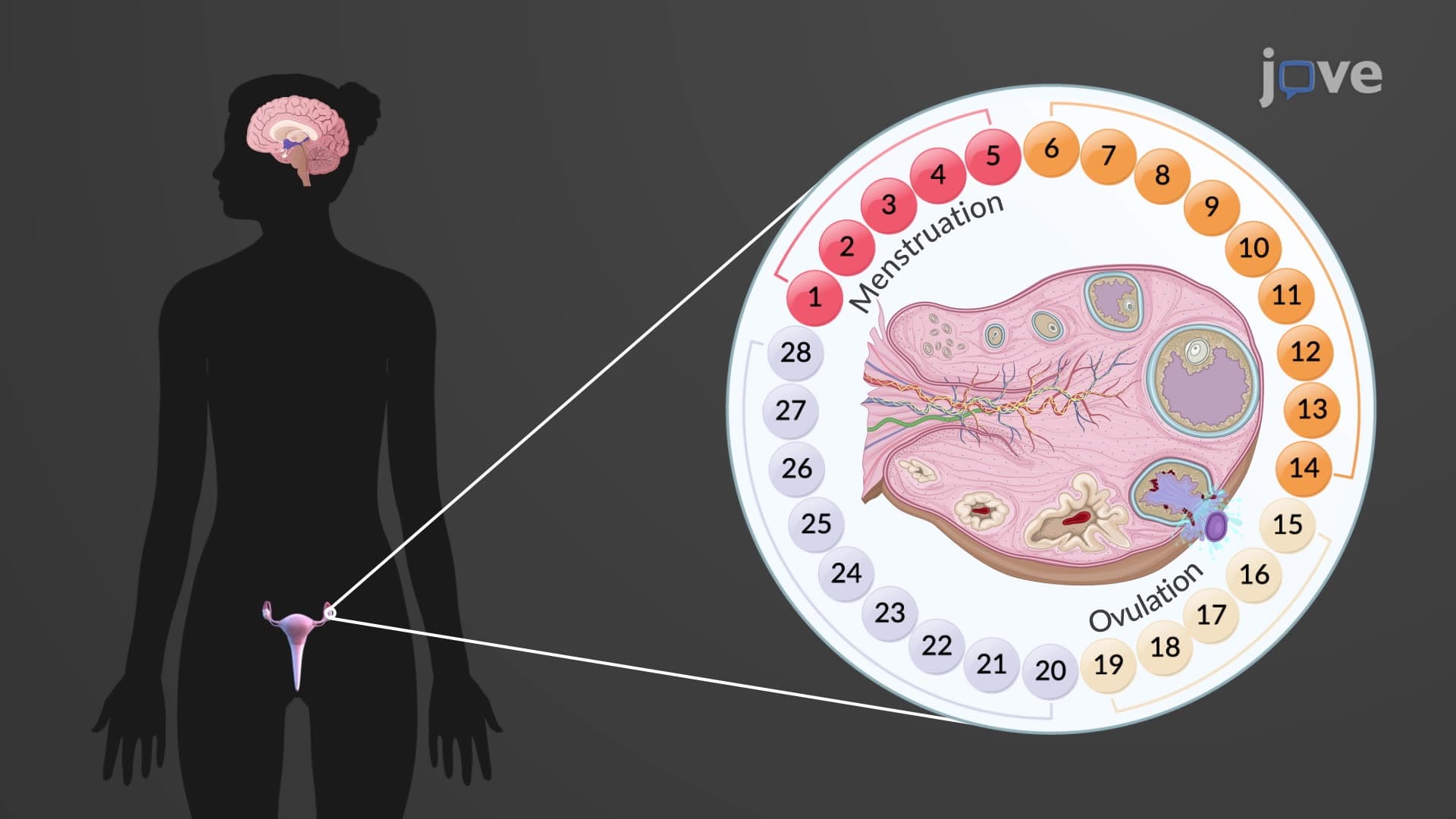
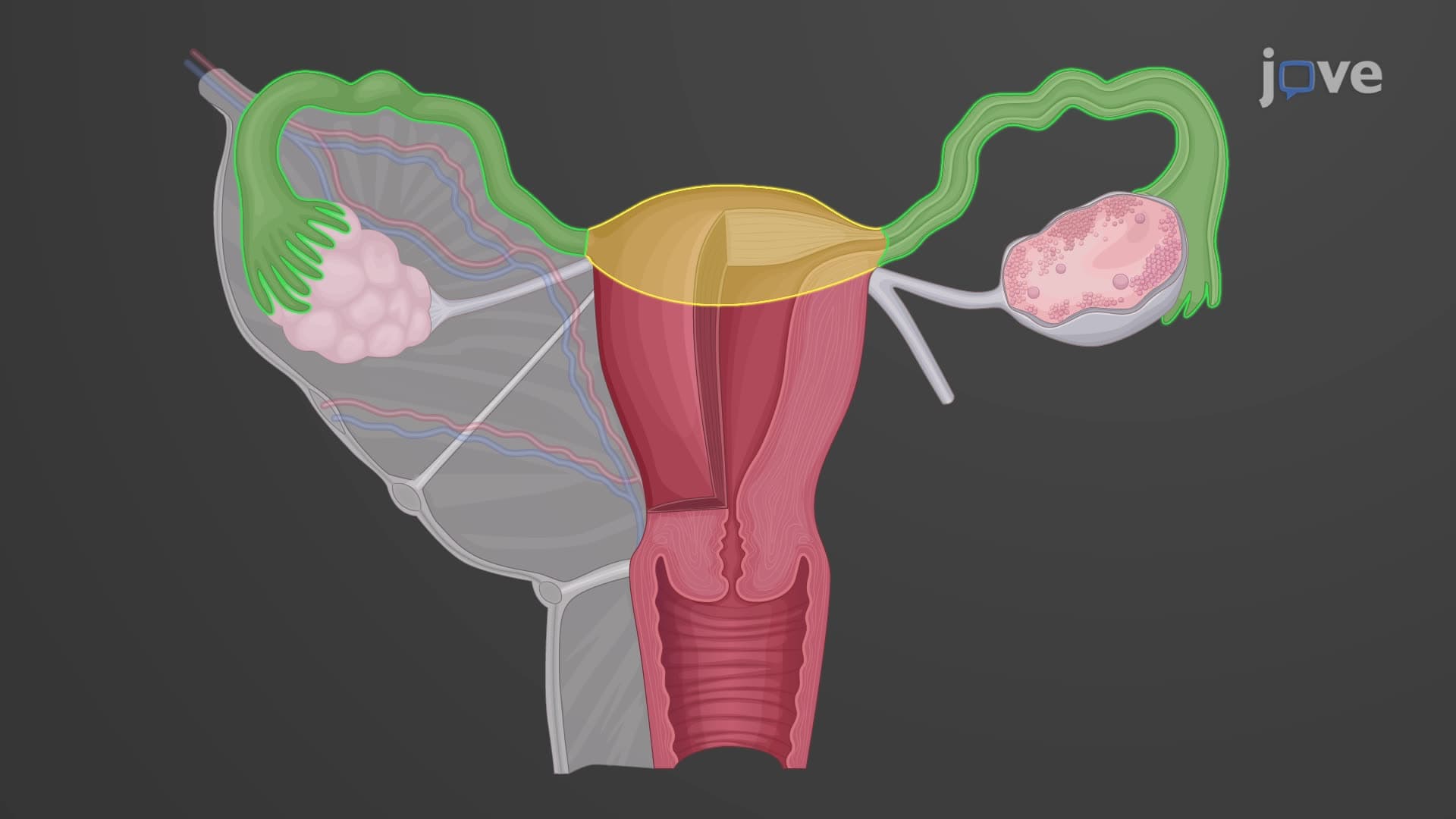
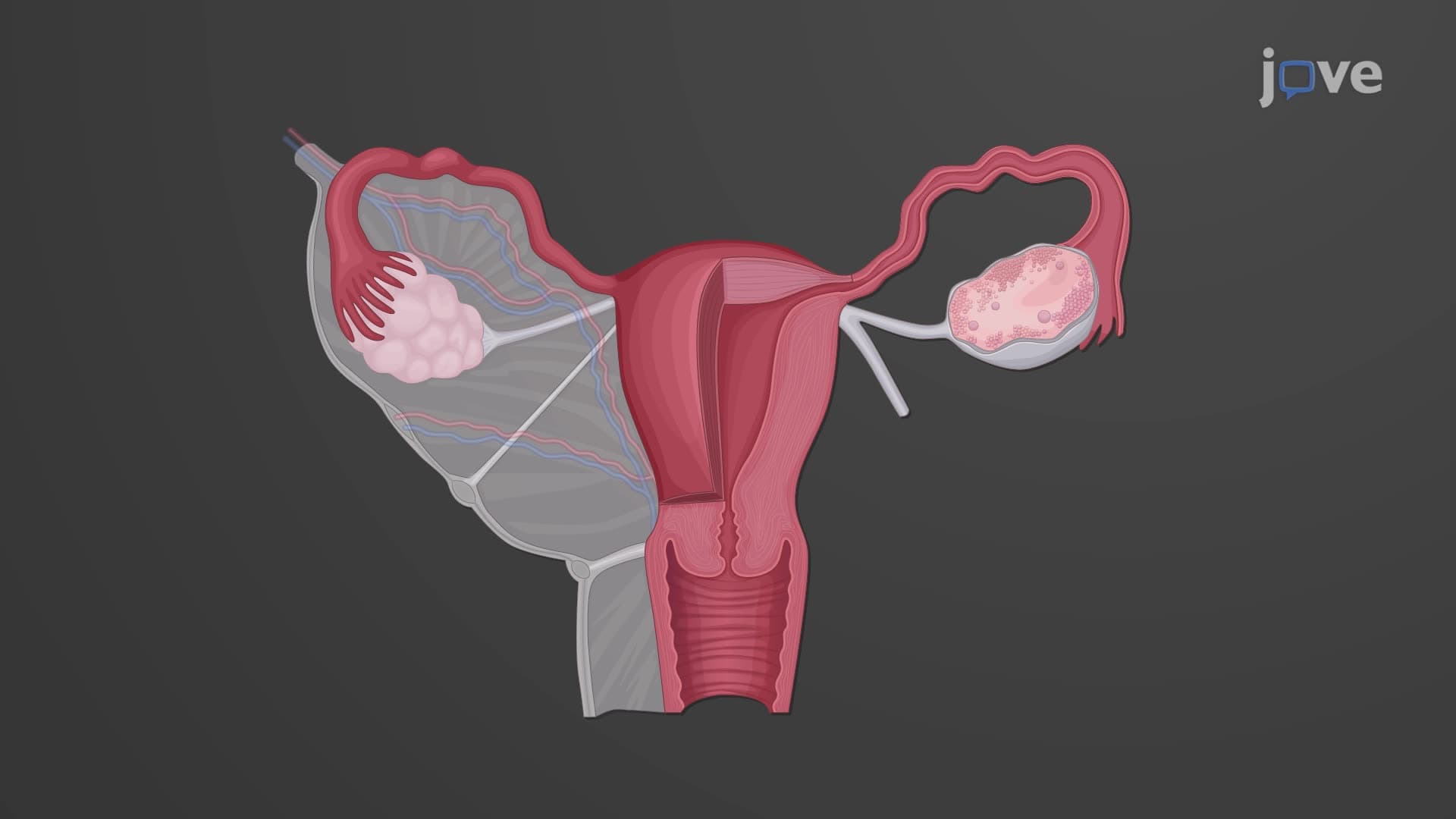
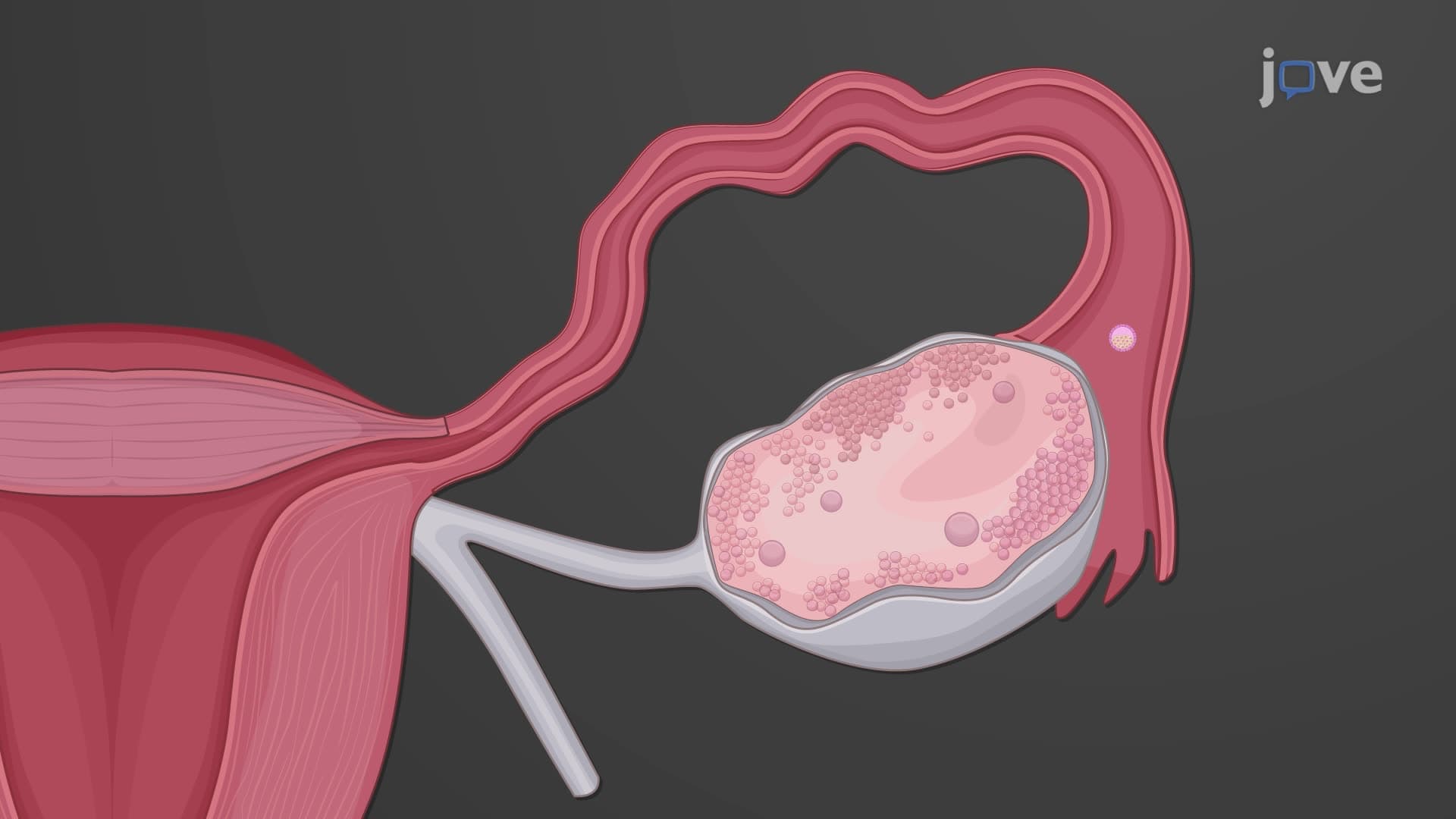
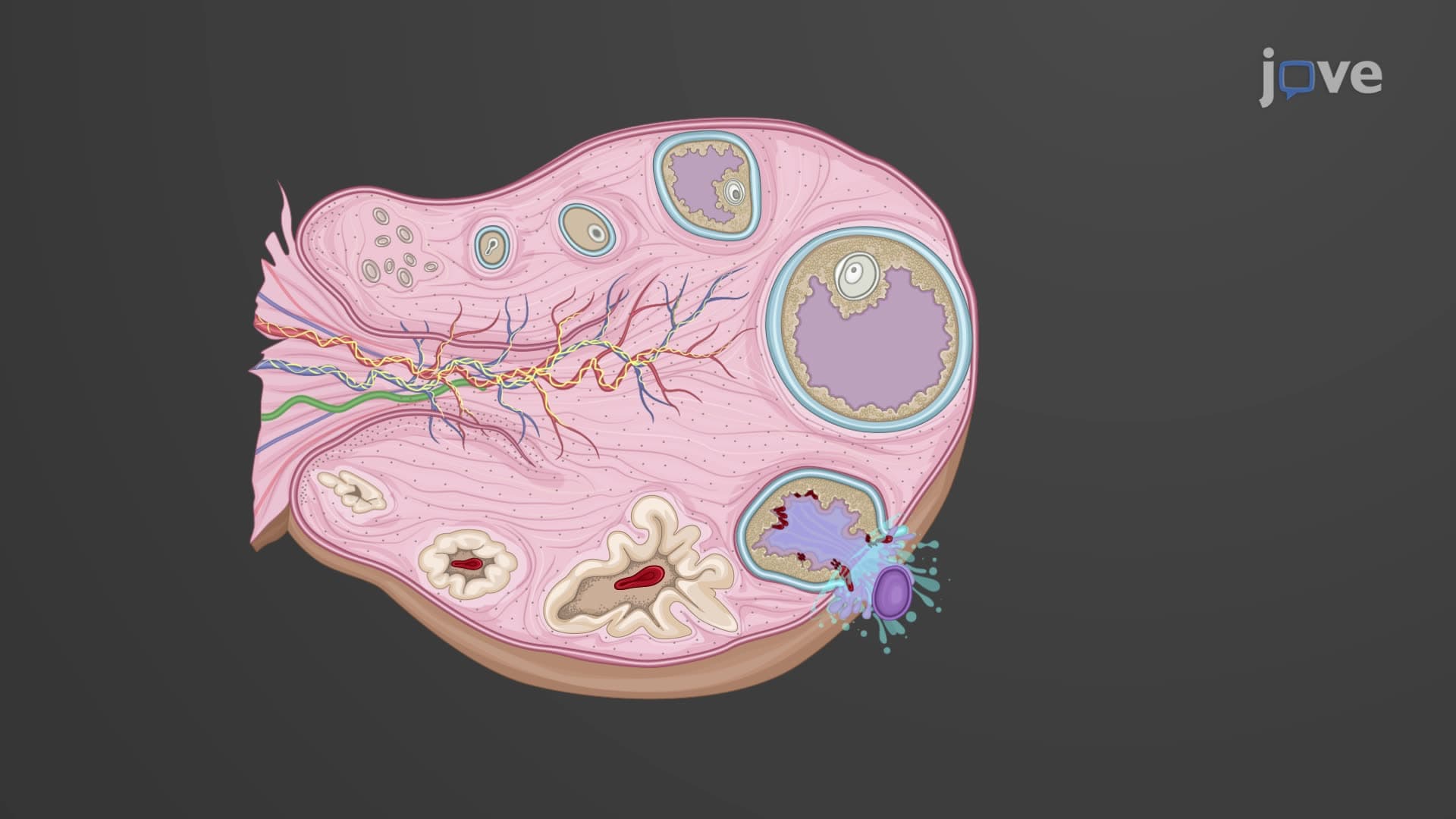
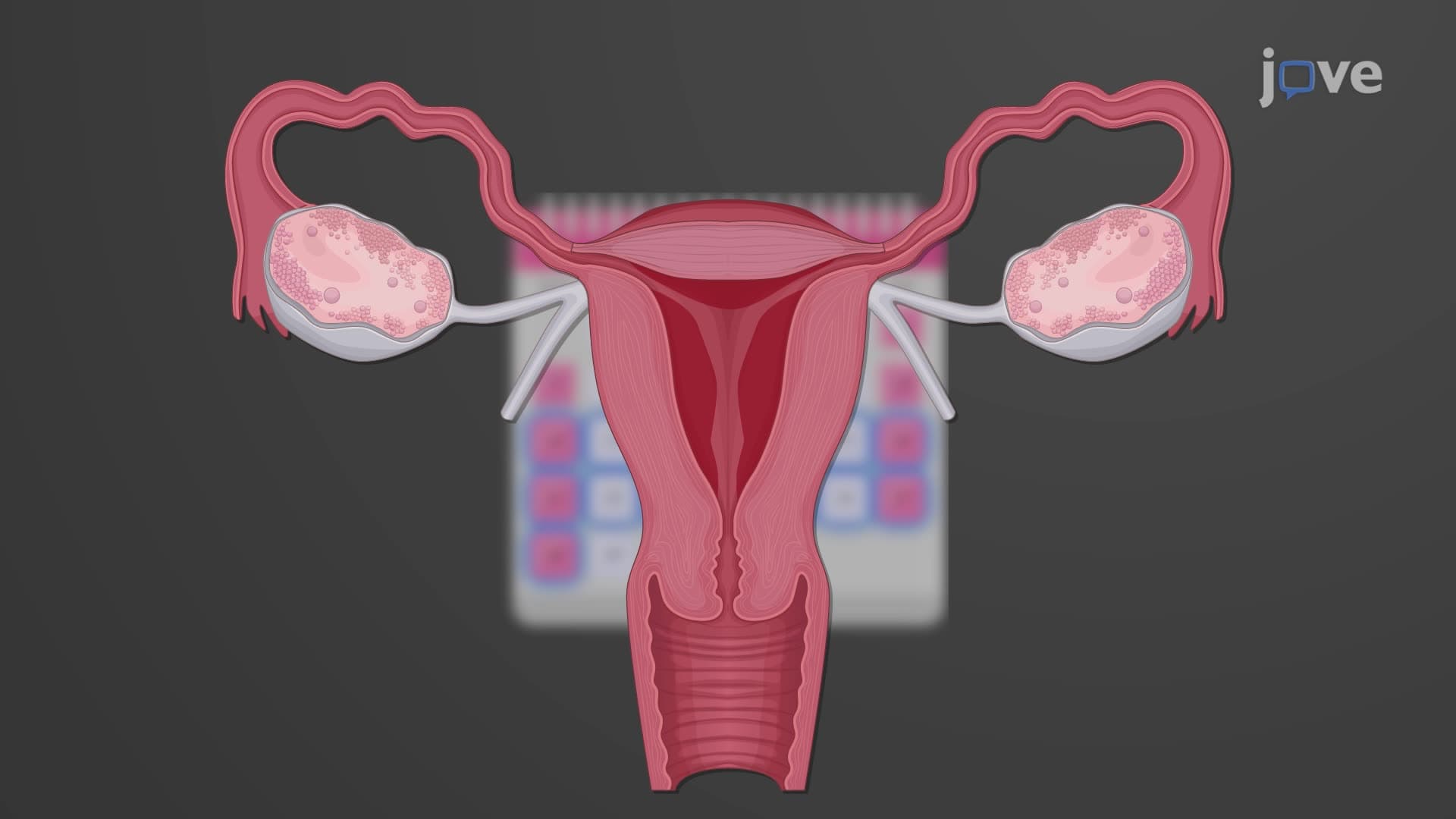
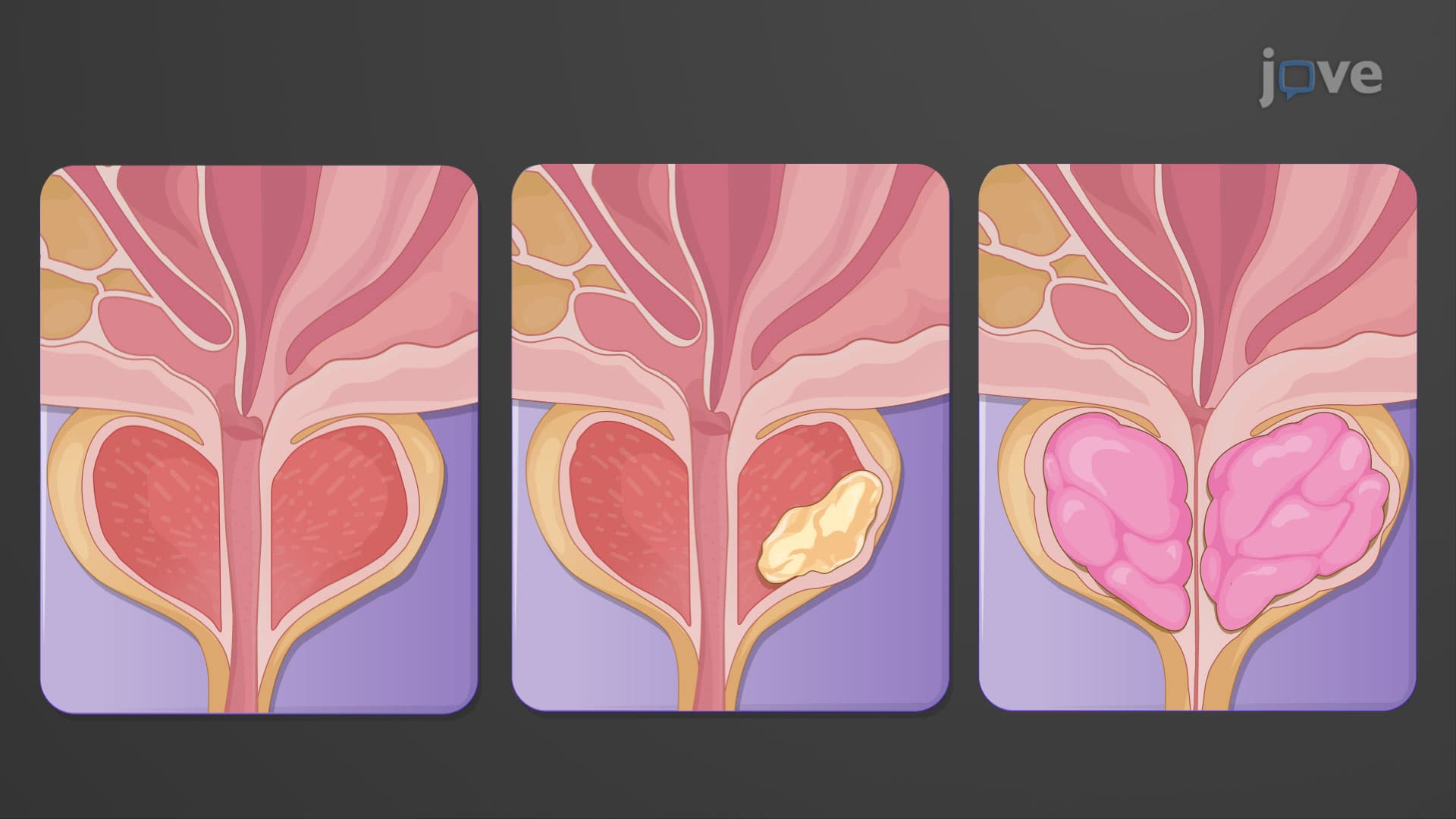
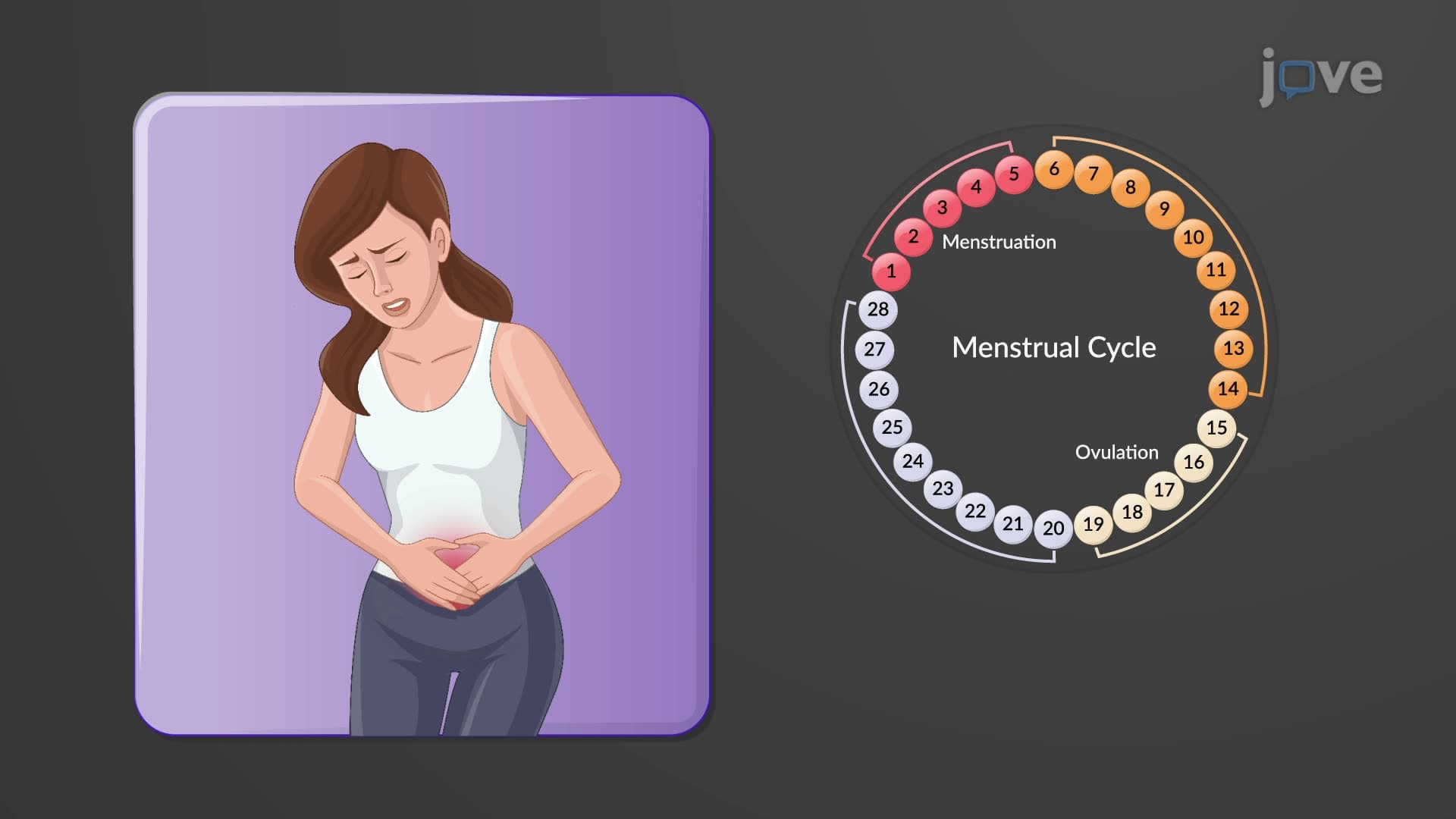
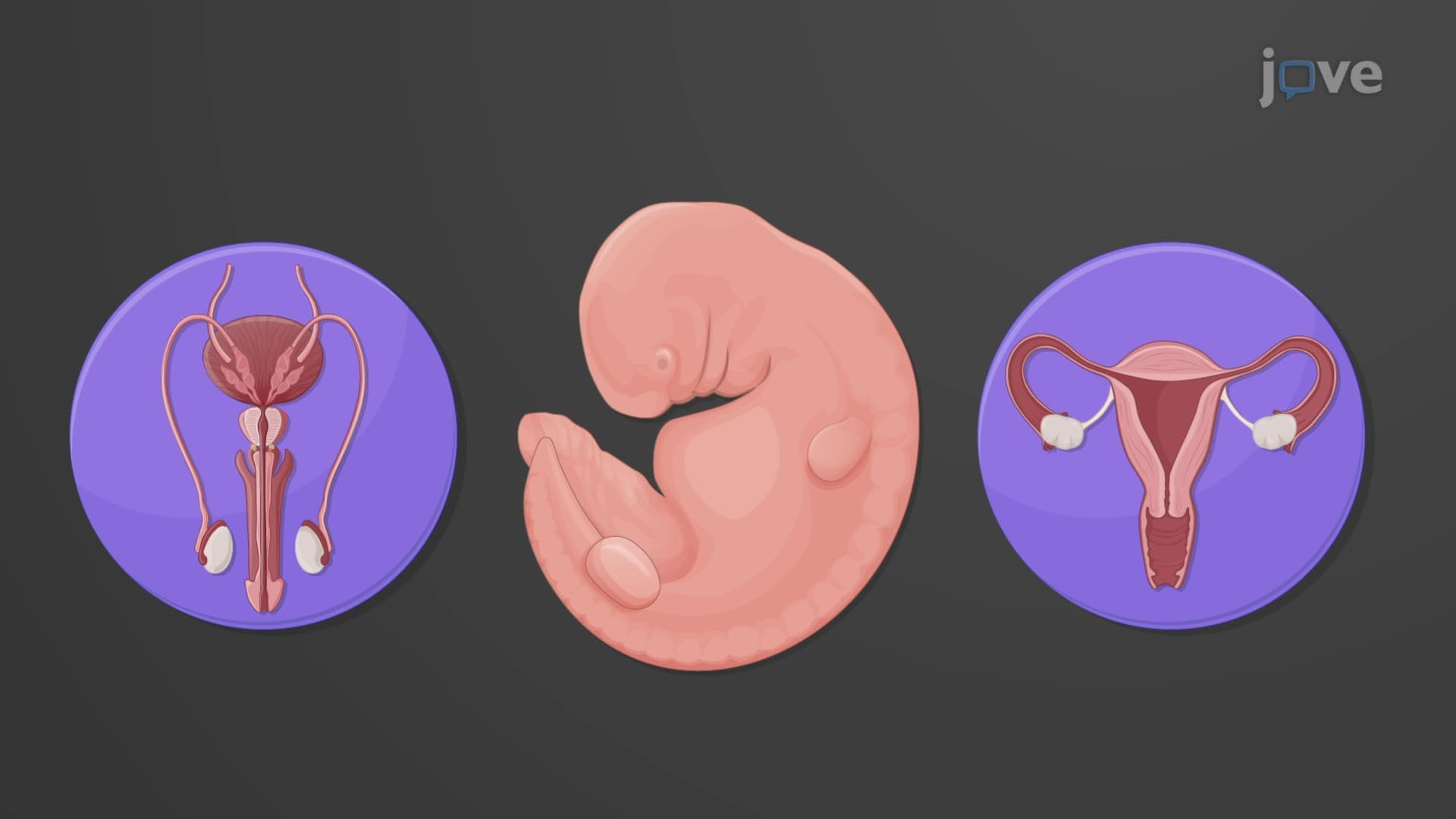
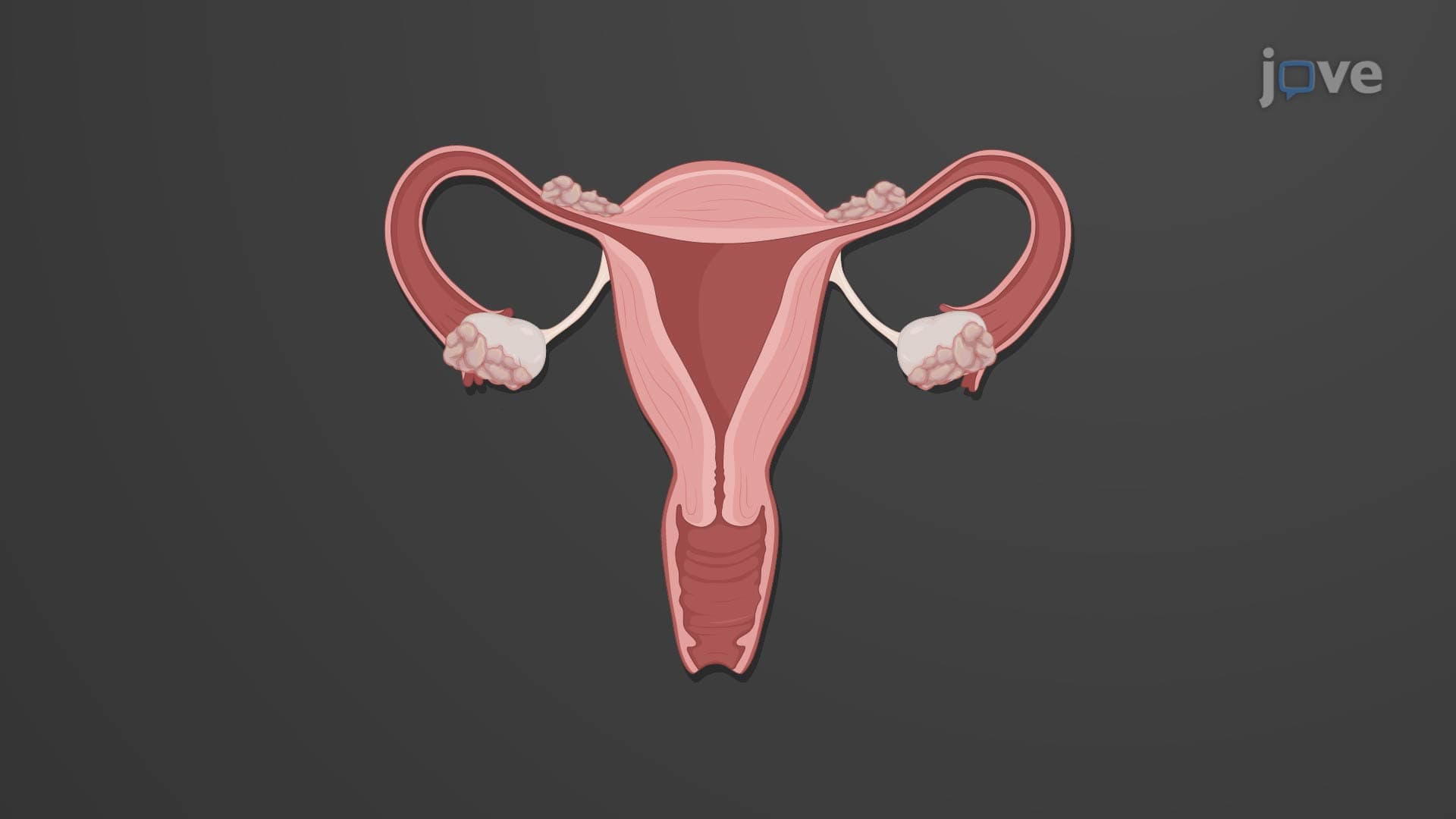
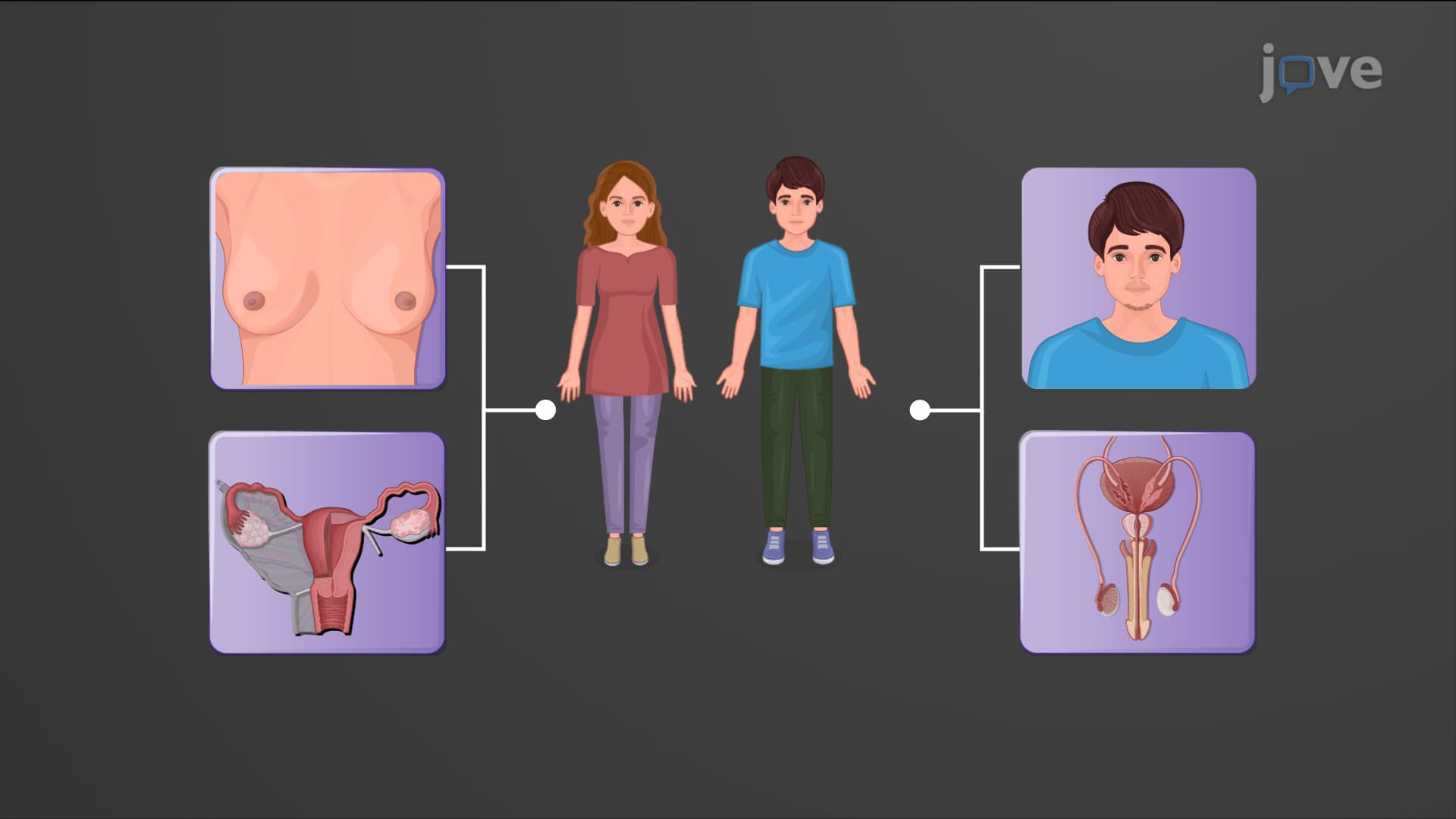
Primary sex characteristic puberty changes involve the maturation of reproductive organs directly involved in reproduction. In females, rising estrogen levels promote uterine growth, including myometrium thickening and increased endometrial vascularization. The ovaries begin sporadic ovulation cycles, with only 10% initially being ovulatory. In males, testosterone stimulates prostatic growth, seminal vesicle development, and initiates spermatogenesis in the seminiferous tubules.
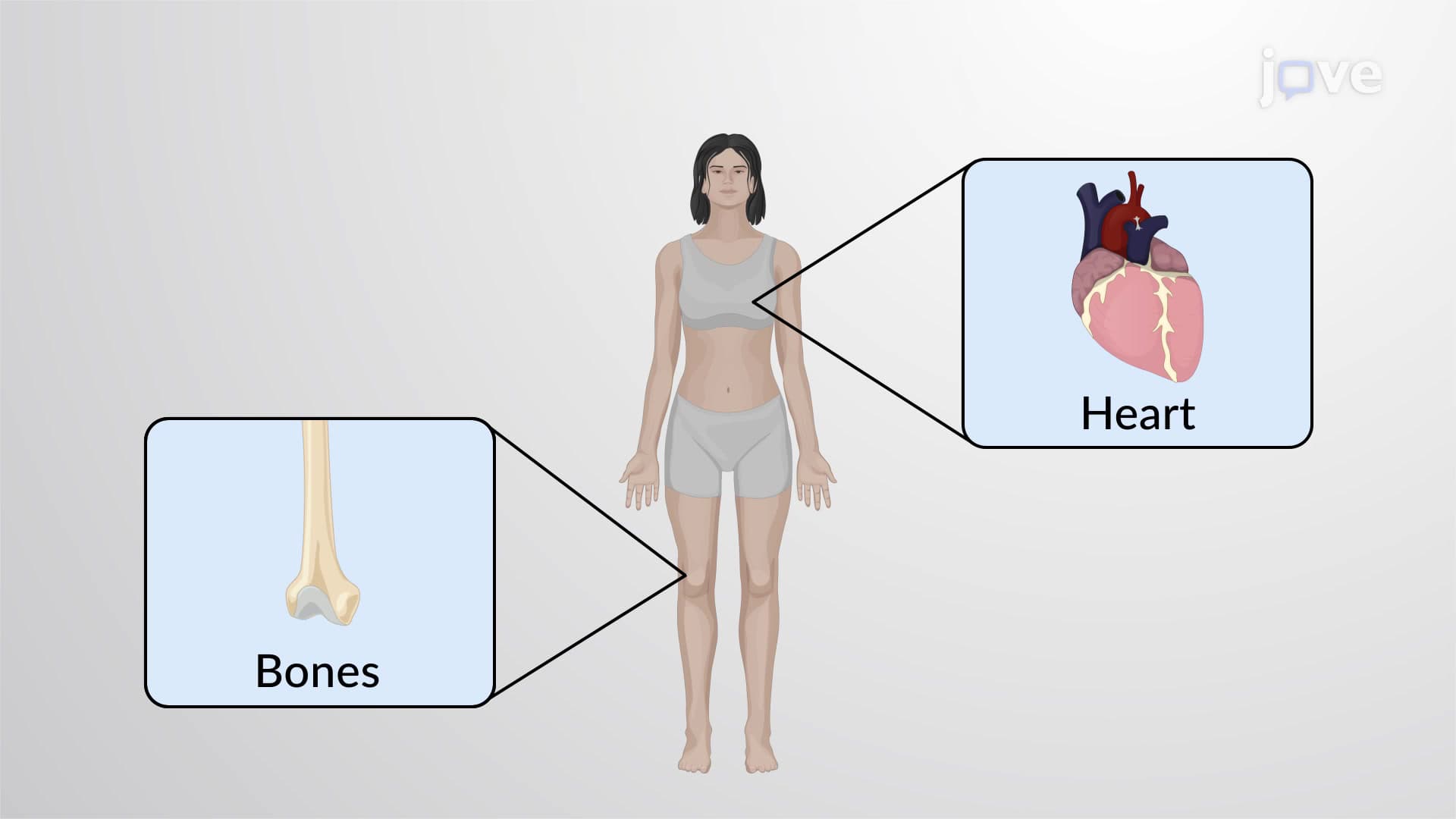
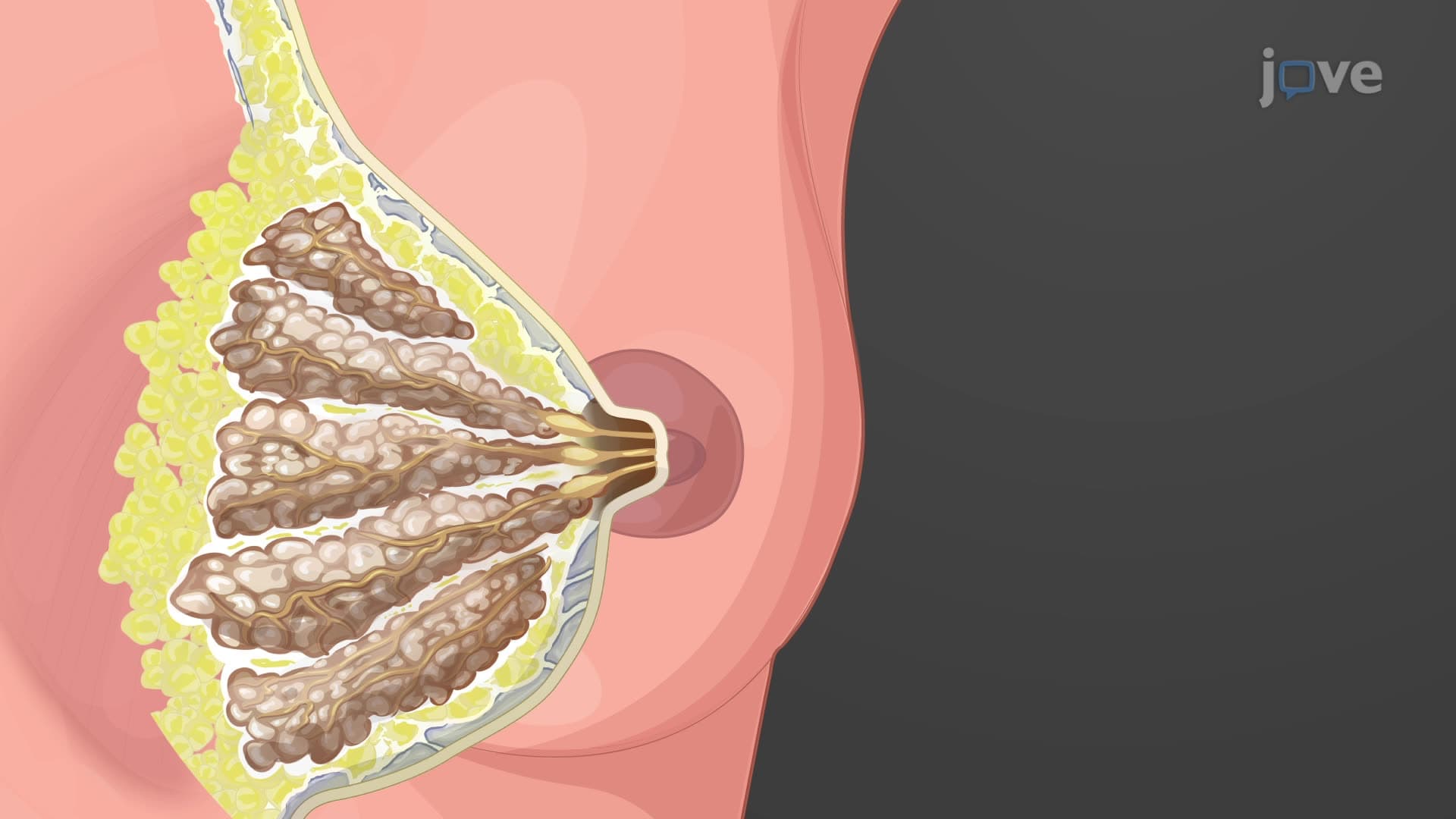
Secondary sex puberty changes represent the visible transformations students observe. Male testosterone drives laryngeal cartilage growth and vocal cord elongation, causing the characteristic voice changes. Growth spurts occur as sex hormones interact with growth hormone, while body composition shifts toward adult patterns. Female estrogen promotes breast development and typical fat distribution patterns.
Puberty hormone changes follow predictable sequences crucial for AP Biology and college-level endocrinology courses. The process typically spans 3-4 years, with GnRH pulse frequency gradually increasing until adult reproductive patterns emerge. Interestingly, estrogen plays critical roles in both sexes-males convert testosterone to estrogen via aromatase enzyme activity, essential for epiphyseal plate closure and final height determination.
Understanding gonadarche adrenarche puberty distinctions appears frequently on MCAT passages and AP Biology free-response questions. Gonadarche refers to gonadal activation, while adrenarche involves adrenal androgen production. American pediatric endocrinologists use Tanner staging to assess pubertal progression, with stages 1-5 representing the continuum from prepubertal to adult development. This knowledge proves essential for pre-med students encountering pediatric cases and for understanding normal versus pathological development patterns in clinical settings.
Related Micro-courses