Loading subject page…


141,004 views

Video Summary: What Is Sperm Transport
Every second, a healthy adult male produces approximately 1,500 sperm cells-but how do these microscopic cells navigate the complex journey from production to fertilization? Sperm transport biology involves a sophisticated pathway where non-motile sperm mature and gain the ability to fertilize an egg. Consider fertility clinics across the United States, where understanding what is sperm transport in male biology helps diagnose reproductive issues affecting millions of couples. Watch the full video on JoVE Coach to master this concept with expert-led visuals and step-by-step explanations.
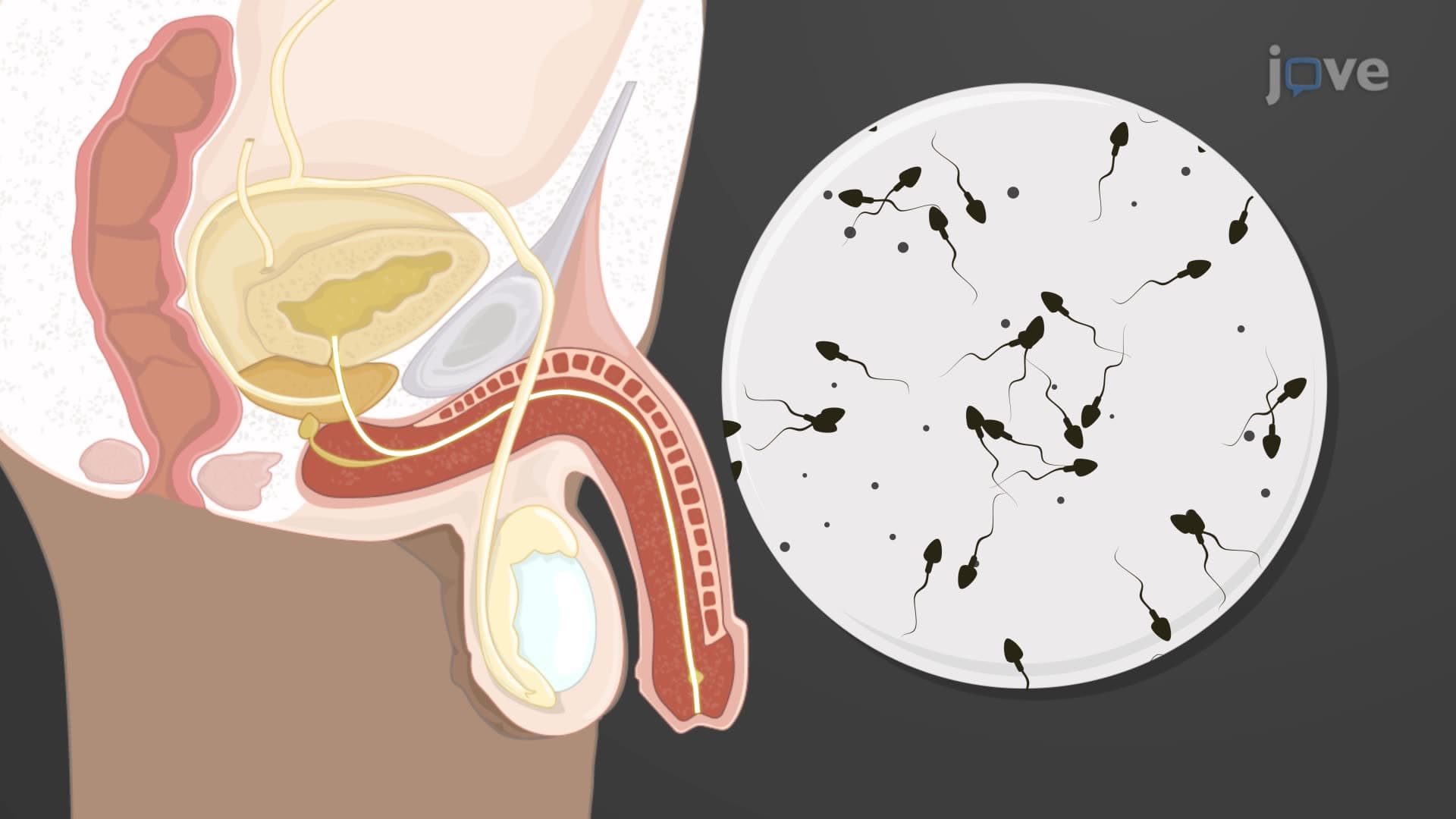
Sperm transport biology encompasses the remarkable journey that transforms immature, non-motile sperm cells into fertilization-capable gametes. This intricate process involves multiple anatomical structures working in coordination, much like a sophisticated transportation network that ensures efficient delivery from origin to destination.
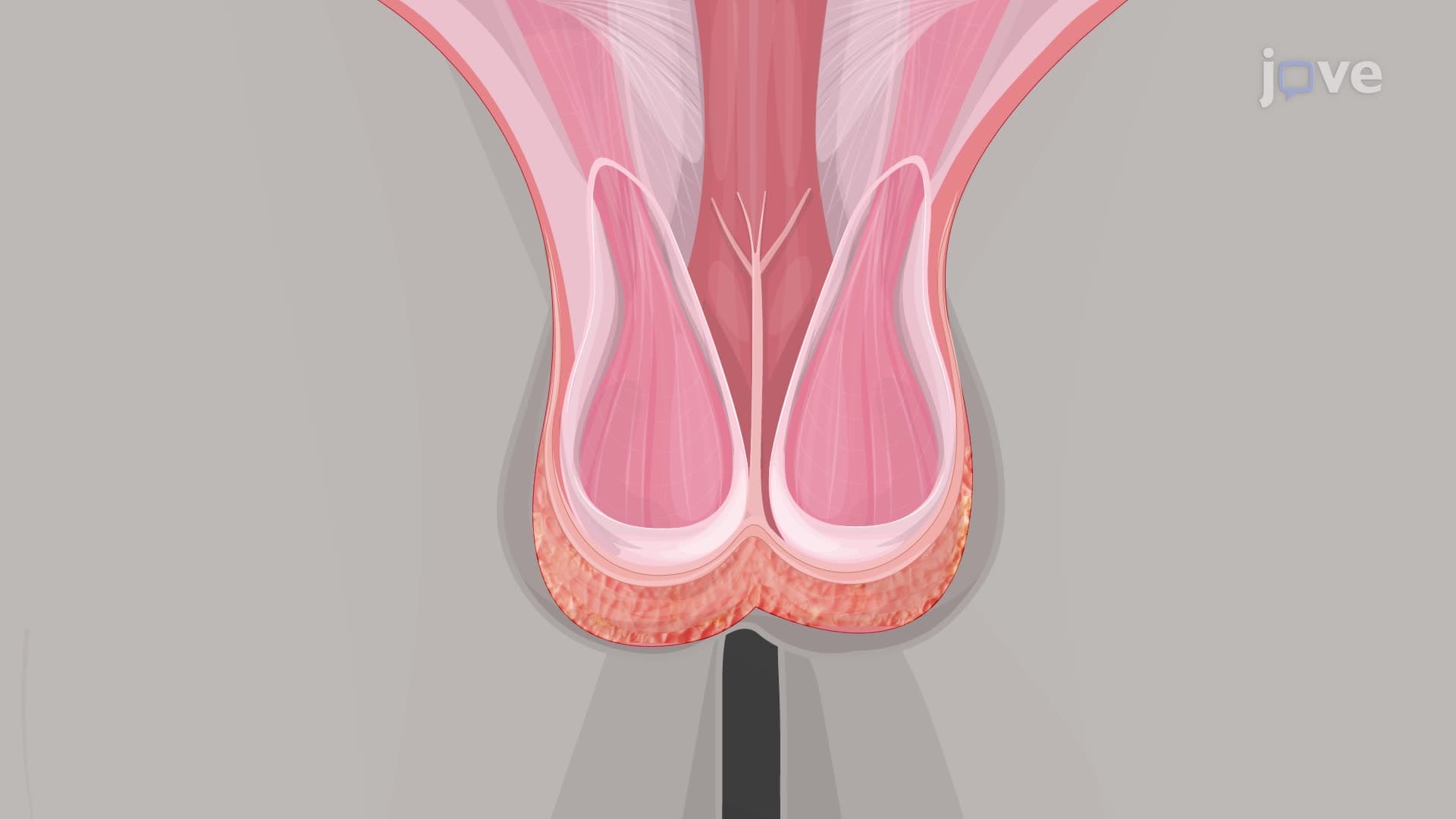
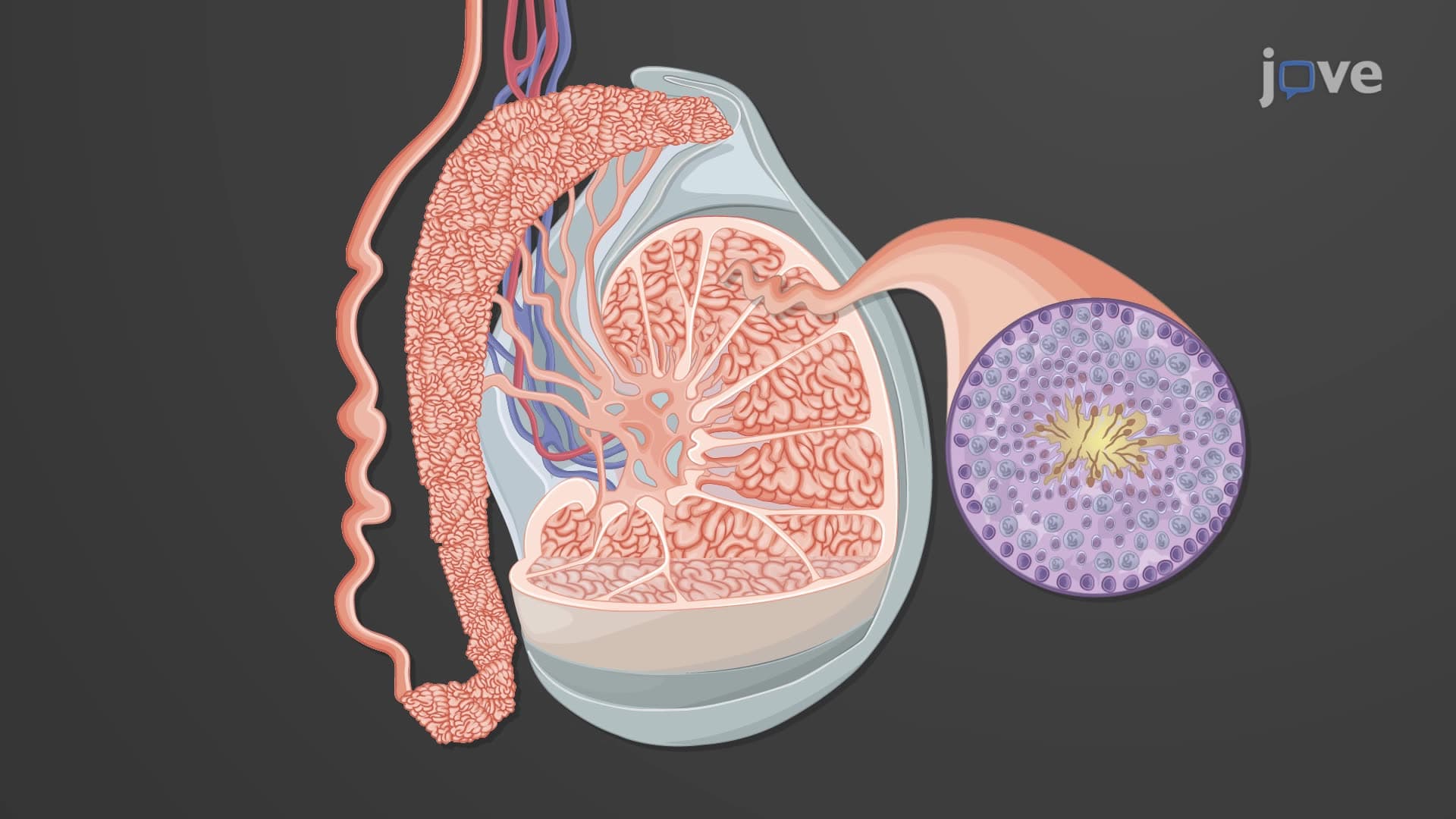
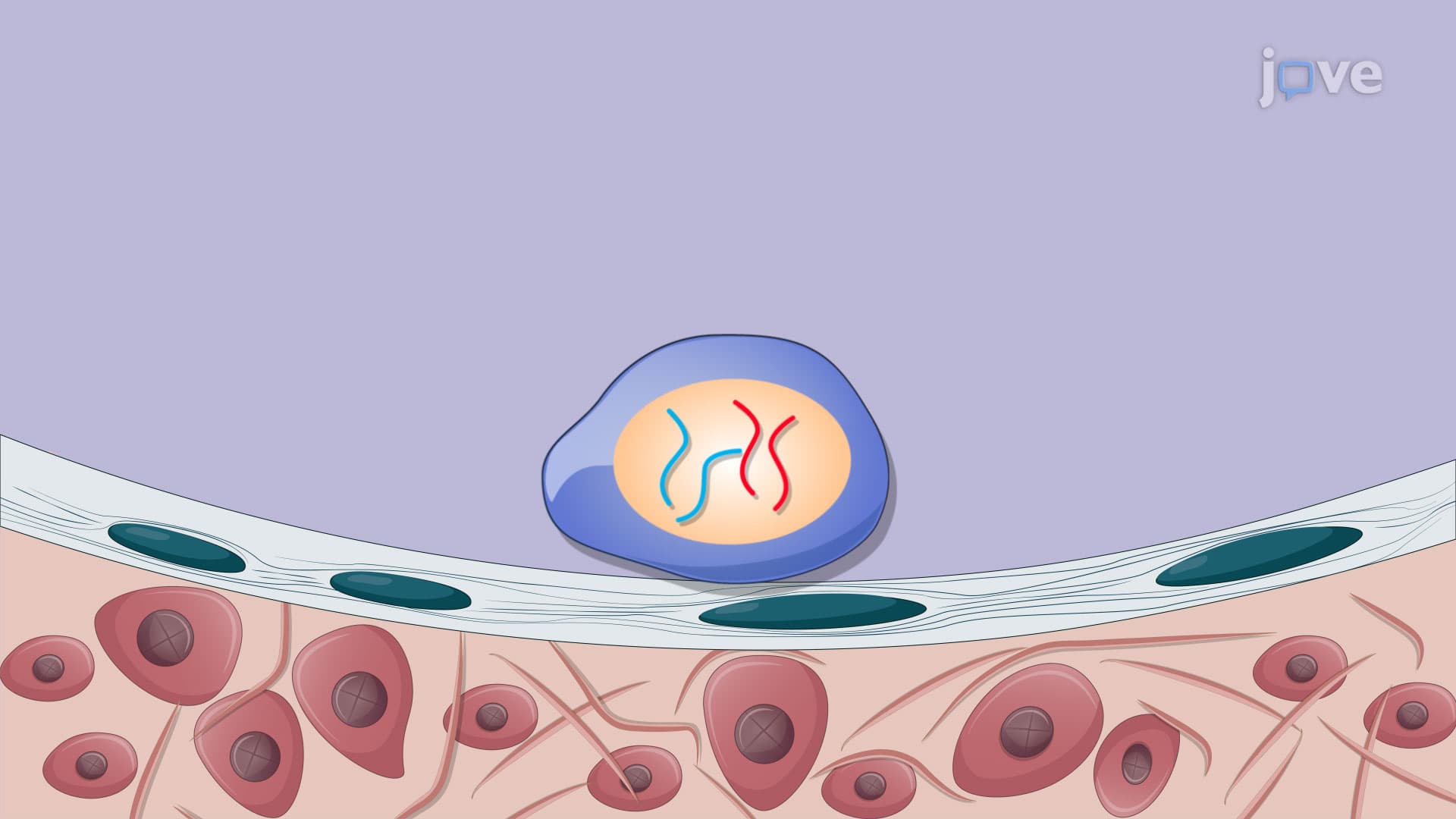
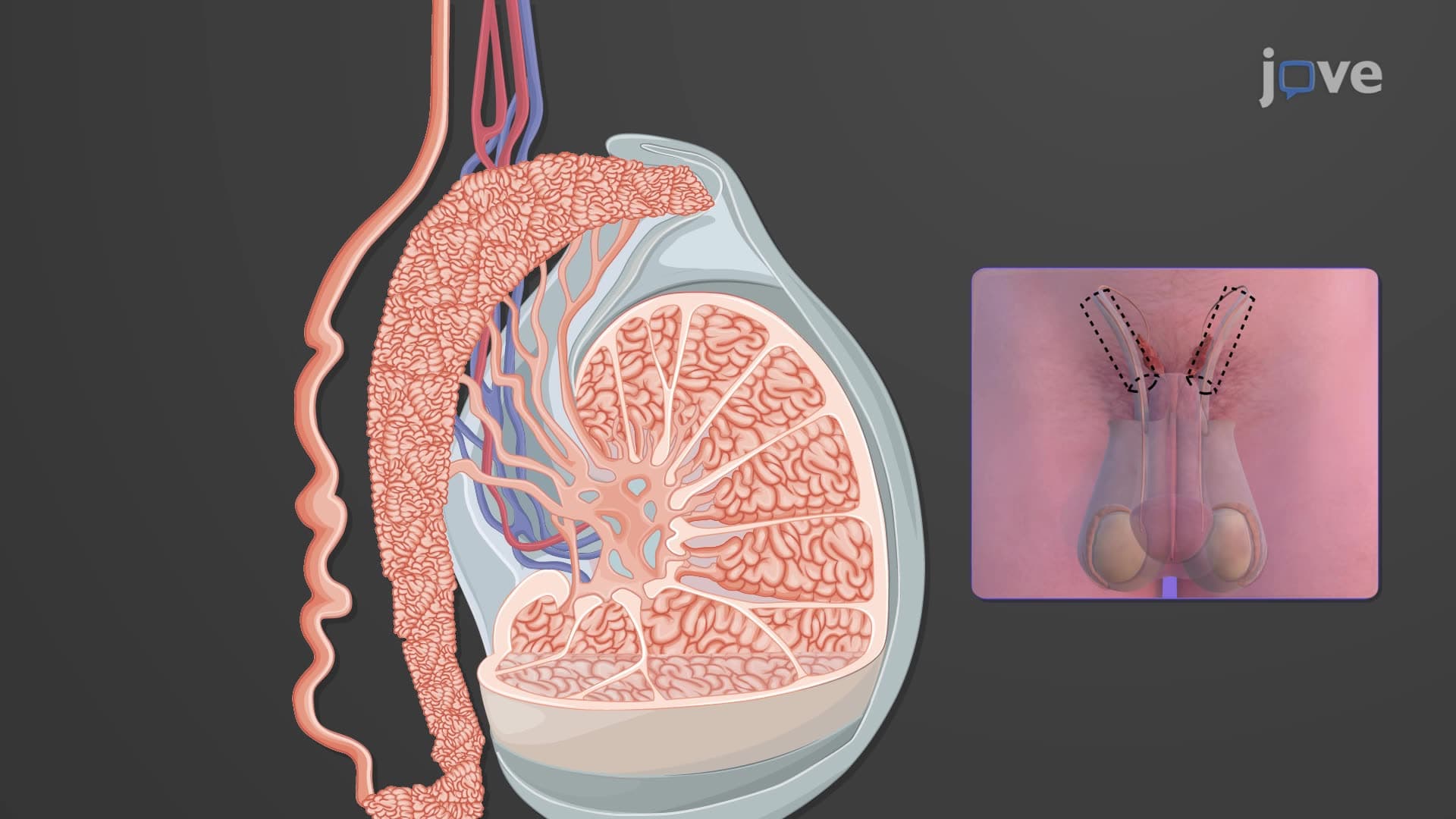
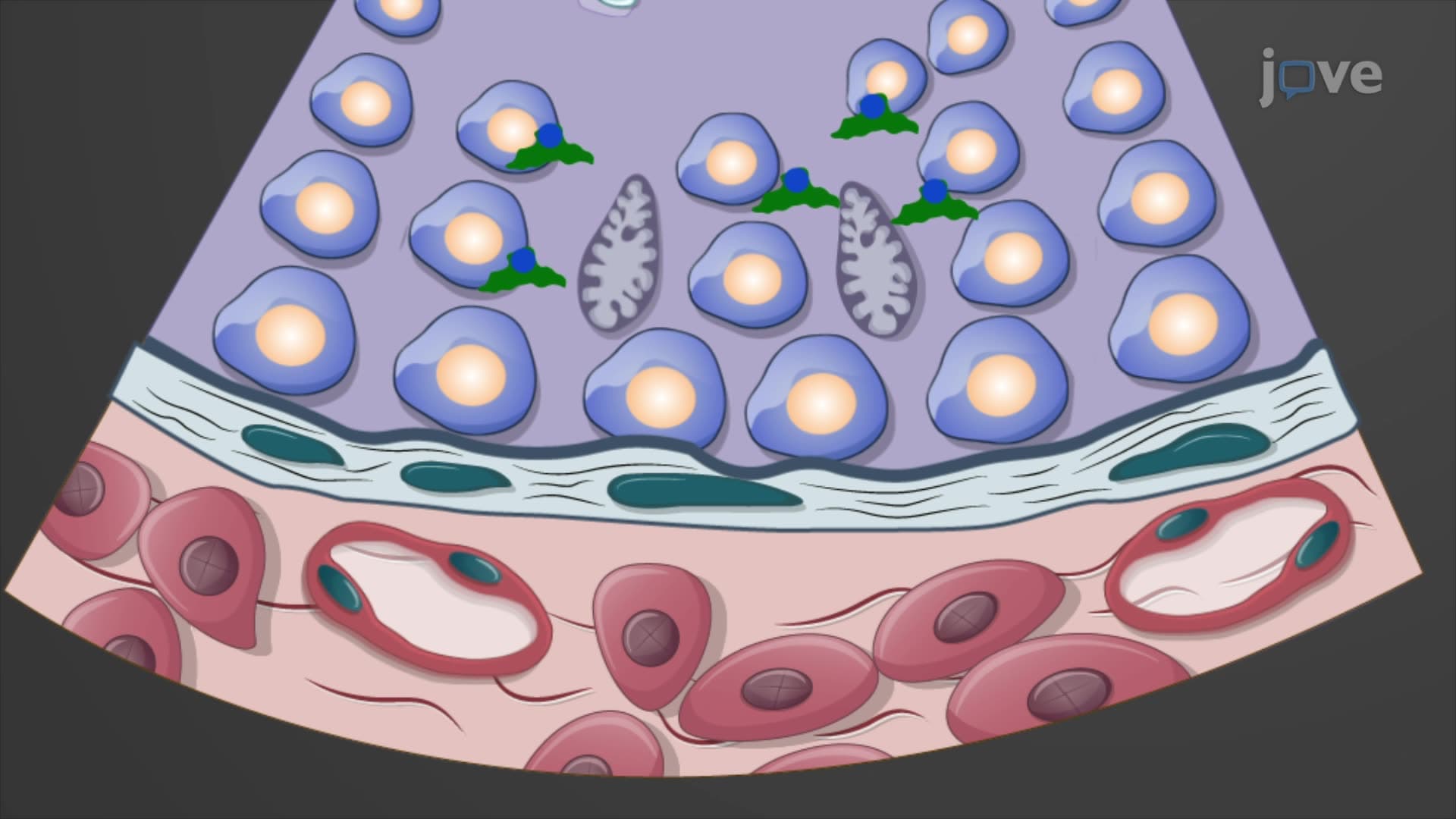
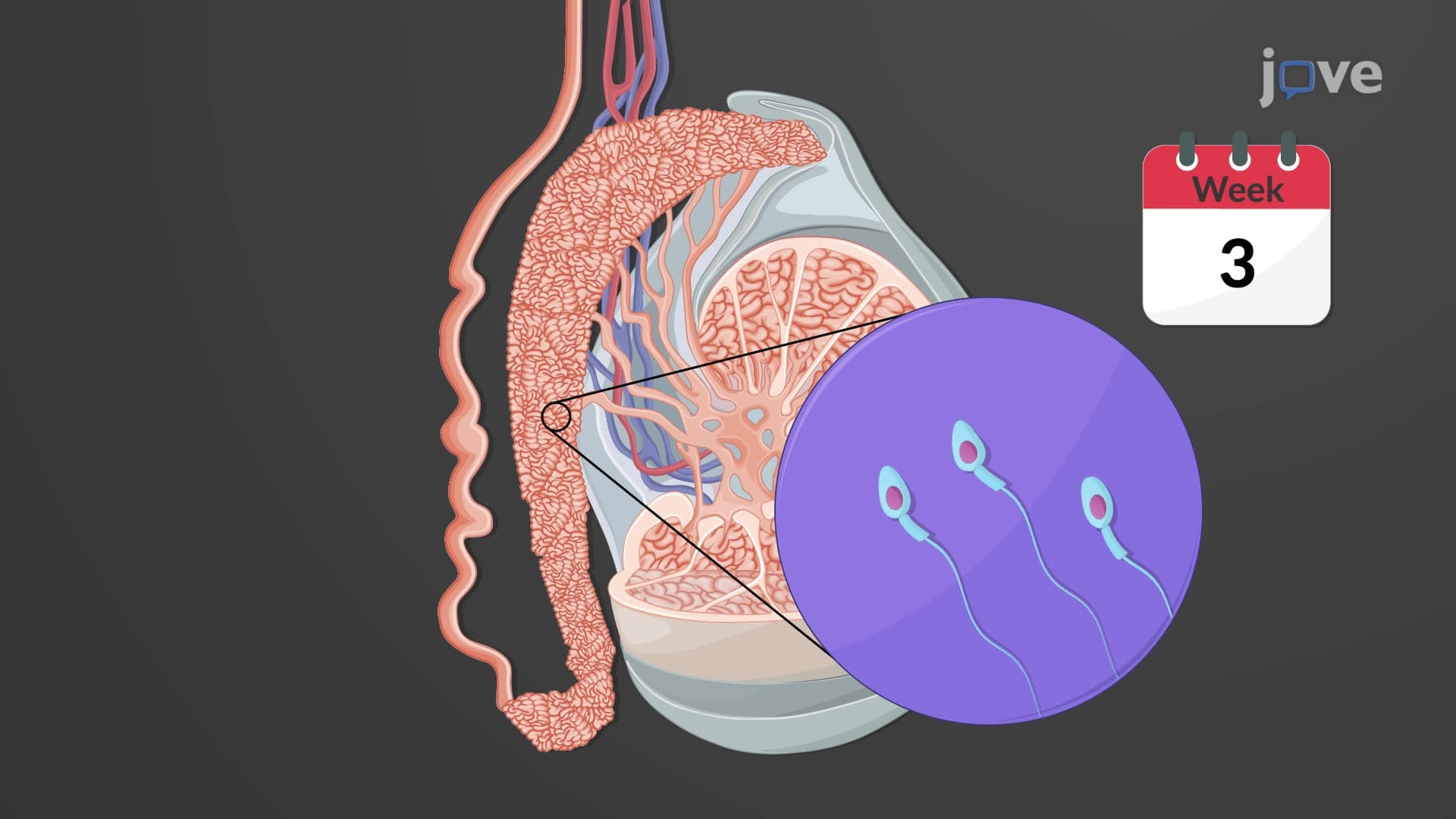
The journey begins within the seminiferous tubules, where Sertoli cells create fluid pressure that pushes newly formed sperm through straight tubules into the rete testis. This sperm pathway explained anatomy demonstrates how mechanical forces initiate transport before sperm develop their own motility. The interconnected tubular network of the rete testis acts as a collection system, channeling sperm toward the efferent ductules-small coiled tubes that serve as the exit gateway from the testes.
The epididymis ductus deferens connection represents a crucial transition point in male sperm transport route. Within the epididymis, sperm undergo a 2-3 week maturation process that transforms them from immotile cells into potentially fertilizing gametes. This extended timeline allows for biochemical modifications to the sperm membrane and the development of progressive motility. Students preparing for the MCAT or AP Biology exams should note that epididymal transit is essential-sperm that bypass this maturation cannot successfully fertilize an ovum.
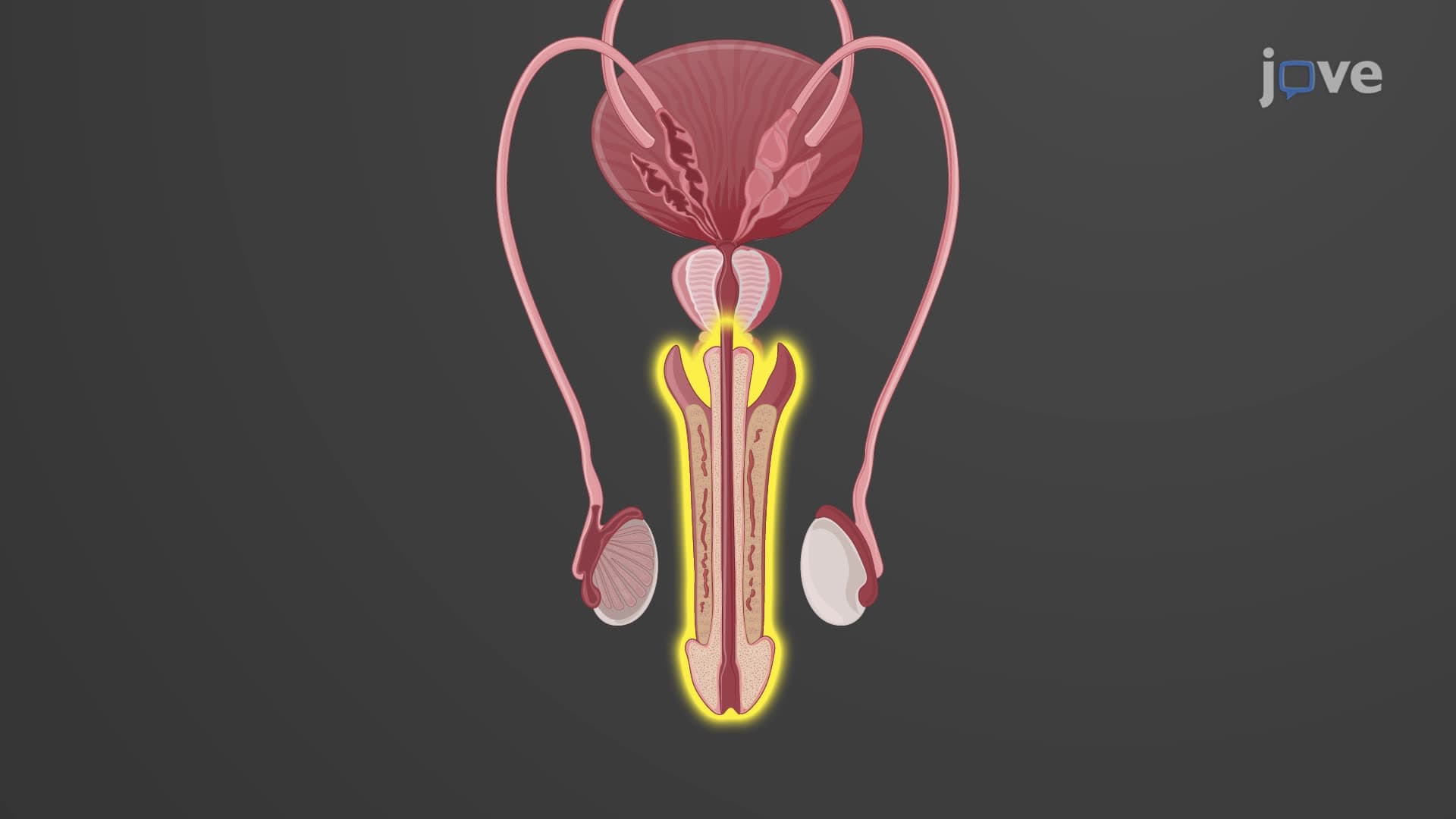
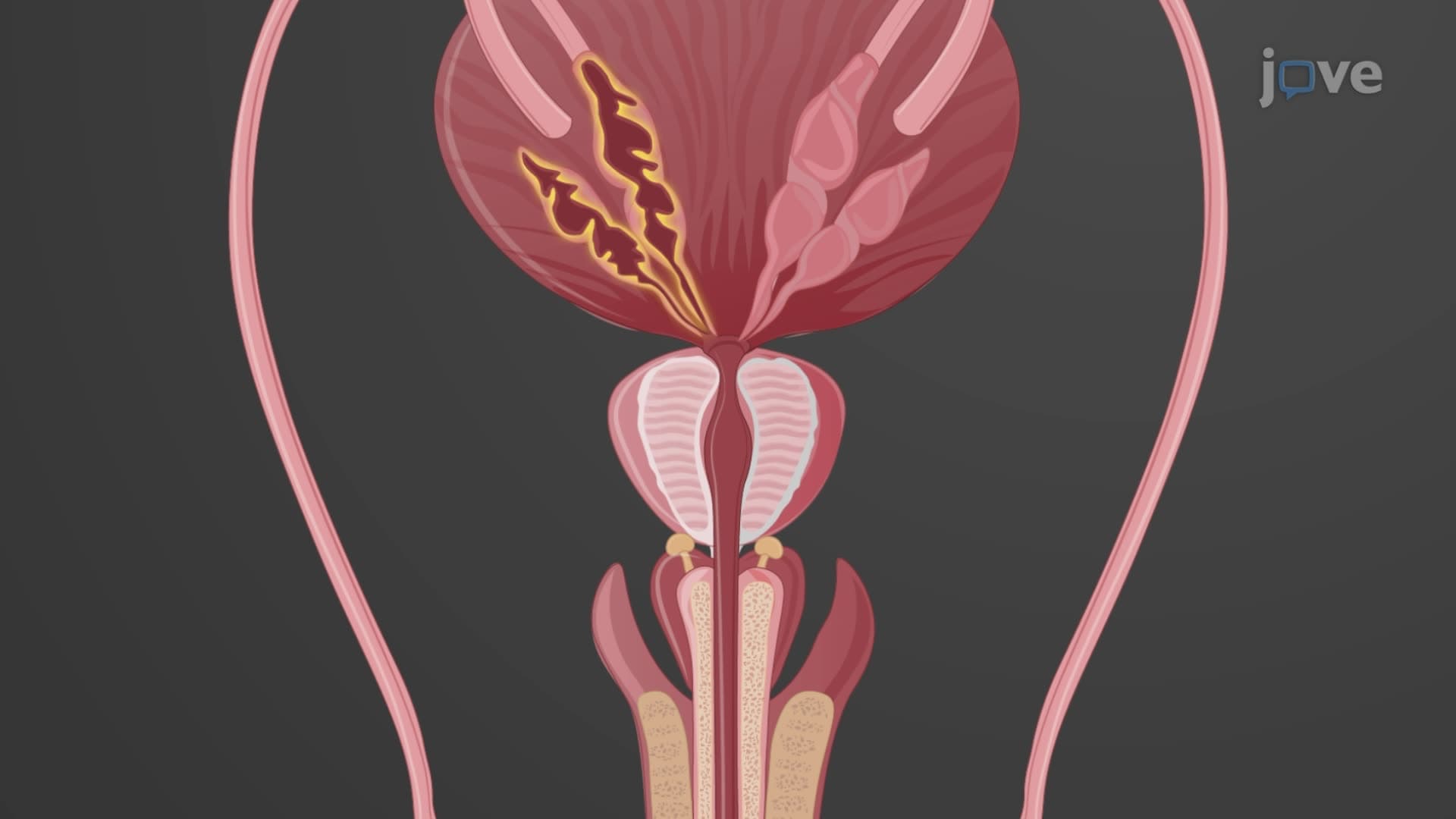
The vas deferens functions as a storage reservoir where mature sperm maintain low metabolic activity, preserving energy for eventual fertilization attempts. During sexual arousal, coordinated peristaltic contractions propel sperm through the ejaculatory ducts, which pierce the prostate gland. The ejaculation sperm path involves precise timing as seminal fluid sperm transport combines sperm with secretions from seminal vesicles and prostate. This mixture travels through the prostatic urethra, with the urethra sperm exit completing the transport process.
Understanding sperm transport proves essential for college-level human anatomy courses and appears frequently on nursing entrance exams like the HESI A2 and TEAS, where reproductive physiology questions test students' grasp of this coordinated biological system.
Related Micro-courses