Loading subject page…

- Anatomy and Physiology
- The Reproductive System
- Spermatogenesis
Micro-course: The Reproductive System
141,002 views
Learn key concepts and earn your certificate.
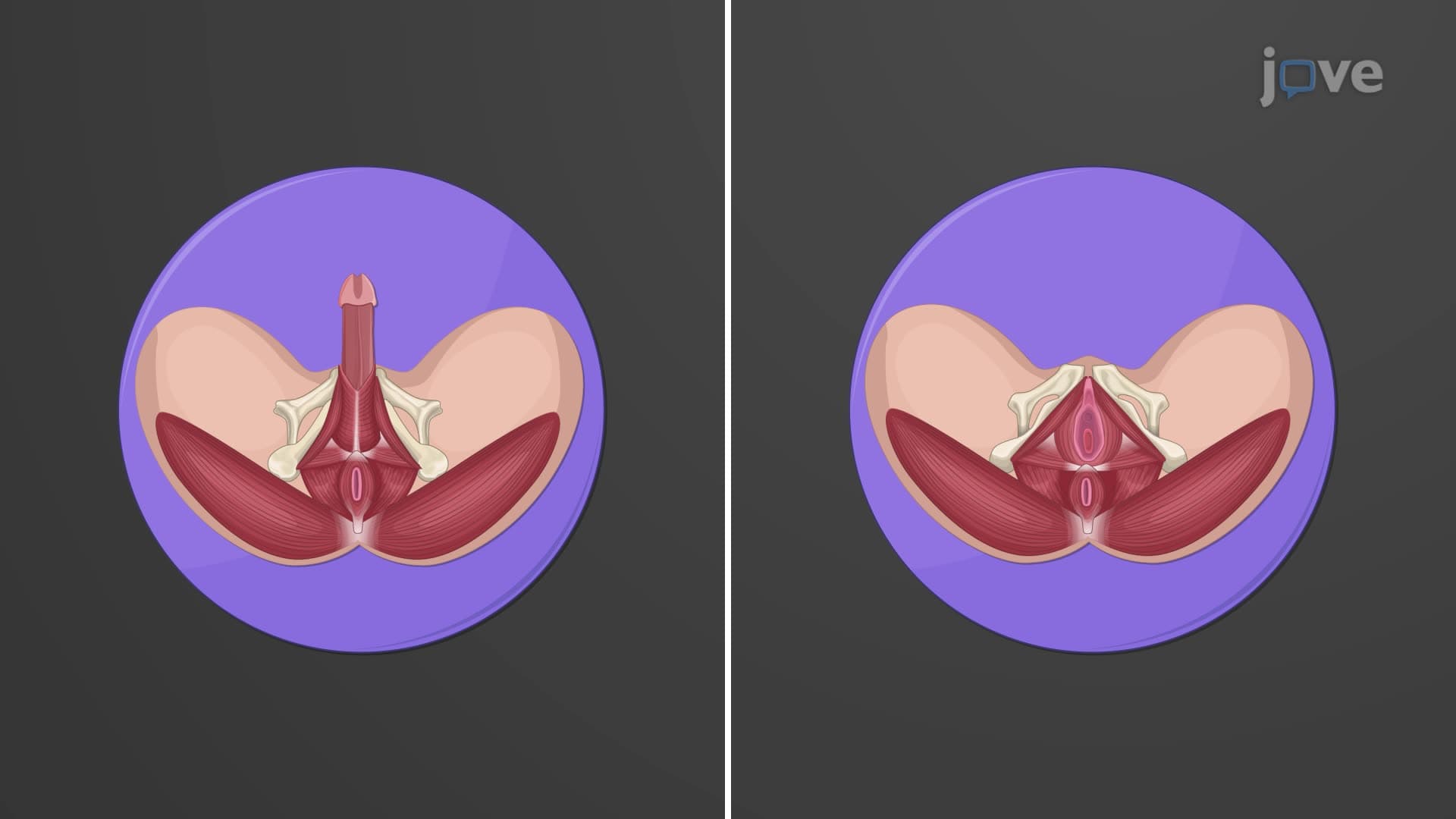

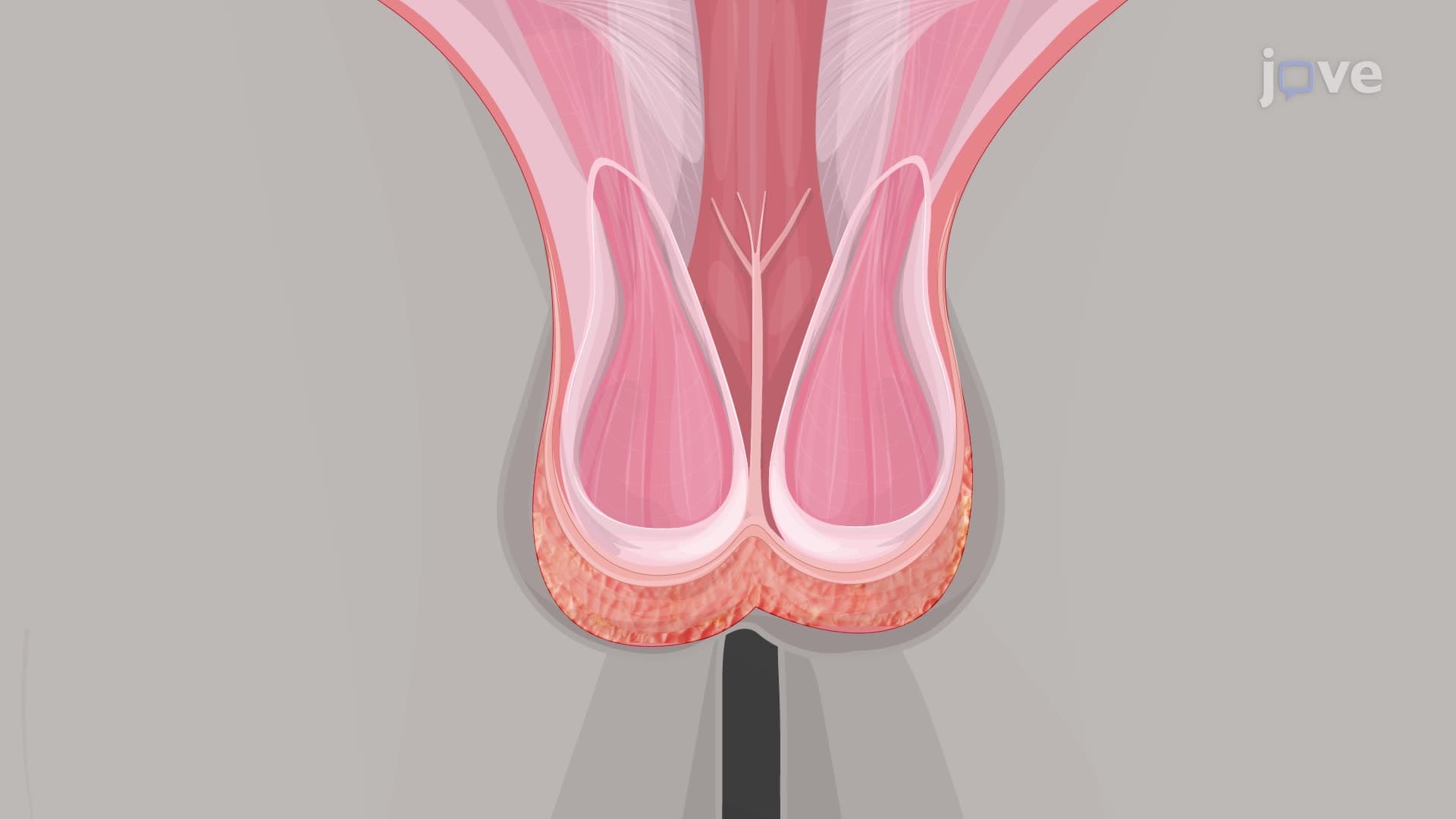
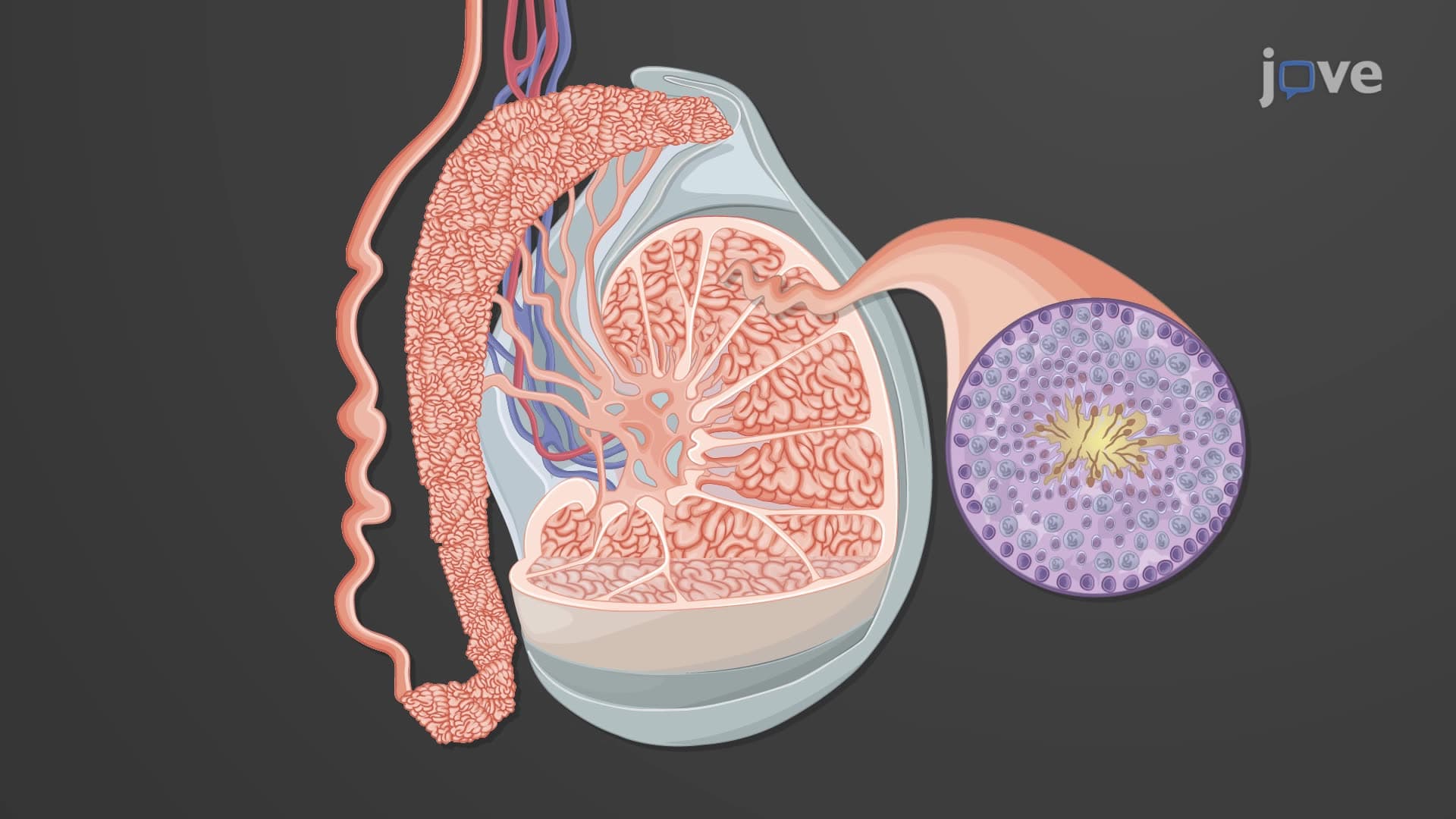
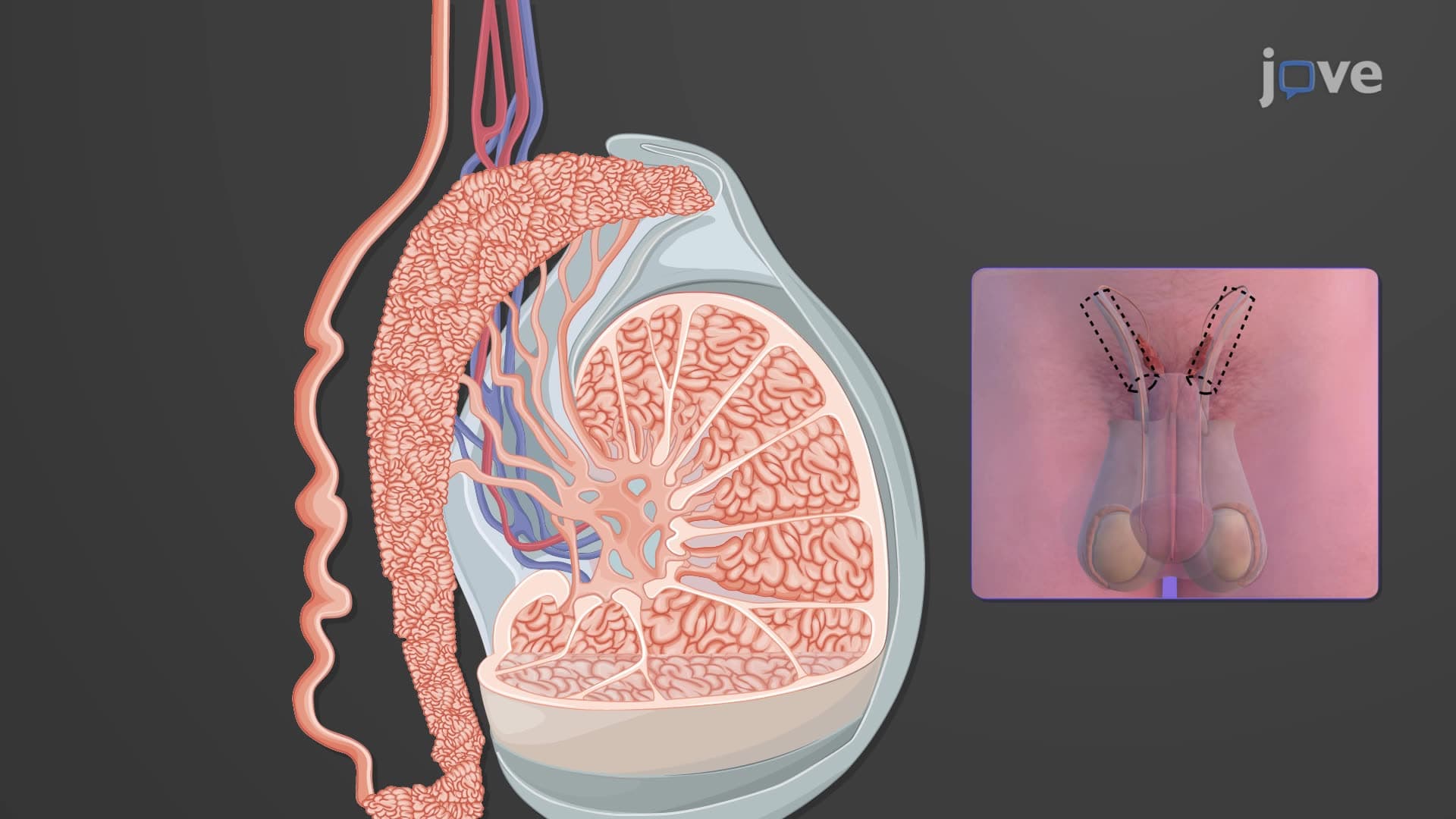
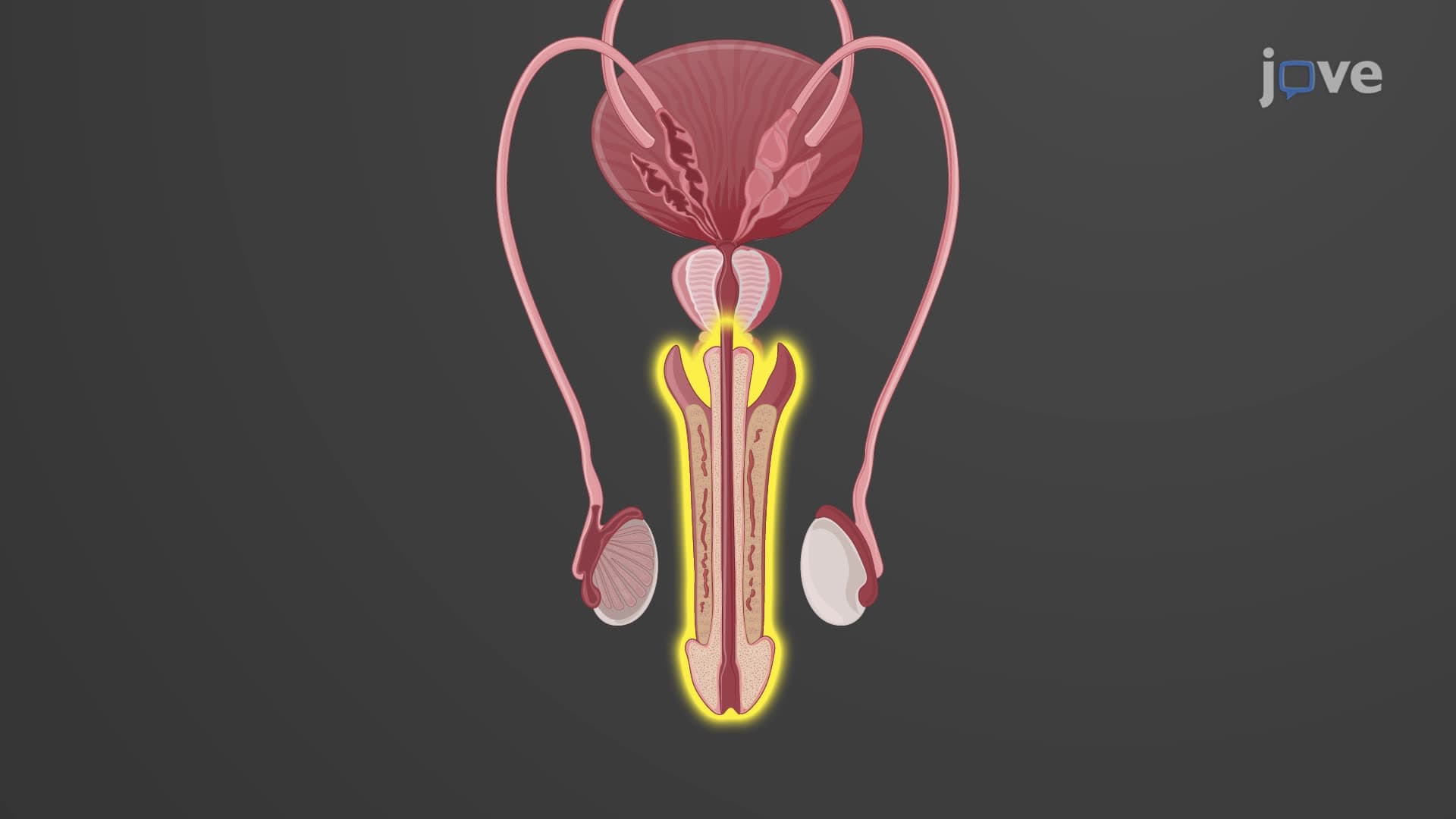
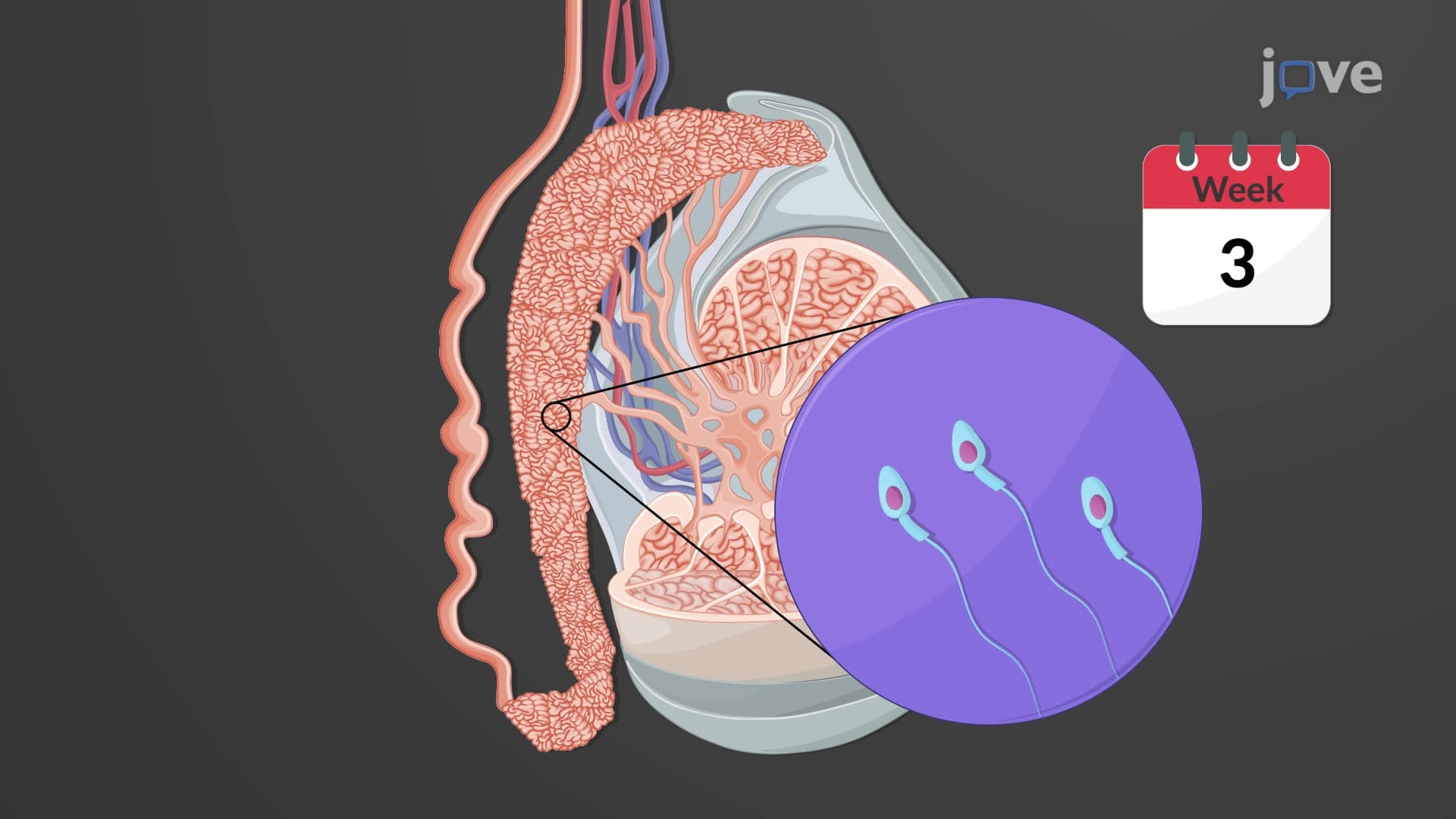
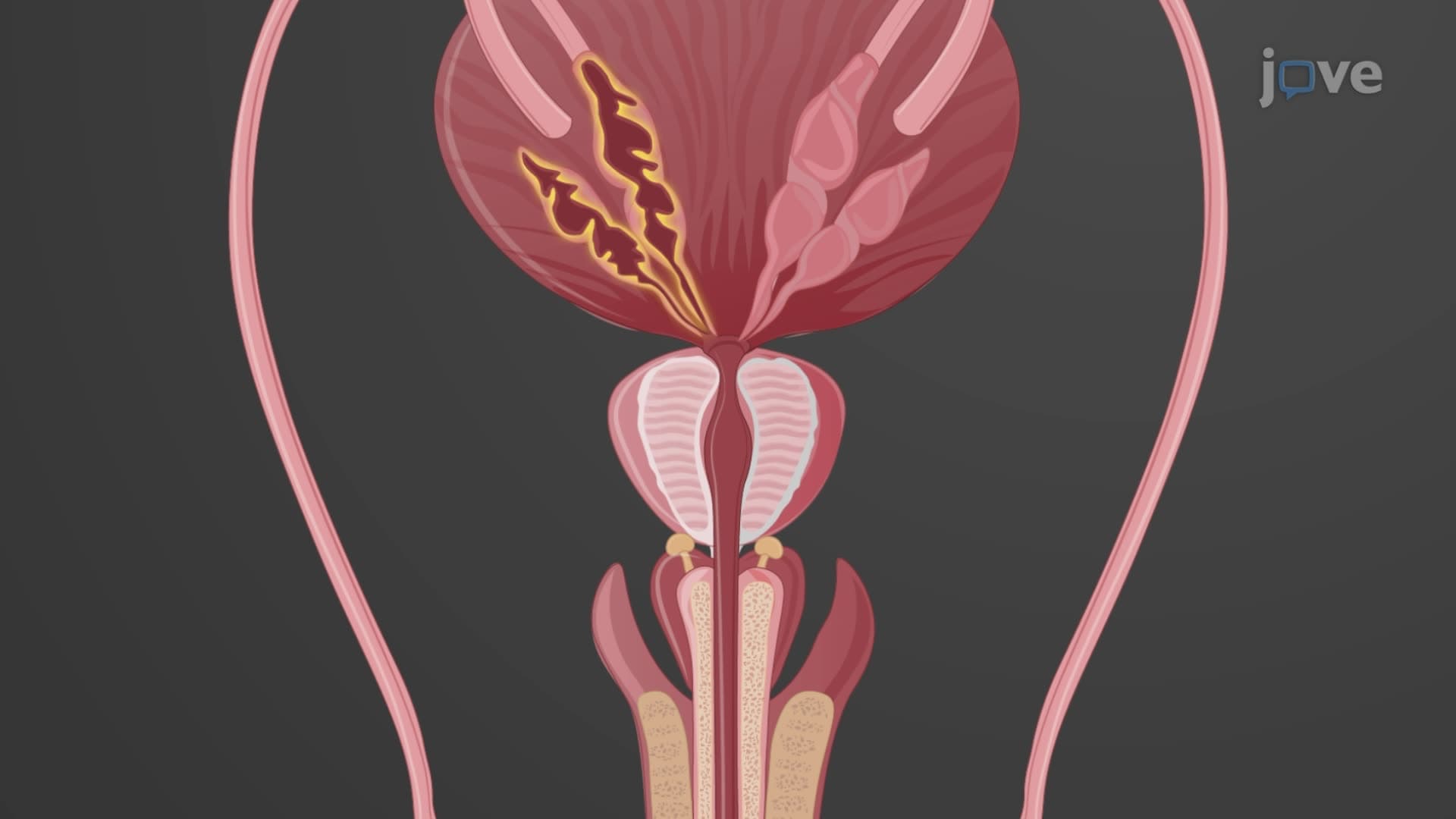
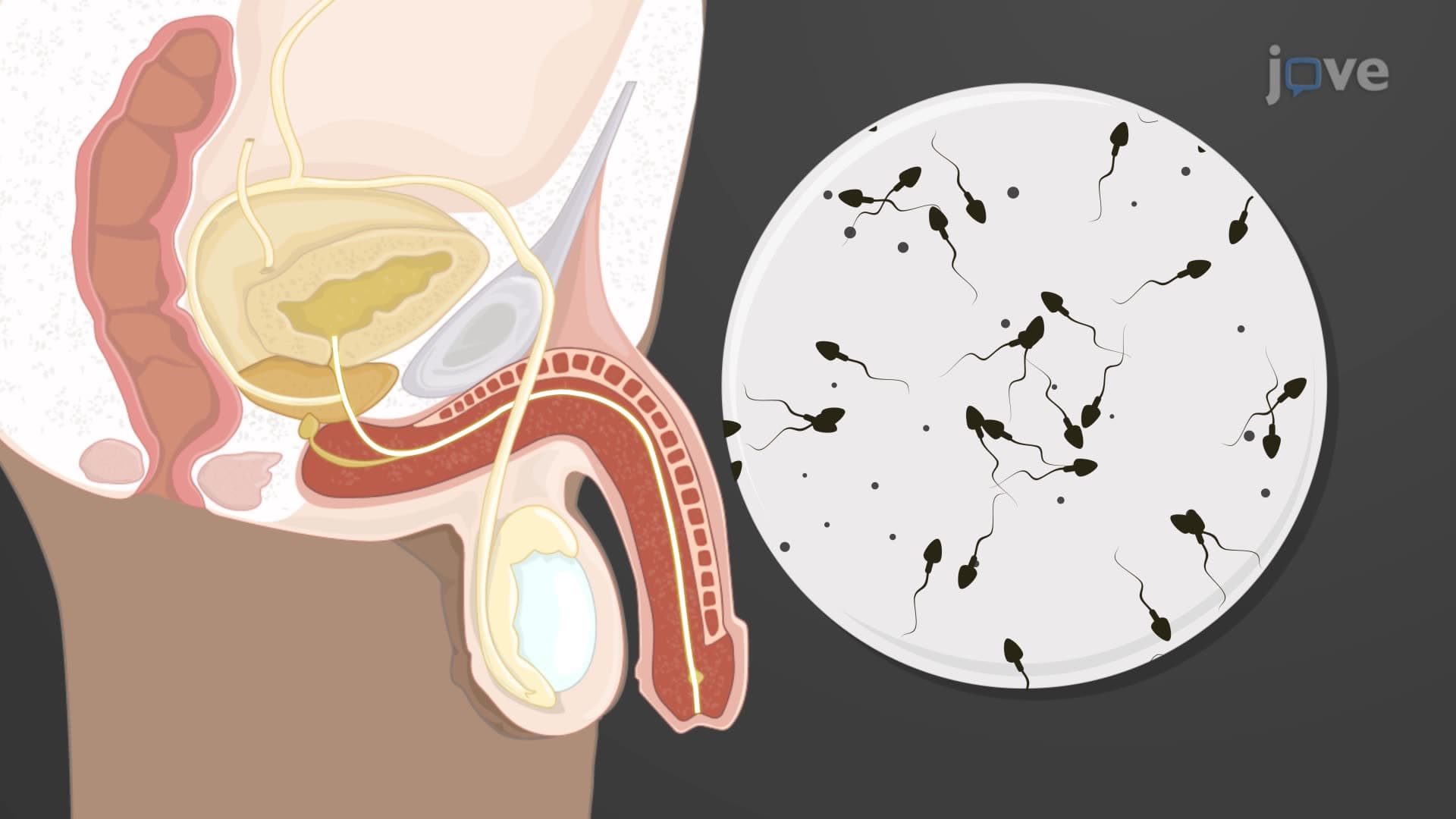
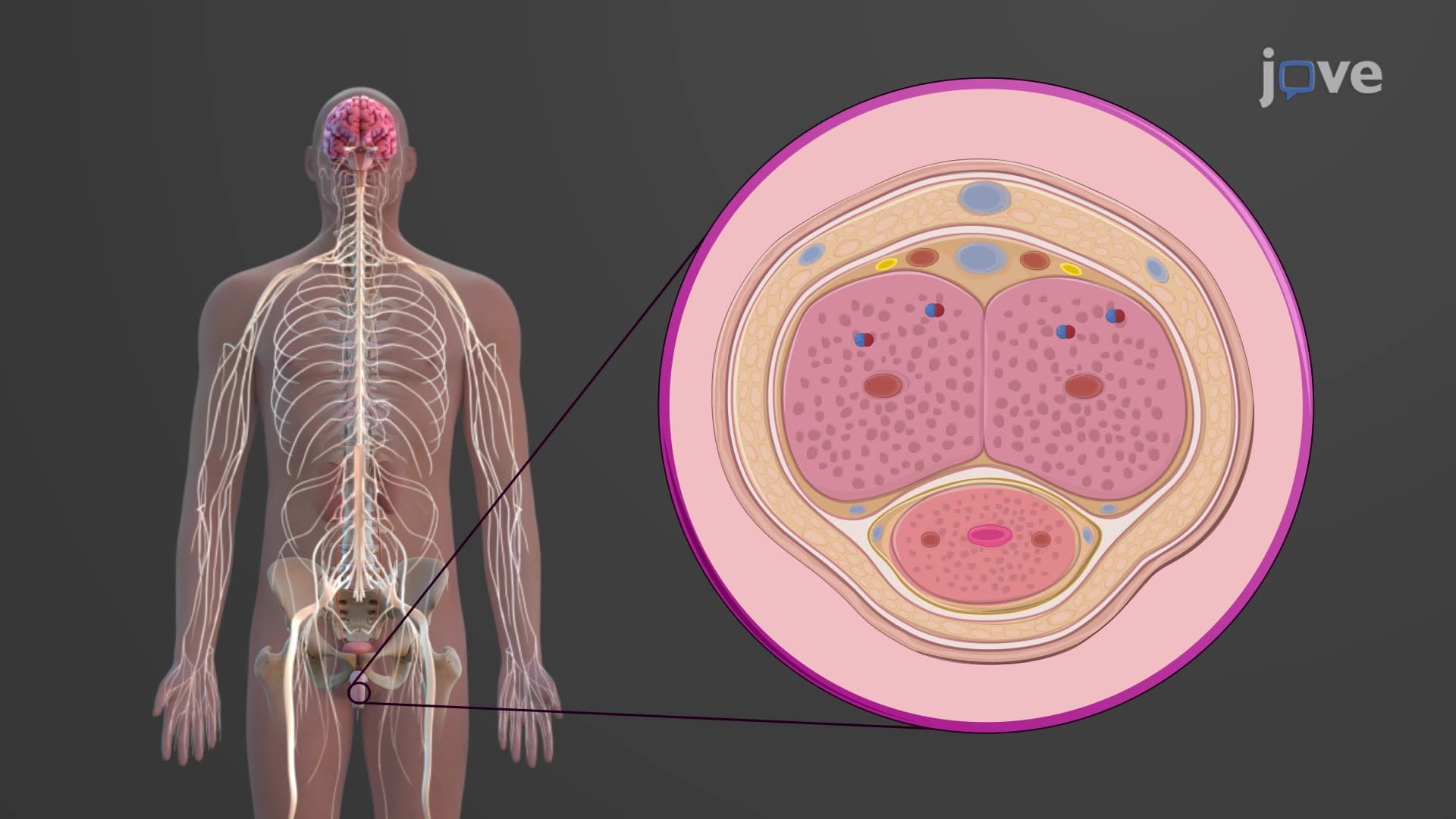
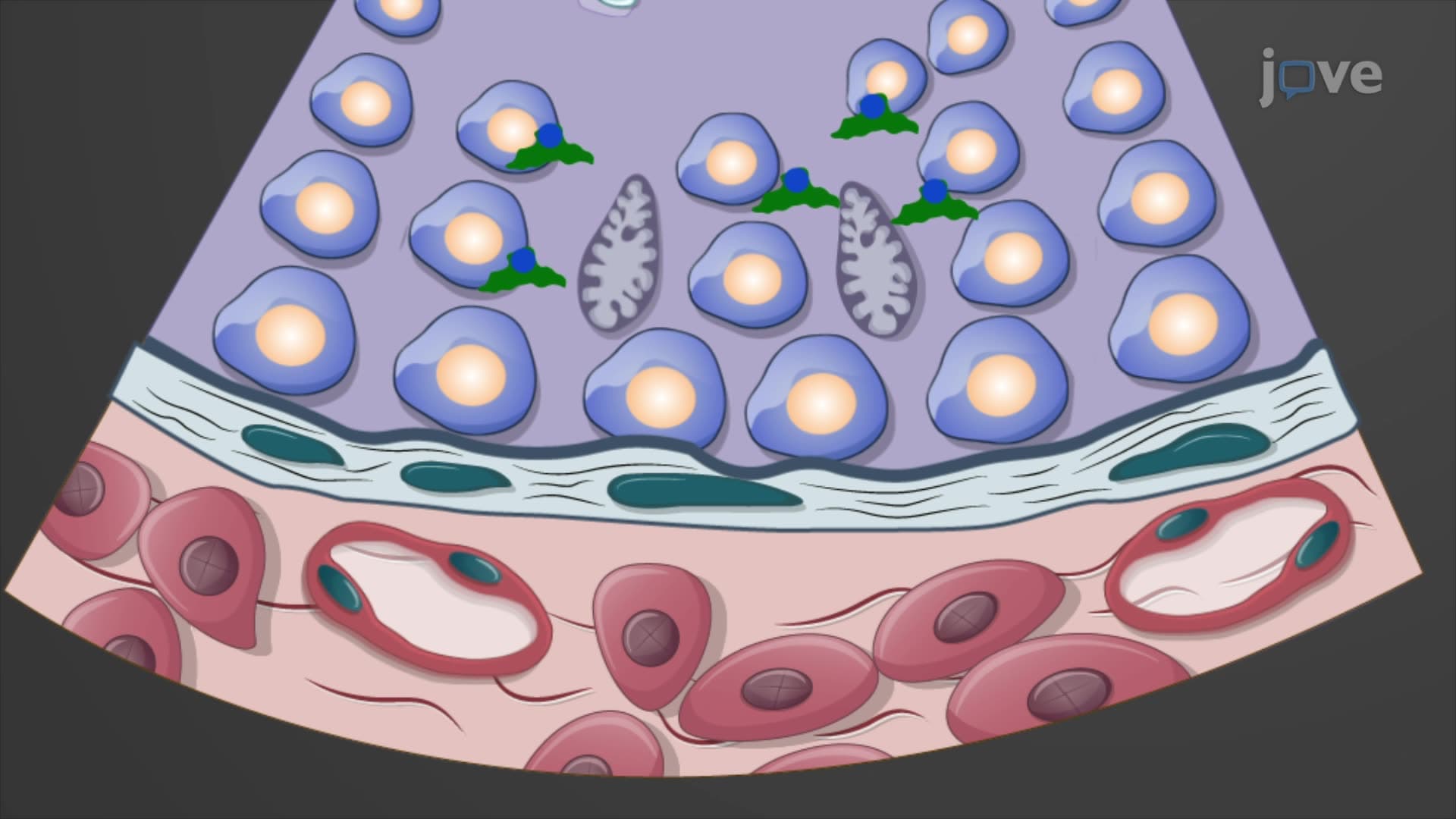

Spermatogenesis

00:00
01:22
Video Summary: What Is Spermatogenesis
Did you know that a healthy adult male produces approximately 300 million sperm cells daily? Spermatogenesis biology explained reveals this remarkable continuous process where the male reproductive system transforms simple stem cells into fully functional sperm through three distinct stages: mitosis, meiosis, and spermiogenesis. In fertility clinics across the US, understanding this 74-day process helps diagnose male infertility issues affecting nearly 15% of couples. What is spermatogenesis becomes clear when examining how seminiferous tubules orchestrate this complex cellular transformation. Watch the full video on JoVE Coach to master this concept with expert-led visuals and step-by-step explanations.
- Understand what is spermatogenesis and identify its three main phases: mitotic division, meiotic division, and cellular differentiation
- Recognize the distinct roles of Type-A and Type-B spermatogonia in maintaining stem cell populations versus initiating sperm development
- Analyze how meiosis I and meiosis II reduce chromosome number from diploid to haploid during sperm formation
- Compare the structural and functional differences between spermatids and mature spermatozoa
- Identify the critical support functions of Sertoli cells throughout the sperm production process
- Evaluate the timeline and location of spermatogenesis within seminiferous tubules
- Apply knowledge of chromosomal behavior during meiosis to predict genetic diversity in sperm cells
- Explore connections between hormonal regulation and successful sperm maturation
Understanding Spermatogenesis: The Foundation of Male Fertility
Spermatogenesis biology explained encompasses one of biology's most sophisticated cellular processes, transforming undifferentiated stem cells into highly specialized reproductive cells. This continuous process occurs within the seminiferous tubules of the testes, beginning at puberty around age 12-14 and continuing throughout a man's lifetime, though efficiency gradually declines after age 40.
The Three-Stage Journey: From Stem Cell to Sperm
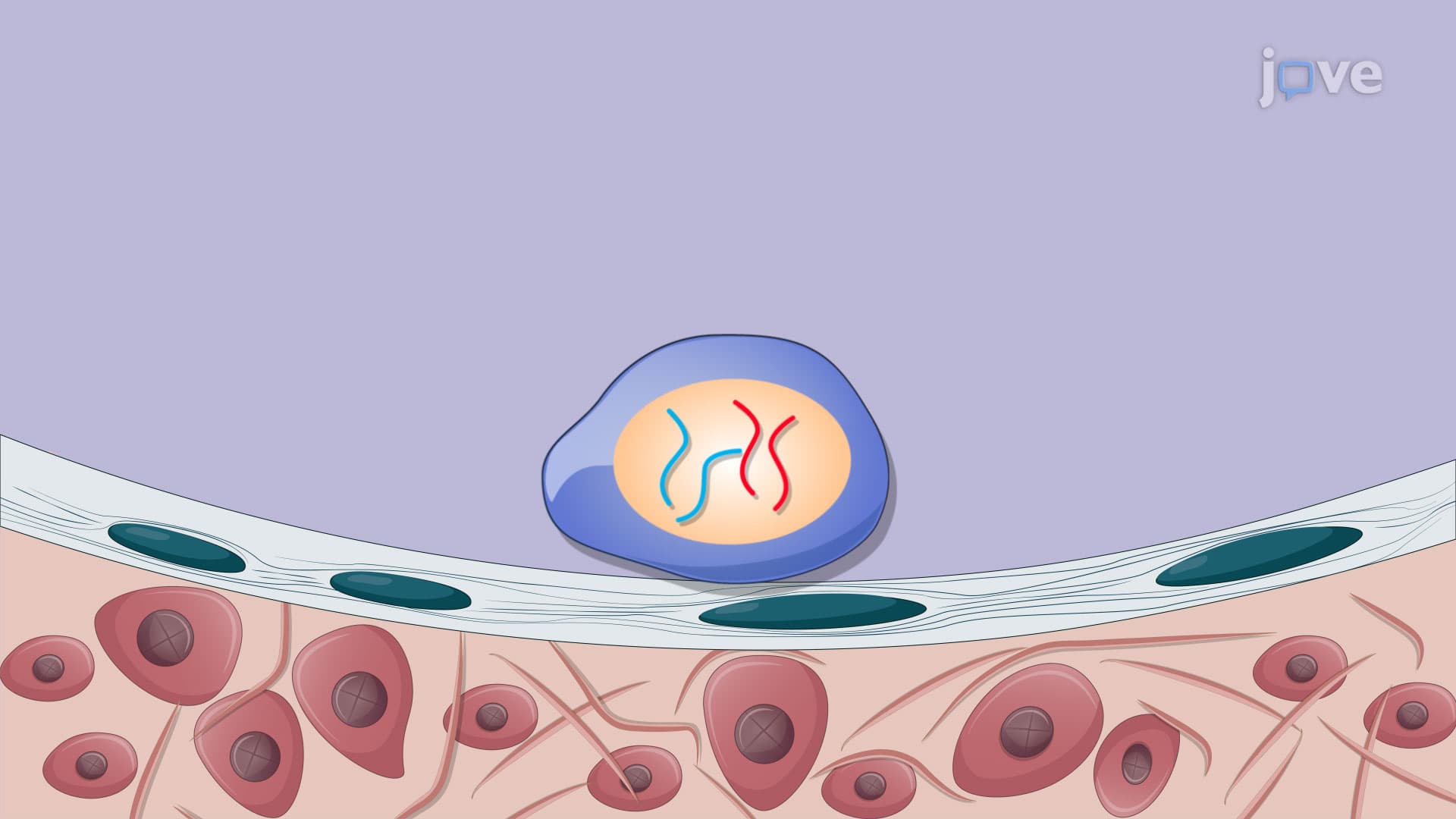
The sperm production process explained unfolds through three interconnected phases. During the mitotic phase, spermatogonial stem cells undergo careful division to balance self-renewal with differentiation. Type-A spermatogonia remain anchored to the basement membrane, ensuring a continuous stem cell reservoir-a concept crucial for understanding male fertility preservation in cancer patients undergoing chemotherapy at major US medical centers like Johns Hopkins and Mayo Clinic.
Spermatogonia spermatocyte development accelerates when Type-B spermatogonia differentiate into primary spermatocytes, initiating the meiotic phase. This reduction division is particularly significant for AP Biology students, as it demonstrates key genetic principles including independent assortment and crossing over. Primary spermatocytes spend approximately 22 days in meiosis I, the longest phase, where homologous chromosome pairing and genetic recombination occur. The rapid meiosis II division produces four haploid spermatids from each original diploid cell.
Spermiogenesis: The Final Transformation
Sperm maturation spermatogenesis reaches its pinnacle during spermiogenesis, where round spermatids transform into streamlined spermatozoa. This remarkable metamorphosis involves acrosome formation for egg penetration, mitochondrial arrangement for energy production, and flagellum development for motility. Spermatid spermatozoa formation takes approximately 23 days and occurs under the protective guidance of Sertoli cells.
Clinical and Educational Significance
Understanding seminiferous tubule spermatogenesis proves essential for pre-med students preparing for the MCAT, particularly the biological sciences section. This process illustrates fundamental concepts including cell cycle regulation, hormonal control, and reproductive biology. In clinical settings, spermatogenesis knowledge helps interpret semen analyses and guides fertility treatments at reproductive endocrinology centers nationwide.
Frequently Asked Questions
Spermatogenesis is the continuous process where male germ cells develop into mature sperm within the seminiferous tubules of the testes. This 74-day process is essential because it produces the male gametes necessary for fertilization, involving three stages: mitosis, meiosis, and spermiogenesis. Without proper spermatogenesis, male infertility results, affecting approximately 7% of men in the United States.
MCAT questions often focus on the meiotic stages and hormonal regulation of spermatogenesis, particularly FSH and LH effects on Sertoli and Leydig cells. AP Biology exams emphasize the cellular processes, chromosome behavior during meiosis, and genetic diversity generation. Students should understand the timeline, location within seminiferous tubules, and the role of supporting cells.
Spermatogenesis encompasses the entire sperm production process from stem cell to mature sperm, while spermiogenesis specifically refers to the final differentiation stage. College exams often test this distinction, expecting students to identify spermiogenesis as the transformation of round spermatids into functional spermatozoa. Understanding this difference is crucial for scoring well on reproductive biology units.
Fertility clinics like those at Stanford and Harvard use spermatogenesis knowledge to diagnose and treat male infertility. The 74-day spermatogenesis cycle explains why lifestyle changes or treatments take 2-3 months to show results in sperm quality. Techniques like testicular sperm extraction (TESE) target specific stages of spermatogenesis when ejaculated sperm are absent.
Absolutely not-spermatogenesis builds on fundamental biology concepts like mitosis and meiosis that students already know. Breaking it into three clear stages (mitosis, meiosis, spermiogenesis) makes it manageable for grades 9-12. The key is connecting each stage to familiar cellular processes and understanding the overall purpose of producing genetically diverse, functional sperm.
Create a timeline diagram showing the three stages with key cell types and durations, then practice drawing the process from memory. Focus on chromosome numbers (diploid vs. haploid), cell names (spermatogonia, spermatocytes, spermatids, spermatozoa), and supporting cell functions. Use active recall by explaining each stage aloud without notes.
Spermatogenesis links directly to hormone regulation (FSH, LH, testosterone), fertilization biology, and embryonic development. It contrasts with oogenesis in female reproduction and connects to genetics through meiotic processes. Understanding spermatogenesis provides foundation knowledge for studying reproductive endocrinology, fertility medicine, and developmental biology in advanced courses.
Complete spermatogenesis requires approximately 74 days in humans, with mitosis taking about 16 days, meiosis requiring 23 days, and spermiogenesis lasting 23 days, plus additional time for sperm transport and maturation. This timeline explains why improvements in sperm quality following lifestyle changes or medical treatments typically become apparent after 2-3 months, making it clinically relevant for fertility counseling.
Related Micro-courses

14 Concepts
6 Concepts
21 Concepts