Loading subject page…


141,004 views
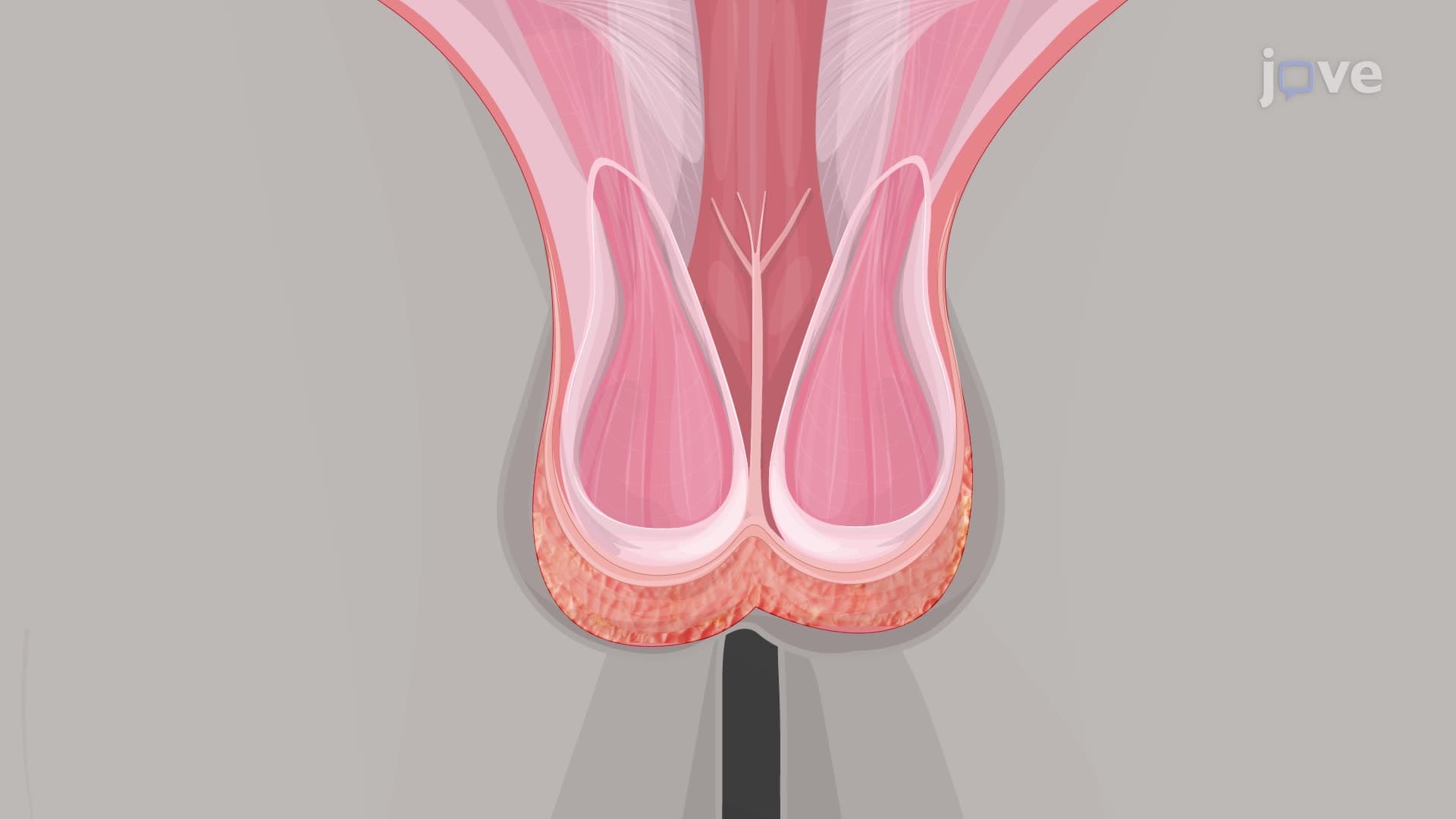

Video Summary: What Is Testes Gross Anatomy
Why do testes hang outside the male body when most organs stay protected inside? Understanding testes gross anatomy biology reveals this evolutionary design keeps sperm production at the optimal temperature-2-3°F cooler than body temperature. Medical students at Johns Hopkins University study these paired male gonads, each weighing just 10-15 grams yet containing complex layers including the tunica albuginea and specialized muscles. What is Testes Gross Anatomy encompasses the structural organization that makes human reproduction possible. Watch the full video on JoVE Coach to master this concept with expert-led visuals and step-by-step explanations.
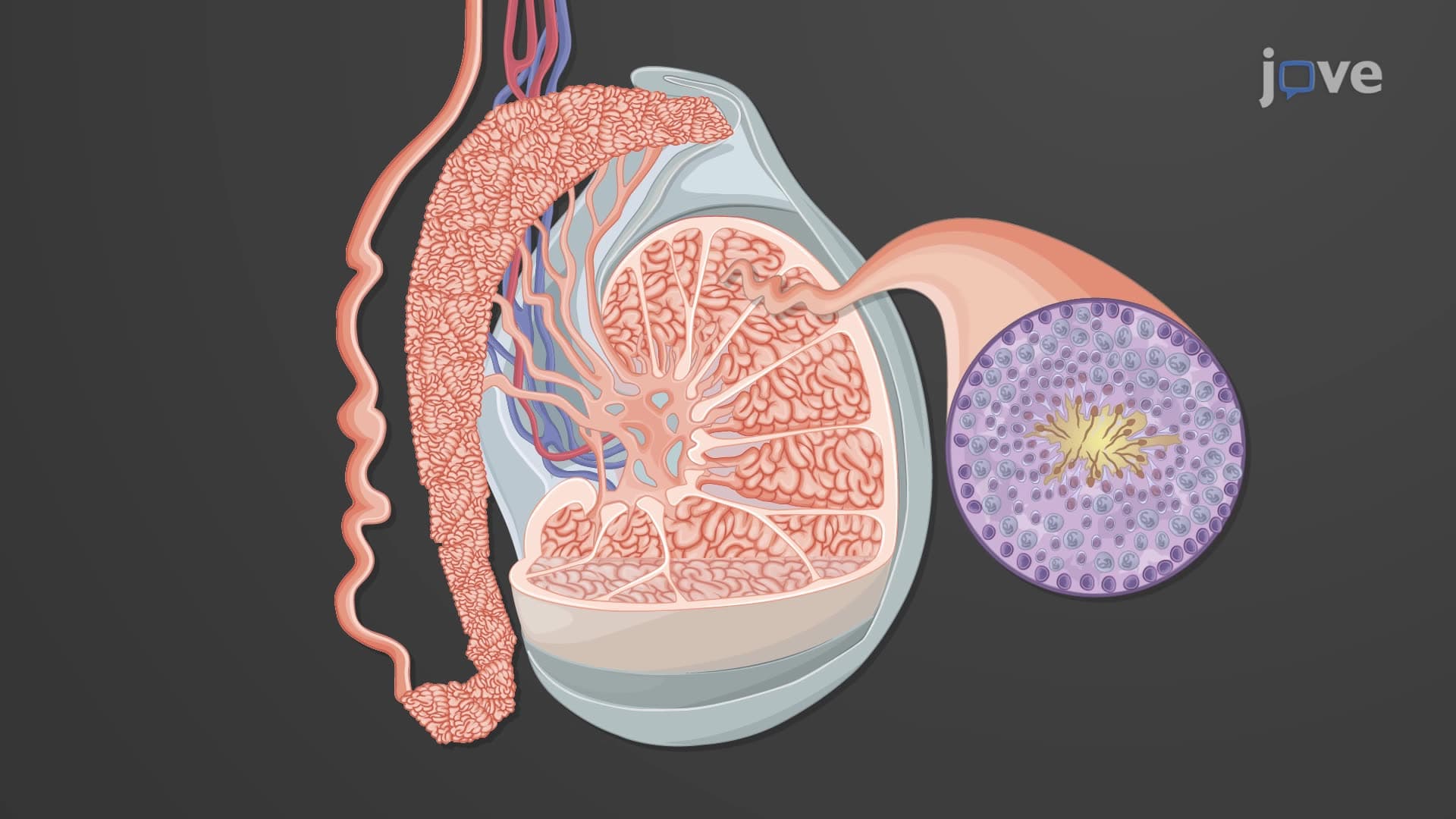
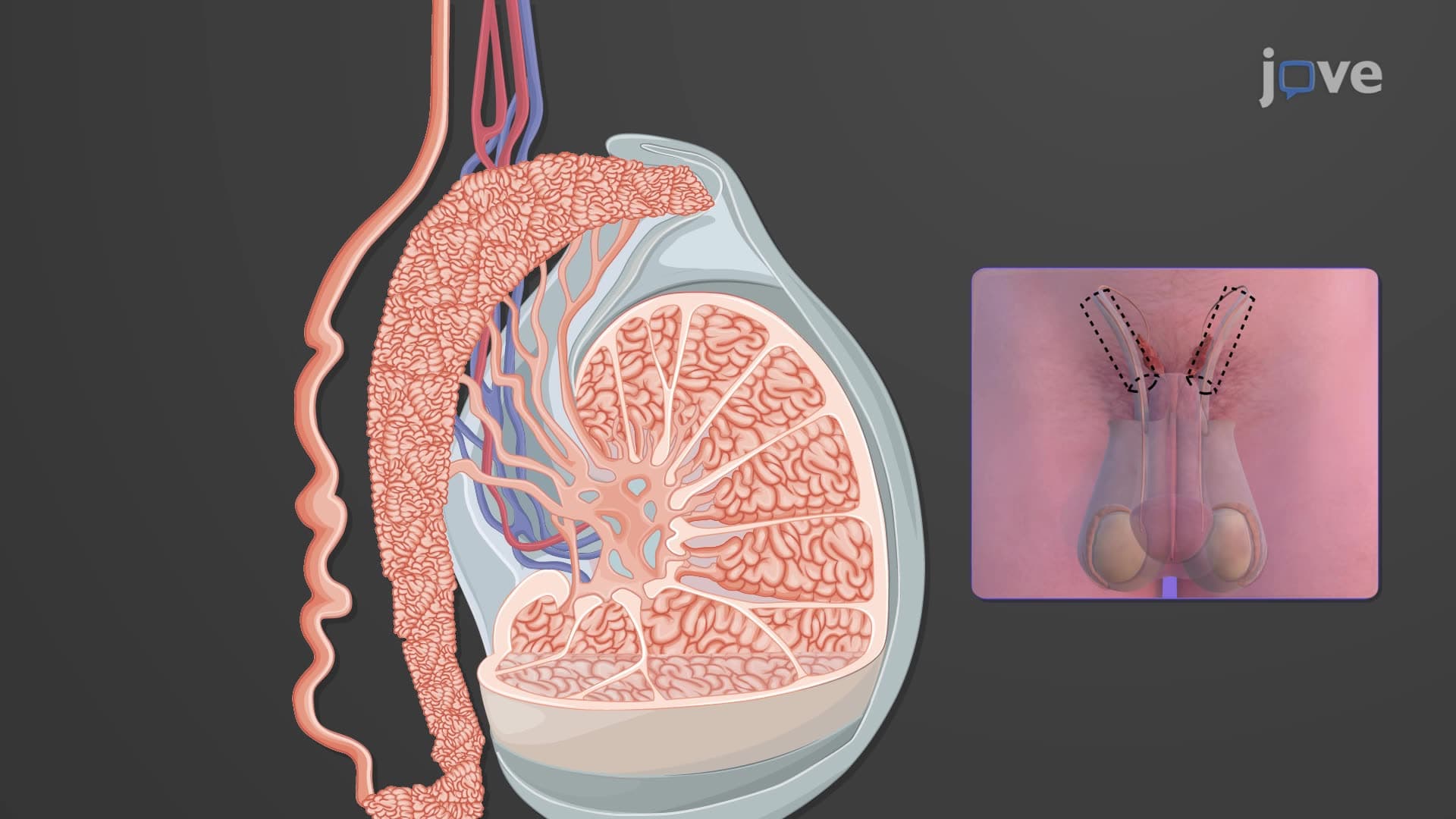
What is Testes Gross Anatomy encompasses the macroscopic structural organization of the male reproductive organs. Each testis measures approximately 5 cm in length, 3 cm in width, and 2.5 cm in thickness, with a weight ranging from 10-15 grams-roughly equivalent to two nickels. This compact size belies their critical reproductive function, housing millions of seminiferous tubules where sperm production occurs.
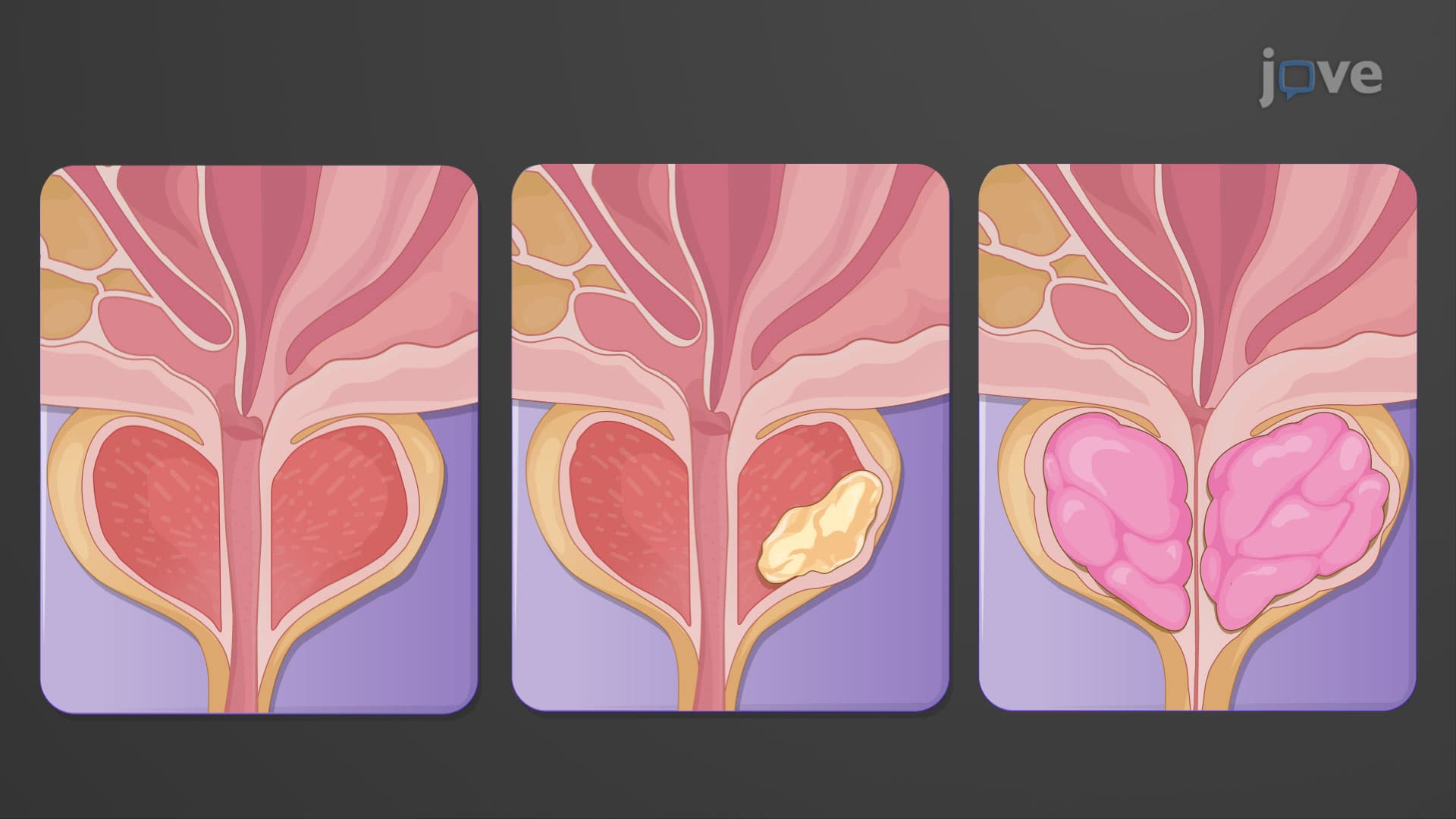
The testis tunica albuginea forms the primary protective barrier-a tough, fibrous capsule of dense irregular connective tissue that maintains testicular shape and provides structural integrity. This white, glistening membrane extends inward to form septa that divide each testis into approximately 250-300 compartments called lobules. External to this layer, the tunica vaginalis creates a smooth serous membrane lining that allows frictionless movement within the scrotum, similar to how the pleura facilitates lung movement during breathing.
The scrotal testis location outside the body cavity serves a crucial thermoregulatory function. Pre-med students preparing for the MCAT often encounter questions about how the dartos muscle-smooth muscle fibers within the scrotal wall-contracts to wrinkle the scrotal surface, reducing heat loss during cold exposure. The cremaster muscle, composed of skeletal muscle fibers, provides more dramatic temperature control by elevating the testes closer to the body's warmth when environmental temperatures drop or during sexual arousal.
Understanding testicular lobule anatomy becomes essential for medical professionals diagnosing conditions like testicular torsion or epididymitis. Emergency medicine residents at UCLA Medical Center regularly encounter patients where knowledge of the tunica albuginea's role in maintaining testicular blood supply proves critical for rapid diagnosis. AP Biology students studying reproductive anatomy should recognize how these gross anatomical features directly relate to microscopic sperm production processes, connecting macroscopic structure to cellular function-a common theme in college-level biology examinations and USMLE Step 1 preparation.
Related Micro-courses