Loading subject page…


141,004 views

Video Summary: What Is Testosterone Functions and Regulation
Did you know that testosterone levels in teenage boys can increase up to 30-fold during puberty? Testosterone functions regulation biology involves a complex hormonal cascade where the hypothalamus and pituitary gland control testosterone production through the HPG axis. This system manages everything from muscle development in high school athletes to voice changes that occur during adolescence. Understanding what is testosterone functions and regulation reveals how this powerful hormone shapes male development and maintains reproductive health. Watch the full video on JoVE Coach to master this concept with expert-led visuals and step-by-step explanations.
Testosterone functions regulation biology operates through one of the body's most precisely controlled hormonal systems. The hypothalamic-pituitary-gonadal (HPG) axis orchestrates testosterone production through a cascade of hormonal signals that begins in the brain and culminates in the testes. This system exemplifies how endocrine feedback loops maintain hormonal balance while responding to developmental and physiological needs.
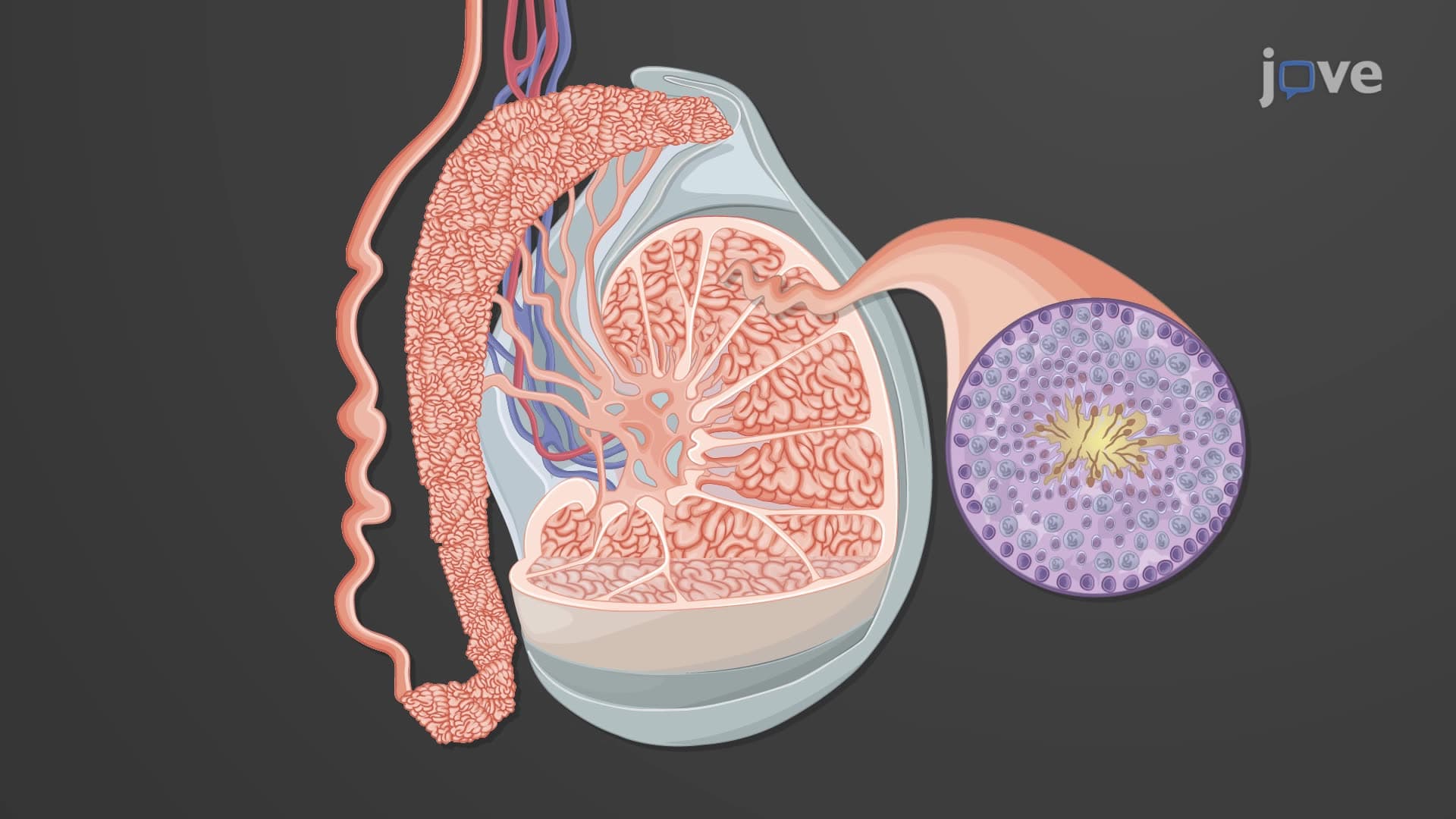
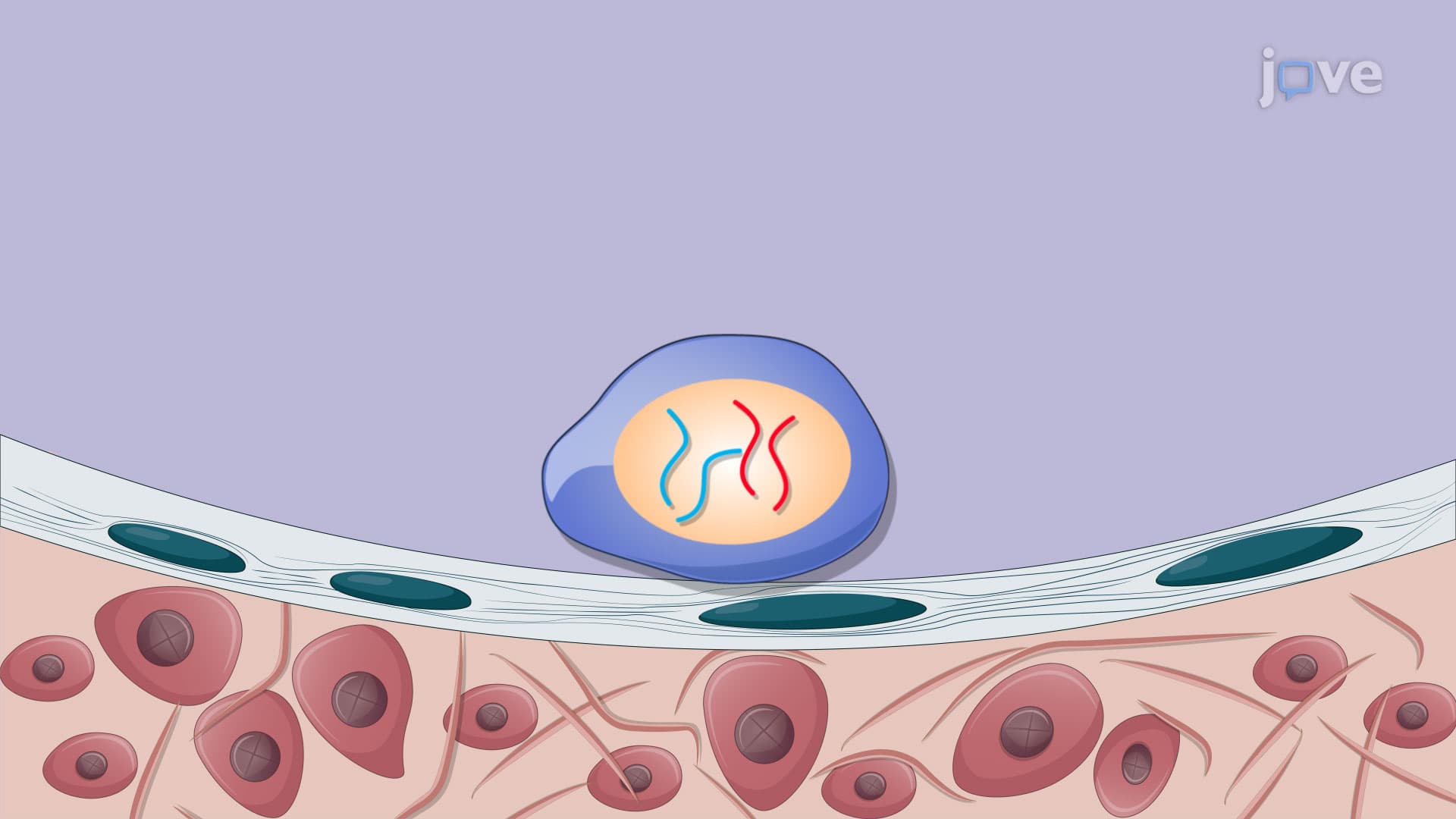
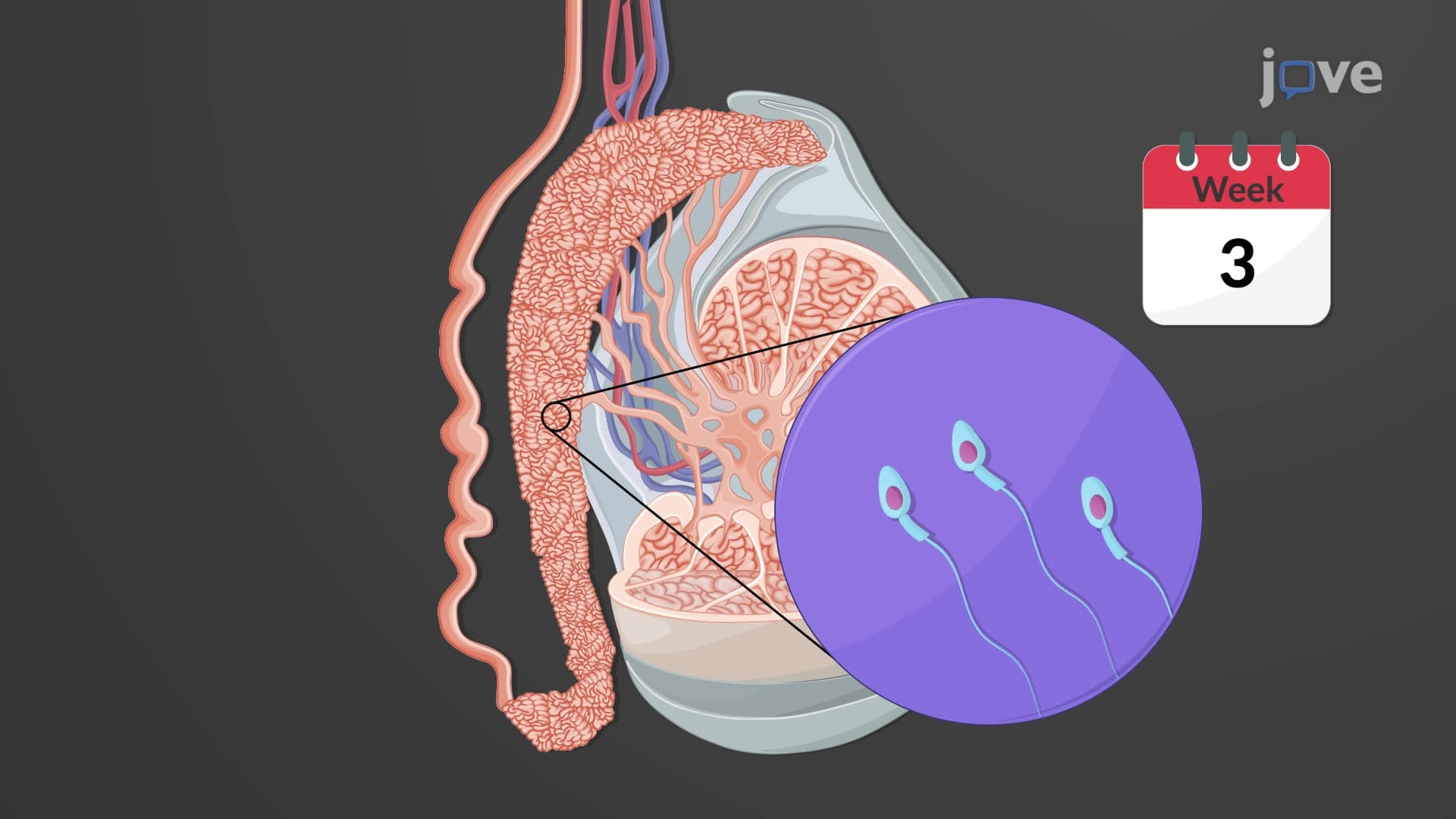
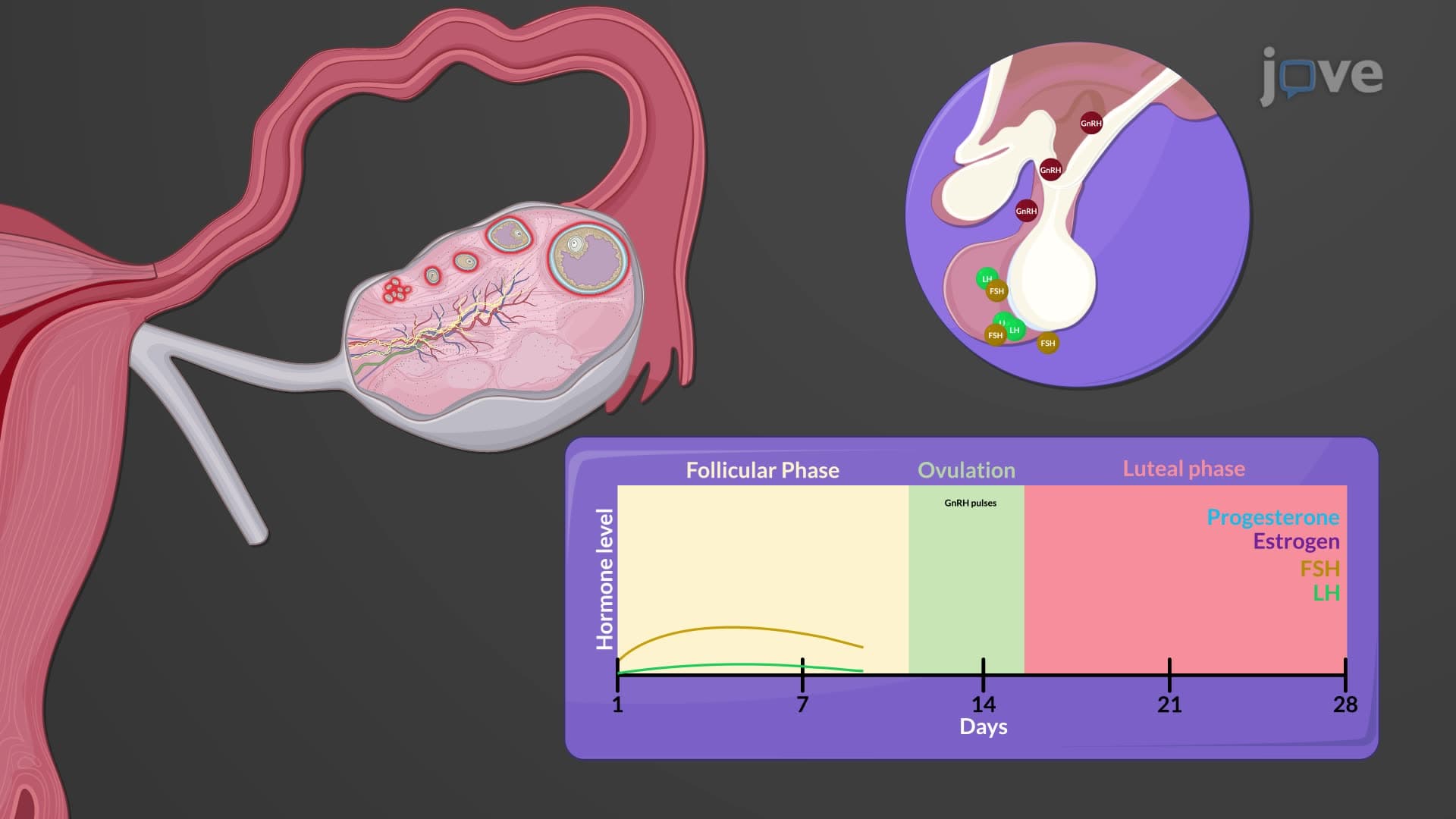
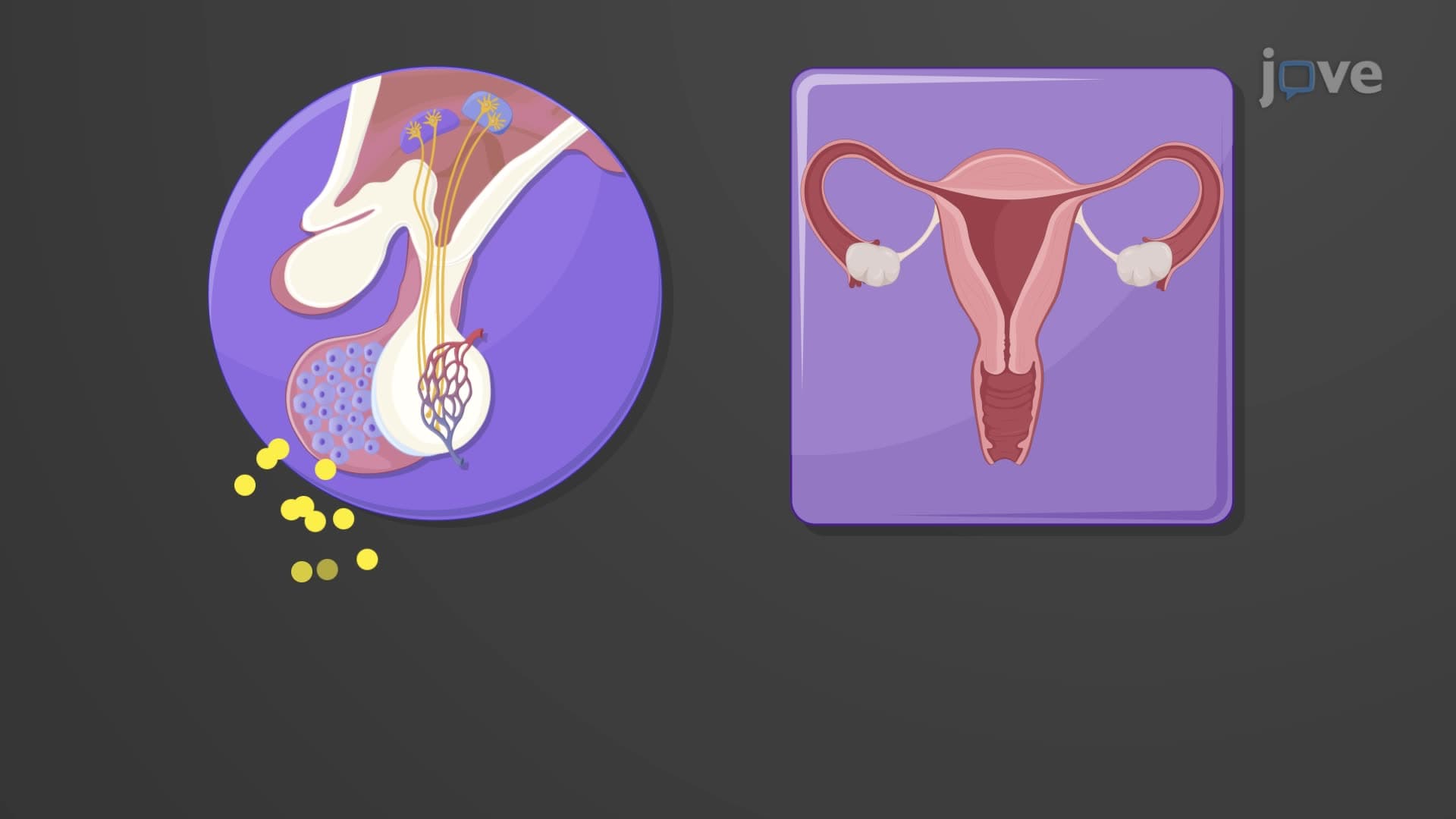
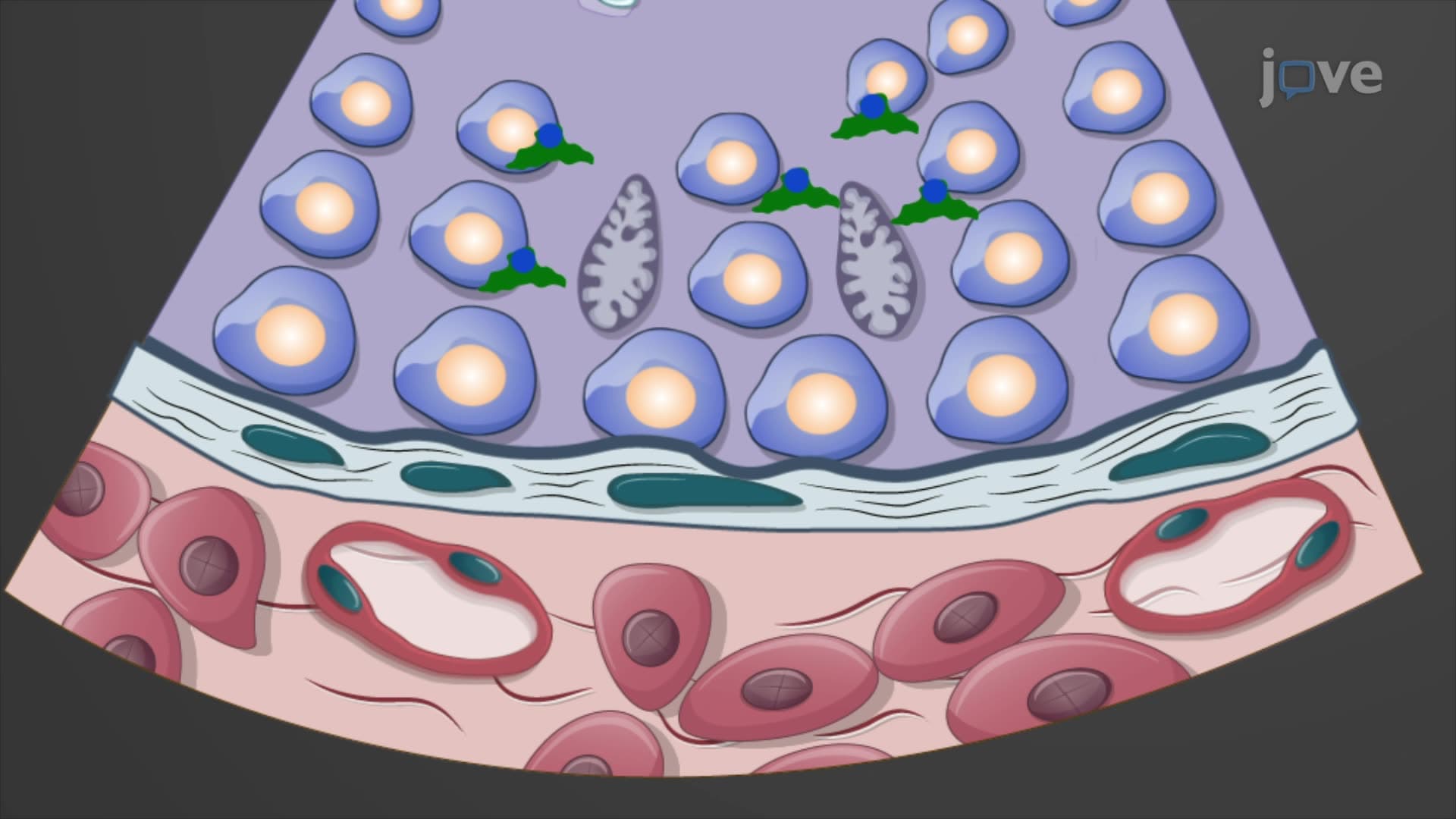
The regulation process starts when hypothalamic neurons release gonadotropin-releasing hormone (GnRH) in pulsatile patterns. This hormone stimulates anterior pituitary gonadotroph cells to secrete luteinizing hormone (LH) and follicle-stimulating hormone (FSH). LH specifically targets testicular Leydig cells, triggering testosterone synthesis from cholesterol through the steroidogenic pathway. Meanwhile, FSH activates Sertoli cells to produce androgen-binding protein (ABP), which concentrates testosterone around developing sperm cells and supports spermatogenesis.
This mechanism is crucial for AP Biology students studying cell signaling pathways and appears frequently on college endocrinology exams. The molecular details involve G-protein coupled receptors and second messenger systems that amplify hormonal signals at the cellular level.
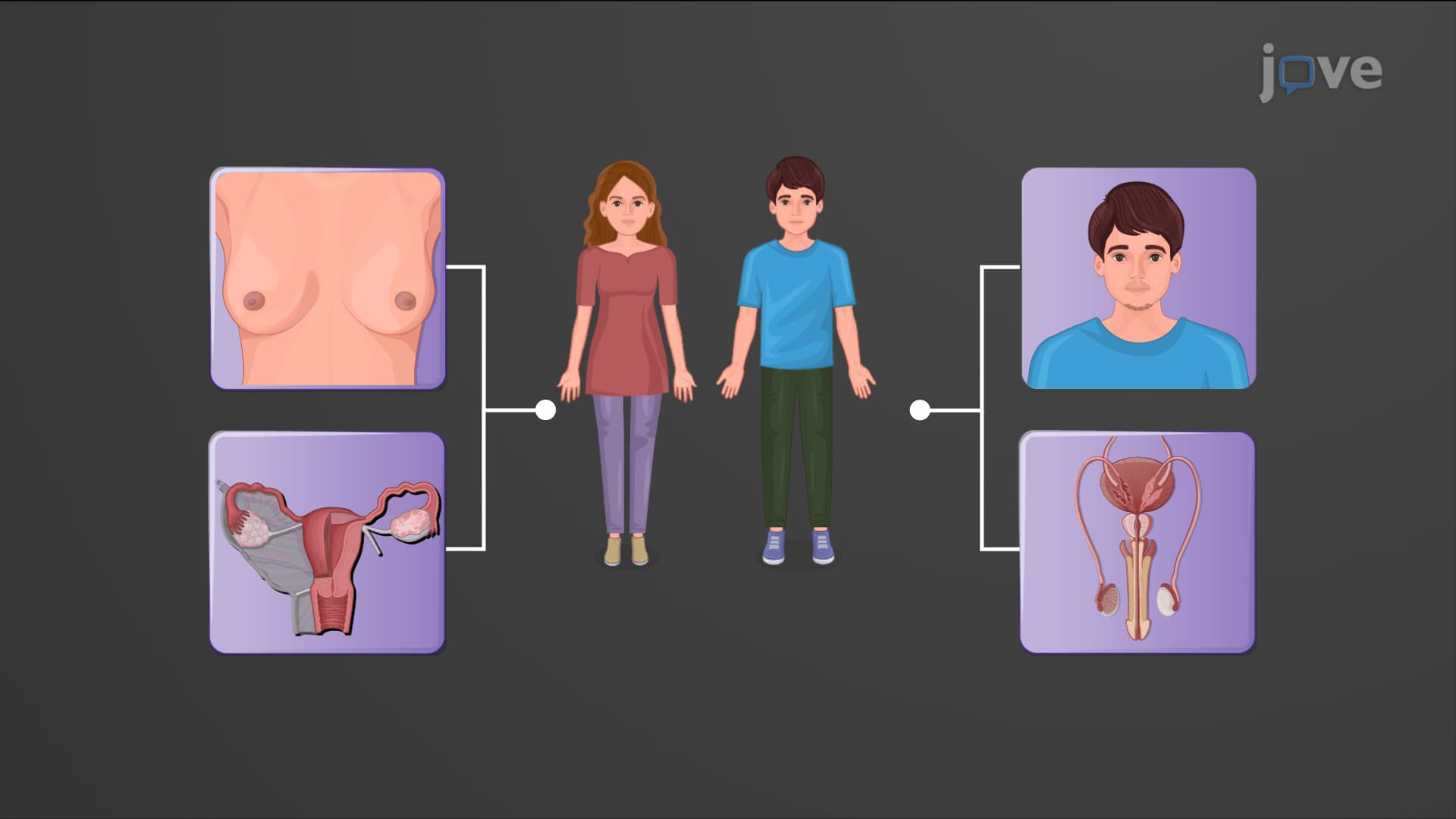
Testosterone's anabolic function becomes most apparent during puberty, when circulating levels increase dramatically. In American high school students, this translates to visible changes like voice deepening (due to laryngeal cartilage growth), facial hair development, and significant muscle mass increases. These secondary sexual characteristics result from testosterone's ability to increase protein synthesis and alter gene expression in target tissues.
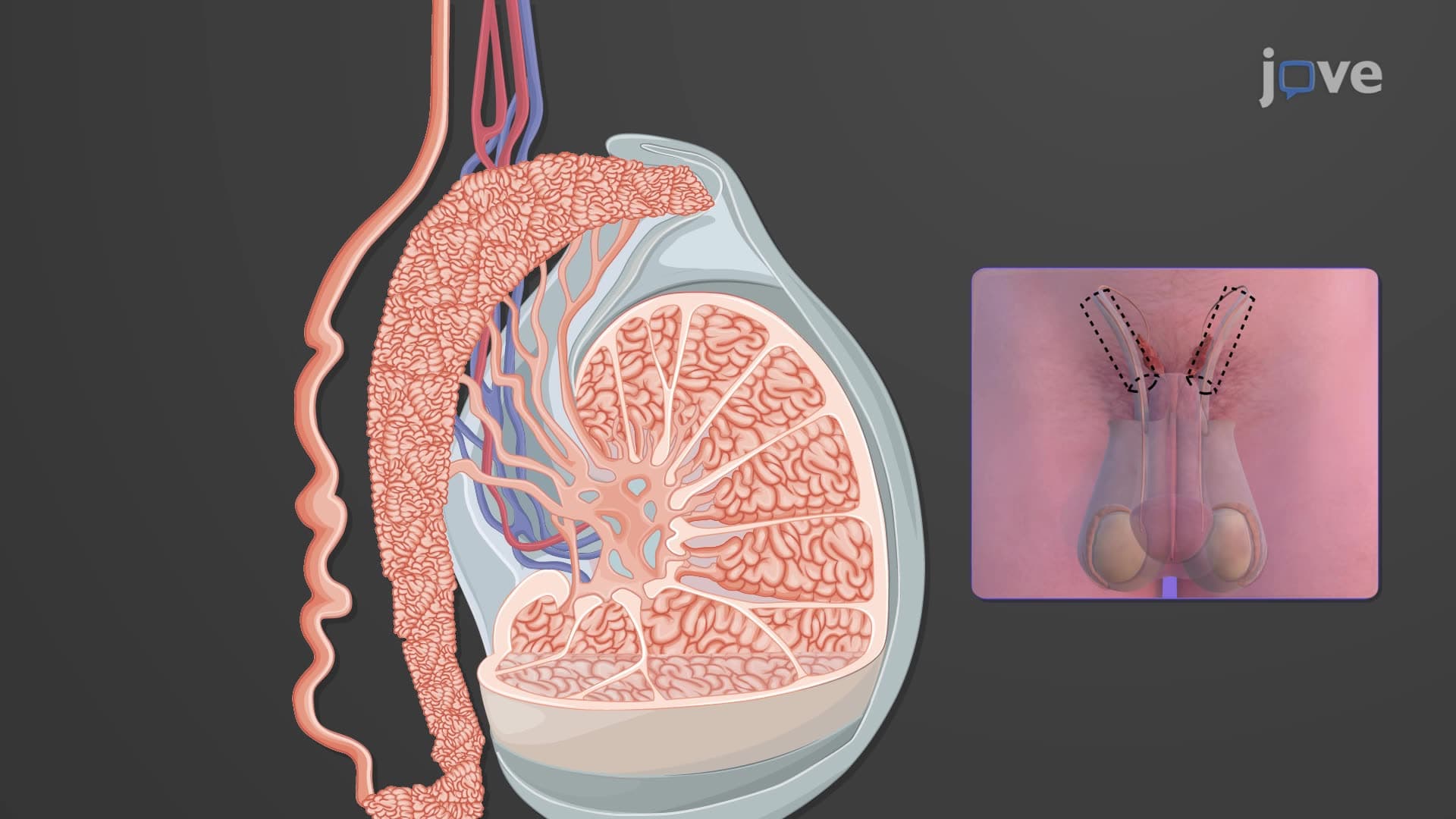
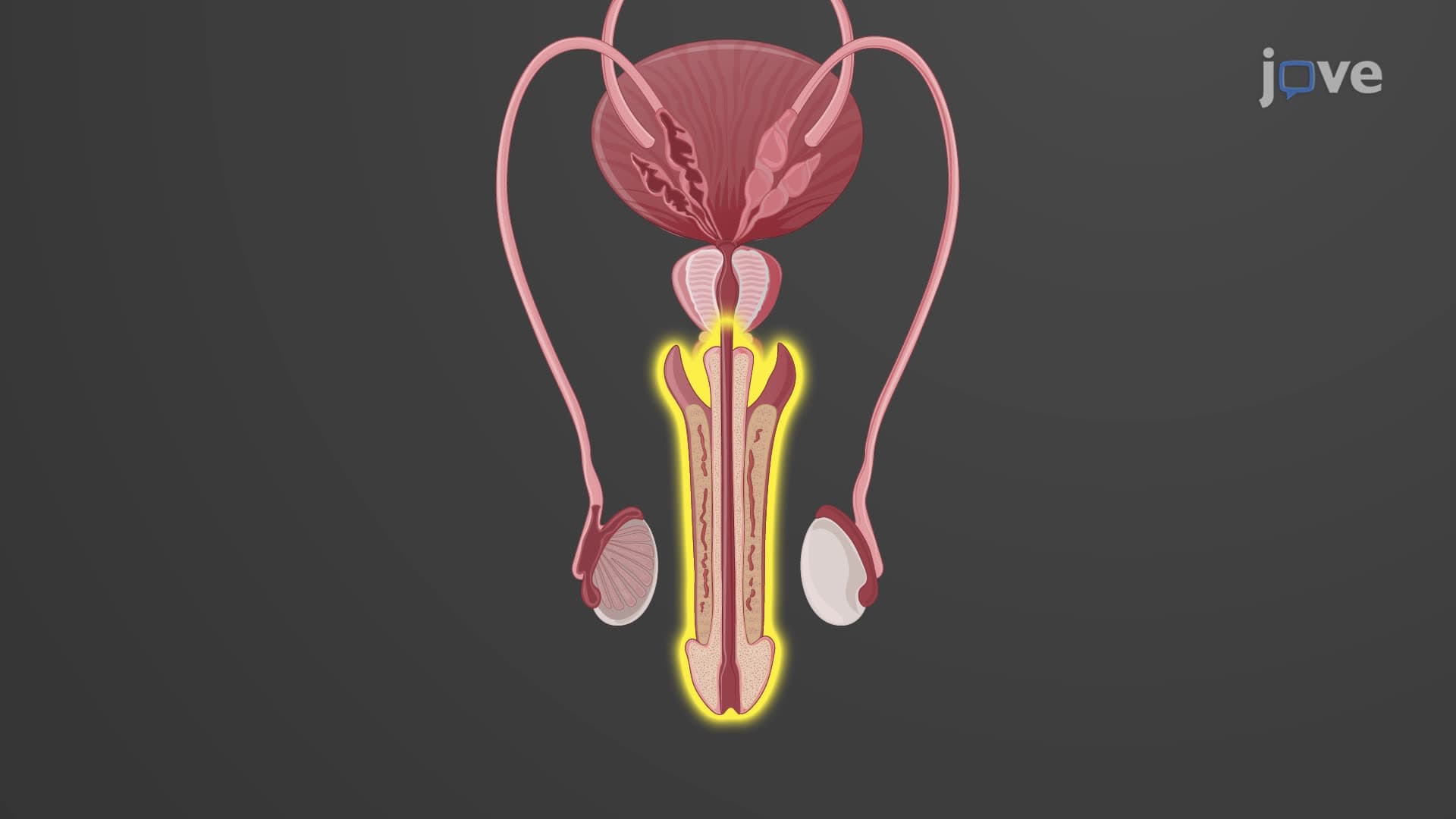
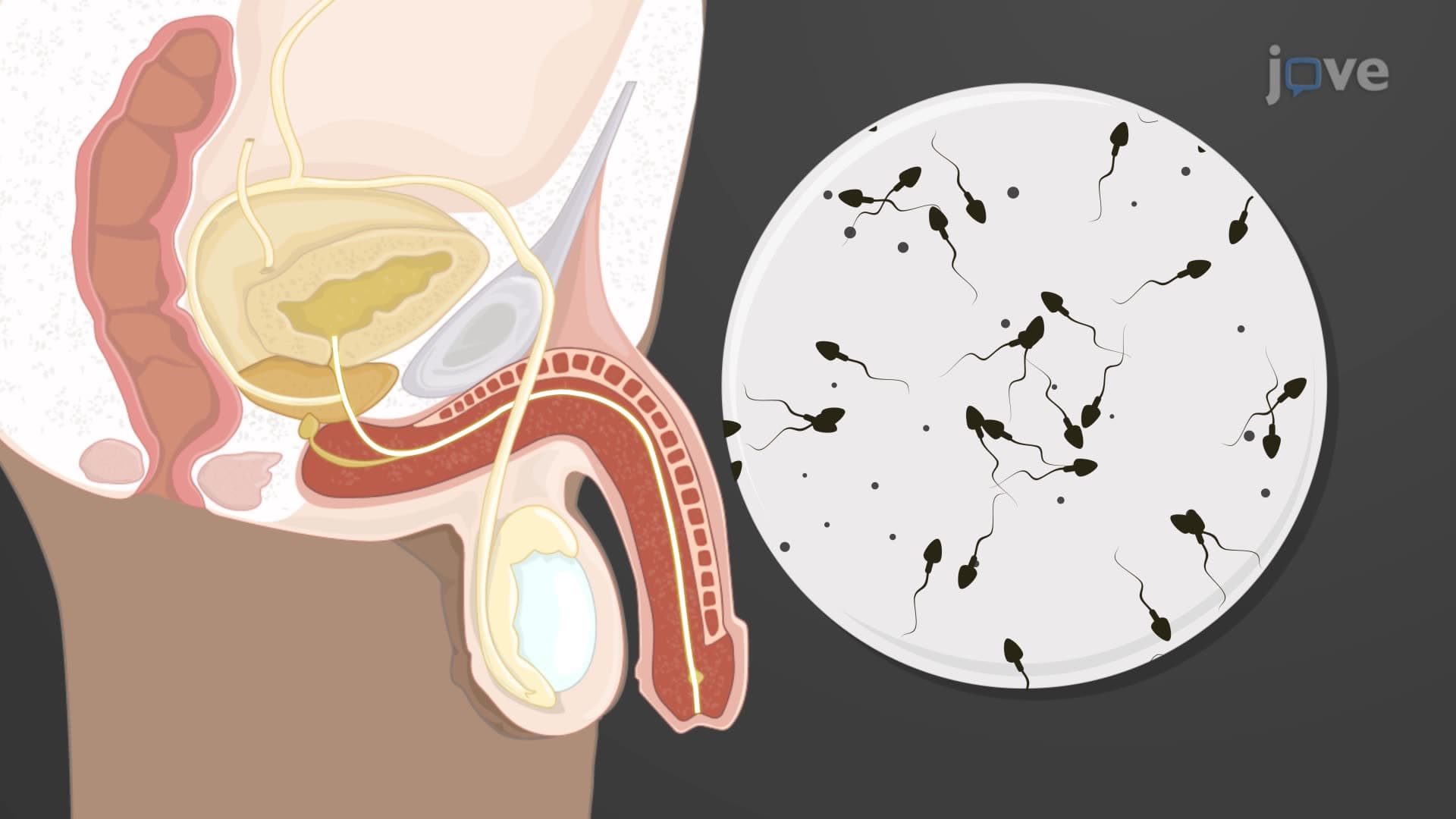
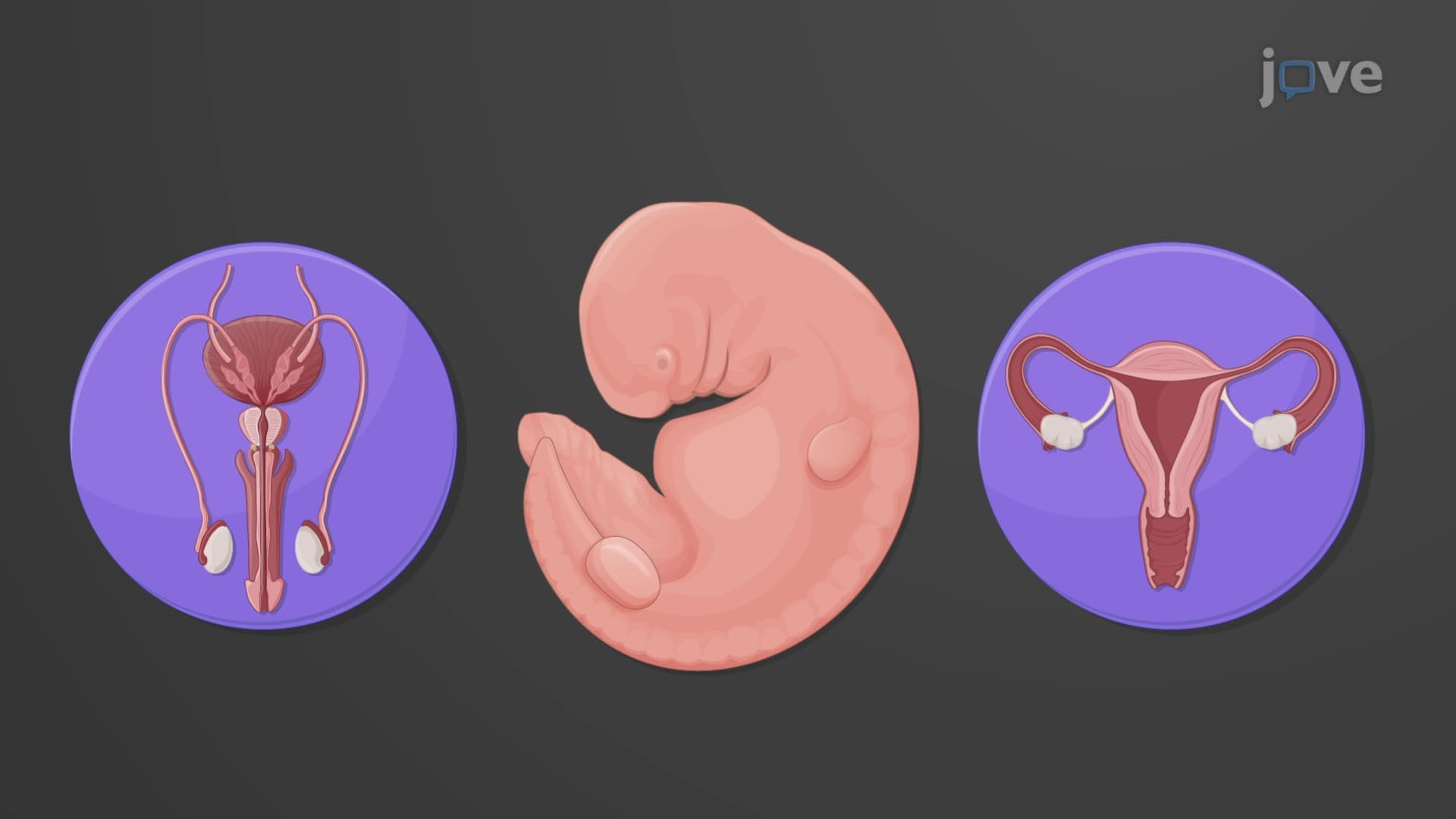
During prenatal development, testosterone orchestrates male reproductive tract formation through its effects on Wolffian ducts, which differentiate into the vas deferens, epididymis, and seminal vesicles. This process is essential knowledge for MCAT preparation, particularly in questions involving developmental biology and reproductive systems.
The system maintains homeostasis through sophisticated negative feedback mechanisms. When testosterone levels rise above physiological ranges, they suppress GnRH release from the hypothalamus and directly inhibit pituitary LH and FSH secretion. Additionally, Sertoli cells produce inhibin, which specifically suppresses FSH to fine-tune spermatogenesis.
Understanding these regulatory mechanisms helps explain clinical conditions like testosterone deficiency and guides treatment approaches in American healthcare settings. Medical students studying for the USMLE must grasp how disruptions in this axis affect male fertility and overall health.
Related Micro-courses