Loading…
Loading video…

974,800 views
Did you know that scientists can now edit DNA with the precision of a word processor, potentially curing genetic diseases? Genetic engineering allows researchers to modify an organism's genetic code by changing, removing, or inserting genes. The FDA has already approved gene therapies for conditions like sickle cell disease, where patients receive modified genes to produce healthy blood cells. This revolutionary biotechnology is transforming medicine, agriculture, and research across the United States. Watch the full video on JoVE Coach to master this concept with expert-led visuals and step-by-step explanations.
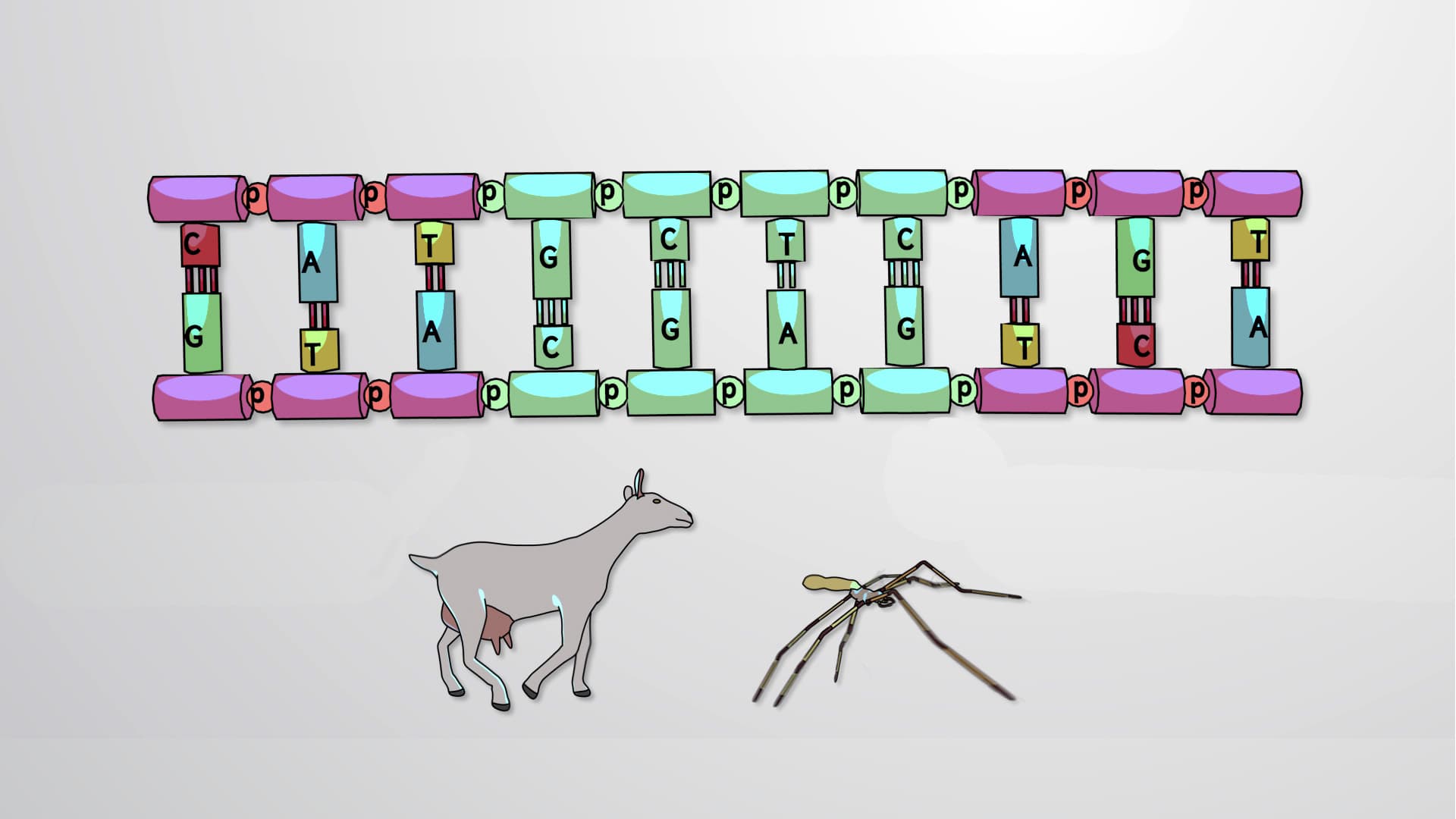
Genetic engineering represents one of the most revolutionary advances in modern biology, enabling scientists to precisely modify the DNA sequences that control life itself. Unlike traditional breeding methods that rely on natural genetic variation, genetic engineering allows researchers to make targeted changes to specific genes, creating organisms with desired traits that might never occur naturally.
The cornerstone of modern genetic engineering is CRISPR/Cas9, a genome editing system that functions like molecular scissors. Developed from bacterial immune systems, CRISPR allows scientists to cut DNA at precise locations and either remove unwanted genes or insert new genetic material. This technique has revolutionized research at institutions like Harvard Medical School and Stanford University, where researchers use it to study genetic diseases and develop new treatments.
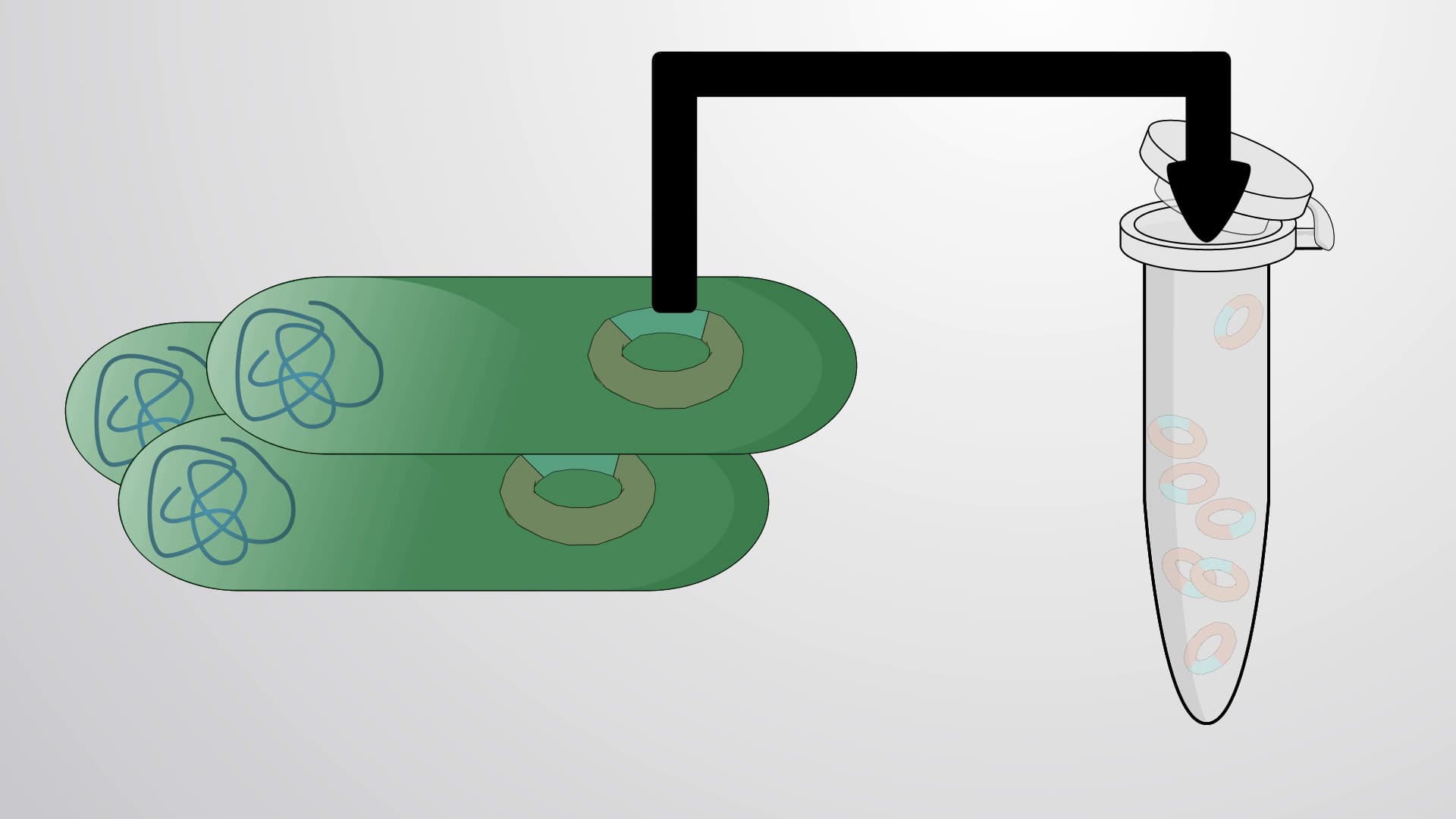
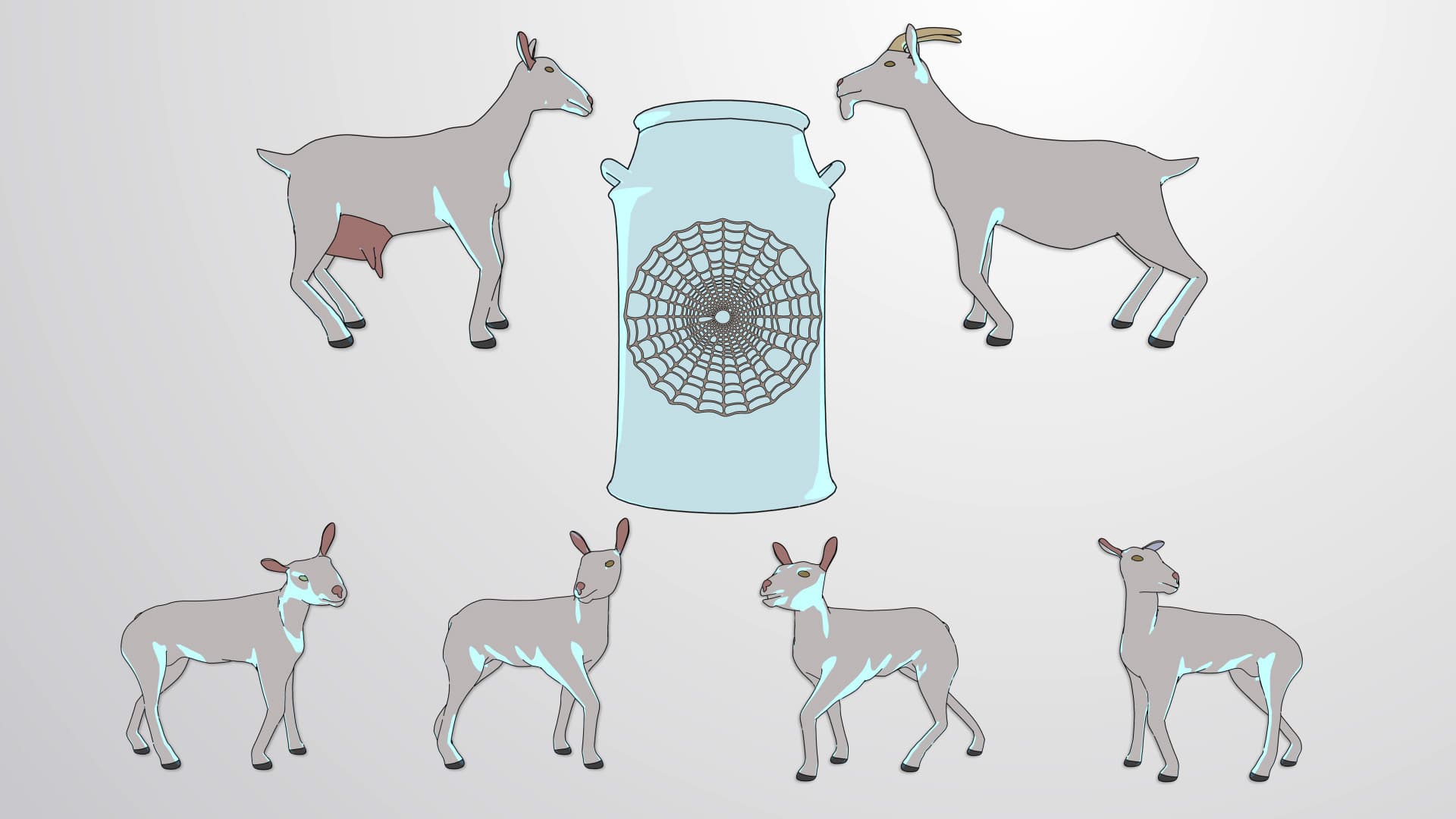
Gene knockout techniques involve completely removing or "silencing" specific genes to study their function. Conversely, gene insertion adds new genetic material, often from different species, creating transgenic organisms. For example, researchers at the University of Pennsylvania have successfully inserted genes into immune cells to create CAR-T cell therapy, which has shown remarkable success in treating certain blood cancers.
Gene therapy represents the most direct medical application of genetic engineering. The FDA has approved treatments like Luxturna for inherited blindness and Zolgensma for spinal muscular atrophy. These therapies work by introducing functional genes into patients who lack them, essentially providing the genetic instructions needed to produce missing or defective proteins.
In agricultural applications, genetic engineering has created crops with enhanced nutritional content, pest resistance, and improved yields. Companies like Monsanto (now part of Bayer) have developed genetically modified corn and soybeans that are widely grown across American farmland.
Understanding genetic engineering is crucial for success in AP Biology, where students encounter questions about biotechnology and genetic modification. The MCAT frequently tests knowledge of gene therapy mechanisms and CRISPR applications. College-level molecular biology courses at institutions like UCLA and MIT extensively cover these techniques, as they form the foundation of modern biotechnology research and pharmaceutical development.
Frequently Asked Questions
Genetic engineering is the deliberate modification of an organism's DNA sequence using laboratory techniques. Scientists use tools like CRISPR/Cas9 to cut DNA at specific locations, then remove, modify, or insert genes to change the organism's characteristics. This process allows for precise control over genetic traits that would be impossible to achieve through natural breeding methods.
The MCAT frequently includes questions about gene therapy mechanisms, CRISPR applications, and biotechnology ethics. AP Biology exams test understanding of transgenic organisms, genetic modification techniques, and their applications in medicine and agriculture. Students should focus on understanding the molecular mechanisms and being able to analyze experimental scenarios involving genetic engineering.
The FDA has approved several gene therapies, including CAR-T cell treatments for blood cancers developed at institutions like the University of Pennsylvania. Luxturna treats inherited blindness, while Zolgensma addresses spinal muscular atrophy. In agriculture, genetically modified corn, soybeans, and cotton are widely grown across American farms, representing billions of dollars in crop value annually.
While a basic understanding of DNA structure and protein synthesis helps, genetic engineering concepts can be grasped with high school-level biology knowledge. Focus on understanding the central dogma (DNA → RNA → protein) and how changing genetic sequences affects the proteins an organism produces. Most introductory courses provide sufficient background for comprehending genetic engineering principles.
Create a concept map connecting DNA structure, gene function, and modification techniques like CRISPR. Practice analyzing scenarios where genes are knocked out or inserted, predicting the resulting changes in protein production. Review real-world examples like gene therapy treatments to understand practical applications. Focus on understanding the process rather than memorizing complex details.
In the United States, the FDA rigorously tests all gene therapies through clinical trials before approval. Institutional Review Boards at universities oversee research to ensure ethical standards. The NIH provides funding guidelines that include safety protocols and ethical considerations. International agreements also govern research involving genetic modification, particularly for applications that could affect human heredity.
Explore advanced topics like epigenetic modifications, synthetic biology, and personalized medicine approaches. Study specific applications such as cancer immunotherapy, agricultural biotechnology, and genetic disease treatments. Understanding regulatory frameworks, bioethics, and the societal implications of genetic engineering will provide valuable context for advanced coursework and potential career paths in biotechnology.
Related Micro-courses
Related Subjects