Loading subject page…

- Biology
- Biotechnology
- Recombinant DNA
Micro-course: Biotechnology
974,817 views
Learn key concepts and earn your certificate.

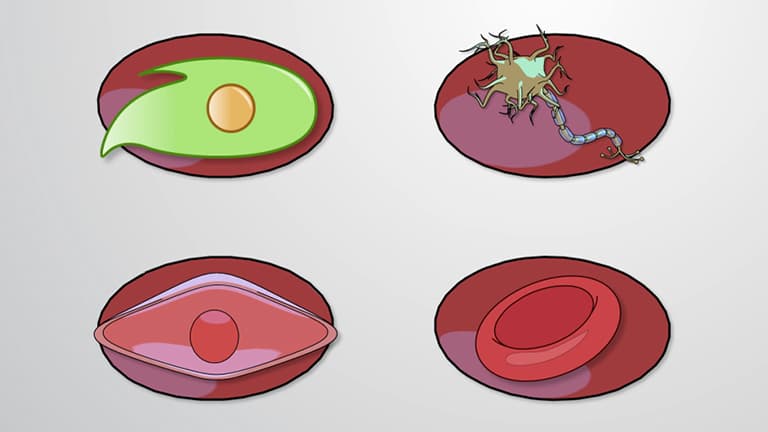
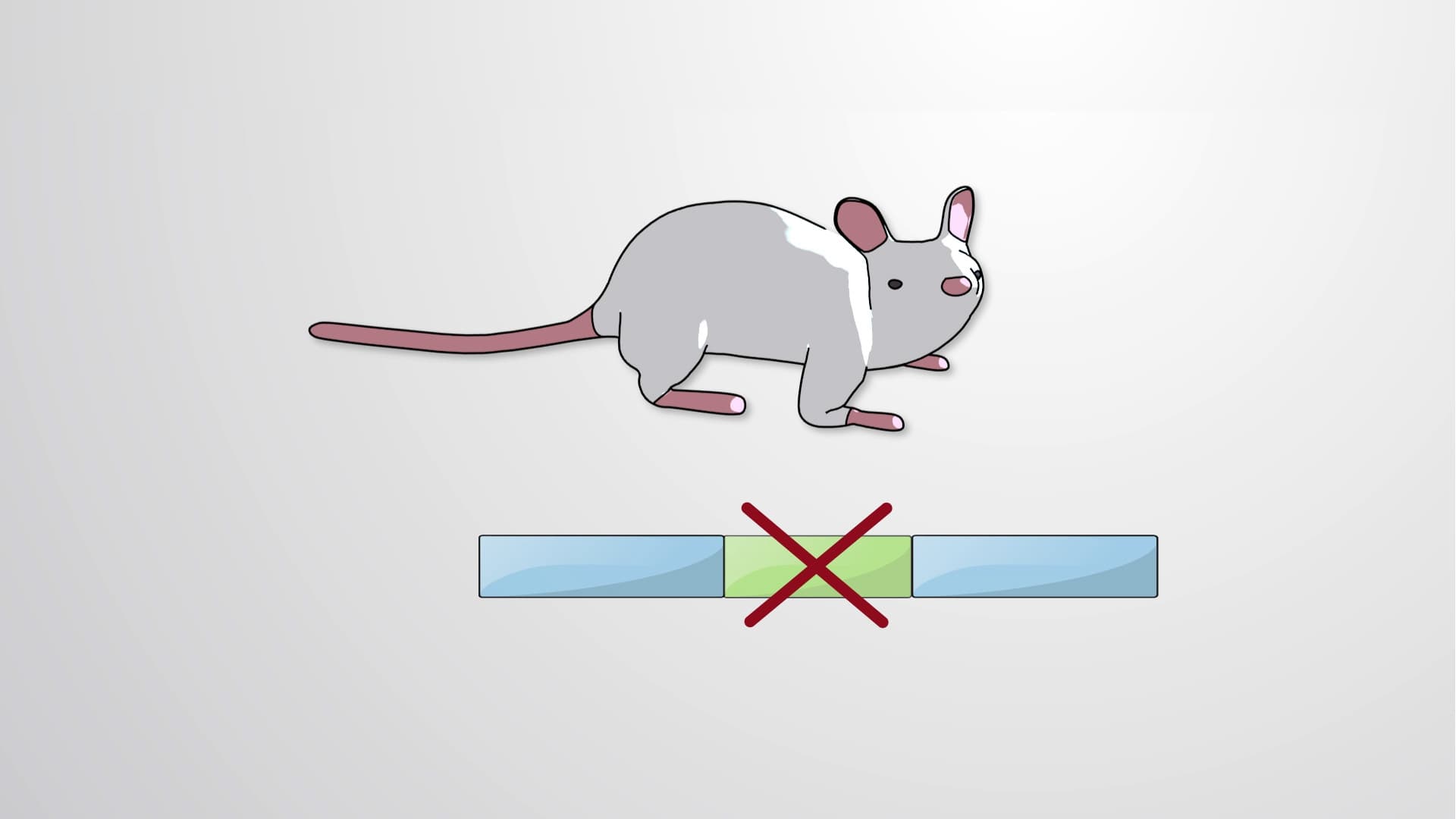
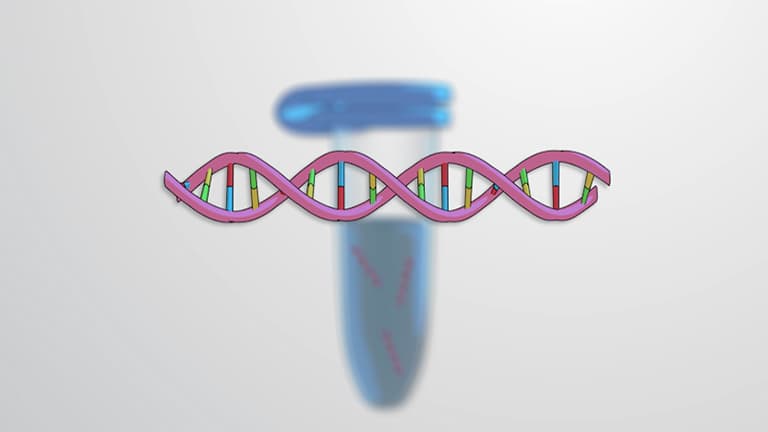
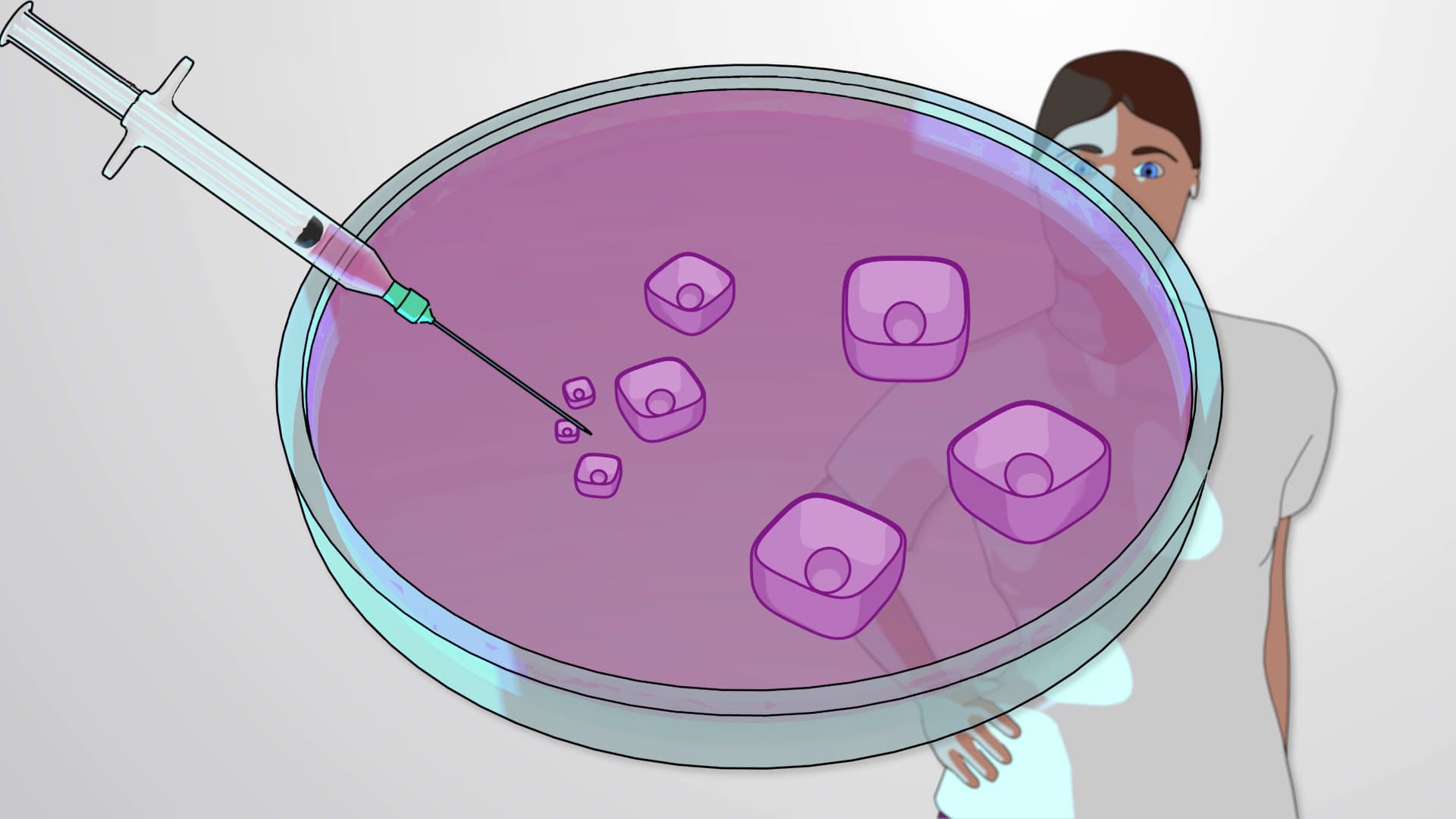
Recombinant DNA

00:00
01:09
Video Summary: What Is Recombinant DNA
Did you know that diabetic patients rely on bacteria to produce their life-saving insulin? Recombinant DNA technology makes this medical miracle possible by combining genetic material from different species in laboratory settings. Scientists at companies like Genentech use what is recombinant DNA techniques to engineer bacteria that produce human insulin, revolutionizing diabetes treatment since the 1980s. Watch the full video on JoVE Coach to master this concept with expert-led visuals and step-by-step explanations.
- Understand what is recombinant DNA and how it combines genetic material from different organisms for scientific and medical applications
- Identify the key components of recombinant DNA technology, including vectors, restriction enzymes, and DNA ligase
- Analyze the step-by-step process of creating recombinant DNA molecules in laboratory conditions
- Compare different types of vectors used in recombinant DNA technology, such as plasmids and viral vectors
- Evaluate the role of host organisms like bacteria and yeast in amplifying recombinant DNA
- Apply knowledge of restriction endonucleases and their specific DNA cutting sequences
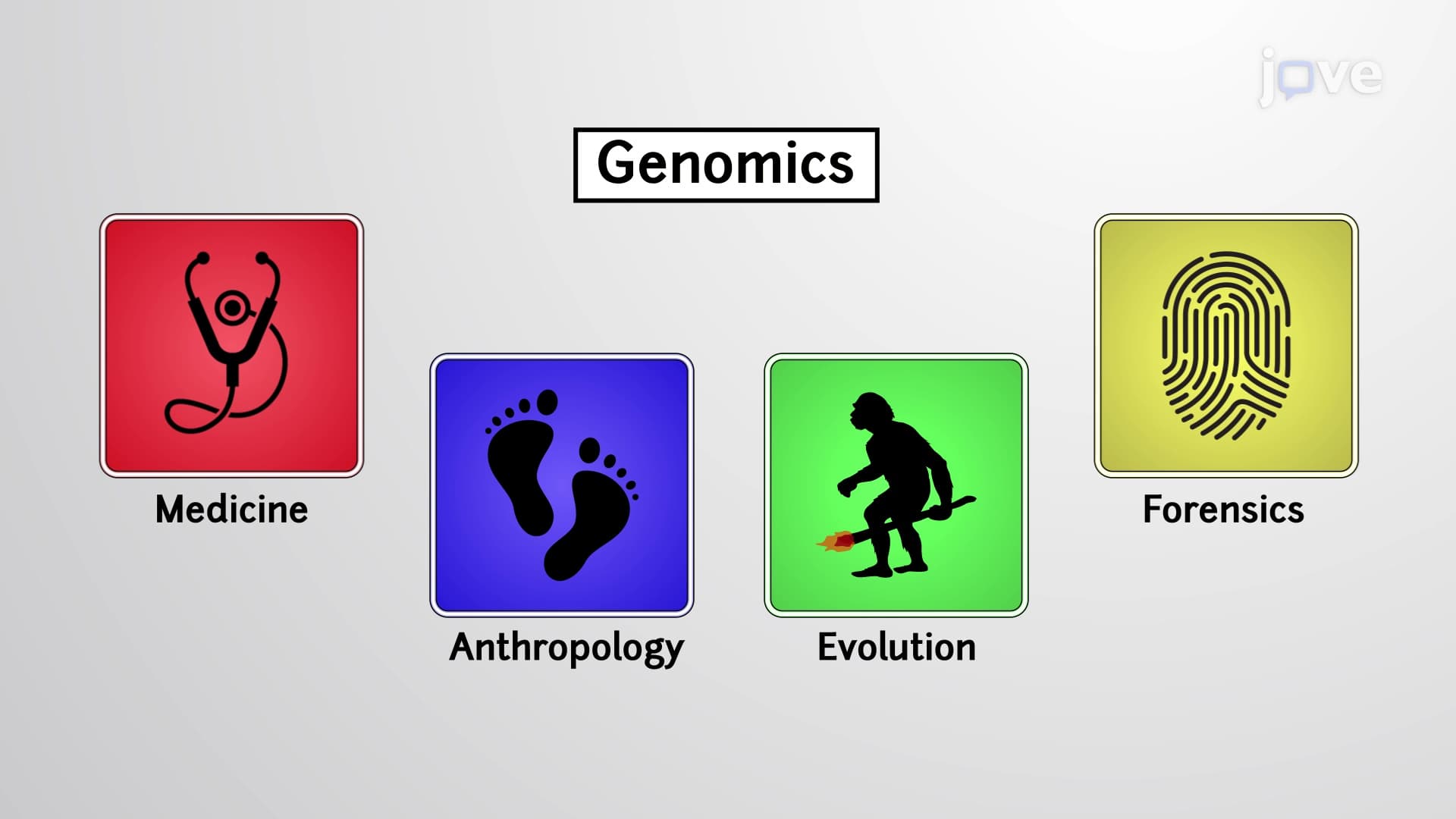
- Recognize real-world applications of recombinant DNA in medicine, agriculture, and biotechnology
- Explore how recombinant DNA technology has transformed modern pharmaceutical production
Understanding Recombinant DNA Fundamentals
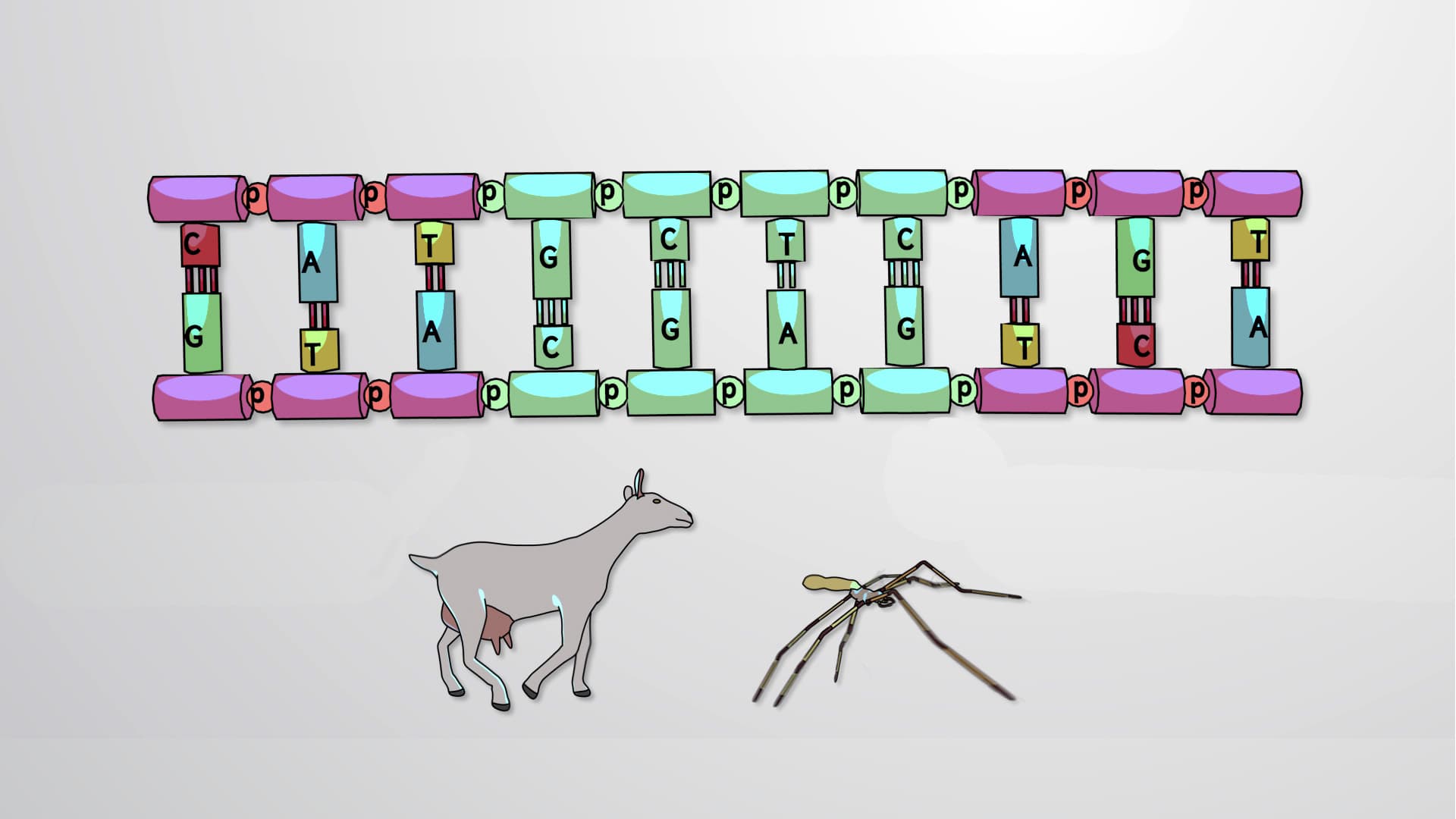
What is recombinant DNA represents one of the most revolutionary breakthroughs in modern biology. This technology involves artificially combining DNA sequences from different sources-typically different species-to create novel genetic combinations that don't occur naturally. The recombinant DNA definition encompasses both the technique and the resulting hybrid DNA molecules that have transformed medicine, agriculture, and research.
The Molecular Tools and Process
Creating recombinant DNA requires precise molecular tools working in harmony. Restriction endonucleases act as molecular scissors, cutting DNA at specific recognition sequences-usually 4-8 base pairs long. For example, the enzyme EcoRI recognizes and cuts the sequence GAATTC, creating "sticky ends" that facilitate joining with other DNA fragments. DNA ligase then serves as molecular glue, forming phosphodiester bonds between the donor DNA (containing the gene of interest) and the vector DNA.
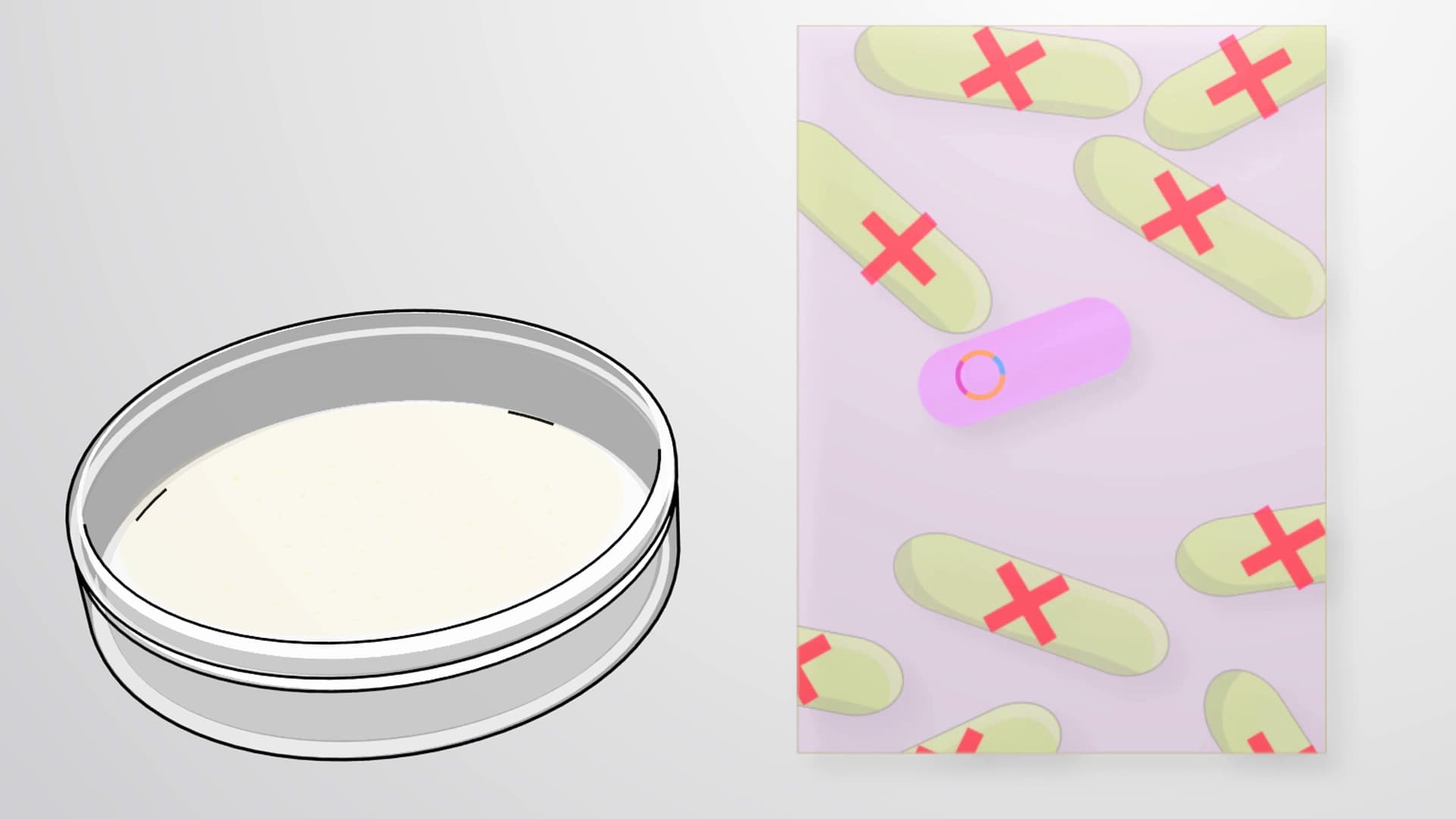
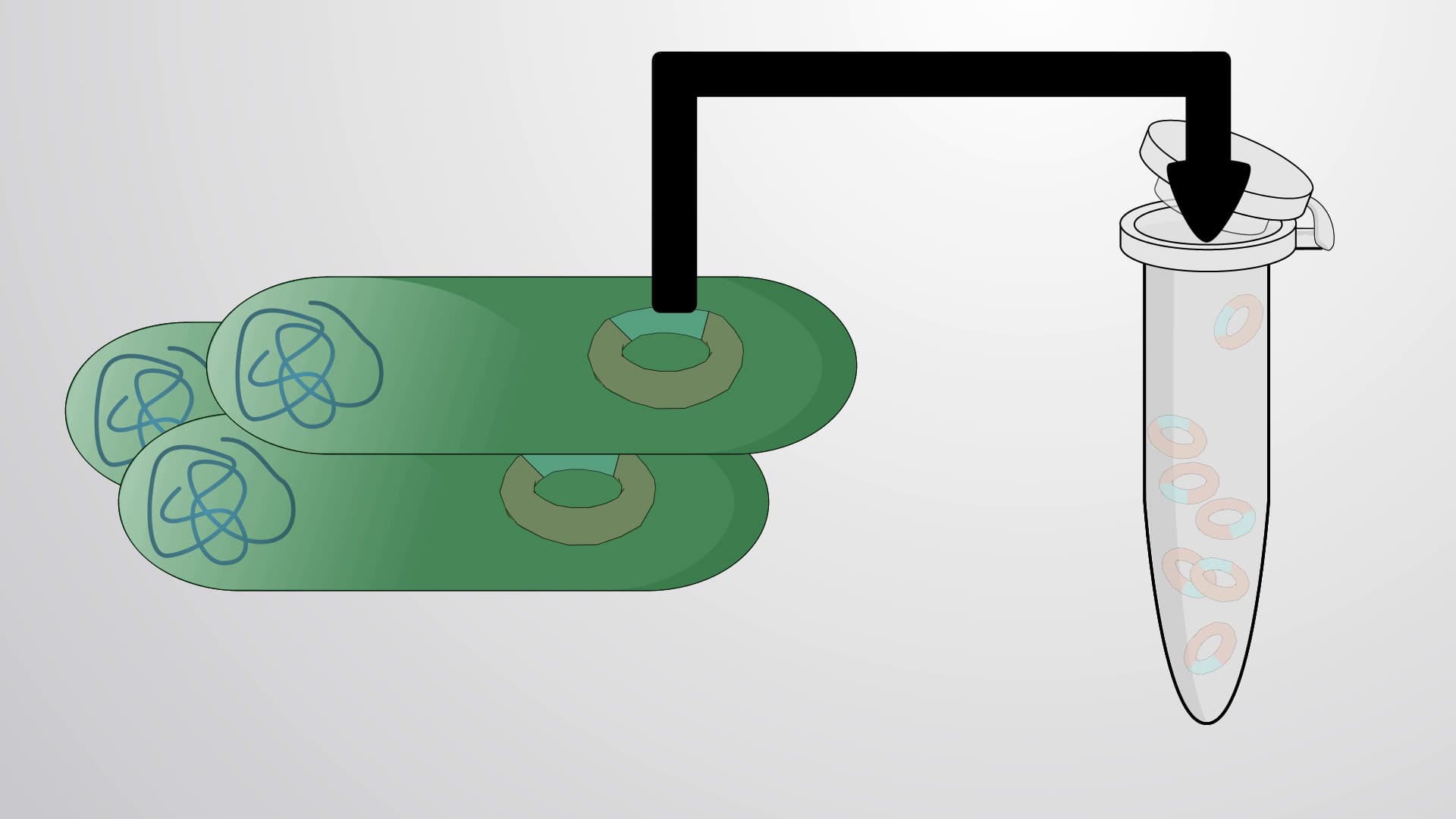
Vectors are self-replicating DNA molecules that carry the foreign gene into host cells. Plasmids-small, circular DNA molecules naturally found in bacteria-represent the most common vectors. These plasmids often contain antibiotic resistance genes, allowing scientists to select successfully transformed host cells. More sophisticated vectors include bacteriophages (viruses that infect bacteria) and artificial chromosomes for larger DNA inserts.
Real-World Applications and Impact
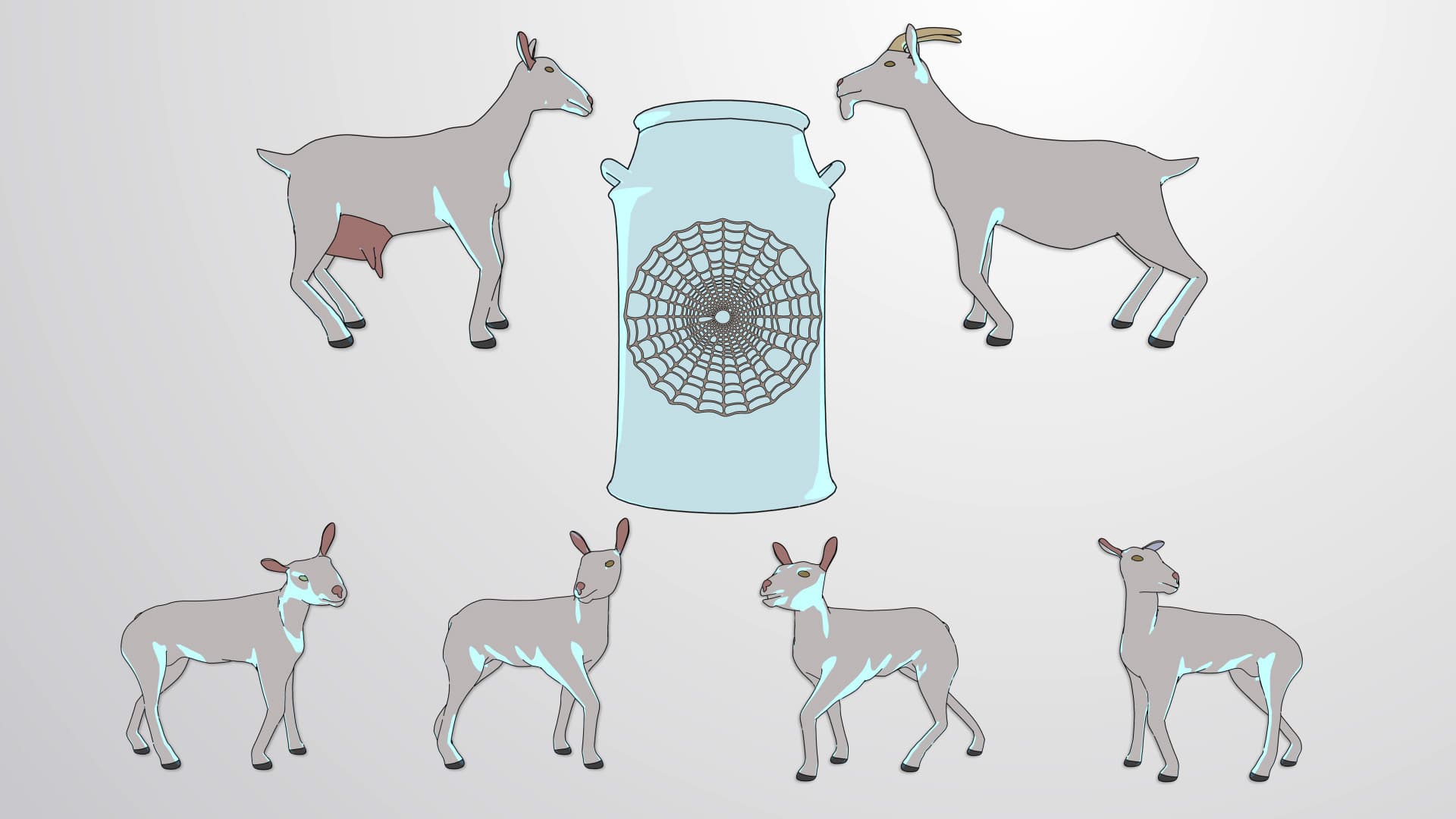
The pharmaceutical industry exemplifies recombinant DNA biology explained through practical applications. Before 1982, diabetic patients relied on insulin extracted from pig and cow pancreases, which sometimes caused allergic reactions. Genentech's development of recombinant human insulin using genetically modified *E. coli* bacteria revolutionized diabetes treatment. Today, companies like Eli Lilly and Novo Nordisk produce virtually all insulin using recombinant DNA technology.
Academic and Exam Relevance
Students encounter recombinant DNA concepts across multiple academic levels. AP Biology students must understand the molecular mechanisms and applications for exam success. Pre-med students preparing for the MCAT encounter detailed questions about restriction enzyme specificity and vector selection. College molecular biology courses delve deeper into cloning strategies, expression systems, and protein purification techniques. Understanding these concepts proves essential for careers in biotechnology, pharmaceutical research, and clinical laboratory science.
Frequently Asked Questions
Recombinant DNA is artificially created DNA that combines genetic material from different organisms, typically different species. Scientists use molecular tools like restriction enzymes and DNA ligase to cut and paste genes from one organism into vectors that can replicate in host cells. This technology enables the mass production of important proteins like human insulin using bacteria or yeast.
AP Biology frequently tests recombinant DNA through multiple-choice questions about restriction enzymes, vector types, and transformation processes. Free-response questions often require students to analyze experimental scenarios involving gene cloning or protein production. Students must understand the roles of restriction endonucleases, DNA ligase, and selection markers in successful cloning experiments.
The MCAT Biological and Biochemical Foundations section extensively covers recombinant DNA under molecular biology and biotechnology topics. Test-takers encounter questions about enzyme specificity, vector characteristics, and expression systems. Understanding recombinant DNA principles also supports questions about protein structure, gene regulation, and pharmaceutical development in medical contexts.
Recombinant DNA technology produces numerous FDA-approved medications used daily in US hospitals and clinics. Beyond insulin, examples include human growth hormone for treating dwarfism, clotting factors for hemophilia patients, and monoclonal antibodies for cancer treatment. Companies like Amgen, Biogen, and Regeneron rely entirely on recombinant DNA technology for their therapeutic protein production.
Basic high school chemistry provides sufficient background for understanding recombinant DNA concepts. Students need familiarity with chemical bonds, enzyme function, and basic molecular structure. The biological concepts-like gene expression and protein synthesis-matter more than complex chemical mechanisms. Most introductory biology courses successfully teach recombinant DNA to students with standard chemistry prerequisites.
Create flowcharts showing the step-by-step cloning process, from DNA isolation through protein production. Practice identifying restriction enzyme cut sites and predicting fragment sizes. Focus on understanding the logic behind each step rather than memorizing procedures. Use real examples like insulin production to connect abstract concepts with practical applications that frequently appear in exam questions.
Consider exploring CRISPR gene editing, which represents next-generation genetic engineering beyond traditional recombinant DNA methods. Study protein purification techniques, expression optimization, and scale-up processes used in biotechnology manufacturing. Advanced topics include synthetic biology, directed evolution, and therapeutic protein engineering-all building upon fundamental recombinant DNA principles.
College courses delve into vector design principles, expression system selection, and troubleshooting cloning problems. Students learn advanced techniques like site-directed mutagenesis, protein tagging systems, and inducible expression controls. Laboratory components often include hands-on cloning experiments using techniques identical to those employed in biotechnology companies and research institutions.
Related Micro-courses