Loading subject page…


974,818 views

Video Summary: What are Adult Stem Cells
Did you know your intestinal lining completely replaces itself every 3-5 days? Adult stem cells make this remarkable regeneration possible, functioning as unspecialized cellular "factories" that continuously produce new cells throughout your body. These multipotent cells, found in tissues like your small intestine, bone marrow, and skin, divide asymmetrically to maintain stem cell populations while generating specialized cells that perform specific functions. For example, intestinal stem cells at the base of crypts produce absorptive cells for nutrient uptake and various secretory cells like goblet cells. Watch the full video on JoVE Coach to master this concept with expert-led visuals and step-by-step explanations.
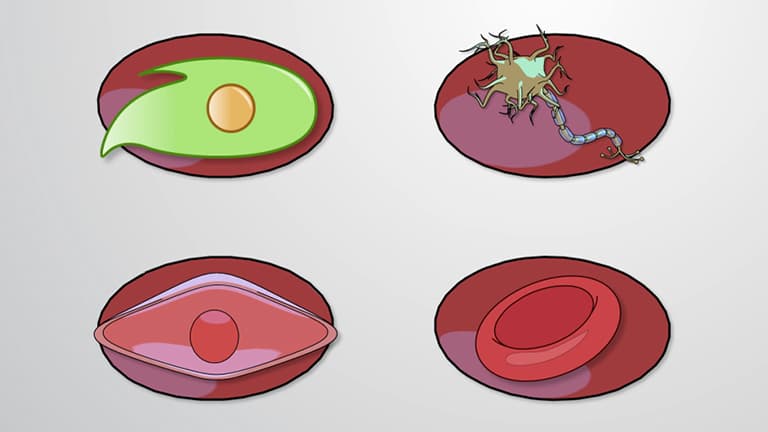
Adult stem cells represent one of biology's most elegant solutions to tissue maintenance and repair. Unlike embryonic stem cells, which are pluripotent and can become any cell type, adult stem cells are typically multipotent-capable of differentiating into multiple but limited cell types specific to their tissue of origin. These remarkable cells serve as the body's internal repair system, continuously replacing damaged or worn-out cells throughout our lives.
The defining characteristics of adult stem cells include their ability to self-renew through cell division and their capacity to differentiate into specialized cell types. This dual functionality ensures that stem cell populations remain stable while meeting the ongoing cellular demands of various tissues. Adult stem cells are found in numerous locations throughout the body, including bone marrow, fat tissue, blood, skin, brain, and the lining of the digestive system.
The small intestine provides an excellent example of adult stem cell function in action. Located at the base of intestinal crypts, these stem cells demonstrate rapid and efficient tissue renewal. Through asymmetric division, each stem cell produces one new stem cell (maintaining the population) and one transit-amplifying cell that will eventually differentiate.
These transit-amplifying cells rapidly divide as they migrate up the villus, differentiating into specialized cell types including absorptive enterocytes (which absorb nutrients), goblet cells (which secrete mucus), Paneth cells (which produce antimicrobial peptides), and enteroendocrine cells (which secrete hormones). The entire journey from stem cell division to programmed cell death at the villus tip takes just 3-5 days, making the intestinal epithelium one of the most rapidly renewing tissues in the human body.
Understanding adult stem cell biology has profound implications for medicine and research. Hematopoietic stem cells from bone marrow have been used in transplants for decades to treat blood cancers like leukemia. Mesenchymal stem cells show promise for treating conditions ranging from heart disease to arthritis. The FDA has approved several adult stem cell therapies, and clinical trials continue to expand their therapeutic applications.
For students preparing for advanced coursework or exams like the MCAT, understanding adult stem cell biology connects to broader topics including cell cycle regulation, tissue homeostasis, and regenerative medicine. AP Biology students should focus on the molecular mechanisms controlling stem cell fate decisions and the signaling pathways involved in differentiation.
Adult stem cell behavior is controlled by complex networks of signaling molecules, transcription factors, and environmental cues from the stem cell niche. Researchers at institutions like the Harvard Stem Cell Institute and Stanford's Institute for Stem Cell Biology and Regenerative Medicine are working to understand these mechanisms better, potentially leading to enhanced therapeutic strategies and treatments for degenerative diseases.
Related Micro-courses