Loading subject page…

- Biology
- Biotechnology
- Reproductive Cloning
Micro-course: Biotechnology
974,817 views
Learn key concepts and earn your certificate.
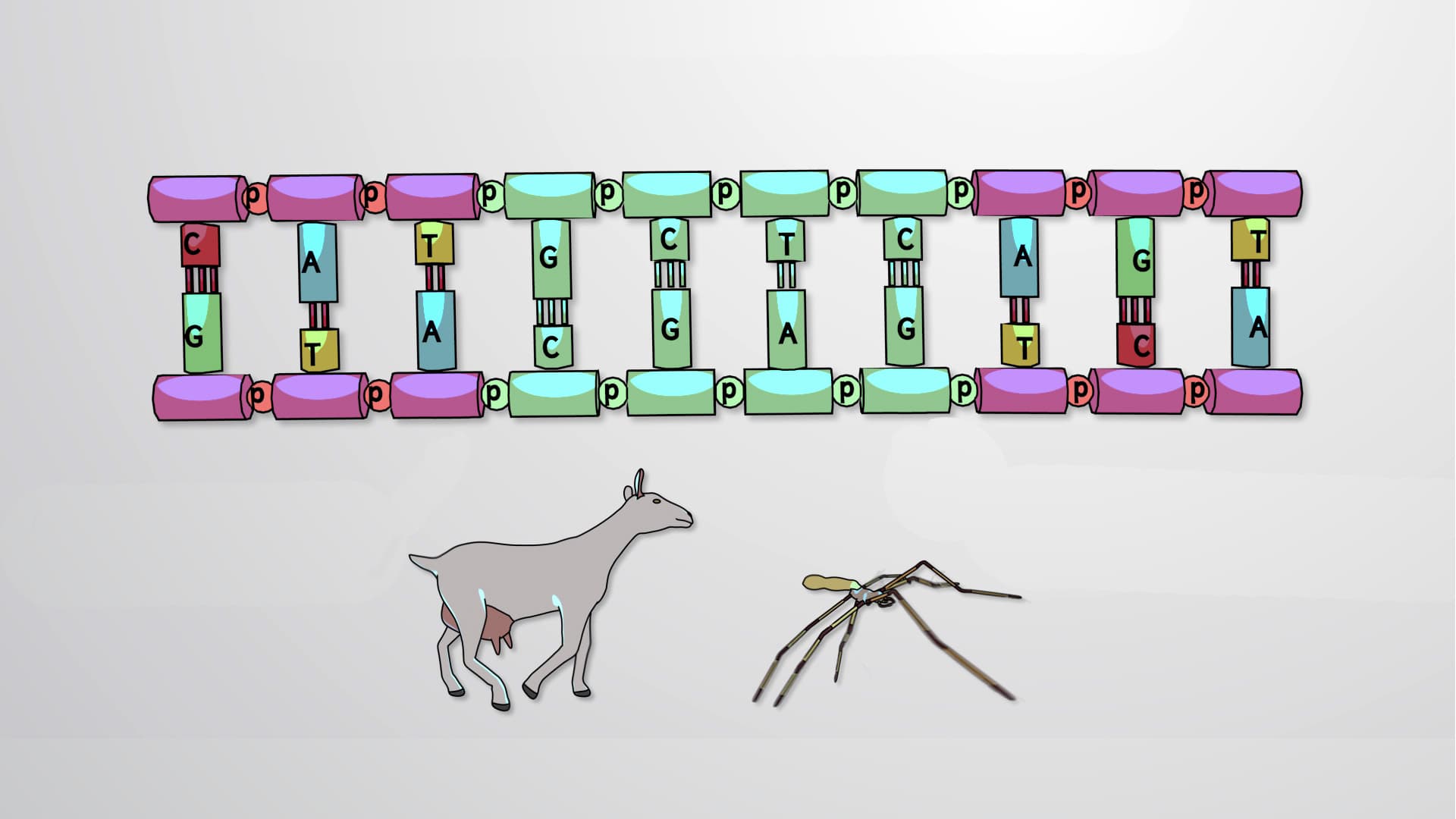

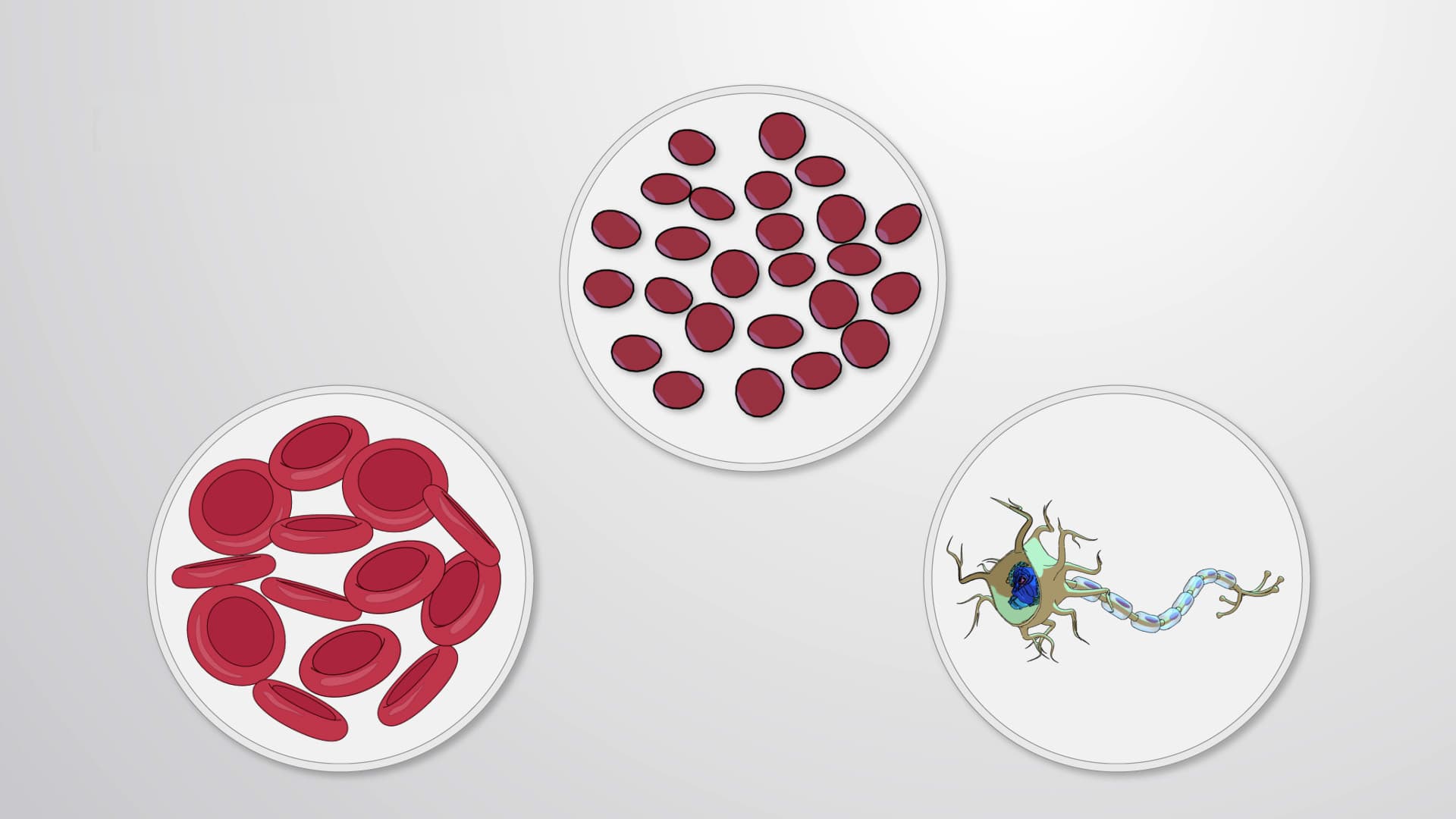
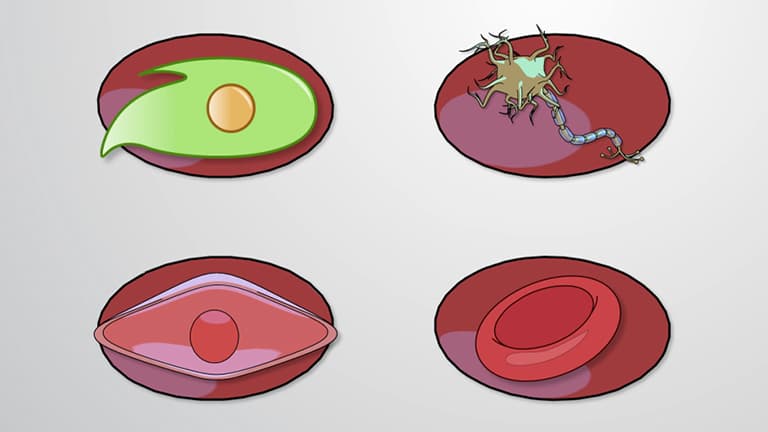
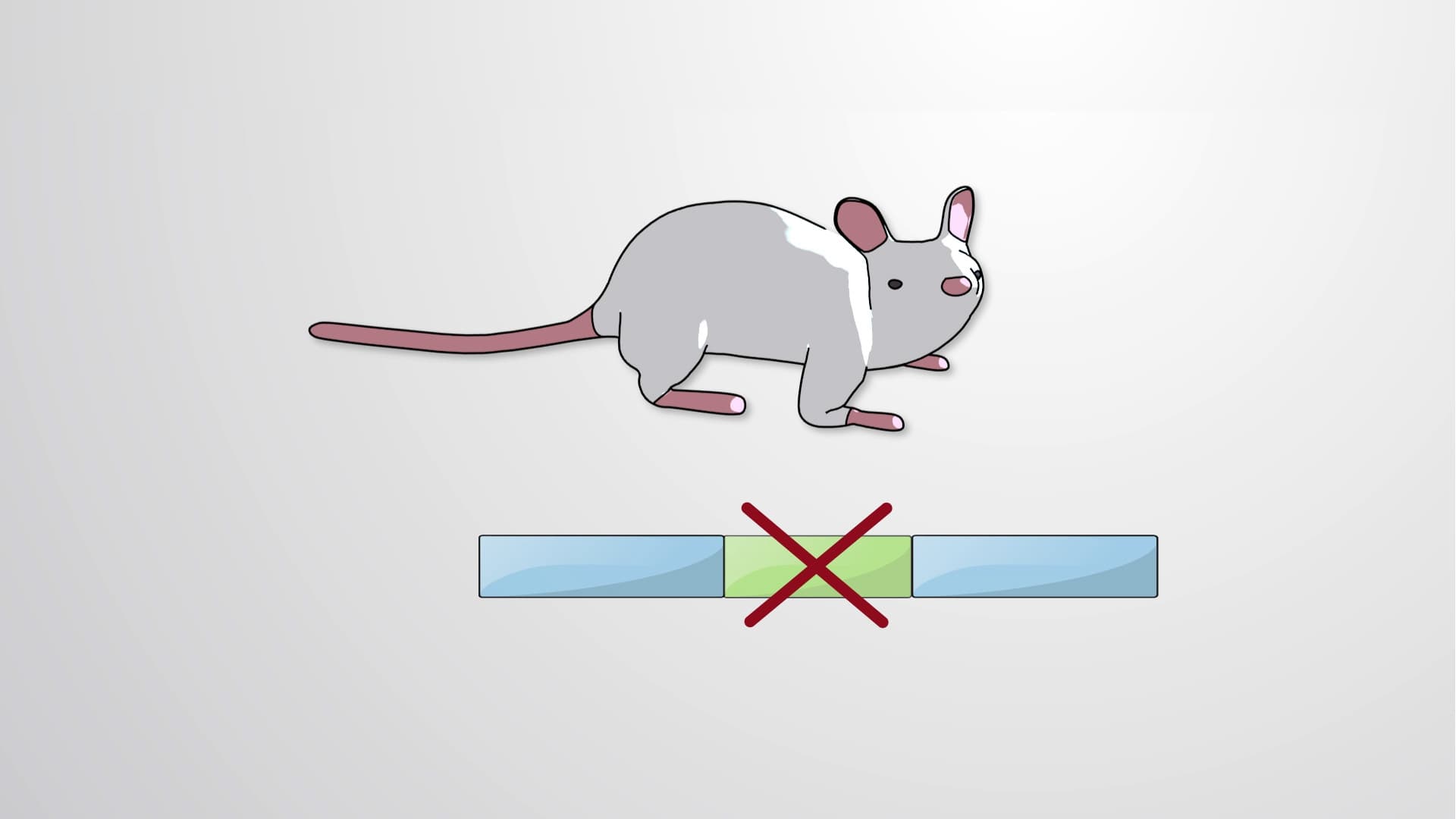
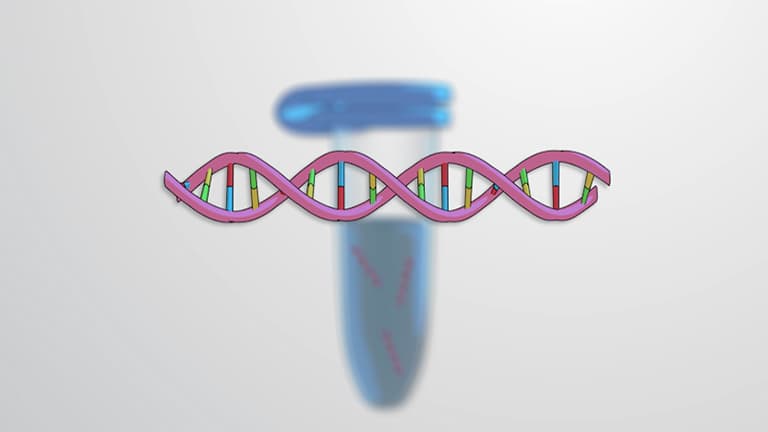
Reproductive Cloning

00:00
01:27
Video Summary: What Is Reproductive Cloning
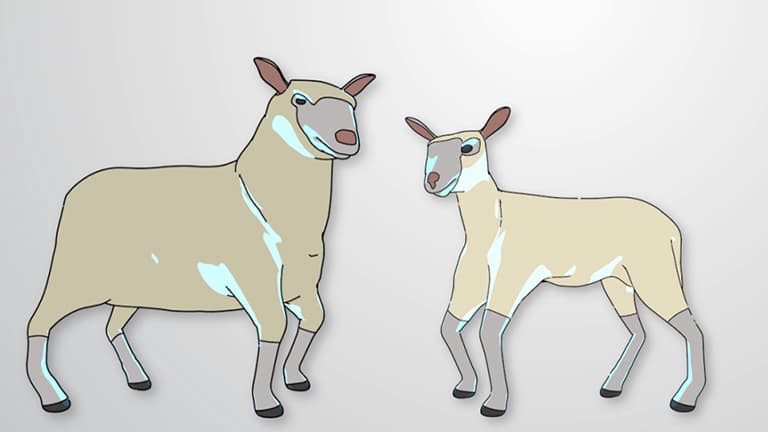
Did you know that a sheep named Dolly revolutionized modern biology by becoming the first successfully cloned adult mammal in 1996? Reproductive cloning creates genetically identical copies of organisms through somatic cell nuclear transfer, where scientists remove an egg's nucleus and replace it with DNA from the animal being cloned. Since Dolly's groundbreaking birth at the Roslin Institute, researchers have successfully cloned various species including cats and dogs here in the United States. Watch the full video on JoVE Coach to master this concept with expert-led visuals and step-by-step explanations.
- Understand what is reproductive cloning and how it produces genetically identical organisms through somatic cell nuclear transfer
- Identify the key steps involved in the cloning process, from nuclear removal to embryo implantation
- Analyze why cloned animals have identical chromosomal DNA but may differ in mitochondrial DNA composition
- Compare reproductive cloning outcomes to natural identical twins and their phenotypic variations
- Evaluate the role of environmental and epigenetic factors in creating differences between clones and originals
- Apply knowledge of cellular biology concepts to explain why egg cytoplasm affects mitochondrial inheritance
- Recognize real-world examples of successful animal cloning, including Dolly the sheep and domesticated pets
- Explore the scientific significance and potential applications of reproductive cloning technology in modern biology
Understanding Reproductive Cloning Fundamentals
Reproductive cloning represents one of the most significant biotechnological advances of the late 20th century, fundamentally changing our understanding of genetic replication and cellular development. This process creates organisms that are genetically identical to their parent through artificial means, bypassing traditional sexual reproduction. The technique gained worldwide attention in 1996 when Scottish scientists successfully created Dolly the sheep, proving that adult mammalian cells could be reprogrammed to create entirely new organisms.
The Somatic Cell Nuclear Transfer Process
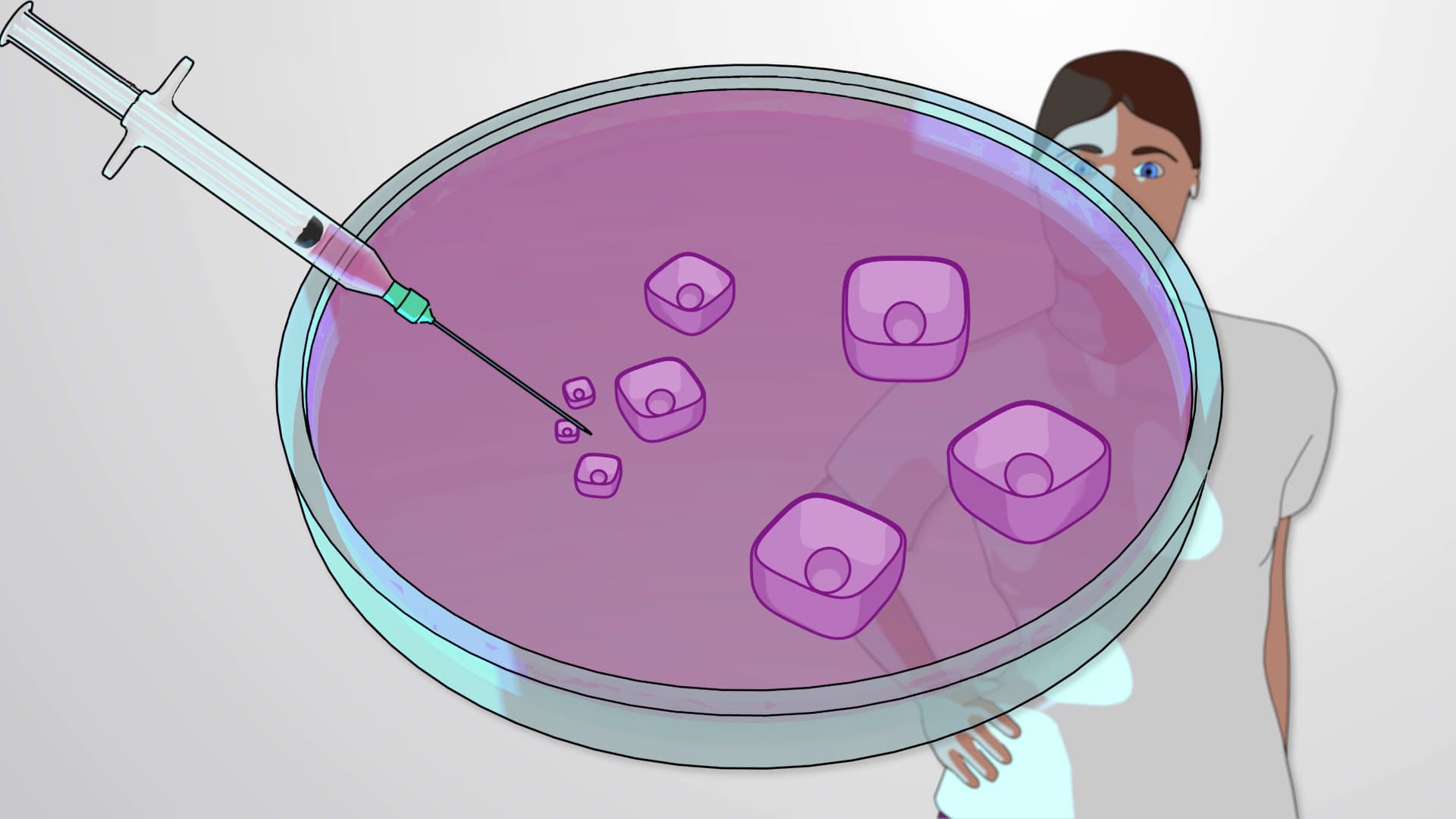
The most widely used method for reproductive cloning involves somatic cell nuclear transfer (SCNT), a sophisticated laboratory technique requiring precise manipulation of cellular components. Scientists begin by extracting the nucleus from an unfertilized egg cell, effectively removing all the egg's original genetic material. Next, they harvest a somatic cell-typically a skin, muscle, or other body cell-from the organism they wish to clone. The nucleus from this donor cell, containing the complete chromosomal DNA, is carefully inserted into the enucleated egg through microinjection techniques.
The reconstructed egg then receives chemical or electrical stimulation to trigger cell division, mimicking the natural fertilization process. This artificial activation causes the egg to begin developing into an embryo, which scientists implant into a surrogate mother's uterus. If successful, the pregnancy proceeds normally, resulting in offspring genetically identical to the nuclear donor.
Genetic Inheritance Patterns in Cloned Organisms
While clones possess identical chromosomal DNA to their originals, important genetic differences exist that students often encounter on AP Biology exams and college genetics courses. Mitochondrial DNA, inherited maternally in natural reproduction, comes from the egg cell's cytoplasm rather than the nuclear donor. This means cloned animals typically have mitochondrial DNA from the egg donor, creating subtle but measurable genetic variations.
Additionally, epigenetic factors-chemical modifications that affect gene expression without changing DNA sequences-can create phenotypic differences between clones and originals. Environmental influences during development further contribute to variations, explaining why cloned pets may have different coat patterns or behavioral traits despite identical nuclear DNA. This concept parallels how identical twins, despite sharing the same genetic code, develop unique characteristics based on environmental factors and random developmental processes.
Applications and Implications in Modern Science
Reproductive cloning has found applications in agricultural research, endangered species conservation efforts, and pharmaceutical development within the United States. Companies like ViaGen Pets in Texas offer commercial pet cloning services, while research institutions use cloning techniques to study genetic diseases and develop medical treatments. Understanding these applications helps students connect theoretical knowledge to real-world scenarios commonly featured in MCAT passages and college biology coursework.
Frequently Asked Questions
Reproductive cloning creates genetically identical copies of organisms using laboratory techniques. Scientists remove the nucleus from an egg cell and replace it with DNA from the animal being cloned, then stimulate the egg to develop into a complete organism with identical chromosomal DNA to the original.
These exams frequently test somatic cell nuclear transfer mechanisms, mitochondrial DNA inheritance patterns, and epigenetic factors affecting clone development. Students should understand why clones aren't completely identical and how environmental factors influence phenotypic expression, often appearing in genetics and molecular biology passages.
Introductory biology, genetics, molecular biology, and developmental biology courses extensively cover cloning mechanisms. Advanced courses like biotechnology and bioethics explore applications and implications, making this knowledge essential for pre-med students and biology majors preparing for graduate programs.
ViaGen Pets in Cedar Park, Texas, commercially clones cats and dogs for pet owners, charging approximately $50,000 for dogs and $25,000 for cats. Texas A&M University's veterinary school has also cloned numerous animals for research purposes, demonstrating practical applications of this technology.
Not at all! If you understand basic cell structure and DNA concepts from freshman biology, you have the foundation needed. The process follows logical steps that build on cellular biology knowledge most students already possess from earlier coursework.
Create step-by-step diagrams showing the SCNT process, practice explaining why mitochondrial DNA differs in clones, and memorize key examples like Dolly the sheep. Focus on understanding mechanisms rather than memorizing facts, as exam questions typically require applying concepts to new scenarios.
While chromosomal DNA remains identical, clones have different mitochondrial DNA from the egg donor and experience unique environmental influences during development. Epigenetic modifications and random developmental events create variations, similar to how identical twins develop distinct characteristics despite sharing the same genetic code.
Explore therapeutic cloning, stem cell research, and CRISPR gene editing technologies. Understanding these related biotechnology applications provides comprehensive knowledge for advanced biology courses and prepares students for contemporary bioethics discussions in college-level coursework.
Related Micro-courses