Loading subject page…

- Biology
- Biotechnology
- Antibiotic Selection
Micro-course: Biotechnology
974,816 views
Learn key concepts and earn your certificate.




Antibiotic Selection


00:00
00:57
Video Summary: What Is Antibiotic Selection
Every year, millions of laboratory experiments across the United States rely on a clever molecular trick: using antibiotic selection to identify which bacterial cells successfully incorporated foreign DNA. Antibiotic selection is a fundamental laboratory technique that allows researchers to distinguish between bacteria that have uptaken a desired plasmid versus those that haven't, using antibiotic resistance as a screening tool. At institutions like Harvard Medical School and UC Berkeley, this method enables scientists to isolate genetically modified bacteria for everything from insulin production to cancer research. Watch the full video on JoVE Coach to master this concept with expert-led visuals and step-by-step explanations.
- Understand what is antibiotic selection and how it functions as a molecular screening technique in bacterial transformation experiments
- Identify the essential components required for successful antibiotic selection, including plasmids, resistance genes, and selective growth media
- Analyze the relationship between bacterial transformation efficiency and antibiotic selection success rates in laboratory settings
- Compare different antibiotic selection strategies used in research laboratories versus clinical microbiology applications
- Evaluate the role of heat shock treatment in promoting plasmid uptake during bacterial transformation procedures
- Apply antibiotic selection principles to design experiments for isolating genetically modified bacterial colonies
- Recognize common antibiotics used in selection protocols, such as ampicillin, kanamycin, and chloramphenicol
- Explore troubleshooting strategies when antibiotic selection experiments yield unexpected results or contamination
Understanding Antibiotic Selection Fundamentals
Antibiotic selection represents one of molecular biology's most elegant quality control mechanisms. This technique exploits the principle that only bacteria carrying specific resistance genes can survive exposure to particular antibiotics. In practical terms, researchers use antibiotic selection to ensure their bacterial cultures contain the desired genetic modifications, making it an indispensable tool in biotechnology, pharmaceutical development, and academic research.
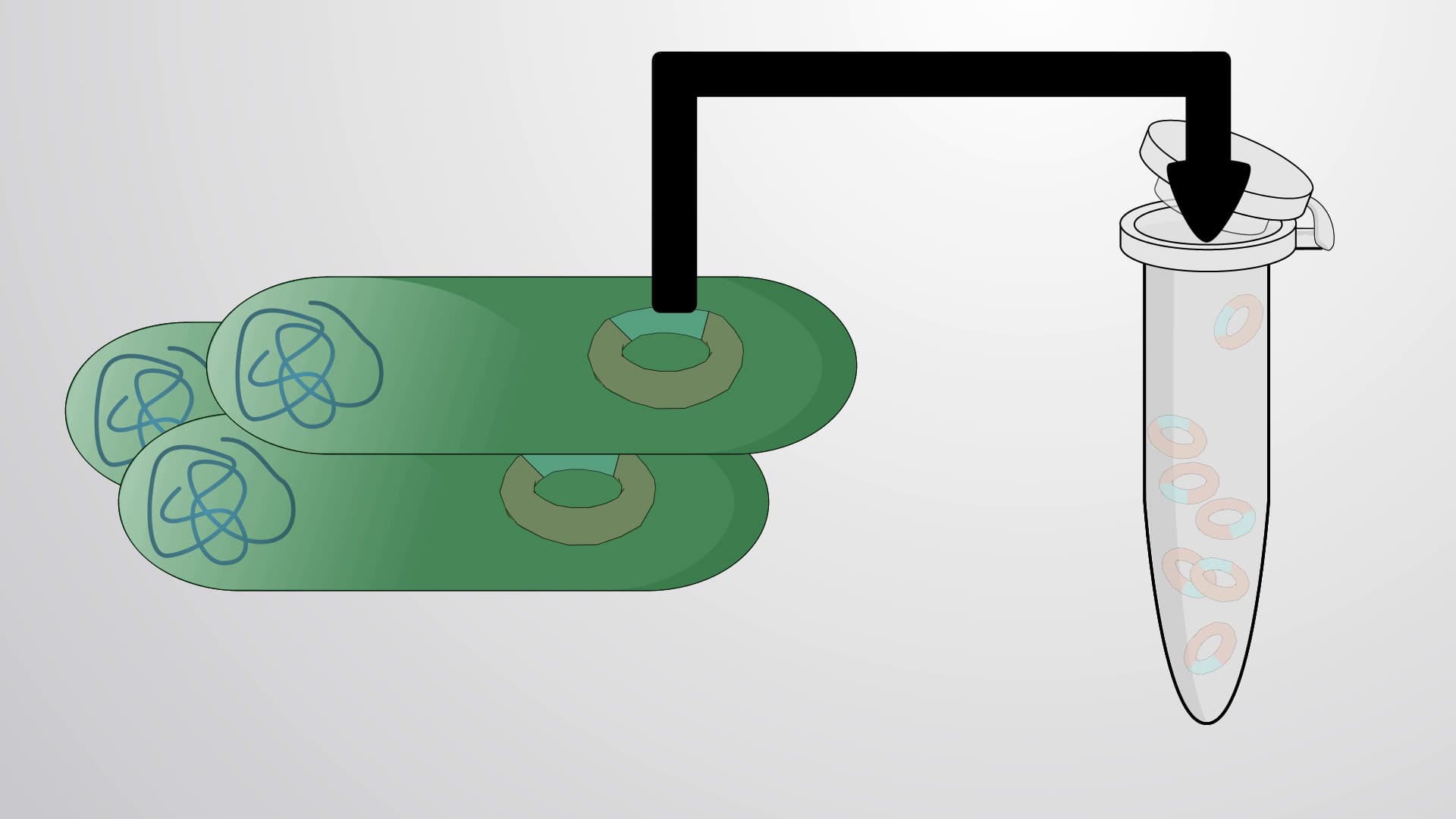
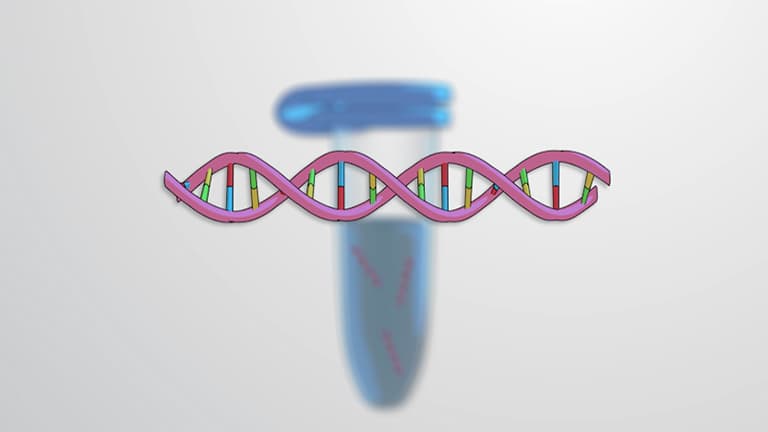
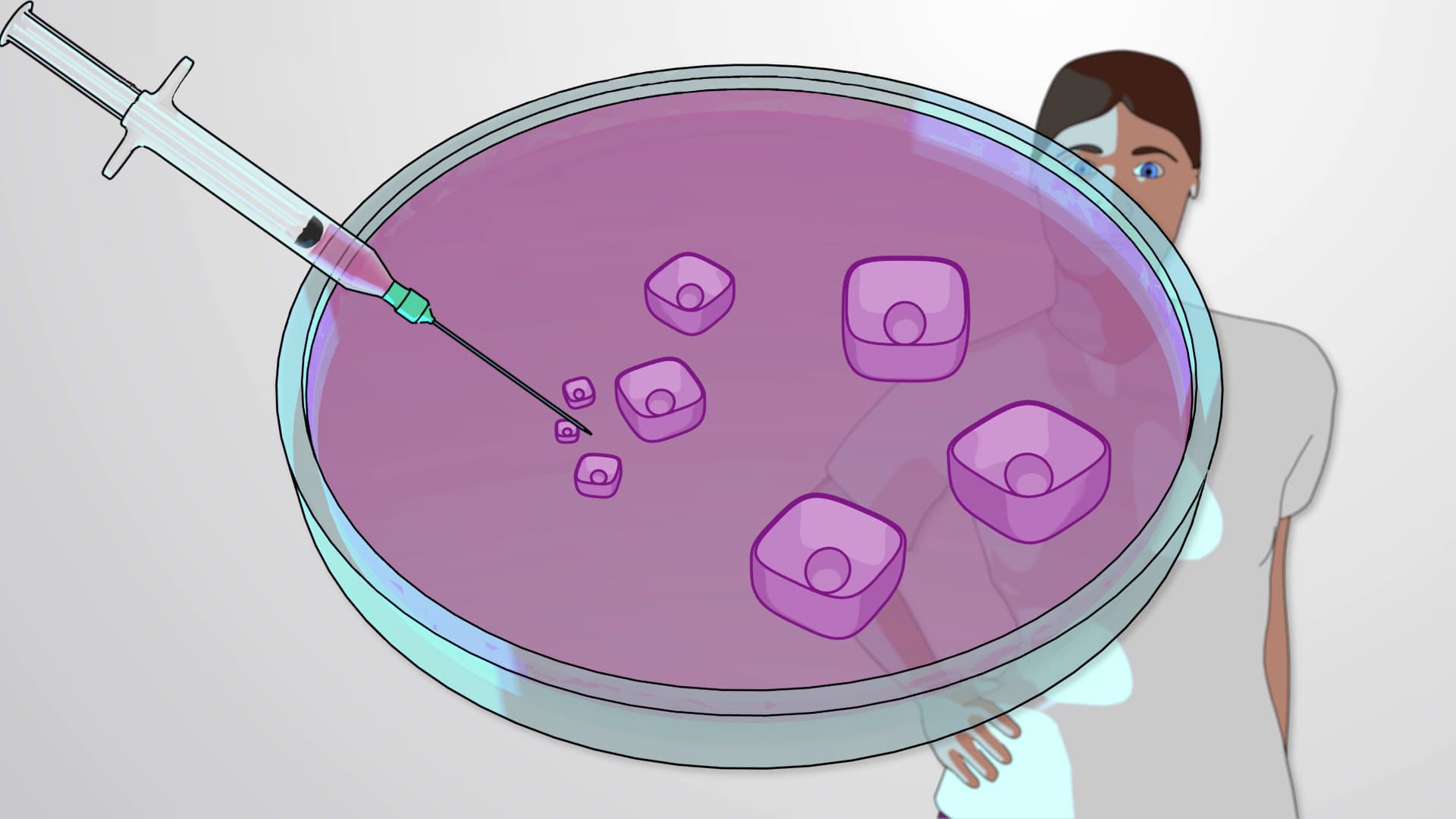
The process begins when scientists introduce foreign DNA (typically in the form of plasmids) into bacterial cells through transformation. However, this uptake process is inherently inefficient-often less than 1% of bacteria successfully incorporate the foreign genetic material. Antibiotic selection solves this problem by providing a reliable method to identify and isolate the small percentage of successfully transformed cells.
The Molecular Mechanism Behind Selection
The key to antibiotic selection lies in plasmid design. Modern research plasmids contain at least two critical elements: the gene of interest (what researchers actually want to study or produce) and an antibiotic resistance gene that serves as a selectable marker. Common resistance genes include those conferring resistance to ampicillin (beta-lactamase gene), kanamycin (aminoglycoside resistance), or chloramphenicol (chloramphenicol acetyltransferase).
When bacteria attempt to grow on antibiotic-containing media, only those harboring the resistance gene can neutralize the antibiotic's toxic effects. This creates a powerful selective pressure that eliminates untransformed bacteria while allowing transformed cells to thrive and form visible colonies.
Laboratory Applications and Protocols
In research settings across institutions like MIT, Stanford, and Johns Hopkins, antibiotic selection follows standardized protocols. After transformation and heat shock treatment, bacterial samples are plated onto agar media containing specific antibiotic concentrations. The antibiotic concentration must be carefully optimized-too low, and some untransformed bacteria may survive; too high, and even transformed bacteria may struggle to grow.
Students preparing for the MCAT or Advanced Placement Biology exams should understand that colony formation typically requires 12-48 hours of incubation at 37°C. Each visible colony theoretically represents a single transformed bacterium that has multiplied into millions of genetically identical cells, all carrying the desired plasmid.
Clinical and Industrial Relevance
Beyond academic laboratories, antibiotic selection principles underpin major pharmaceutical manufacturing processes. Companies like Genentech and Amgen use similar selection strategies to produce therapeutic proteins, including insulin, growth hormones, and monoclonal antibodies. Understanding these concepts provides students with insights into biotechnology career paths and helps contextualize molecular biology within broader healthcare applications.
Frequently Asked Questions
Antibiotic selection is a laboratory technique that uses antibiotic resistance genes as molecular markers to identify bacteria that have successfully taken up foreign DNA. This method is crucial because bacterial transformation is typically inefficient, with most cells failing to incorporate plasmids. By growing bacteria on antibiotic-containing media, researchers can easily distinguish between transformed and untransformed cells, ensuring their cultures contain only the genetically modified bacteria they need for experiments.
The MCAT frequently tests antibiotic selection within molecular biology passages, particularly focusing on experimental design and data interpretation. AP Biology exams may include questions about bacterial transformation protocols and the logic behind using resistance markers. Students should understand the relationship between plasmid components, transformation efficiency, and selective growth conditions. Practice questions often involve analyzing colony growth patterns or troubleshooting failed selection experiments.
Ampicillin, kanamycin, and chloramphenicol are the most frequently encountered antibiotics in undergraduate laboratory courses. Ampicillin resistance (conferred by beta-lactamase) is particularly popular because it's cost-effective and well-characterized. Many college programs use ampicillin-resistant plasmids like pGLO or pUC19 for student transformation experiments. Understanding these specific examples helps students connect theoretical knowledge with hands-on laboratory experiences.
Genentech's production of human insulin provides an excellent example of industrial antibiotic selection. The company engineers bacterial cultures to produce insulin using plasmids containing both the insulin gene and antibiotic resistance markers. Throughout the manufacturing process, periodic antibiotic selection ensures that bacterial cultures maintain the insulin-producing plasmids, preventing costly production failures due to plasmid loss. This same principle applies to vaccine production, enzyme manufacturing, and therapeutic protein synthesis across the US biotechnology industry.
Not at all-antibiotic selection concepts are very accessible with proper explanation. The underlying logic mirrors everyday selection processes: only those with the right "key" (resistance gene) can survive in a challenging environment (antibiotic-containing media). High school students regularly master these concepts in AP Biology courses and often perform hands-on bacterial transformation labs. The key is starting with the big picture before diving into molecular details.
Focus on understanding the logical flow: plasmid design → transformation → selection → colony isolation. Create concept maps linking plasmid components, transformation procedures, and selection outcomes. Practice drawing simple diagrams showing transformed versus untransformed bacteria on selective media. Work through sample problems involving colony counting and transformation efficiency calculations, as these frequently appear on exams.
Blue-white screening represents a natural next step, as it adds another layer of selection sophistication beyond simple antibiotic resistance. Students should also explore gene expression systems, protein purification techniques, and molecular cloning strategies. Understanding antibiotic selection provides an excellent foundation for advanced topics like CRISPR gene editing, viral vectors, and synthetic biology applications.
Transformation efficiency equals the number of antibiotic-resistant colonies divided by the total amount of DNA used, typically expressed as colonies per microgram of plasmid DNA. For example, if you obtain 500 colonies from 0.1 μg of plasmid DNA, your efficiency is 5,000 colonies/μg. This calculation helps researchers optimize protocols and compare different transformation methods. Understanding these calculations is essential for laboratory courses and standardized exams.
Related Micro-courses