Loading subject page…

- Biology
- Biotechnology
- Gene Therapy
Micro-course: Biotechnology
974,817 views
Learn key concepts and earn your certificate.







Gene Therapy

00:00
00:59
Video Summary: What Is Gene Therapy
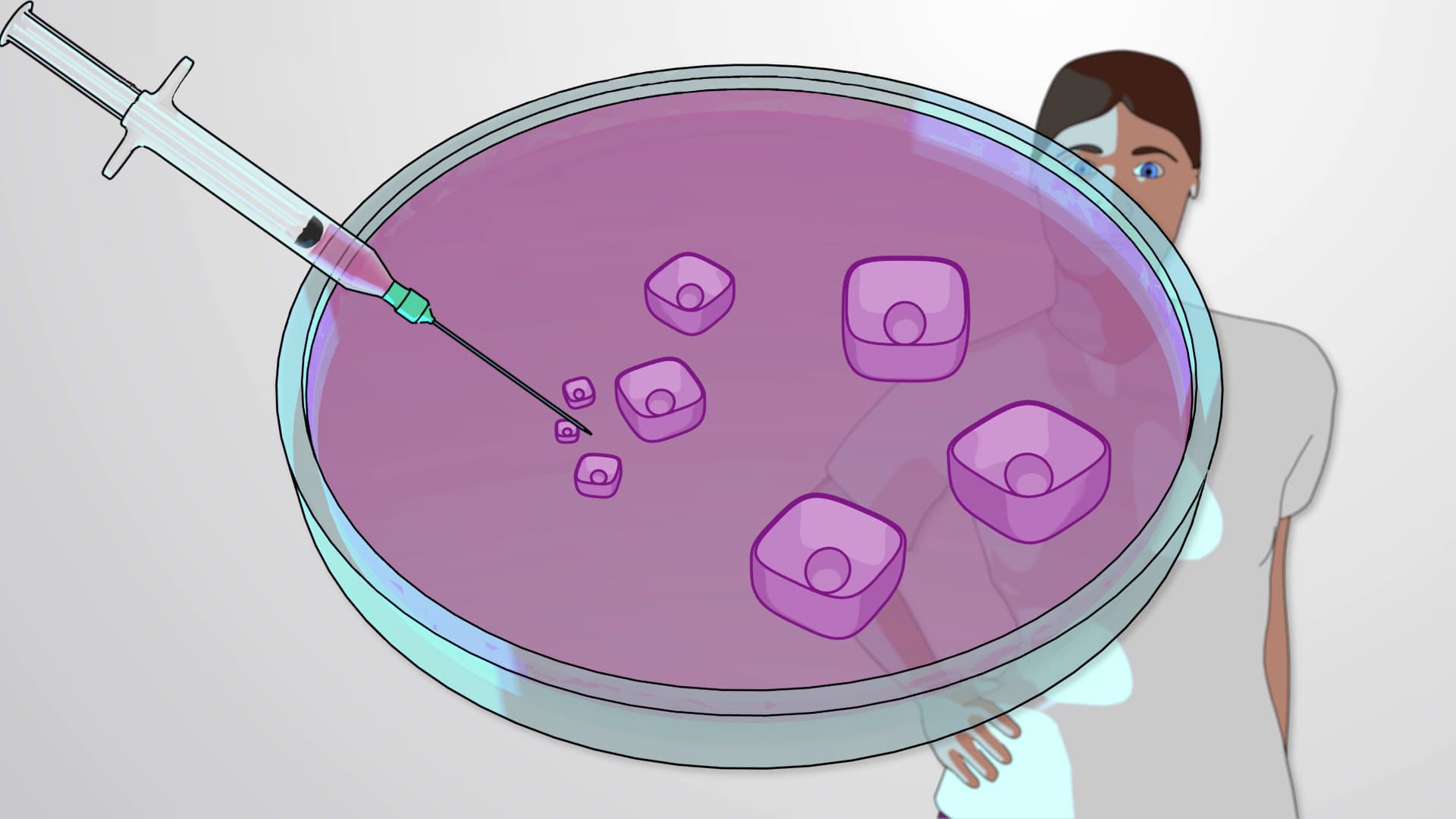
Could we one day cure genetic blindness by simply inserting healthy DNA into a patient's eyes? Gene therapy makes this revolutionary approach possible by introducing functional genes into cells to treat or prevent disease. The FDA-approved Luxturna treatment for inherited retinal dystrophy demonstrates how gene therapy is already transforming medicine in the United States. This cutting-edge technique uses modified viruses as delivery vehicles to transport therapeutic genes directly into target cells, offering hope for previously incurable genetic conditions. Watch the full video on JoVE Coach to master this concept with expert-led visuals and step-by-step explanations.
- Understand what is gene therapy and how it functions as a medical treatment approach for genetic disorders
- Identify the difference between in vivo and ex vivo gene delivery methods used in therapeutic applications
- Analyze the role of vectors, particularly modified viruses, in transporting therapeutic genes to target cells
- Compare how integrated versus non-integrated gene delivery affects long-term treatment outcomes
- Evaluate the importance of promoter regions in ensuring proper gene expression after delivery
- Apply knowledge of gene therapy principles to explain how treatments address specific genetic diseases
- Recognize real-world examples of FDA-approved gene therapies currently used in clinical practice
- Explore the potential and limitations of gene therapy as an emerging medical technology
Understanding Gene Therapy Fundamentals
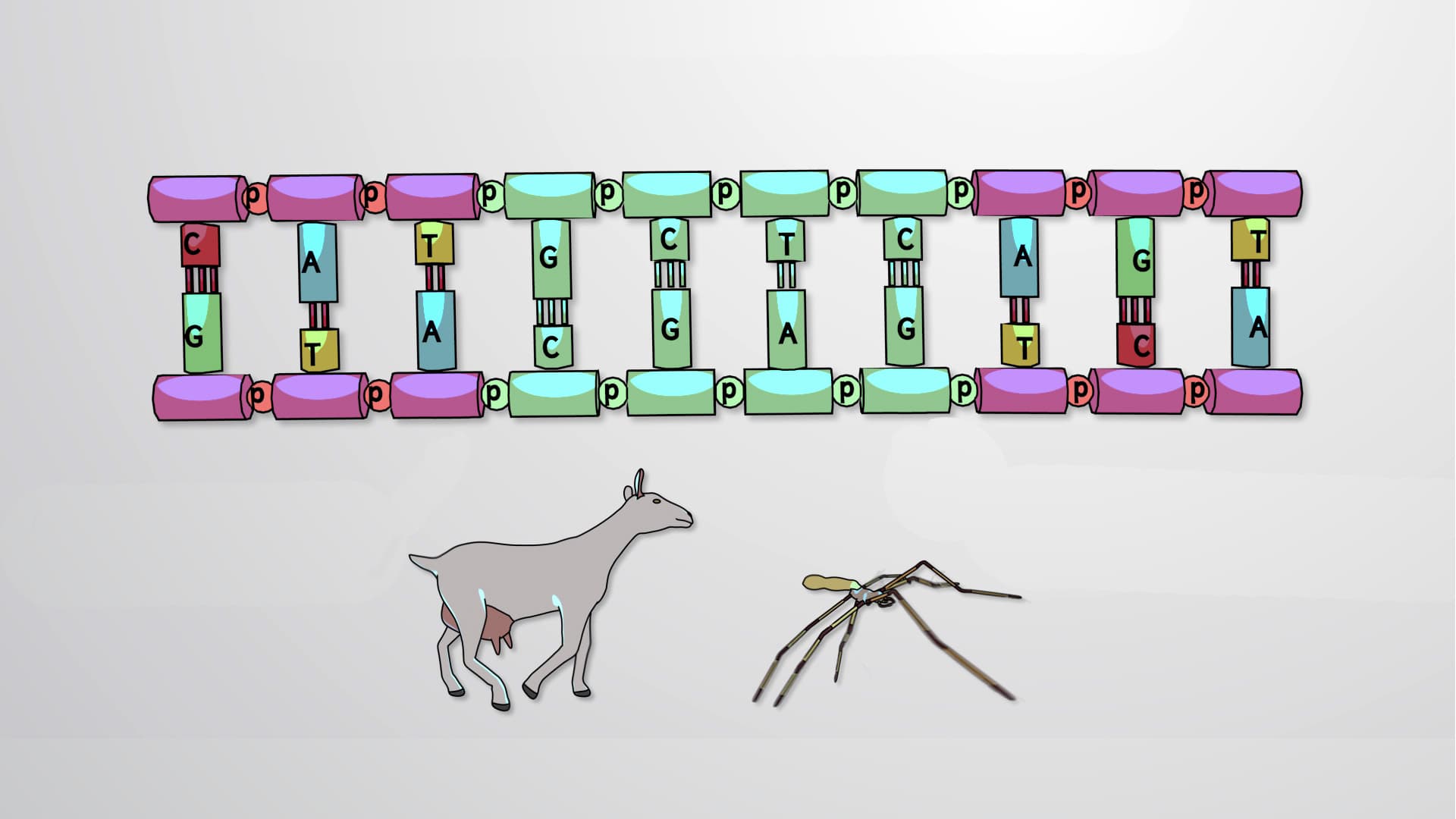
Gene therapy represents one of medicine's most promising frontiers, offering potential cures for diseases previously considered untreatable. This innovative approach works by introducing genetic material into a patient's cells to correct defective genes or provide new cellular functions. Unlike traditional medications that treat symptoms, gene therapy addresses the root cause of genetic disorders at the molecular level.
The therapeutic genes used in treatment can serve different purposes. Sometimes, they provide a healthy copy of a mutated gene that causes disease. Other times, they introduce entirely new genes that can counteract the harmful effects of faulty genetic material. This flexibility makes gene therapy applicable to a wide range of conditions, from single-gene disorders like sickle cell disease to more complex conditions involving multiple genetic factors.
Gene Delivery Methods: In Vivo vs Ex Vivo
Gene therapy employs two primary delivery strategies, each with distinct advantages. In vivo gene therapy involves direct delivery of therapeutic genes into the patient's body, typically through injection or inhalation. This approach is simpler and less invasive, making it suitable for treating conditions affecting organs that are difficult to access surgically.
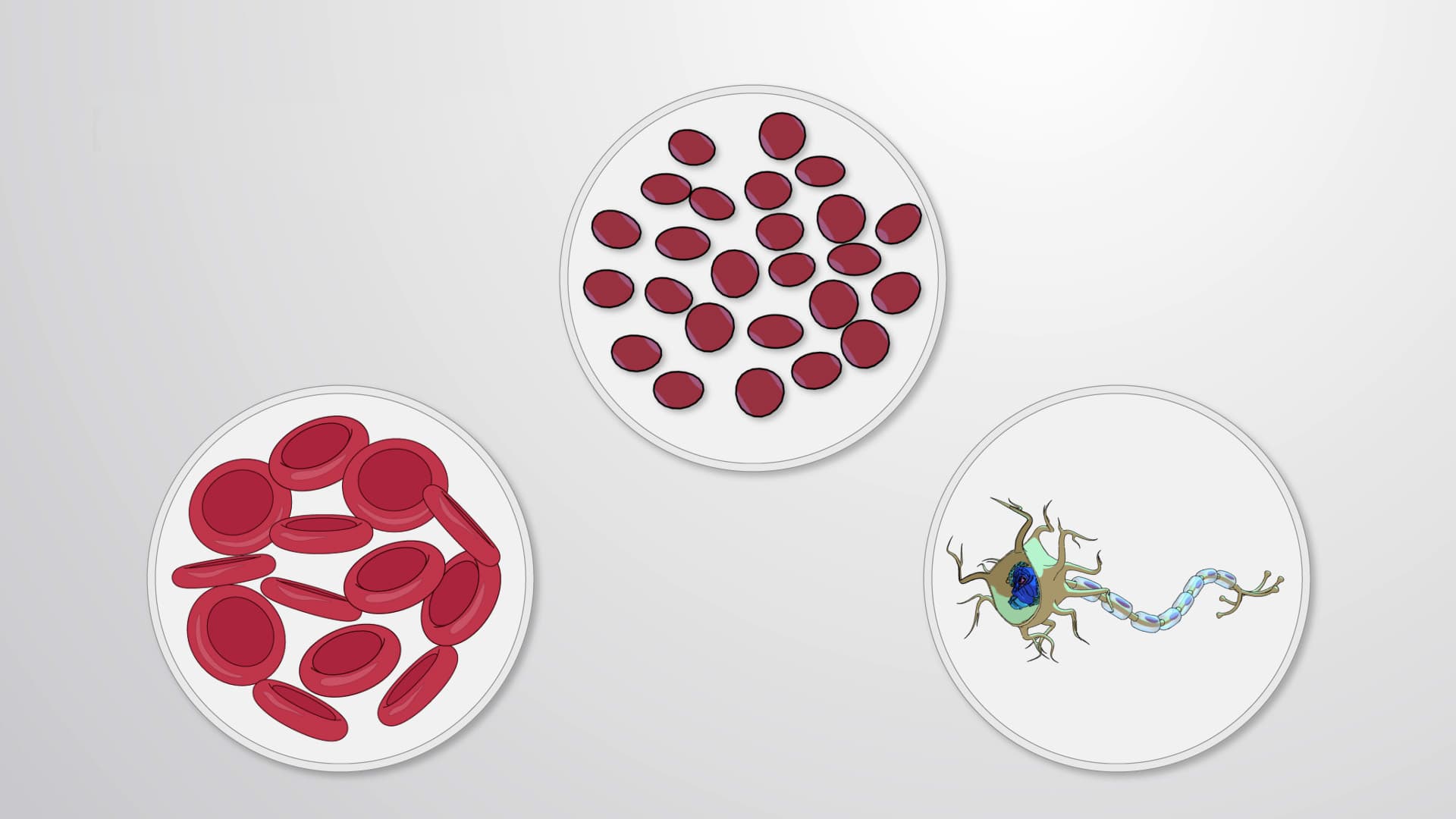
Ex vivo gene therapy takes a different approach by removing cells from the patient's body, modifying them in the laboratory, and then reintroducing the treated cells. This method allows for more precise genetic modification and quality control before transplantation. The CAR-T cell therapy approved by the FDA for certain blood cancers exemplifies this approach, where a patient's T cells are genetically engineered to better fight cancer before being returned to their body.
Vectors: The Delivery System
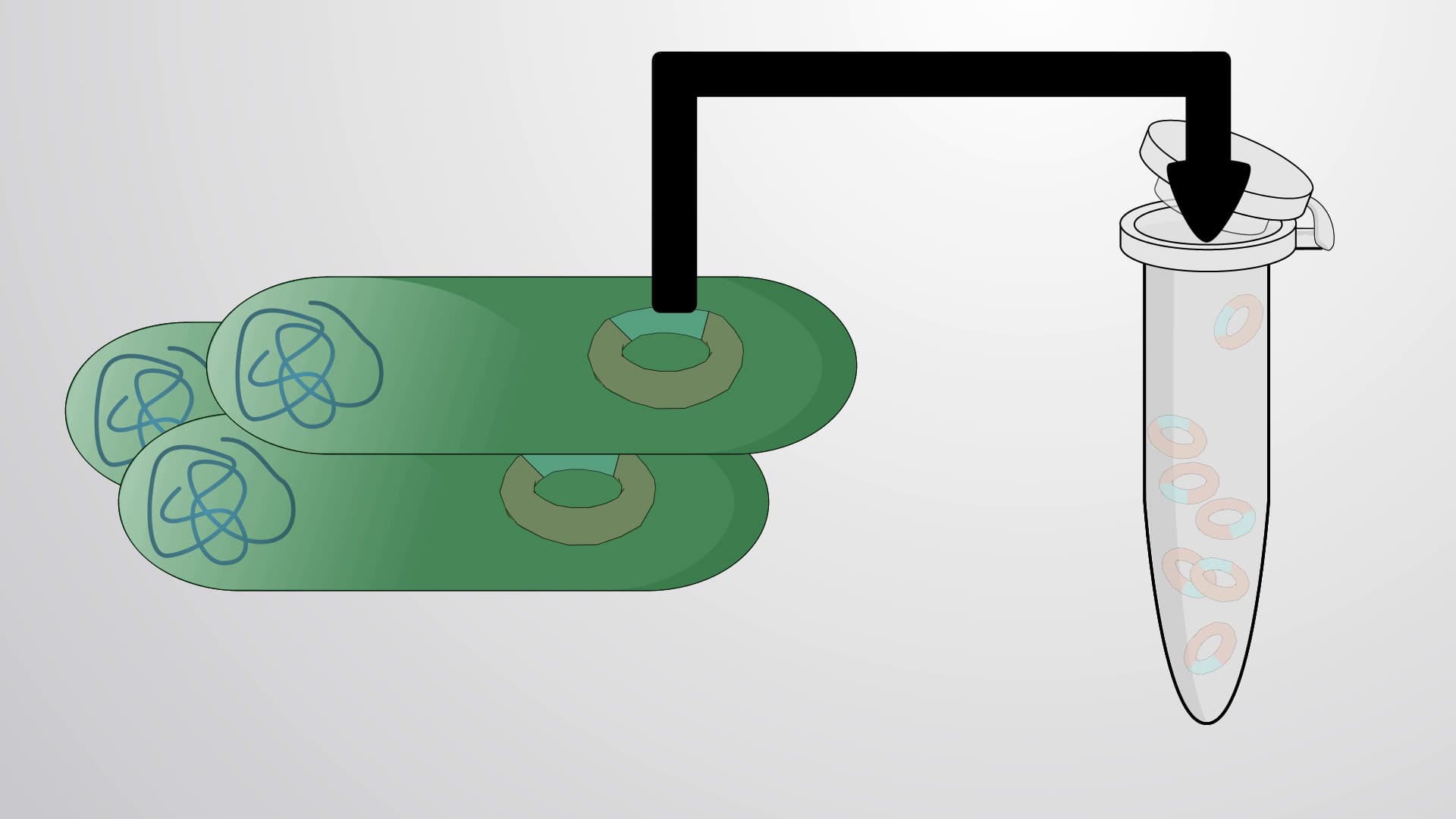
The success of gene therapy depends heavily on effective delivery systems called vectors. Modified viruses serve as the most common vectors because they naturally evolved to enter cells and deliver genetic material. Scientists remove the virus's disease-causing components while preserving its ability to penetrate cell membranes and transport DNA to the nucleus.
Different viral vectors offer unique advantages. Adeno-associated viruses (AAV) are popular for gene therapy because they rarely cause disease in humans and can target specific tissue types. Retroviruses can integrate their genetic payload into the host cell's chromosome, providing long-lasting effects but raising safety concerns about disrupting normal genes.
Clinical Applications and Future Prospects
Gene therapy has achieved remarkable clinical successes in the United States. Beyond Luxturna for inherited blindness, treatments like Zolgensma for spinal muscular atrophy and various CAR-T therapies for blood cancers demonstrate the field's rapid advancement. These breakthrough therapies often come with substantial costs, reflecting the complex manufacturing processes and extensive clinical testing required.
For students preparing for advanced placement biology exams or college coursework, understanding gene therapy principles connects fundamental genetics concepts to cutting-edge medical applications. The MCAT frequently includes questions about gene therapy mechanisms, making this topic essential for pre-medical students. As the field continues expanding, familiarity with gene therapy concepts will become increasingly valuable across healthcare disciplines.
Frequently Asked Questions
Gene therapy is a medical technique that introduces genetic material into a patient's cells to treat or prevent disease by correcting defective genes or adding new functions. Modified viruses typically serve as delivery vehicles to transport therapeutic DNA into target cells, where the new genes can produce proteins that address the underlying genetic problem.
Gene therapy directly connects to multiple AP Biology topics including molecular genetics, gene expression, and biotechnology applications. Students should understand vector systems, gene regulation mechanisms, and ethical considerations surrounding genetic modification. This topic frequently appears in free-response questions requiring analysis of genetic engineering techniques and their medical applications.
MCAT passages often test understanding of viral vectors, gene delivery mechanisms, and therapeutic applications of genetic modification. Expect questions about comparing different vector types, analyzing experimental gene therapy protocols, and evaluating ethical implications. The biological sciences section may include scenarios requiring students to predict outcomes of specific gene therapy approaches.
Luxturna, approved by the FDA in 2017, treats Leber congenital amaurosis, a genetic form of blindness, by injecting healthy copies of the RPE65 gene directly into the retina. Patients receive this one-time treatment at specialized medical centers, with many experiencing significant vision improvement. This therapy costs approximately $425,000 per eye, making it one of the most expensive treatments available.
Gene therapy builds on fundamental biology concepts like DNA structure, protein synthesis, and cell biology that high school students already learn. While the clinical applications are sophisticated, the underlying principles connect directly to standard genetics topics. Students with a solid understanding of molecular biology can grasp gene therapy mechanisms and appreciate their medical significance.
Focus on understanding the step-by-step process from vector design to therapeutic protein production, rather than memorizing technical details. Create diagrams showing how modified viruses deliver genes to target cells, practice explaining different delivery methods, and review real clinical examples. Connect gene therapy principles to fundamental genetics concepts you already know well.
After mastering basic gene therapy principles, investigate CRISPR gene editing technology, epigenetic modifications, and RNA interference therapeutics. These emerging fields represent the next generation of genetic medicine and offer exciting research opportunities. Understanding these advanced concepts will provide valuable preparation for upper-level college courses and potential research experiences.
Related Micro-courses