Loading subject page…

- Biology
- Biotechnology
- Embryonic Stem Cells
Micro-course: Biotechnology
974,817 views
Learn key concepts and earn your certificate.







Embryonic Stem Cells

00:00
00:58
Video Summary: What are Embryonic Stem Cells
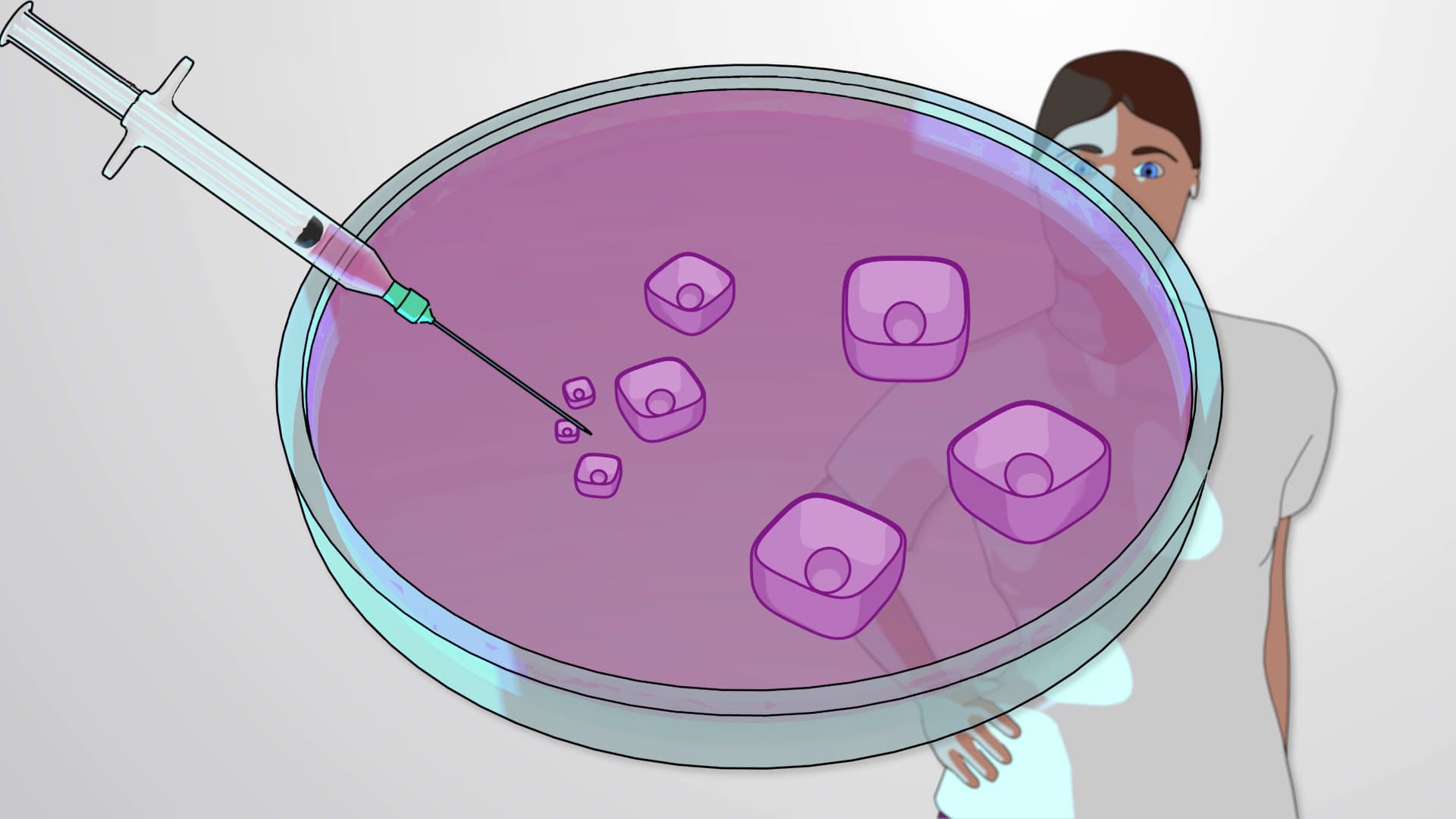
Could the cure for Type 1 diabetes come from a five-day-old embryo? Embryonic stem cells are remarkable undifferentiated cells harvested from blastocysts that possess the extraordinary ability to become any cell type in the human body. These pluripotent powerhouses are currently being studied by researchers at Stanford University and other leading institutions for treating spinal cord injuries and neurodegenerative diseases. Watch the full video on JoVE Coach to master this concept with expert-led visuals and step-by-step explanations.
- Understand what embryonic stem cells are and their unique pluripotent characteristics that distinguish them from other cell types
- Identify the specific developmental stage (blastocyst) from which embryonic stem cells are derived and the extraction process
- Analyze the molecular mechanisms that allow these cells to differentiate into specialized cell types through controlled culture conditions
- Compare embryonic stem cells to other stem cell types in terms of potency, sources, and therapeutic potential
- Evaluate the clinical applications and current research directions for embryonic stem cell therapies in treating human diseases
- Apply knowledge of growth factors and signaling pathways to explain how scientists direct stem cell differentiation in laboratory settings
- Recognize the ethical considerations and regulatory frameworks surrounding embryonic stem cell research in the United States
- Explore the connection between embryonic development and regenerative medicine approaches
Understanding Embryonic Stem Cells: The Foundation of Life
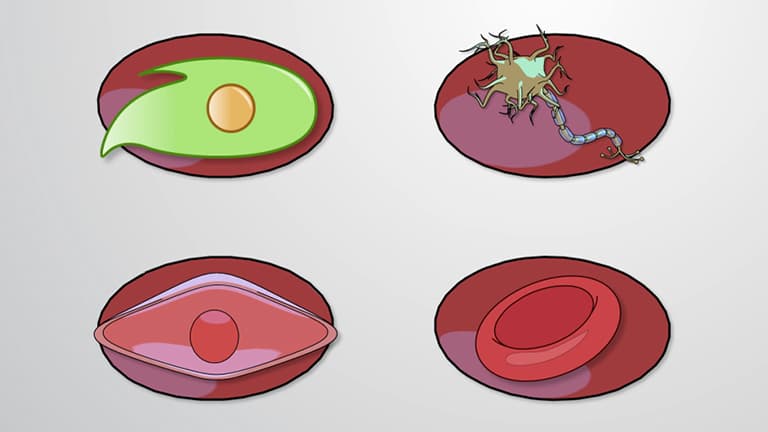
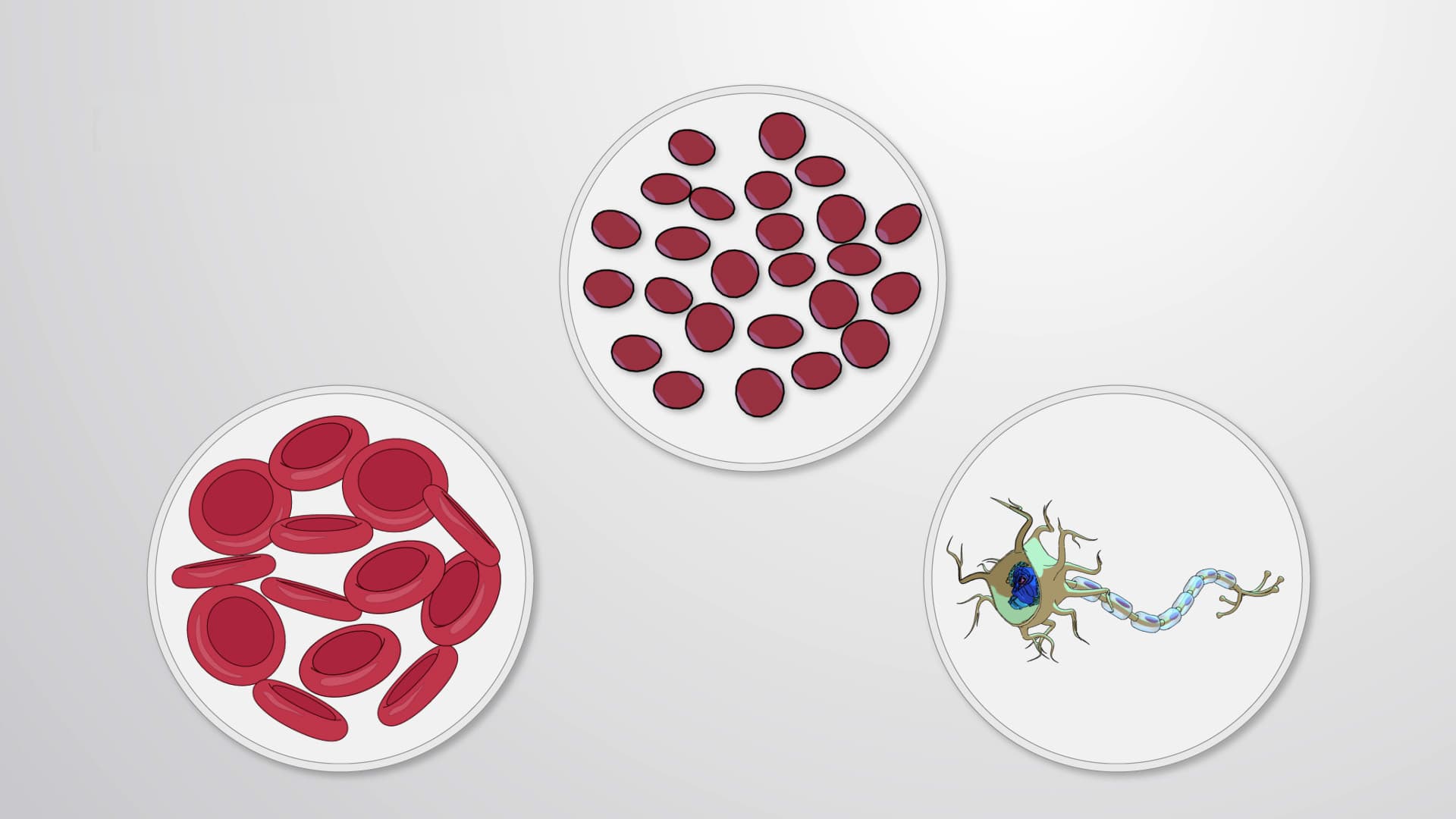
Embryonic stem cells represent one of biology's most fascinating and promising discoveries. These extraordinary cells emerge during the earliest stages of human development, specifically from the inner cell mass of a blastocyst-a hollow sphere of cells that forms 3-5 days after fertilization. Unlike adult stem cells, which have limited differentiation potential, embryonic stem cells are pluripotent, meaning they can theoretically develop into any of the approximately 220 different cell types found in the human body.
The Science Behind Pluripotency and Differentiation
The remarkable versatility of embryonic stem cells stems from their unique genetic programming. These cells express specific transcription factors, including Oct4, Sox2, and Nanog, which maintain their undifferentiated state while preserving their developmental potential. When researchers manipulate culture conditions-adding specific growth factors like bone morphogenetic proteins (BMPs) or activin-they can guide these cells down particular developmental pathways. For example, adding insulin-like growth factor can promote neural differentiation, while specific cytokines can encourage cardiac muscle formation.
This controlled differentiation process is crucial for understanding both normal development and disease mechanisms. Students preparing for the MCAT or AP Biology exams should recognize that this represents a practical application of gene expression regulation and cell signaling pathways covered in their coursework.
Current Research and Clinical Applications
Leading research institutions across the United States, including the Mayo Clinic, Johns Hopkins, and the University of California system, are actively investigating embryonic stem cell therapies. Current clinical trials focus on treating conditions like macular degeneration, spinal cord injuries, and Parkinson's disease. The FDA has approved several embryonic stem cell-derived therapies, marking significant progress in translating laboratory research into patient care.
One particularly promising application involves creating insulin-producing beta cells for Type 1 diabetes treatment. Researchers at Harvard University have successfully generated functional beta cells from embryonic stem cells that can regulate blood glucose levels when transplanted into diabetic mice. This research offers hope for the approximately 1.6 million Americans living with Type 1 diabetes.
Ethical Considerations and Future Directions
The field of embryonic stem cell research operates within a complex ethical and regulatory framework in the United States. While federal funding restrictions have historically limited research scope, private institutions and state-funded programs, particularly in California and New York, have continued advancing the field. Understanding these ethical dimensions is essential for students considering careers in biomedical research or healthcare policy.
Frequently Asked Questions
Embryonic stem cells are pluripotent cells derived from 3-5 day old embryos that can differentiate into any cell type in the human body. Unlike adult stem cells, which are multipotent and limited to specific tissue types, embryonic stem cells have unlimited developmental potential. They also divide indefinitely in culture while maintaining their pluripotent characteristics, making them invaluable for research and therapeutic applications.
The MCAT frequently tests embryonic stem cell concepts in biological foundations sections, focusing on developmental biology, cell signaling, and ethical considerations. AP Biology exams commonly include questions about pluripotency, differentiation mechanisms, and comparative stem cell biology. Students should understand transcription factor regulation, growth factor signaling, and the relationship between embryonic development and regenerative medicine for optimal exam performance.
Key signaling pathways include Wnt signaling for mesoderm formation, BMP signaling for ectoderm development, and Nodal/Activin pathways for endoderm specification. Growth factors like FGF (fibroblast growth factor) promote neural differentiation, while retinoic acid induces specific developmental programs. Understanding these pathways is crucial for advanced cell biology and developmental biology courses at the undergraduate level.
The FDA has approved embryonic stem cell-derived therapies for macular degeneration, with clinical trials underway for spinal cord injuries and Parkinson's disease. Companies like Geron Corporation and Advanced Cell Technology have developed treatments using embryonic stem cell derivatives. The California Institute for Regenerative Medicine has funded numerous clinical trials, representing the largest state investment in stem cell research globally.
Basic understanding of protein structure and gene expression is sufficient for grasping fundamental embryonic stem cell concepts. While advanced biochemistry knowledge enhances comprehension of signaling pathways and differentiation mechanisms, high school biology provides adequate foundation. Focus on understanding cell division, protein synthesis, and basic developmental biology concepts to build solid groundwork for more advanced study.
Create concept maps connecting pluripotency, differentiation signals, and specific cell fate decisions to visualize relationships between topics. Practice drawing the developmental timeline from fertilization through blastocyst formation, emphasizing when stem cells are extracted. Use flashcards for key transcription factors and growth factors, and regularly review clinical applications to understand real-world relevance of theoretical concepts.
Build on this foundation by exploring induced pluripotent stem cells (iPSCs), adult stem cell biology, and tissue engineering principles. Study comparative embryology and regenerative medicine approaches to understand broader applications. Advanced students should investigate epigenetic regulation of pluripotency and current clinical trial methodologies in stem cell research.
Embryonic stem cells exemplify fundamental genetic principles including gene regulation, epigenetic modifications, and cell fate determination studied in upper-level biology courses. They demonstrate practical applications of transcriptional control, chromatin remodeling, and signal transduction pathways. Understanding stem cell biology provides excellent preparation for advanced topics in developmental genetics, cancer biology, and regenerative medicine research.
Related Micro-courses