Loading subject page…

- Biology
- Biotechnology
- Induced Pluripotent Stem Cells
Micro-course: Biotechnology
974,817 views
Learn key concepts and earn your certificate.

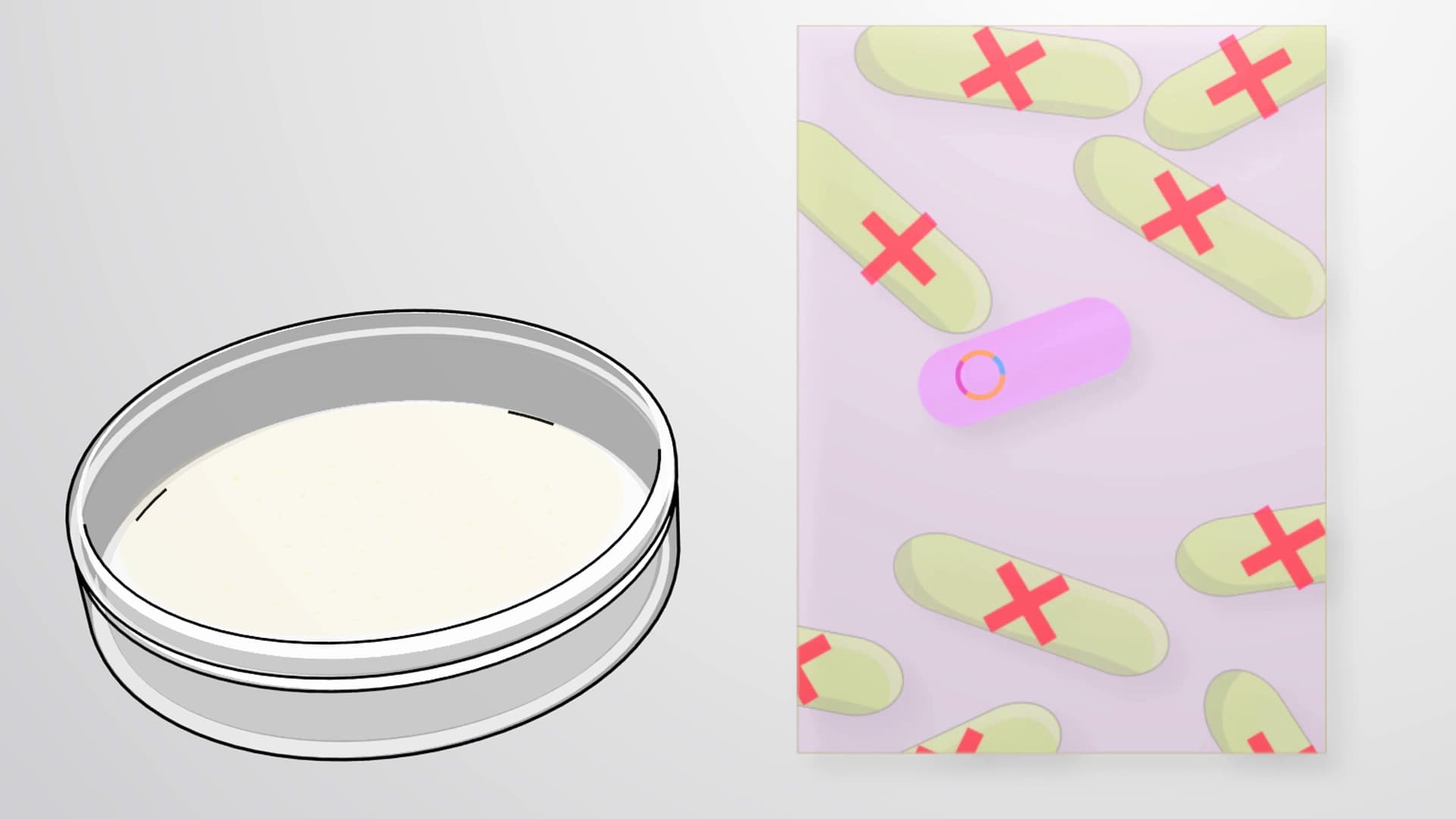
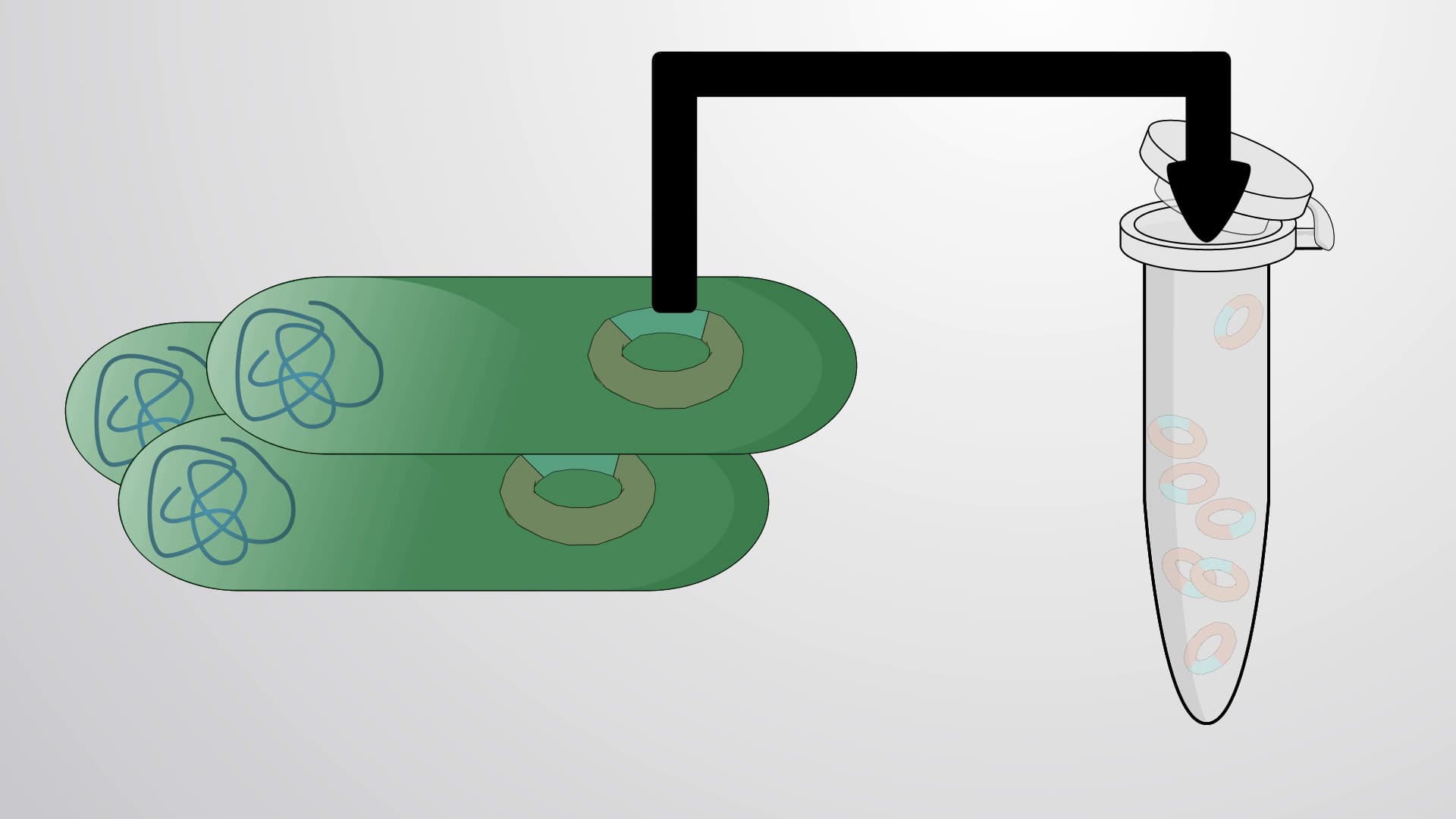
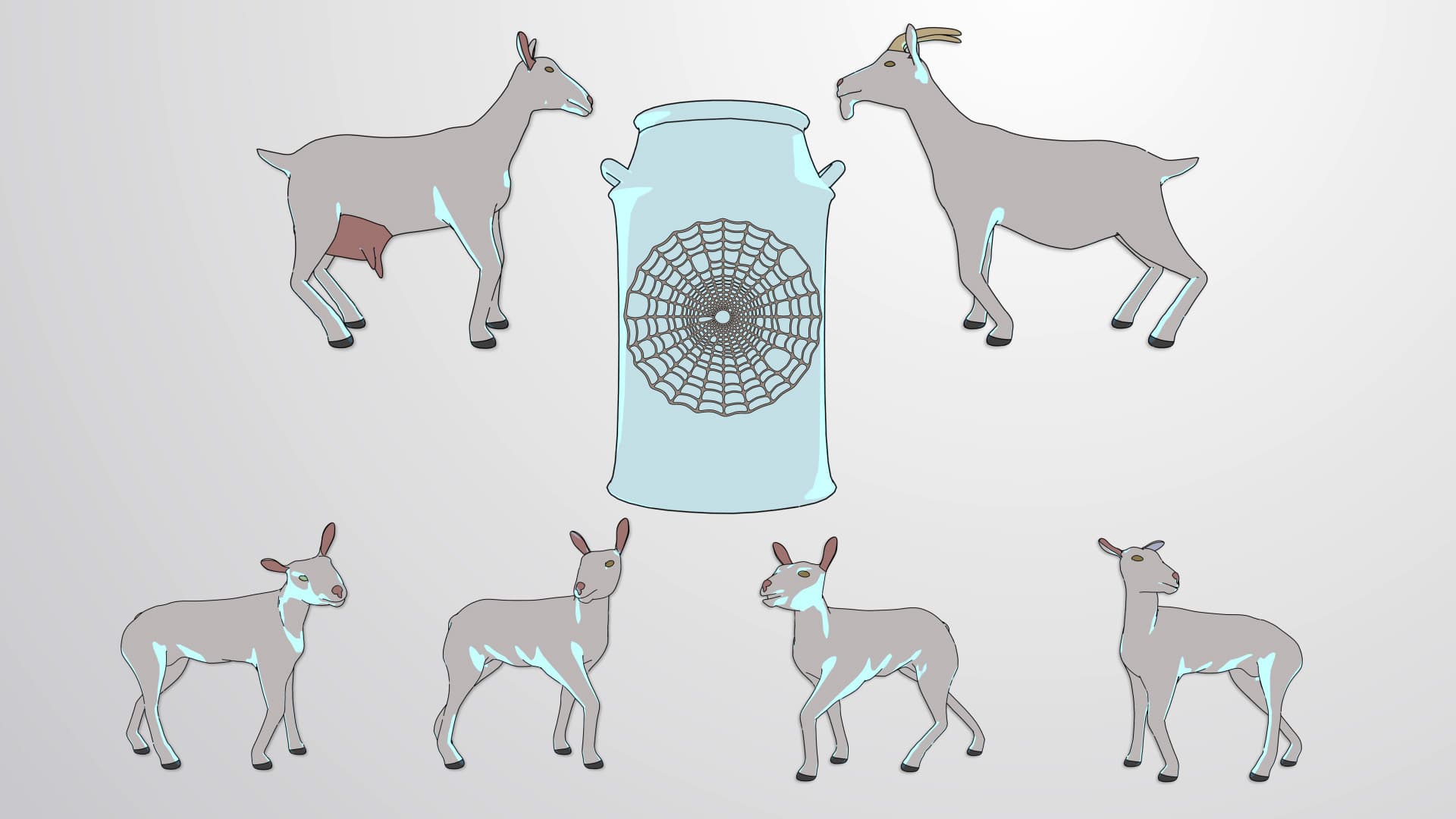

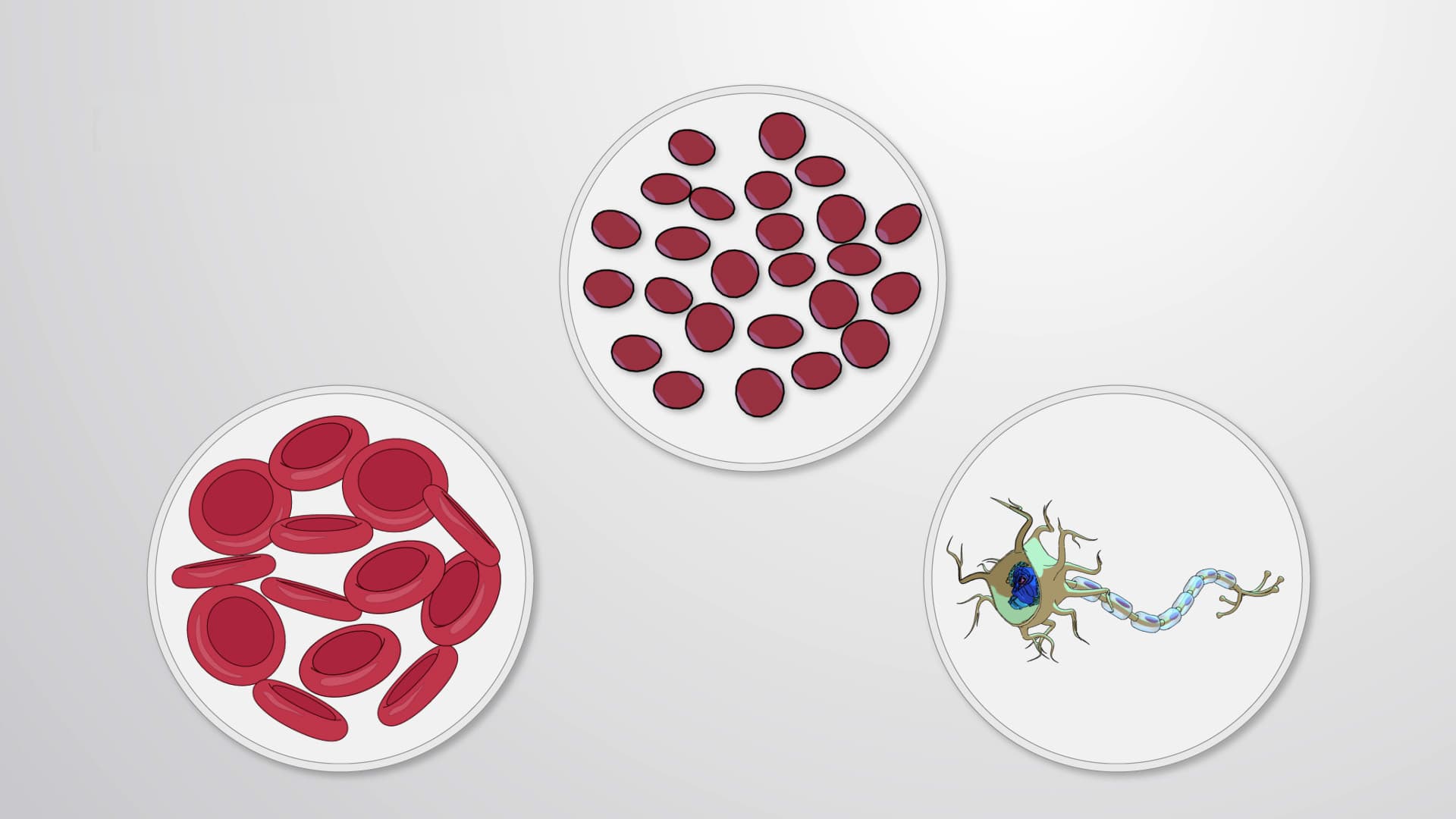
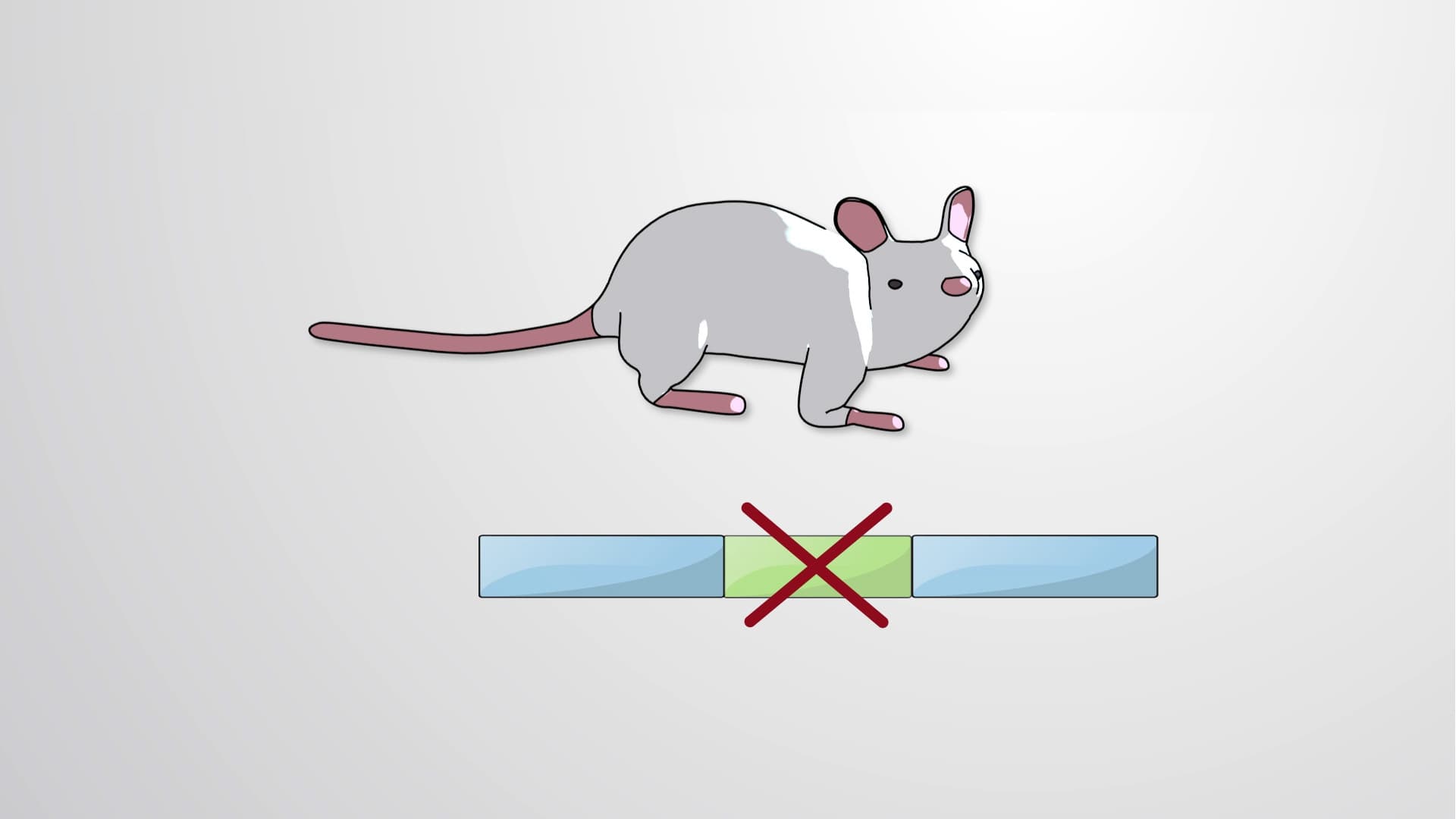
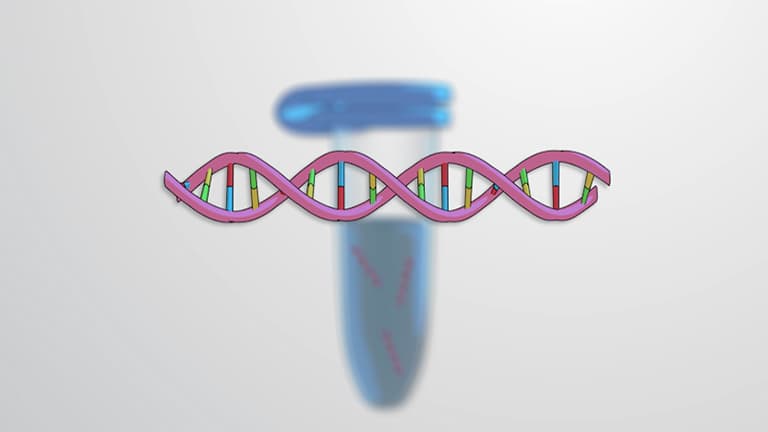
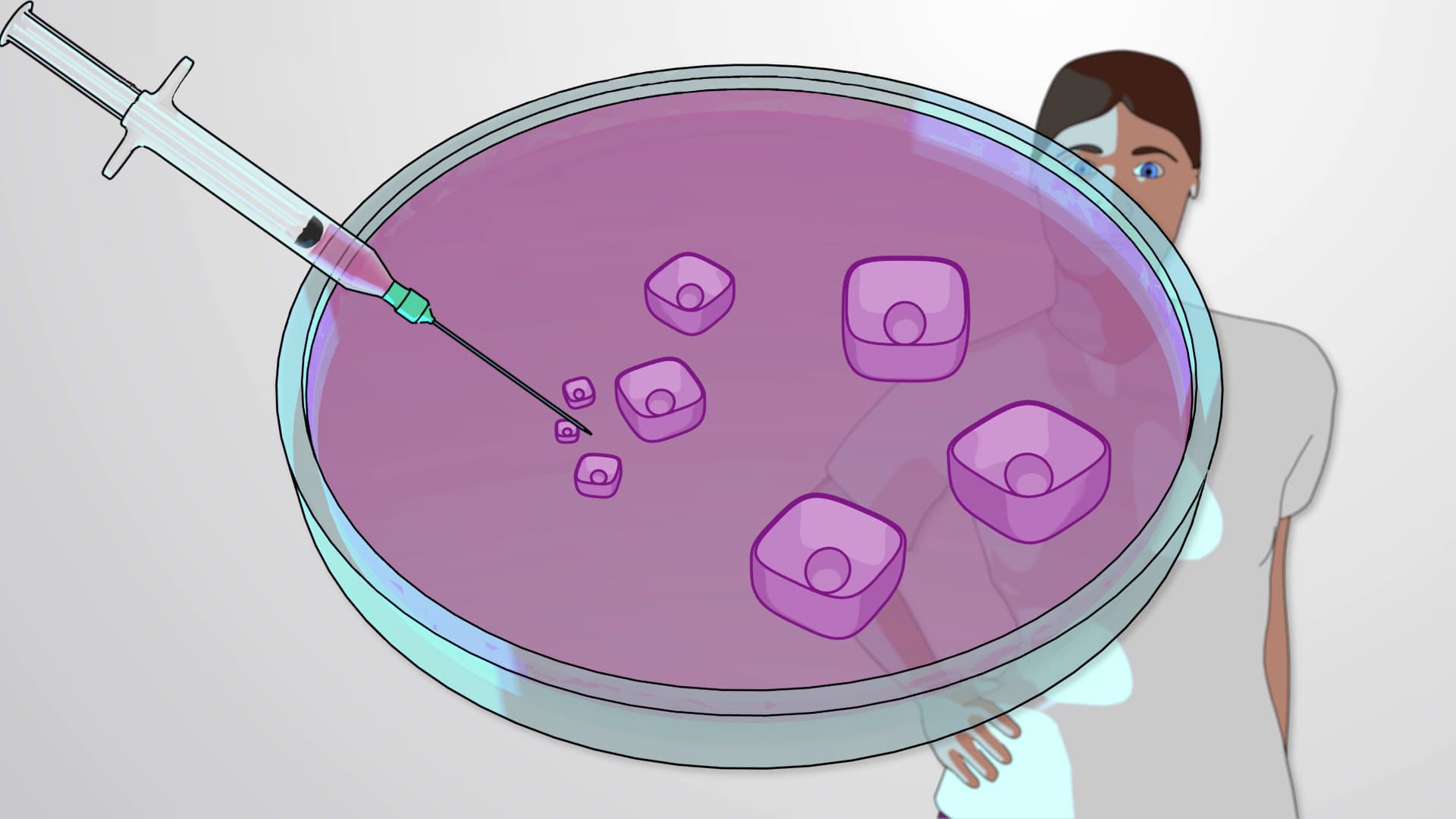
Induced Pluripotent Stem Cells

00:00
01:13
Video Summary: What are Induced Pluripotent Stem Cells
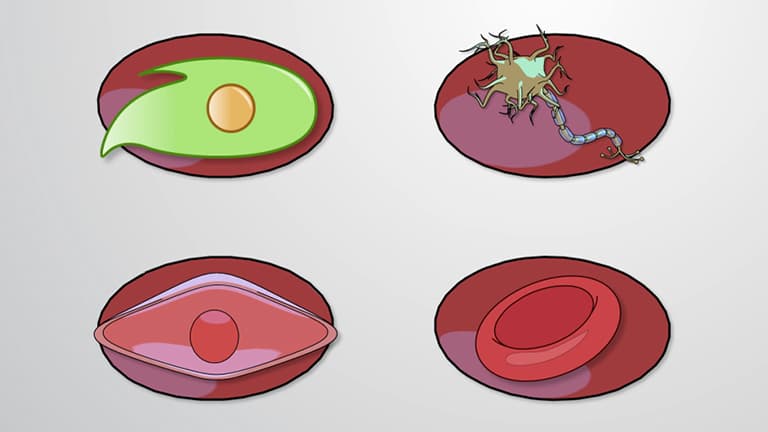
Scientists can now transform ordinary skin cells into powerful stem cells capable of becoming any tissue in your body-including brain neurons or heart muscle. Induced pluripotent stem cells represent a revolutionary breakthrough that could eliminate the need for embryonic stem cell research while offering personalized treatments. Researchers at Stanford University have successfully used these reprogrammed cells to treat patients with Parkinson's disease in clinical trials. Watch the full video on JoVE Coach to master this concept with expert-led visuals and step-by-step explanations.
- Understand what are induced pluripotent stem cells and how they differ from embryonic stem cells in origin and ethical considerations
- Identify the key transcription factors (Oct4, Sox2, Klf4, c-Myc) required for cellular reprogramming and their molecular functions
- Analyze the step-by-step process of reprogramming mature somatic cells back to a pluripotent state using viral vectors
- Compare the advantages and limitations of iPSCs versus embryonic stem cells for therapeutic applications
- Evaluate the clinical potential of patient-specific iPSCs in treating degenerative diseases and reducing transplant rejection
- Apply knowledge of pluripotency markers to assess successful reprogramming in laboratory settings
- Recognize current FDA-approved clinical trials using iPSC-derived therapies for conditions like macular degeneration
- Explore the ethical and regulatory frameworks governing iPSC research in the United States
Understanding Induced Pluripotent Stem Cells: A Scientific Revolution
Induced pluripotent stem cells (iPSCs) represent one of the most significant breakthroughs in regenerative medicine since the discovery of DNA structure. These remarkable cells are created by reprogramming adult somatic cells-typically skin fibroblasts-back to an embryonic-like state where they regain the ability to differentiate into any cell type in the human body. This revolutionary technology, pioneered by Shinya Yamanaka in 2006, earned him the Nobel Prize in Physiology or Medicine and fundamentally changed how we approach personalized medicine.
The Molecular Reprogramming Process
The transformation of mature cells into iPSCs involves introducing four key transcription factors, commonly known as the "Yamanaka factors": Oct4, Sox2, Klf4, and c-Myc. These proteins act as molecular switches, activating dormant genes associated with pluripotency while silencing genes responsible for cellular specialization. Scientists typically use modified retroviruses or more recently, safer methods like episomal vectors or mRNA delivery, to transport these factors into the cell nucleus. The reprogramming process takes approximately 2-4 weeks, during which cells gradually lose their original identity and acquire characteristics identical to embryonic stem cells.
Clinical Applications and FDA Progress
The therapeutic potential of iPSCs has moved from laboratory benches to clinical reality. The FDA has approved several Phase I/II clinical trials using iPSC-derived treatments. Notably, the California Institute for Regenerative Medicine has funded trials using iPSC-derived retinal pigment epithelium cells to treat age-related macular degeneration, a leading cause of blindness affecting over 11 million Americans. Similarly, researchers at Memorial Sloan Kettering Cancer Center are developing iPSC-derived immune cells for cancer immunotherapy.
Advantages Over Traditional Stem Cell Sources
iPSCs offer several critical advantages that make them particularly valuable for both research and therapeutic applications. Unlike embryonic stem cells, iPSCs can be generated without ethical concerns about embryo destruction, making them more acceptable to diverse patient populations and research institutions. Additionally, because iPSCs can be derived from a patient's own cells, transplanted tissues face minimal risk of immune rejection-a major limitation in traditional organ transplantation. This personalized approach aligns perfectly with the precision medicine initiatives championed by the National Institutes of Health.
For students preparing for AP Biology, MCAT, or undergraduate cell biology courses, understanding iPSCs provides crucial insight into gene regulation, cellular differentiation, and the plasticity of cell fate-concepts that frequently appear in standardized examinations and represent fundamental principles in modern biological sciences.
Frequently Asked Questions
Induced pluripotent stem cells are reprogrammed adult cells that mimic embryonic stem cells' properties without requiring embryos. Both can differentiate into any cell type, but iPSCs avoid ethical concerns and immune rejection since they come from the patient's own tissue. iPSCs may have slightly different gene expression patterns and aging markers compared to embryonic stem cells.
The MCAT frequently includes iPSCs in passages about gene regulation, cellular differentiation, and experimental design questions. AP Biology exams often test understanding of transcription factors, pluripotency concepts, and ethical considerations in stem cell research. Students should know the Yamanaka factors, reprogramming timeline, and clinical applications for comprehensive exam preparation.
FDA-approved trials include treatments for macular degeneration using iPSC-derived retinal cells, Parkinson's disease with dopamine-producing neurons, and heart disease using cardiac muscle cells. The New York Stem Cell Foundation and other institutions are also investigating iPSC therapies for spinal cord injuries, diabetes, and various blood disorders through their clinical research programs.
Basic understanding of DNA, RNA, and protein synthesis is sufficient for most undergraduate courses. You should be comfortable with transcription factors, gene expression, and cell cycle concepts typically covered in introductory biology. Advanced biochemistry knowledge helps but isn't required for fundamental comprehension of iPSC principles and applications.
Create a flowchart showing the reprogramming process from adult cells to iPSCs, memorize the four Yamanaka factors and their functions, and practice comparing iPSCs with other stem cell types. Focus on real clinical applications and ethical considerations, as professors often include these in essay questions and case studies.
The reprogramming process usually takes 15-30 days under optimal laboratory conditions. Initial transcription factor introduction occurs within 24-48 hours, but complete cellular reprogramming and verification of pluripotency markers requires 2-4 weeks. Efficiency rates vary but typically only 0.1-1% of starting cells successfully become fully reprogrammed iPSCs.
Explore directed differentiation protocols for specific cell types, CRISPR gene editing applications in iPSCs, and tissue engineering concepts. Understanding cancer stem cells, epigenetic reprogramming, and regenerative medicine regulatory pathways will deepen your knowledge of this rapidly evolving field and prepare you for advanced coursework.
Related Micro-courses