Loading…
Loading video…

974,801 views
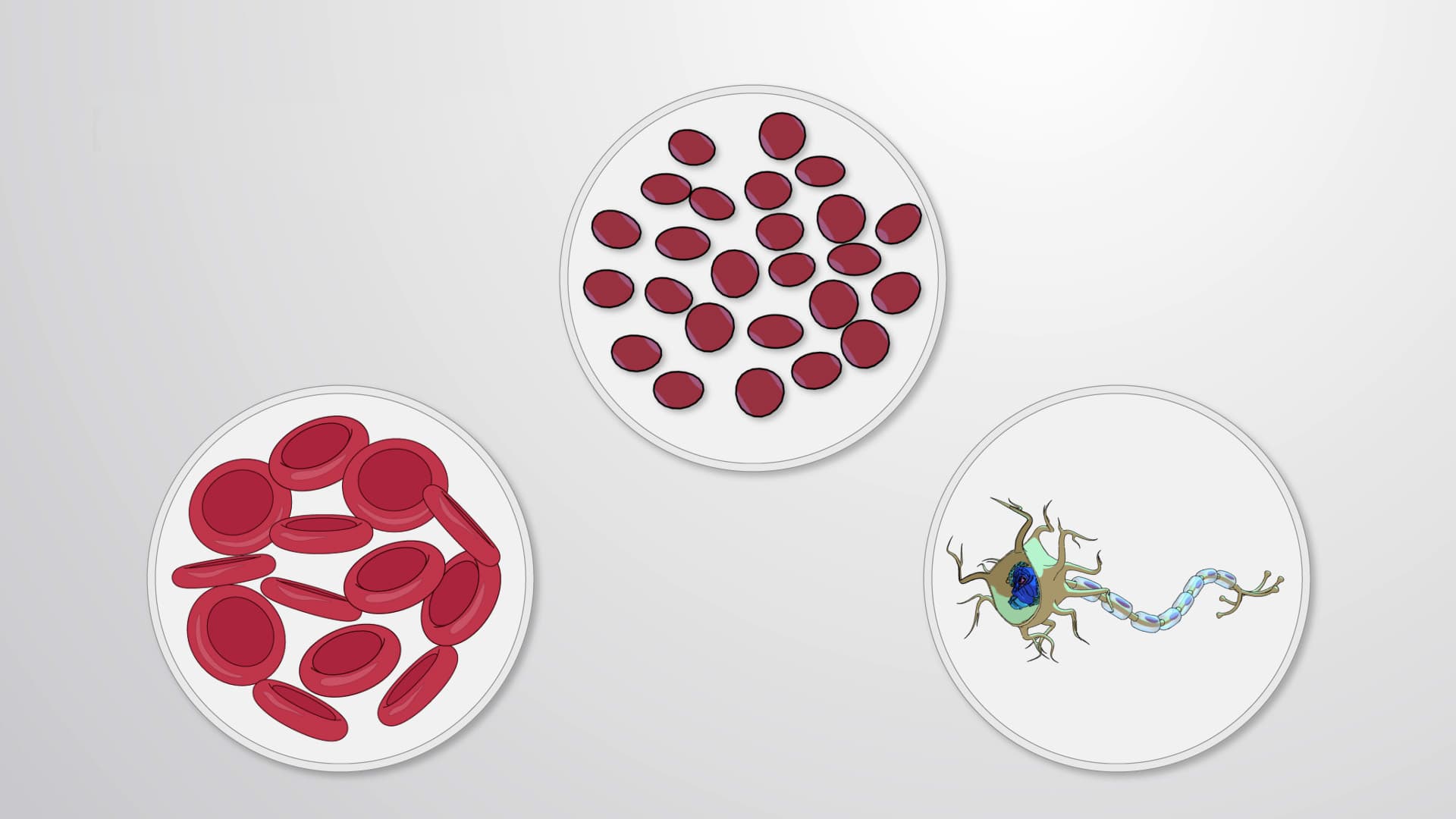
Did you know that researchers at Stanford University use complementary DNA to study how brain cells differ from heart cells, even though they contain identical genetic material? Complementary DNA (cDNA) is a laboratory-synthesized copy of messenger RNA that allows scientists to examine which genes are actually expressed in specific cell types. This powerful molecular tool enables breakthrough research in cancer treatment, genetic disorders, and drug development across major US research institutions. Watch the full video on JoVE Coach to master this concept with expert-led visuals and step-by-step explanations.
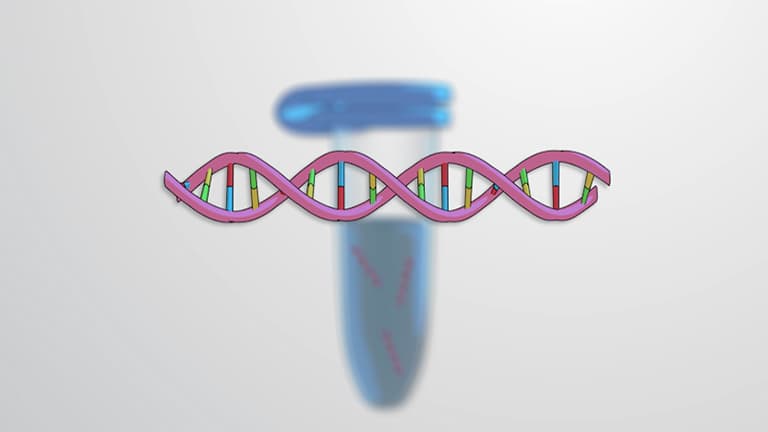
Complementary DNA represents one of the most fundamental tools in modern molecular biology research. Unlike genomic DNA, which contains both coding sequences (exons) and non-coding regions (introns), cDNA is synthesized directly from mature messenger RNA and therefore contains only the protein-coding sequences. This distinction makes cDNA invaluable for studying gene expression patterns and producing recombinant proteins in laboratory settings.
The significance of complementary DNA extends far beyond basic research. At institutions like the National Institutes of Health (NIH) and leading universities such as Harvard Medical School, researchers use cDNA libraries to identify disease-associated genes and develop targeted therapies. For students preparing for the MCAT or AP Biology exams, understanding cDNA synthesis demonstrates mastery of central dogma concepts and molecular techniques.
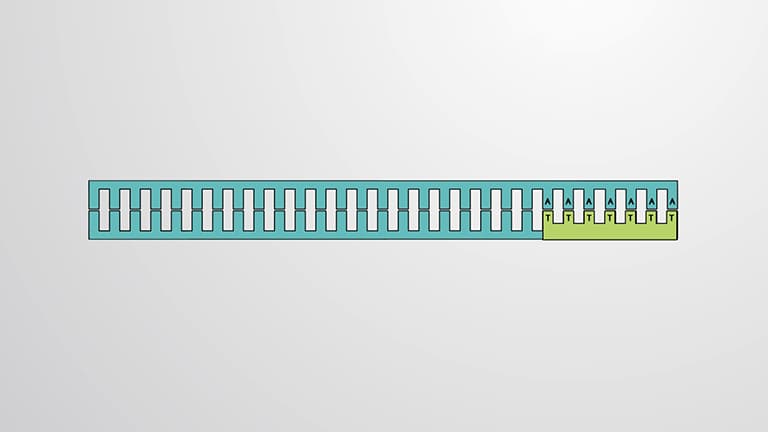
The complementary DNA synthesis process begins with RNA extraction from target cells, followed by mRNA purification using affinity chromatography. The poly-A tail present on eukaryotic mRNA serves as the key to this purification step. Oligo-dT columns containing thymine-rich sequences specifically bind to these adenine-rich tails, allowing researchers to separate mRNA from ribosomal RNA and transfer RNA.
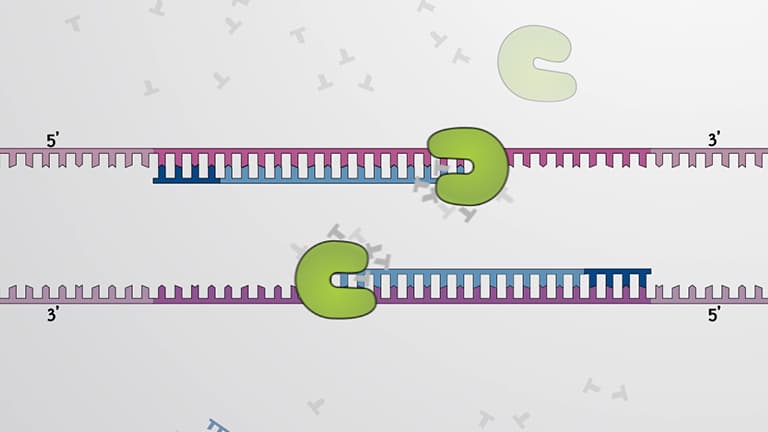
Once purified, the mRNA undergoes reverse transcription using specialized enzymes originally discovered in retroviruses. This process requires a primer—typically oligo-dT that binds to the poly-A tail—providing the 3'-OH group necessary for DNA synthesis. The resulting single-stranded cDNA represents a faithful copy of the original mRNA sequence, maintaining the same 5' to 3' orientation.
Complementary DNA technology has revolutionized medical research and diagnostics across the United States. Major pharmaceutical companies like Pfizer and Moderna utilize cDNA cloning to produce therapeutic proteins and develop mRNA vaccines. In clinical diagnostics, cDNA synthesis enables RT-PCR testing, the gold standard for detecting RNA viruses including SARS-CoV-2.
For students pursuing careers in biotechnology or medicine, understanding cDNA applications proves essential for USMLE preparation and graduate school applications. The technique appears frequently in college-level molecular biology courses and serves as a foundation for more advanced topics like gene therapy and personalized medicine approaches currently being developed at institutions like the Mayo Clinic and Johns Hopkins University.
Frequently Asked Questions
Complementary DNA (cDNA) is a laboratory-synthesized DNA copy made from messenger RNA using reverse transcriptase enzymes. Unlike genomic DNA, cDNA contains only coding sequences (exons) without introns, making it ideal for protein production and gene expression studies. This streamlined structure allows researchers to focus specifically on genes that were actively being transcribed in the original cell sample.
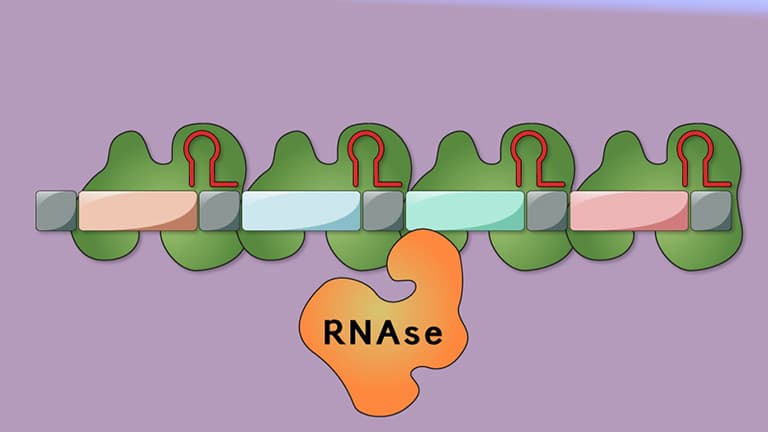
MCAT questions often test cDNA synthesis steps, comparing cDNA libraries from different tissues, or analyzing experimental scenarios involving reverse transcription. AP Biology typically focuses on the relationship between cDNA and gene expression, including why cDNA from liver cells differs from muscle cell cDNA. Practice identifying the enzymes involved (reverse transcriptase, DNA polymerase, RNase) and their specific functions in the synthesis pathway.
The poly-A tail serves as the binding site for oligo-dT primers during mRNA purification and reverse transcription initiation. College exams frequently test this concept by asking students to predict what happens when poly-A tails are removed or damaged. Understanding this mechanism helps explain why prokaryotic mRNA (which lacks poly-A tails) requires different purification and synthesis approaches in laboratory settings.
At centers like MD Anderson Cancer Center and Memorial Sloan Kettering, researchers create cDNA libraries from tumor samples to identify which genes are overexpressed in cancer cells compared to normal tissue. This approach led to breakthrough treatments like Herceptin for breast cancer patients with HER2 overexpression. The cDNA technique allows scientists to focus on actively transcribed genes rather than analyzing the entire genome.
Complementary DNA concepts are absolutely manageable for high school students with basic biology knowledge of DNA structure and protein synthesis. The key is understanding the step-by-step process: extract RNA, purify mRNA using poly-A tails, use reverse transcriptase to make cDNA, then create double-stranded copies. Many successful pre-med students first encounter cDNA in AP Biology and build upon this foundation throughout their undergraduate studies.
Create a memorable acronym like "Every Purified mRNA Requires Proper Synthesis" (Extract, Purify, make single-strand with Reverse transcriptase, Remove RNA with RNase, synthesize second strand with Polymerase). Practice drawing the process from memory, focusing on which enzymes work at each step. Many students find success by connecting each step to its biological purpose rather than just memorizing the sequence.
Yes, complementary DNA synthesis provides essential background for understanding advanced molecular techniques taught in upper-level college courses. cDNA libraries are frequently used in cloning experiments, and RT-PCR (reverse transcription PCR) directly applies cDNA synthesis principles. Master the basic cDNA process first, then build toward applications like quantitative RT-PCR and cDNA microarray analysis used in research settings.
Related Micro-courses
Related Subjects