Loading subject page…

- Biology
- Classical and Modern Genetics
- Pleiotropy
Micro-course: Classical and Modern Genetics
1,347,746 views
Learn key concepts and earn your certificate.




Pleiotropy

00:00
01:33
Video Summary: What Is Pleiotropy
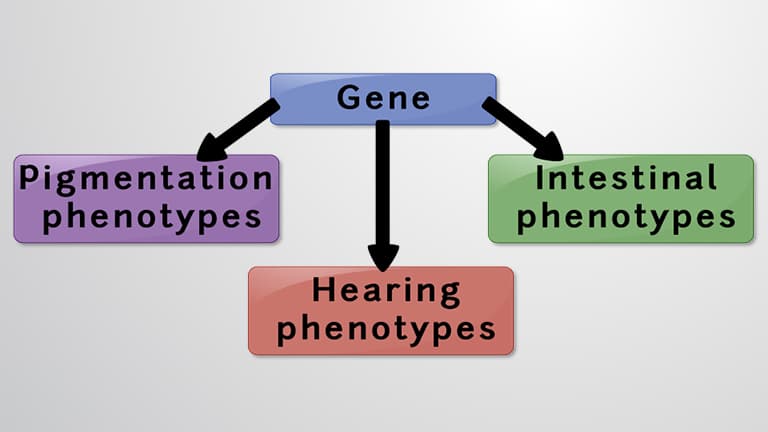
Ever wonder how a single genetic change can cause white hair patches, hearing loss, and intestinal problems all at once? Pleiotropy occurs when one gene influences multiple, seemingly unrelated traits in an organism. A striking example is Waardenburg Syndrome Type 4, where mutations in the SOX10 gene affect pigmentation, hearing, and digestive function simultaneously in affected Americans. Watch the full video on JoVE Coach to master this concept with expert-led visuals and step-by-step explanations.
- Understand what is pleiotropy and how single genes can control multiple phenotypic traits
- Identify examples of pleiotropic effects in human genetic disorders like Waardenburg Syndrome
- Analyze how the SOX10 gene demonstrates pleiotropy through its effects on pigmentation, nervous system, and hearing
- Compare pleiotropic genes to single-effect genes in terms of developmental impact
- Evaluate the relationship between gene expression timing and pleiotropic effects during embryonic development
- Apply pleiotropy concepts to predict potential symptoms when specific genes are mutated
- Recognize how pleiotropic effects explain why genetic disorders often involve multiple organ systems
- Explore the evolutionary significance of genes that control multiple traits simultaneously
Understanding What is Pleiotropy in Genetics
Pleiotropy represents one of genetics' most fascinating phenomena-when a single gene controls multiple, often unrelated characteristics. This concept challenges the simple "one gene, one trait" model many students initially learn. In pleiotropic inheritance, mutations in a single gene can create a cascade of effects throughout an organism, explaining why many genetic disorders affect multiple body systems simultaneously.
Molecular Mechanisms Behind Pleiotropic Effects
The SOX10 gene exemplifies pleiotropy beautifully. This transcription factor gene produces proteins that regulate the development of neural crest cells during embryonic development. Neural crest cells are remarkable because they migrate throughout the developing embryo and differentiate into various cell types, including pigment cells (melanocytes), certain nerve cells, and components of the enteric nervous system that controls intestinal function.
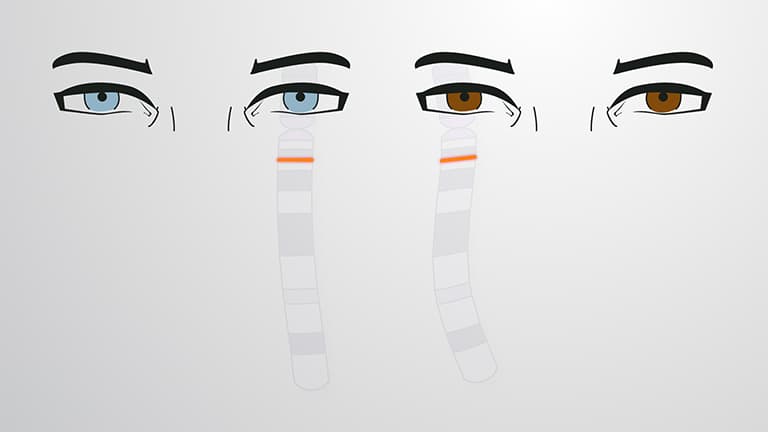
When SOX10 is mutated, as in Waardenburg Syndrome Type 4 cases documented in American medical centers like Johns Hopkins and Mayo Clinic, the resulting protein dysfunction affects all these developmental pathways. This explains why patients experience the characteristic triad of pigmentation abnormalities (white forelock, heterochromia), sensorineural hearing loss, and Hirschsprung disease (intestinal blockages due to missing nerve cells).
Clinical Significance and Exam Applications
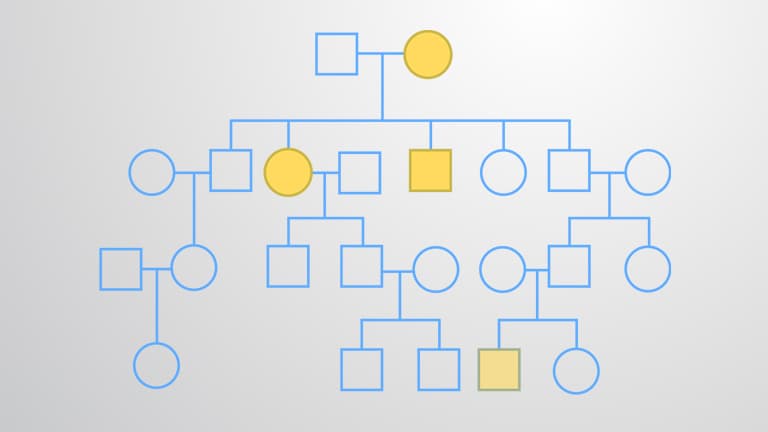
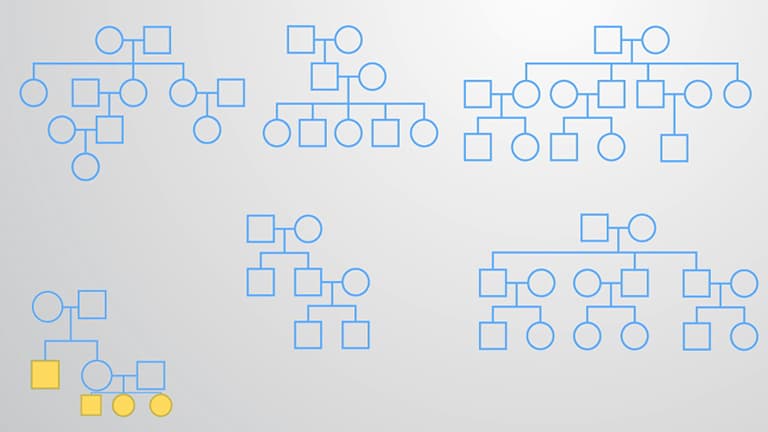
Understanding pleiotropy proves crucial for AP Biology students and pre-med undergraduates preparing for the MCAT. College genetics courses frequently test this concept through pedigree analysis problems where students must recognize inheritance patterns affecting multiple traits. Medical school curricula emphasize pleiotropy when studying syndromic disorders-conditions where seemingly unrelated symptoms stem from single gene defects.
Evolutionary Implications of Pleiotropic Genes
Pleiotropy also carries evolutionary significance. Genes controlling multiple traits face stronger selective pressure because mutations affect numerous characteristics simultaneously. This constraint can slow evolutionary change but also enables coordinated development of related traits. For instance, the SOX10 gene's control over both pigmentation and nervous system development ensures proper coordination between these systems during embryonic development.
Frequently Asked Questions
Pleiotropy occurs when one gene controls multiple different traits in an organism. Think of it like a master switch that affects several unrelated characteristics at once, such as hair color, hearing ability, and digestive function all being controlled by the same gene.
AP Biology tests often include pleiotropy in genetics problems involving pedigree analysis or syndromic disorders. Students might see questions asking them to explain why certain genetic conditions affect multiple organ systems, or to predict inheritance patterns for traits controlled by pleiotropic genes.
The MCAT frequently uses Marfan syndrome as a pleiotropy example, where mutations in the FBN1 gene affect connective tissue throughout the body. This causes symptoms in the skeletal system (tall stature), cardiovascular system (aortic dilation), and ocular system (lens dislocation) simultaneously.
American genetic counselors use pleiotropy knowledge to help families understand why genetic disorders often involve multiple symptoms. For example, when counseling families about Waardenburg syndrome, they explain how one gene mutation causes the diverse symptoms patients experience, helping families prepare for comprehensive medical care.
Not at all! While the term sounds complex, pleiotropy simply means "one gene, many effects." Most students grasp this concept easily once they see concrete examples like how the SOX10 gene affects hair, eyes, hearing, and digestion all at once.
Focus on understanding specific examples rather than memorizing definitions. Practice explaining how single genes like SOX10 or FBN1 affect multiple body systems, and work through pedigree problems that involve pleiotropic traits to solidify your understanding.
Consider exploring epistasis (gene interactions), polygenic inheritance (multiple genes affecting one trait), and penetrance/expressivity concepts. These topics build on pleiotropy understanding and frequently appear together on advanced genetics exams.
Related Micro-courses