Loading subject page…

Micro-course: Cell-Cell Interactions
83,115 views
Learn key concepts and earn your certificate.


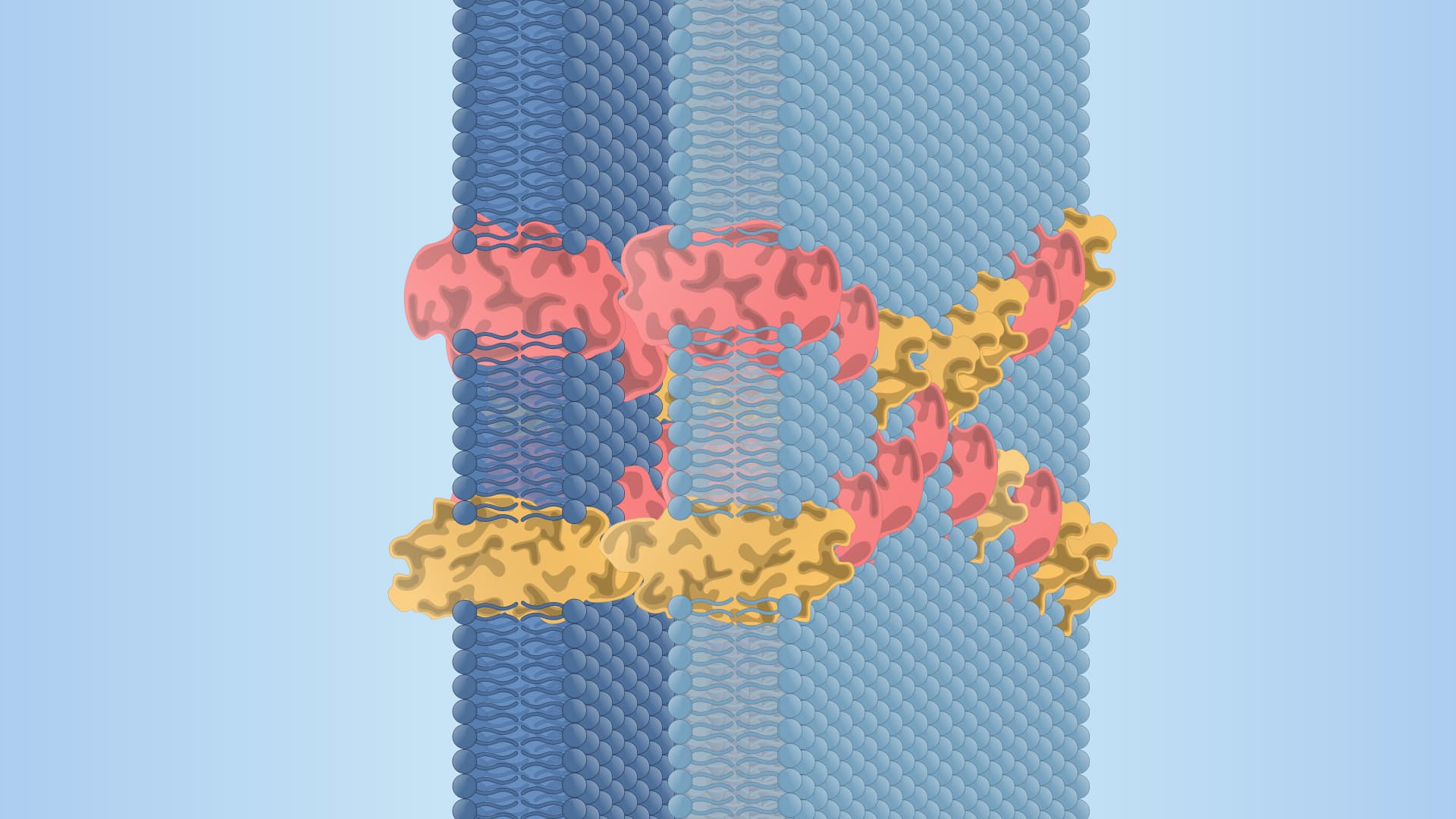
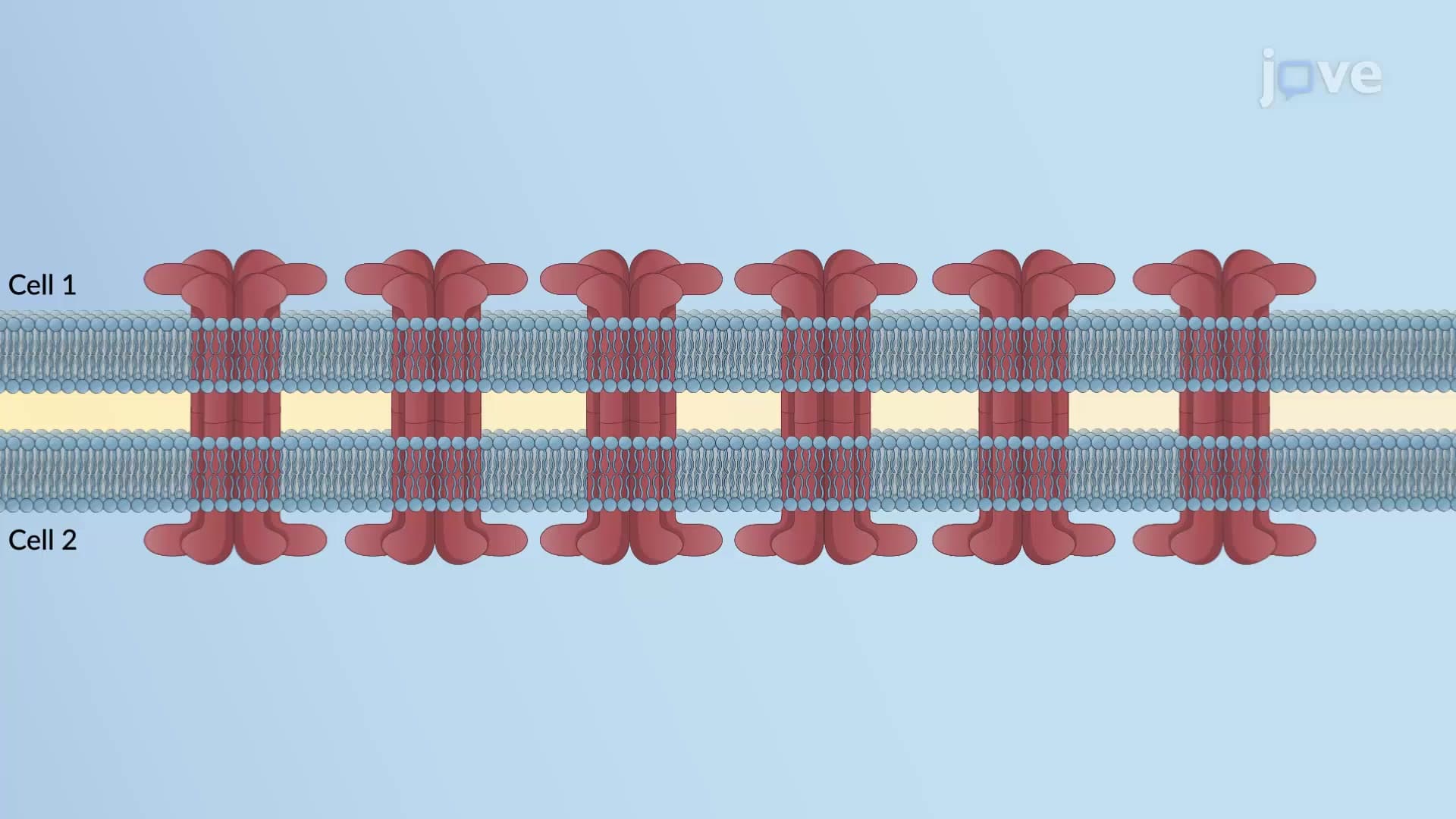
Catenins


00:00
01:23
Video Summary: What are Catenins
Ever wonder how your skin cells stay connected despite constant movement and stretching? Catenins are the molecular "glue" that keeps our cells bound together through sophisticated protein networks. These adapter proteins are essential for maintaining tissue integrity in everything from heart muscle to the blood-brain barrier that protects neurons in conditions treated at hospitals like Johns Hopkins. Understanding what are catenins reveals how cellular architecture maintains structural stability while allowing dynamic reorganization. Watch the full video on JoVE Coach to master this concept with expert-led visuals and step-by-step explanations.
- Understand what are catenins and their fundamental role as adapter proteins in cell-cell adhesion mechanisms
- Identify the major types of catenins including alpha-catenin, beta-catenin, plakoglobin, plakophilin, and p120 catenin
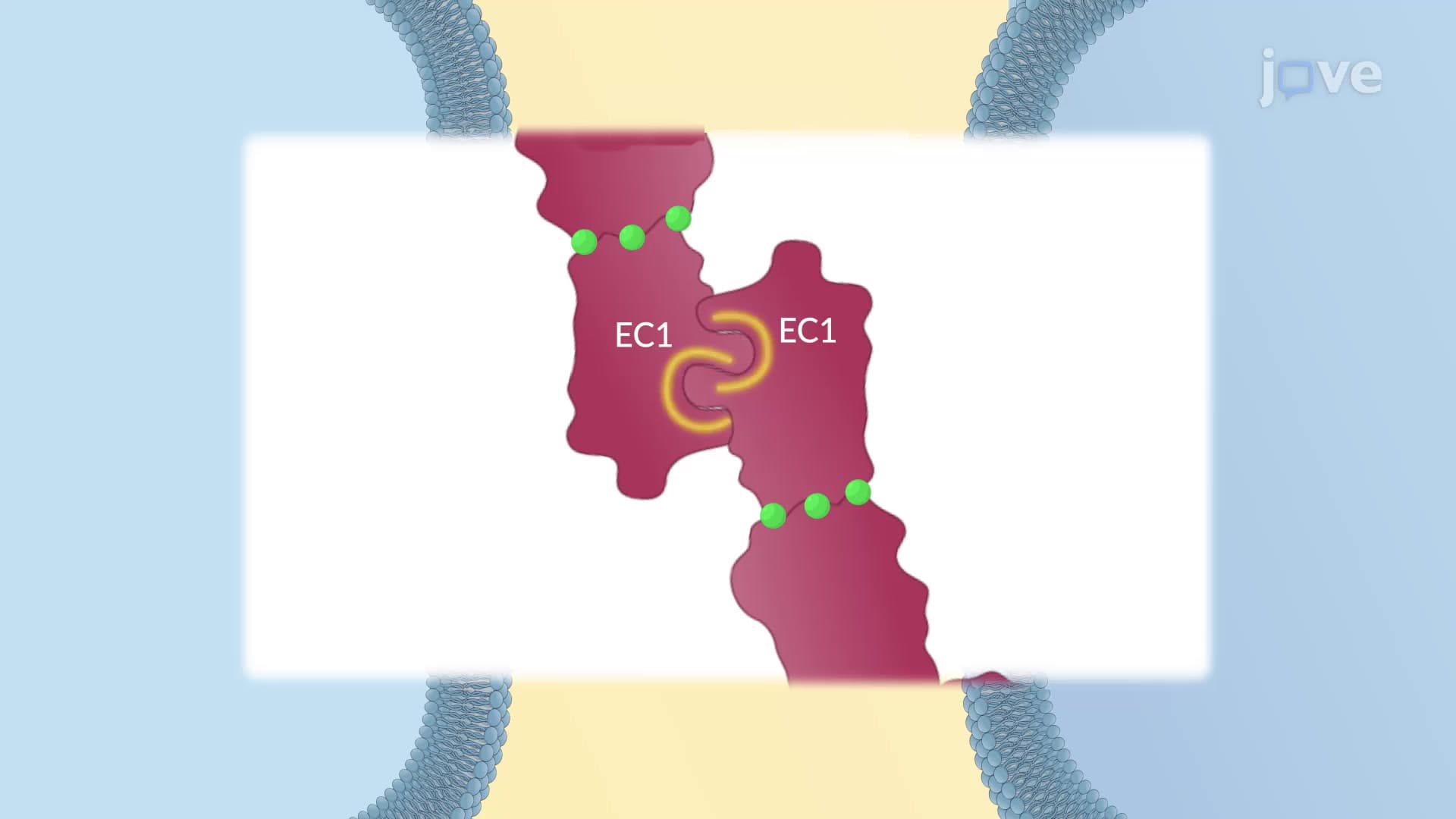
- Analyze how catenins create molecular bridges between cadherins and cytoskeletal components
- Compare the functions of different catenin types in organizing actin filaments versus intermediate filaments
- Evaluate the dynamic process of alpha-catenin dissociation and dimer formation during adhesion complex clustering
- Apply knowledge of catenin-cadherin interactions to explain tissue integrity and cellular organization
- Recognize the regulatory role of p120 catenin in maintaining cadherin stability at cell membranes
- Explore how catenin dysfunction contributes to diseases affecting tissue structure and cellular migration
Understanding What are Catenins: Molecular Architecture of Cell Adhesion
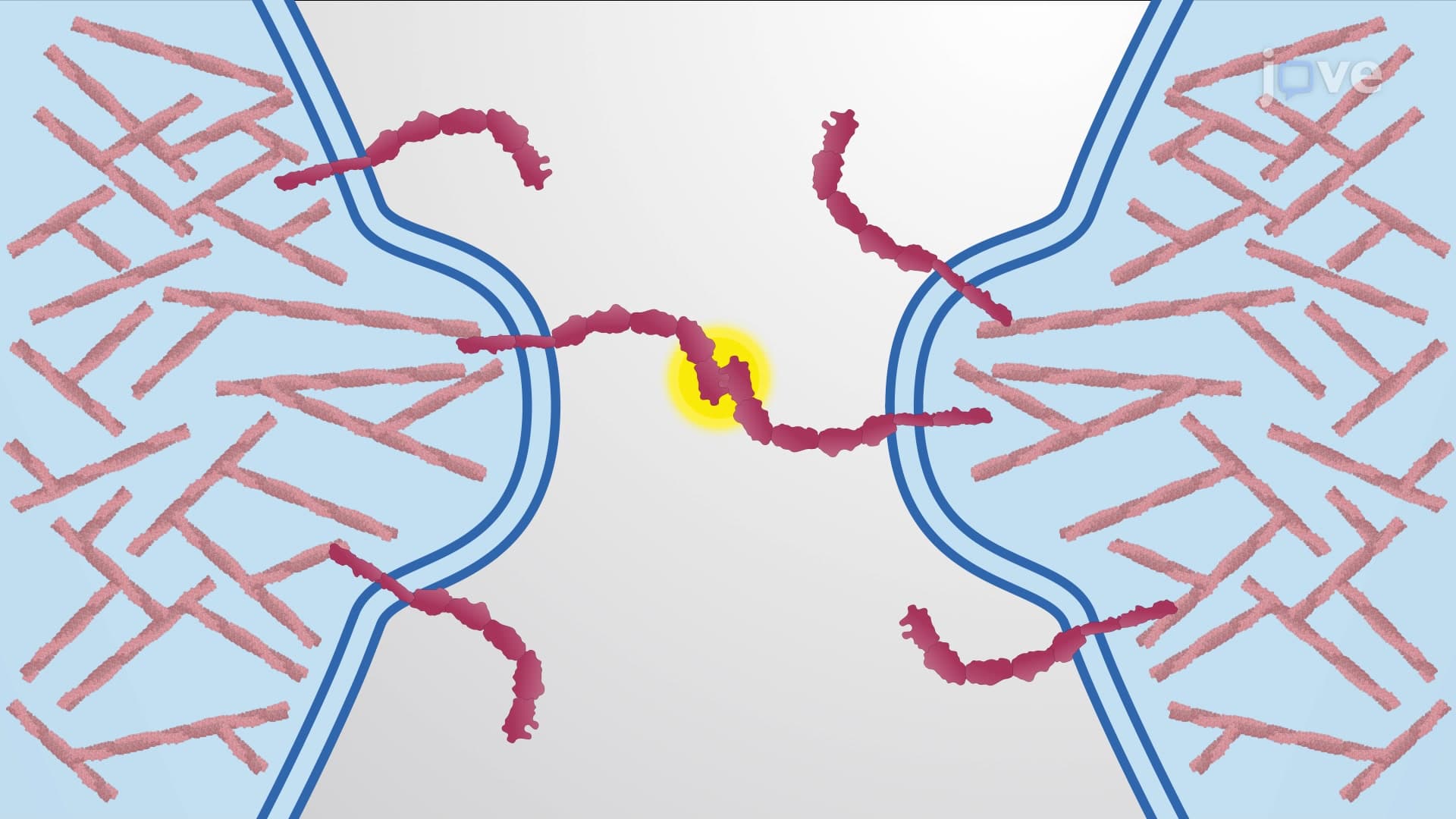
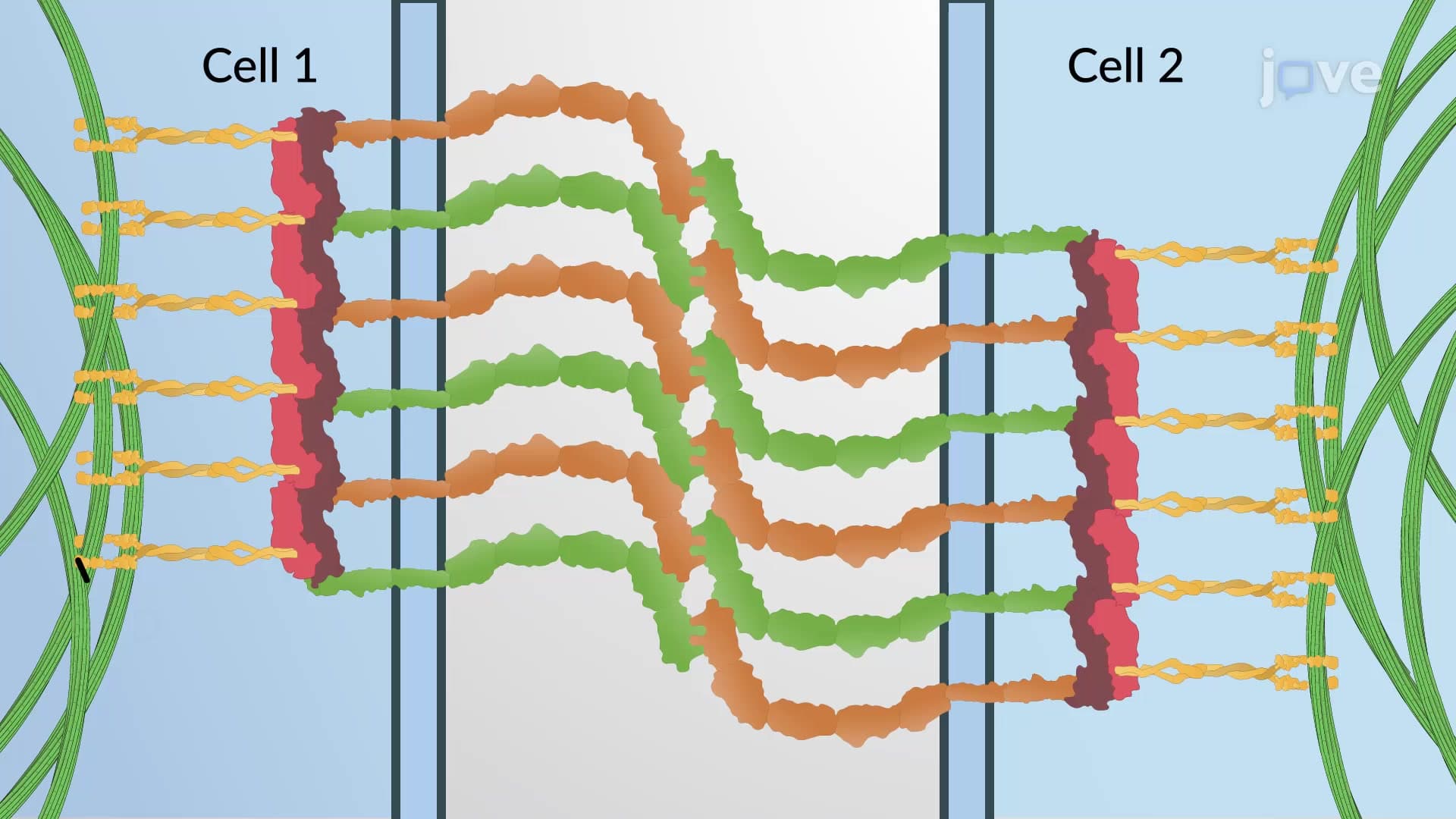
Catenins represent a sophisticated family of adapter proteins that serve as critical structural and regulatory components in cell-cell adhesion. These proteins function as molecular bridges, connecting transmembrane cadherin proteins to the intracellular cytoskeleton, thereby creating stable yet dynamic cellular connections essential for tissue integrity.
Types of Catenins and Their Specialized Functions
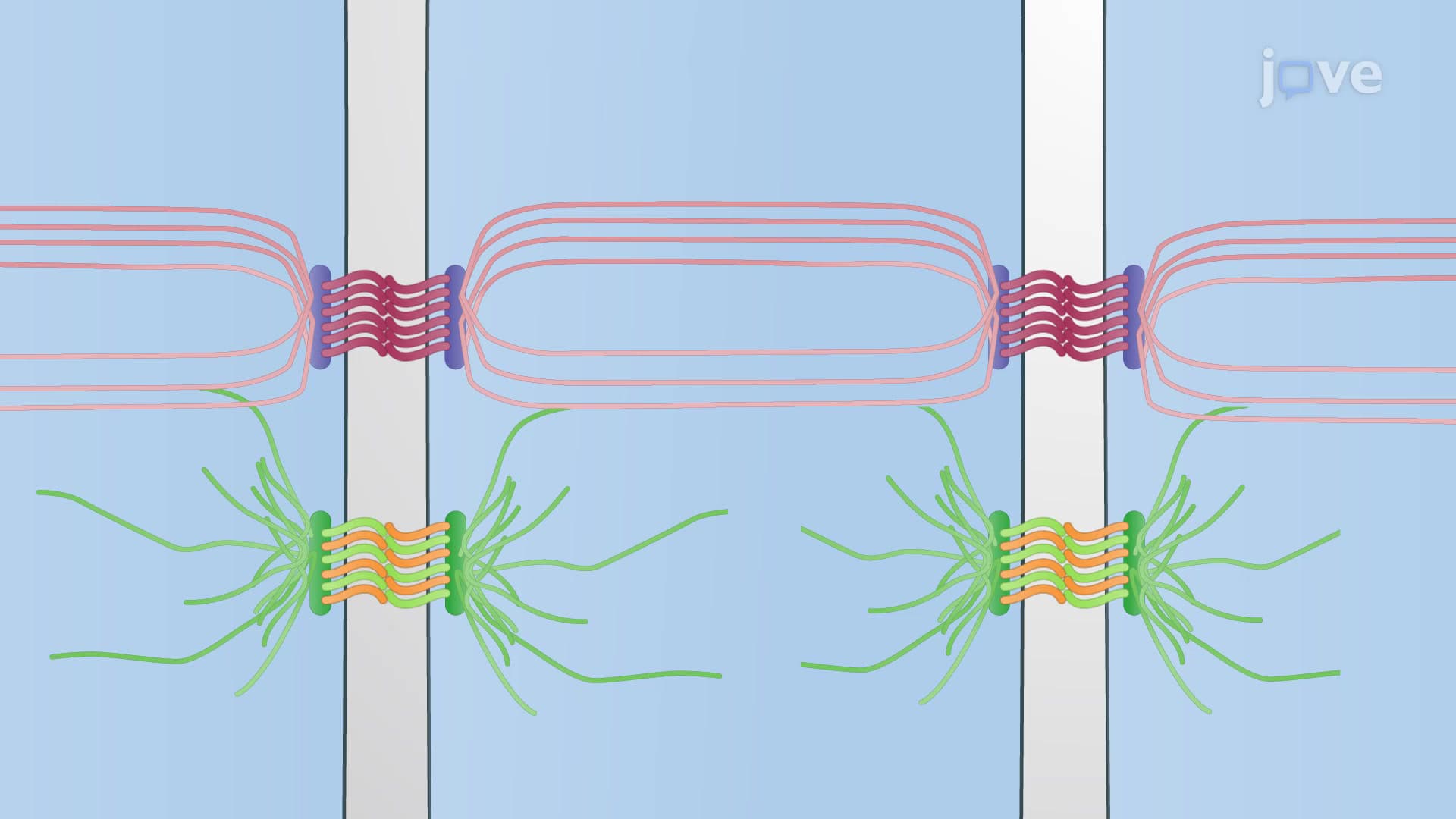
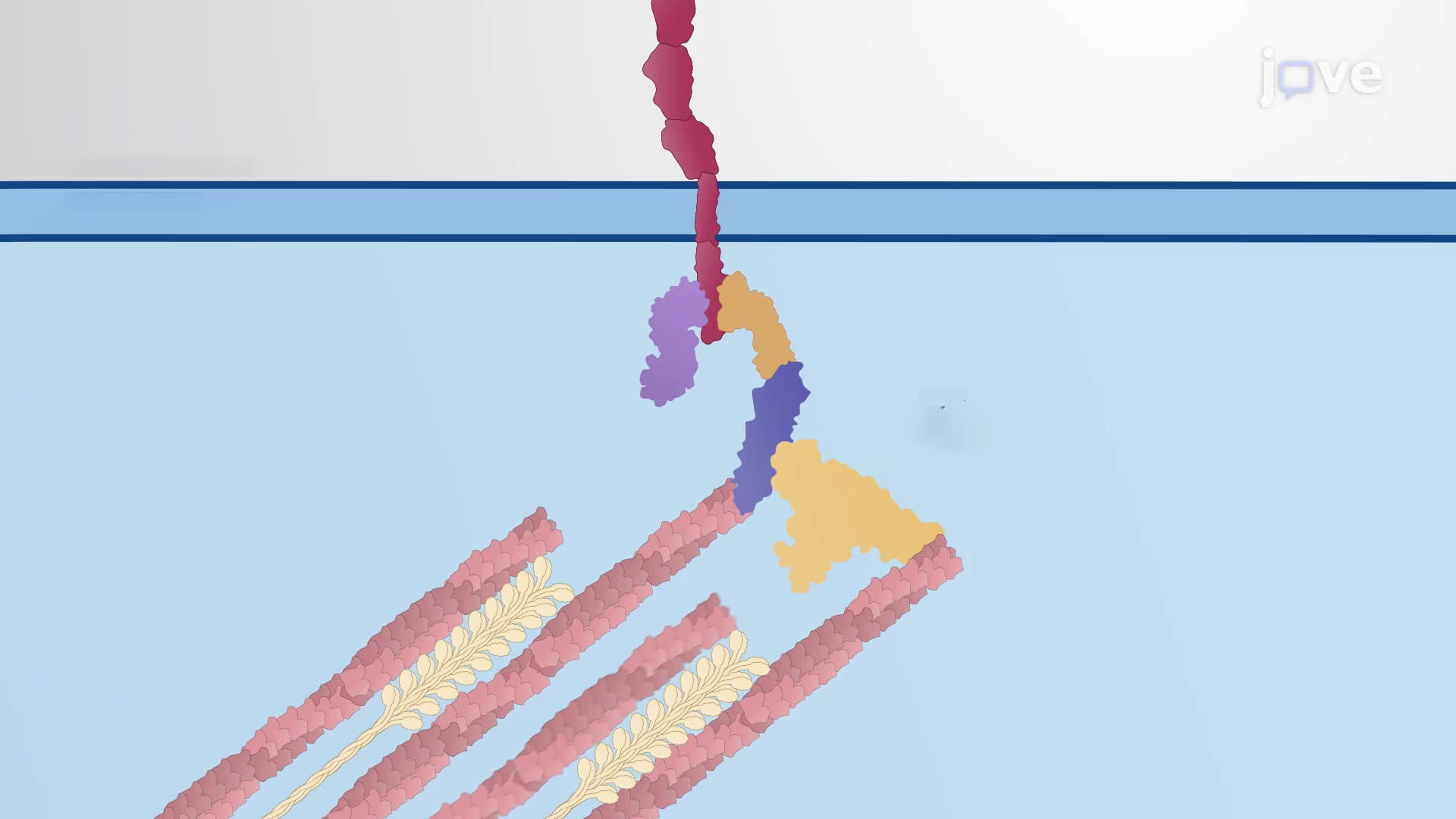
The types of catenins can be categorized based on their cytoskeletal associations and functional roles. Alpha-catenin and beta-catenin primarily interact with the actin cytoskeleton, creating dynamic organizational networks at the plasma membrane. Beta-catenin initiates this process by binding directly to the cytosolic domains of cadherin molecules, while alpha-catenin subsequently associates with beta-catenin to establish connections with actin filaments.
In contrast, plakoglobin and plakophilin specialize in linking cadherins to intermediate filaments, providing more stable, long-term structural support. P120 catenin serves a unique regulatory function, modulating cadherin stability and membrane localization rather than direct cytoskeletal organization.
Dynamic Assembly and Regulation of Catenin Complexes
The formation of functional adhesion complexes involves sophisticated molecular choreography. Initially, individual cadherin-catenin complexes form through sequential protein binding events. As these complexes cluster together at cell-cell contact sites, alpha-catenin molecules undergo a remarkable conformational change-they dissociate from the membrane-bound complexes and form cytosolic dimers.
These alpha-catenin dimers exhibit enhanced affinity for filamentous actin, enabling them to organize actin into bundled structures that provide mechanical strength to adhesion sites. This dynamic process allows cells to maintain strong intercellular connections while retaining the flexibility necessary for tissue remodeling and cellular movement.
Clinical and Academic Relevance
Understanding catenin function proves essential for students preparing for advanced coursework and standardized exams. MCAT questions frequently test knowledge of cell adhesion mechanisms, while AP Biology exams may include catenin-related content in cellular structure and function sections. Medical students studying histology and pathology must grasp these concepts to understand diseases involving tissue integrity, including certain cancers where catenin signaling becomes dysregulated.
Frequently Asked Questions
Catenins serve as adapter proteins that link cadherins to cytoskeletal components, enabling stable cell-cell adhesion. They create molecular bridges between the cell surface and internal structural networks. This connection maintains tissue integrity while allowing dynamic cellular reorganization. Their function is essential for proper development and tissue maintenance throughout life.
Alpha and beta-catenin primarily organize actin filaments for dynamic adhesion, while plakoglobin and plakophilin connect cadherins to intermediate filaments for stable structural support. P120 catenin uniquely regulates cadherin membrane stability rather than direct cytoskeletal connections. Each type contributes distinct mechanical and regulatory properties to cell adhesion complexes.
Focus on cadherin structure and function, cytoskeletal organization (actin and intermediate filaments), and cell junction types including adherens junctions. Study epithelial-mesenchymal transition, tissue development, and cancer cell invasion mechanisms. Understanding integrin-mediated cell-matrix adhesion provides valuable context for comparing different adhesion systems.
Mutations in catenin genes can cause arrhythmogenic cardiomyopathy, where heart muscle cells lose proper adhesion leading to irregular heartbeats. Skin conditions like pemphigus involve autoimmune attacks on catenin-cadherin complexes, causing blistering. Cancer progression often involves altered catenin signaling that promotes cell invasion and metastasis.
While catenin molecular mechanisms involve complex biochemistry, the basic concepts are accessible with proper foundation in cell structure and protein function. Focus on understanding their role as "molecular connectors" before diving into detailed binding mechanisms. Visual models and analogies help grasp these abstract molecular interactions effectively.
Create mnemonics linking catenin names to their functions: "Alpha and Beta Act on Actin" for actin-binding catenins, while "Plako-Pairs with Intermediate filaments." Use concept maps showing catenin-cadherin-cytoskeleton relationships. Practice drawing adhesion complex diagrams from memory, labeling each catenin type and its specific binding partners.
Catenin mechanisms provide foundation for understanding tissue engineering, regenerative medicine, and developmental biology. They connect to signal transduction pathways, particularly Wnt signaling where beta-catenin serves dual adhesion and transcriptional roles. This knowledge prepares you for advanced topics in cancer biology, stem cell research, and therapeutic target development.
AP Biology may include catenin concepts within cell structure and intercellular communication topics, typically focusing on their adhesion function rather than molecular details. SAT Subject Tests rarely cover this level of detail. College-level cell biology courses extensively cover catenin mechanisms, making this knowledge valuable for academic success in life science programs.
Related Micro-courses

11 Concepts
7 Concepts
20 Concepts