- Cell Biology
- Protein Structure
1. What are Proteins?
2. Protein Organization
3. Protein Folding
4. Protein Families
5. Conservation of Protein Domains
6. Globular and Fibrous Proteins
7. Intrinsically Disordered Proteins
8. Protein Complex Assembly
9. Conjugated Proteins
10. Amyloid Fibrils
Protein structure forms the foundation of all biological processes, from enzyme catalysis to immune defense. This comprehensive JoVE Coach micro-course explores how amino acids assemble into complex three-dimensional structures that determine protein function. Students will master the hierarchical organization of proteins, examine folding mechanisms, and understand how structural defects lead to diseases like Alzheimer's and sickle cell anemia—knowledge essential for careers in biotechnology, medicine, and pharmaceutical research across the United States.
- Understand the four levels of protein organization from amino acid sequences to quaternary complexes
- Learn how protein folding transforms linear polypeptide chains into functional three-dimensional structures
- Identify the differences between globular proteins like hemoglobin and fibrous proteins like collagen
- Explore how protein domains act as modular building blocks conserved across species
- Analyze the role of intrinsically disordered proteins in cellular signaling and regulation
- Apply knowledge of protein misfolding to understand neurodegenerative diseases and amyloid formation
- Examine how conjugated proteins combine with nucleic acids, carbohydrates, and lipids for specialized functions
- Understand protein complex assembly mechanisms and their importance in cellular processes
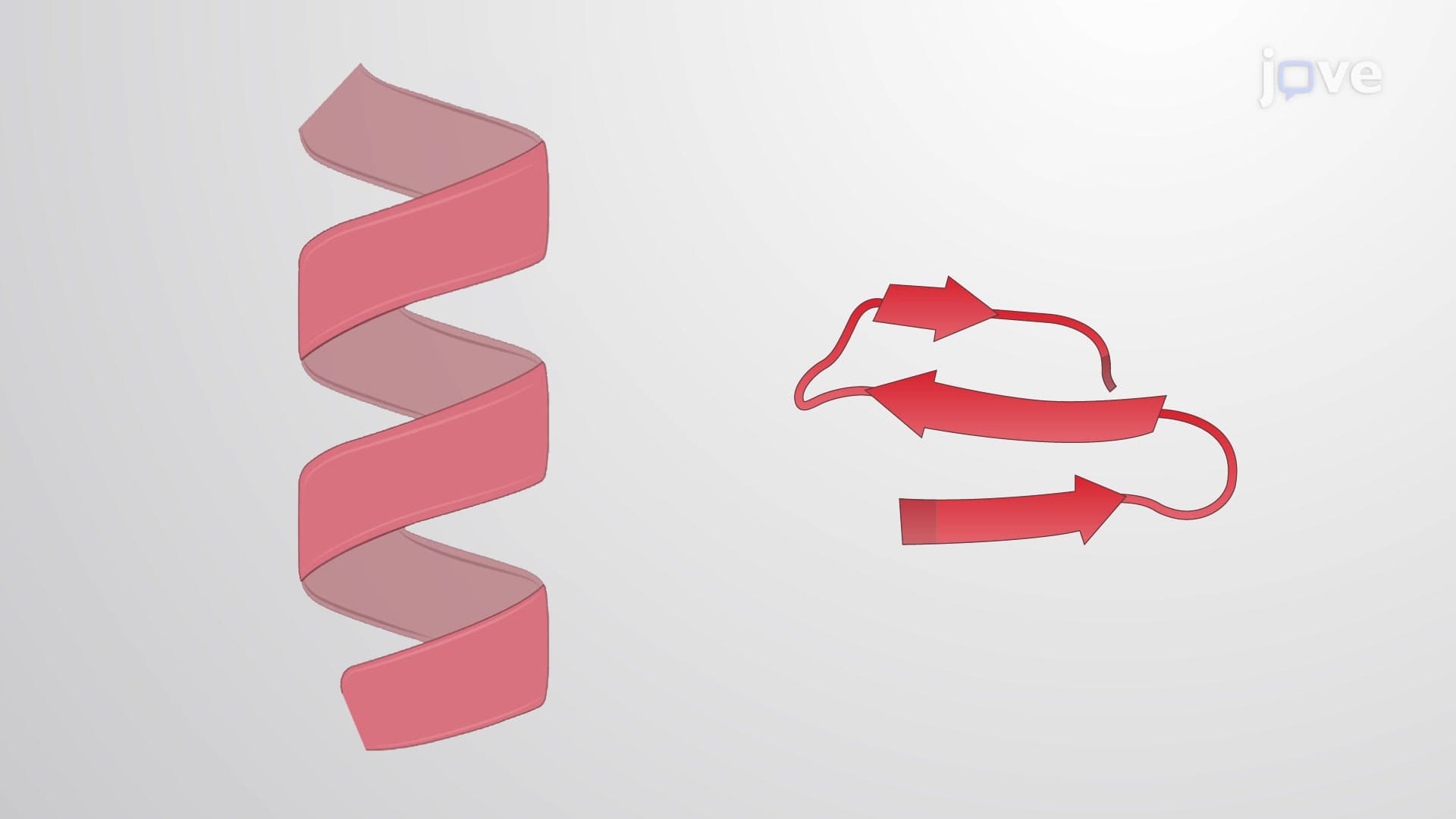
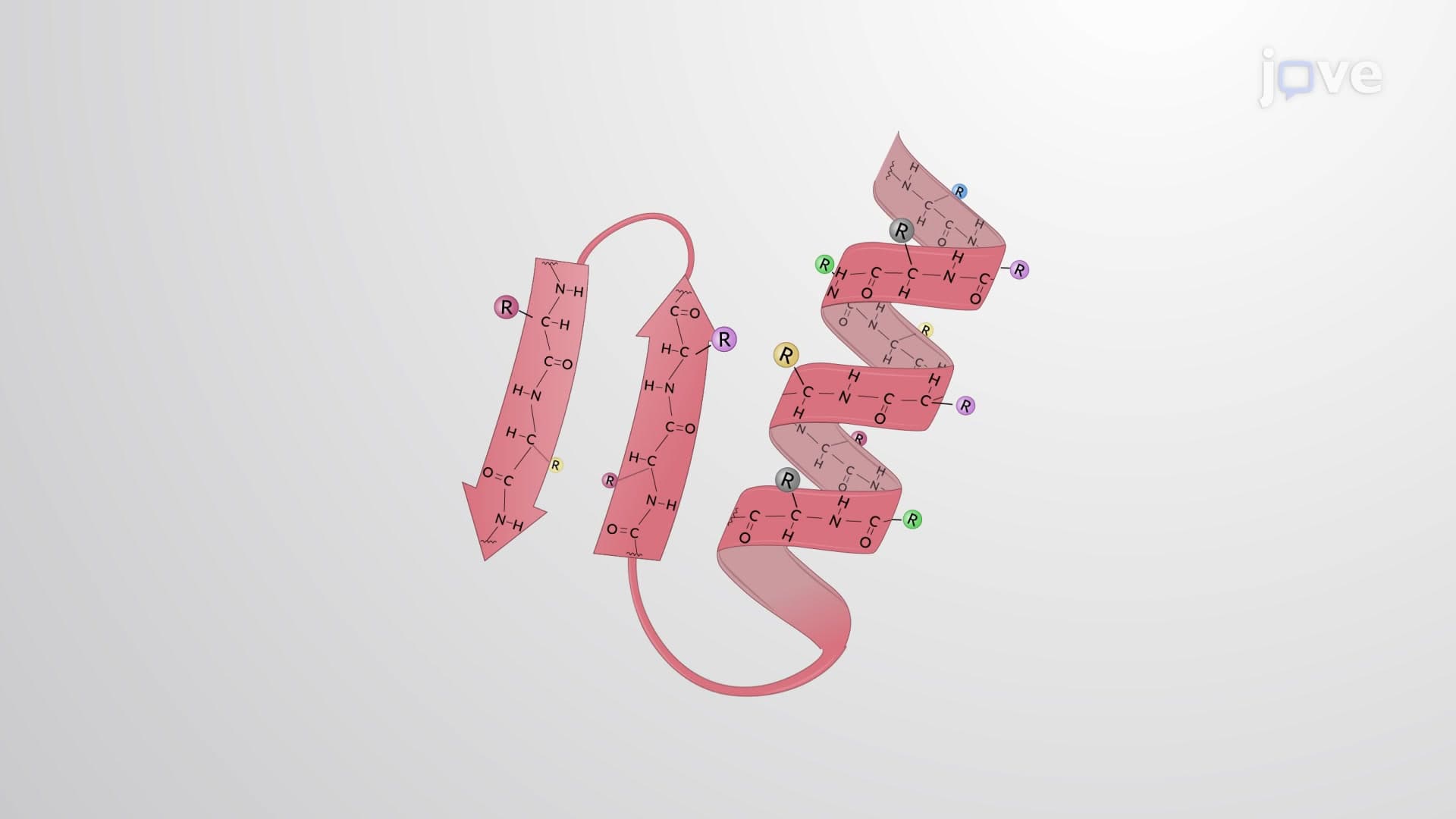
1. Primary Secondary Tertiary Quaternary Protein Structure Hierarchy: Protein organization follows four distinct structural levels that determine biological function. Primary structure represents the linear amino acid sequence connected by peptide bonds, like the specific order of amino acids in insulin. Secondary structure includes regular folding patterns such as alpha helices found in keratin hair proteins and beta sheets present in silk fibroin. Tertiary structure describes the complete three-dimensional folding of a single polypeptide chain, exemplified by the compact globular structure of myoglobin that enables oxygen storage in muscle tissue. Quaternary structure emerges when multiple protein subunits combine, as seen in hemoglobin's four-subunit complex that efficiently transports oxygen throughout the bloodstream.
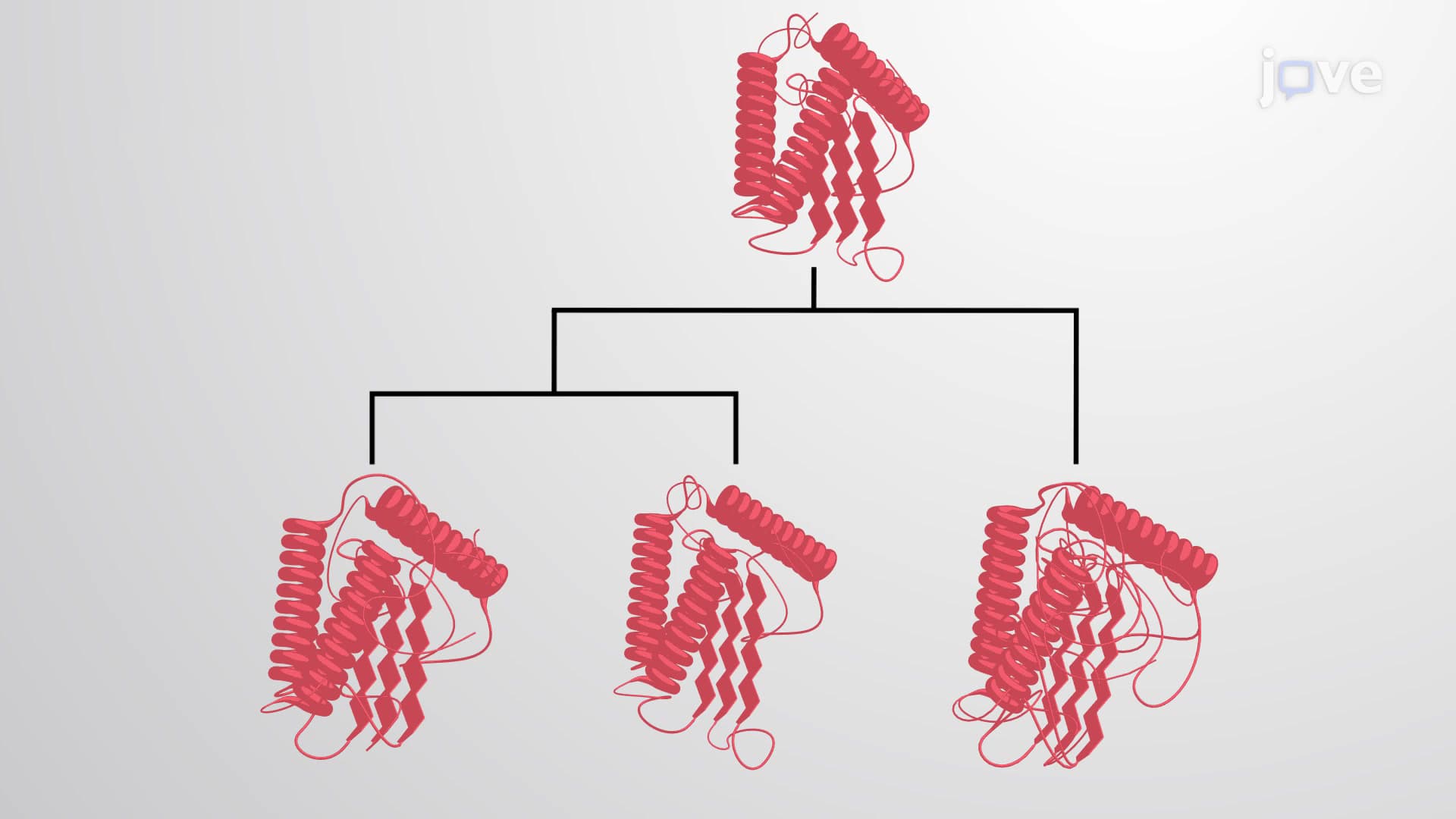
2. Protein Folding and Conformation Mechanisms: Protein folding and conformation processes transform newly synthesized polypeptide chains into functional three-dimensional structures through precise molecular interactions. Hydrophobic amino acids cluster in protein cores while hydrophilic residues orient toward aqueous environments, driving spontaneous folding guided by thermodynamic principles. Molecular chaperones like heat shock proteins assist proper folding and prevent aggregation, particularly crucial during cellular stress conditions. Anfinsen's principle demonstrates that amino acid sequences contain sufficient information for correct folding, validated through protein refolding experiments. Misfolded proteins trigger cellular quality control mechanisms involving the proteasome degradation system, preventing accumulation of potentially toxic protein aggregates that characterize diseases like Huntington's and Parkinson's.
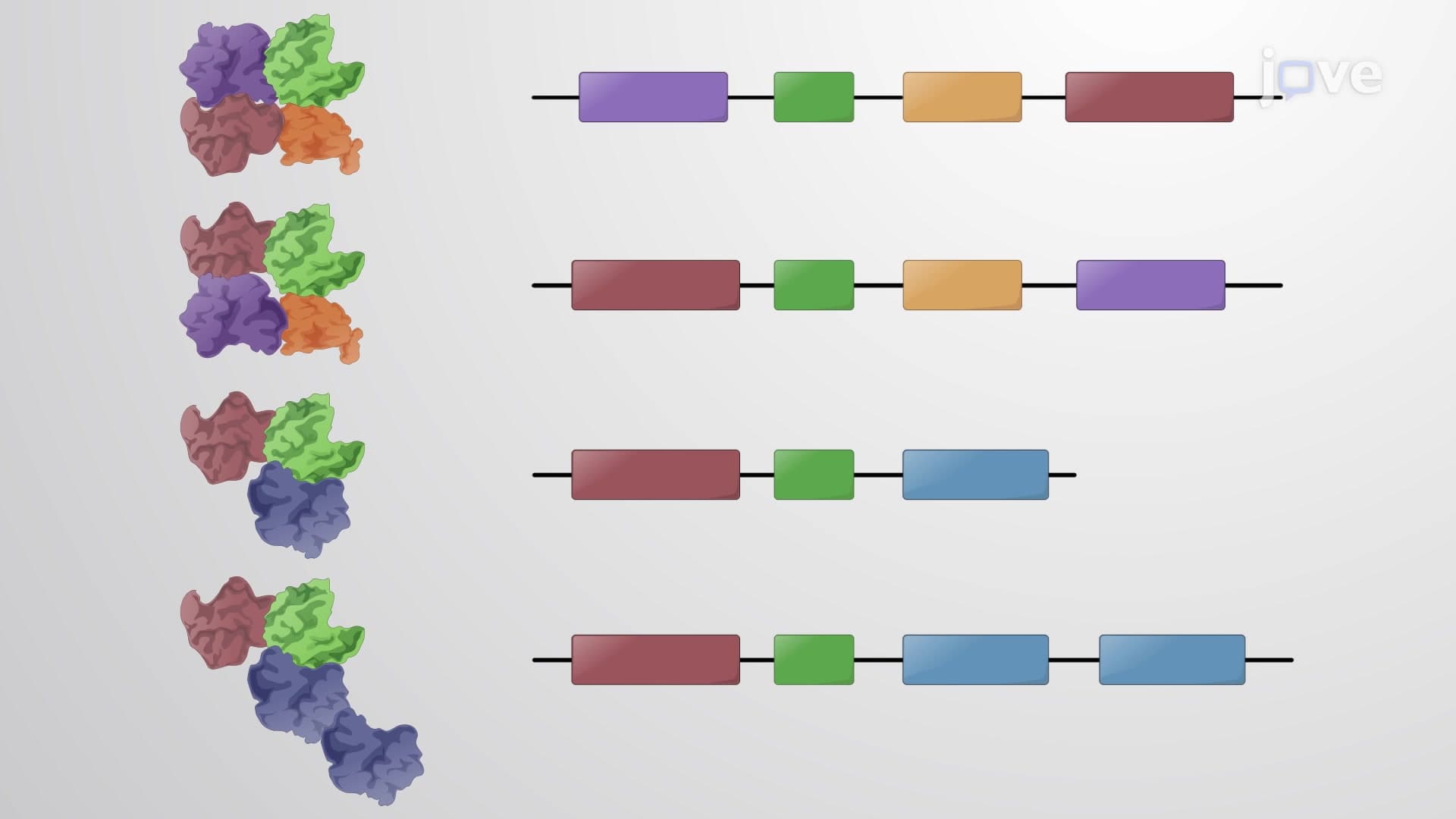
3. Protein Domains and Evolutionary Conservation: Protein domains function as independently folding structural units that serve as evolutionary building blocks across diverse protein families. Common domains like SH2 domains mediate protein-protein interactions in cellular signaling pathways, while DNA-binding domains enable transcription factor recognition of specific gene sequences. Domain shuffling through evolutionary processes creates protein diversity while maintaining essential functions, exemplified by immunoglobulin domains present in antibodies and cell surface receptors. Conserved domains facilitate functional prediction for newly discovered proteins through sequence homology analysis. Understanding domain architecture proves essential for protein engineering applications, including the development of therapeutic proteins and diagnostic enzymes used in clinical laboratories throughout the United States.
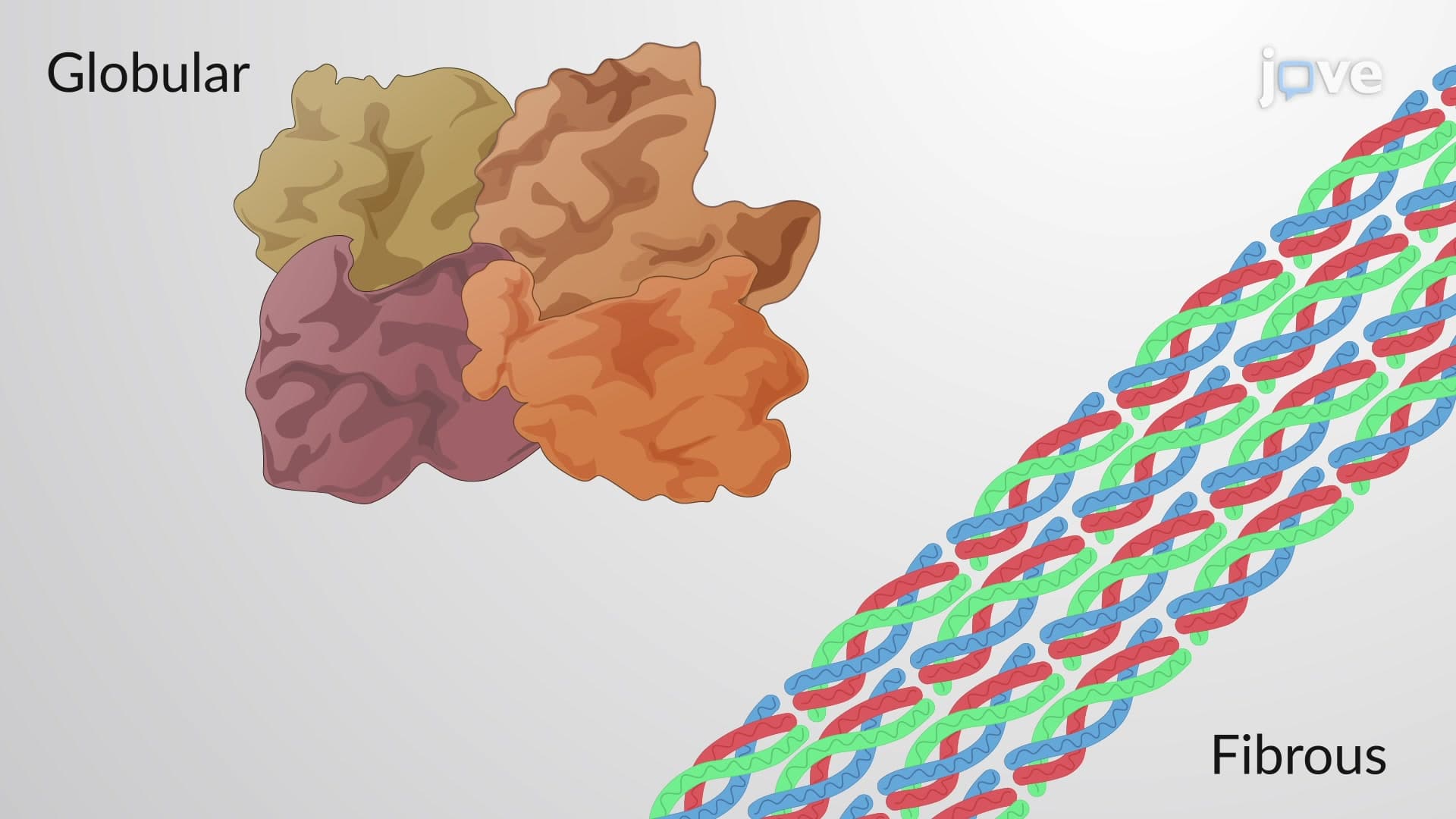
4. Globular versus Fibrous Protein Architectures: Globular proteins adopt compact, spherical conformations optimized for aqueous cellular environments, with examples including enzymes like lysozyme and transport proteins like albumin found in blood plasma. These proteins typically contain mixed secondary structures and perform dynamic functions requiring conformational flexibility. Fibrous proteins form extended, rope-like structures providing mechanical support in tissues, exemplified by collagen's triple helix structure that comprises one-third of total body protein in humans. Keratin proteins create protective structures in hair, nails, and skin through disulfide cross-linking between cysteine residues. Elastin provides tissue elasticity in blood vessels and lungs through unique cross-linking mechanisms. The architectural differences directly correlate with functional requirements, determining whether proteins serve structural or catalytic roles.
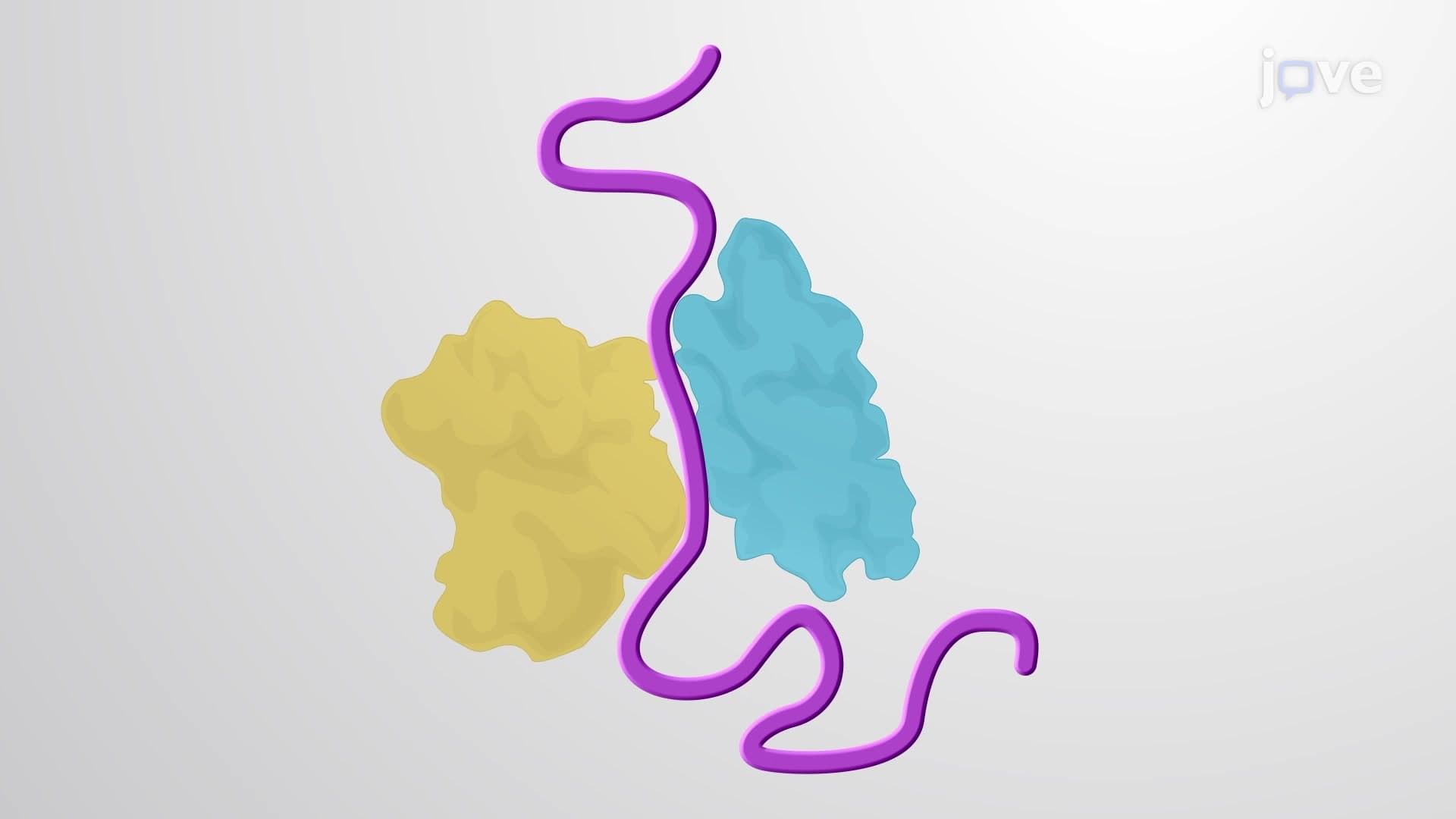
5. Intrinsically Disordered Proteins and Cellular Regulation: Intrinsically disordered proteins lack fixed three-dimensional structures, instead existing as dynamic ensembles that undergo disorder-to-order transitions upon binding specific targets. These proteins contain high proportions of charged and polar amino acids that maintain solubility without forming hydrophobic cores typical of globular proteins. Examples include p53 tumor suppressor protein and transcription factors that require structural flexibility for DNA binding and protein interactions. Disordered regions serve as molecular switches, enabling proteins to adopt different conformations based on cellular conditions such as phosphorylation or pH changes. Understanding intrinsic disorder revolutionizes drug design approaches, as traditional small molecule inhibitors prove less effective against flexible protein targets, necessitating development of novel therapeutic strategies for cancer and neurological disorders.
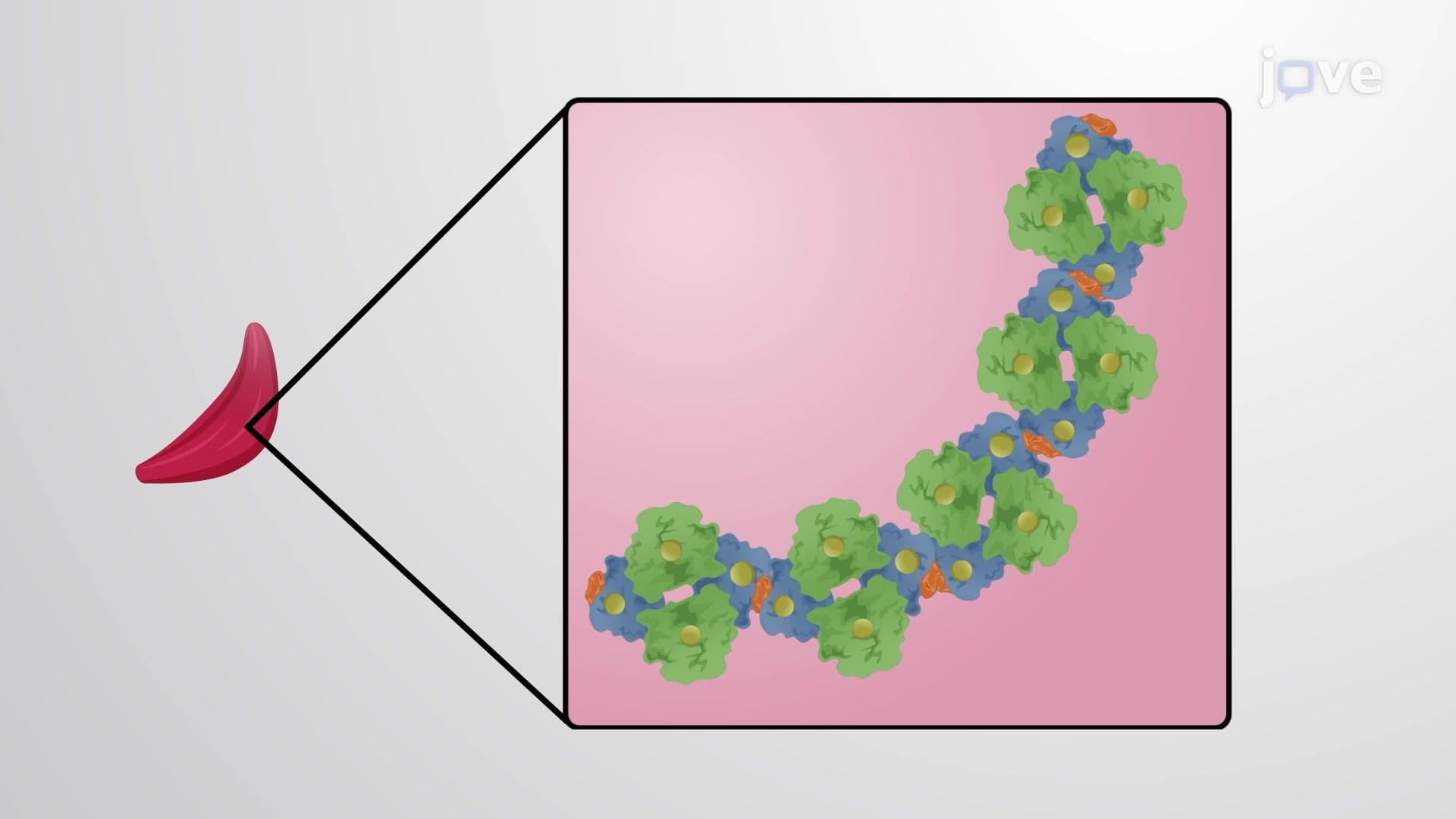
6. Protein Complex Assembly and Cellular Function: Protein complex assembly involves precise association of multiple subunits to create functional molecular machines essential for cellular processes. Self-assembly mechanisms rely on complementary surface interactions and thermodynamic stability, exemplified by virus particle formation and ribosome assembly in protein synthesis. Molecular chaperones facilitate complex assembly by preventing inappropriate interactions and ensuring correct subunit orientation, particularly important for large complexes like the 26S proteasome involved in protein degradation. Assembly defects contribute to human diseases, including sickle cell anemia where mutant hemoglobin polymerizes abnormally, causing characteristic red blood cell deformation. Understanding assembly principles enables biotechnology applications such as vaccine development using virus-like particles and design of protein-based nanomaterials for medical and industrial applications.
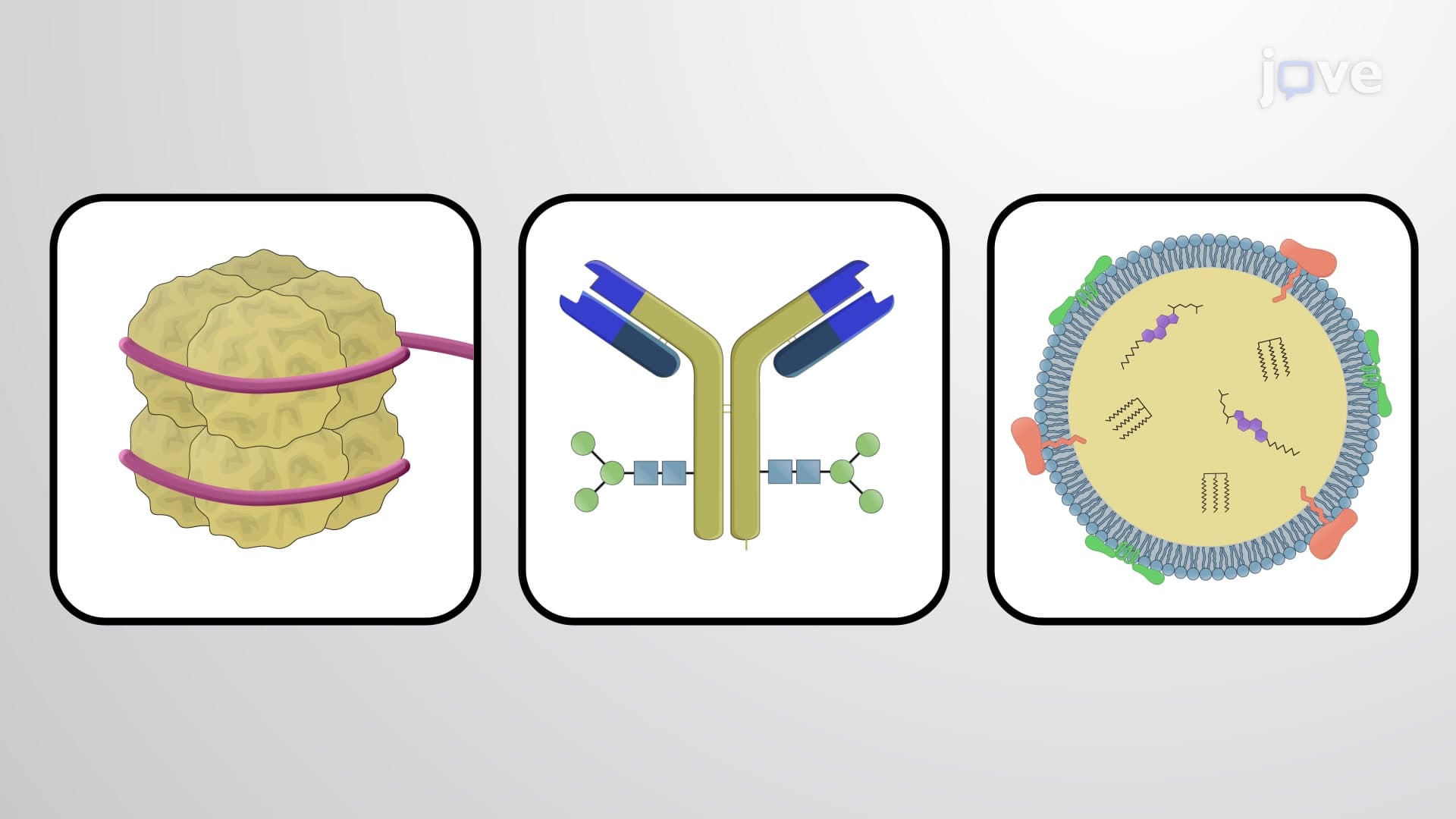
7. Conjugated Proteins and Specialized Functions: Conjugated proteins combine polypeptide chains with non-protein components to achieve specialized biological functions impossible with amino acids alone. Glycoproteins incorporate carbohydrate modifications essential for cell recognition and immune function, including antibodies that protect against infections and cell surface receptors enabling hormone signaling. Lipoproteins transport hydrophobic molecules like cholesterol through aqueous blood plasma, with different density classes (HDL, LDL) serving distinct physiological roles in cardiovascular health. Nucleoproteins package genetic material efficiently, with histones compacting DNA into chromosomes and ribonucleoproteins processing RNA transcripts. Metalloproteins coordinate metal ions for catalysis and electron transfer, exemplified by hemoglobin's iron-containing heme groups that reversibly bind oxygen for tissue delivery throughout the human body.
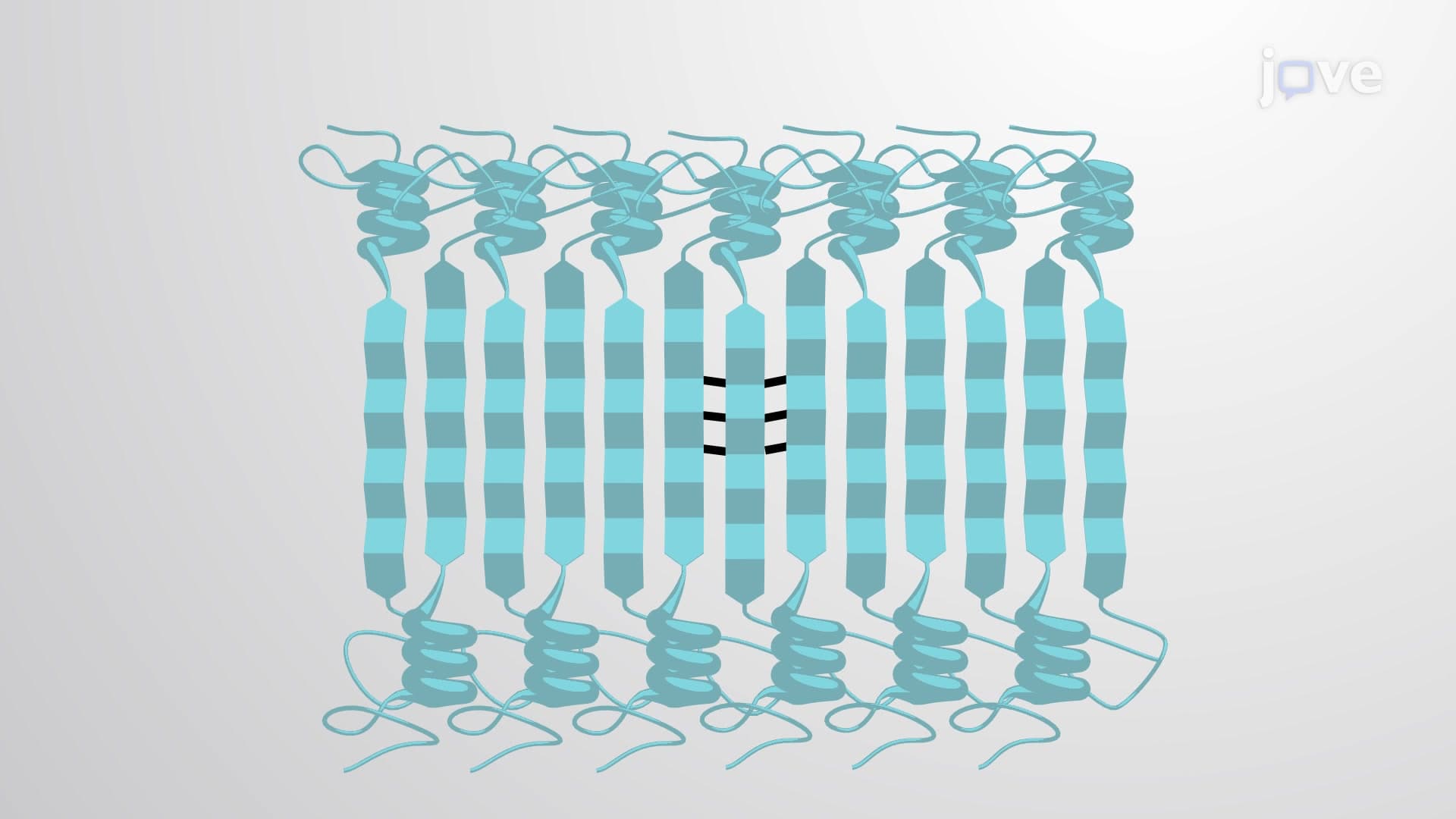
8. Amyloid Fibrils and Protein Misfolding Diseases: Amyloid fibrils represent pathological protein aggregates formed through conversion of normal proteins into cross-beta sheet structures that resist cellular degradation mechanisms. These insoluble deposits accumulate in tissues, causing cellular dysfunction associated with neurodegenerative diseases including Alzheimer's disease, where amyloid-beta peptides form plaques in brain tissue. Prion diseases demonstrate infectious protein misfolding, where abnormal prion proteins convert normal forms into disease-causing conformations, exemplified by Creutzfeldt-Jakob disease in humans. However, some amyloid structures serve beneficial functions, including bacterial biofilm formation and protein storage in secretory granules. Research into amyloid formation mechanisms drives development of therapeutic interventions targeting protein aggregation, with potential treatments including small molecule inhibitors and immunotherapy approaches currently in clinical trials across major US medical centers.
Frequently Asked Questions
These represent hierarchical levels of protein organization. Primary structure is the amino acid sequence, secondary structure includes local folding patterns like alpha helices and beta sheets, tertiary structure is the complete 3D shape of one protein chain, and quaternary structure involves multiple protein subunits working together, like hemoglobin's four-subunit complex.
Protein function directly depends on proper three-dimensional structure achieved through folding. The specific arrangement of amino acids creates active sites in enzymes, binding pockets in receptors, and structural frameworks in support proteins. Misfolded proteins lose function and can cause diseases like cystic fibrosis or Alzheimer's disease.
Focus on the four structural levels, protein folding mechanisms, enzyme structure-function relationships, and protein denaturation. Understanding how pH, temperature, and chemical denaturants affect protein stability is crucial. Also master amino acid properties and how they influence protein structure, particularly hydrophobic interactions and disulfide bonds.
AP Biology emphasizes structure-function relationships, enzyme kinetics, and protein synthesis connections. Expect questions about how amino acid changes affect protein function, enzyme active sites, and the relationship between protein structure and cellular processes. Practice interpreting protein diagrams and predicting effects of structural modifications.
Intrinsically disordered proteins gain functional advantages from flexibility, allowing them to interact with multiple binding partners and undergo conformational changes during regulation. They're enriched in charged and polar amino acids that prevent hydrophobic collapse, maintaining solubility while enabling dynamic interactions essential for cellular signaling.
Misfolding results from genetic mutations, aging, cellular stress, or environmental factors. Diseases include Alzheimer's (amyloid plaques), Huntington's (protein aggregates), and sickle cell anemia (abnormal hemoglobin). Treatments focus on stabilizing correct conformations, enhancing cellular clearance mechanisms, or preventing toxic aggregation through drugs and gene therapy approaches.
Protein structure requires strong foundation in chemistry and three-dimensional thinking skills. Start with amino acid properties, then build understanding of structural levels systematically. Use molecular visualization software and practice connecting structure to biological examples. The complexity is manageable with consistent study and hands-on molecular modeling exercises.
Create visual diagrams connecting structural levels to specific examples like hemoglobin or collagen. Practice drawing protein folding pathways and identifying structural features in real proteins. Use active recall by explaining structure-function relationships without notes. Form study groups to discuss complex concepts and quiz each other on protein classifications and folding mechanisms.
Protein engineering, drug design, and therapeutic development all require deep structural understanding. Pharmaceutical companies use structure-based drug design to create medications targeting specific protein sites. Biotechnology firms engineer proteins for industrial applications, while medical research focuses on correcting structural defects causing genetic diseases through gene therapy and precision medicine approaches.
This microcourse includes 10 concept videos that walk you through the building blocks of Cell Biology. Each video is short, about 2 minutes, so you can cover a full topic during a coffee break or between classes. The full sequence starts with What are Proteins? and ends with Amyloid Fibrils.
The playlist moves from big-picture ideas to the precise vocabulary used in Cell Biology. Early videos introduce What are Proteins?, Protein Organization, and Protein Folding. The middle of the series focuses on Conservation of Protein Domains, Globular and Fibrous Proteins, and Intrinsically Disordered Proteins. The final stretch covers Protein Complex Assembly, Conjugated Proteins, and Amyloid Fibrils.
The natural next step is Protein Function. From there, you can move to Structure and Organization of DNA, DNA Replication and Repair, and Transcription: DNA to RNA. Once you finish those, the full Cell Biology curriculum of 43 microcourses on JoVE Coach opens up, taking you from foundational concepts to advanced systems.
Related Subjects