Loading subject page…

- Chemistry
- Acids and Bases
- Acid Strength and Molecular Structure
Micro-course: Acids and Bases
641,500 views
Learn key concepts and earn your certificate.

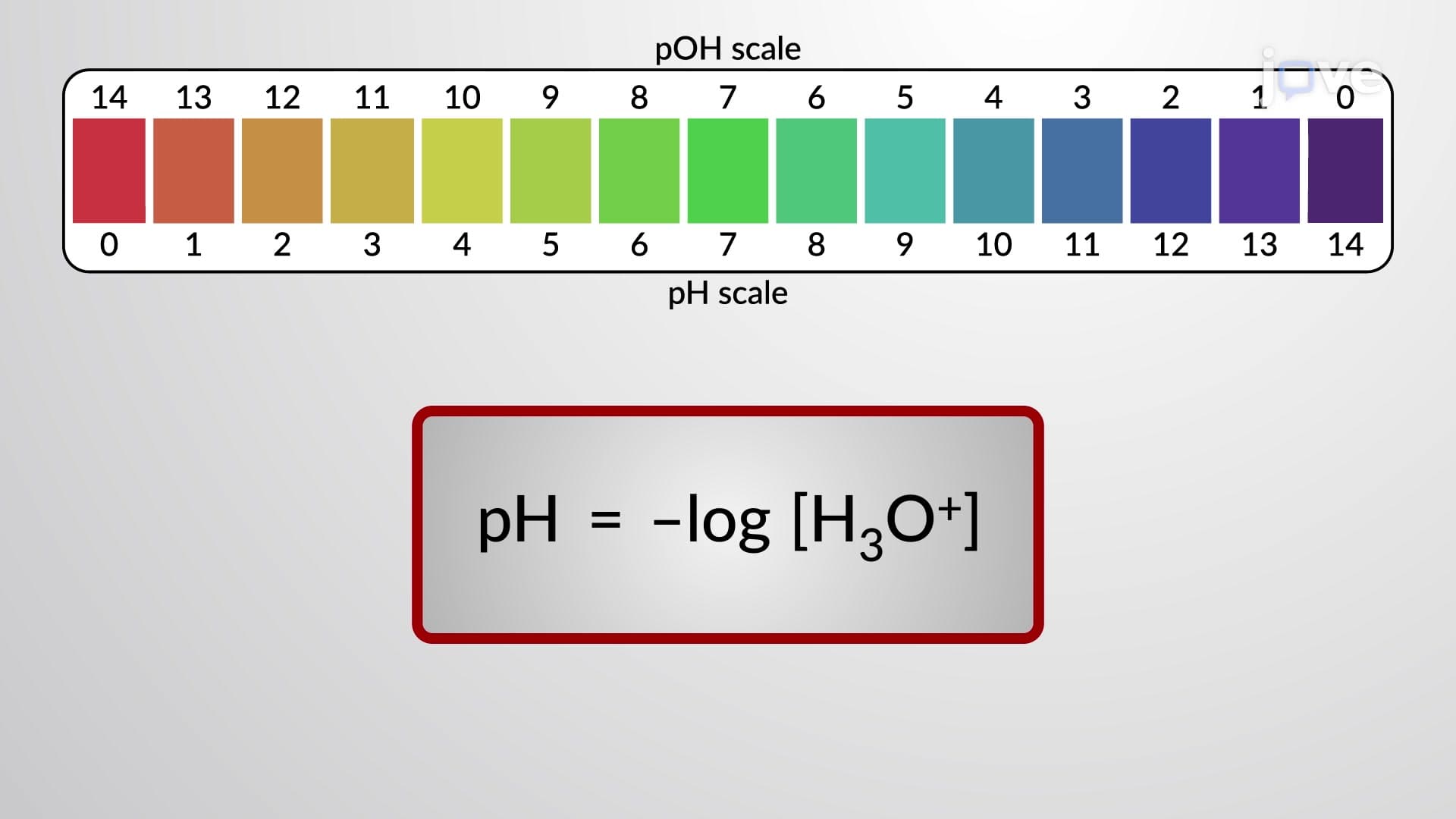
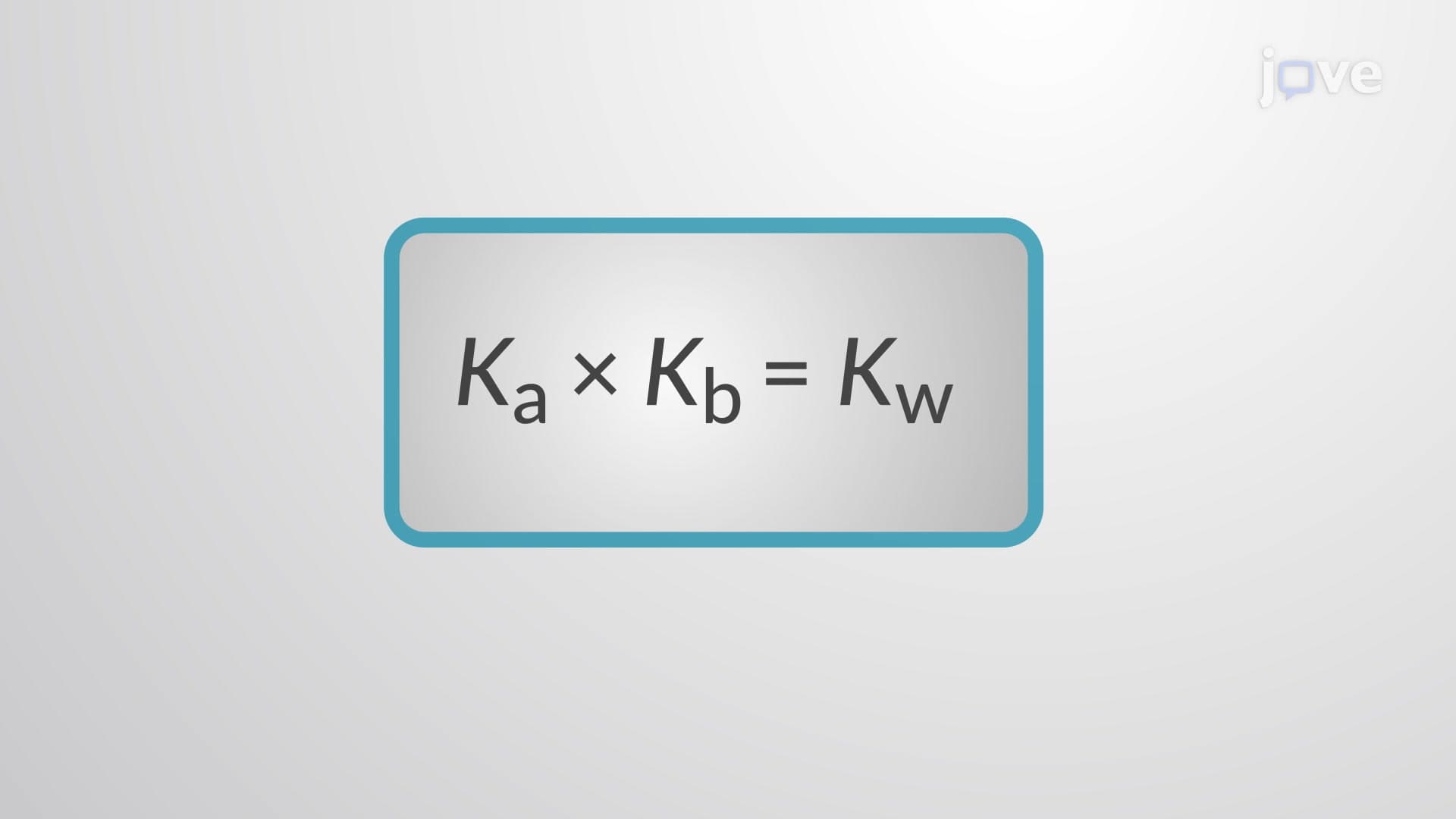

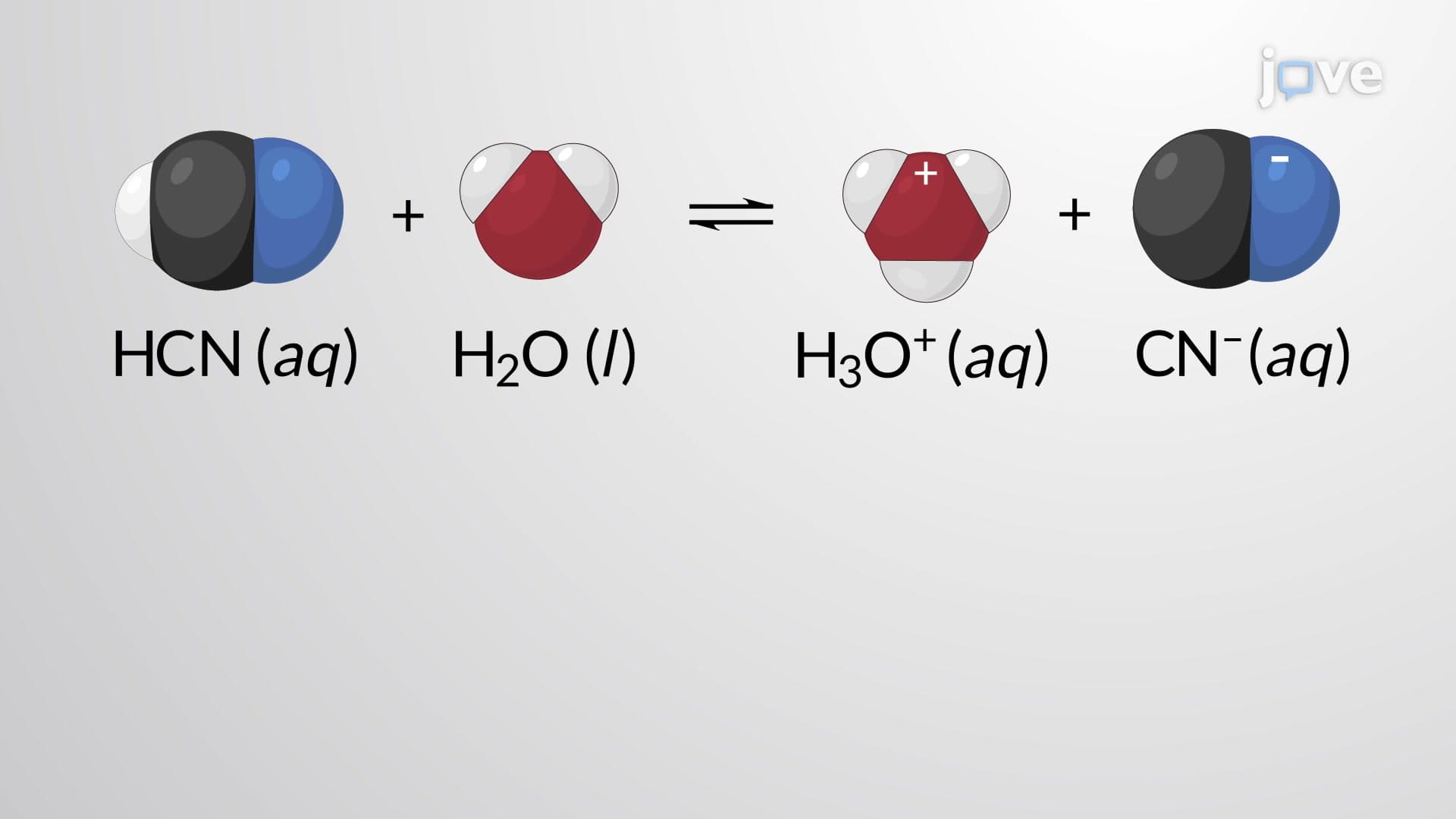
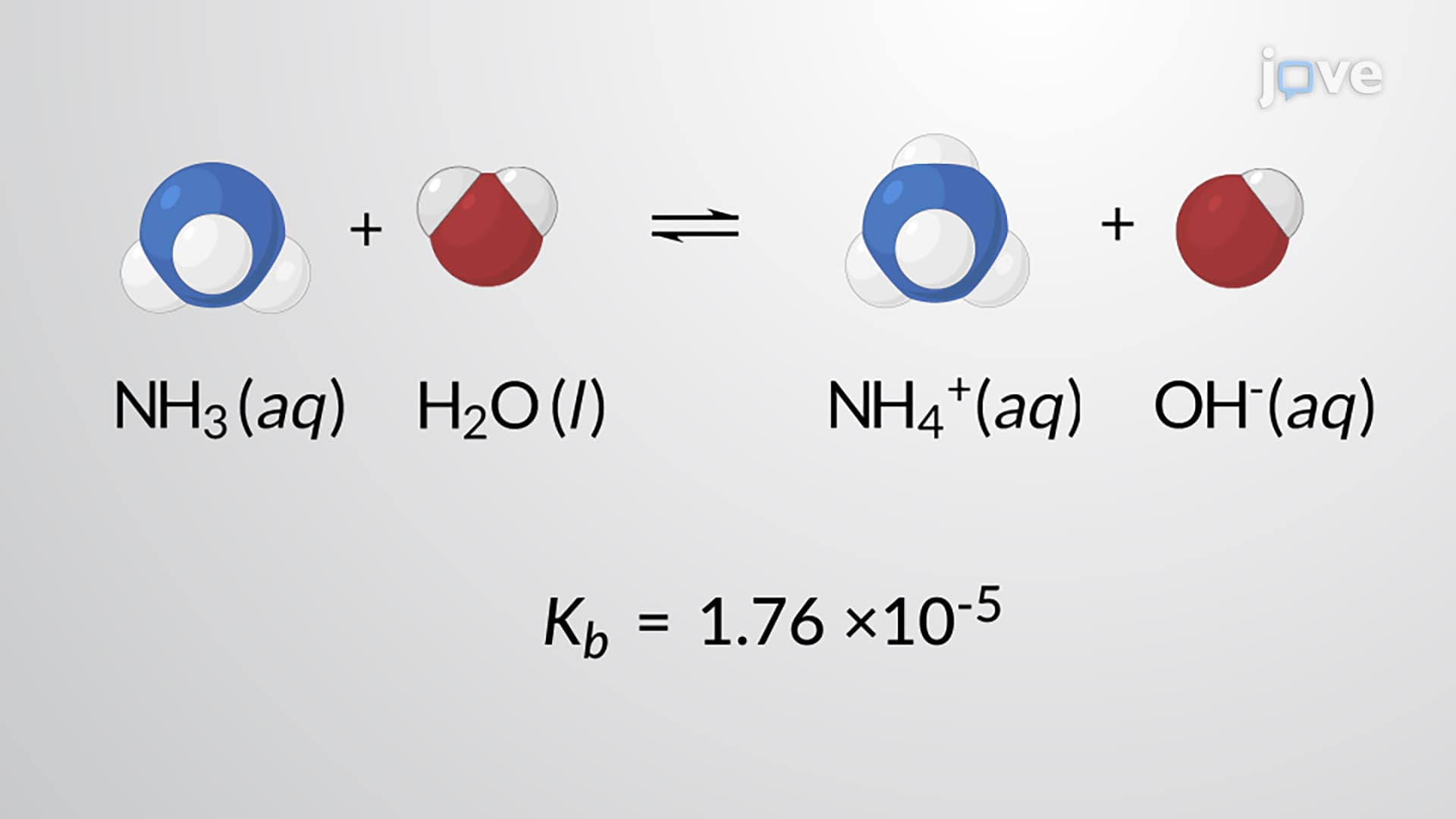

Acid Strength and Molecular Structure

00:00
03:05
Video Summary: Acid Strength and Molecular Structure Explained
Ever wondered why hydrochloric acid burns through metal while citric acid barely tingles on your tongue? Acid strength and molecular structure determines how readily acids donate protons, from the industrial-grade hydrochloric acid used in US steel manufacturing to the weak acetic acid in household vinegar. Understanding acid strength and molecular structure explained reveals how bond energy and polarity control chemical behavior. Watch the full video on JoVE Coach to master this concept with expert-led visuals and step-by-step explanations.
- Understand how acid strength and molecular structure explained principles determine whether an acid is strong or weak based on bond characteristics
- Identify the two key factors-bond energy and bond polarity-that control proton donation in binary acids
- Analyze how electronegativity differences create polar bonds that facilitate hydrogen ion release
- Compare acid strength trends within periodic table groups and across periods using molecular structure principles
- Evaluate oxyacid strength based on central atom electronegativity and the number of oxygen atoms present
- Apply molecular structure concepts to predict relative acid strengths of carboxylic acids and other organic compounds
- Recognize how additional oxygen atoms in oxyacids increase bond polarity and acid strength
- Explore the relationship between molecular geometry and acid behavior in biological and industrial systems
Understanding Acid Strength And Molecular Structure Fundamentals
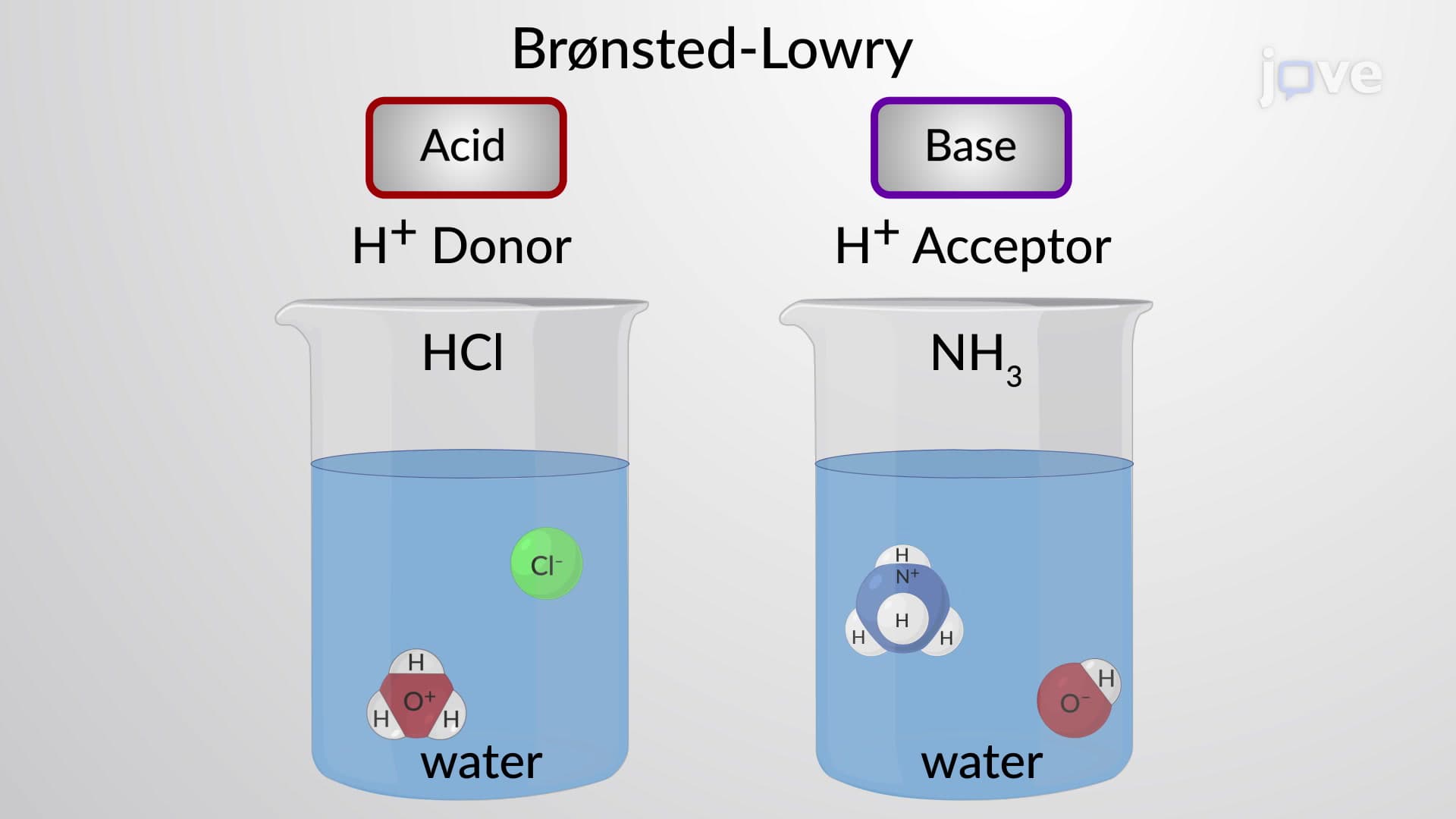
The relationship between molecular structure and acid strength governs everything from stomach acid digestion to industrial chemical processes. At the molecular level, acid strength depends on how easily a compound can donate hydrogen ions (H+) to solution. This fundamental principle explains why sulfuric acid dissolves car batteries while carbonic acid creates the mild fizz in soda.
Binary Acids: Bond Energy and Electronegativity Effects
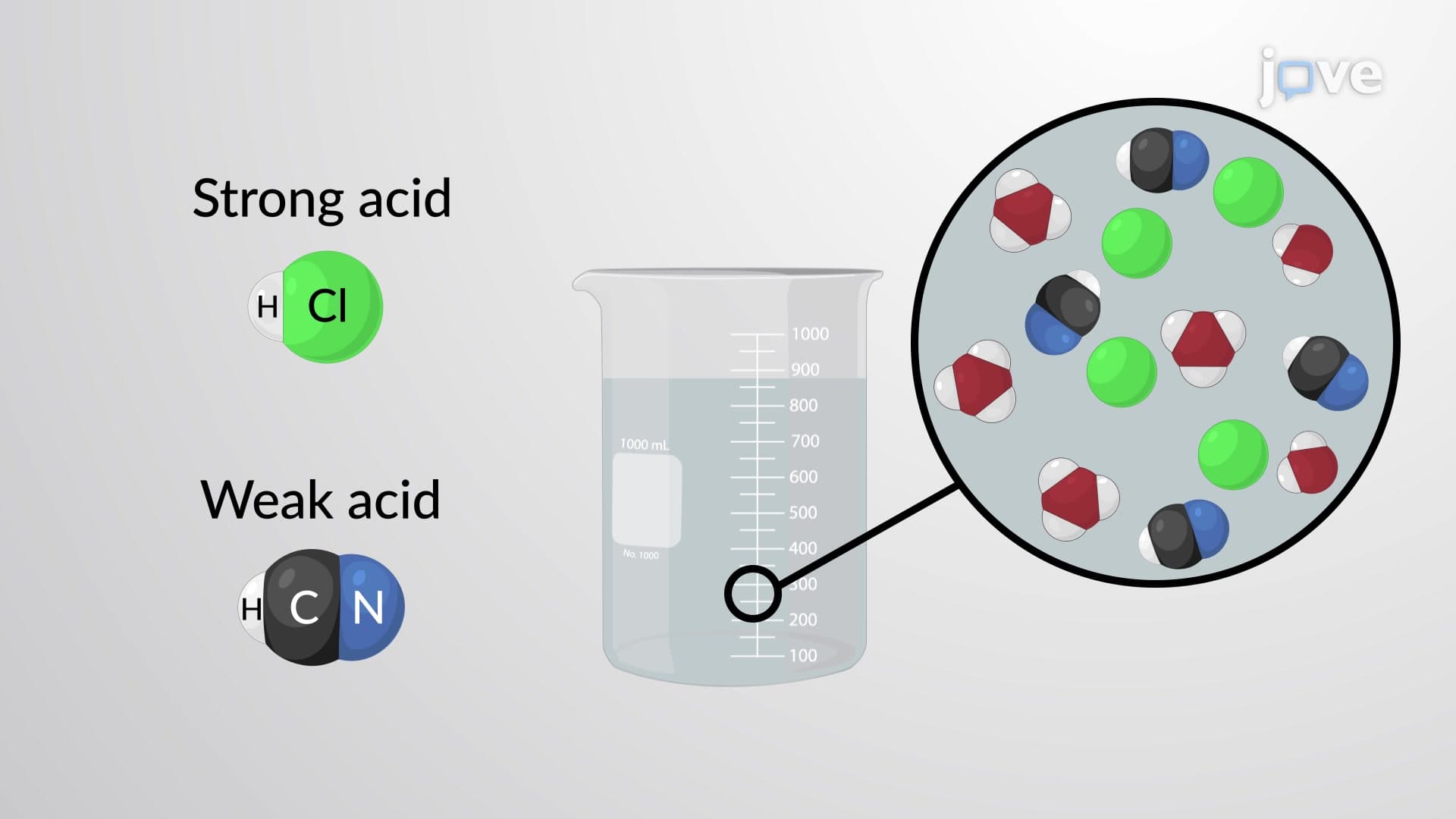
Binary acids contain only hydrogen and one other element, making them perfect examples for understanding structure-strength relationships. Two competing factors determine their behavior: bond energy and bond polarity.
High bond energy creates stronger H-X bonds that resist breaking, producing weaker acids. Hydrofluoric acid (HF) exemplifies this principle-despite fluorine's extreme electronegativity, the H-F bond energy is so high that HF remains a weak acid. This counterintuitive behavior frequently appears on AP Chemistry exams and college general chemistry tests.
Conversely, lower bond energies create weaker H-X bonds that break easily, yielding stronger acids. Moving down periodic table groups, bond energies decrease as atomic size increases. This trend explains why HI > HBr > HCl in acid strength, despite decreasing electronegativity differences.
Oxyacids: The Power of Additional Oxygen Atoms
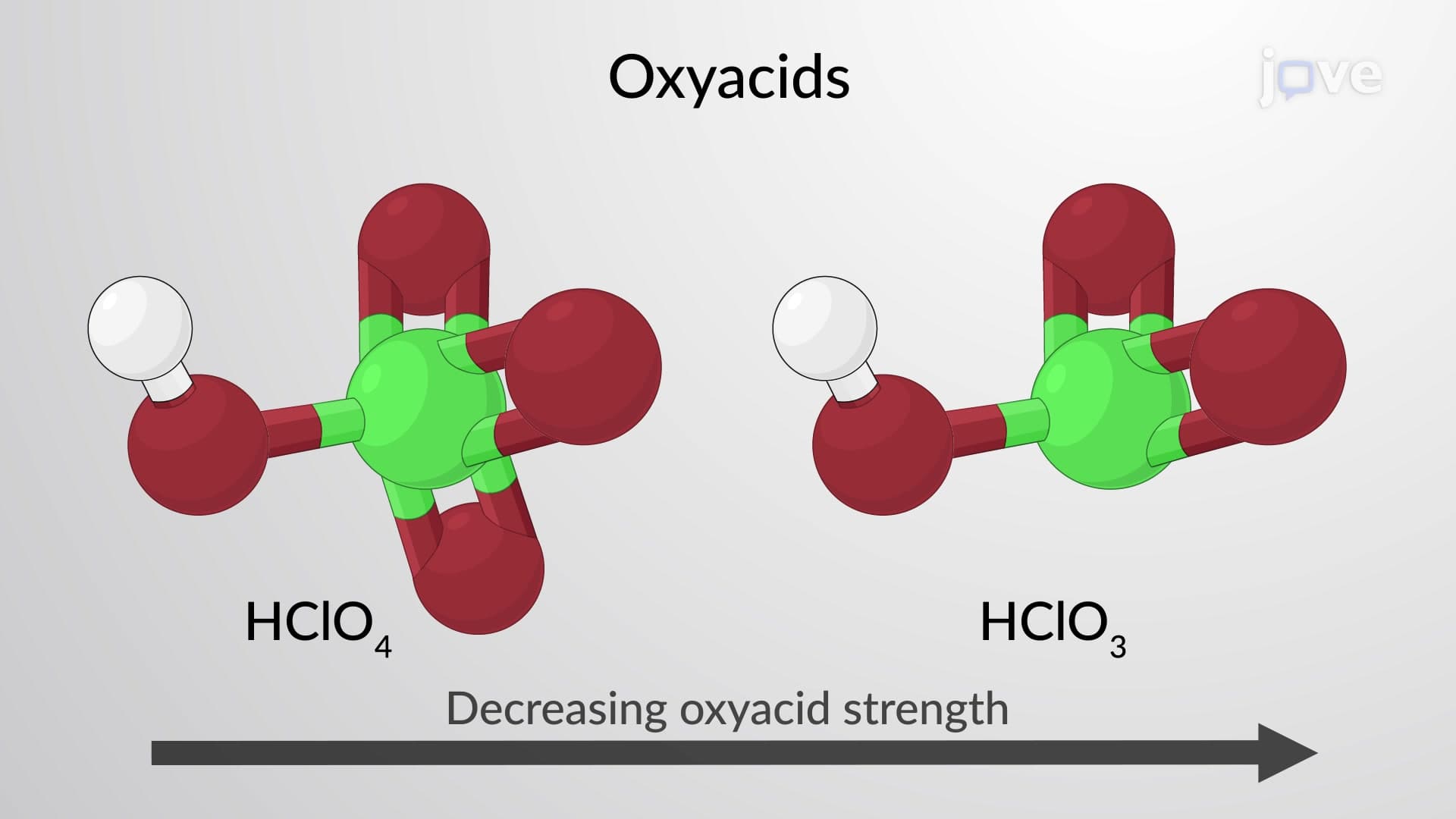
Oxyacids contain hydrogen bonded to oxygen, which connects to a central atom. These compounds dominate industrial chemistry and biological systems. The central atom's electronegativity and the number of additional oxygen atoms determine acid strength through electron-withdrawing effects.
Consider the chlorine oxyacid series: HClO4 (perchloric) > HClO3 (chloric) > HClO2 (chlorous) > HClO (hypochlorous). Each additional oxygen atom pulls electron density away from the O-H bond, making hydrogen more positive and easier to release. Perchloric acid, with three extra oxygens, ranks among the strongest acids known-so powerful it's used in rocket fuel oxidizers.
This pattern appears extensively in MCAT passages and college organic chemistry courses, where students must predict acid strengths in complex biological molecules.
Carboxylic Acids and Biological Applications
Carboxylic acids represent weak acids crucial in biochemistry and everyday life. The carboxyl group (-COOH) contains a carbonyl oxygen that withdraws electron density from the O-H bond through resonance stabilization. This makes carboxylic acids significantly stronger than alcohols but weaker than mineral acids.
Acetic acid in vinegar and formic acid from ant stings demonstrate how molecular structure controls biological activity. Understanding these relationships proves essential for pre-med students tackling biochemistry and for anyone studying food science or environmental chemistry.
Frequently Asked Questions
Acid strength and molecular structure describes how a molecule's atomic arrangement and bonding determine its ability to donate hydrogen ions. This concept explains why some acids burn skin while others are safe to consume, making it fundamental for understanding chemical reactions in laboratories, industry, and biological systems.
This topic frequently appears in AP Chemistry free-response questions requiring students to predict and explain relative acid strengths. Mastering these principles helps you tackle equilibrium problems, pH calculations, and molecular geometry questions that often comprise 15-20% of the exam content.
Focus on oxyacid trends, carboxylic acid behavior, and how electronegativity affects proton donation. The MCAT heavily emphasizes biochemical applications, so understanding how molecular structure controls acid strength in amino acids, metabolic intermediates, and pharmaceutical compounds proves crucial for high scores.
Pharmaceutical companies design drug molecules with specific acid-base properties to control absorption and metabolism. For example, aspirin's carboxylic acid group affects how quickly it dissolves in stomach acid versus intestinal fluid, optimizing therapeutic effectiveness while minimizing side effects.
Not at all-this concept builds naturally from basic electronegativity and bonding principles taught in introductory chemistry. Starting with simple binary acids like HCl and HF, students can gradually master more complex oxyacids and organic acids through systematic practice and visual molecular models.
Create comparison charts organizing acids by type (binary, oxyacid, carboxylic) and practice predicting relative strengths using periodic trends. Focus on understanding the underlying electron-withdrawing mechanisms rather than memorizing strength orders, as this approach handles novel compounds on exams.
Advanced topics include buffer systems, amino acid acid-base behavior, and reaction kinetics. Understanding how molecular structure affects acid strength provides the foundation for studying enzyme catalysis, metabolic pathway regulation, and pharmaceutical drug design mechanisms.
Expect questions requiring you to rank unknown compounds by acid strength, explain trends using molecular principles, and calculate pH values for weak acid solutions. Many professors include synthesis problems where you must design molecules with specific acid-base properties for targeted applications.
Binary acid trends within periodic groups, oxyacid strength comparisons with varying oxygen numbers, and carboxylic acid versus alcohol acidity distinctions dominate problem sets. Practice identifying electron-withdrawing groups and predicting their effects on proton donation ability for comprehensive preparation.
Related Micro-courses