Loading subject page…


6,266 views

Video Summary: What Is Abrasion Resistance of Concrete
Ever wondered why concrete highways withstand millions of vehicles yet canal linings can deteriorate from flowing water? Abrasion resistance of concrete measures a material's ability to resist surface wear from mechanical friction and erosive forces. Engineers test this property using specialized methods like the shot-blast test, where 2000 steel shots bombard concrete samples at 90 psi, mimicking real-world conditions such as those found in Colorado River aqueducts. Watch the full video on JoVE Coach to master this concept with expert-led visuals and step-by-step explanations.
Abrasion resistance of concrete refers to the material's capacity to withstand surface deterioration caused by mechanical wear, friction, and erosive forces. This critical property determines how well concrete structures maintain their integrity when exposed to repeated contact with moving objects, flowing water containing abrasive particles, or industrial processes involving sliding and grinding actions. Understanding this concept is essential for students preparing for AP Physics, college materials science courses, and engineering fundamentals exams.
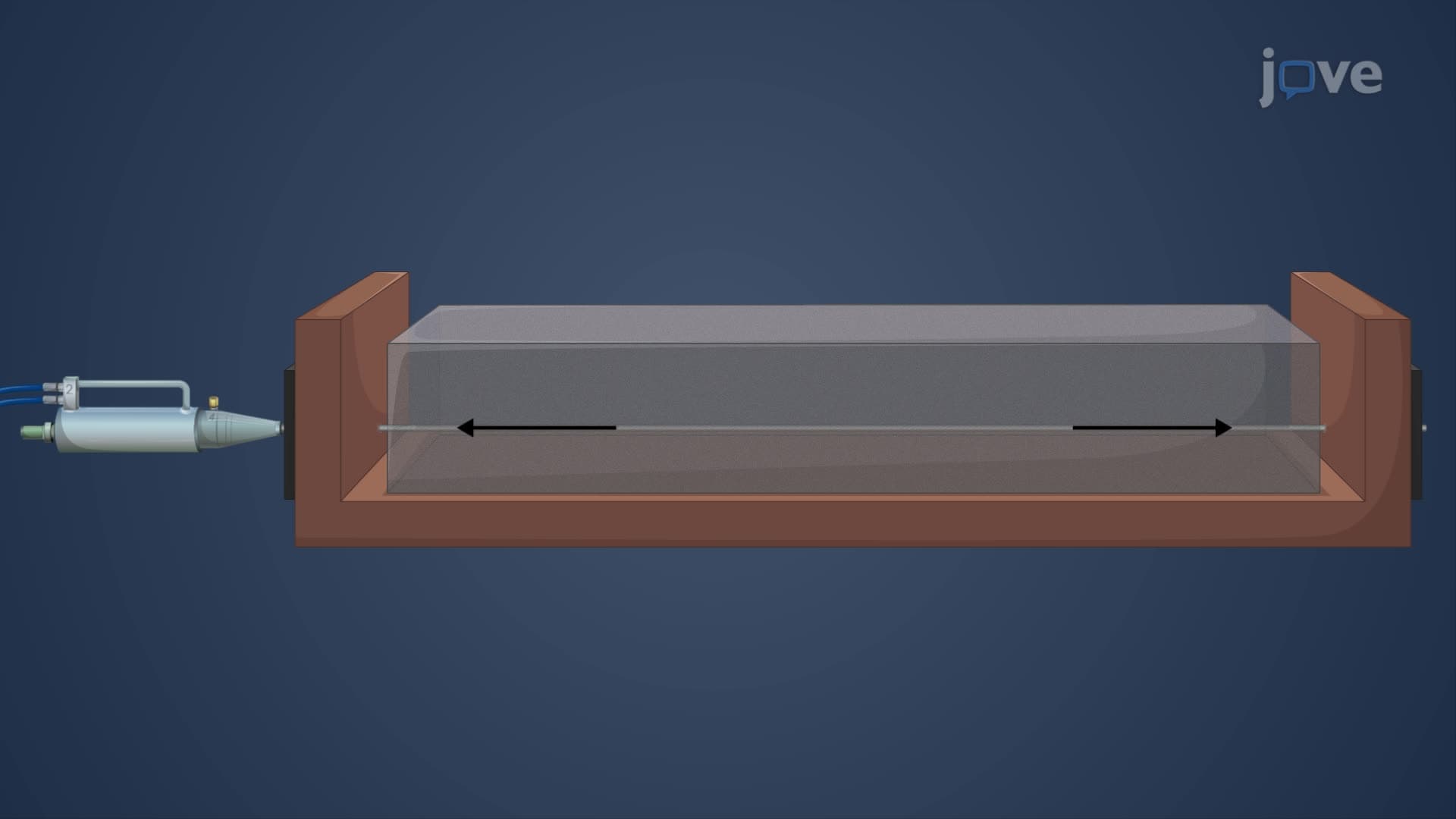
Engineers employ four standardized testing procedures to quantify concrete's abrasion resistance. The shot-blast test replicates erosion from waterborne solids by propelling 2000 steel shots (ASTM No. 20 specification) through a 0.25-inch nozzle at 90 psi pressure, positioned exactly 4 inches from the concrete specimen. This method effectively simulates conditions found in hydraulic structures like the Hoover Dam's spillways.
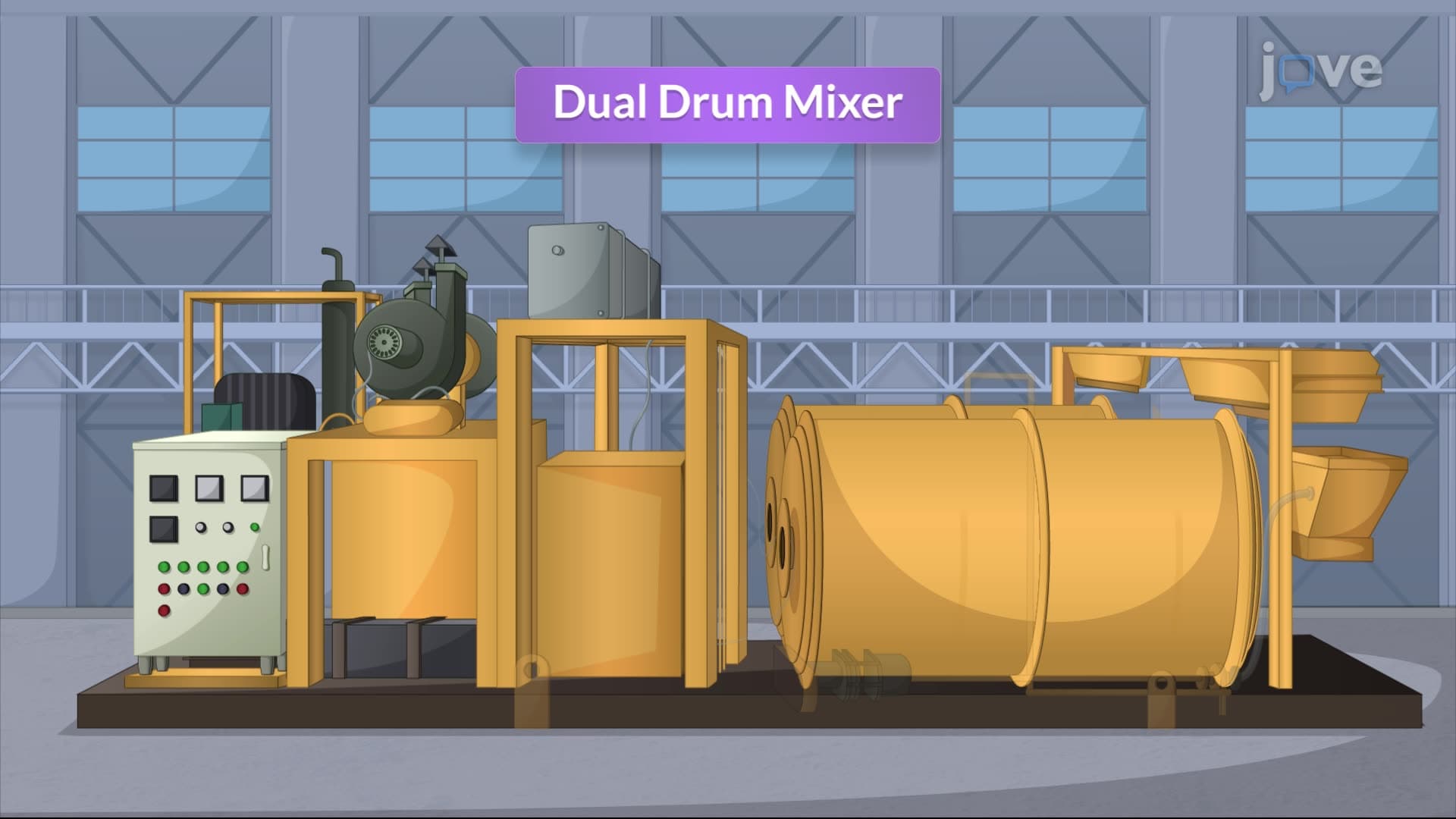
The revolving disc test employs three rotating plates moving in circular patterns at 0.2 cycles per second, with each plate simultaneously spinning on its individual axis at 4.7 cycles per second. Silicon carbide acts as the abrasive medium, creating controlled wear conditions. Meanwhile, the steel ball abrasion test applies rotational force through steel balls while circulating water removes worn material, mimicking marine environment conditions.
Abrasion resistance directly impacts infrastructure longevity across America. Interstate highway concrete must withstand millions of tire contacts annually, while airport runways face extreme wear from aircraft landings. The Port of Los Angeles utilizes high-abrasion-resistant concrete for container terminals where heavy machinery operates continuously. Canal systems like California's Central Valley Project require concrete linings that resist erosion from sediment-laden water flow.
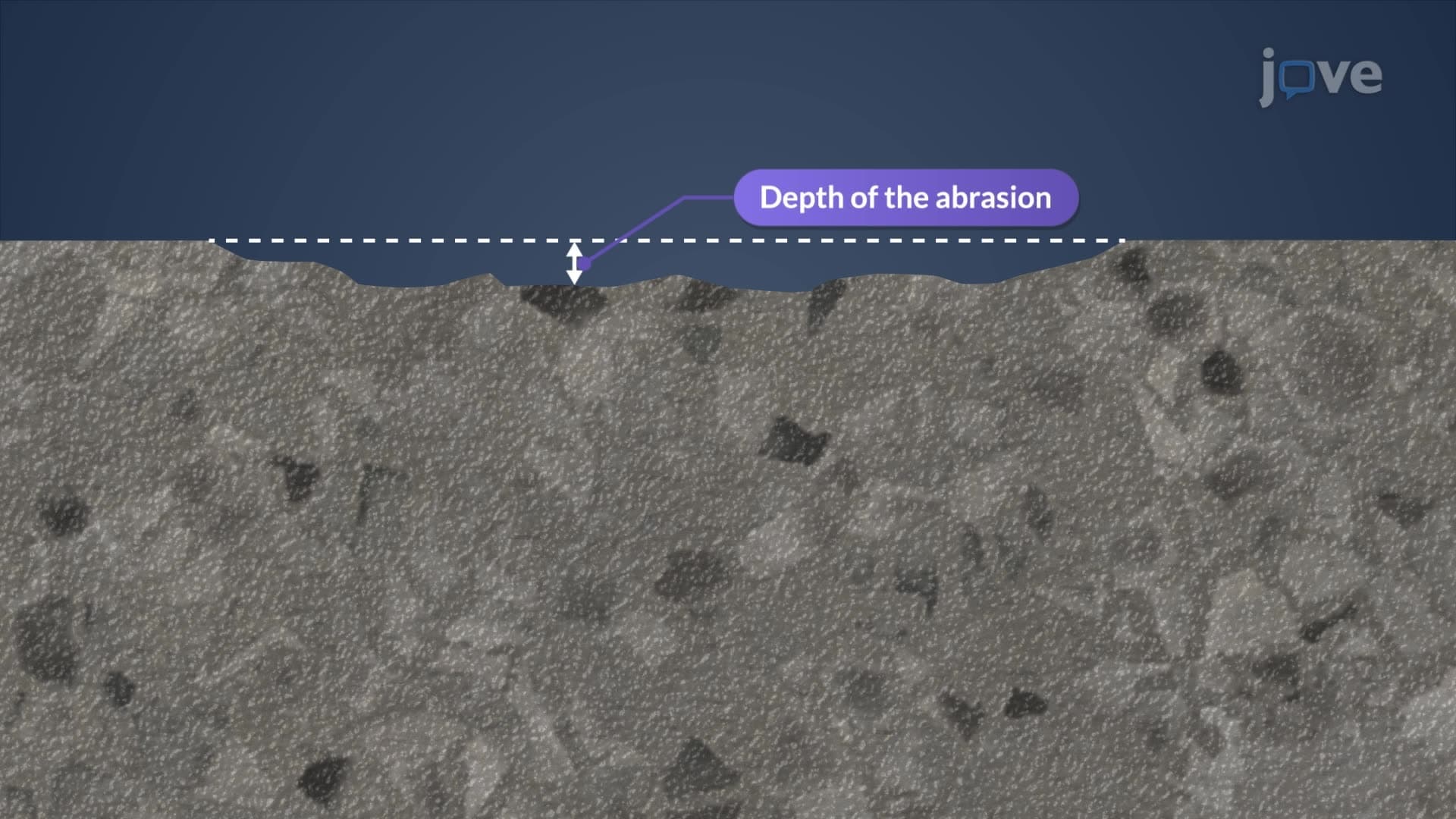
Students encounter abrasion resistance concepts in AP Chemistry when studying material properties, college-level civil engineering courses, and professional certification exams. The dressing wheel test, utilizing modified drill press equipment with seven rotating wheels at 0.93 cycles per second for 30-minute durations, demonstrates standardized measurement protocols essential for engineering problem-solving. Quantifying wear depth provides engineers with concrete data for material selection and structural design decisions, making this knowledge crucial for MCAT physical sciences sections and engineering licensure examinations.
Related Micro-courses