Loading subject page…


6,266 views

Video Summary: What Is Fiber Reinforced Concrete
Ever wonder why the Golden Gate Bridge withstands fierce earthquakes while ordinary concrete crumbles? Fiber reinforced concrete transforms brittle concrete into a tough, crack-resistant material by adding steel, glass, or synthetic fibers. This revolutionary building material is used in everything from airport runways at LAX to skyscraper foundations in Manhattan. Unlike plain concrete that shatters suddenly, what is fiber reinforced concrete demonstrates is a material that bends without breaking, continuing to bear loads even after cracking begins. Watch the full video on JoVE Coach to master this concept with expert-led visuals and step-by-step explanations.
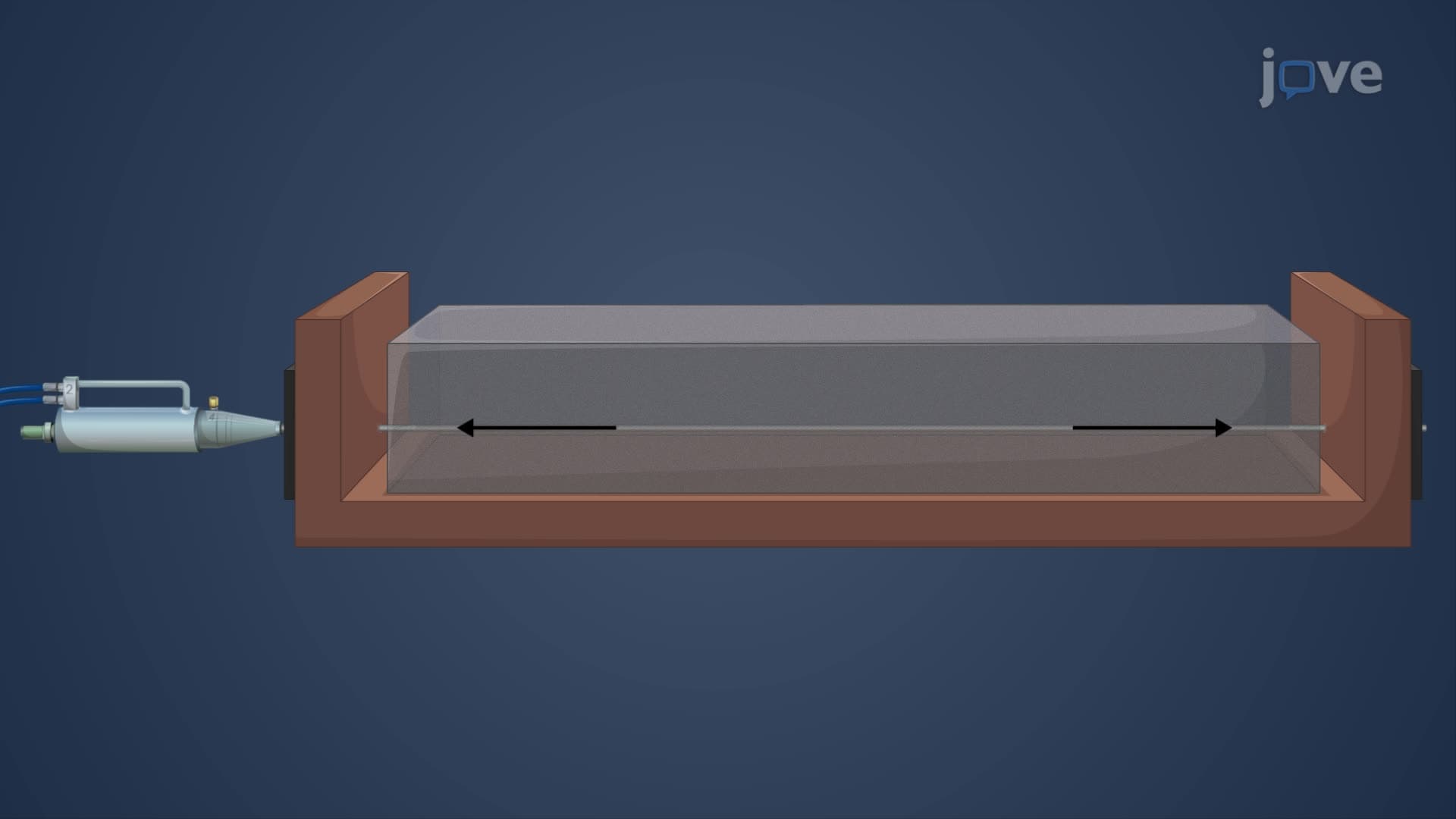
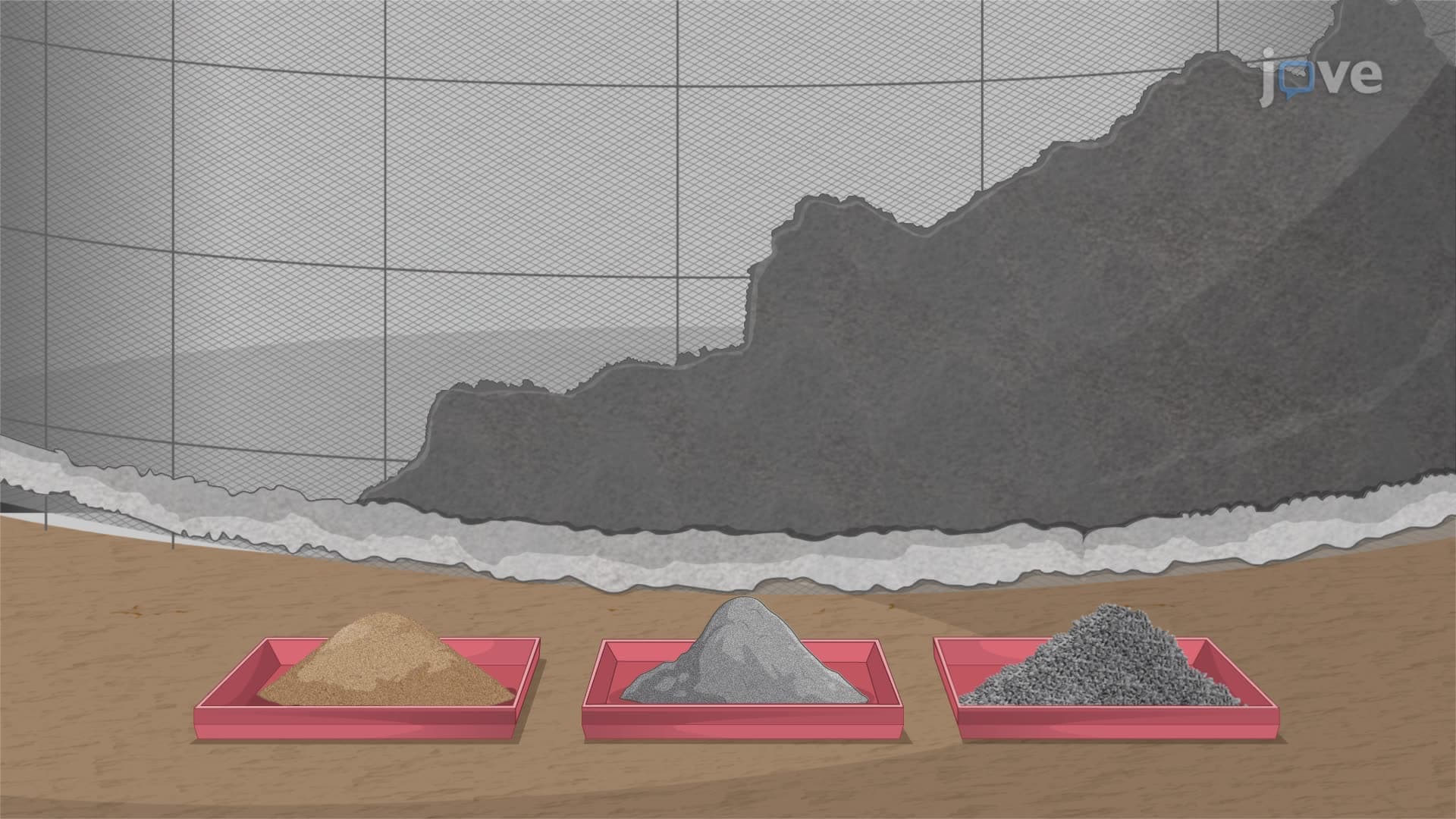
Fiber reinforced concrete represents a paradigm shift in construction materials, transforming the inherently brittle nature of traditional concrete into a versatile, tough composite. This advanced material combines hydraulic cement, fine and coarse aggregates with strategically dispersed fibers that act as microscopic reinforcement throughout the concrete matrix. Unlike conventional reinforced concrete that relies on continuous steel bars, fiber reinforced concrete uses millions of short, discontinuous fibers distributed uniformly throughout the mix.
The concept builds upon basic concrete chemistry covered in AP Chemistry and materials science courses. Students studying for the Fundamentals of Engineering (FE) exam will encounter fiber reinforced concrete in structural and construction modules, where understanding composite behavior is crucial for professional practice.
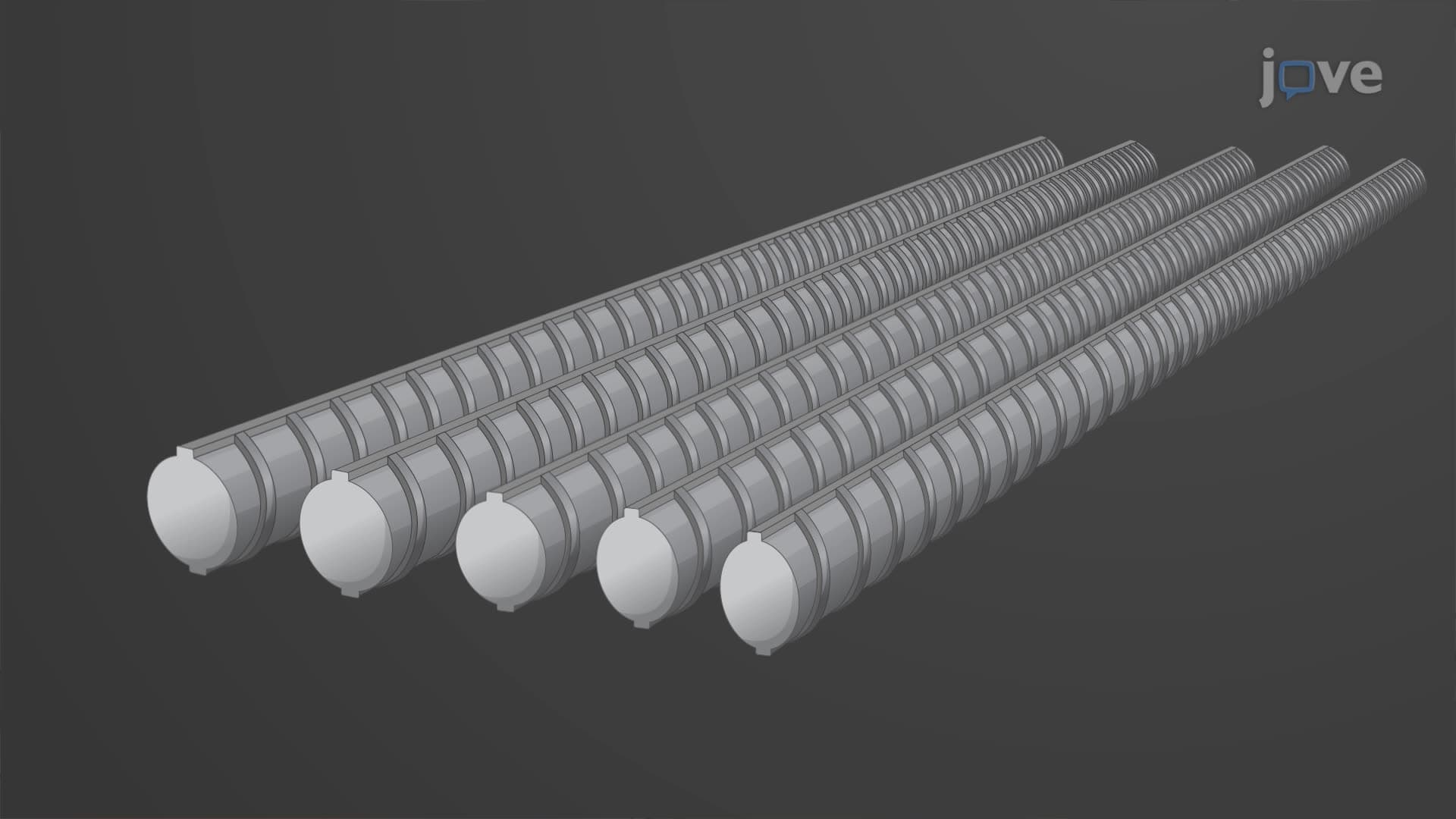
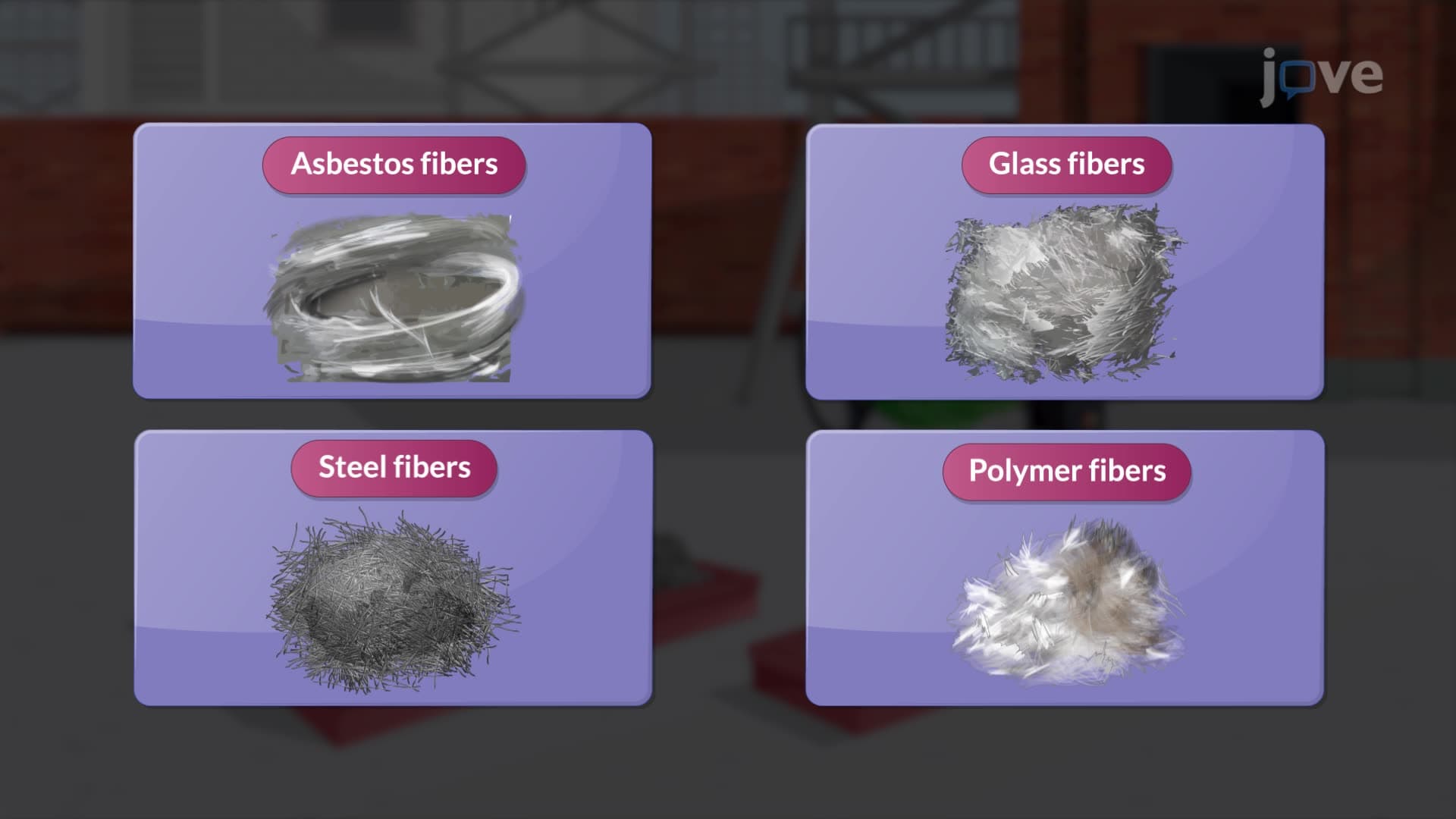
Steel fibers dominate commercial applications due to their exceptional tensile strength and compatibility with concrete's alkaline environment. These fibers, manufactured by companies like Bekaert and Dramix in the US, come in various shapes including straight, hooked-end, and crimped configurations. Glass fibers, while offering corrosion resistance, require alkali-resistant formulations to prevent degradation. Synthetic fibers like polypropylene provide excellent crack control at low cost, making them popular for residential applications.
The selection process involves balancing performance requirements with economic considerations. For instance, the new Interstate 35W bridge in Minneapolis incorporates steel fiber reinforced concrete in its deck to enhance durability and reduce maintenance costs over its 100-year design life.
The fiber volume fraction serves as the primary design parameter, with distinct performance zones. At less than 1% volume fraction, fibers primarily control plastic shrinkage cracking during concrete curing. This application is common in warehouse floors and airport pavements where crack-free surfaces are essential. The 1-2% range dramatically improves flexural strength, impact resistance, and energy absorption capacity-critical for earthquake-resistant construction in California's seismic zones.
Beyond 2% volume fraction, the concrete exhibits strain-hardening behavior, continuing to carry increasing loads even after initial cracking. This phenomenon, studied extensively at Northwestern University and UC Berkeley, enables the design of ultra-thin structural elements and repair applications where conventional concrete would fail.
The aspect ratio (length-to-diameter ratio) fundamentally controls fiber effectiveness. Higher aspect ratios increase pullout resistance and stress transfer efficiency, but excessive ratios can cause fiber balling during mixing. Optimal aspect ratios typically range from 50 to 100 for steel fibers, balancing performance with workability-a key consideration covered in concrete design courses and the American Concrete Institute's certification programs.
Related Micro-courses