Loading subject page…


6,266 views

Video Summary: What Is Impact Strength of Concrete
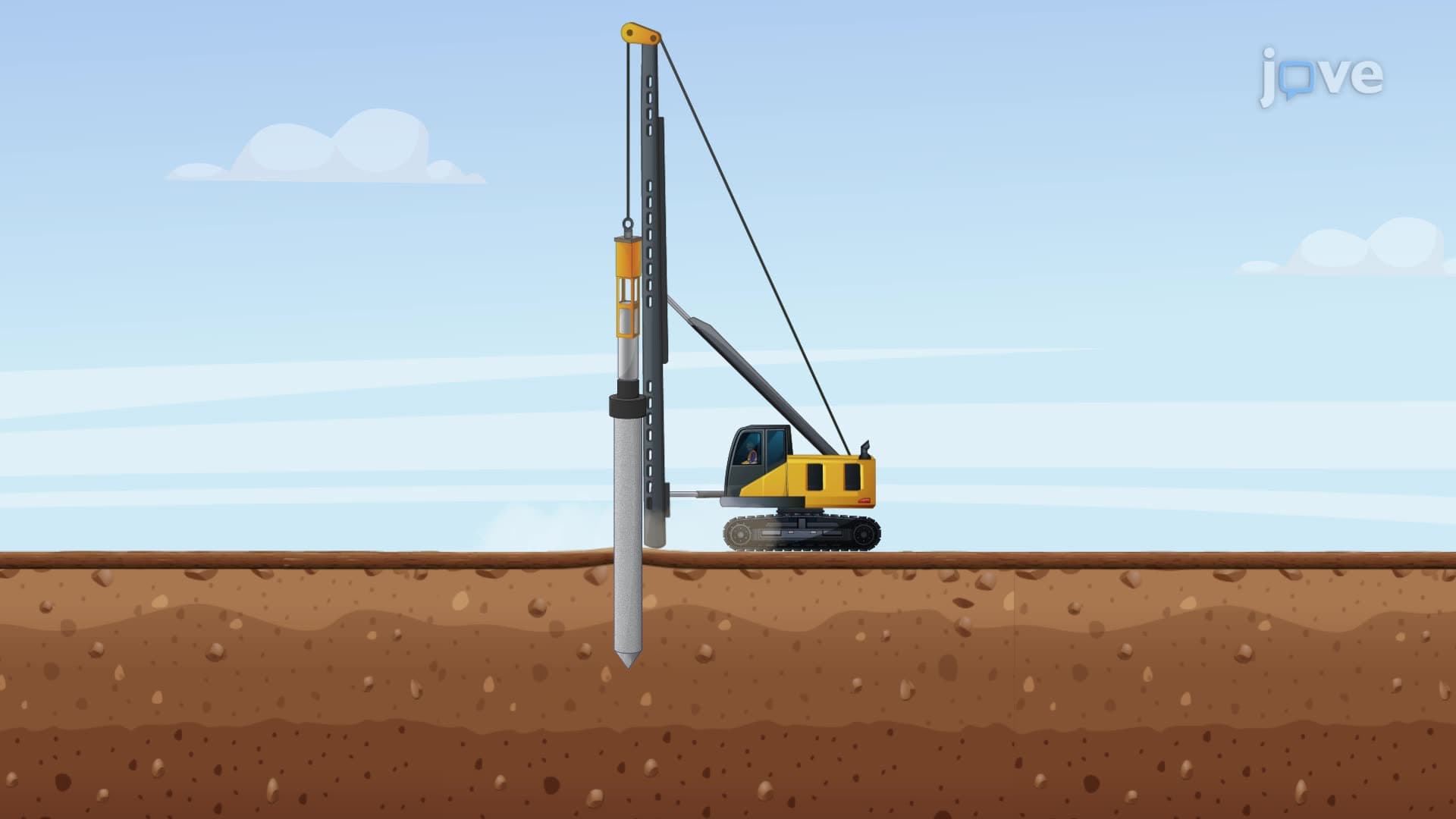
When a 10,000-pound crane accidentally drops a steel beam onto a concrete parking garage floor, will the structure hold or catastrophically fail? The impact strength of concrete determines how well concrete withstands sudden, forceful blows-a critical property when constructing foundations for heavy machinery at manufacturing plants like Ford's Michigan facilities or driving concrete piles into bedrock for skyscraper foundations in downtown Chicago. Watch the full video on JoVE Coach to master this concept with expert-led visuals and step-by-step explanations.
Impact strength of concrete represents a material's capacity to withstand sudden, forceful loads without failing-distinctly different from the gradual loading conditions tested in standard compressive strength experiments. This property becomes critical when concrete must endure scenarios like seismic activity affecting California bridges, heavy equipment operations at oil refineries in Texas, or accidental impacts during construction of high-rise buildings in New York City.
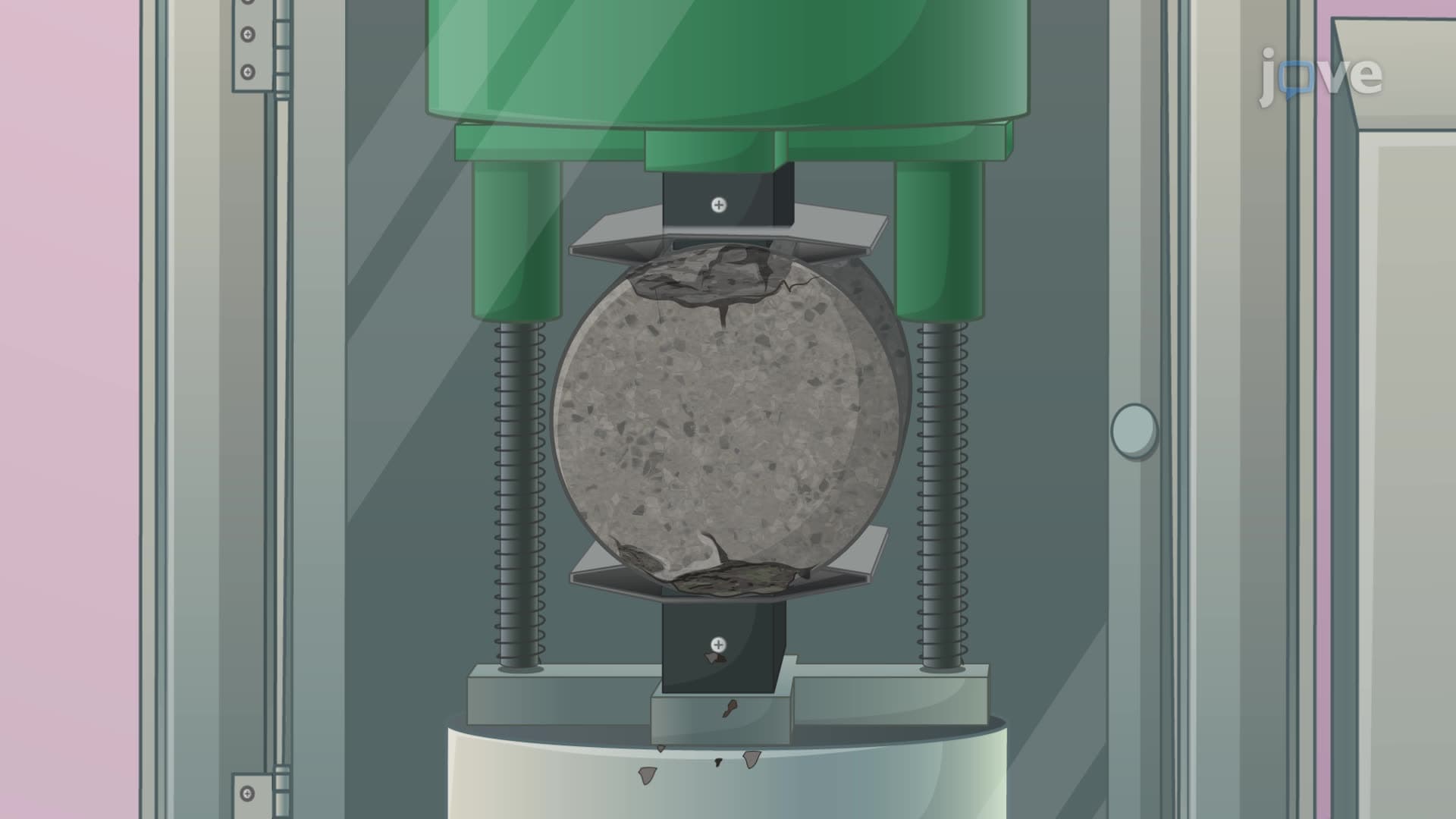
The measurement involves subjecting concrete specimens to repeated impacts until they show no rebound, indicating significant internal damage. This "no-rebound point" serves as the threshold where the concrete has absorbed maximum energy and begins losing structural integrity. For students preparing for AP Physics or college materials science courses, understanding this concept helps bridge theoretical mechanics with practical engineering applications.
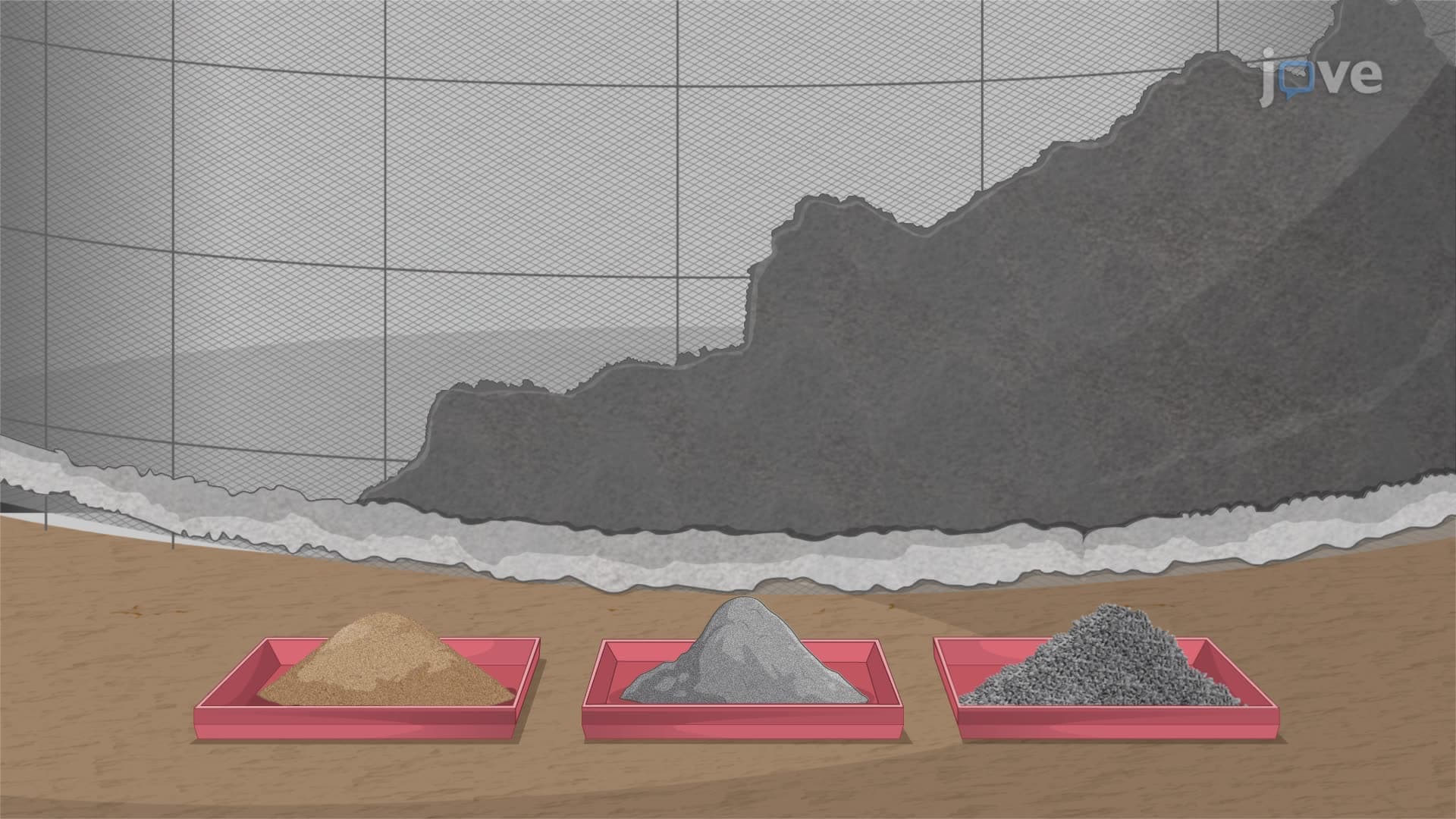
The type and properties of aggregates significantly influence concrete's impact resistance. Angular aggregates with rough surfaces create stronger mechanical bonds with cement paste compared to smooth, rounded aggregates. This enhanced bond translates to better energy absorption during impact events. For example, crushed granite used in highway construction provides superior impact resistance compared to river gravel due to its angular geometry and rougher surface texture.
Aggregate size also plays a crucial role. Smaller maximum aggregate sizes generally improve impact strength by creating more uniform stress distribution throughout the concrete matrix. This principle applies when designing concrete for applications like airport runways at major hubs like LAX or Atlanta's Hartsfield-Jackson, where sudden loads from aircraft landing gear require exceptional impact resistance.
Concrete mix optimization for impact resistance involves careful attention to cement content and aggregate properties. Research indicates that cement content should remain below 670 pounds per cubic yard to achieve optimal impact strength. Exceeding this threshold can create a more brittle matrix that fails catastrophically under sudden loads rather than absorbing energy gradually.
The modulus of elasticity and Poisson's ratio of aggregates directly affect impact performance. Materials with lower elastic moduli and Poisson's ratios provide better energy absorption characteristics. This scientific principle explains why certain aggregate types perform better in applications requiring high impact resistance, such as concrete barriers along interstate highways or foundations for industrial presses in manufacturing facilities.
Storage conditions significantly influence long-term impact strength. Concrete stored in dry conditions maintains higher impact resistance compared to water-stored specimens, an important consideration for precast concrete elements used in construction projects across varying climate conditions from Arizona's desert environment to Florida's humid coastal regions.
Related Micro-courses