Loading subject page…

- Civil Engineering
- Strength of Concrete
- Porosity in Cement Paste
Micro-course: Strength of Concrete
6,266 views
Learn key concepts and earn your certificate.






Porosity in Cement Paste

00:00
01:18
Video Summary: What Is Porosity in Cement Paste
Ever wondered why some concrete structures like the Hoover Dam have lasted nearly a century while others crack within decades? The answer lies in porosity in cement paste, the intricate network of voids that forms as concrete hardens. When engineers design critical infrastructure like highway bridges across the Mississippi River, understanding porosity becomes crucial for predicting structural longevity and safety. Watch the full video on JoVE Coach to master this concept with expert-led visuals and step-by-step explanations.
- Understand what is porosity in cement paste and how it develops during the hydration process
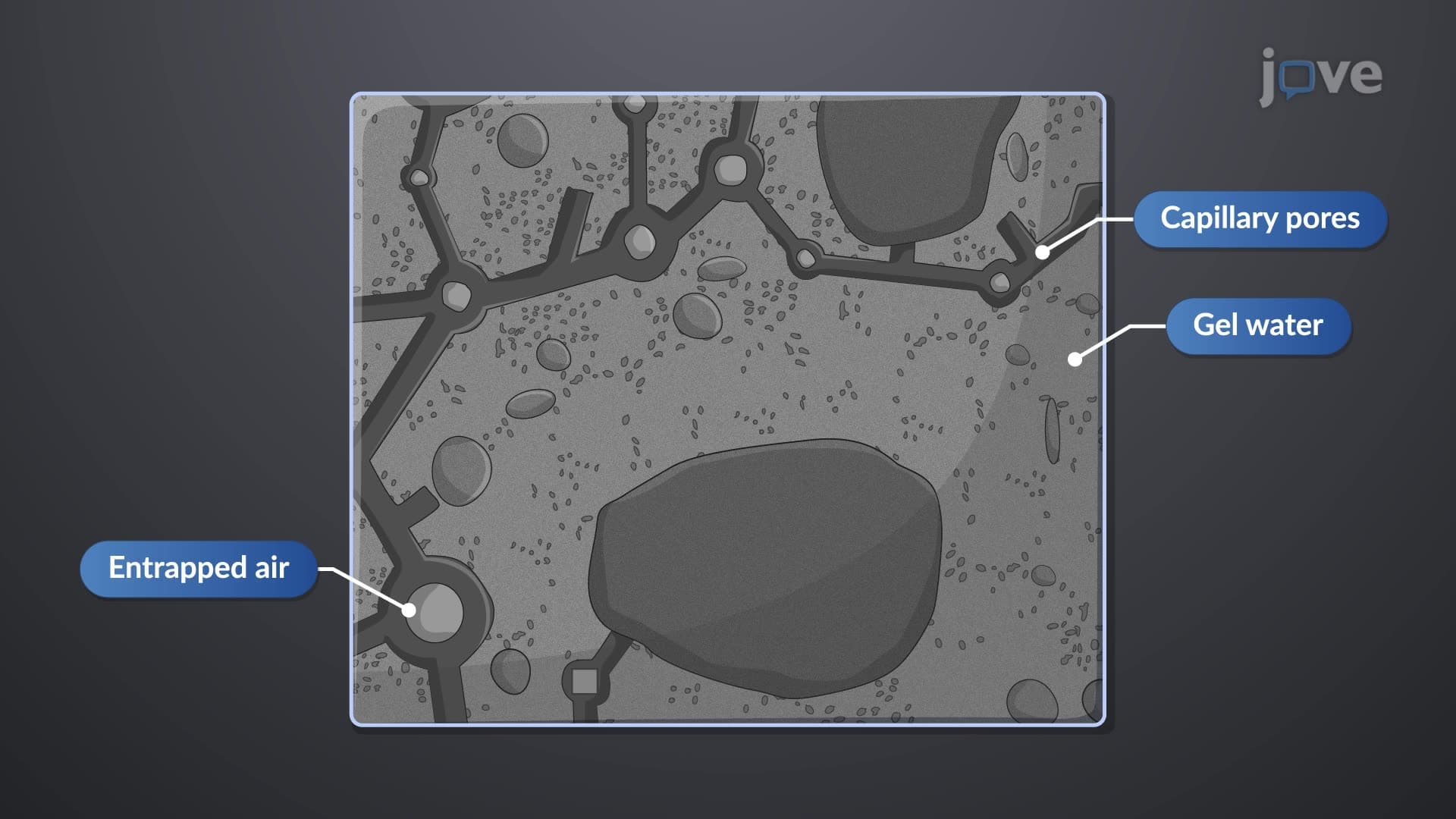
- Identify the three distinct types of water present in hardened cement: gel water, capillary water, and combined water
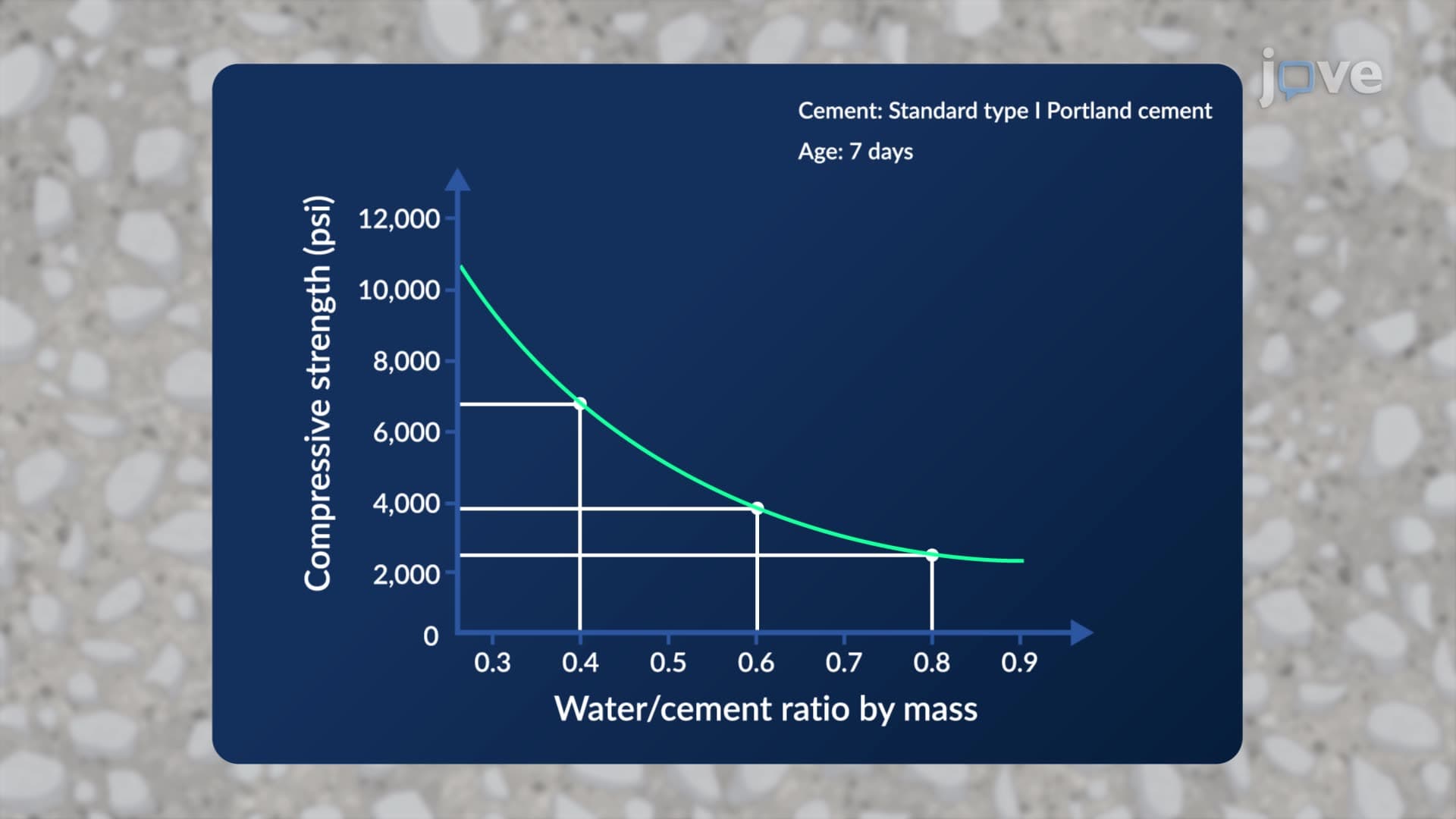
- Analyze how water-to-cement ratios directly influence the formation of capillary pores and overall porosity
- Compare the volumetric contributions of gel pores versus capillary pores in cement paste structure
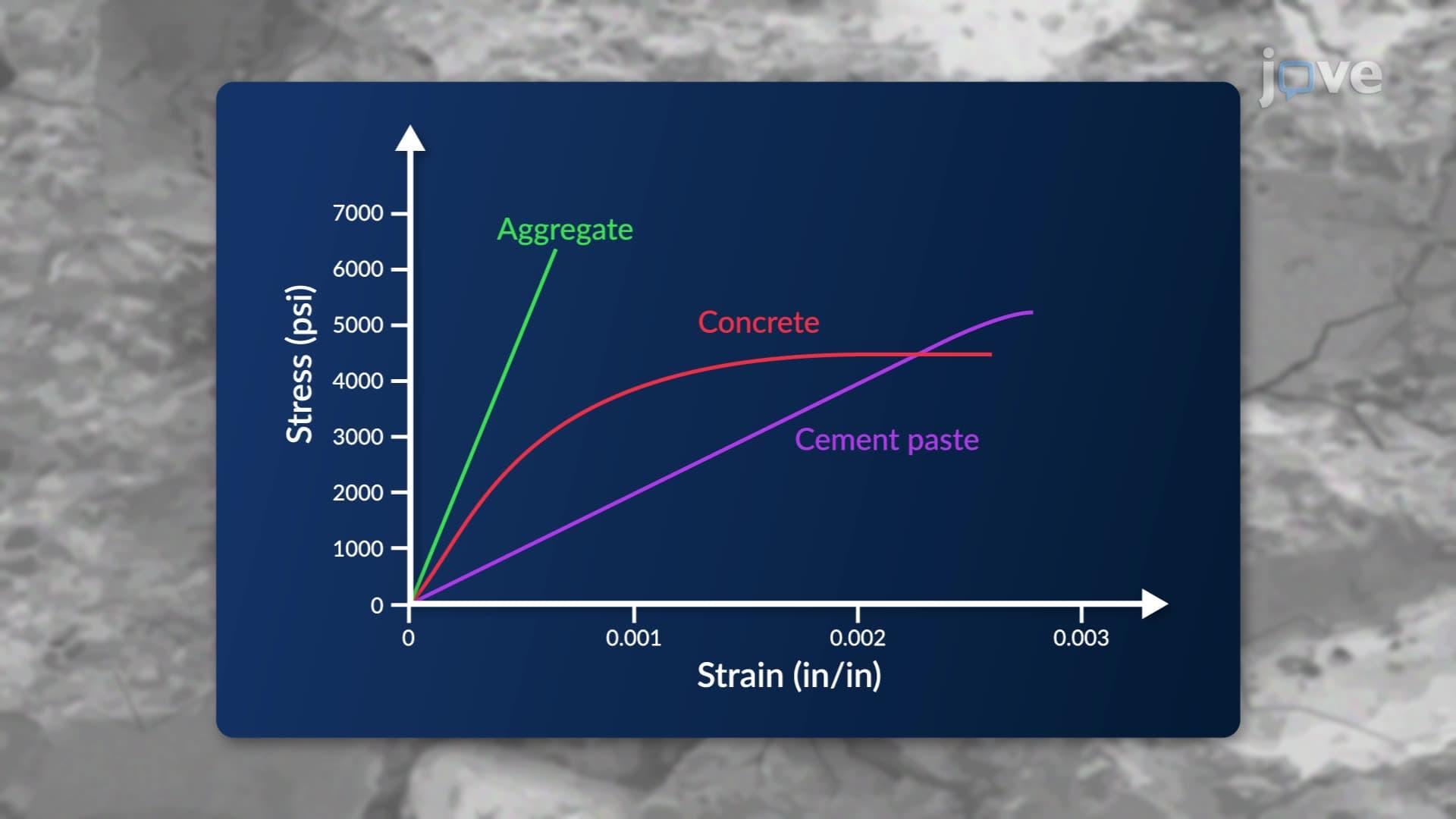
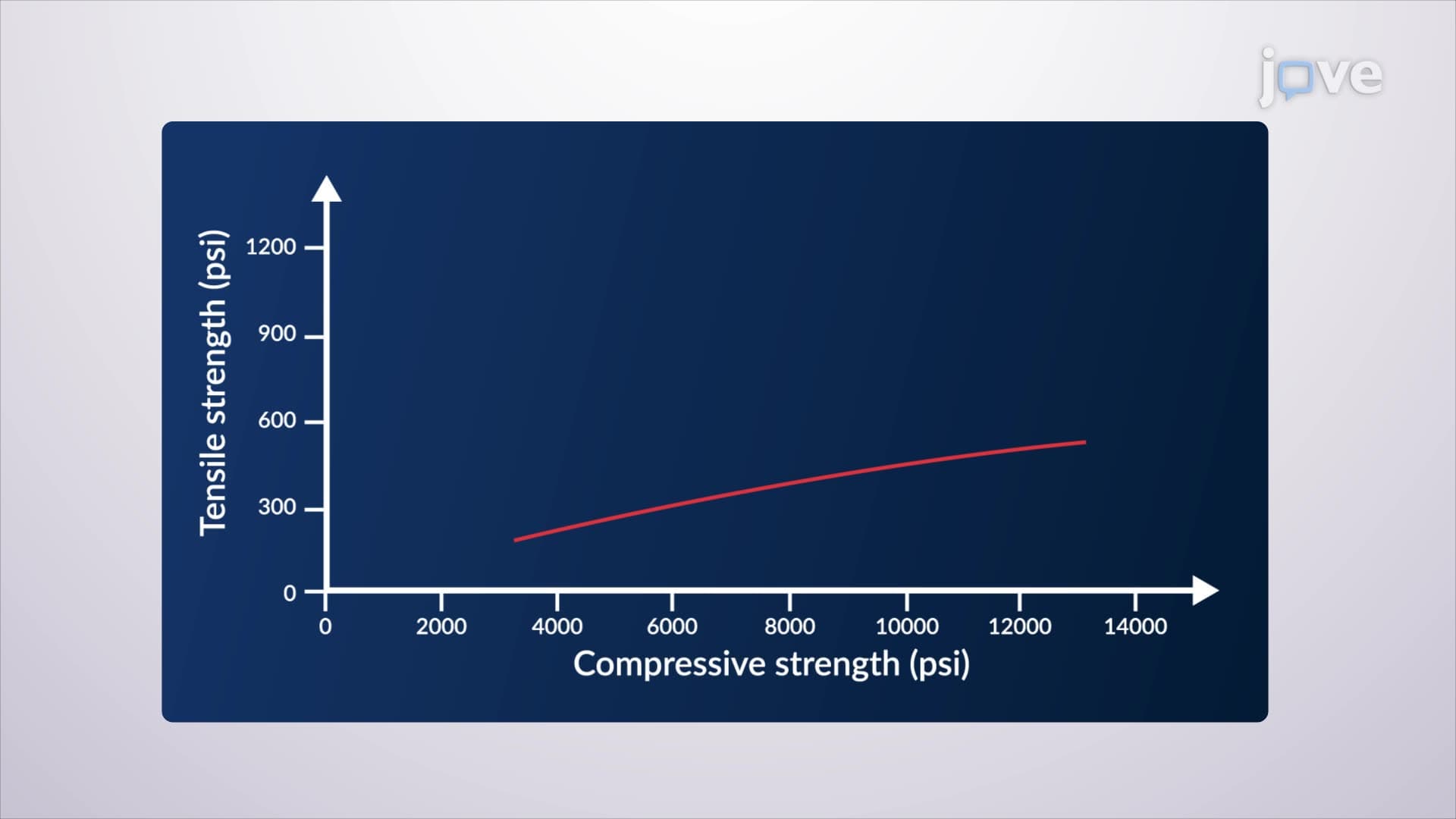
- Evaluate the relationship between porosity levels and mechanical strength in hardened concrete
- Apply porosity concepts to predict concrete durability in real-world construction scenarios
- Recognize how proper curing techniques can minimize porosity and enhance concrete performance
- Explore the quantitative aspects of porosity calculation using volume ratios and hydration chemistry
Understanding Porosity in Cement Paste Formation
Porosity in cement paste represents the total void space within hardened concrete, fundamentally determining its strength, durability, and permeability characteristics. This phenomenon occurs as Portland cement undergoes hydration, transforming from a workable mixture into a solid matrix. The process creates a complex pore structure that engineers must understand to design safe, long-lasting structures.
Types of Porosity and Water Distribution
The pore structure in cement paste consists of multiple components with distinct characteristics. Gel pores form within the calcium silicate hydrate (C-S-H) gel, the primary binding agent in concrete. These microscopic voids trap gel water, which constitutes approximately 28% of the cement gel's total volume. This bound water plays a crucial role in maintaining the gel's structural integrity.
Combined water, representing about 23% of the original cement mass, becomes chemically incorporated into hydration products like calcium hydroxide and C-S-H gel. Unlike free water, this combined water cannot be easily removed without affecting the cement's chemical composition.
Capillary pores present the most significant concern for structural engineers. When the water-to-cement ratio exceeds what's needed for complete hydration, excess water creates larger voids as it eventually evaporates or gets consumed. These capillary pores, typically comprising 18.5% of the original cement volume, remain interconnected and water-filled, creating pathways for moisture infiltration and potential freeze-thaw damage.
Engineering Implications and Control Strategies
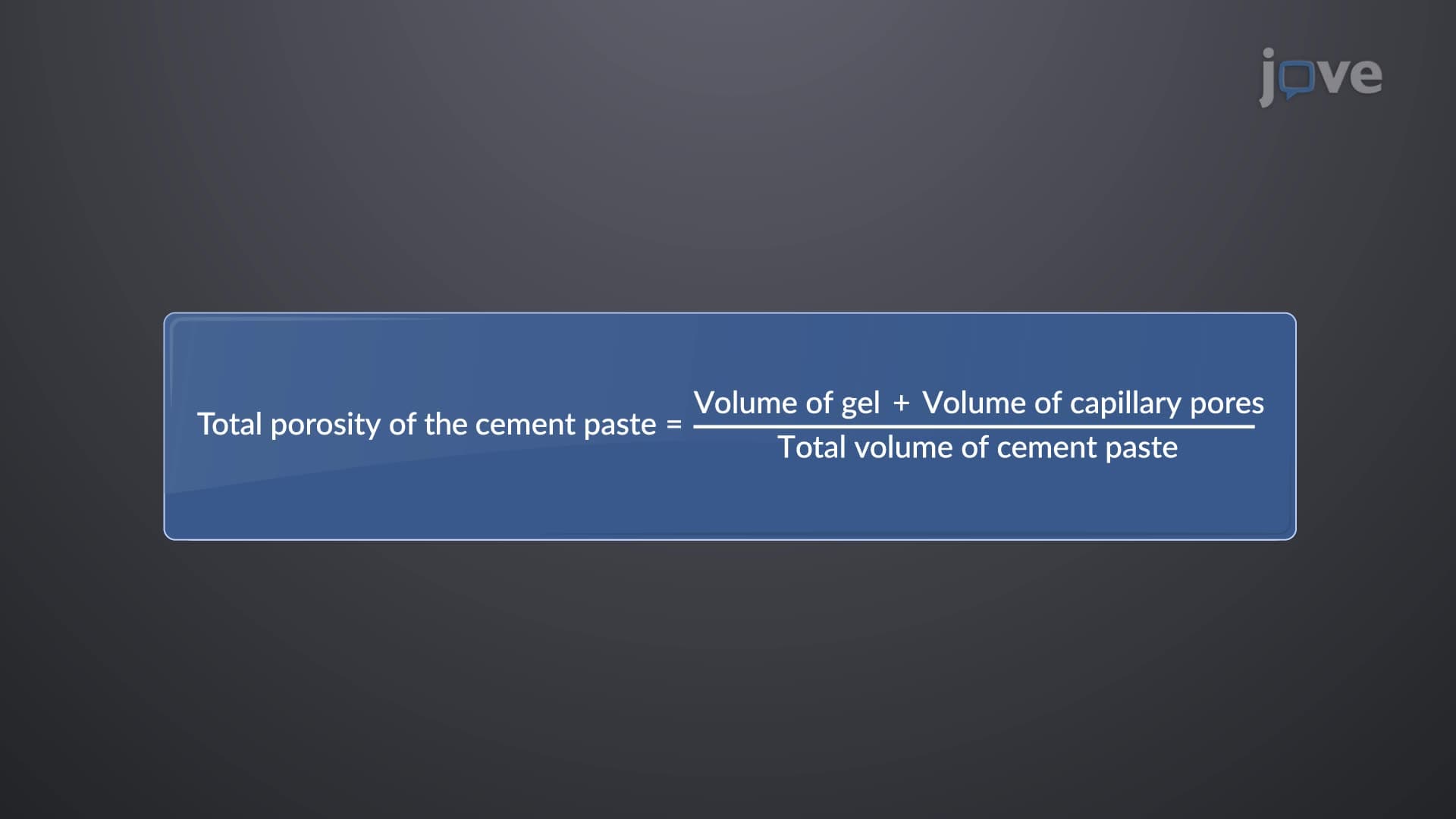
The total porosity equals the combined volume of gel and capillary pores divided by the cement paste's overall volume. This relationship directly impacts concrete performance in real applications. For instance, the Federal Highway Administration specifies maximum water-to-cement ratios for bridge construction to ensure adequate durability against de-icing salts and harsh weather conditions.
Students preparing for AP Chemistry or college-level materials science courses should recognize that proper curing significantly reduces porosity. Extended moist curing allows continued hydration, converting capillary pores into additional C-S-H gel and reducing overall permeability. This principle appears frequently in engineering licensure exams and construction management coursework.
Frequently Asked Questions
Porosity in cement paste refers to the total void space within hardened concrete, including gel pores and capillary pores formed during hydration. It directly affects concrete strength, durability, and resistance to water penetration, making it crucial for designing safe structures like buildings and bridges.
MCAT questions often focus on the relationship between molecular structure and material properties, including how pore formation affects permeability. Engineering licensure exams typically test understanding of water-to-cement ratios and their impact on structural performance and durability.
AP Chemistry emphasizes the hydration reactions that create different pore types, the role of water in chemical bonding, and how molecular-level processes affect macroscopic material properties. Focus on stoichiometry in hydration reactions and intermolecular forces in gel formation.
High porosity allows saltwater and oxygen to penetrate concrete, accelerating corrosion of steel reinforcement. The Golden Gate Bridge's concrete components require low-porosity mixes and protective coatings to withstand marine environments and maintain structural integrity over decades.
Not at all! The concept builds on basic chemistry principles like chemical reactions and molecular interactions that you've already learned. Starting with simple volume relationships and water behavior makes the topic accessible and engaging.
Create visual diagrams showing the three water types and their locations within the cement matrix. Practice calculating porosity percentages using given volume data, and connect molecular-level hydration reactions to macroscopic properties like strength and permeability.
Advance to studying aggregate-cement interfaces, concrete durability mechanisms, and advanced curing techniques. These topics build directly on porosity concepts and appear frequently in materials engineering and civil engineering coursework.
Related Micro-courses

12 Concepts
6 Concepts

12 Concepts