Loading subject page…

- Civil Engineering
- Strength of Concrete
- Prestressed Concrete
Micro-course: Strength of Concrete
6,266 views
Learn key concepts and earn your certificate.




Prestressed Concrete

00:00
01:20
Video Summary: What Is Prestressed Concrete
Ever wonder how the Golden Gate Bridge supports 120,000 vehicles daily without concrete cracking under tension? Prestressed concrete revolutionizes structural engineering by pre-compressing concrete before it bears any load, eliminating its inherent weakness in tension. Unlike regular reinforced concrete used in basic building construction, prestressed concrete involves stretching high-strength steel strands within the concrete matrix using pretensioning or posttensioning techniques. This innovative approach enables longer spans and thinner sections in everything from highway overpasses to stadium roofs across America. Watch the full video on JoVE Coach to master this concept with expert-led visuals and step-by-step explanations.
- Understand what is prestressed concrete and how it differs fundamentally from conventional reinforced concrete in addressing tension limitations
- Identify the two primary prestressing methods-pretensioning and posttensioning-and their specific applications in construction projects
- Analyze how high-strength steel strands create compressive forces that counteract tensile stresses in concrete structures
- Compare the structural advantages of prestressed concrete versus traditional reinforced concrete in terms of span capabilities and crack resistance
- Evaluate real-world applications where prestressed concrete provides superior performance, such as bridge construction and parking garage design
- Apply prestressing concepts to solve basic structural engineering problems involving beam behavior under various loading conditions
- Recognize the material properties that make certain steel strands suitable for prestressing applications
- Explore how prestressing techniques enable architects and engineers to create longer spans with reduced material usage
Understanding What is Prestressed Concrete Fundamentally
What is prestressed concrete represents one of the most significant advances in structural engineering since the development of reinforced concrete itself. This innovative construction technique addresses concrete's primary weakness-its poor tensile strength-by introducing controlled compressive forces before the structure experiences any external loads. While regular concrete can withstand approximately 3,000-4,000 psi in compression, it typically fails at only 300-400 psi in tension, making prestressing essential for high-performance applications.
Prestressed Concrete Definition and Core Mechanisms
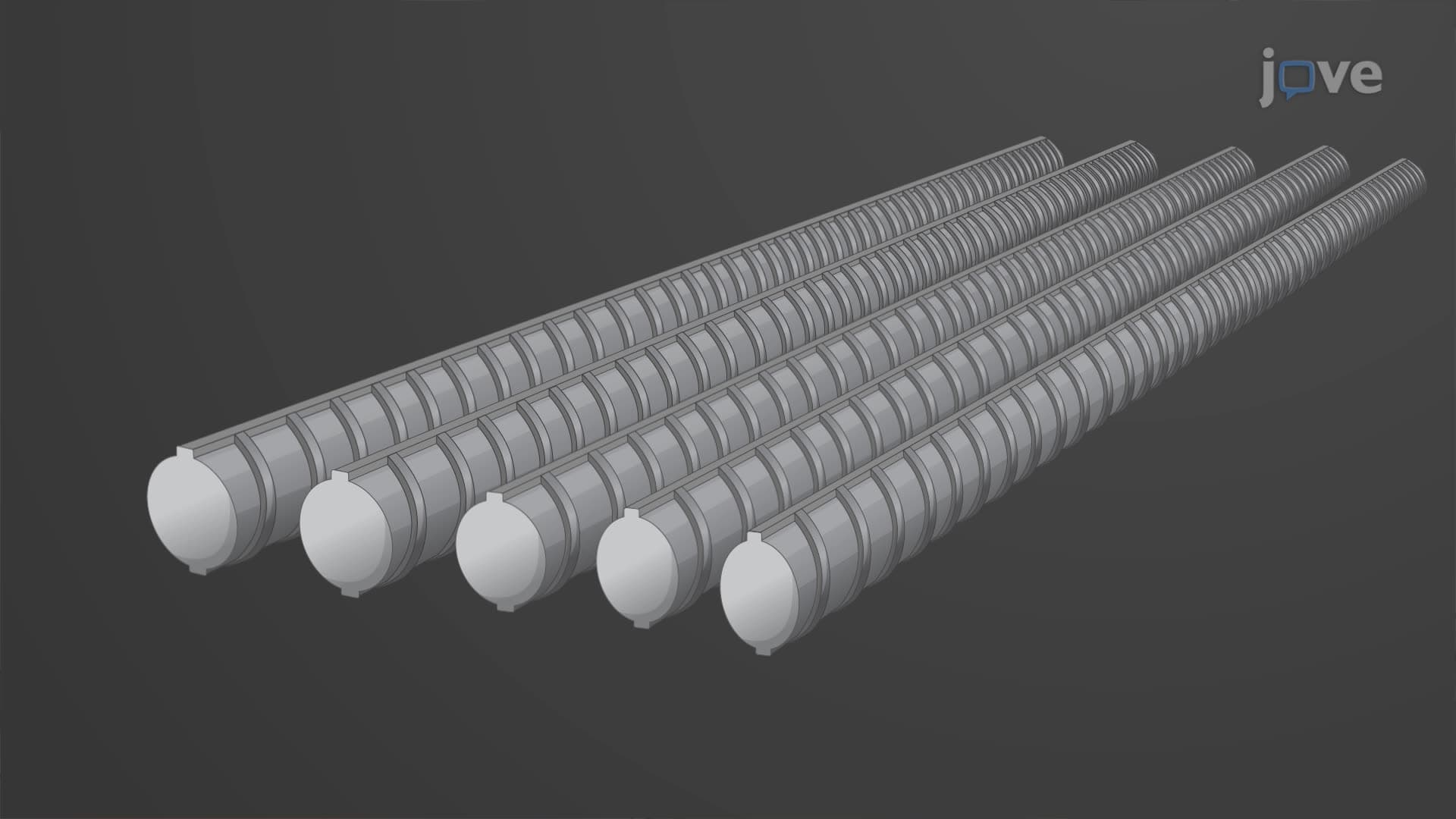
The prestressed concrete definition centers on the principle of inducing beneficial stresses that counteract harmful stresses from service loads. High-strength steel strands, typically possessing ultimate strengths exceeding 270,000 psi, are stretched to approximately 70% of their capacity before being anchored to the concrete. This process creates a "prestress" that keeps the concrete in compression throughout its service life, preventing crack formation and enabling structures to carry heavier loads over longer spans.
Pretensioning vs. Posttensioning Applications
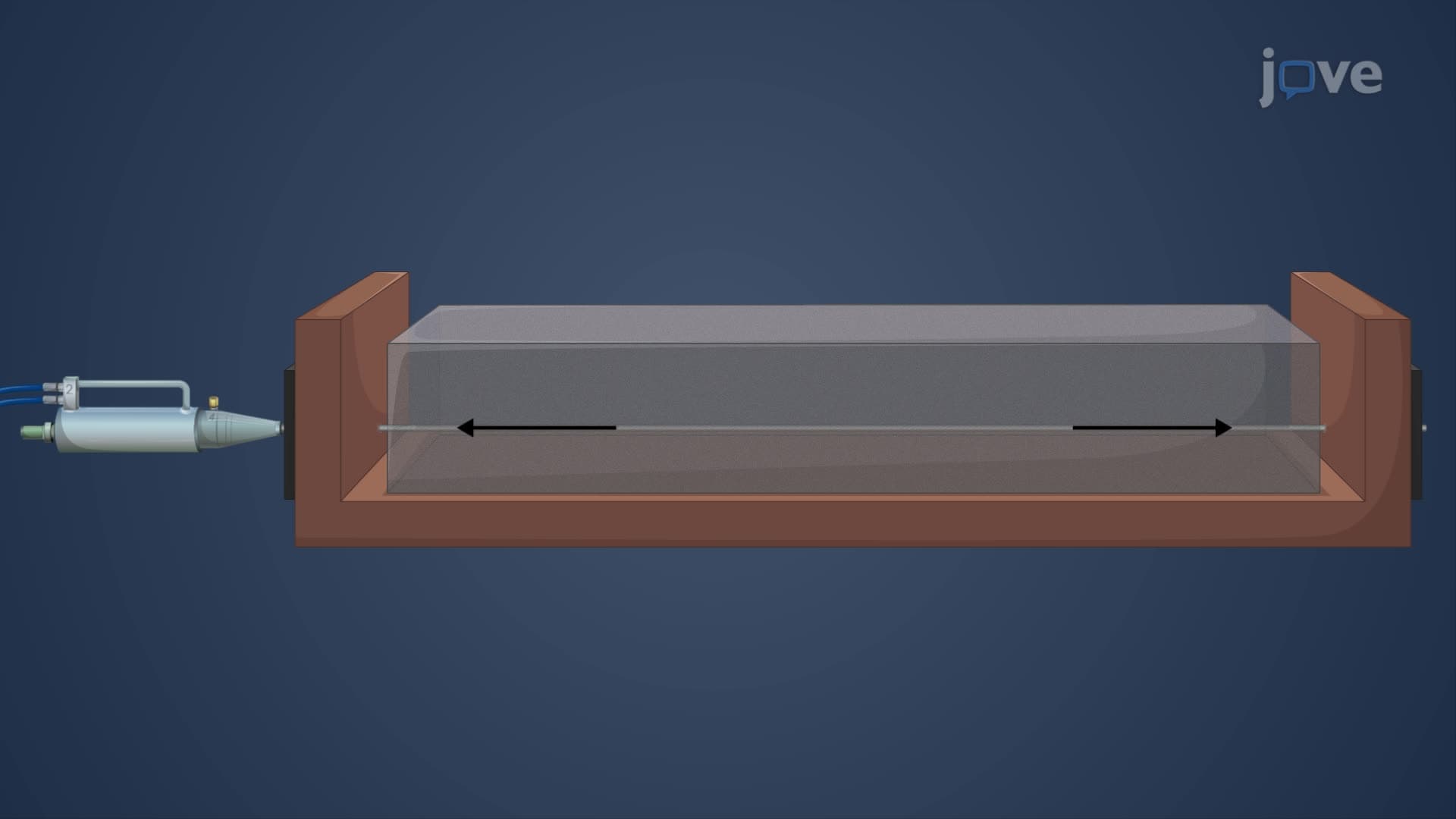
Pretensioning dominates precast concrete manufacturing, commonly seen in highway bridge girders and building floor systems. In pretensioning facilities across states like Texas and California, steel strands are stretched between abutments spanning hundreds of feet. Concrete is then cast around these tensioned strands, and after curing, the strands are released, transferring compressive force to the concrete through bond stress. This method proves economical for mass production of standardized elements.
Posttensioning offers greater flexibility for cast-in-place construction, particularly in high-rise buildings and parking structures. Major projects like the Los Angeles Metro stations utilize posttensioned slabs where steel strands are placed in protective sheathing during concrete placement. After the concrete achieves sufficient strength (typically 3,000-4,000 psi), hydraulic jacks stretch the strands to design tension, compressing the hardened concrete. This technique enables architects to design thinner slabs with longer spans, reducing building weight and foundation requirements.
Academic and Professional Applications
Students preparing for the Fundamentals of Engineering (FE) exam encounter prestressed concrete in structural analysis problems, while those pursuing the Structural Engineering (SE) license must demonstrate comprehensive understanding of prestressing design principles. Advanced placement students in AP Physics often analyze prestressed beam behavior to understand stress distribution and equilibrium concepts. College-level structural engineering courses typically dedicate entire modules to prestressed concrete design, incorporating both ACI 318 building code requirements and AASHTO bridge specifications that govern professional practice across the United States.
Frequently Asked Questions
Prestressed concrete is concrete that has been placed under controlled compressive stress before experiencing service loads, using high-strength steel strands tensioned to 70% of their ultimate strength. Unlike regular reinforced concrete that relies on steel bars to resist tension after cracking occurs, prestressed concrete prevents cracks from forming by keeping the concrete in compression. This enables longer spans, thinner sections, and superior durability in structures ranging from bridge girders to building floor systems.
Prestressed concrete utilizes two primary construction methods: pretensioning and posttensioning. Pretensioning involves stretching steel strands before casting concrete around them, commonly used in precast manufacturing facilities for standardized elements like highway bridge girders. Posttensioning places unstressed strands in protective sheaths during casting, then tensions them after concrete cures using hydraulic jacks, ideal for custom cast-in-place applications like high-rise building slabs and parking structures.
The FE exam typically includes 2-3 prestressed concrete problems focusing on basic stress calculations, strand force determination, and section property analysis using simplified beam theory. The PE Structural exam features more complex scenarios involving prestress loss calculations, deflection analysis, and code compliance verification per ACI 318 and AASHTO specifications. Students should master fundamental concepts of prestress transfer, elastic analysis, and allowable stress design methods commonly used in professional practice.
Understanding prestressed concrete provides excellent preparation for advanced structural analysis topics including composite construction, cable-stayed bridge design, and post-earthquake structural repair techniques. The stress analysis skills developed through prestressed concrete study directly apply to steel connection design, masonry engineering, and timber construction. Many graduate-level structural dynamics and seismic design courses build upon prestressing fundamentals when analyzing complex structural systems.
Major American landmarks utilizing prestressed concrete include the Florida Keys Overseas Highway bridges, Chicago's Willis Tower floor systems, and numerous NFL stadium roof structures. Most highway overpasses built since 1960 incorporate prestressed girders, while modern parking garages typically feature posttensioned slabs enabling longer spans with fewer columns. University campuses across the country showcase prestressed concrete in library buildings, classroom structures, and athletic facilities where large open spaces are required.
Prestressed concrete concepts build logically from basic statics and strength of materials principles typically covered in introductory engineering courses. Students comfortable with beam analysis, stress calculations, and equilibrium equations can successfully master prestressing fundamentals. The key lies in understanding the physical behavior-how prestressing creates beneficial compressive stresses-before tackling mathematical design procedures. Most concepts can be grasped through visualization and hands-on demonstrations common in engineering education.
Focus on understanding the fundamental stress distribution patterns before memorizing formulas, as exam problems often test conceptual understanding rather than rote calculation. Practice converting between different units (ksi, psi, kN/m²) and work through complete design examples rather than isolated calculations. Create summary sheets organizing prestress loss categories, allowable stress limits, and key design steps for both pretensioned and posttensioned members to reference during exam preparation.
Related Micro-courses
12 Concepts
6 Concepts

12 Concepts