Loading subject page…

- Civil Engineering
- Strength of Concrete
- Water Cement Ratio
Micro-course: Strength of Concrete
6,266 views
Learn key concepts and earn your certificate.









Water Cement Ratio

00:00
01:28
Video Summary: What Is Water Cement Ratio
Did you know that the Golden Gate Bridge's concrete foundation depends on a precise water cement ratio to withstand Pacific Ocean waves for over 80 years? The water cement ratio represents the weight relationship between water and cement in concrete mixtures, fundamentally determining concrete's strength, durability, and performance. When engineers designed the Hoover Dam, they carefully calculated this ratio to ensure the massive structure could resist enormous water pressure. Understanding what is water cement ratio reveals why some concrete structures last centuries while others crumble within decades. Watch the full video on JoVE Coach to master this concept with expert-led visuals and step-by-step explanations.
- Understand what is water cement ratio and how it controls concrete's fundamental properties including strength, durability, and workability
- Identify the optimal water cement ratio ranges (0.45-0.60) used in typical construction applications across different project types
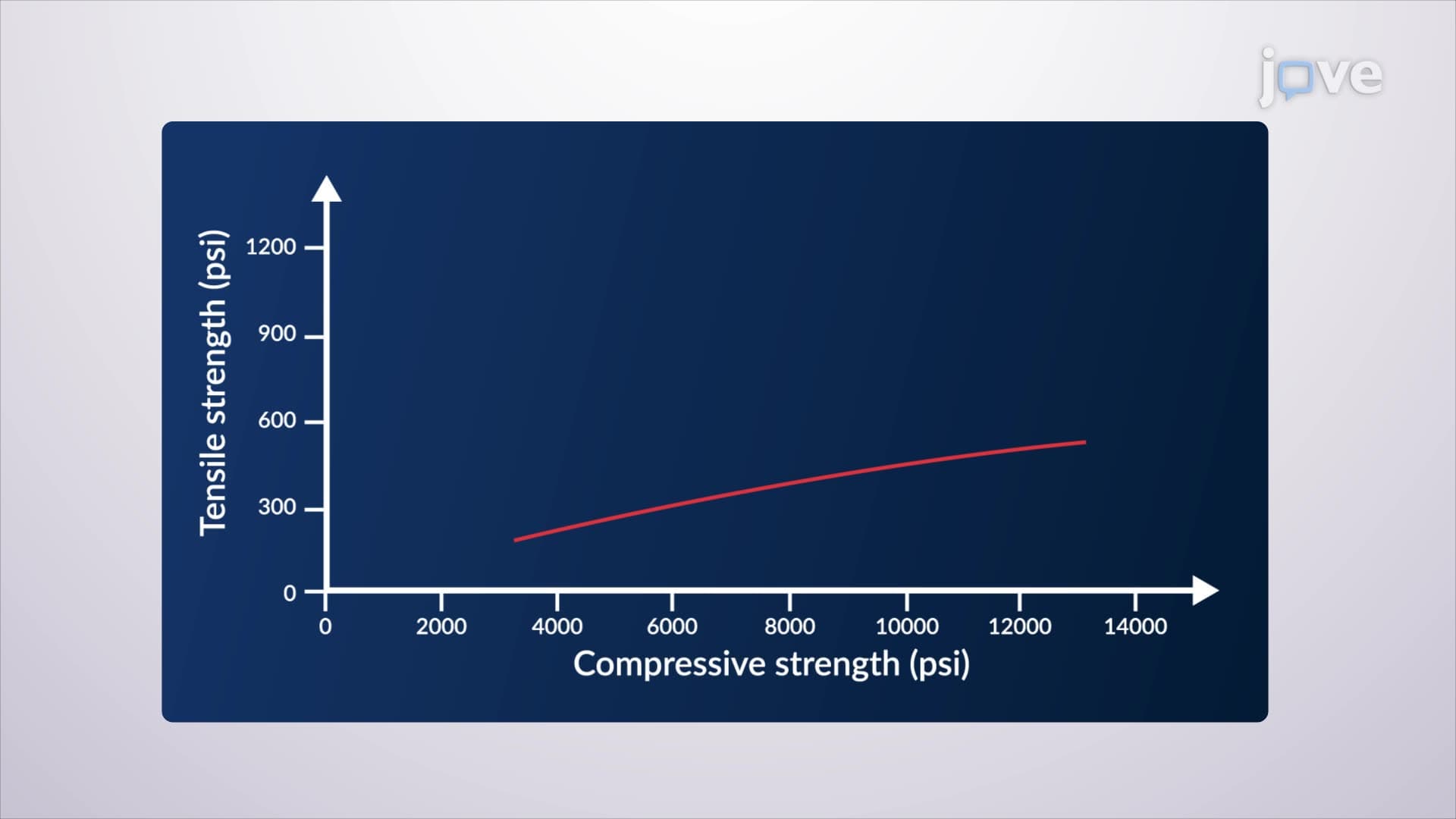
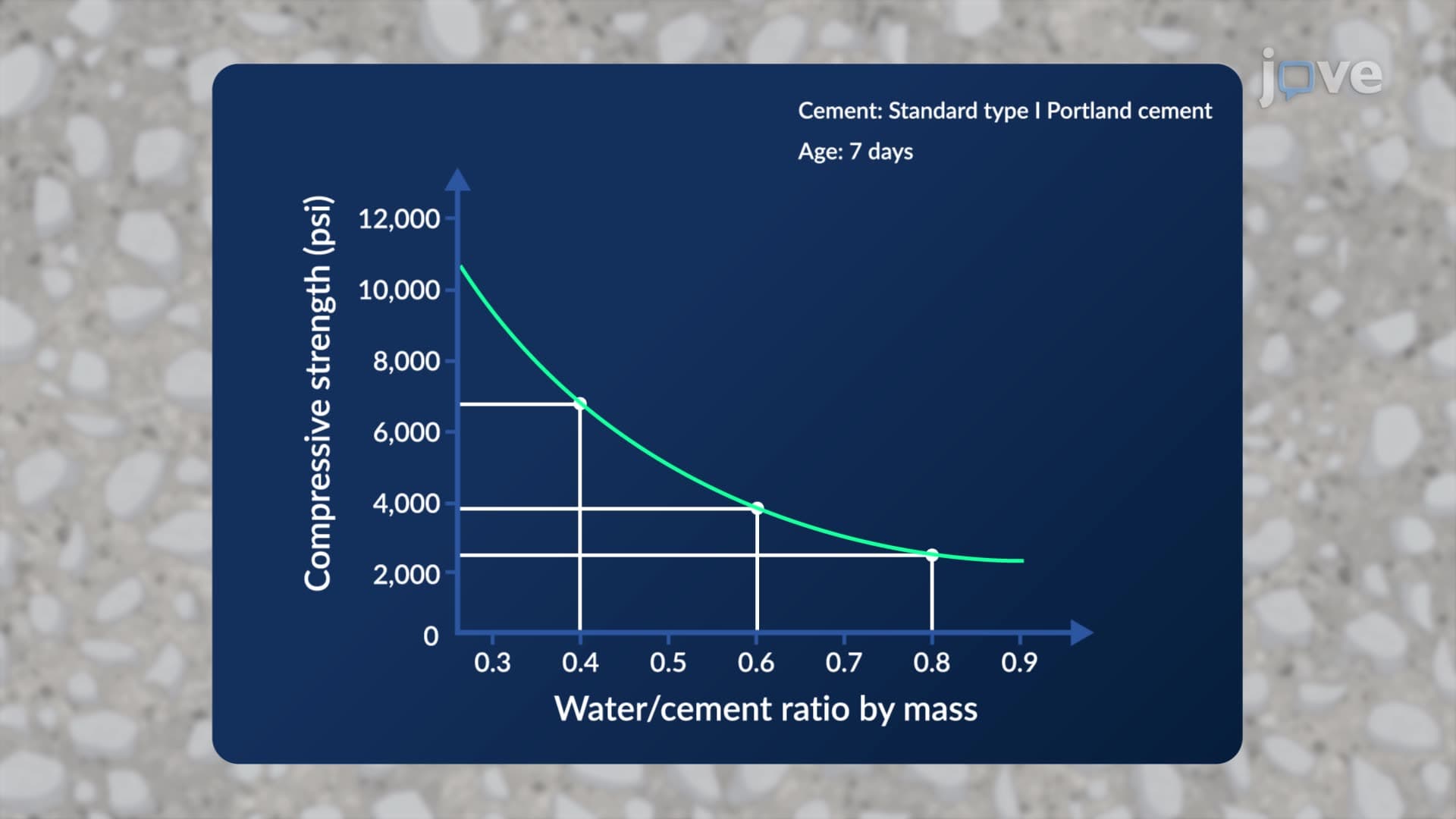
- Analyze how Abrams Law demonstrates the inverse relationship between water cement ratio and concrete compressive strength
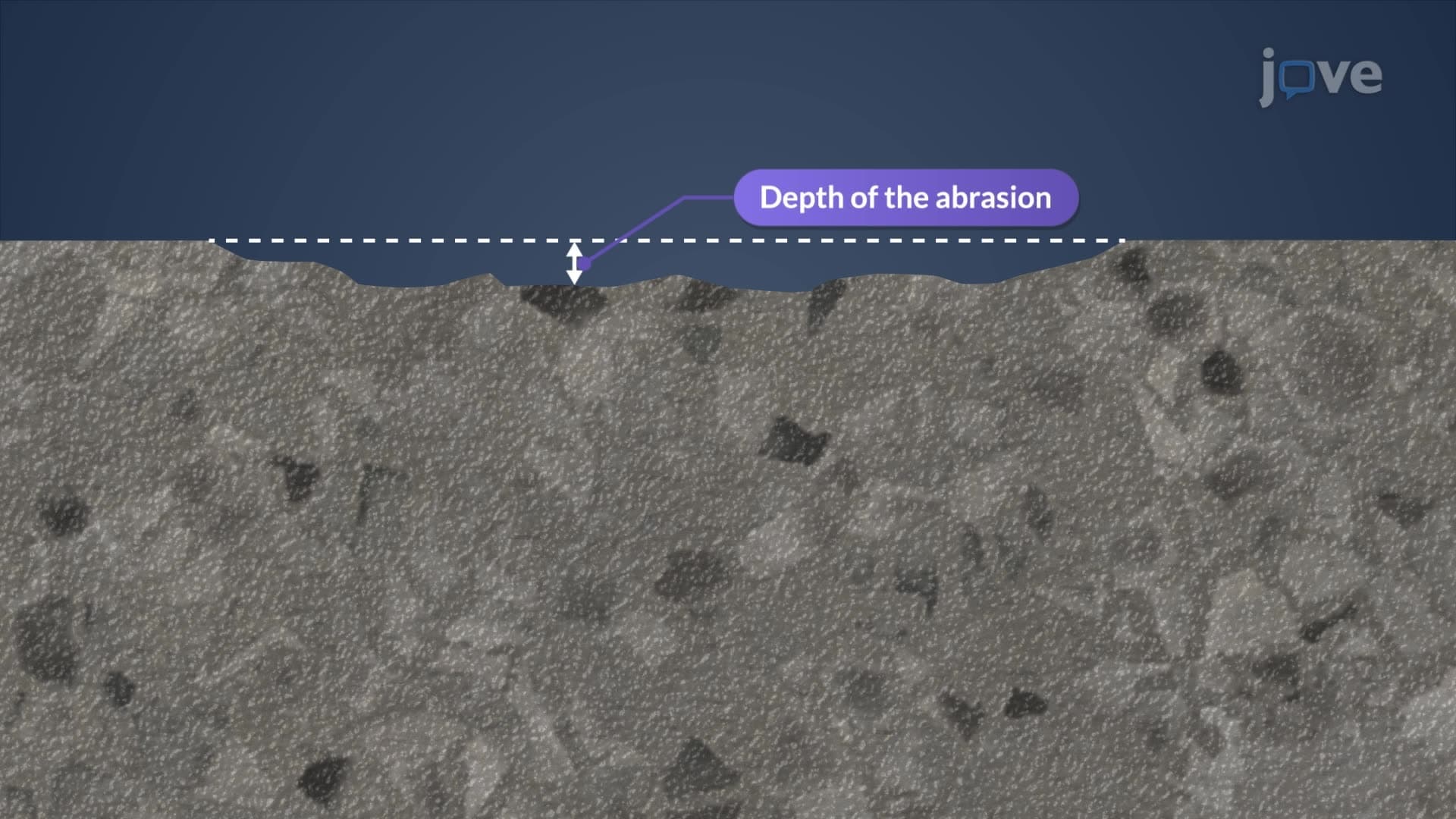
- Compare the effects of high versus low water cement ratios on porosity, permeability, and structural integrity
- Evaluate the multiple roles of water in concrete: hydration, aggregate absorption, workability enhancement, and evaporation compensation
- Apply water cement ratio principles to predict concrete performance in real-world construction scenarios
- Recognize how improper water cement ratios create capillary voids that compromise concrete quality and appearance
- Explore the connection between water cement ratio optimization and weather resistance in structural applications
Understanding Water Cement Ratio Fundamentals
The water cement ratio definition centers on a deceptively simple concept with profound engineering implications. This ratio expresses the weight of water divided by the weight of cement in any concrete mixture. For instance, a water cement ratio of 0.50 means that for every 100 pounds of cement, engineers add 50 pounds of water. This seemingly straightforward calculation determines whether a concrete structure will stand for generations or require costly repairs within years.
The Science Behind Water Cement Ratio Performance
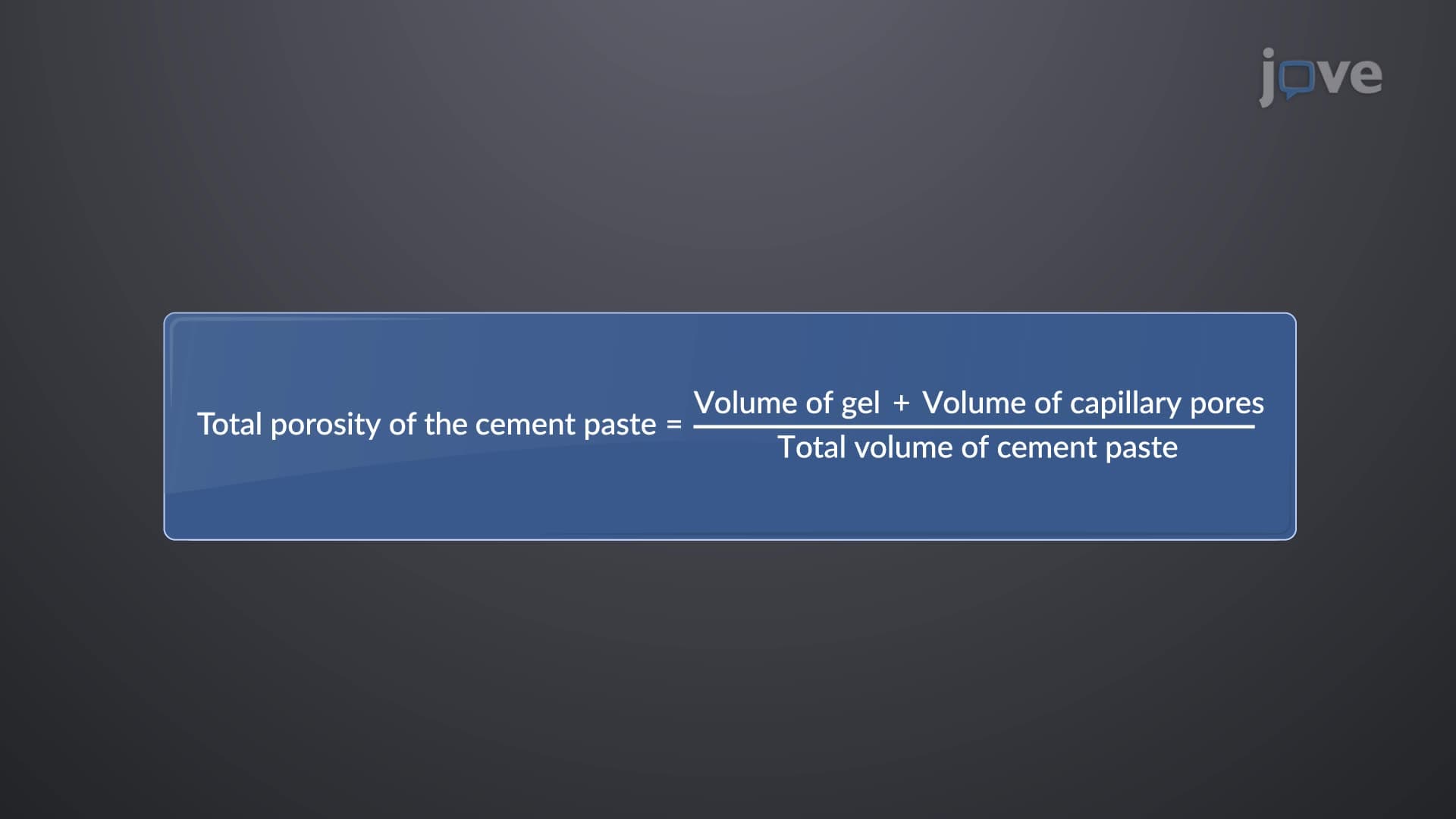
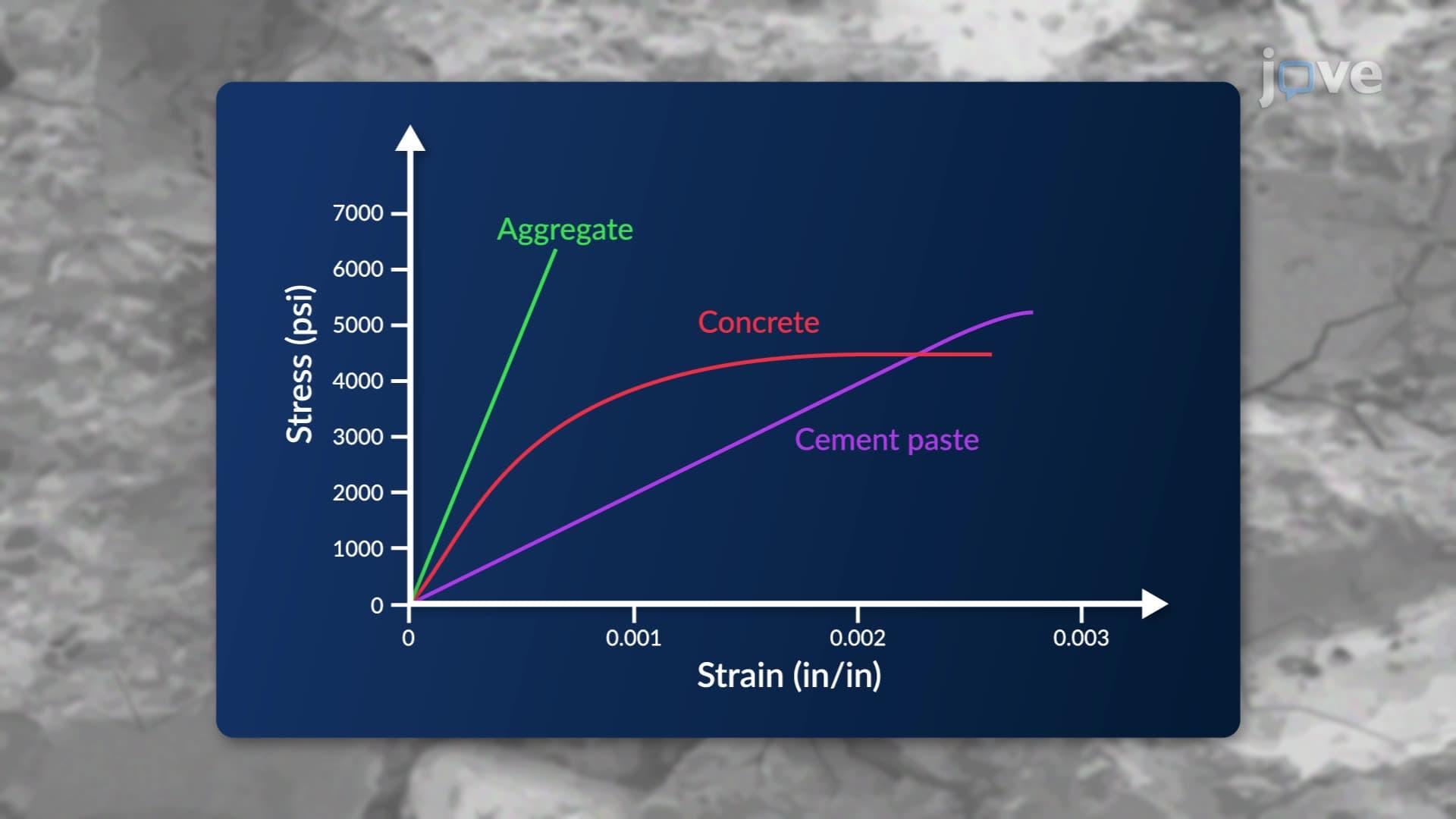
Abrams Law, established by Duff Abrams at the Portland Cement Association in 1918, revolutionized concrete engineering by proving that concrete strength depends primarily on the water cement ratio. This fundamental principle shows that as the water cement ratio increases, compressive strength decreases exponentially. The science explains why: excess water beyond what's needed for cement hydration creates capillary pores throughout the hardened concrete matrix.
When students encounter this concept in AP Chemistry or college materials science courses, they learn that cement hydration requires approximately 25% of the cement's weight in water. However, practical concrete mixing demands additional water for workability, aggregate moisture absorption, and evaporation losses. The challenge lies in balancing these competing requirements while minimizing strength reduction.
Practical Water Cement Ratio Applications
Real-world applications demonstrate this concept's critical importance. The Interstate Highway System utilizes water cement ratios between 0.40-0.45 for pavement durability, while residential foundations typically employ ratios of 0.50-0.60 for adequate workability without excessive cost. The One World Trade Center's foundation required precisely controlled water cement ratios to ensure the structure could withstand both gravitational loads and potential security threats.
Optimizing Water Cement Ratio for Different Conditions
Understanding water cement ratio in detail reveals why construction specifications vary dramatically across projects. High-rise buildings in seismic zones like San Francisco demand lower ratios (0.35-0.45) for maximum strength and ductility. Conversely, mass concrete pours like dam construction may accept higher ratios (0.50-0.65) where workability outweighs ultimate strength requirements. Students preparing for engineering licensure exams must recognize these trade-offs and select appropriate ratios based on specific performance criteria, environmental exposure, and construction constraints.
Frequently Asked Questions
Water cement ratio is the weight of water divided by the weight of cement in concrete, typically ranging from 0.45 to 0.60. This ratio directly controls concrete strength, durability, and resistance to weathering. Lower ratios produce stronger concrete but are harder to work with, while higher ratios improve workability but reduce strength and increase porosity.
The MCAT may include water cement ratio in physical chemistry passages about material properties and chemical reactions. Engineering licensure exams test ratio calculations, strength predictions using Abrams Law, and specification selection for different construction scenarios. Practice problems often involve calculating optimal ratios for specific strength requirements or environmental conditions.
AP Chemistry exams incorporate water cement ratio in stoichiometry problems and reaction kinetics contexts. Students might calculate hydration water requirements, analyze how excess water affects reaction completeness, or predict material properties based on compositional ratios. These questions connect concrete chemistry to broader chemical principles and real-world applications.
Major US infrastructure projects demonstrate water cement ratio principles daily. The California High-Speed Rail project requires low ratios (0.35-0.40) for high-strength concrete in seismic zones, while the Second Avenue Subway in New York uses carefully controlled ratios to prevent groundwater infiltration and ensure tunnel durability in challenging urban conditions.
Water cement ratio concepts are perfectly accessible to high school students with basic algebra skills. The mathematical calculations involve simple division and proportion, while the underlying chemistry connects to familiar concepts like solutions and reactions. Students can grasp the practical importance through everyday examples like sidewalks, driveways, and building foundations.
Focus on understanding the inverse relationship between ratio and strength, memorize typical ratio ranges for different applications, and practice calculation problems. Create flashcards linking ratio values to specific construction scenarios, and work through past exam questions that combine ratio calculations with material property predictions and construction specification requirements.
Expand your knowledge to aggregate-cement ratios, concrete mix design principles, and curing time effects on strength development. Study related materials science concepts like porosity, permeability, and composite material behavior. Advanced topics include admixtures, fiber reinforcement, and high-performance concrete formulations used in modern construction.
Related Micro-courses

12 Concepts

6 Concepts

12 Concepts