Loading…
Loading video…

8,959 views
Did you know that the Empire State Building uses over 10 million bricks, each specifically chosen for its classification and purpose? Brick classifications form the foundation of modern construction, determining everything from structural integrity to aesthetic appeal. In American construction projects, from residential homes in Texas to commercial buildings in New York, understanding what is brick classifications helps engineers select the right materials for each application. These classification systems categorize bricks based on their structural properties, intended use, and performance characteristics. Watch the full video on JoVE Coach to master this concept with expert-led visuals and step-by-step explanations.
Brick classifications represent a systematic approach to categorizing masonry units based on their intended use, structural properties, and performance characteristics. This classification system serves as the backbone of construction material selection, ensuring that each brick type meets specific engineering requirements and building codes established by organizations like ASTM International.
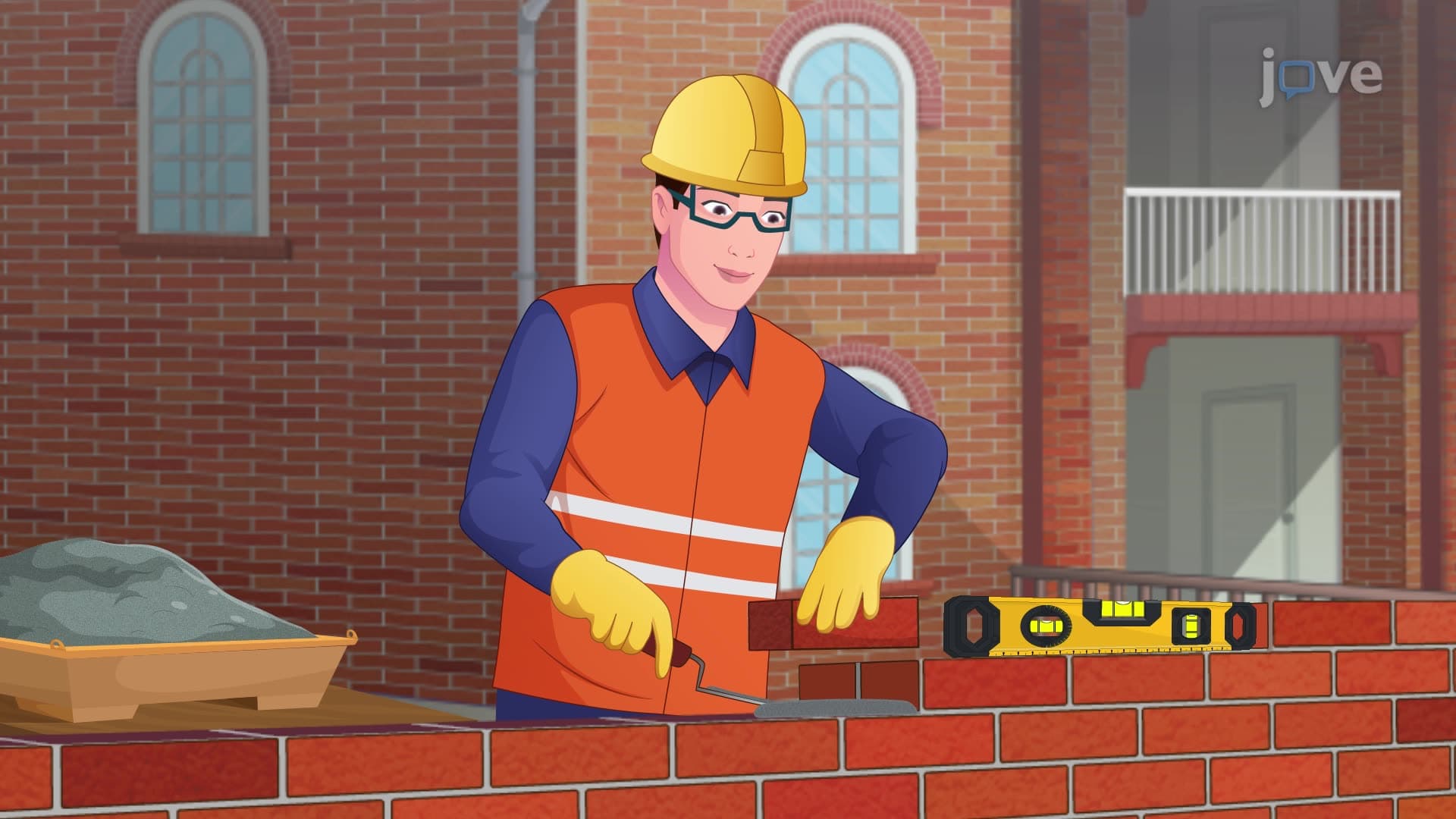
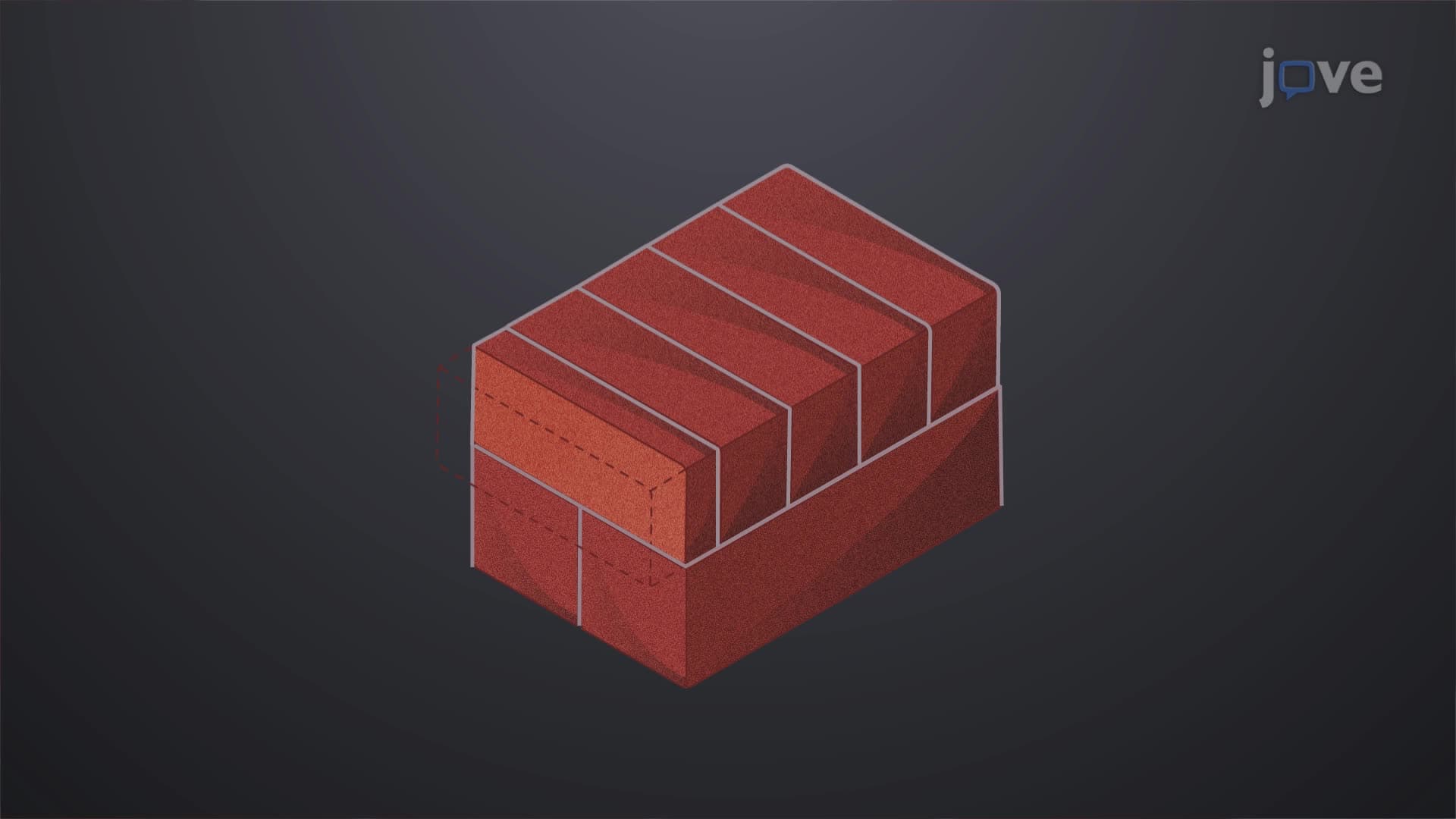
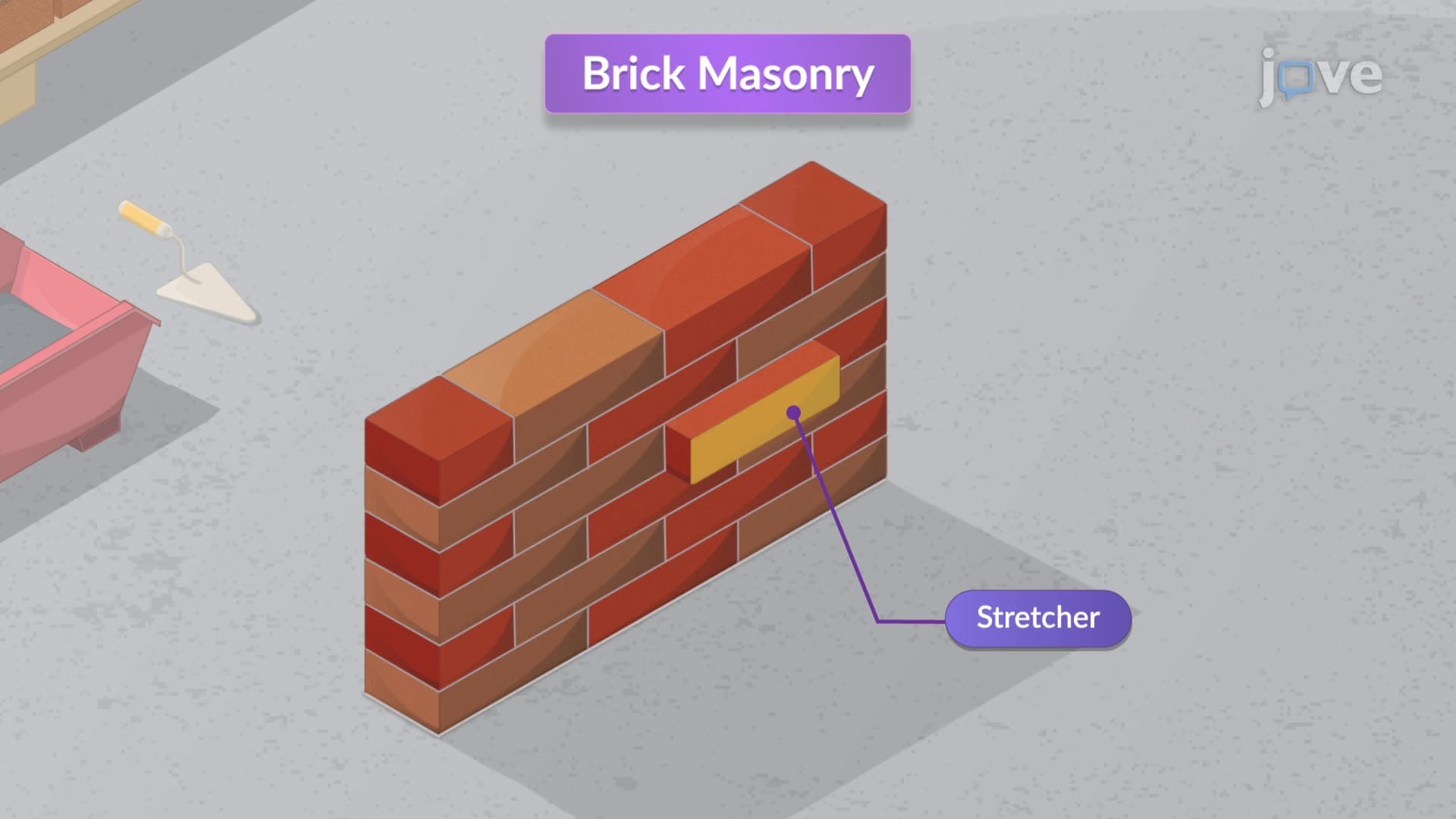
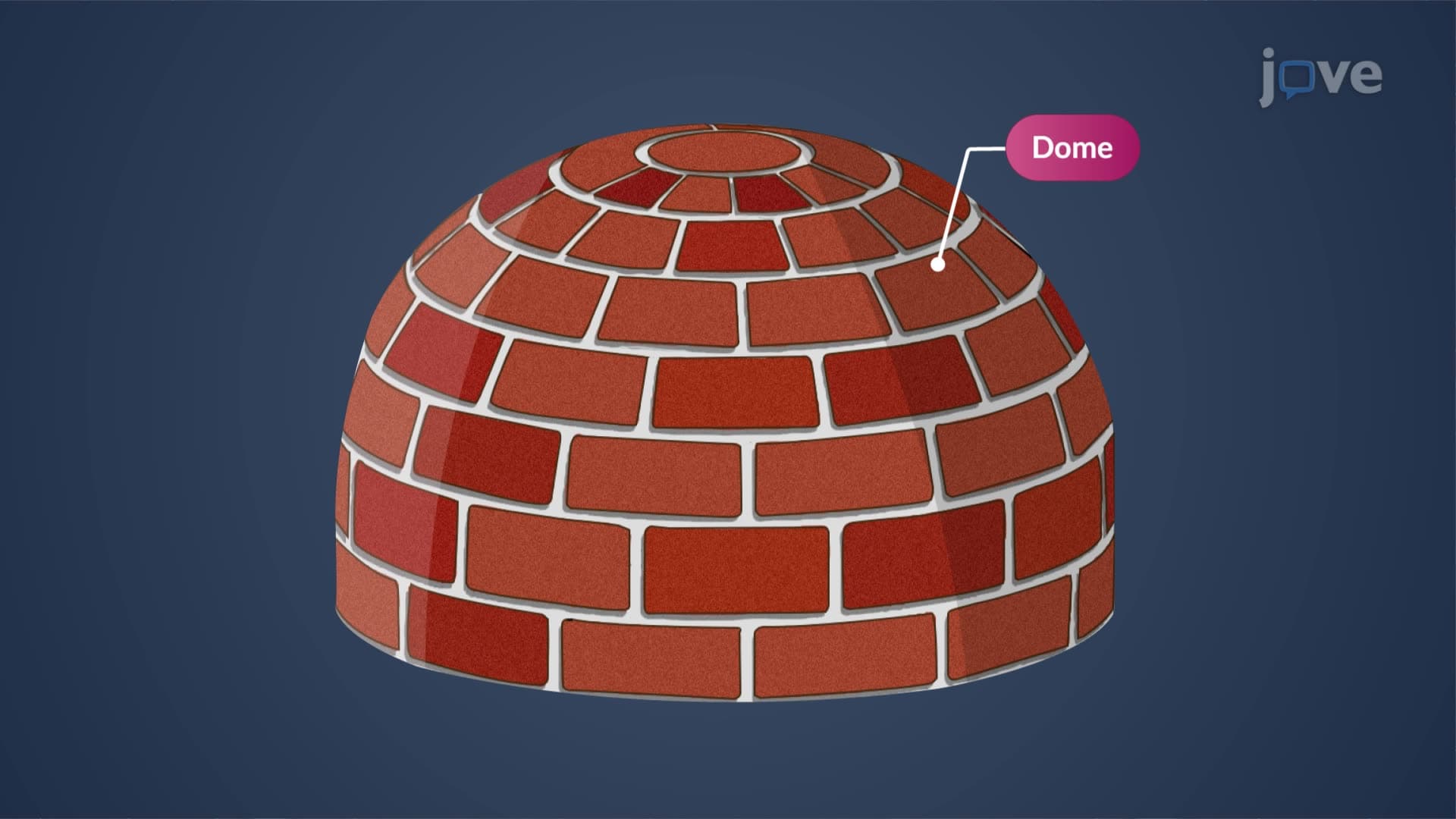
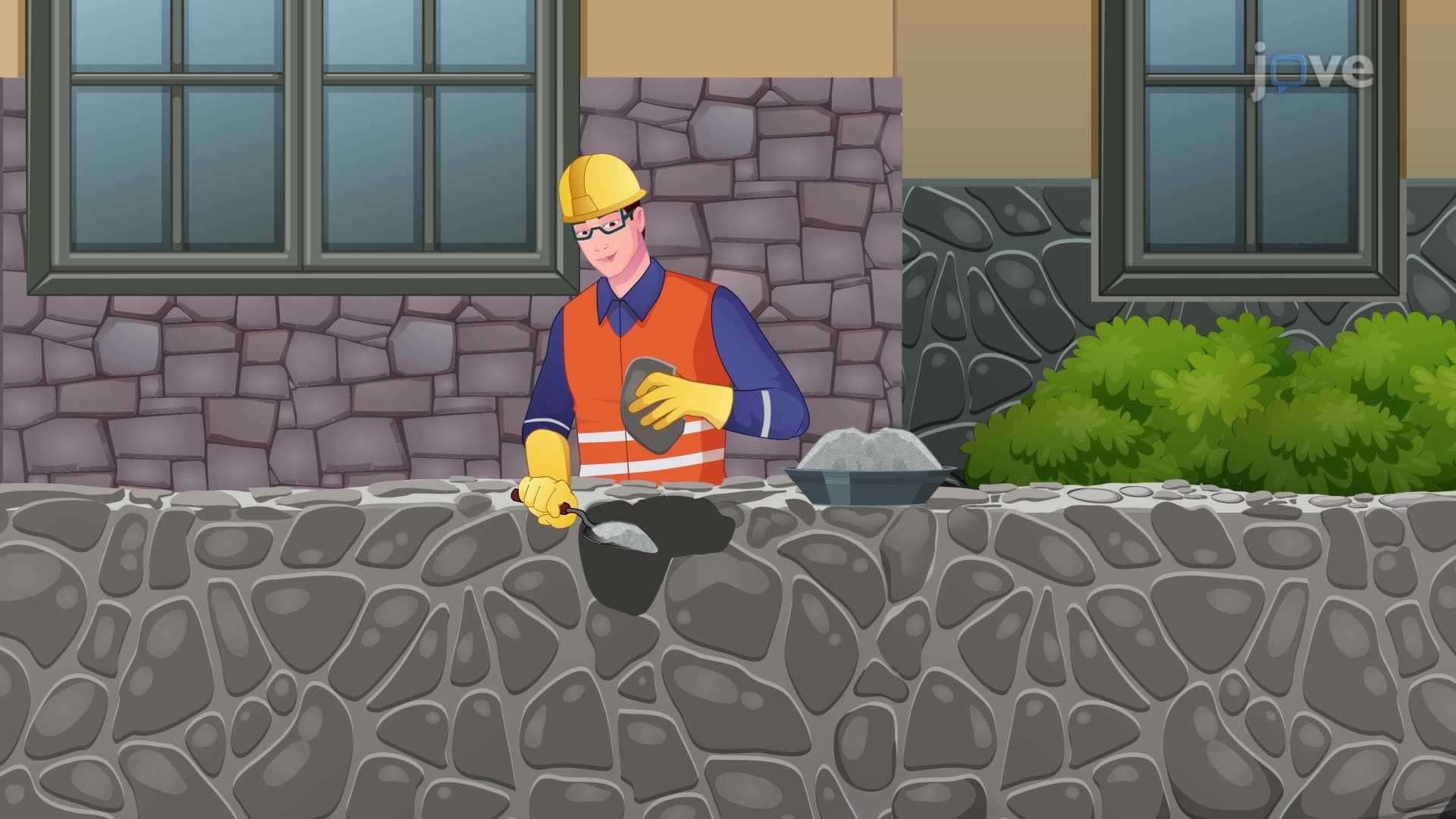
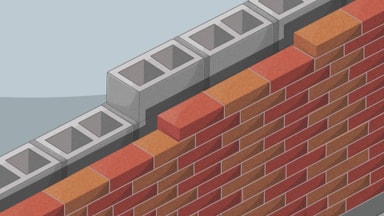
The construction industry recognizes three fundamental categories within brick classifications definition. Facing bricks, also called face bricks, serve dual purposes as both structural elements and aesthetic features. These bricks are prominently displayed on building exteriors, such as the iconic brick facades of Harvard University's campus buildings or Chicago's historic architecture. Building bricks function primarily as structural support elements, typically hidden behind facing materials in cavity wall construction common throughout American residential development.
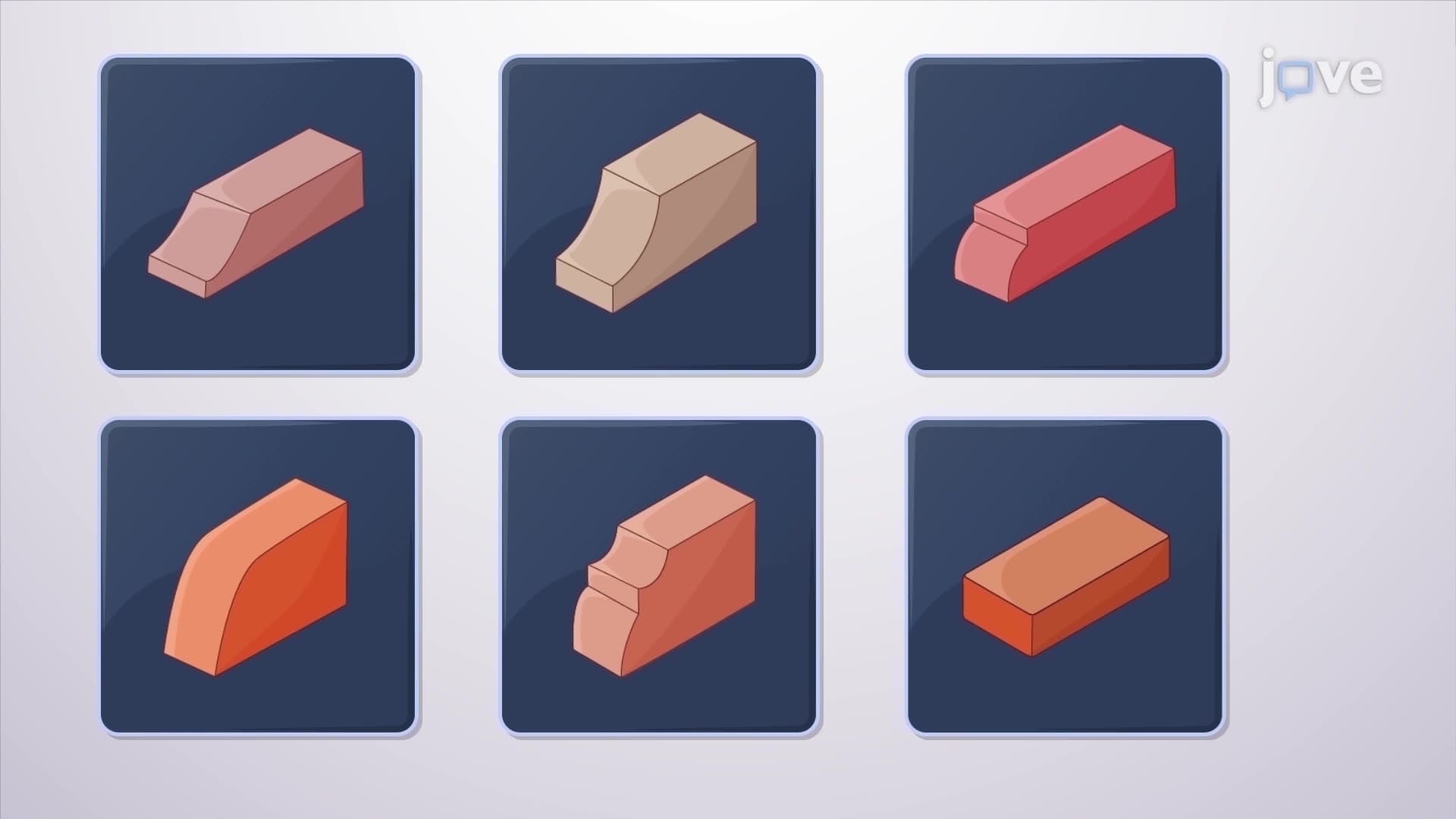
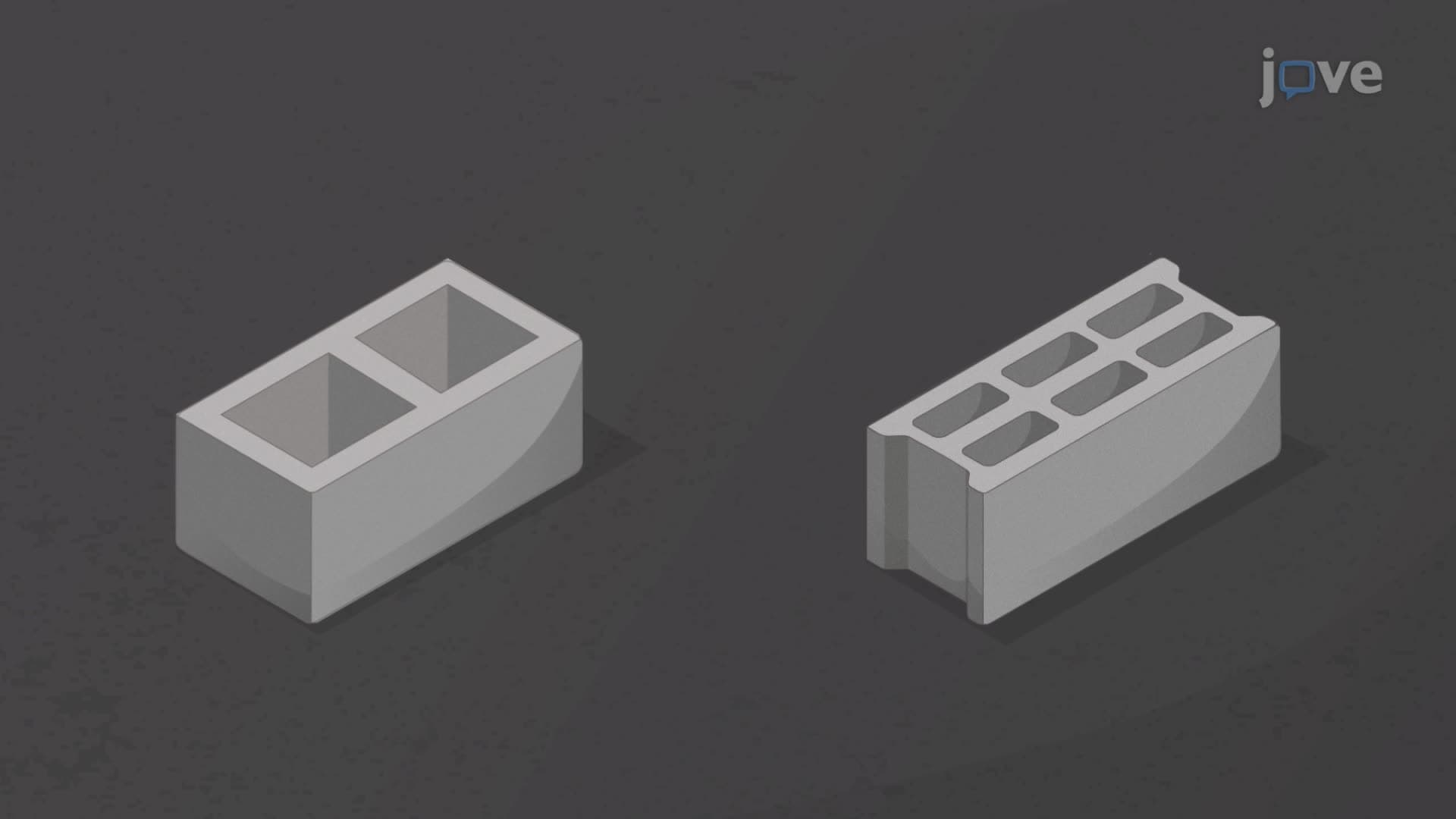
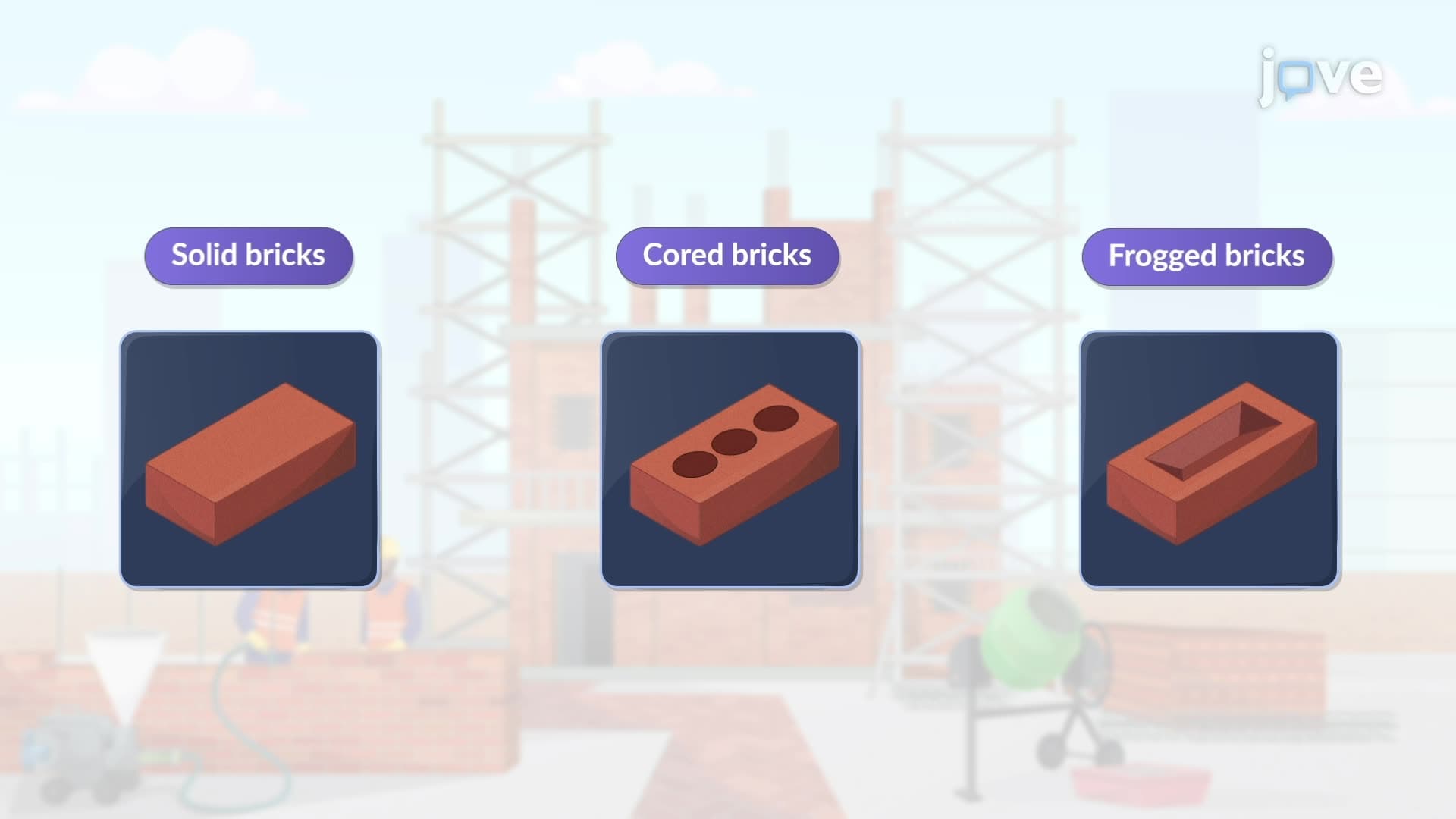
Solid unit classifications require careful attention to load-bearing specifications. According to industry standards, the load-bearing surface must maintain at least 75% solid material, whether the brick is completely solid, cored (with small holes), or frogged (with indentations). This specification directly impacts structural calculations that civil engineering students encounter in courses like Statics and Strength of Materials.
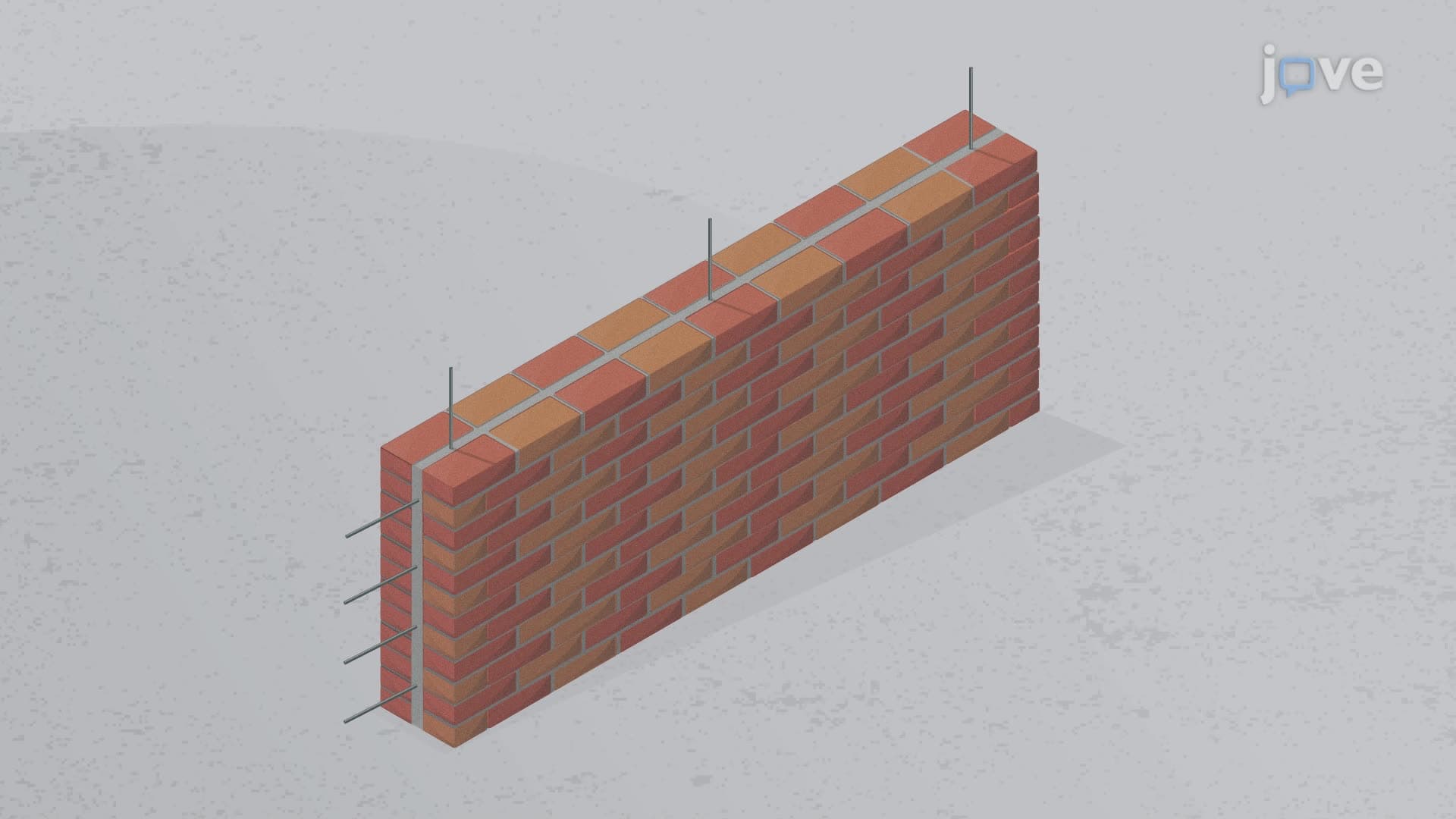
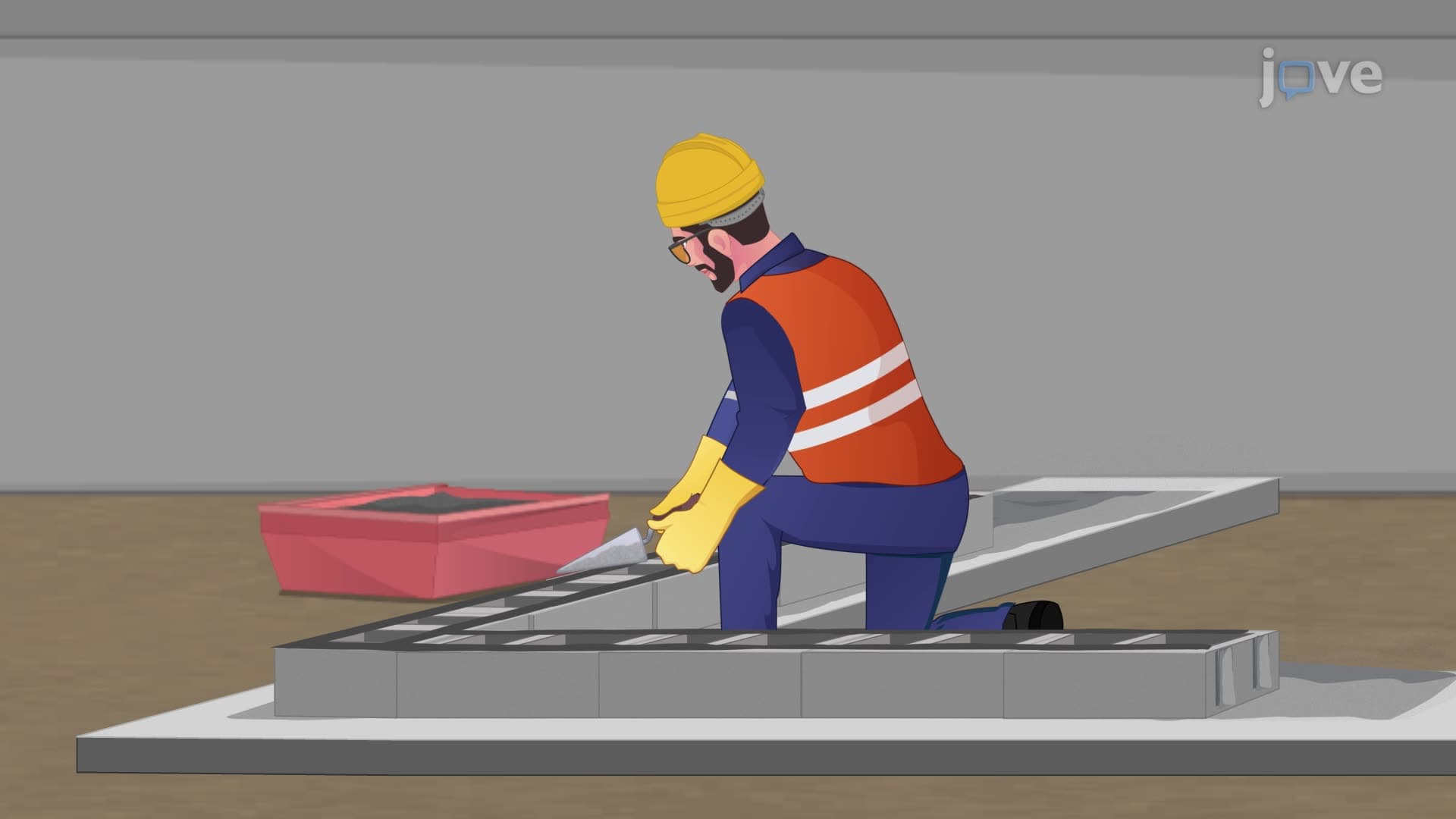
What is brick classifications in detail extends beyond basic structural categories to include specialized performance requirements. Hollow bricks revolutionize construction efficiency by allowing up to 60% void space while maintaining structural integrity. These voids accommodate reinforcement bars and grout, creating reinforced masonry systems used in seismic zones like California, where building codes demand enhanced structural performance.
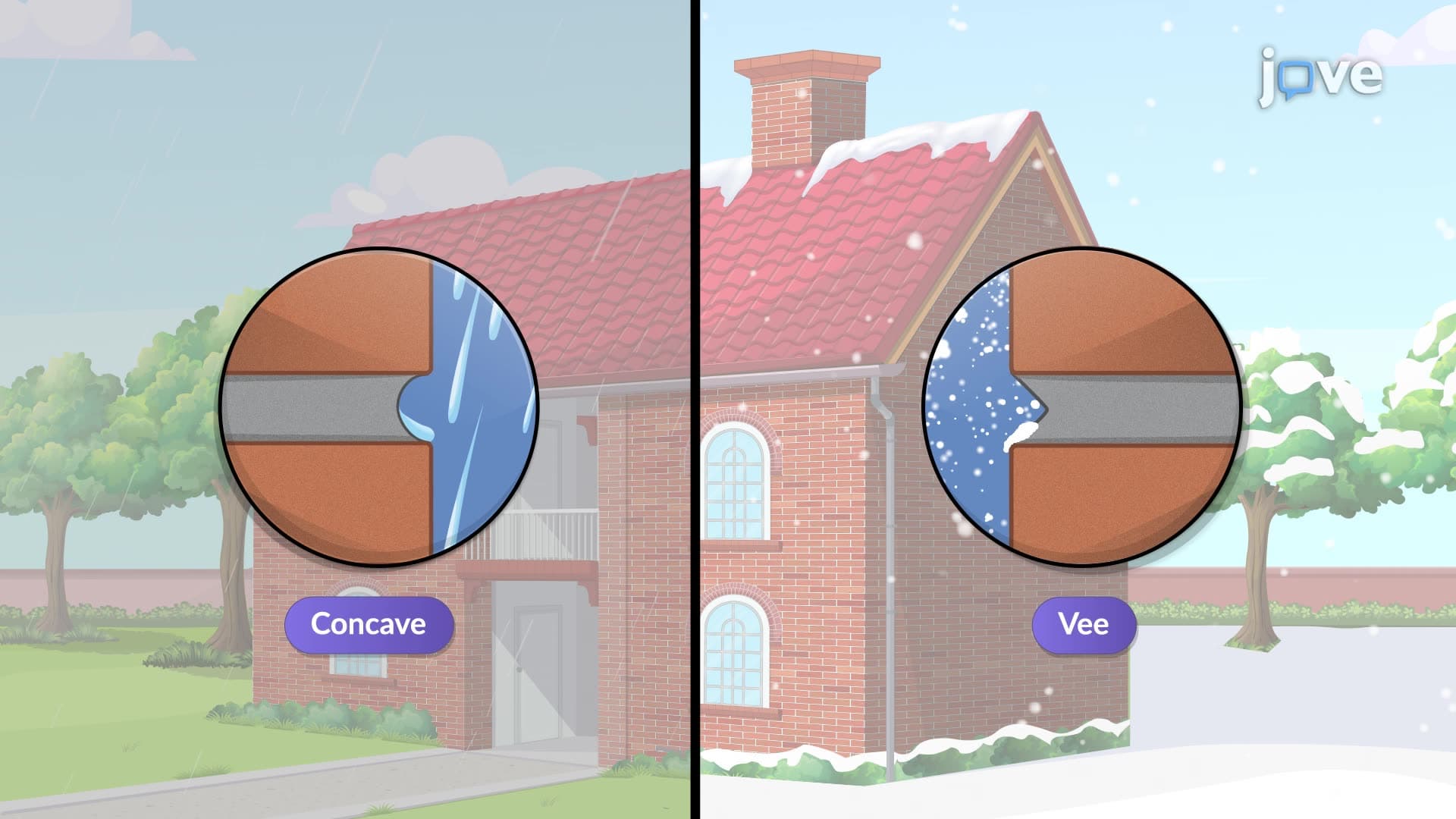
Paving bricks represent another critical classification, engineered specifically for pedestrian and vehicular traffic. These units must withstand freeze-thaw cycles common in northern states like Minnesota and Michigan, where winter temperatures regularly drop below freezing. The brick's internal structure prevents water infiltration damage that could compromise sidewalks, driveways, and public walkways.
Firebricks constitute a specialized classification designed for extreme temperature applications. Used in fireplace linings and industrial furnaces, these bricks withstand temperatures exceeding 2000°F while maintaining structural stability. Installation requires specific fireclay mortars applied in thin layers to prevent thermal expansion damage.
Understanding these classifications proves essential for AP Physics students studying material properties and college engineering majors in structural design courses. Professional certification exams, including the Fundamentals of Engineering (FE) exam, frequently test knowledge of construction materials and their appropriate applications in various structural systems.
Frequently Asked Questions
Brick classifications are systematic categories that organize masonry units based on their structural properties, intended use, and performance characteristics. Construction professionals use these classifications to select appropriate materials for specific applications, ensure building code compliance, and optimize both structural integrity and aesthetic appeal in their projects.
Engineering exams often test material properties knowledge, including load-bearing requirements and thermal expansion characteristics. Students might encounter problems involving the 75% solid surface rule for structural calculations or questions about thermal properties of specialized bricks like firebricks in thermodynamics applications.
Facing bricks serve both structural and aesthetic purposes, appearing on visible building surfaces with consistent color and texture quality. Building bricks function primarily as structural support, typically hidden behind facing materials, allowing for more variation in appearance while maintaining strength requirements at lower cost.
Not at all! Brick classifications follow logical patterns based on intended use and performance requirements. Students can easily grasp these concepts by relating them to familiar buildings and structures they see daily, making the learning process intuitive and practical.
Focus on understanding the relationship between brick type and application rather than memorizing specifications. Practice identifying which classification suits different construction scenarios, and review the 75% solid surface rule for load-bearing calculations that commonly appear on engineering exams.
Facing bricks appear on university campuses like Yale and Princeton, building bricks form hidden structural walls in suburban developments, hollow bricks are used in earthquake-prone California construction, paving bricks create walkways in cities like Boston and Philadelphia, and firebricks line industrial furnaces and residential fireplaces nationwide.
Students should explore mortar types and joint design, reinforced masonry systems, building codes and specifications, thermal properties of building materials, and structural load calculations. These topics build naturally on brick classification knowledge and appear frequently in advanced construction and engineering courses.
Related Micro-courses
Related Subjects
 Electrical Engineering 33 micro-courses›Mechanical Engineering 28 micro-courses›