Loading subject page…

- Civil Engineering
- Masonry Materials
- Reinforced Brick Masonry
Micro-course: Masonry Materials
8,959 views
Learn key concepts and earn your certificate.


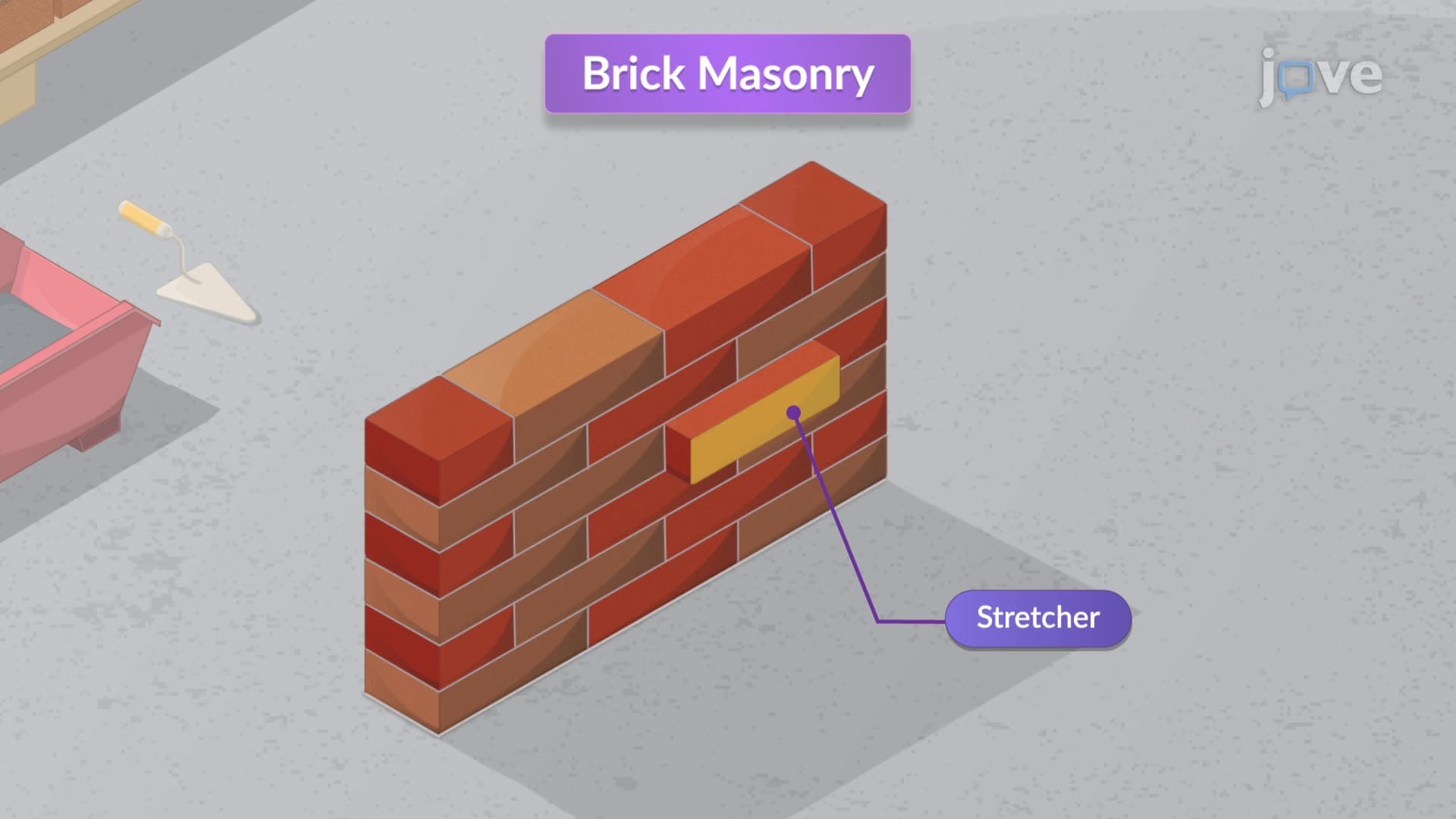
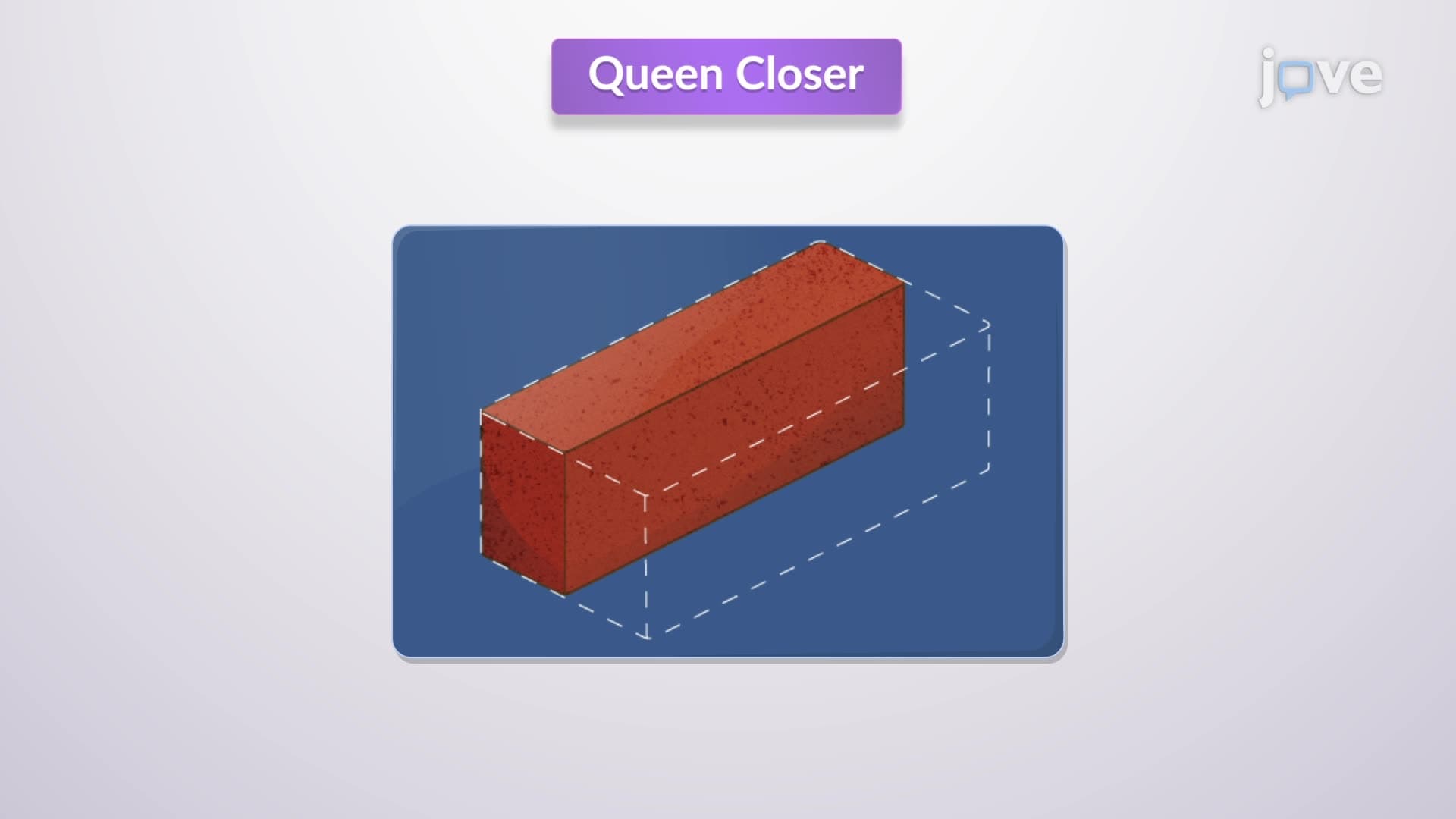

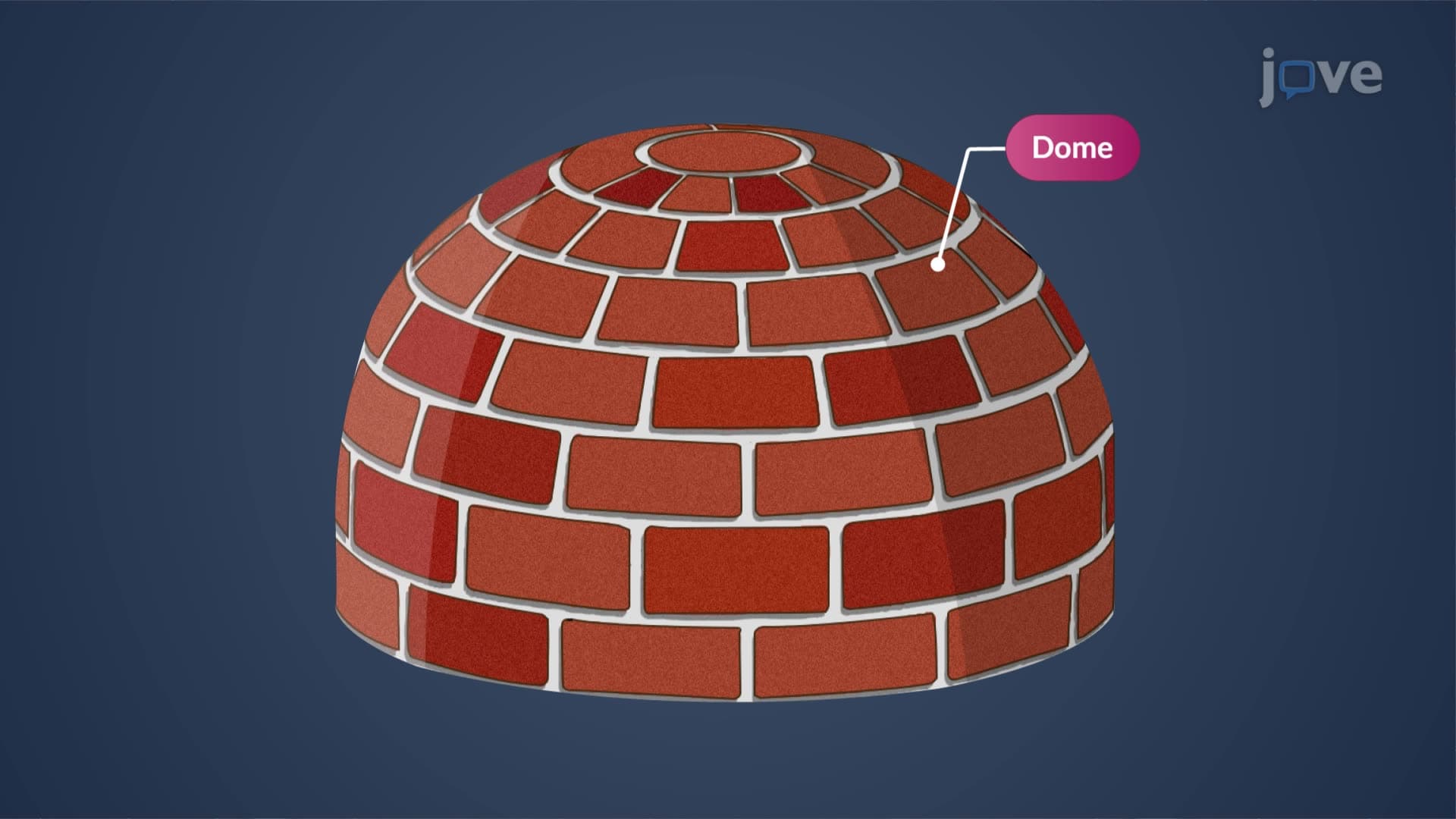

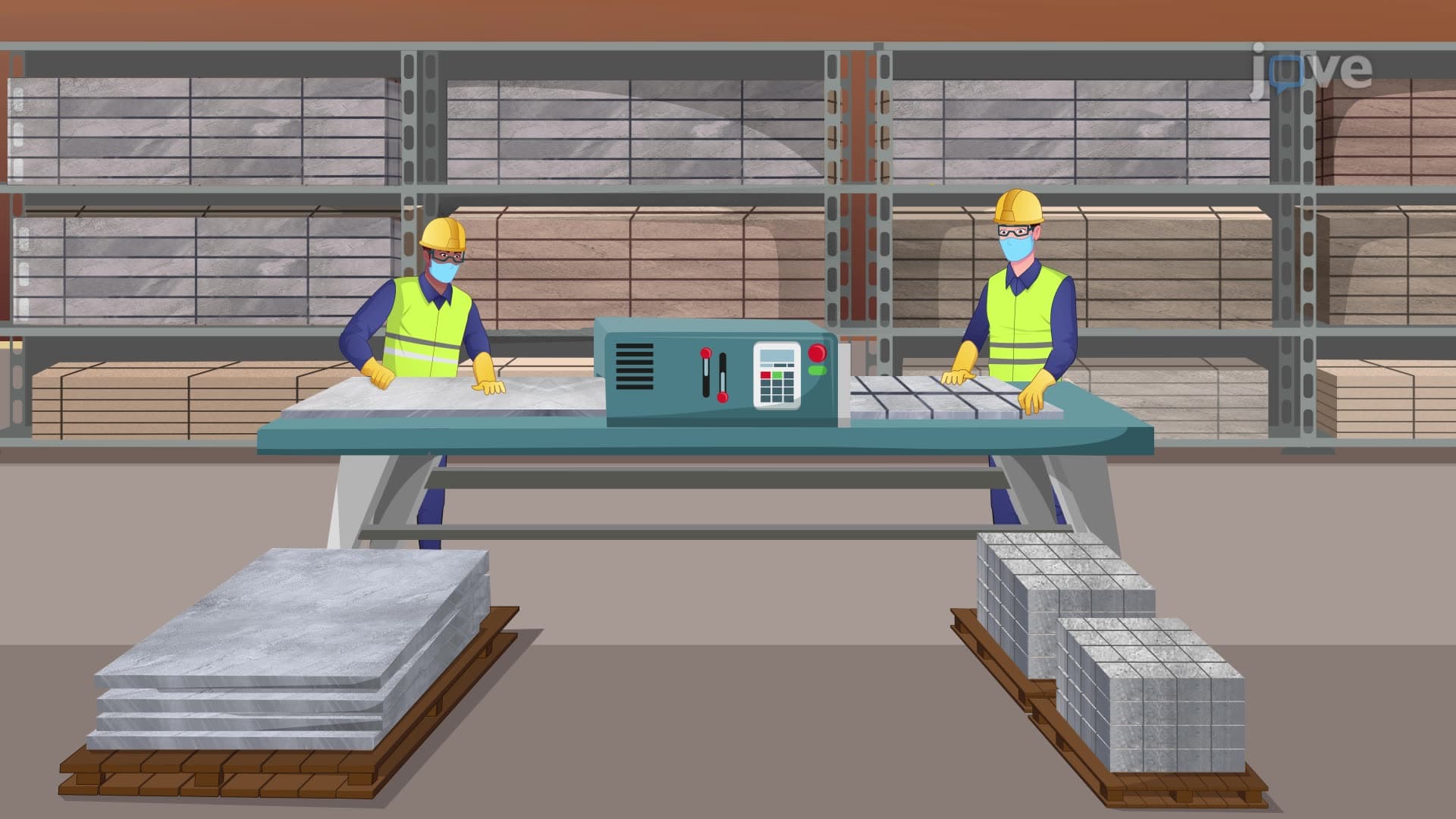
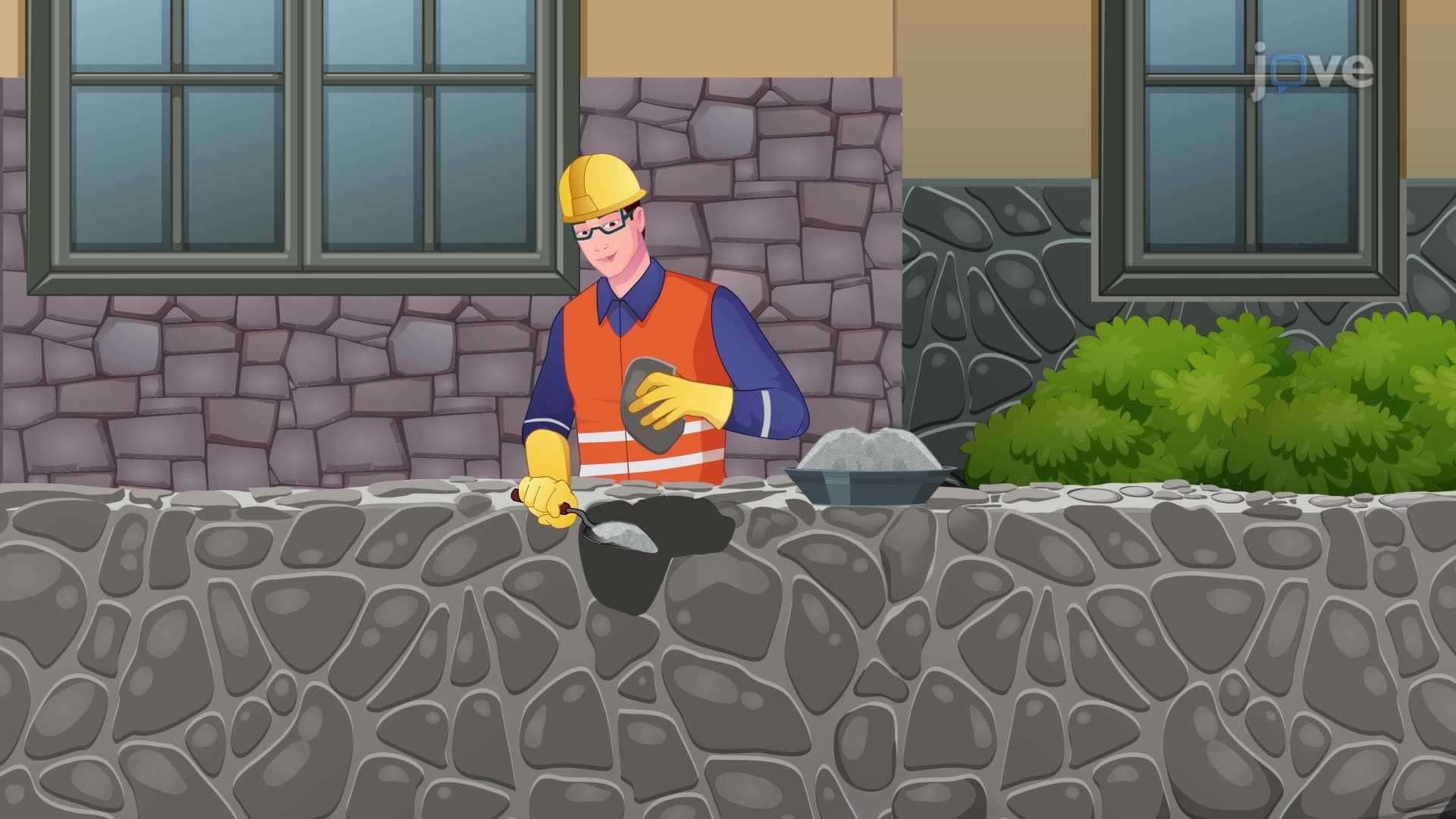
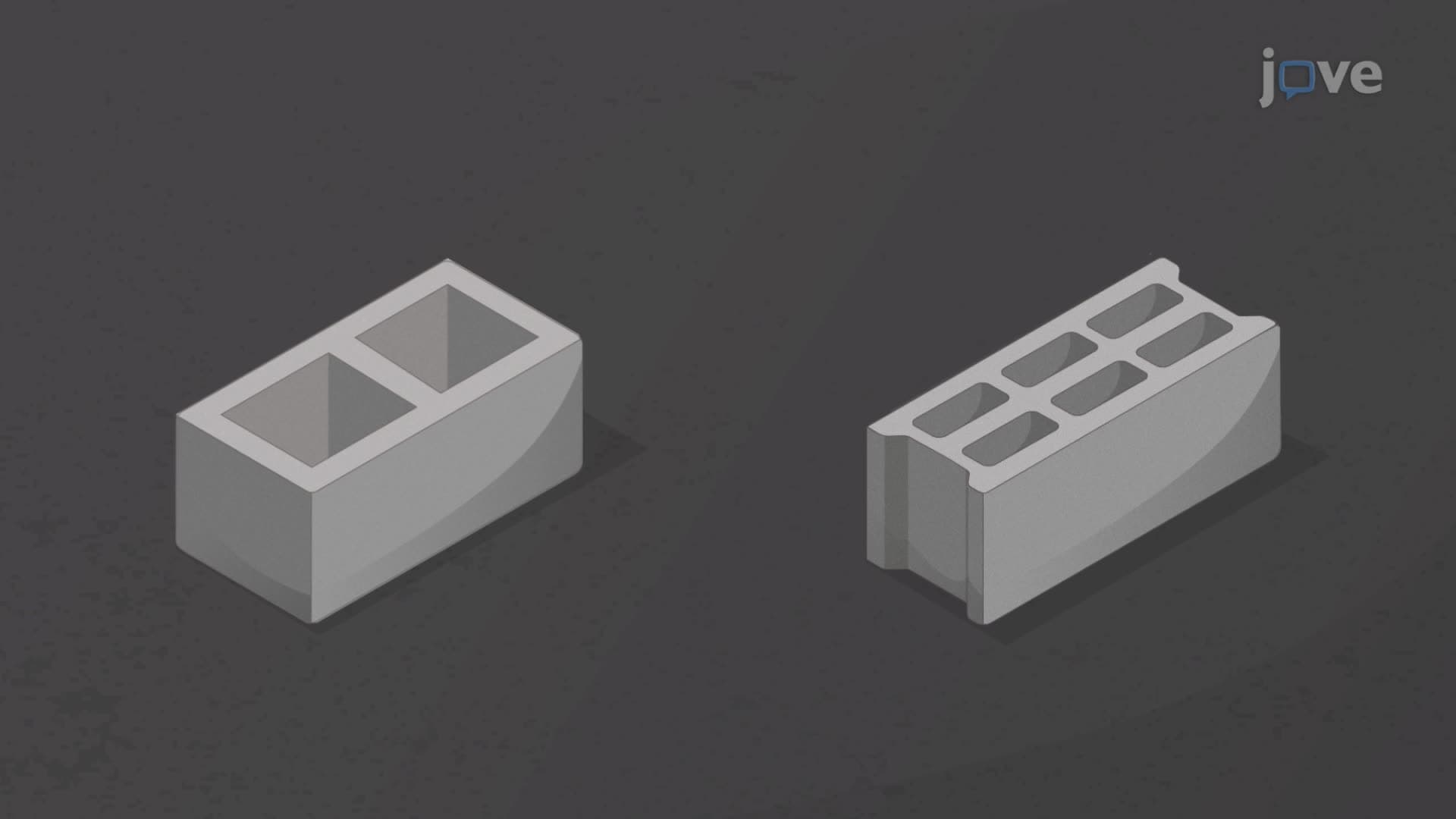
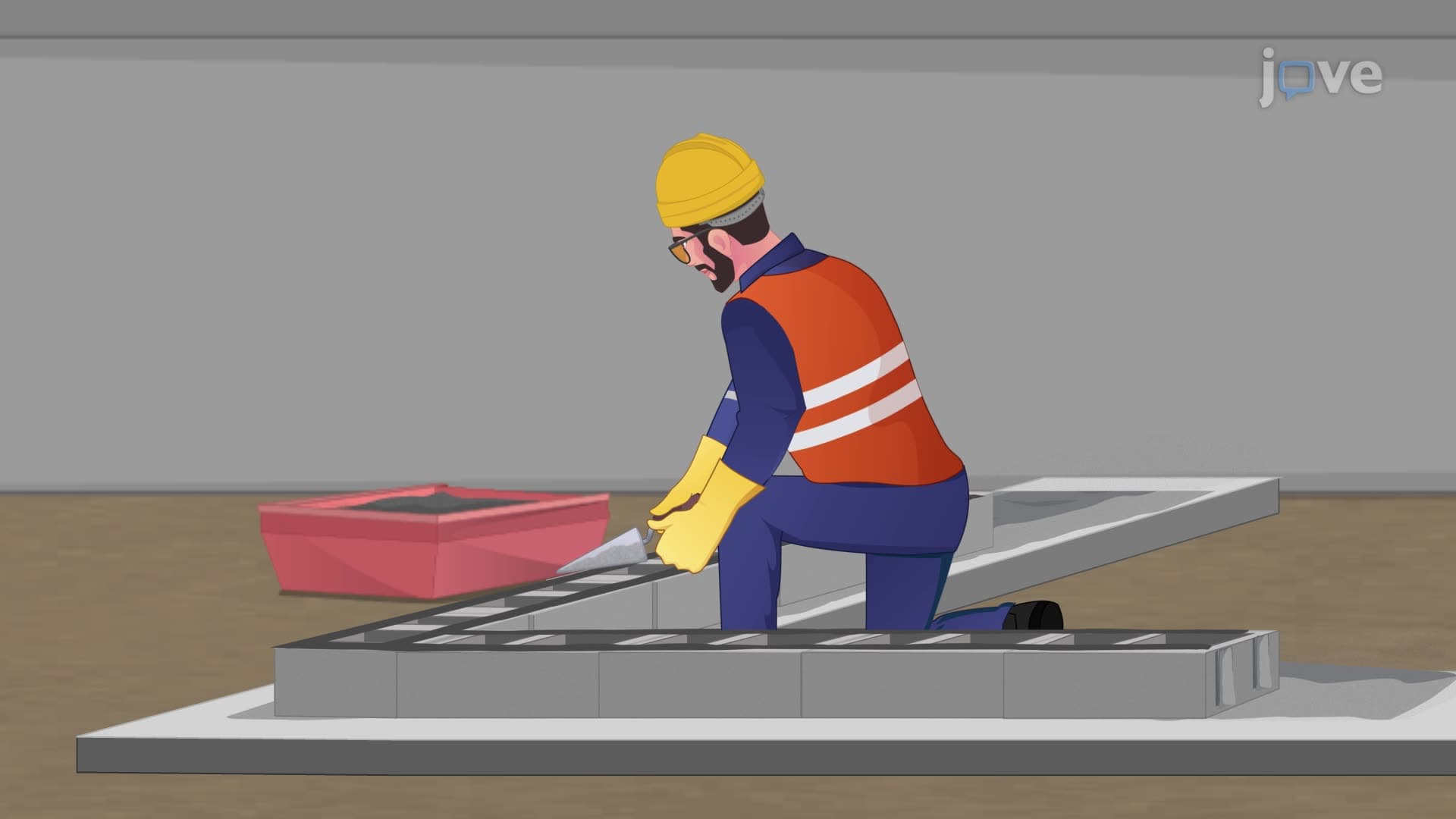
Reinforced Brick Masonry

00:00
01:15
Video Summary: What Is Reinforced Brick Masonry
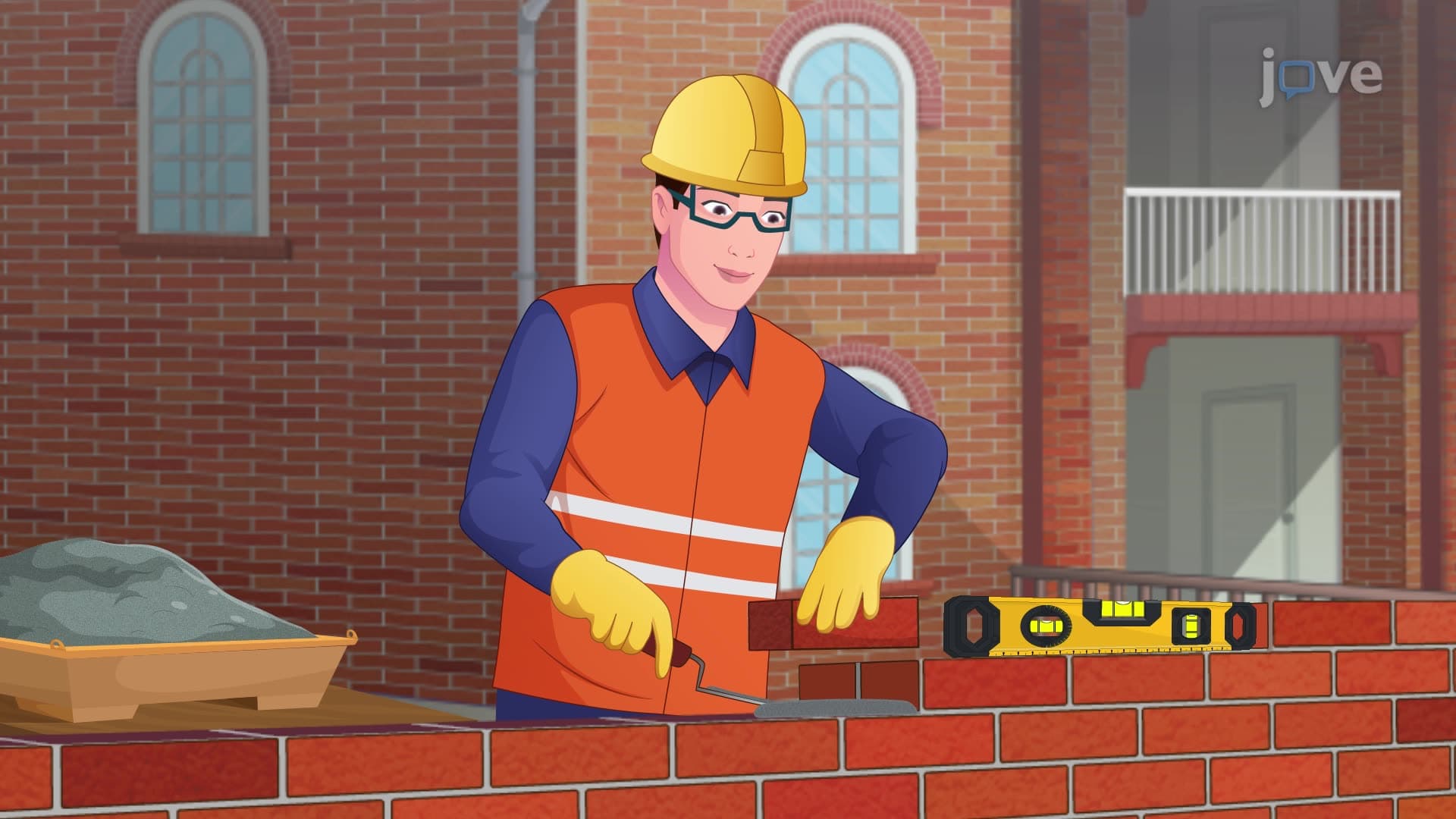
Did you know that the Willis Tower in Chicago uses reinforced masonry principles to withstand both earthquakes and high winds? Reinforced brick masonry transforms ordinary brick walls into structural powerhouses by embedding steel reinforcing bars within hollow brick cores and securing them with specialized grout. This engineering technique allows buildings like the Empire State Building to achieve remarkable heights with relatively thin walls. Understanding what is reinforced brick masonry reveals how architects and engineers create durable, cost-effective structures that can support multiple stories while maintaining excellent thermal and acoustic properties. Watch the full video on JoVE Coach to master this concept with expert-led visuals and step-by-step explanations.
- Understand the fundamental principles of reinforced brick masonry and how steel reinforcement transforms standard masonry into a structural system
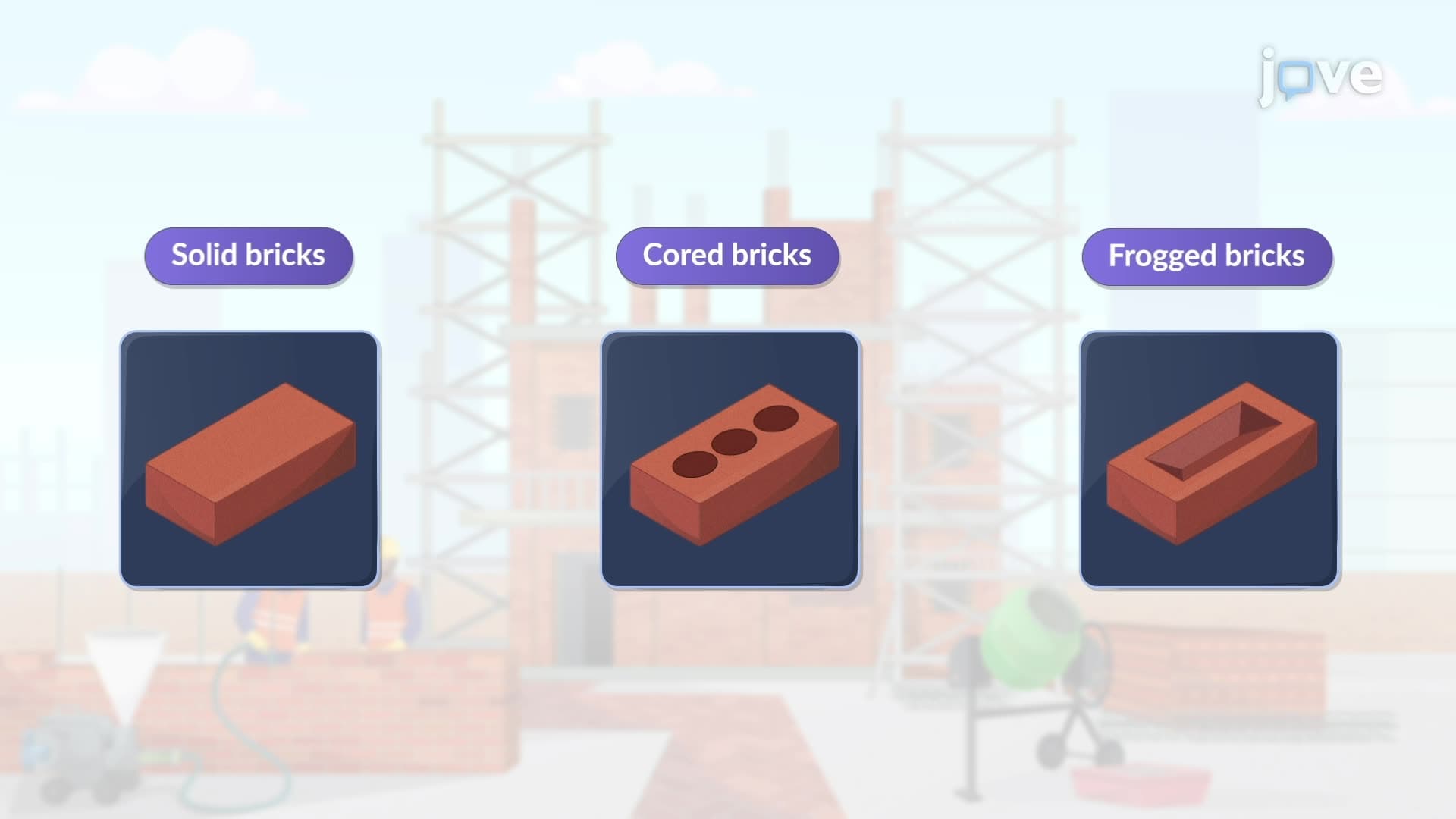
- Identify the key components including hollow core bricks, steel reinforcing bars, and grout, and their specific roles in the construction process
- Analyze the spacing requirements for vertical reinforcement bars, including minimum diameters and maximum spacing intervals for structural integrity
- Recognize the grout placement process using lifts and the difference between manual bucket pumps and mechanical pumping systems
- Apply knowledge of reinforcement placement around openings, foundations, and floor-ceiling connections in real construction scenarios
- Evaluate the advantages of reinforced brick masonry for high-rise construction, particularly regarding wall thickness optimization
- Compare grouted reinforced masonry systems with conventional masonry in terms of structural capacity and construction efficiency
- Explore mechanical anchoring systems and their integration with reinforced masonry for ceiling and fixture attachments
Understanding Reinforced Brick Masonry Fundamentals
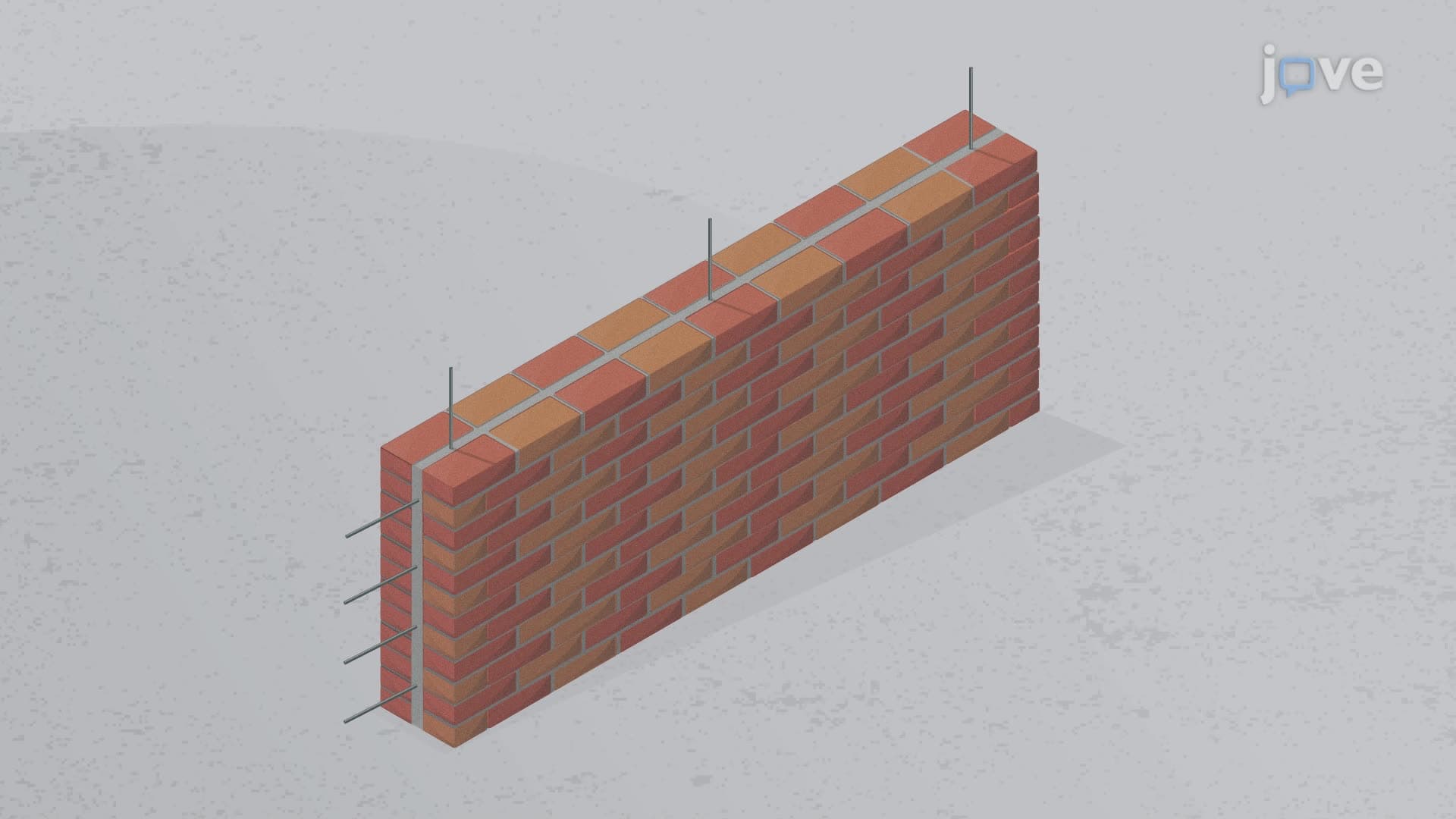
Reinforced brick masonry represents a sophisticated structural system that combines the compressive strength of masonry units with the tensile strength of steel reinforcement. Unlike conventional brick construction that relies solely on mortar joints, this system strategically places steel reinforcing bars within hollow brick cores or between masonry layers, creating a composite material capable of resisting both compression and tension forces.
Steel Reinforcement Configuration and Specifications
The reinforced brick masonry definition encompasses specific engineering requirements that ensure structural performance. Vertical reinforcing bars must maintain a minimum diameter of three-fourths inch (19mm) and cannot exceed 48-inch spacing intervals, particularly crucial in longer wall spans. This spacing requirement directly relates to load distribution principles covered in structural engineering courses and appears frequently on AP Physics and college-level statics examinations.
Horizontal reinforcement works in conjunction with vertical bars to create a three-dimensional reinforcement matrix. The steel placement follows American Concrete Institute (ACI) guidelines, which students encounter in civil engineering programs and professional licensing examinations like the Fundamentals of Engineering (FE) exam.
Grout Systems and Construction Methodology
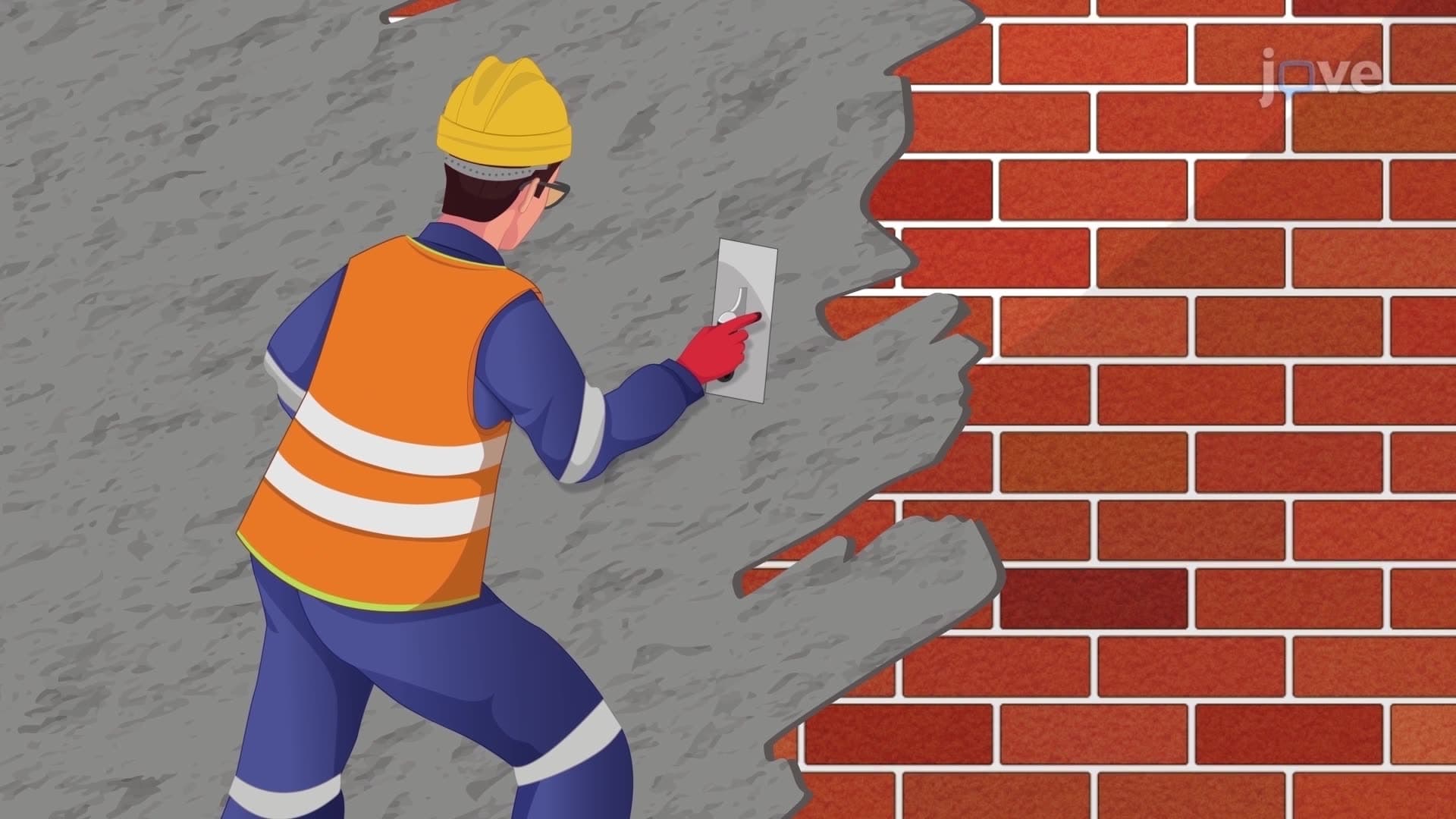
The grouting process represents a critical aspect of reinforced brick masonry basics. Grout, composed of Portland cement, fine aggregates, and water, differs significantly from standard mortar in both consistency and application method. Construction teams apply grout in controlled "lifts", predetermined quantities placed in continuous operations to prevent cold joints that could compromise structural integrity.
Modern construction projects, such as the renovation of historic buildings in Boston's Back Bay district, utilize both manual bucket pumps for smaller projects and mechanical pumping systems for large-scale applications. Understanding these placement methods proves essential for students preparing for construction management courses and industry certification examinations.
Practical Applications and Engineering Advantages
Reinforced brick masonry overview reveals significant advantages in contemporary construction. The system enables high-rise construction using relatively thin walls while maintaining excellent thermal mass properties. Notable US examples include mid-rise residential buildings in seismically active California, where reinforced masonry provides both structural capacity and earthquake resistance.
Students studying for the Structural Engineering exam or pursuing architectural licensing should understand how mechanical anchoring systems integrate with reinforced masonry. These connections allow direct bolting of ceiling systems and building fixtures, eliminating the need for supplementary structural elements and reducing overall construction costs.
Frequently Asked Questions
Reinforced brick masonry incorporates steel reinforcing bars within hollow brick cores, secured with grout to create a composite structural system. Unlike regular brick construction that relies only on mortar joints, this system can resist both compression and tension forces, making it suitable for taller buildings and seismic regions.
These exams typically focus on composite material principles, load distribution concepts, and structural mechanics. Students should understand how steel and masonry work together, reinforcement spacing calculations, and the difference between tensile and compressive strength in composite systems.
The Fundamentals of Engineering (FE) exam includes problems on reinforcement spacing, grout strength requirements, and load capacity calculations. The Professional Engineering (PE) exam covers more advanced topics like seismic design factors and connection details for reinforced masonry systems.
Many mid-rise apartment complexes in California use reinforced masonry for earthquake resistance, while historic renovation projects in cities like Charleston and Savannah incorporate these techniques. The technique is also common in school buildings throughout the Midwest due to its thermal performance and durability.
The basic concepts build naturally on fundamental physics principles like force distribution and material properties. Students with a solid understanding of simple machines and basic structural concepts from introductory physics courses can grasp reinforced masonry principles effectively.
Focus on memorizing key specifications like minimum bar diameters (3/4 inch) and maximum spacing (48 inches), understand the grout lift process, and practice identifying reinforcement locations around openings and connections. Create diagrams showing steel placement within hollow cores.
Explore prestressed concrete systems, steel frame construction, and seismic design principles. Understanding reinforced masonry provides an excellent foundation for studying other composite structural systems and advanced building design concepts in civil engineering programs.
Related Micro-courses