Loading video…


 21 Concepts
 9K views

Video Summary: What are Brick Sizes
Ever wondered why the Empire State Building's facade looks perfectly proportioned while maintaining structural integrity? Brick sizes follow standardized dimensions that create both aesthetic appeal and engineering functionality in construction. From residential homes in Texas to commercial buildings in New York, understanding what are brick sizes involves recognizing how width, height, and length measurements work together with mortar joints to create modular building systems. Watch the full video on JoVE Coach to master this concept with expert-led visuals and step-by-step explanations.
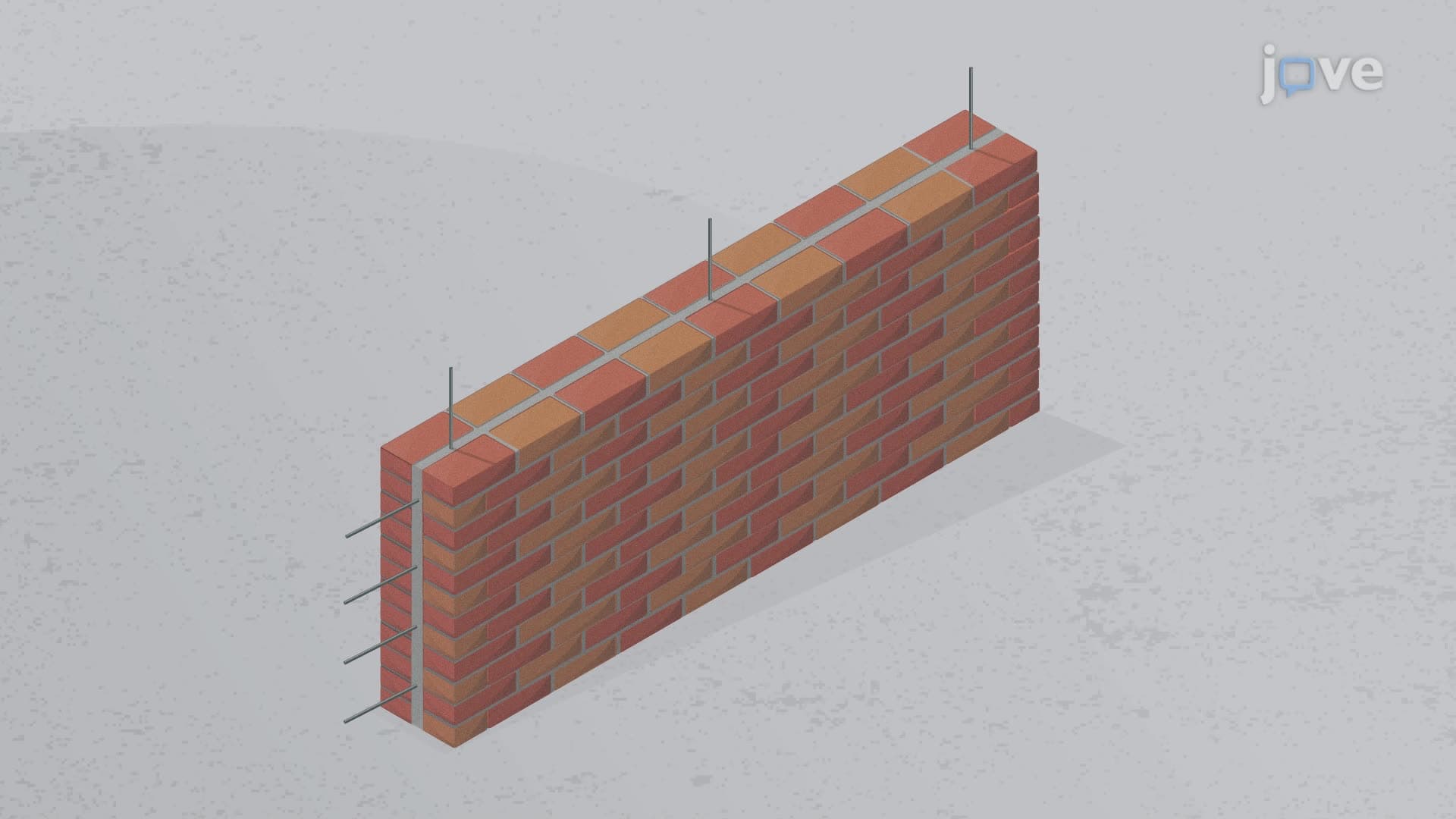
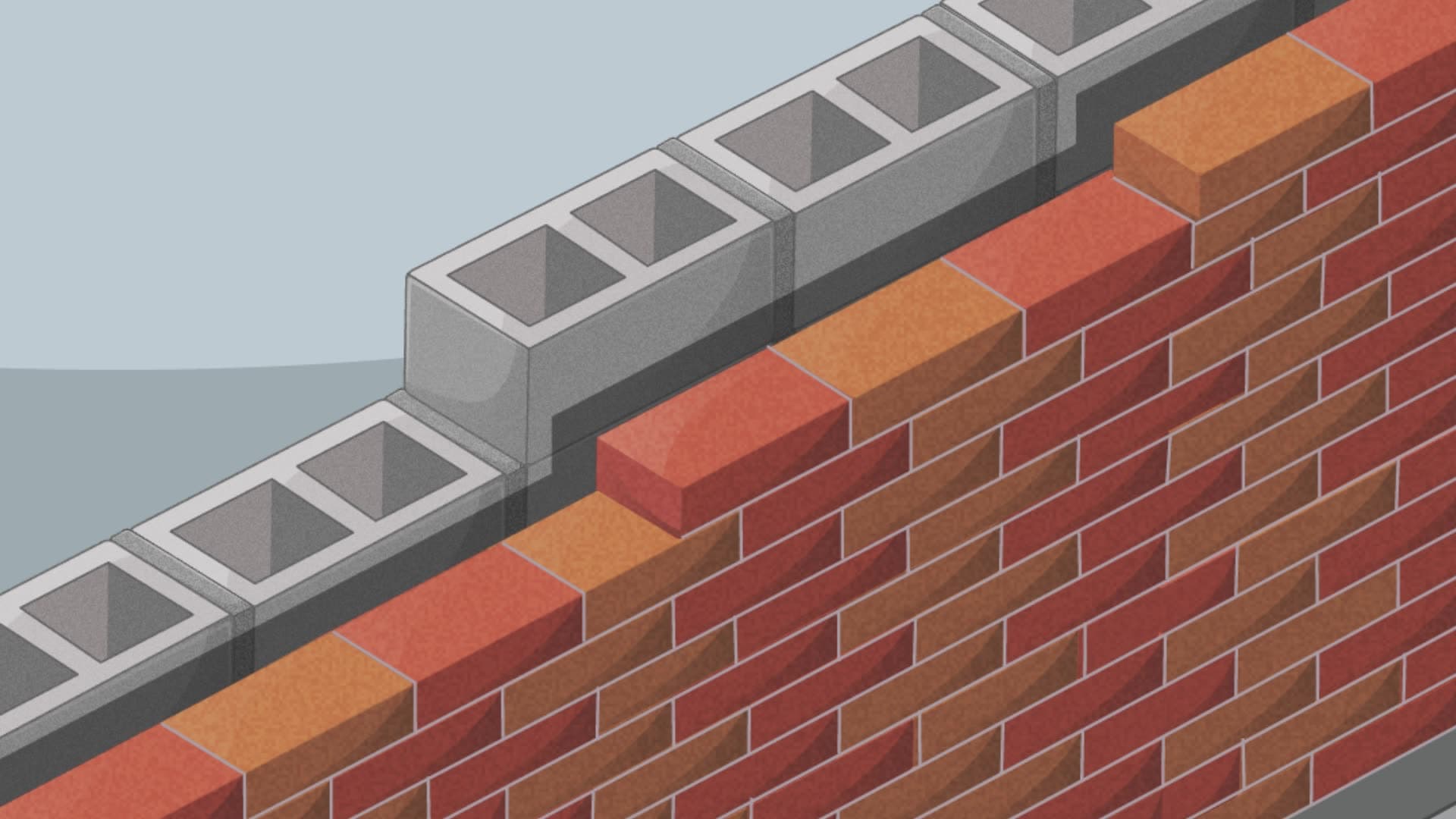
Brick sizes represent a carefully engineered system where three critical dimensions-width, height, and length-work together to create efficient, standardized building components. Unlike random stone construction, modern brick sizes follow precise measurements that enable predictable structural performance and aesthetic consistency across American construction projects.
The modular brick system forms the backbone of this standardization. Most types of brick sizes are designed around 4-inch and 8-inch increments, allowing architects and builders to create walls, openings, and structural elements that align perfectly without custom cutting. This modularity traces back to early 20th century efficiency movements in American construction, where standardization reduced waste and labor costs.
A crucial aspect of understanding brick sizes involves distinguishing between nominal and actual dimensions. The nominal size includes mortar joint thickness-typically 3/8 inch-while actual brick dimensions are smaller to accommodate this mortar space. For instance, a "standard" modular brick measures 2-1/4 inches high, 3-5/8 inches wide, and 7-5/8 inches long, but its nominal size is 2-2/3 × 4 × 8 inches including mortar joints.
This distinction becomes critical for students studying construction technology or preparing for architecture licensing exams. Many AP Physics problems involving structural loads use nominal dimensions, while hands-on construction courses focus on actual measurements for material ordering and installation.
American construction employs numerous standardized brick sizes, each serving specific architectural and structural purposes. Utility bricks, measuring nominally 4 × 4 × 12 inches, provide efficient coverage for large wall areas-particularly in industrial and institutional buildings like schools and warehouses across the Midwest.
Roman bricks, with their elongated profile (2 × 4 × 12 inches nominal), create horizontal emphasis popular in Prairie School architecture throughout Illinois and Wisconsin. Norman bricks (2-2/3 × 4 × 12 inches nominal) offer a middle ground between standard modular and Roman proportions, frequently seen in post-war suburban developments from California to Connecticut.
Engineer modular bricks, slightly taller than standard modular varieties, accommodate structural requirements in load-bearing applications. These variations demonstrate how brick sizes adapt to both aesthetic preferences and engineering demands in American architectural practice.
Brick size selection significantly influences architectural perception and structural performance. Larger bricks, such as Utility or Norman varieties, can make buildings appear more substantial and reduce visual busy-ness-a principle applied in many university campus buildings across the United States. Conversely, standard modular bricks create finer texture and detail appropriate for residential construction.
Custom brick sizes become necessary for specialized applications: curved walls, decorative elements, or historic preservation projects. The restoration of Colonial Williamsburg, for example, required custom brick production to match 18th-century dimensions and firing techniques, demonstrating how understanding standard brick sizes provides the foundation for specialized applications.
Related Micro-courses