Loading video…


 21 Concepts
 9K views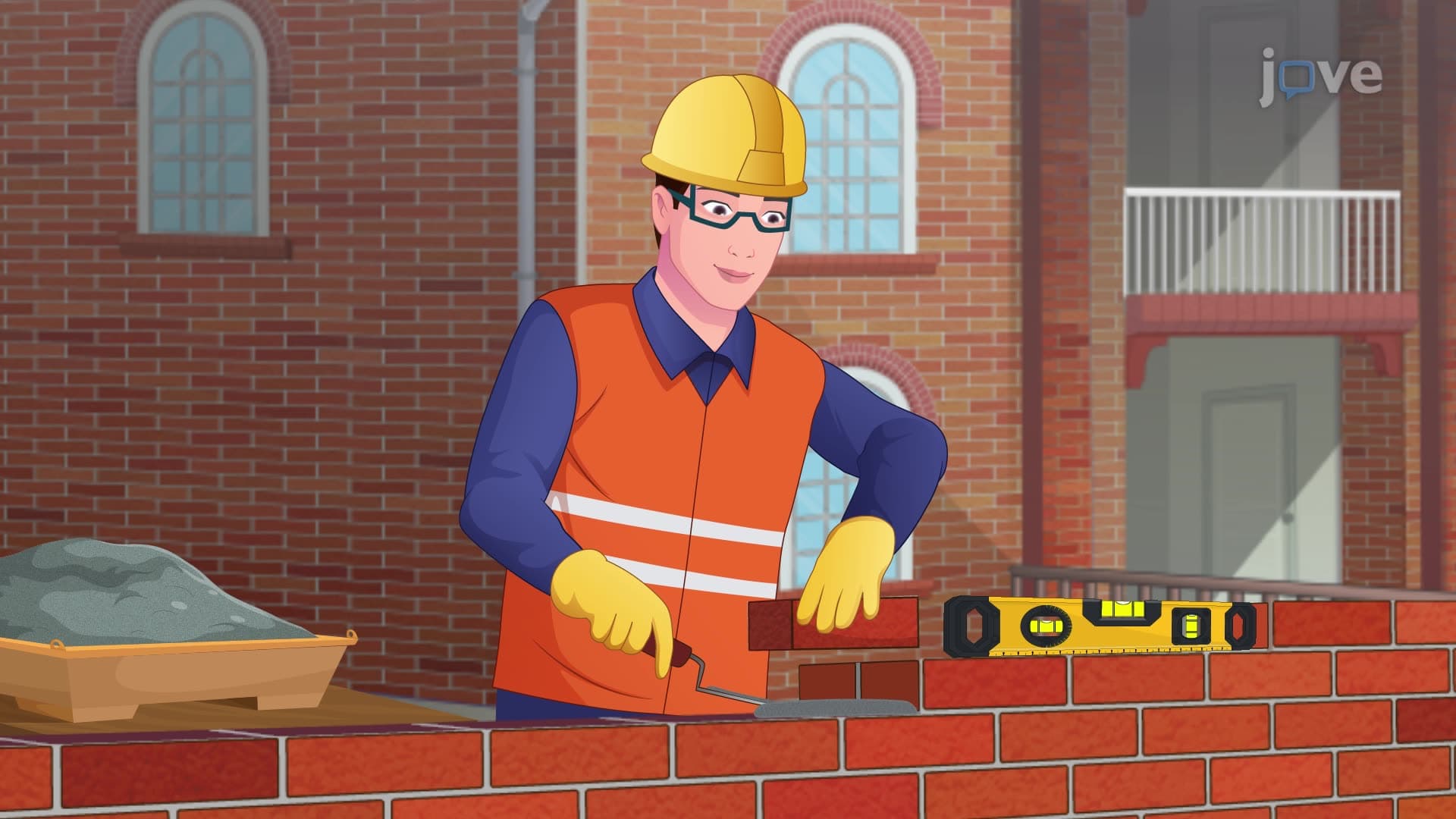

Video Summary: What Is Masonry
Did you know that the Empire State Building contains over 10 million bricks, showcasing masonry's incredible structural potential? Masonry involves assembling individual units like bricks, stones, or concrete blocks with mortar to create durable walls and structures. From the historic Boston brownstones to modern university buildings across American campuses, masonry combines compressive strength with weather resistance to form some of our most enduring architectural elements. Watch the full video on JoVE Coach to master this concept with expert-led visuals and step-by-step explanations.
Masonry represents one of humanity's oldest and most reliable construction methods, involving the systematic assembly of individual building units bonded together with mortar. This ancient technique forms the backbone of countless American structures, from the red brick buildings of Harvard University to the limestone facades of the U.S. Capitol Building. The masonry definition encompasses not just the materials themselves, but the entire system of construction that creates enduring, load-bearing structures.
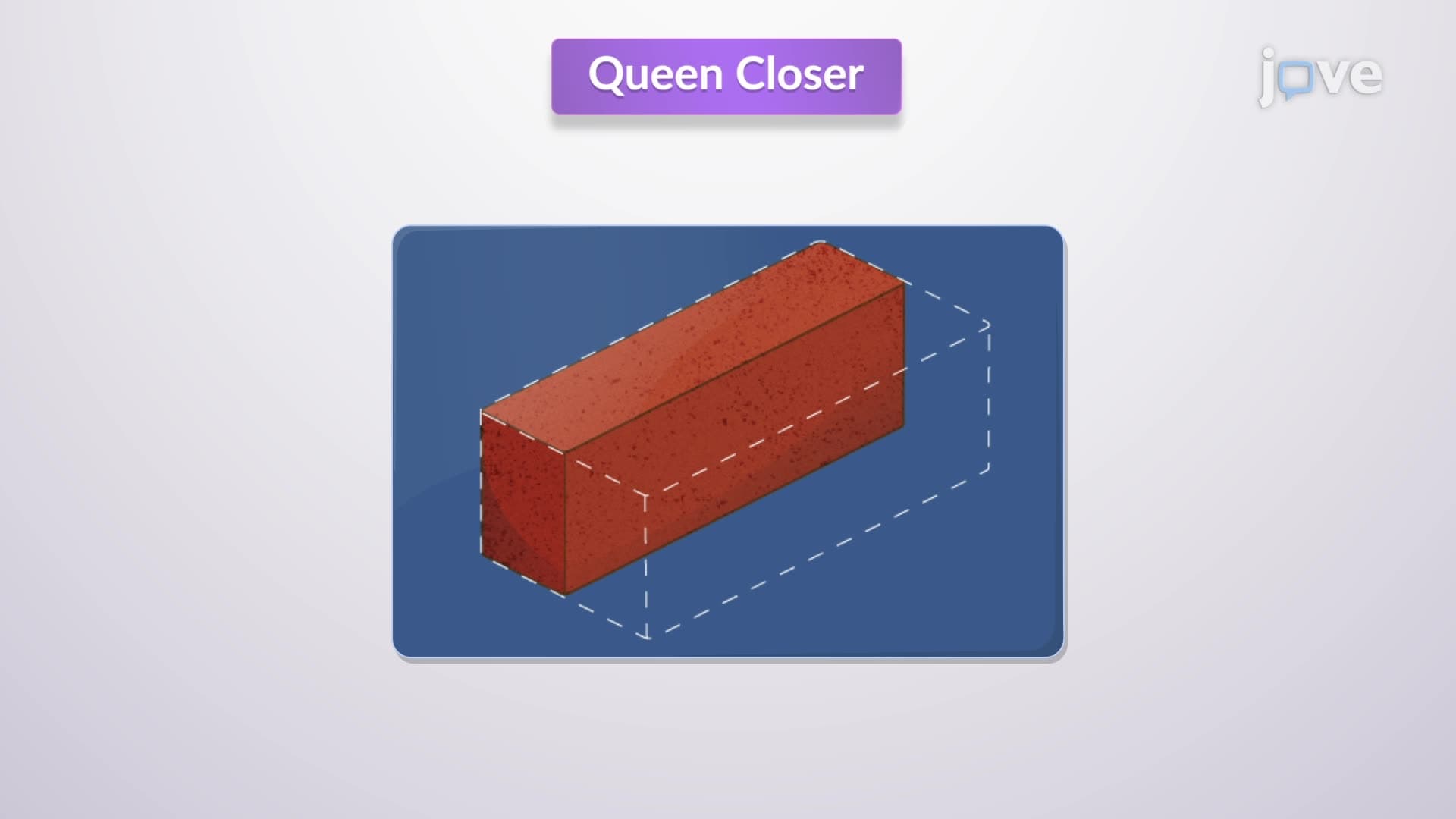
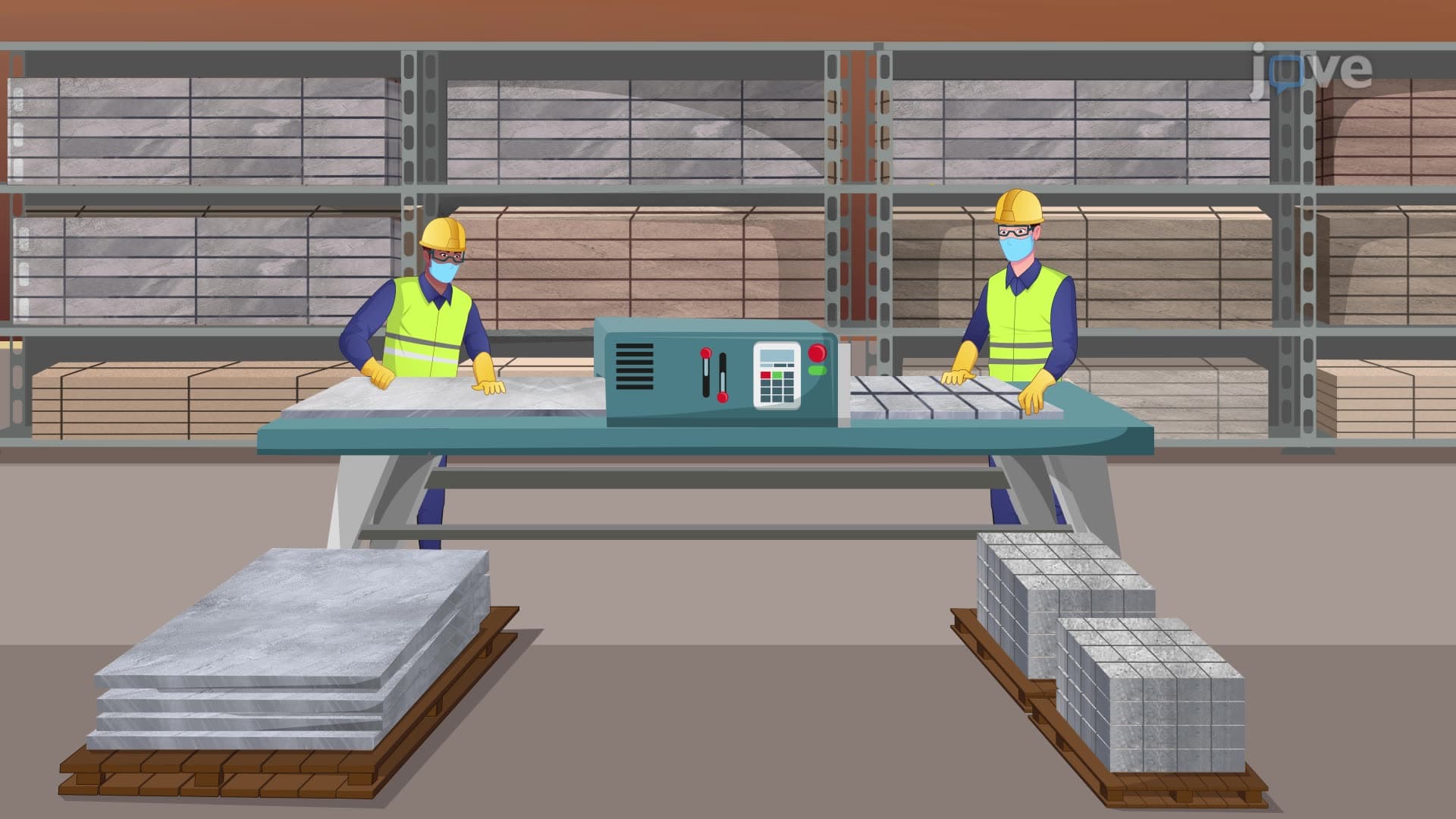
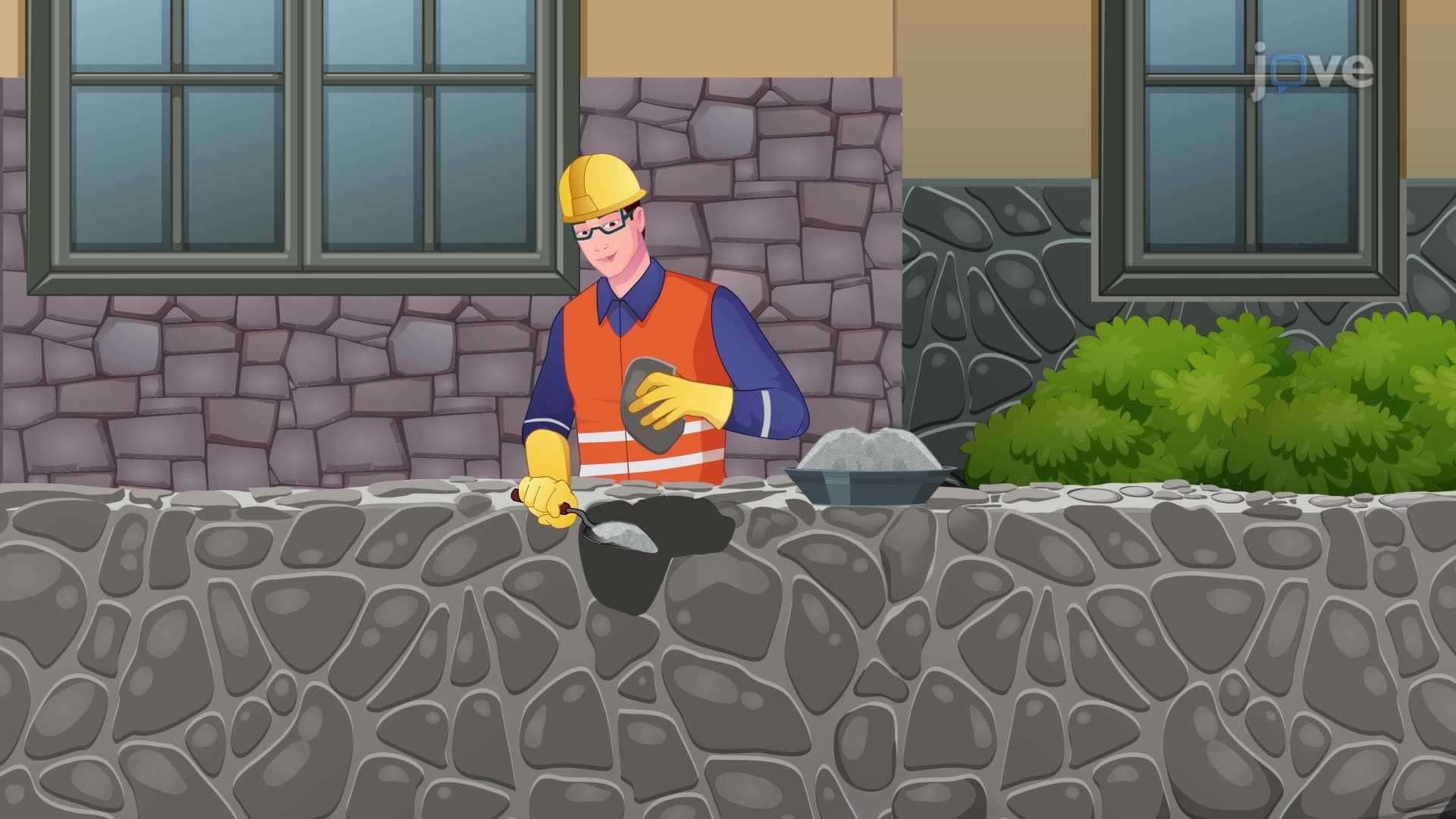
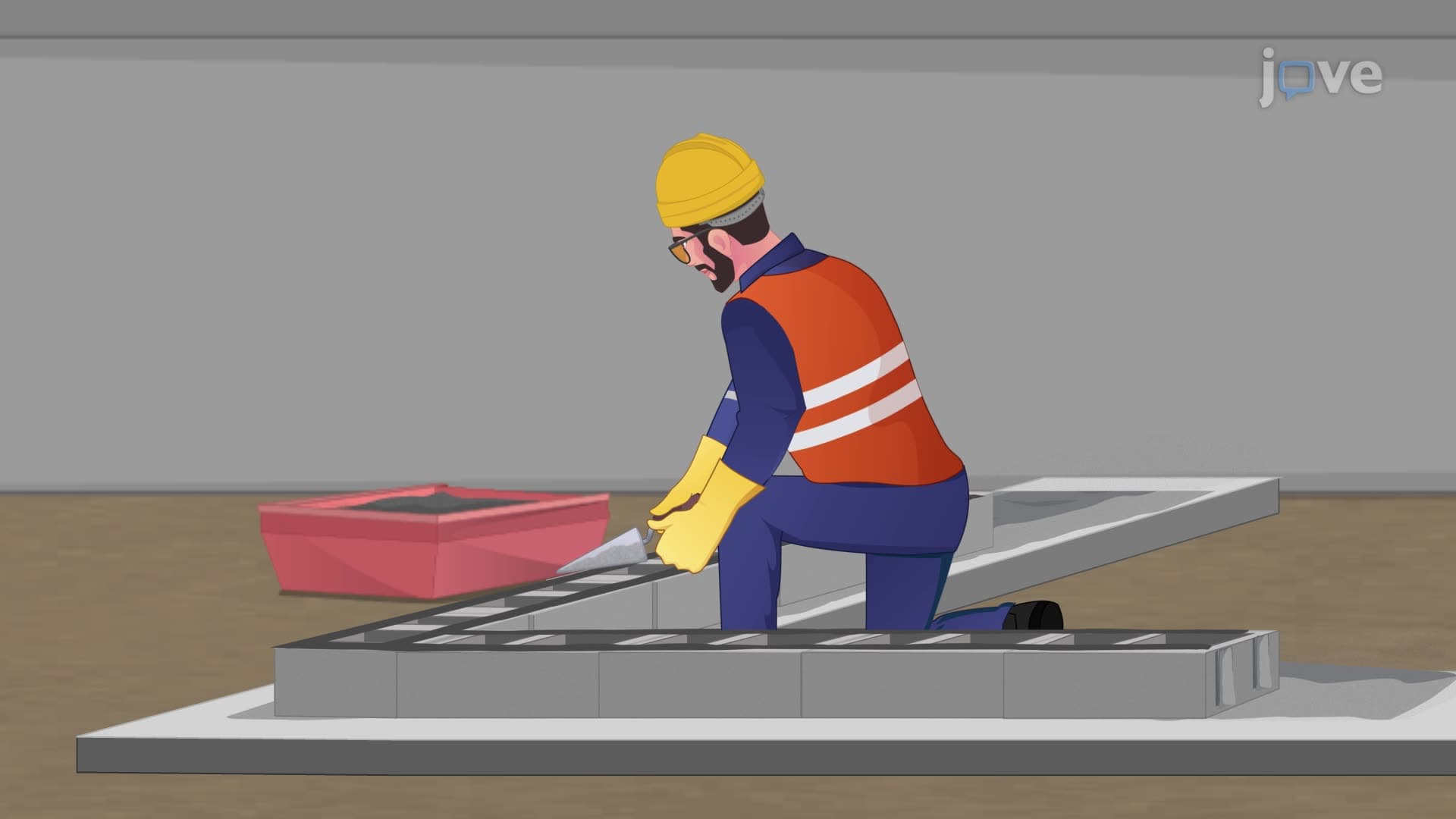
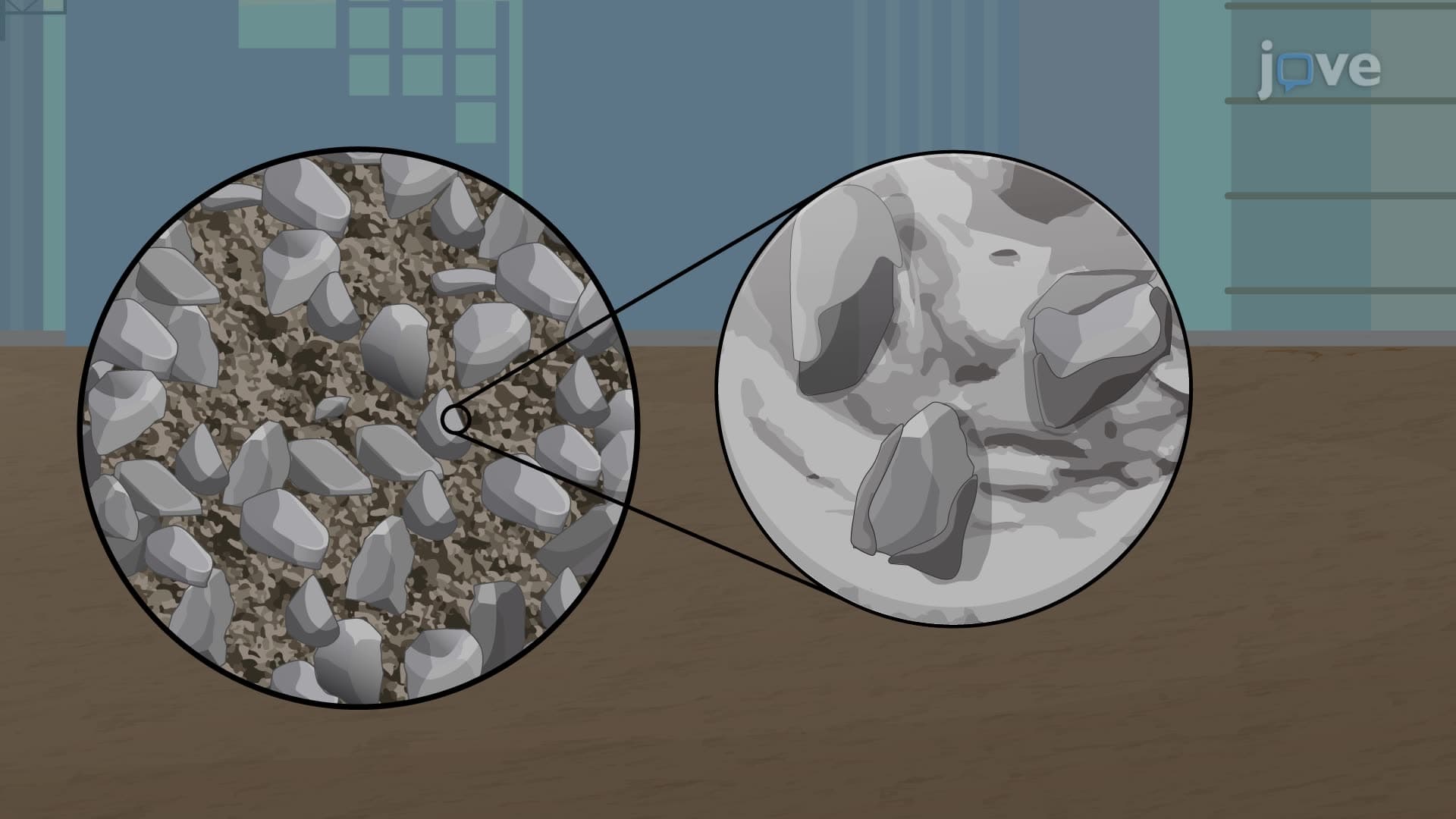
When exploring what is masonry in detail, we must examine its fundamental elements. Individual masonry units-whether clay bricks, natural stone, or concrete masonry units (CMUs)-serve as the building blocks. Mortar acts as the binding agent, typically composed of cement, lime, sand, and water in carefully measured proportions. The construction process requires skilled craftsmanship using basic tools: trowels for mortar application, hammers for unit adjustment, and levels to ensure proper alignment.
The masonry overview reveals that proper foundation design is absolutely critical. Unlike lighter construction materials, masonry structures impose significant dead loads on their supporting elements. Engineers must calculate these loads carefully, considering factors like soil bearing capacity and potential settlement-concepts frequently tested in AP Physics and college-level structural engineering courses.
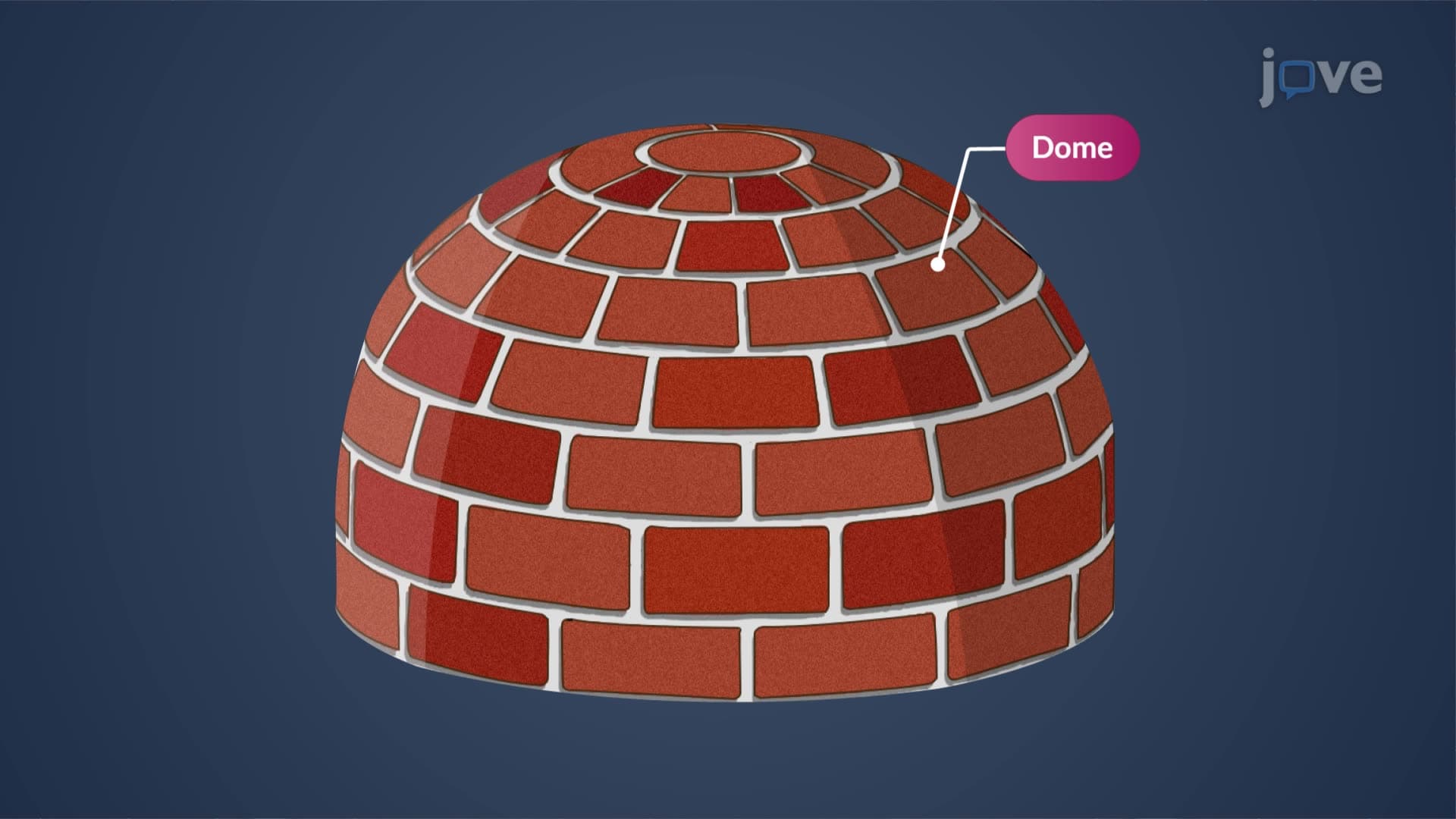
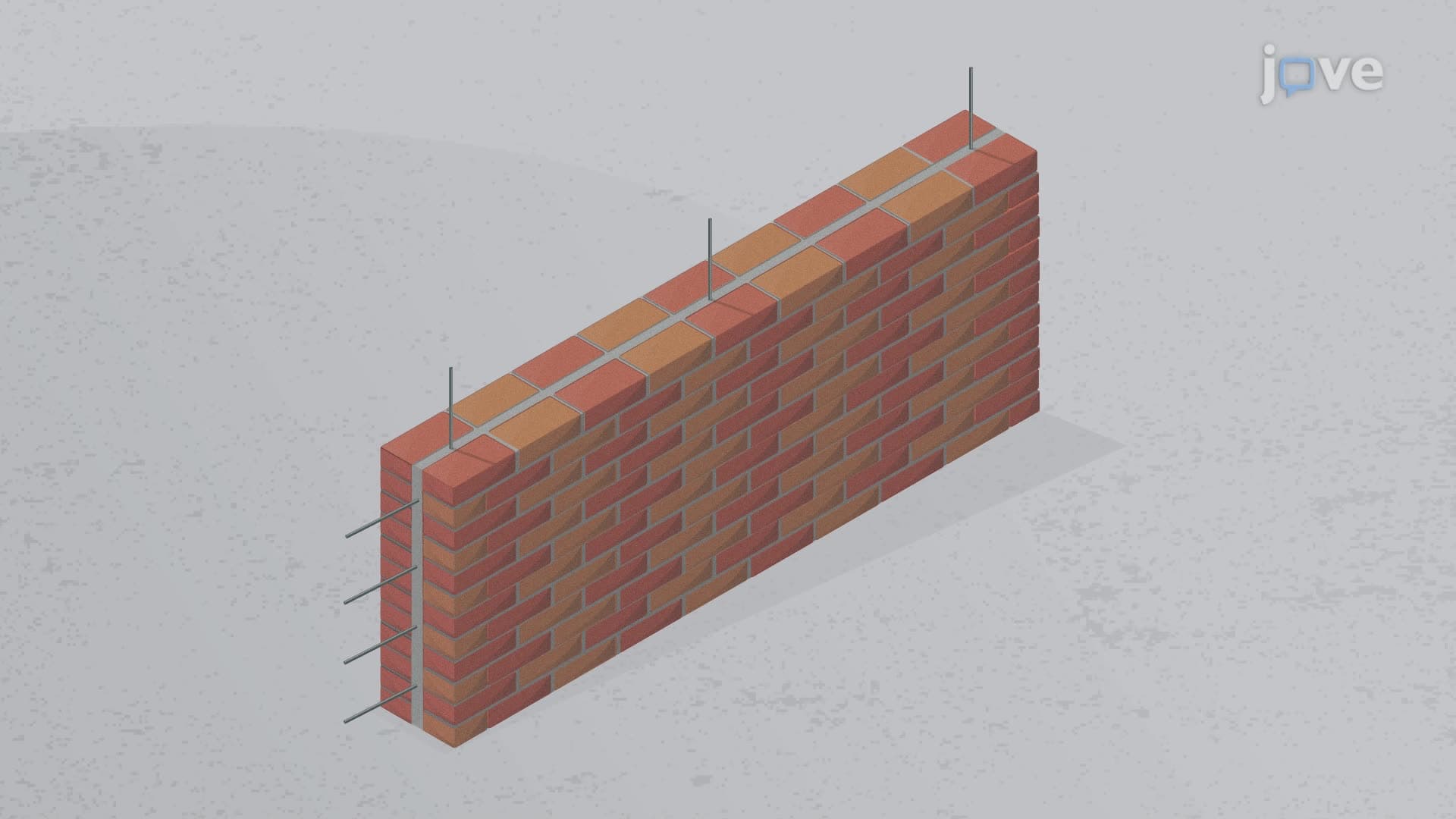
Masonry's exceptional compressive strength makes it ideal for structural applications. Load-bearing masonry walls can support multiple stories, as demonstrated in countless American buildings constructed before steel frame construction became dominant. Masonry foundations transfer building loads safely to the soil, while masonry columns and arches create dramatic architectural spaces. The Washington Monument, standing 555 feet tall, exemplifies masonry's structural capabilities through its stone construction.
Understanding masonry requires recognizing how mortar joints distribute loads between individual units. This load distribution mechanism appears frequently in SAT Subject Tests and AP Physics problems involving statics and material properties. Students studying for the Fundamentals of Engineering (FE) exam will encounter masonry calculations involving allowable stresses and load factors.
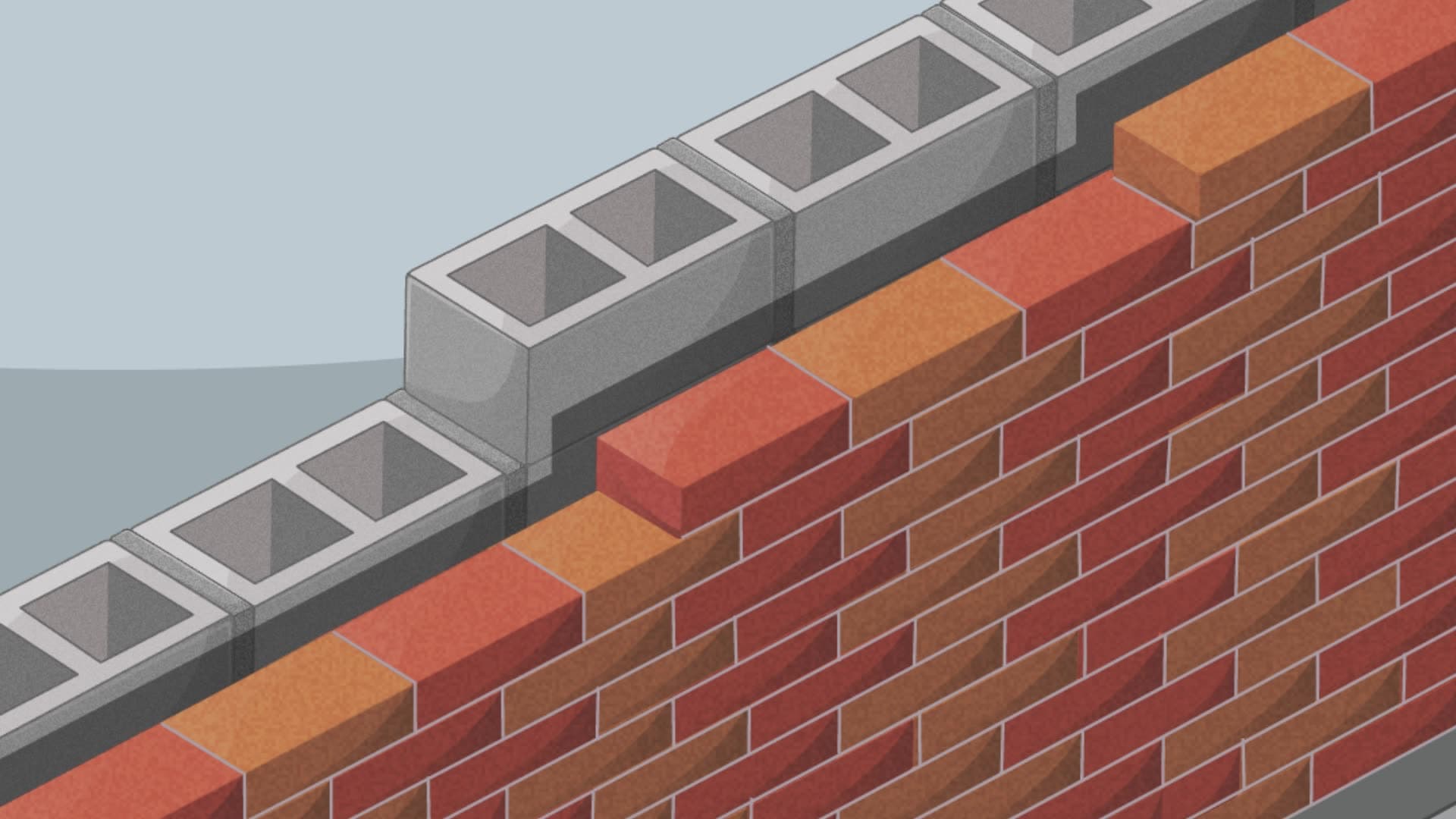
Beyond structural roles, masonry serves crucial non-structural functions. Veneer systems provide weather protection and aesthetic appeal while allowing other materials to carry structural loads. Fireplaces and chimneys demonstrate masonry's fire-resistant properties-a characteristic that makes it valuable in building codes across all 50 states. Modern masonry study guides emphasize how these applications require different design considerations than load-bearing elements.
The masonry concept extends to specialized applications like retaining walls, which combine structural and aesthetic functions. These structures, common throughout American landscapes, require understanding of soil pressure calculations and drainage design-topics covered in civil engineering curricula at institutions like MIT and UC Berkeley.
Related Micro-courses