Loading video…


 21 Concepts
 9K views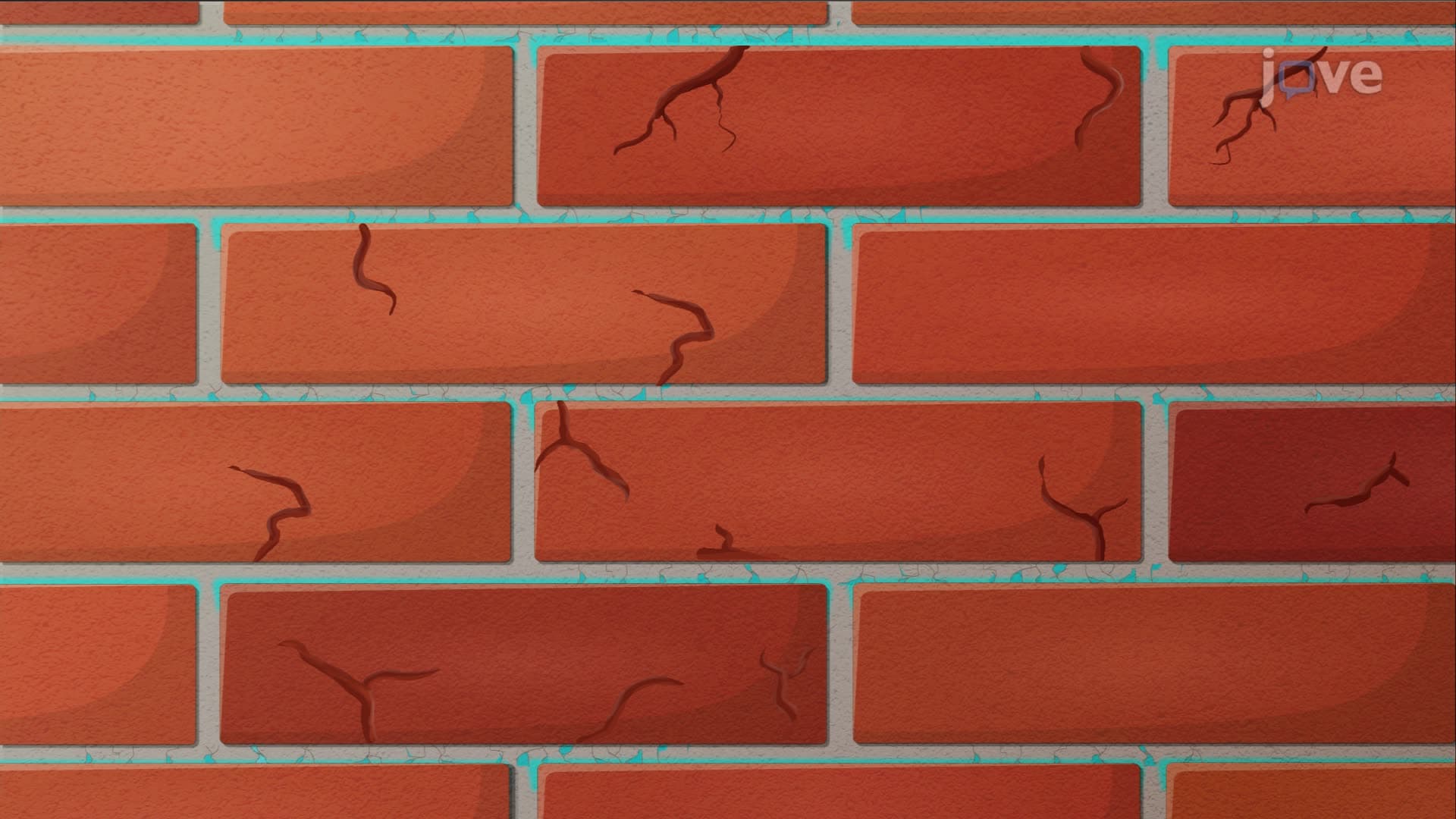

Video Summary: Brick Durability Strength and Appearance Explained
Did you know that a single freeze-thaw cycle can destroy an improperly graded brick used in Chicago's harsh winters? Brick durability strength and appearance determines whether buildings like the iconic Willis Tower's masonry elements withstand decades of environmental stress. Understanding how SW-grade bricks resist water damage while maintaining their structural integrity and aesthetic appeal is crucial for construction projects across the United States. Watch the full video on JoVE Coach to master this concept with expert-led visuals and step-by-step explanations.
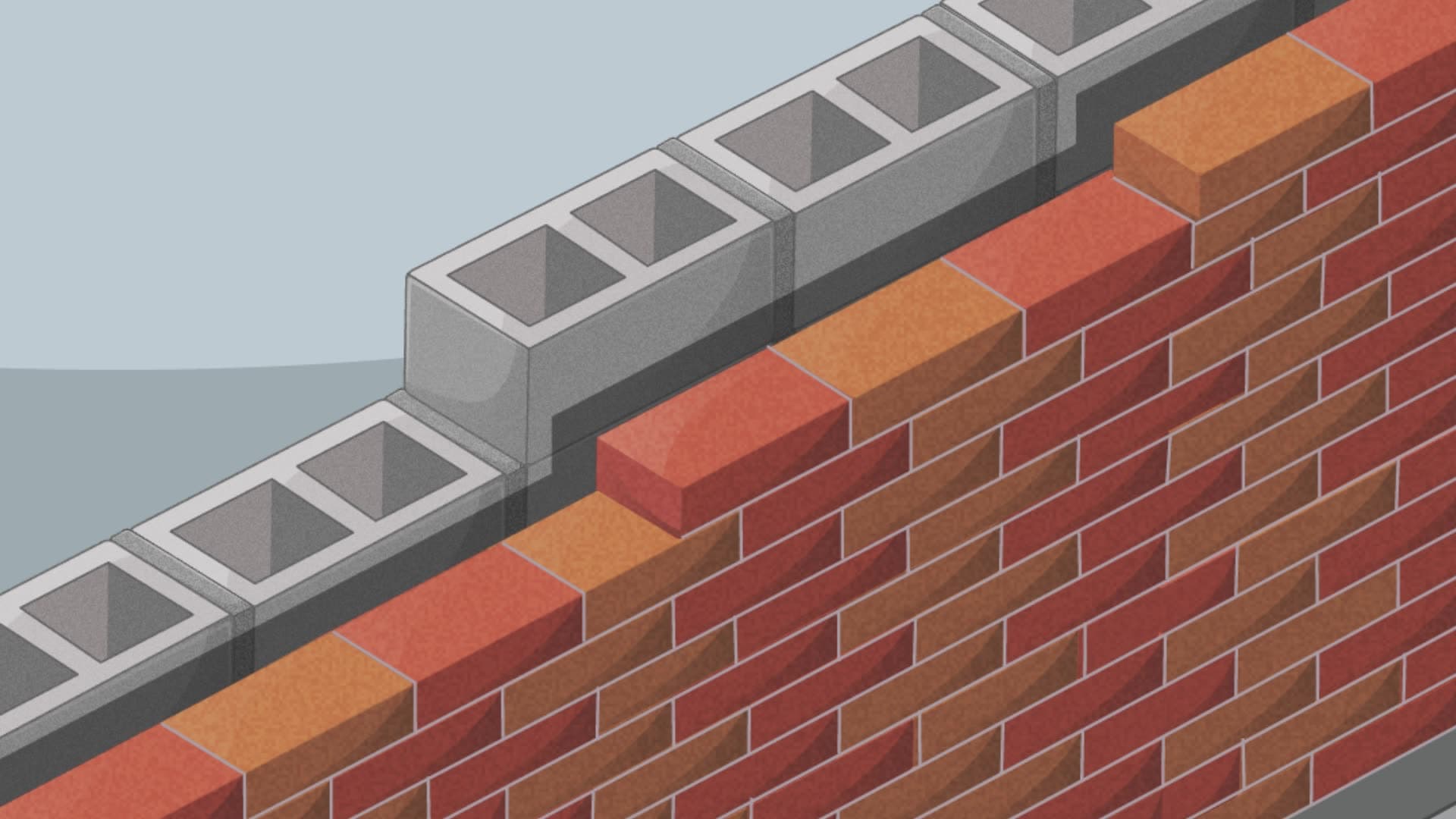
Brick durability strength and appearance represents a comprehensive evaluation system that determines a brick's suitability for specific construction applications. This concept encompasses three critical performance characteristics that directly impact building longevity, structural integrity, and aesthetic value in construction projects ranging from residential homes to commercial skyscrapers.
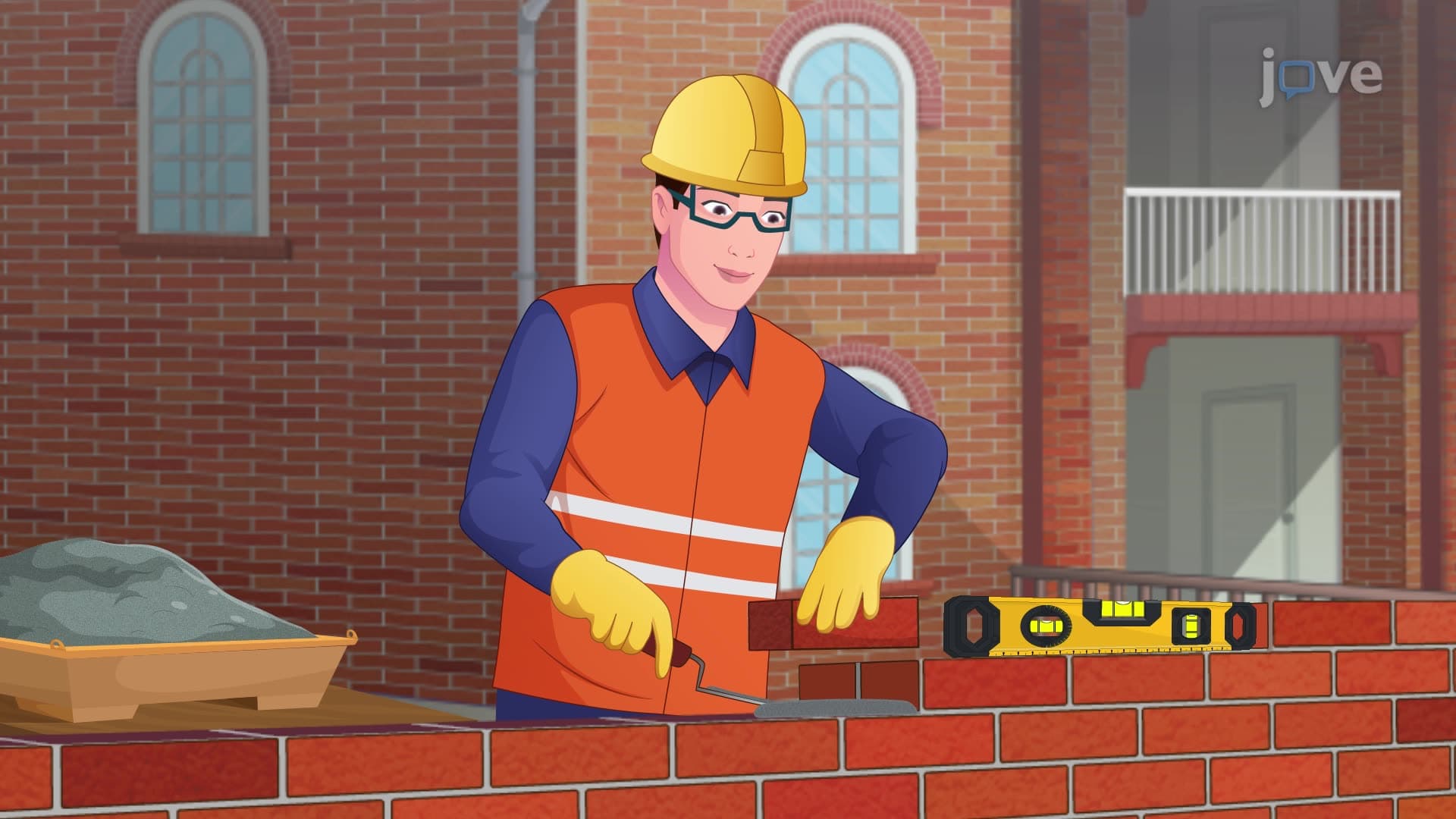
The durability classification system categorizes bricks into three distinct grades based on their ability to withstand environmental stresses. SW-grade (Severe Weathering) bricks offer the highest durability with minimal water absorption rates, making them ideal for harsh climates like those found in Minnesota or Alaska. These bricks excel in freeze-thaw resistance, a critical factor since water expansion during freezing can generate pressures exceeding 25,000 psi within brick pores.
MW-grade (Moderate Weathering) bricks serve well in temperate regions such as the Pacific Northwest, while NW-grade (No Weathering) bricks are suitable for interior applications or mild climates like Southern California. This grading system directly correlates with ASTM C216 standards, which students encounter in materials science courses and architectural engineering programs.
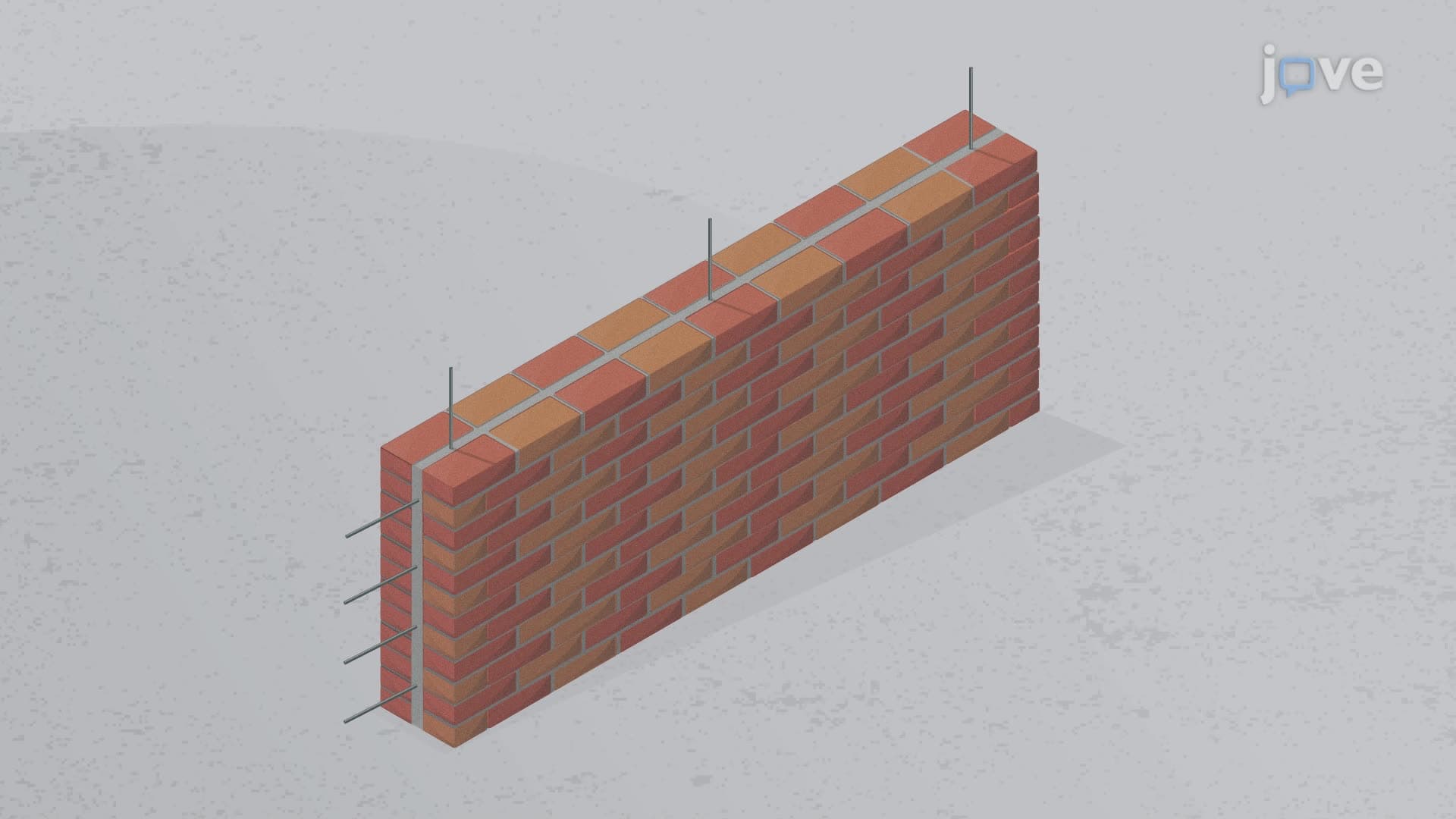
Brick compressive strength typically ranges from 1500 to 3000 pounds per square inch, though premium bricks can exceed 5000 psi. This strength characteristic proves essential for load-bearing applications in multi-story construction. However, masonry strength depends on multiple factors beyond individual brick strength, including mortar joint quality, reinforcement placement, and workmanship standards.
For example, the Empire State Building's masonry utilizes high-strength bricks combined with steel reinforcement to achieve its remarkable structural performance. Students studying for the Fundamentals of Engineering (FE) exam or architectural licensing examinations must understand how these components work synergistically to create durable building systems.
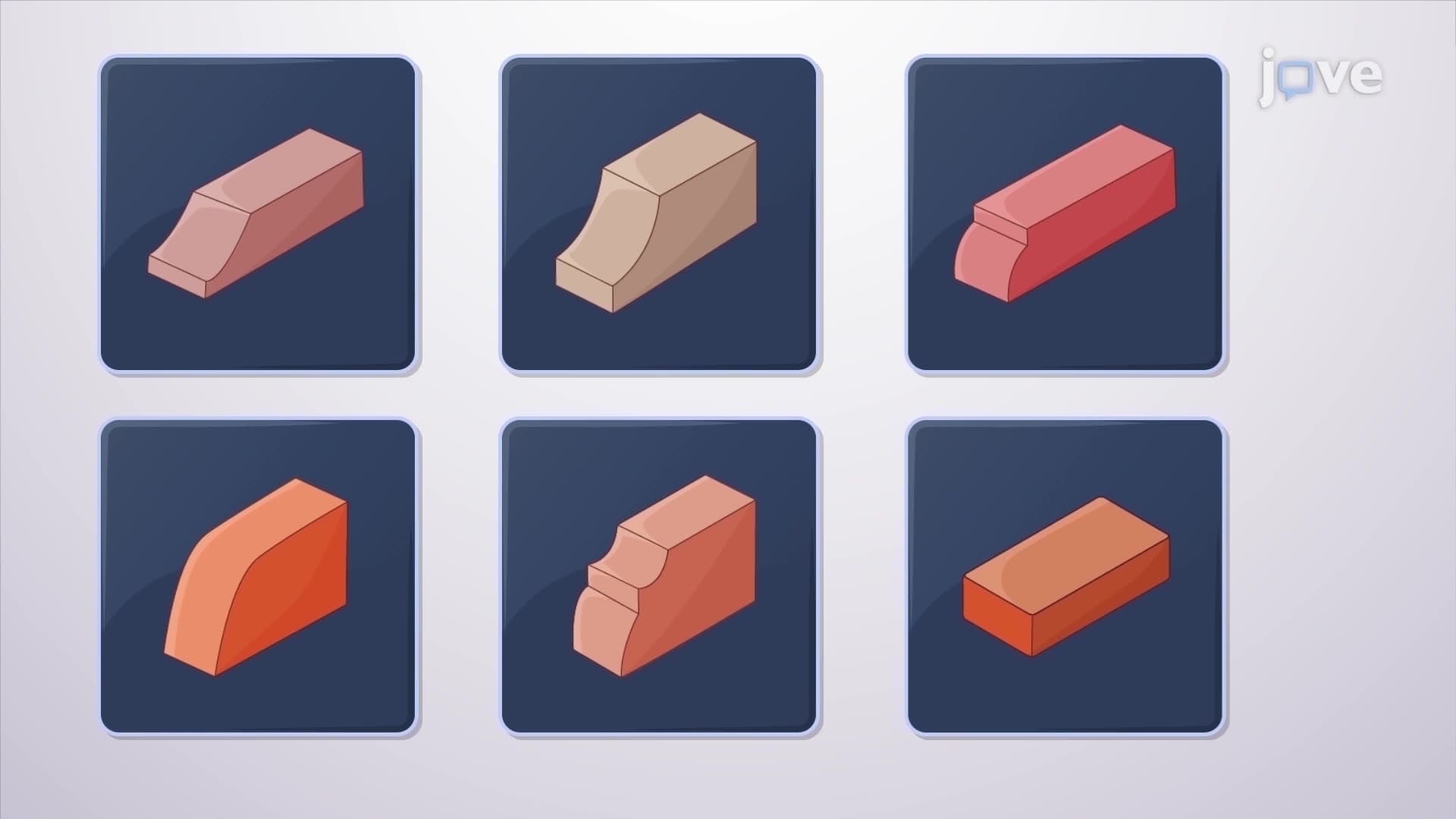
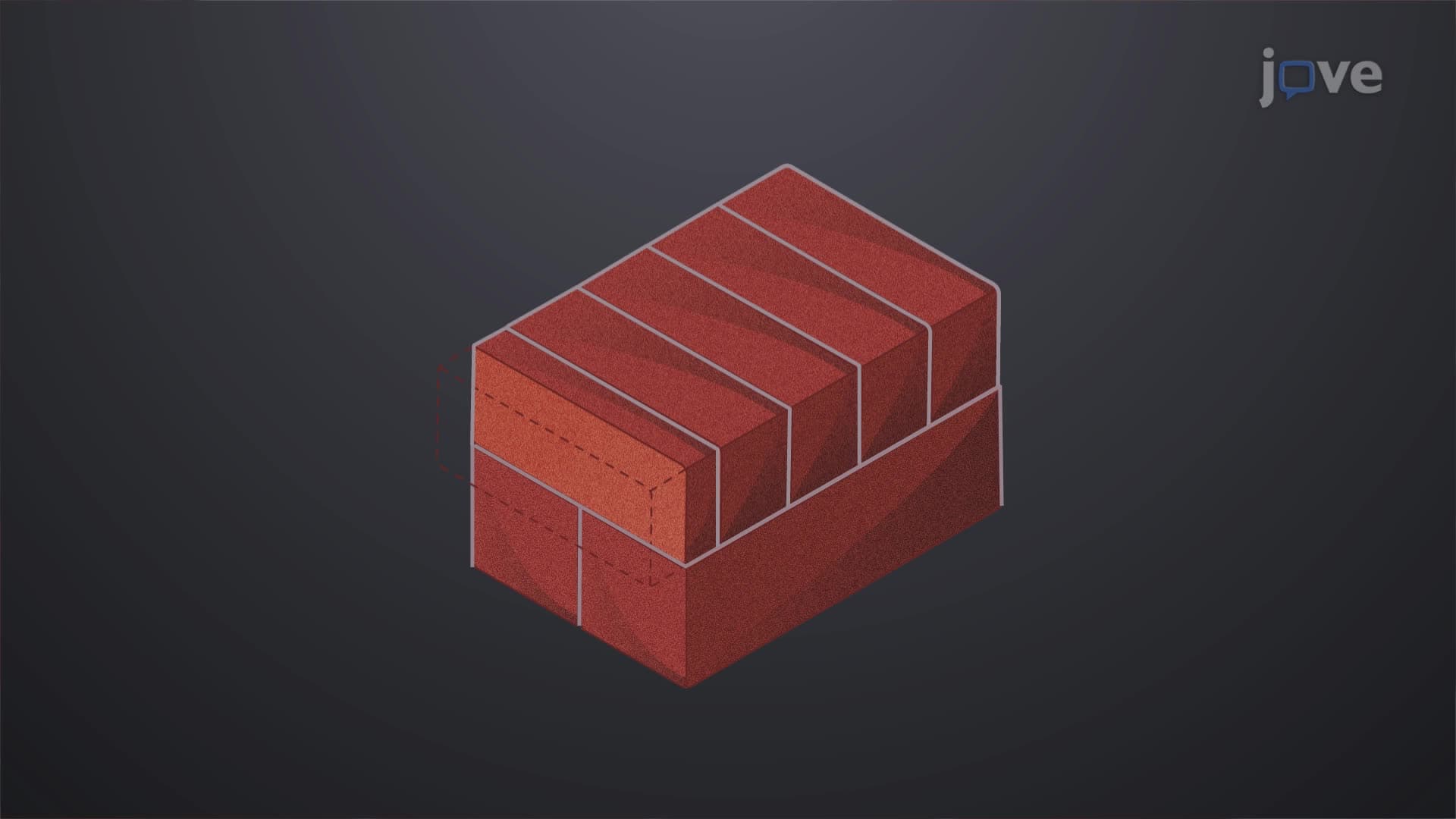
Brick appearance evaluation considers dimensional variations, shape consistency, surface damage, and color uniformity. Manufacturing processes significantly influence these characteristics, with clay composition determining base color while forming techniques affect surface texture. Extruded bricks typically exhibit smooth surfaces, while molded varieties may display more textured appearances.
Quality control measures assess chippage, cracking, and dimensional tolerances according to ASTM specifications. These standards become particularly relevant for students preparing for construction management certification or pursuing degrees in civil engineering, where material specification knowledge directly impacts project success.
Related Micro-courses