Loading video…


 21 Concepts
 9K views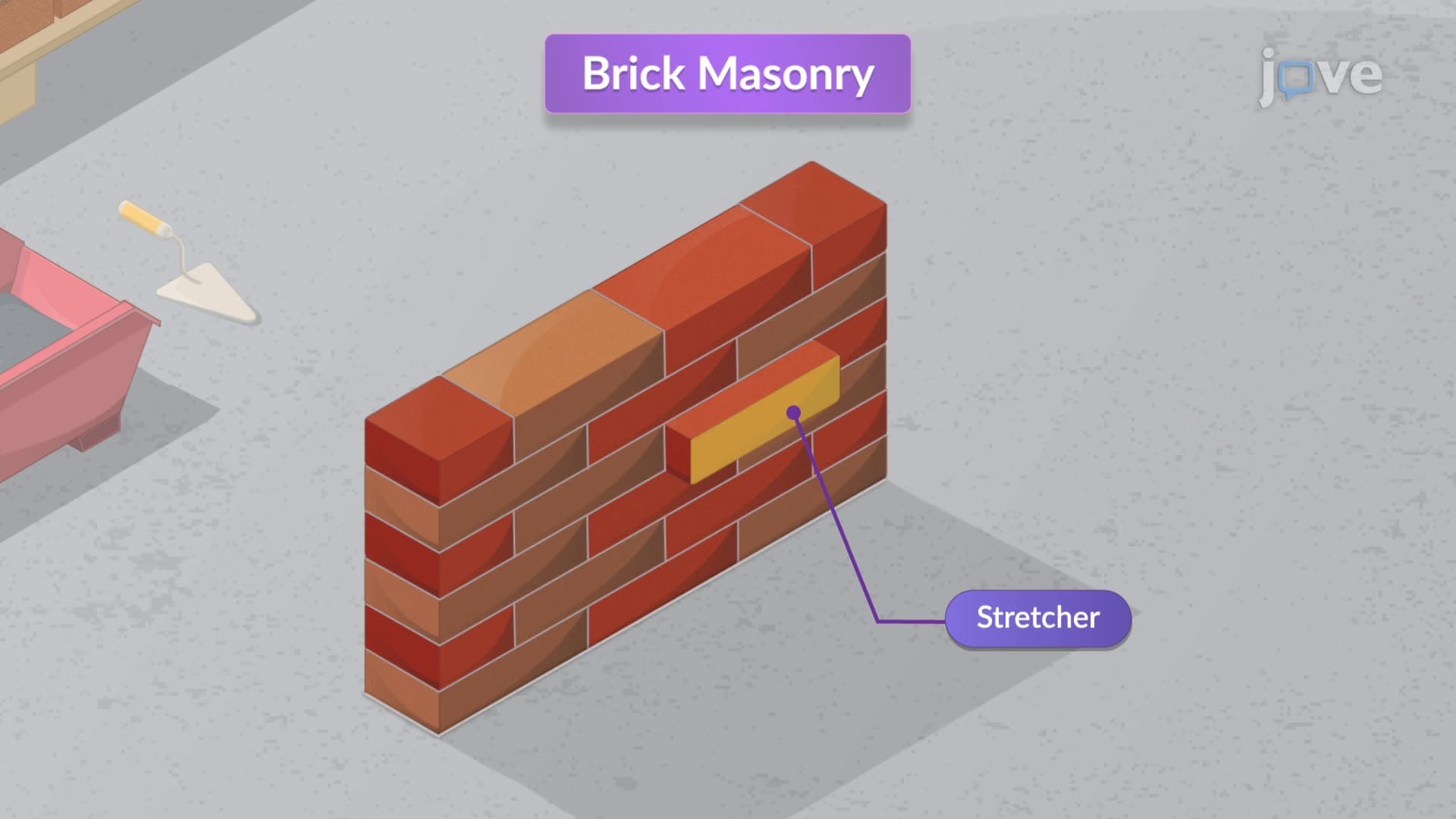

Video Summary: What Is Brick Masonry
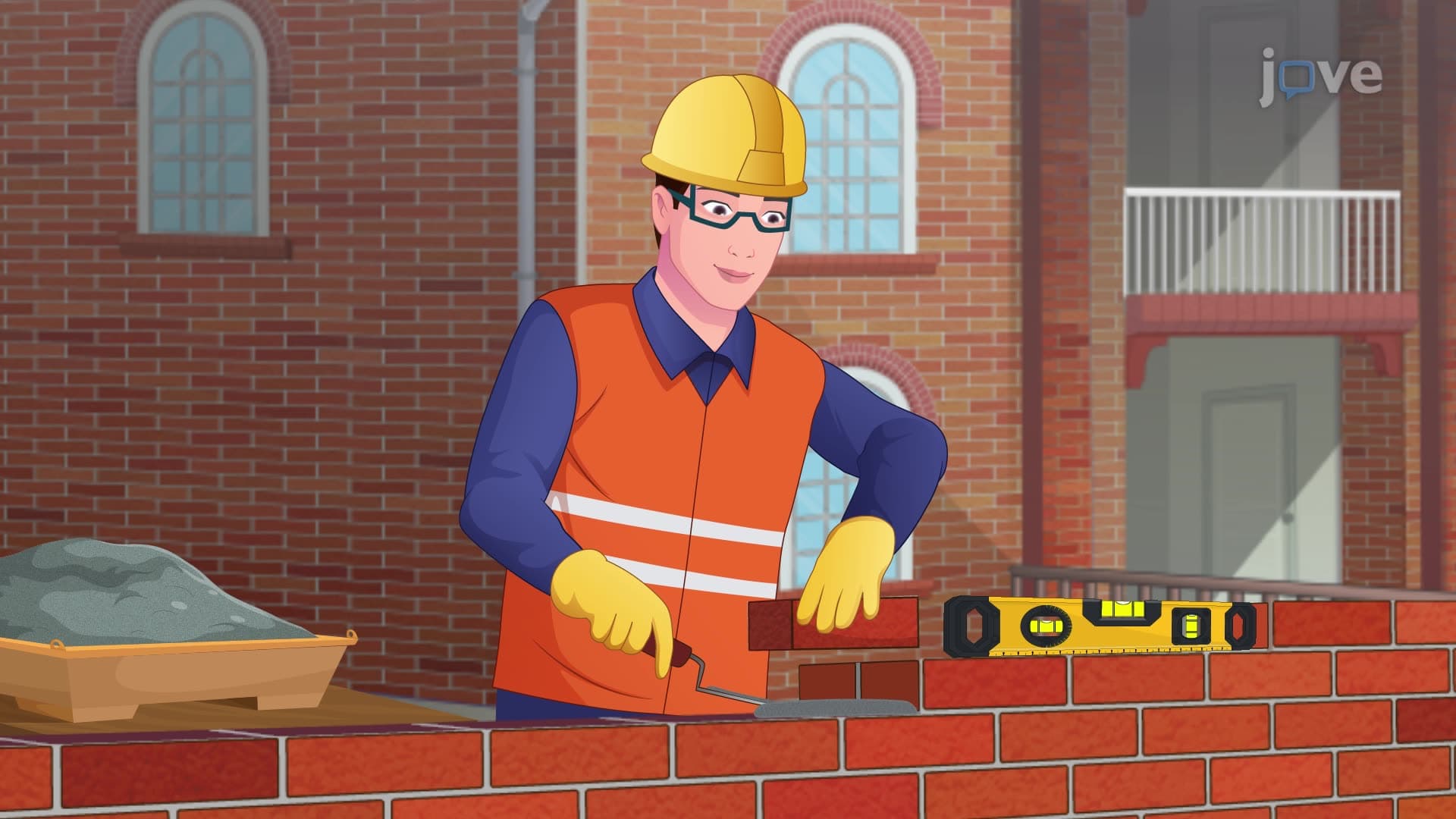
Ever wondered how the Empire State Building's iconic facade has withstood nearly a century of New York weather? Brick masonry forms the backbone of countless American structures, from colonial homes in Boston to modern commercial buildings in Chicago. This fundamental construction technique involves systematically arranging bricks using specific patterns called bonds, with components like wythes (vertical brick stacks) and courses (horizontal layers) creating incredibly durable walls. Watch the full video on JoVE Coach to master this concept with expert-led visuals and step-by-step explanations.
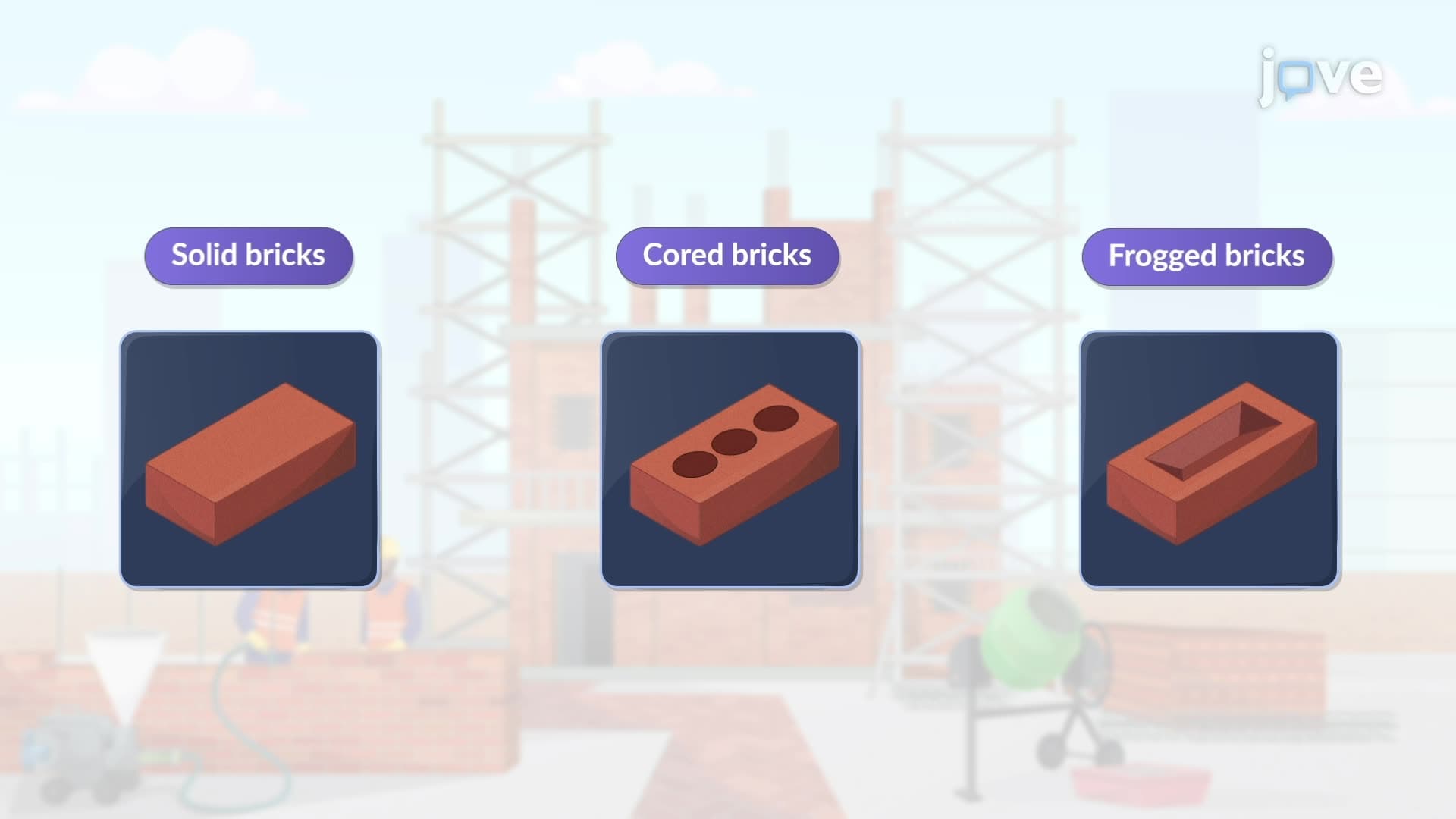
Brick masonry represents one of America's most enduring construction methods, combining ancient techniques with modern engineering principles. This construction approach involves the systematic placement of individual brick units using mortar to create strong, durable walls that can last centuries. From the red-brick Georgian architecture of Philadelphia's Independence Hall to the contemporary brick facades of university campuses across the United States, understanding brick masonry principles is essential for students pursuing construction management, civil engineering, or architectural studies.
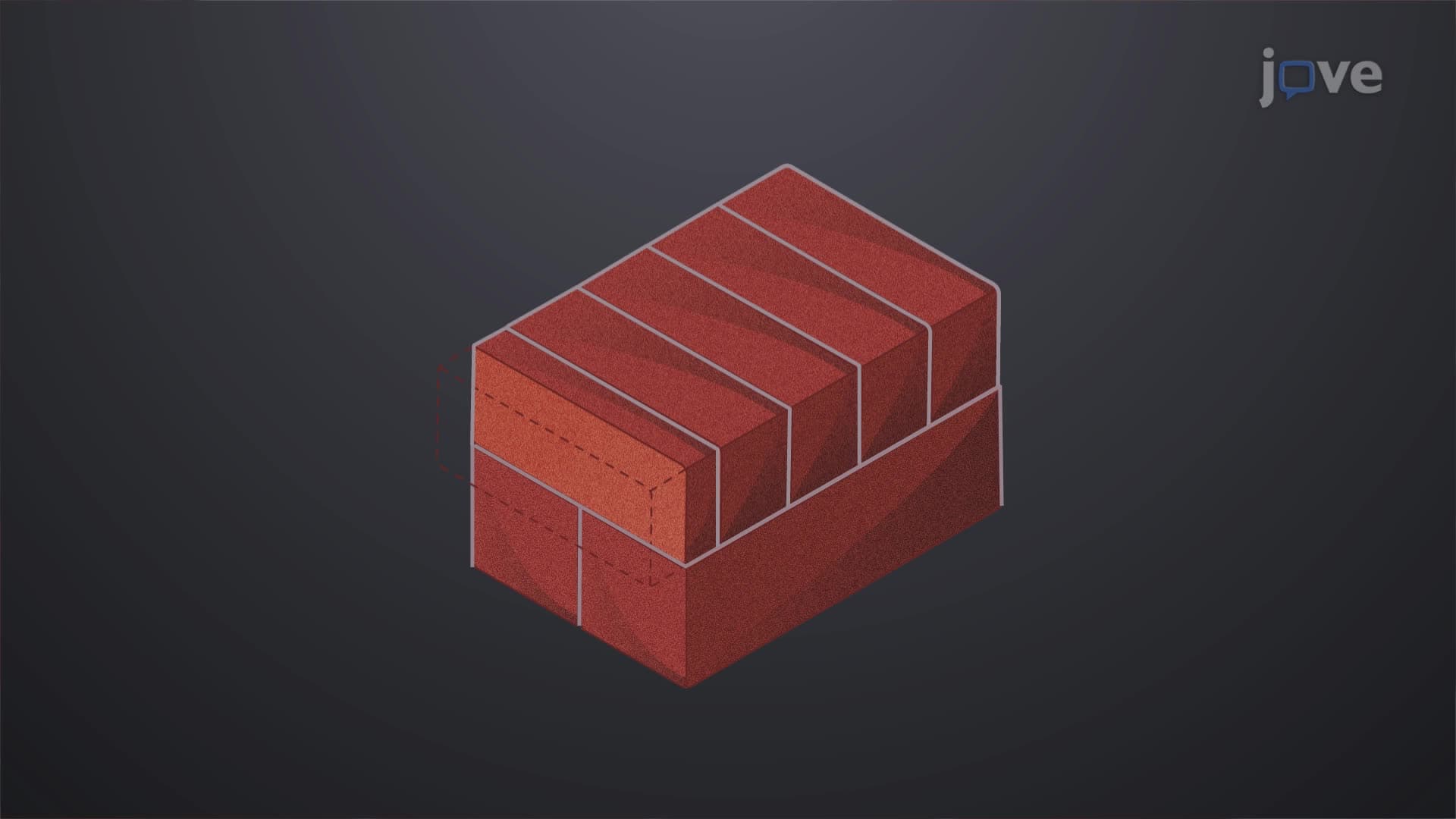
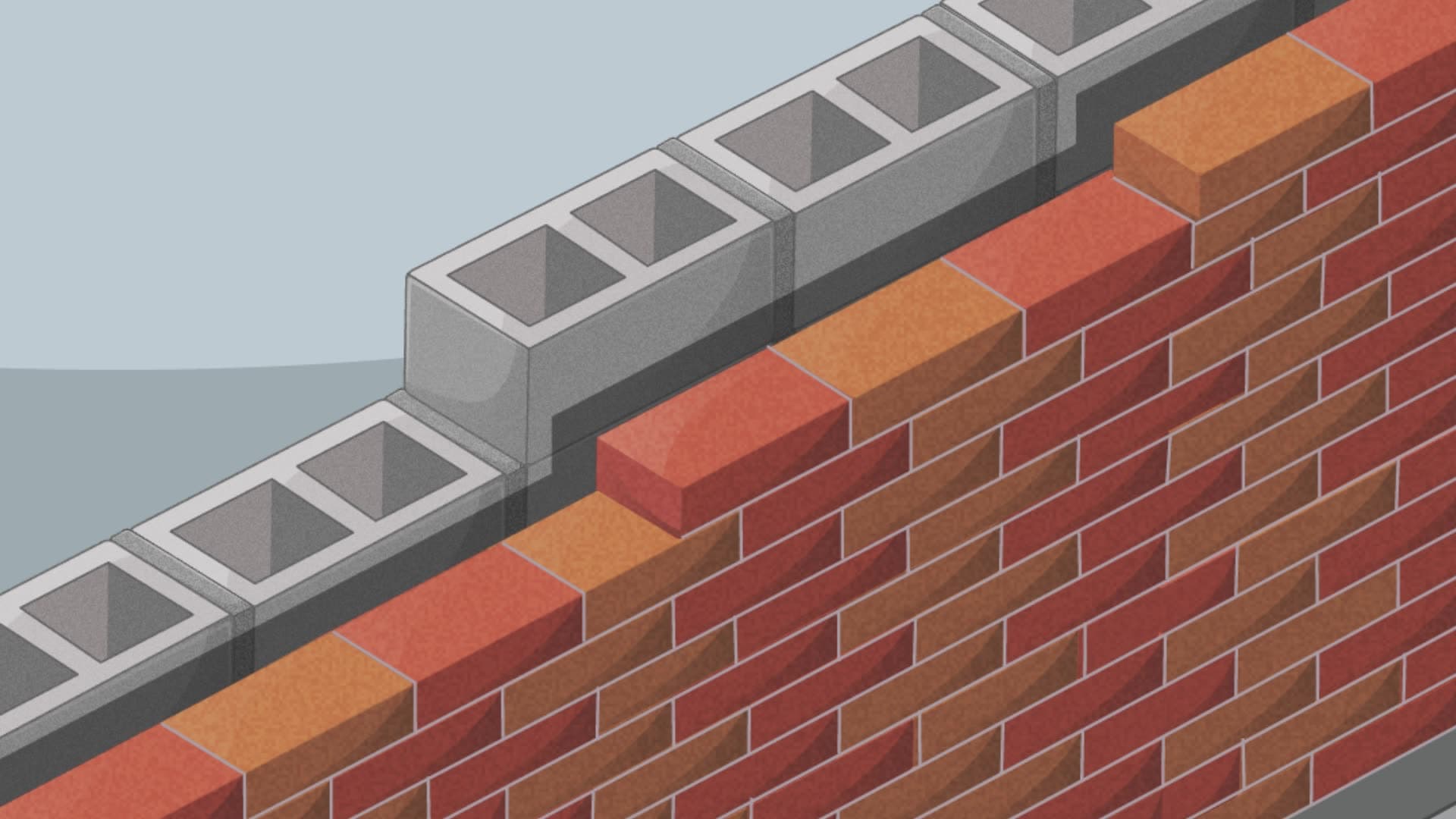
The foundation of brick masonry lies in two critical structural elements: wythes and courses. A wythe refers to a continuous vertical section of masonry that is one unit thick, essentially forming the wall's depth. Most residential construction in the United States utilizes single-wythe walls, which are sufficient for homes and smaller structures. However, larger commercial buildings often employ double-wythe systems for enhanced structural capacity.
Courses represent the horizontal layers of bricks that build upward to create wall height. In a typical stretcher course, bricks are positioned with their long face parallel to the wall direction, maximizing the visible surface area. This arrangement appears in approximately 80% of residential brick construction across American suburbs, making it the most recognizable pattern to students.
Professional masons employ various bonding patterns to ensure structural integrity while creating aesthetically pleasing facades. The common bond, frequently seen in 20th-century American commercial architecture, utilizes five stretcher courses followed by one header course. Header bricks are positioned perpendicular to the wall face, effectively tying multiple wythes together and preventing separation under load.
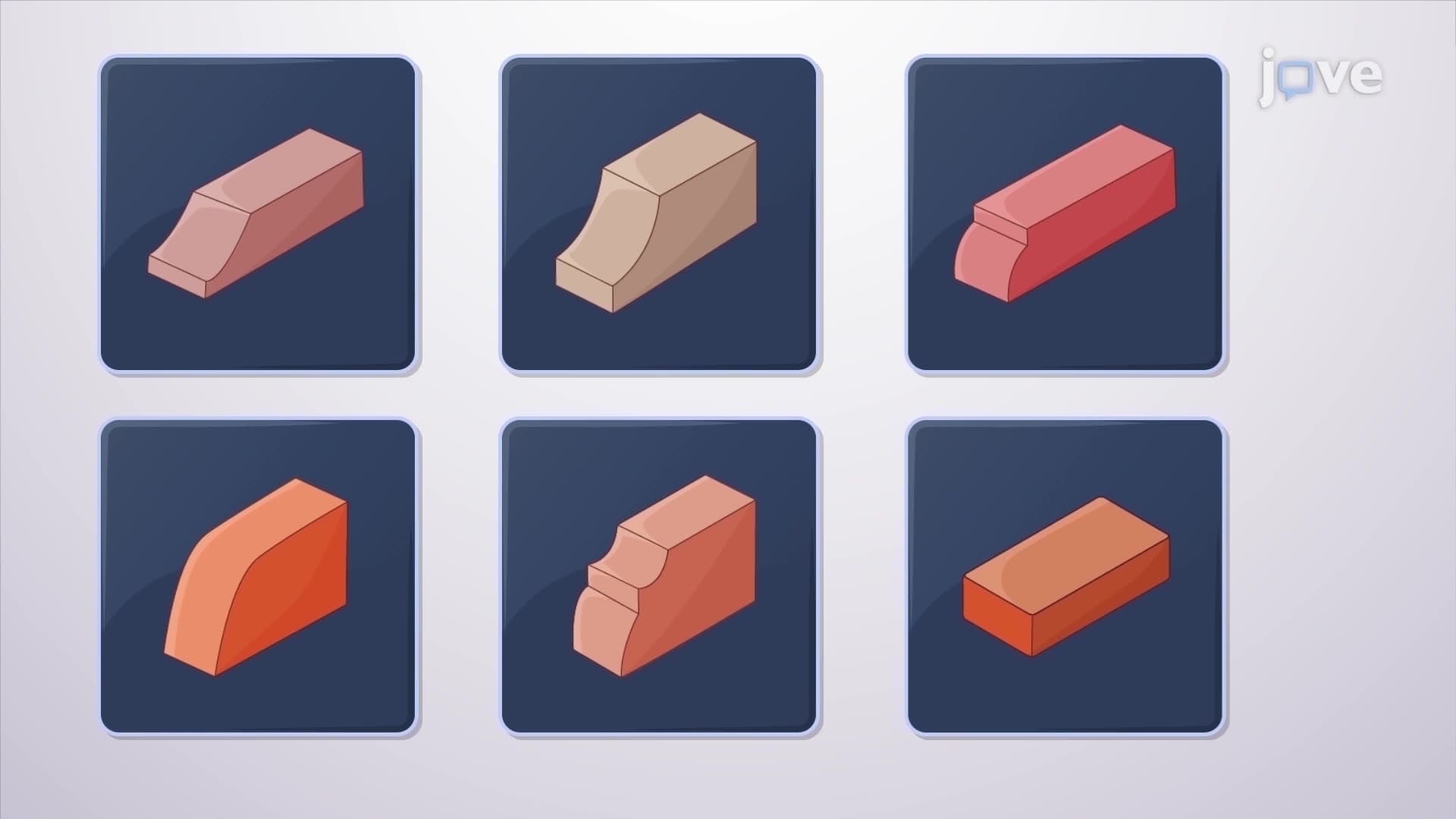
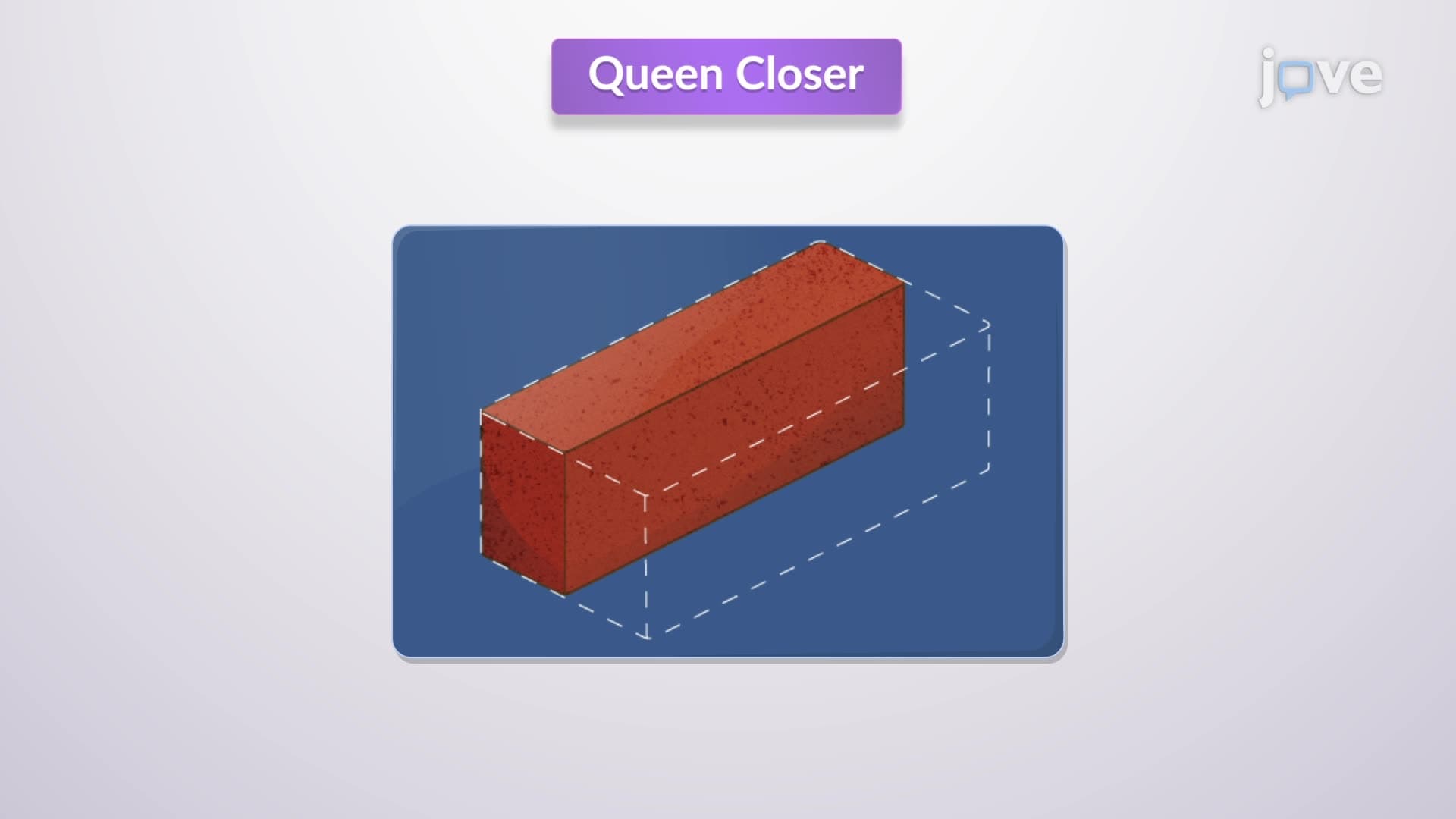
English bond alternates entire courses of headers and stretchers, creating the distinctive checkerboard pattern visible in many East Coast colonial buildings. This pattern requires Queen closers-specially cut bricks that maintain proper overlap while preventing vertical joints from aligning. Flemish bond, considered the most decorative option, alternates headers and stretchers within each course, producing the elegant patterns seen in prestigious institutions like Harvard University's historic buildings.
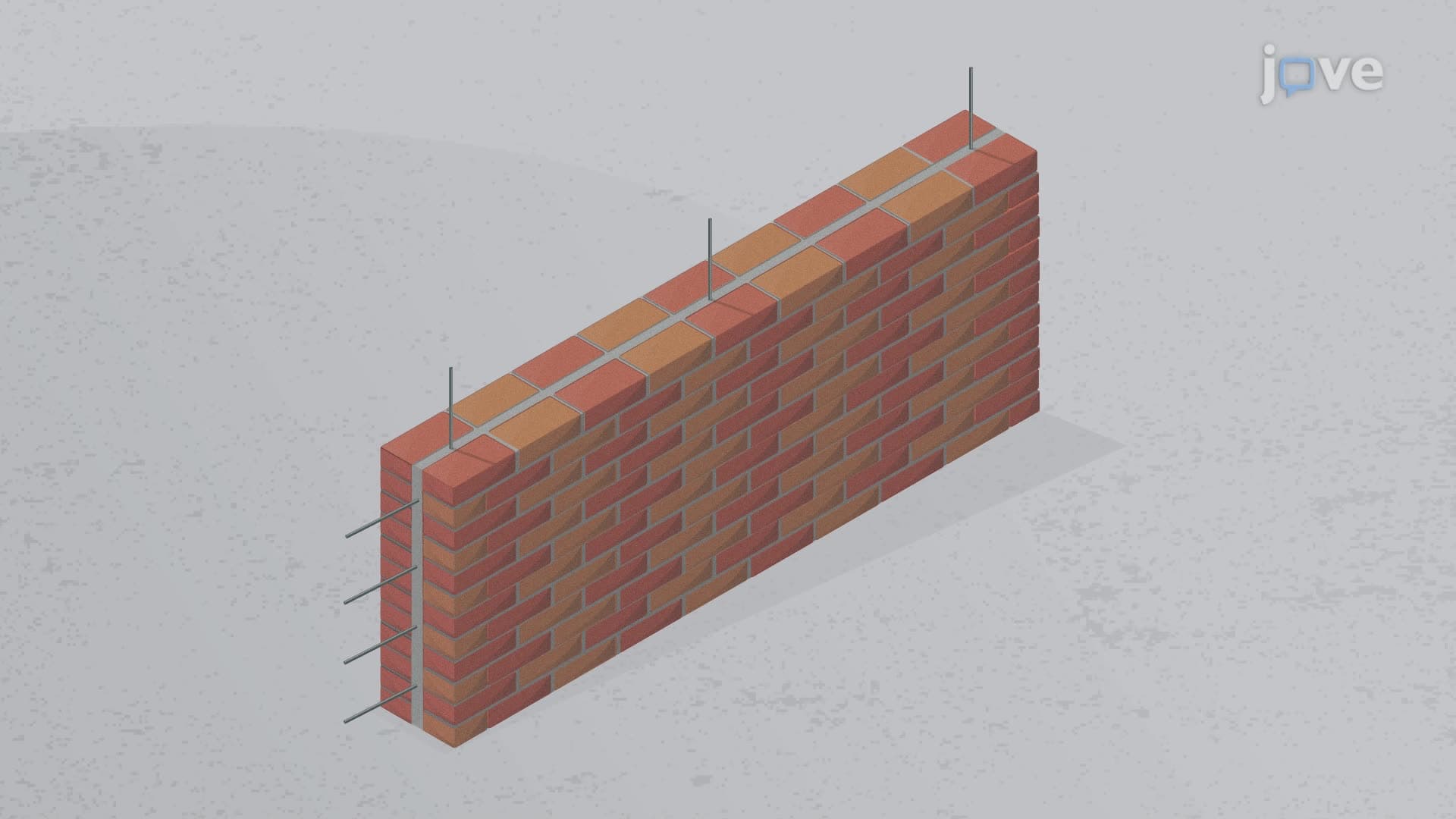
Contemporary brick masonry incorporates metal ties and reinforcement systems that weren't available to historical builders. These connections, typically made from galvanized steel or stainless steel, provide lateral support while allowing for thermal movement. Students preparing for construction-related AP courses or college civil engineering programs should understand how these modern techniques enhance traditional masonry's natural durability.
For exam preparation, focus on identifying different bond patterns in photographs, understanding load distribution principles, and calculating material requirements for various wall configurations. These concepts frequently appear in construction technology courses and professional licensing examinations.
Related Micro-courses