Loading video…


 21 Concepts
 9K views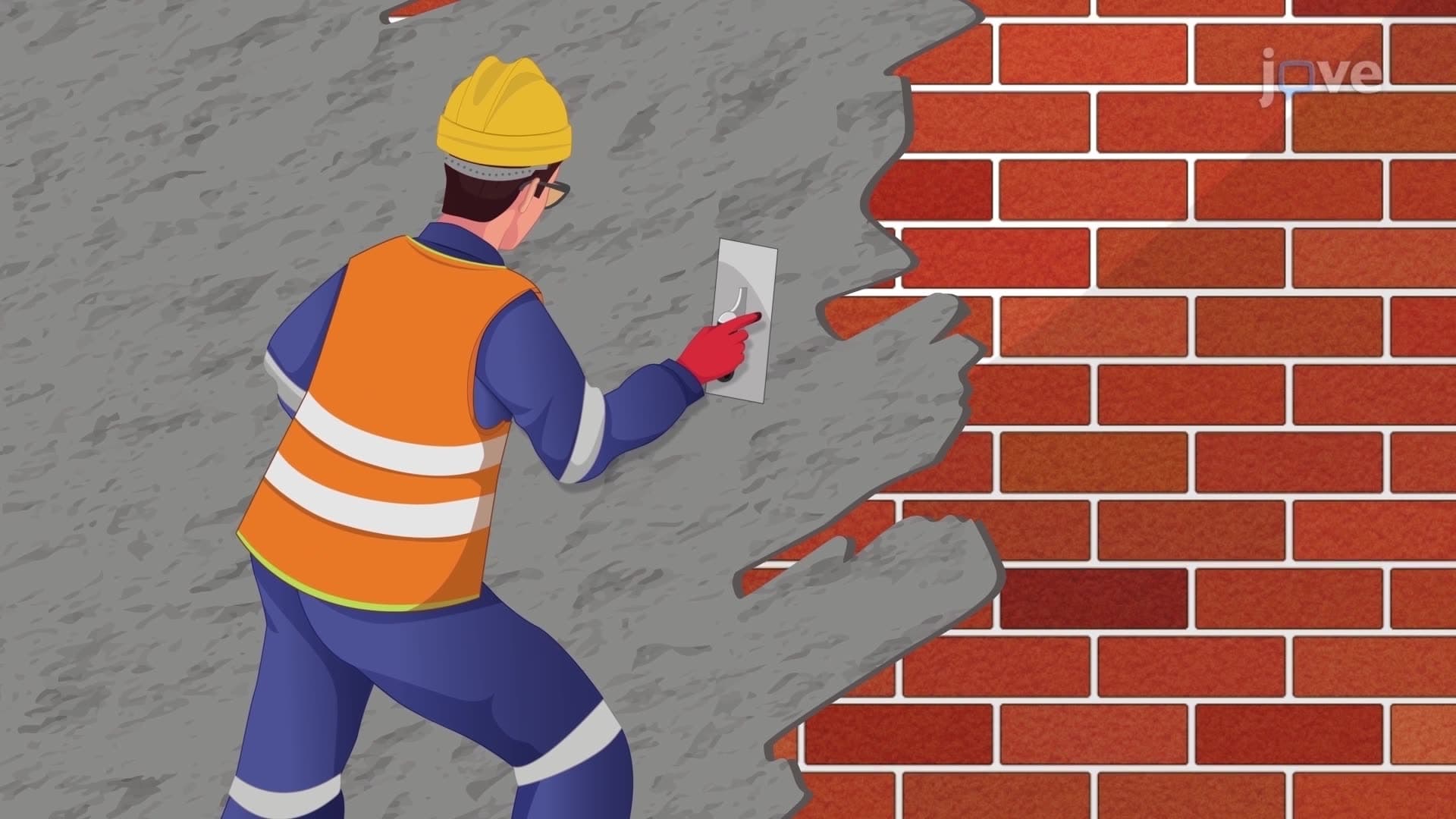

Video Summary: What Is Mortar
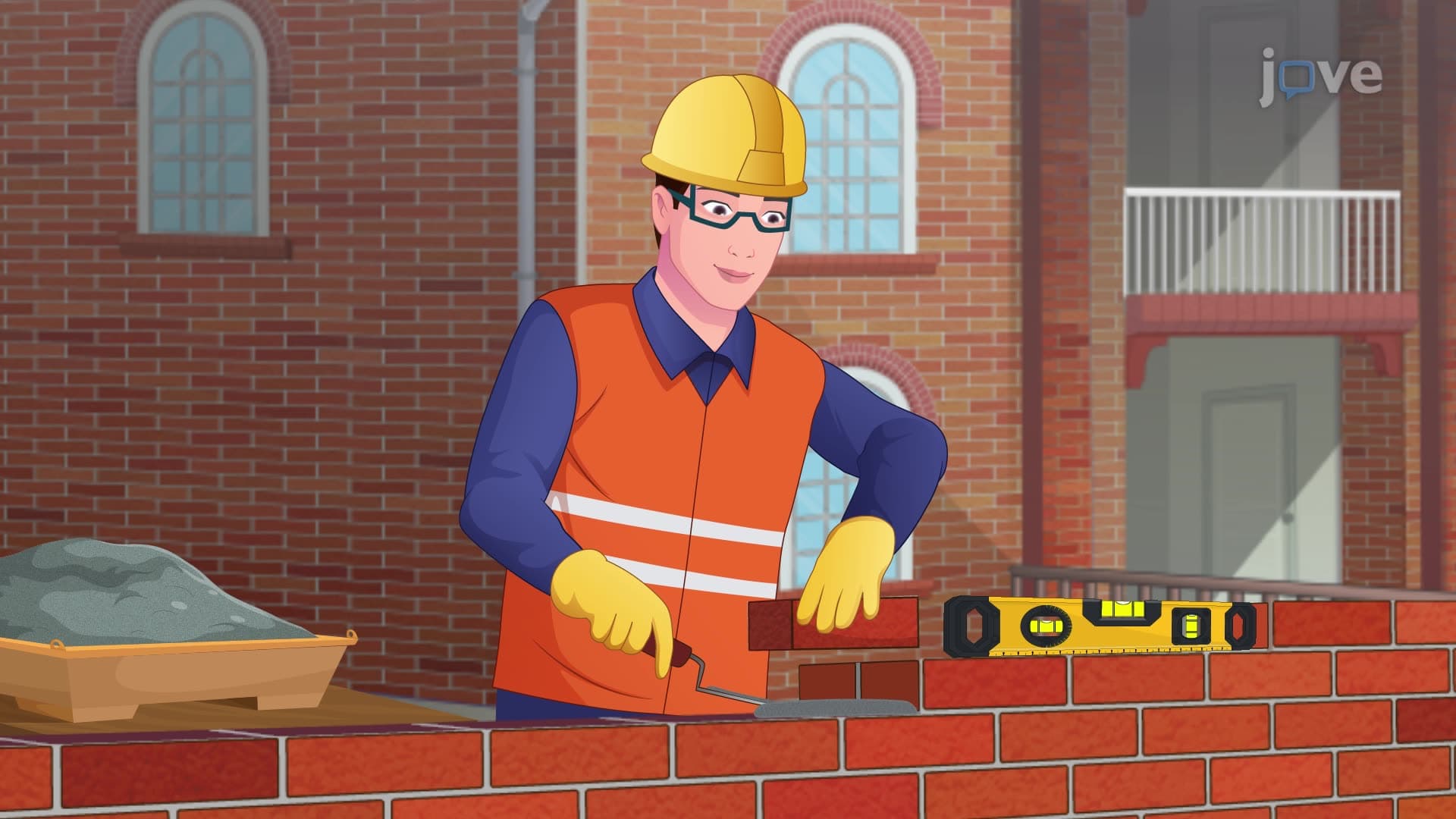
When the Empire State Building's 10 million bricks were laid in 1931, what held them together through decades of New York weather? Mortar serves as the critical adhesive that binds masonry units while providing structural integrity and weather protection. This essential construction material combines Portland cement, lime, sand, and water to create the backbone of American architecture from residential homes to iconic skyscrapers. Watch the full video on JoVE Coach to master this concept with expert-led visuals and step-by-step explanations.
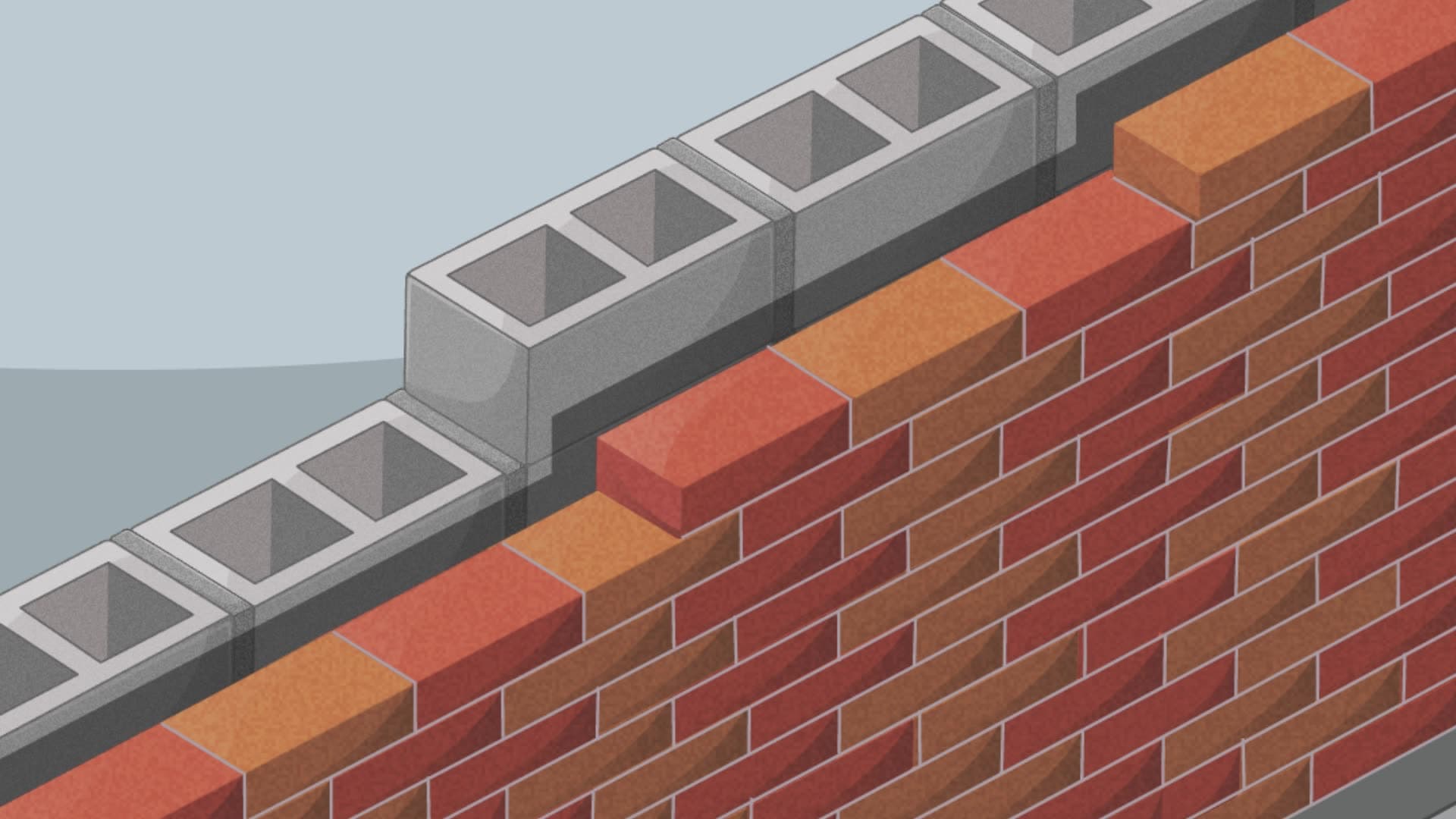
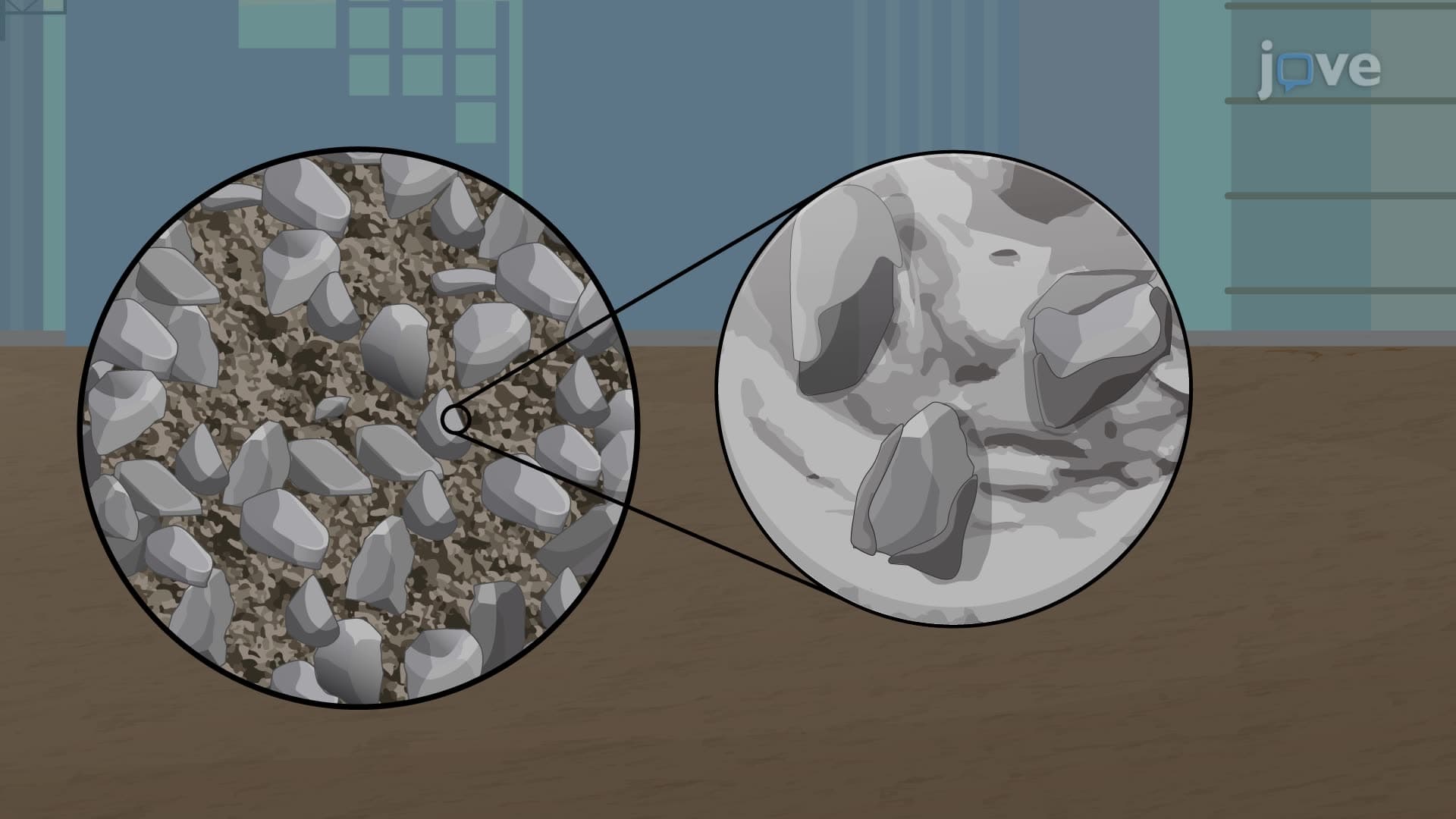
Mortar represents one of construction's most fundamental materials, serving as the binding agent that transforms individual masonry units into cohesive, durable structures. This carefully engineered mixture consists of four essential components working in harmony: Portland cement provides the primary binding strength, hydrated lime enhances workability and flexibility, sand acts as an inert aggregate providing bulk and texture, and water activates the chemical bonding process.
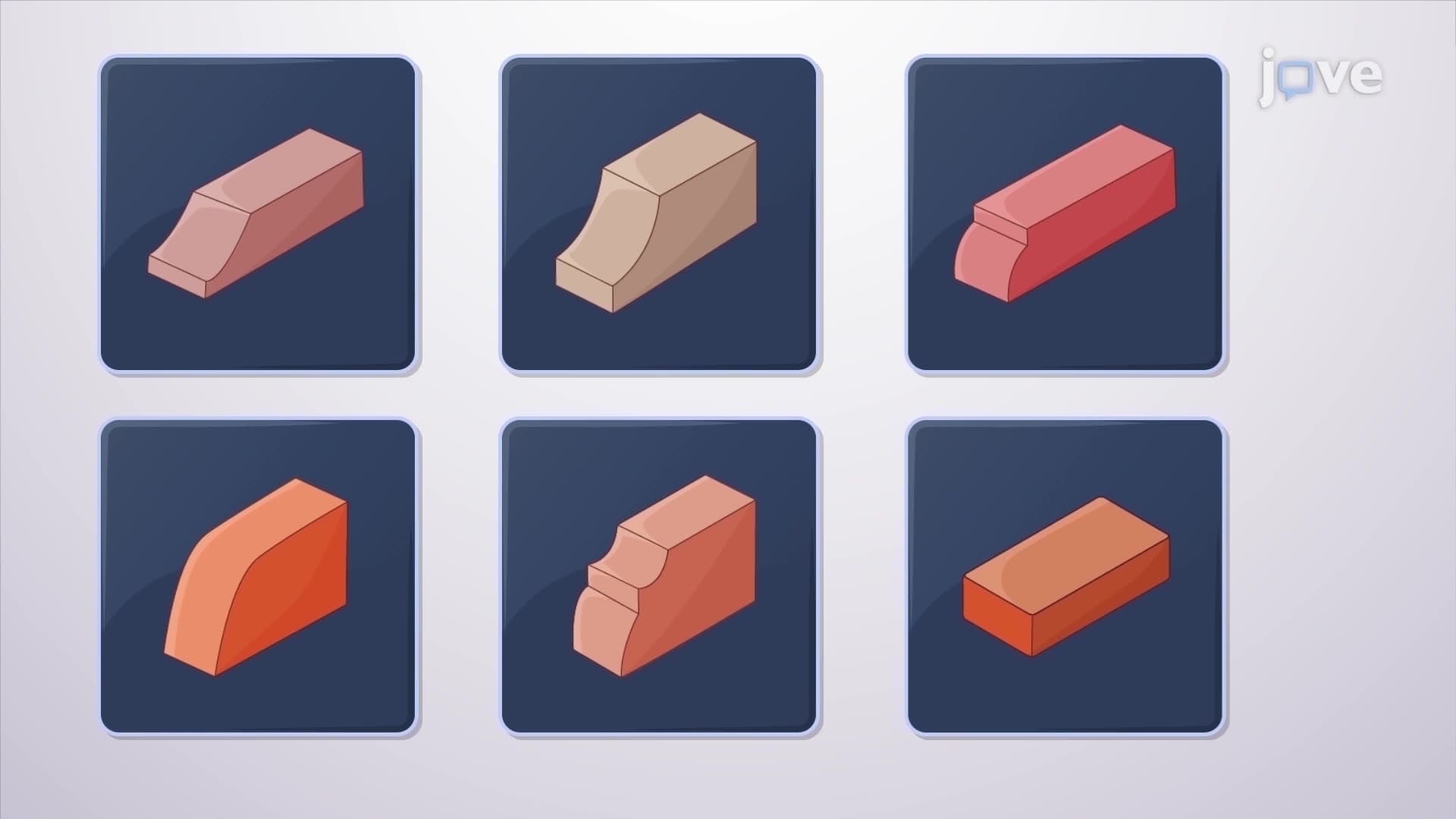
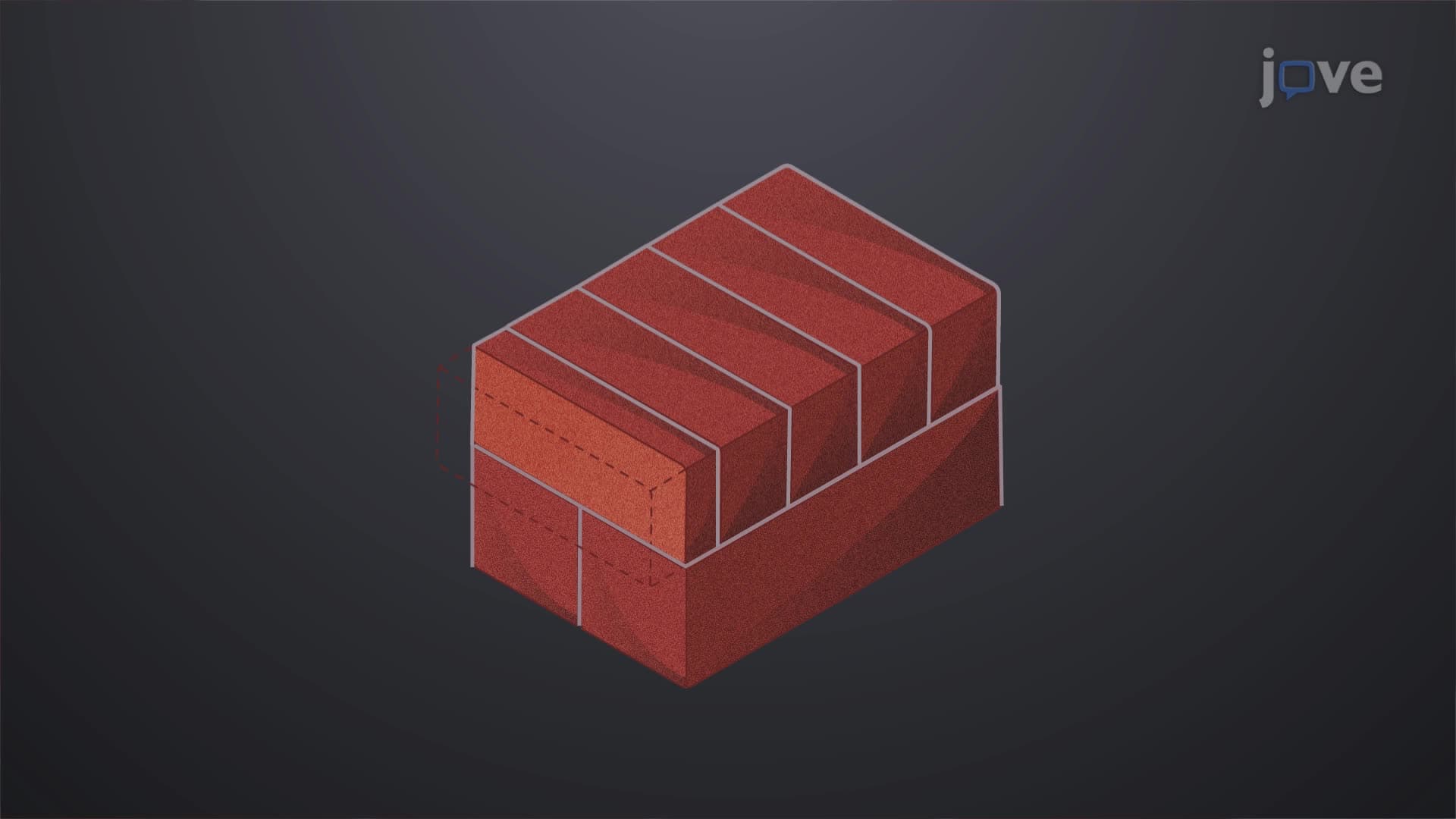
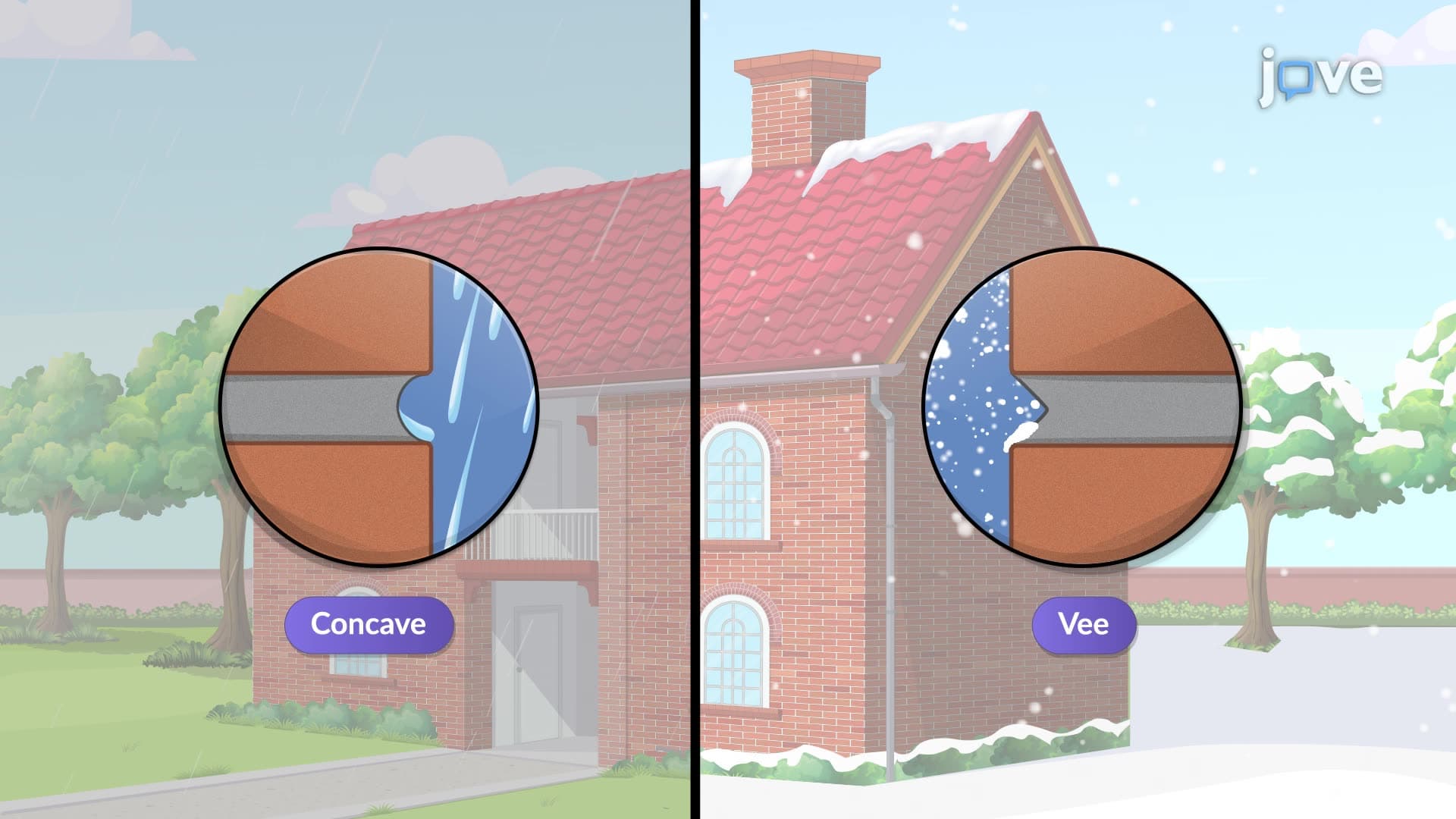
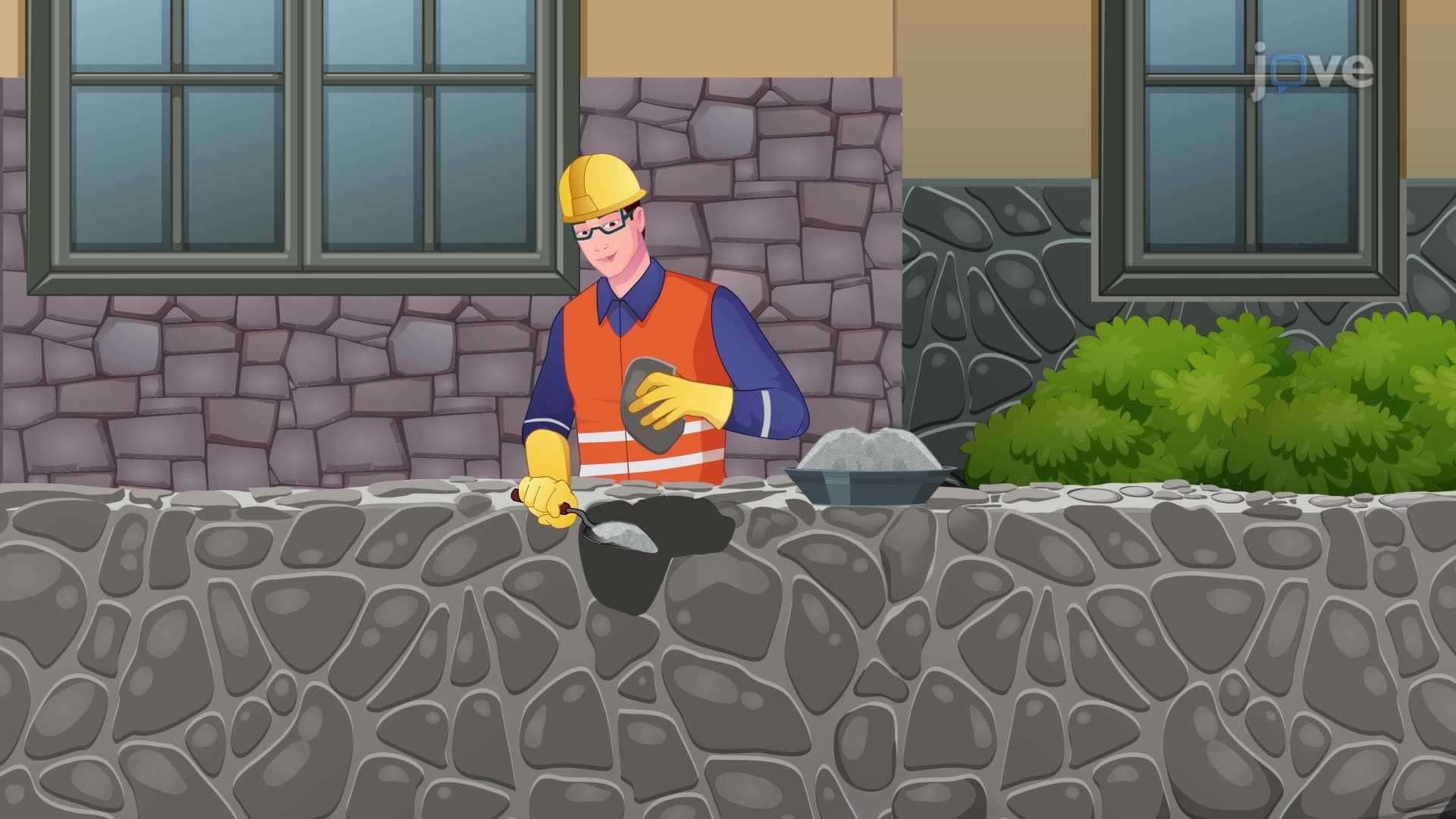
Beyond simple adhesion, mortar performs multiple critical functions in masonry construction. It acts as a comprehensive sealant, creating barriers against water infiltration and wind penetration that could compromise structural integrity. The material compensates for natural variations in brick or block dimensions, ensuring uniform contact and even weight distribution across the entire wall system. This compensation prevents stress concentrations that could lead to structural weaknesses over time.
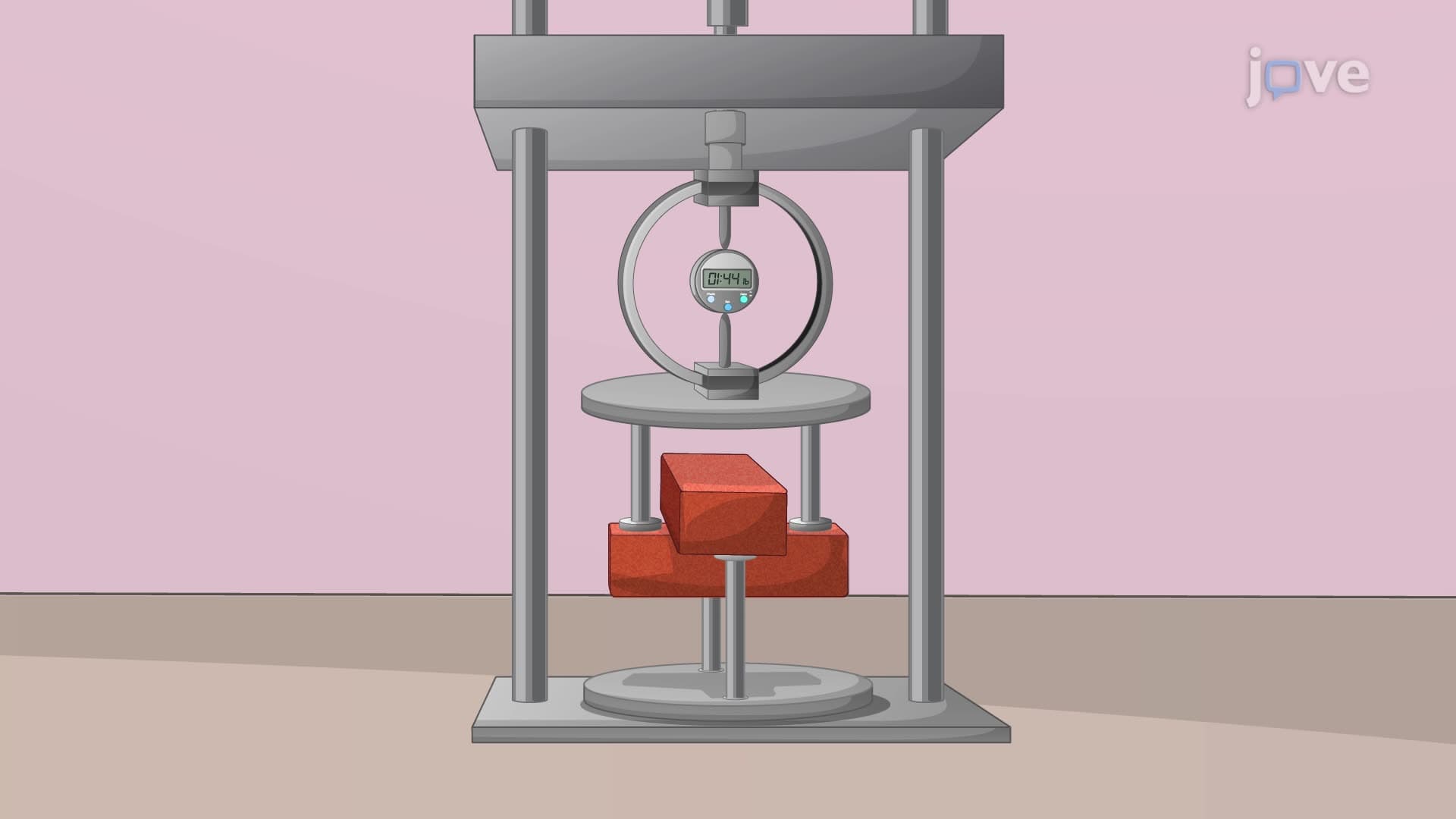
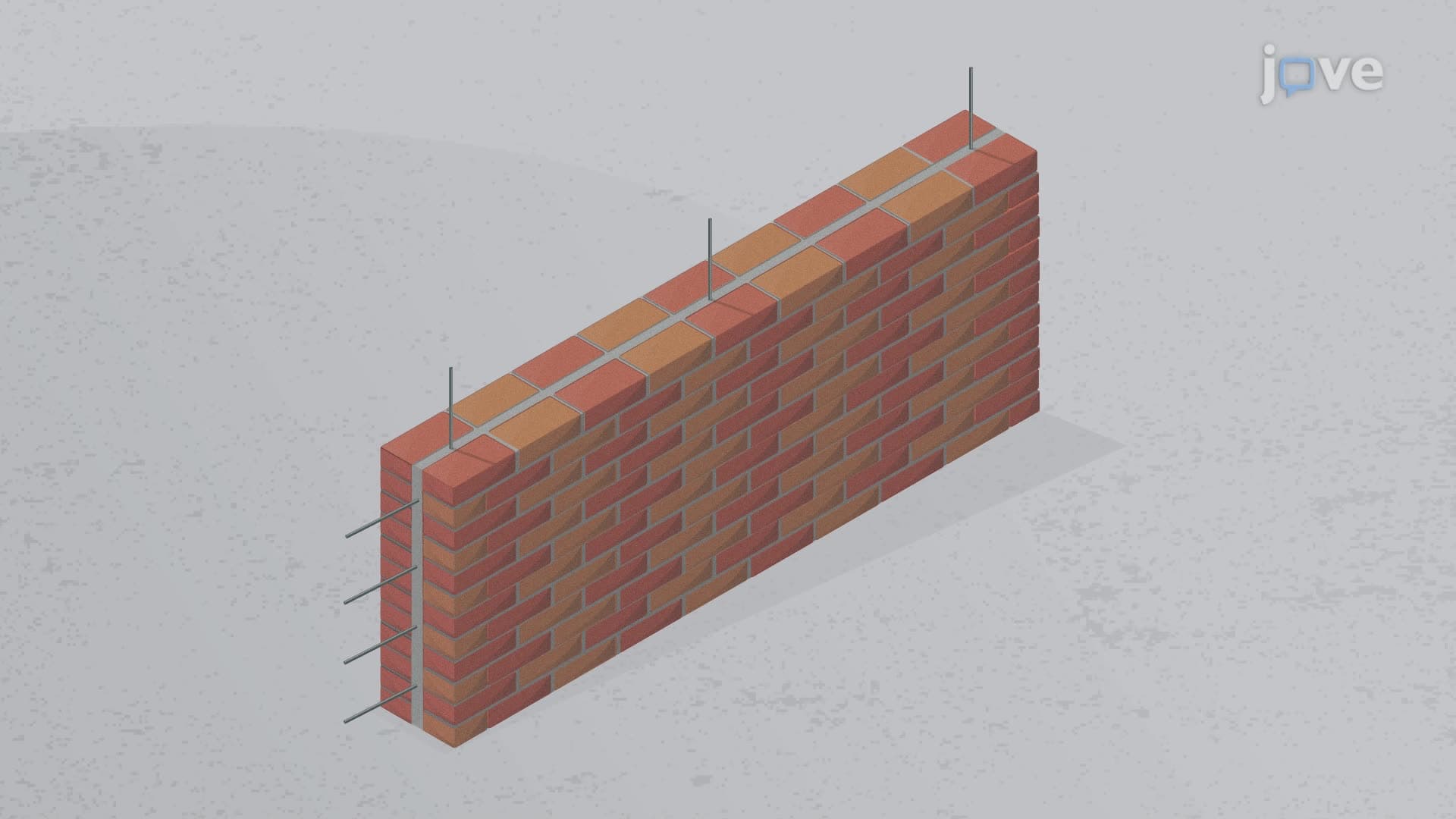
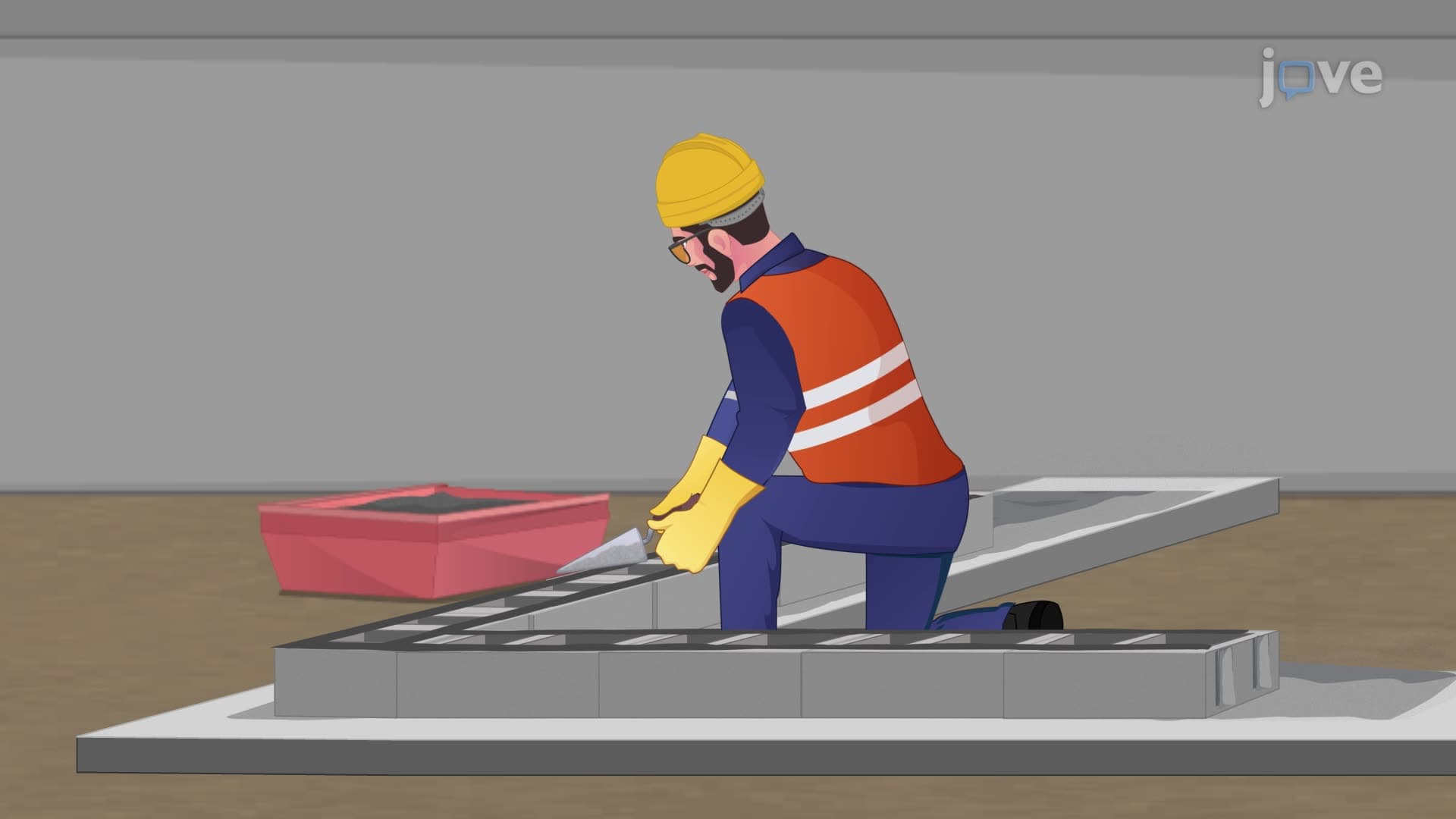
In reinforced masonry construction, mortar secures steel reinforcement bars, ties, and anchor bolts within walls, creating composite structures capable of withstanding significant loads. Major US infrastructure projects, from the Hoover Dam to modern highway overpasses, rely on these mortar-secured connections for their structural performance.
Construction professionals utilize various mortar formulations for specific applications. White mortar, created using white Portland cement and white sand, provides aesthetic benefits for architectural features where appearance matters. Pigmented mortars incorporate organic colorants to match or complement masonry units, crucial in restoration projects like those seen in historic Boston neighborhoods or Southwestern adobe construction.
The curing process proves critical for achieving optimal strength development. Proper moisture retention during the initial 28-day curing period ensures maximum bond strength and long-term durability. This principle applies whether constructing residential foundations in suburban developments or commercial high-rises in urban centers.
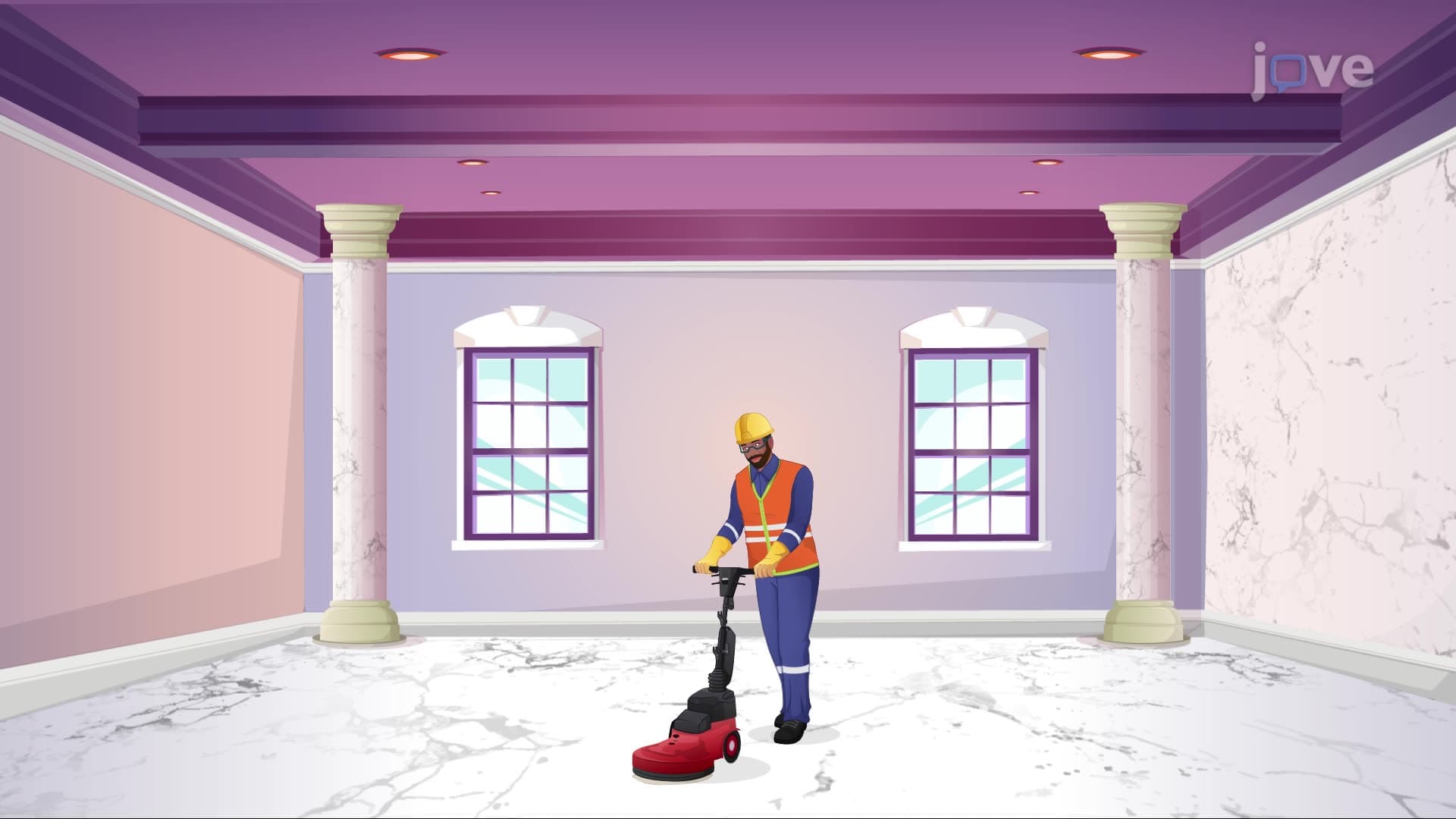
While primarily associated with brickwork and block construction, mortar serves diverse functions in modern construction. Plastering applications use modified mortar mixes to create smooth wall surfaces, while grouting applications fill voids in masonry assemblies. Tile installation relies on specialized mortar formulations that provide both adhesion and adjustability during placement, essential for achieving professional results in both residential bathrooms and commercial installations.
Related Micro-courses