Loading video…


 21 Concepts
 9K views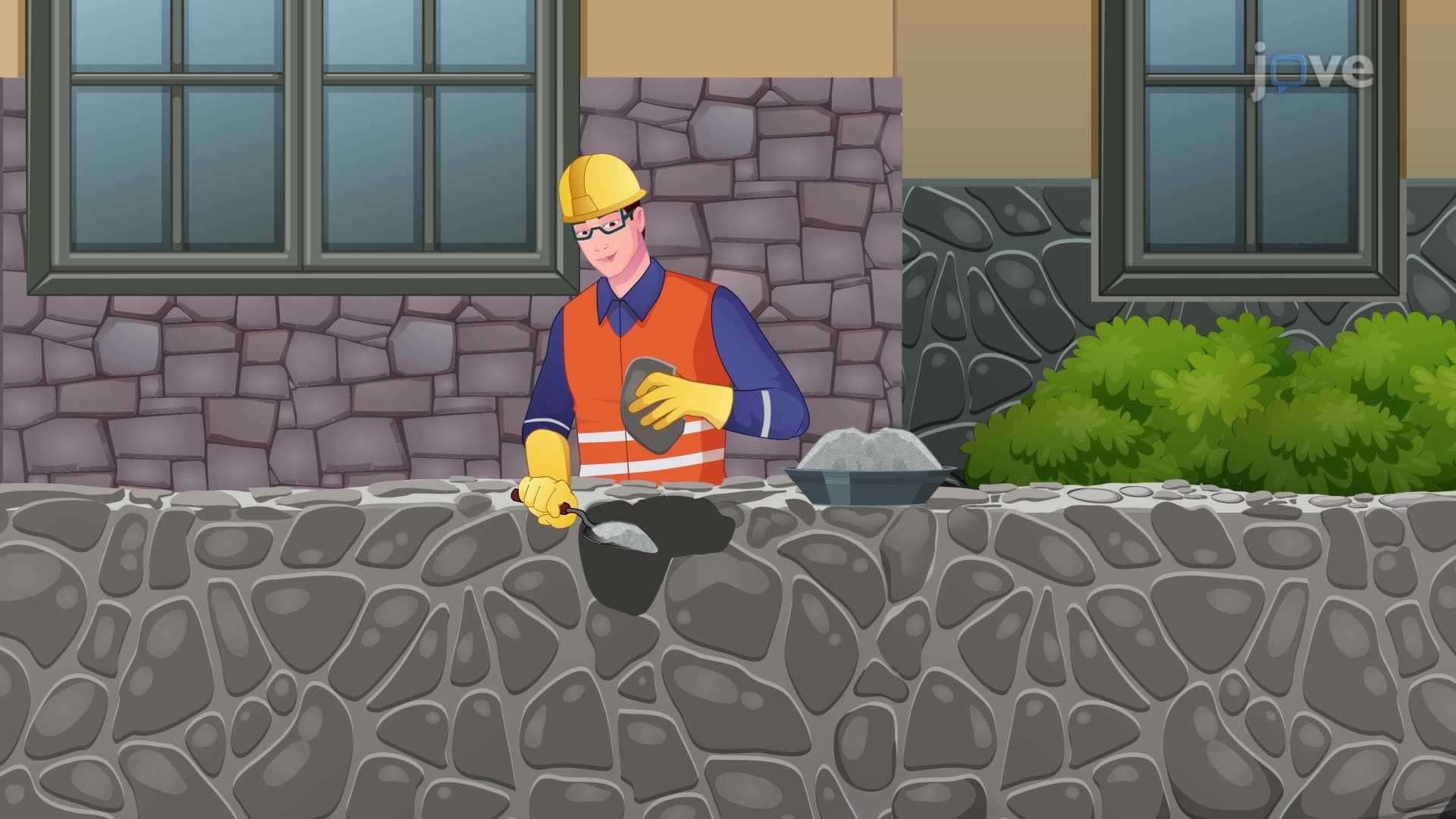

Video Summary: What Is Stone Masonry
Ever wondered how ancient structures like the Washington Monument have stood for over 130 years? Stone masonry, the art of building with carefully fitted stones, creates some of America's most enduring architectural landmarks. This traditional construction method divides into two main categories: rubble masonry using irregular natural stones, and ashlar masonry featuring precisely cut rectangular blocks. From the fieldstone foundations of colonial New England homes to the granite facades of government buildings, understanding what is stone masonry reveals the backbone of American architectural heritage. Watch the full video on JoVE Coach to master this concept with expert-led visuals and step-by-step explanations.
Stone masonry represents one of humanity's oldest construction techniques, involving the careful arrangement and bonding of natural or cut stones to create durable structures. This time-tested method combines traditional craftsmanship with engineering principles, making it essential knowledge for students pursuing architecture, construction management, or civil engineering programs. The stone masonry definition encompasses both the artistic and technical aspects of working with stone materials to achieve structural integrity and aesthetic appeal.
Rubble masonry utilizes stones in their natural, irregular shapes, commonly sourced from riverbeds, quarries, or field collections. This stone masonry overview reveals that masons must possess exceptional spatial reasoning skills to select and fit each stone precisely. The process requires careful consideration of load distribution, weather resistance, and visual harmony. American examples include the stone walls of Central Park in New York City and the rustic foundations of Appalachian mountain cabins. Students studying for AP Art History or college-level architecture courses should understand how rubble masonry reflects regional material availability and cultural building traditions.
Ashlar masonry employs carefully cut and dressed stones, typically rectangular or square in shape, allowing for more uniform and refined construction. This technique requires advanced stone-cutting skills and precise measurement, resulting in smoother wall surfaces and tighter joints. The Supreme Court Building in Washington, D.C., exemplifies high-quality ashlar construction with its precisely fitted marble blocks. Understanding this stone masonry concept helps students appreciate the relationship between material preparation, construction time, and final architectural appearance-key topics in construction technology and materials science coursework.
The distinction between coursed and uncoursed masonry affects both structural performance and visual aesthetics. Coursed masonry maintains consistent horizontal joint lines, creating organized rows that distribute loads evenly and provide a formal appearance. Uncoursed masonry allows for more flexible stone placement without maintaining horizontal alignment, often resulting in more dynamic visual patterns. The stone masonry study guide for technical students should emphasize how these choices impact construction scheduling, material costs, and structural engineering calculations-topics frequently tested in construction management certification exams.
Related Micro-courses