Loading video…


 21 Concepts
 9K views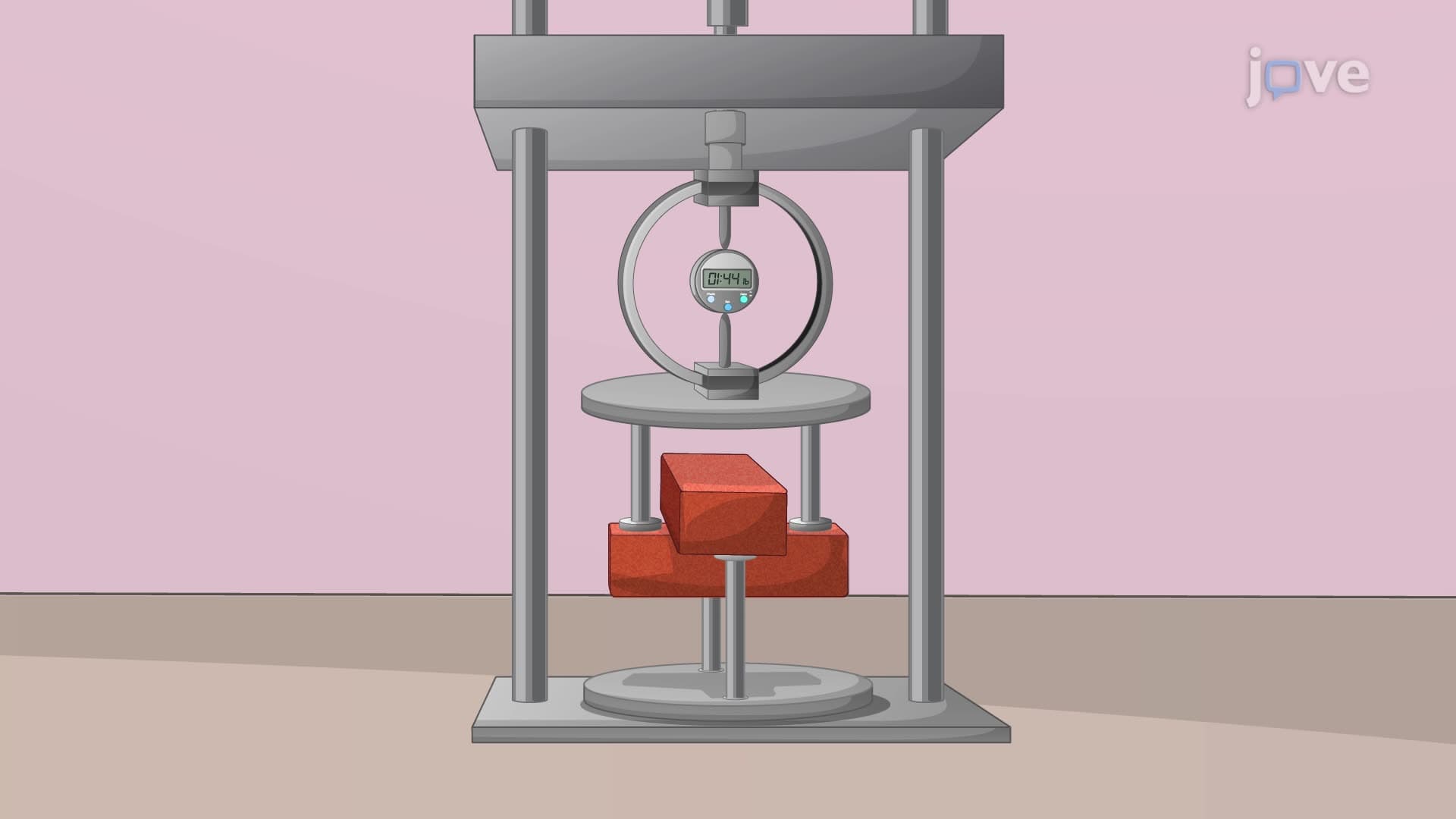

Video Summary: What Is Mortar Properties
Ever wondered why the Empire State Building has stood strong for nearly a century while some newer structures crack within decades? The secret lies in mortar properties, the science behind how this binding material performs in construction. From the Golden Gate Bridge's enduring masonry to modern school buildings across America, understanding mortar properties determines structural integrity and longevity. Watch the full video on JoVE Coach to master this concept with expert-led visuals and step-by-step explanations.
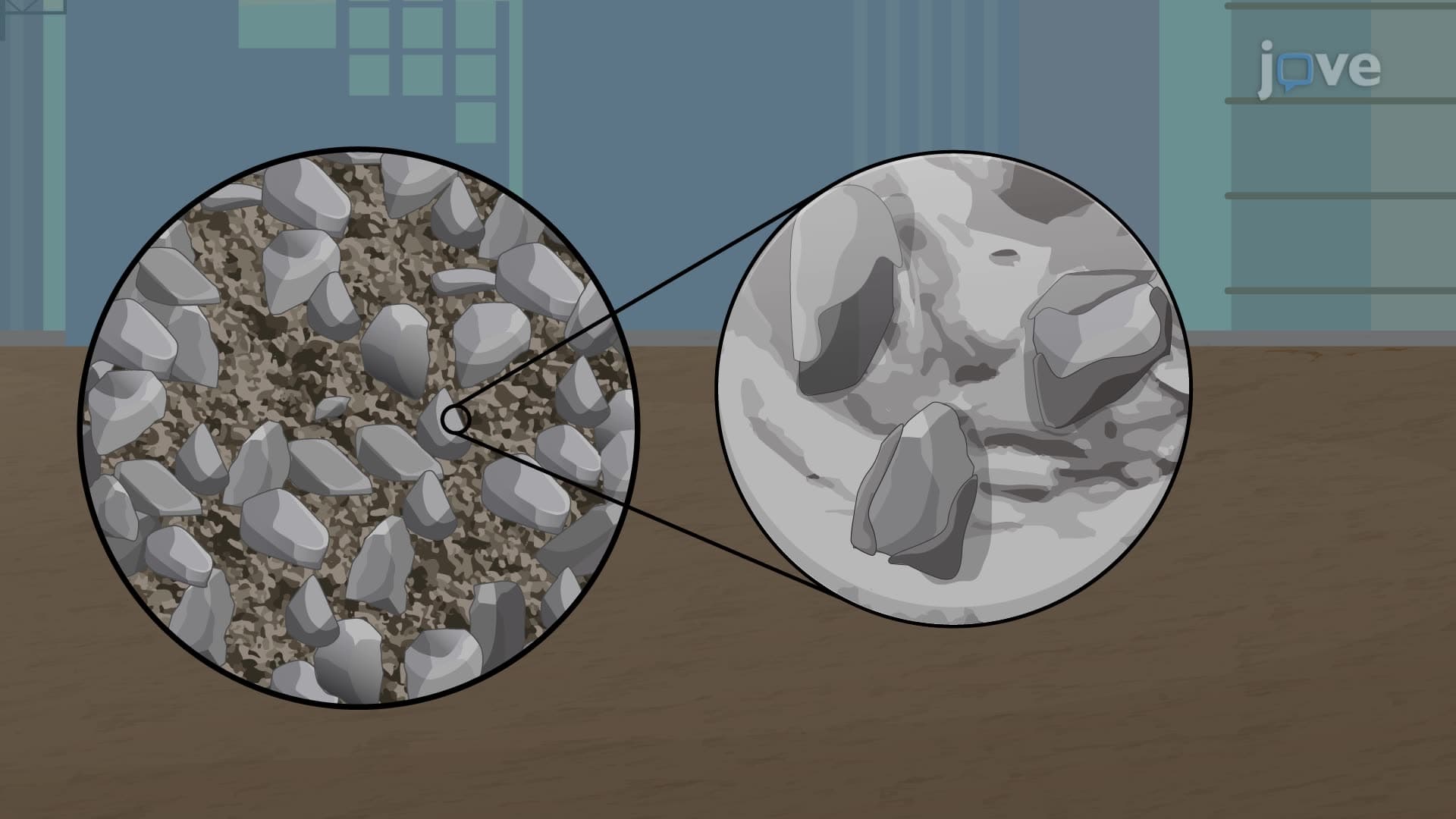
Mortar properties represent the measurable characteristics that determine how effectively mortar performs as a binding agent in masonry construction. These properties fall into two main categories: plastic-state properties (before hardening) and hardened-state properties (after curing). Understanding these characteristics is crucial for anyone studying construction materials, whether in high school construction technology courses or college civil engineering programs.
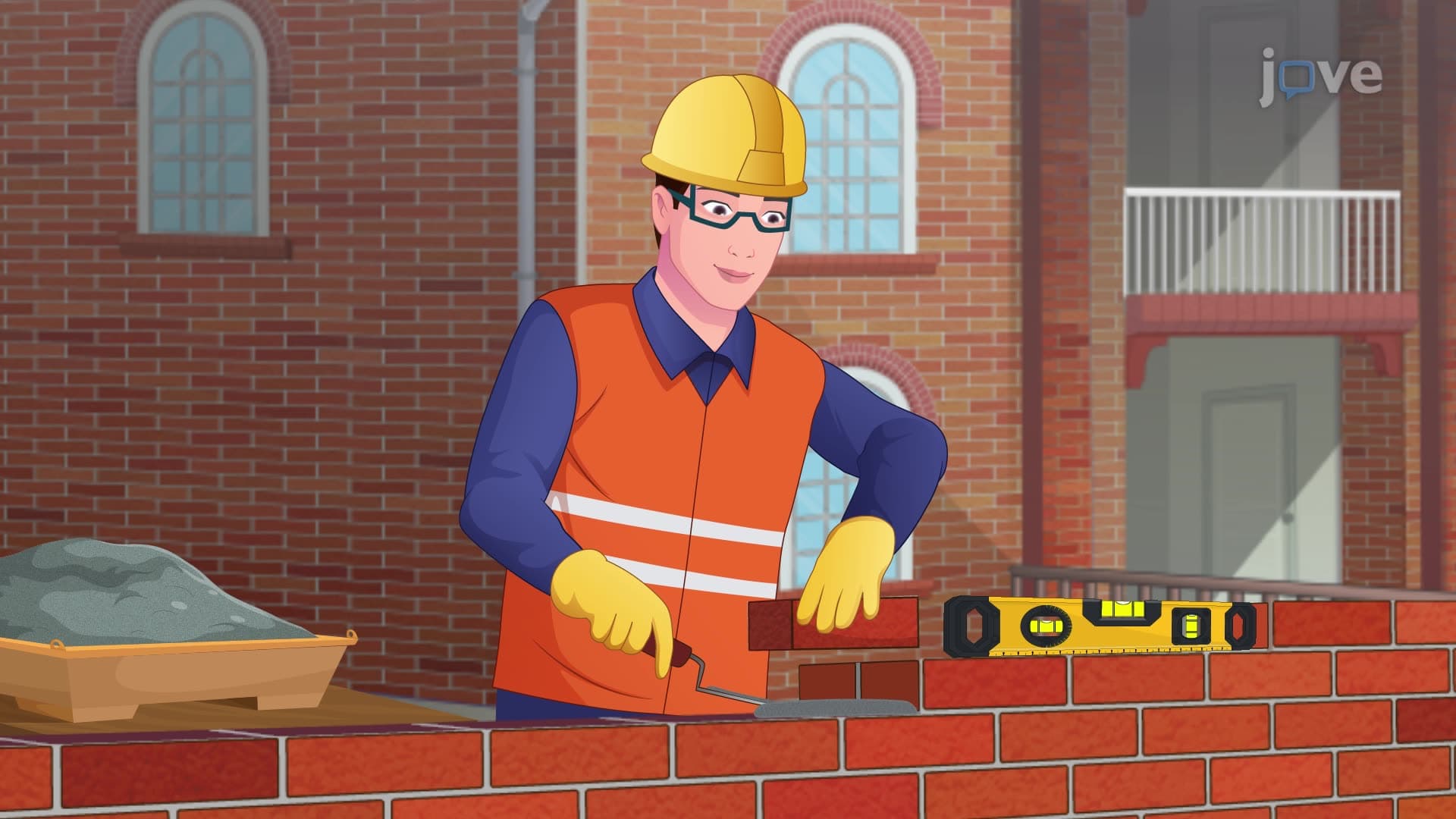
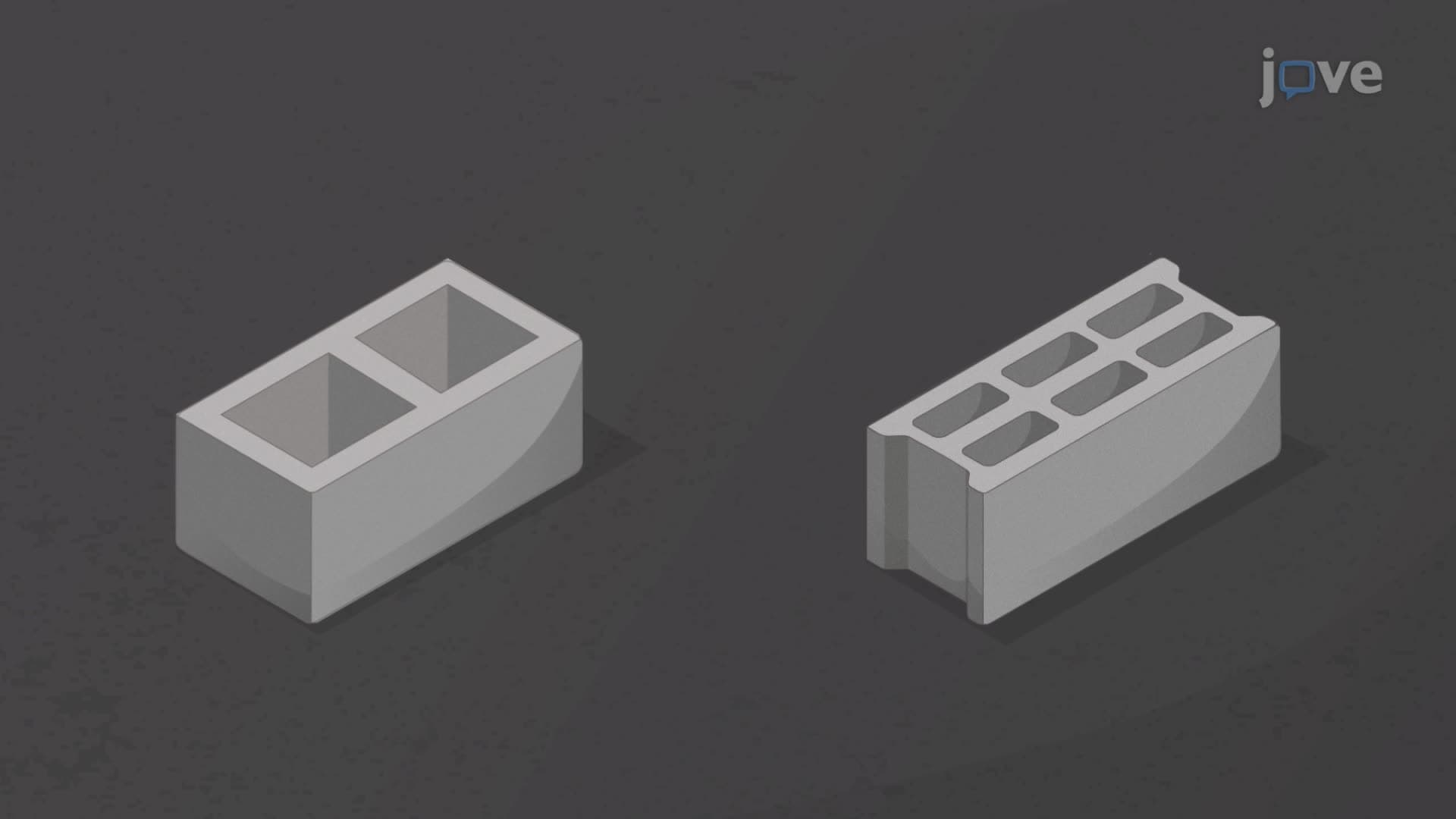
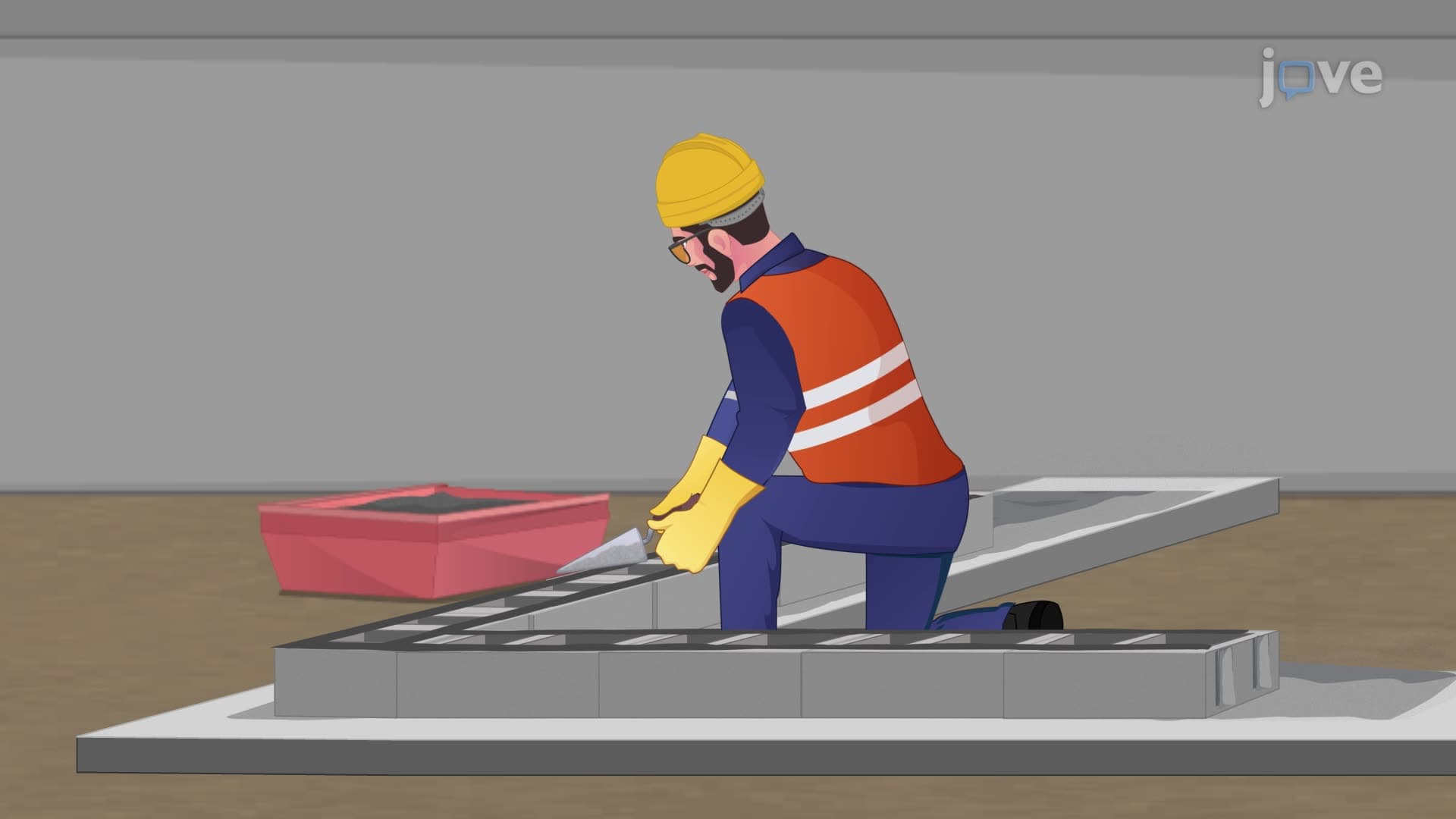
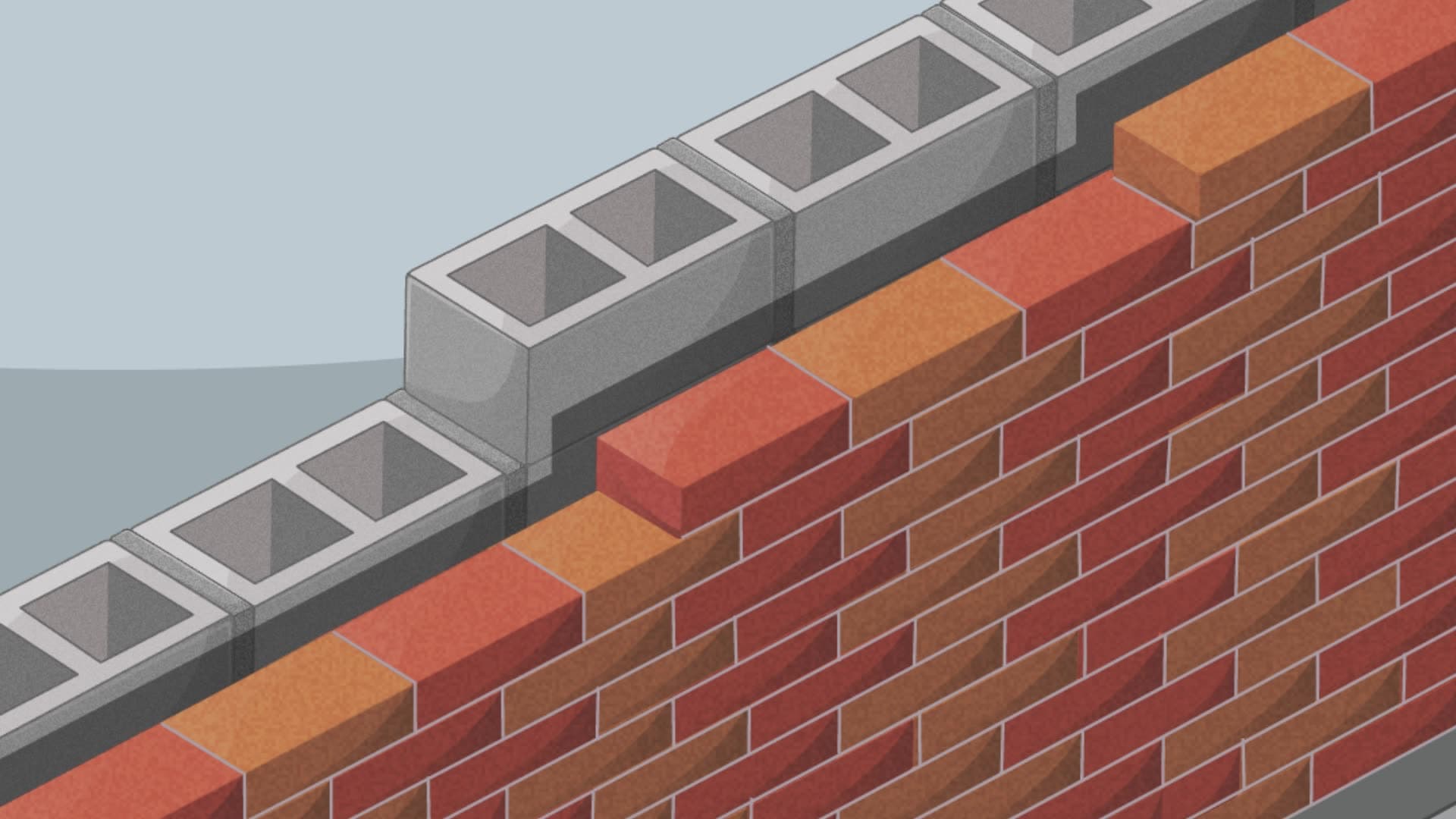
During the plastic state, mortar must exhibit excellent workability, the ease with which it can be mixed, placed, and shaped. Good workability allows masons to spread mortar smoothly across surfaces, maintain adhesion on vertical walls without sagging, and position heavy concrete blocks or bricks effortlessly. This property is particularly critical in large-scale projects like the construction of university dormitories or hospital complexes across the United States.
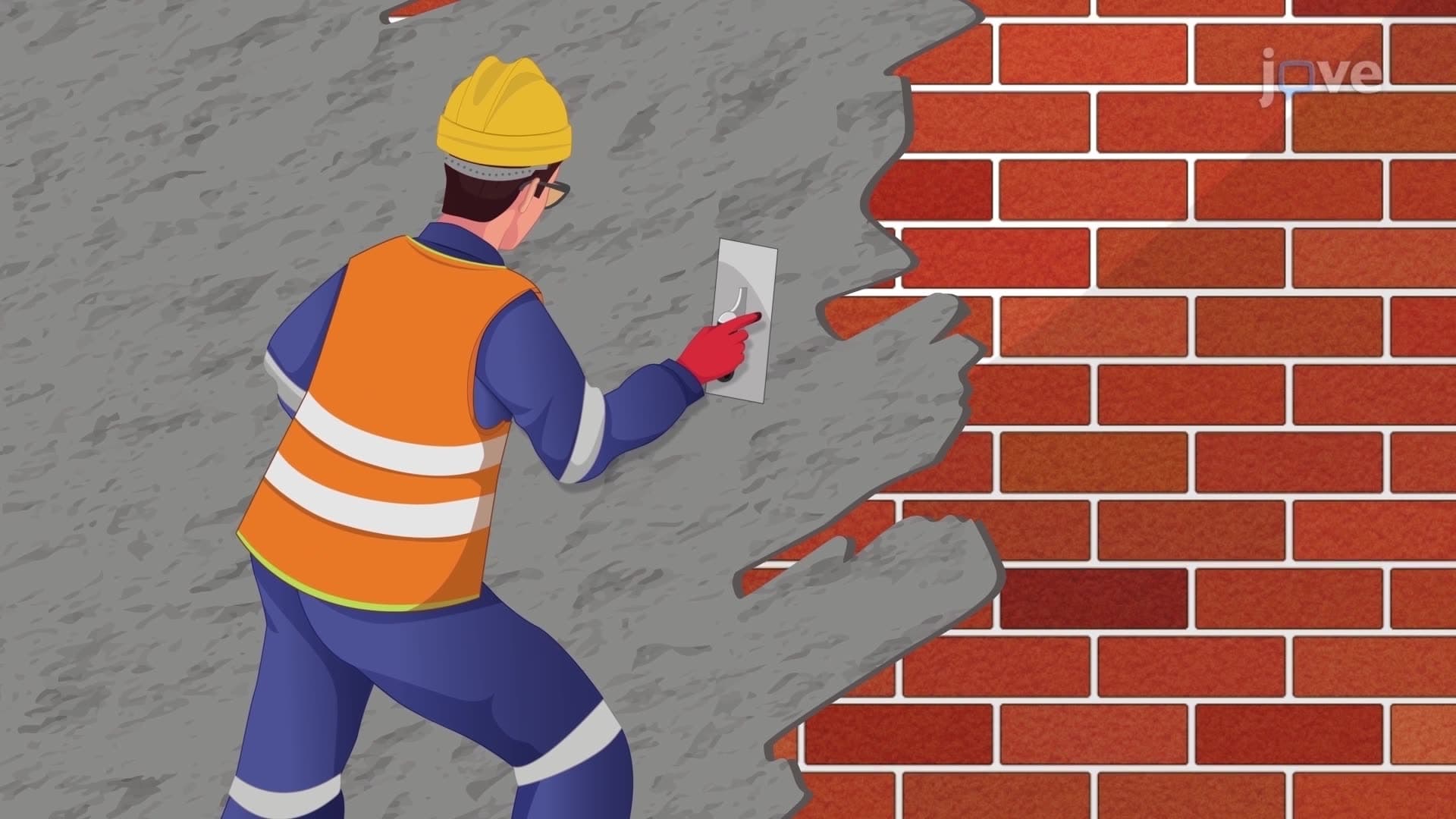
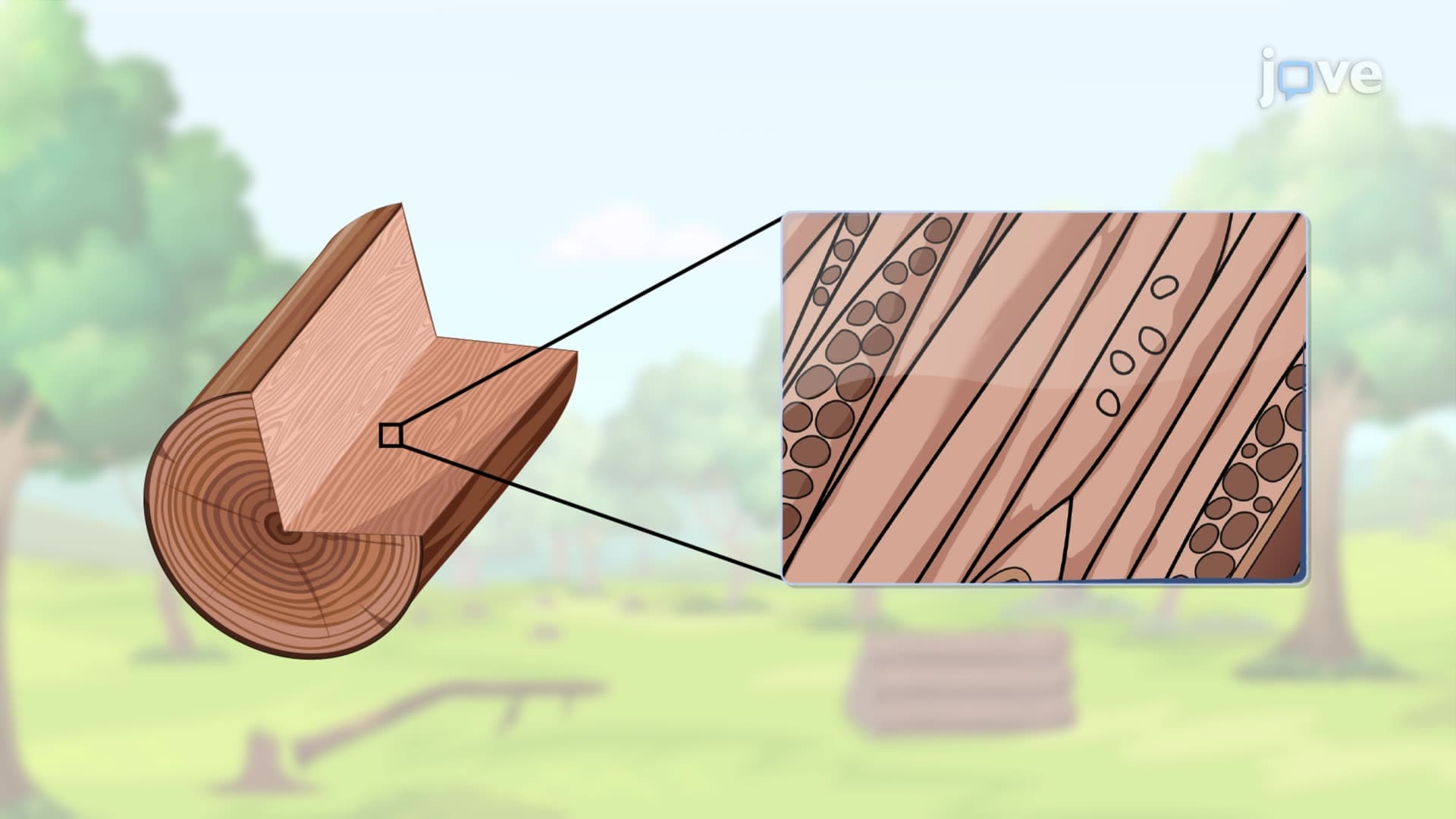
Water retention represents mortar's ability to resist moisture loss through evaporation or absorption by porous masonry units like clay bricks. Poor water retention leads to premature stiffening, making the mortar difficult to work with and potentially compromising bond formation. This concept frequently appears on AP Physics and college materials science exams, where students must explain how molecular-level interactions affect macroscopic material behavior.
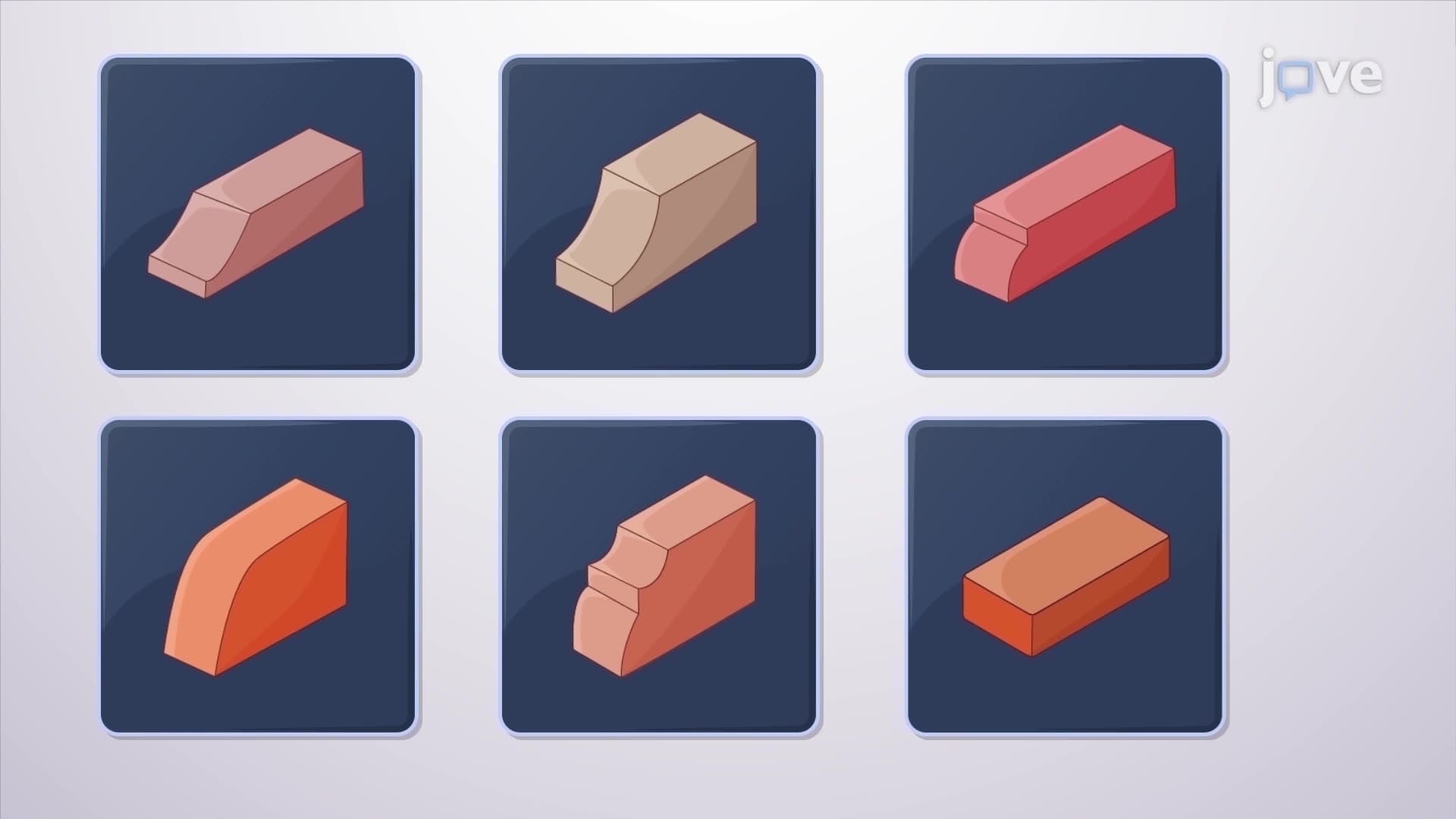
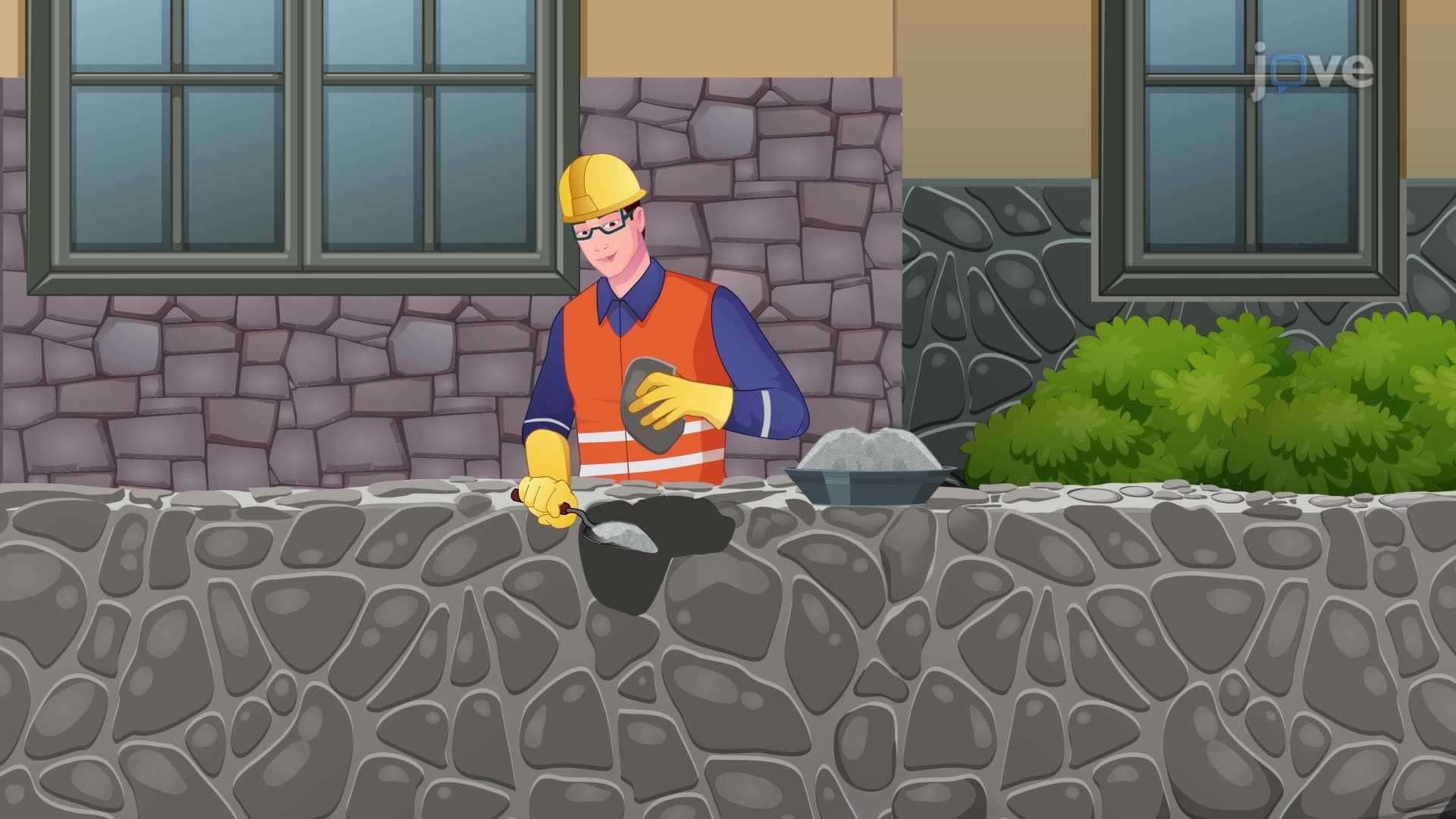
Once cured, mortar develops tensile bond strength, its ability to resist forces that pull masonry units apart. Laboratory technicians evaluate this property by joining standard bricks with mortar, allowing proper curing time, then using specialized tensile testing machines to measure the force required to separate the units. Surface texture significantly influences bond strength; rough, textured surfaces like split-face concrete blocks create stronger bonds than smooth surfaces like polished granite.
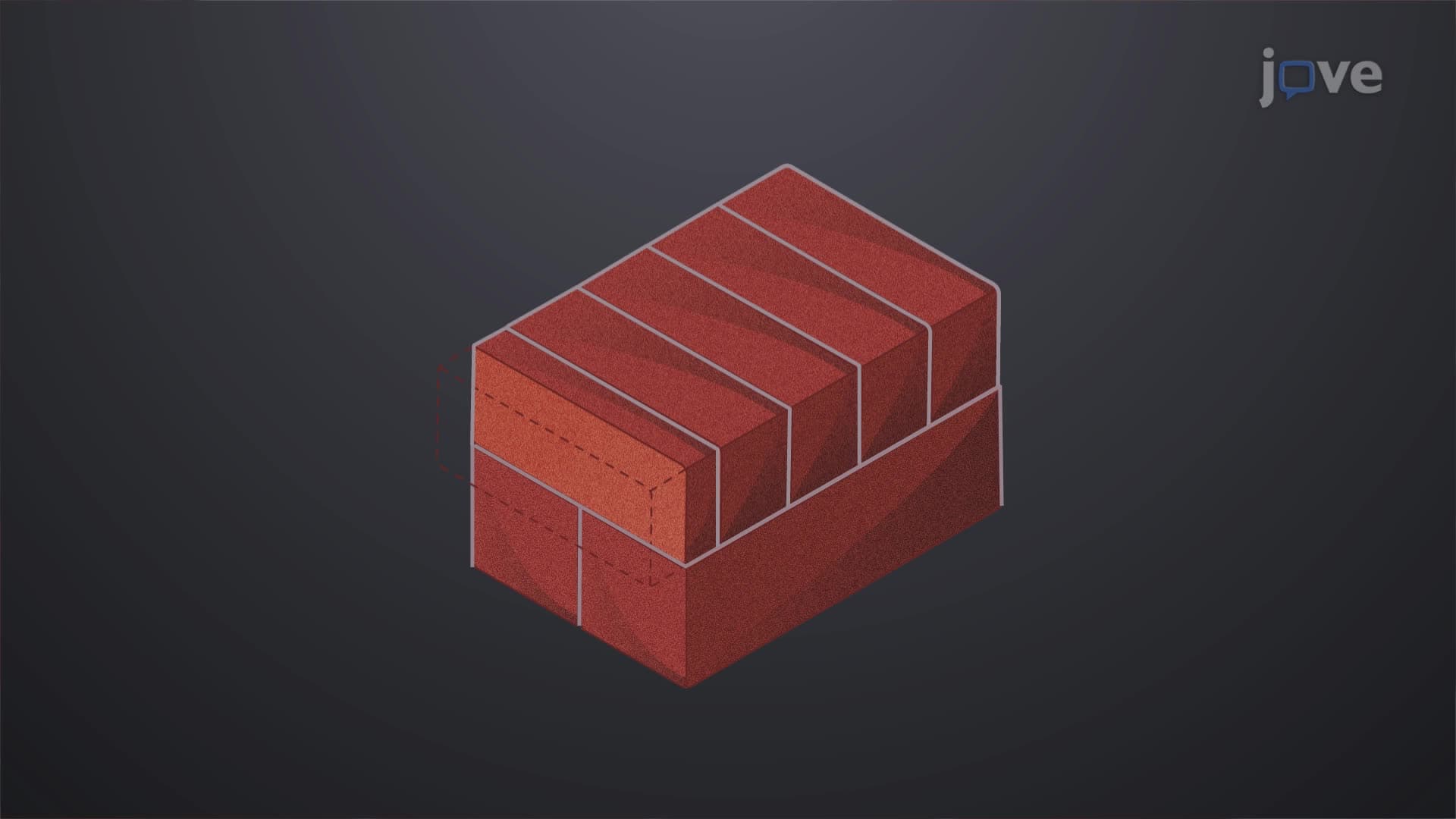
Compressive strength measures mortar's resistance to crushing forces. Standard testing involves creating 2-inch mortar cubes, curing them for 28 days under controlled conditions, then subjecting them to increasing loads in compression-testing machines until failure occurs. This testing protocol is standardized by ASTM (American Society for Testing and Materials) and frequently referenced in MCAT physical sciences sections.
The construction industry classifies mortar into four main types, M, S, N, and O, based on their 28-day compressive strength values. Type M mortar offers the highest compressive strength (2,500+ psi), making it suitable for load-bearing walls and below-grade applications. Type S provides moderate strength (1,800+ psi) for general construction, while Type N (750+ psi) serves most residential applications. Type O offers the lowest strength (350+ psi) for non-load-bearing interior walls. These classifications appear regularly on construction technology certification exams and college materials testing coursework.
Related Micro-courses